Mastering Java Web Development: Building Dynamic and Secure Web Applications
The Power of Java in Web Development
Java is a versatile and robust programming language that has been widely used in web development for many years. Its scalability, portability, and security features make it a popular choice for building dynamic and interactive web applications.
Key Benefits of Using Java in Web Development:
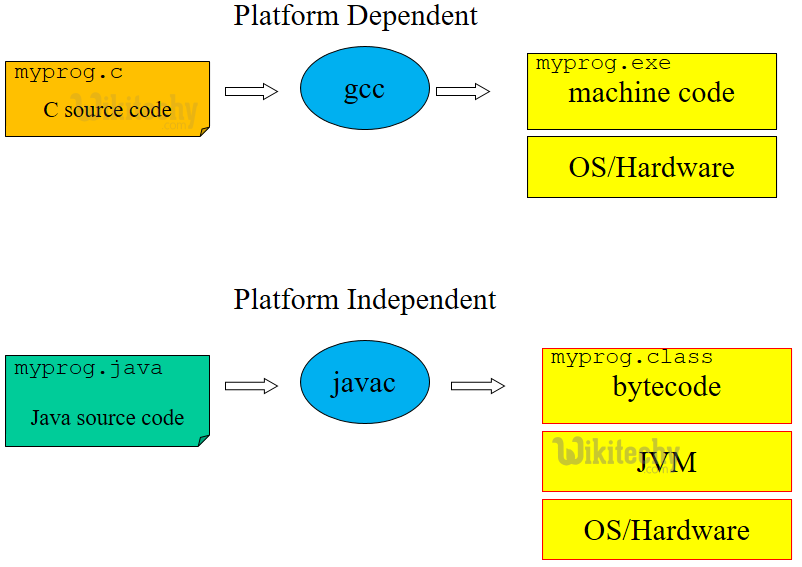
- Platform Independence: Java applications can run on any device that supports Java Virtual Machine (JVM), making them highly portable.
- Security: Java’s built-in security features help developers create secure web applications that protect against vulnerabilities.
- Scalability: Java’s scalability allows developers to build web applications that can handle a large number of users and data without compromising performance.
- Multithreading: Java’s multithreading capabilities enable developers to create efficient and responsive web applications that can handle multiple tasks simultaneously.
- Rich Ecosystem: Java has a vast ecosystem of libraries, frameworks, and tools that simplify web development tasks and accelerate the development process.
Popular Java Frameworks for Web Development:
When it comes to building web applications with Java, developers often rely on popular frameworks such as:
- Spring Framework: Known for its modular design and extensive features, Spring is widely used for building enterprise-level web applications.
- Struts Framework: Struts provides a robust architecture for developing modern web applications with MVC (Model-View-Controller) design pattern.
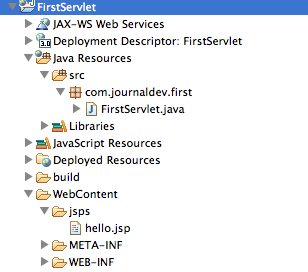
- JSP (JavaServer Pages): JSP allows developers to create dynamic web pages using Java code embedded in HTML pages.
- Vaadin Framework: Vaadin simplifies the development of rich, interactive web interfaces by providing a set of customizable UI components.
In conclusion, Java remains a powerful choice for web development due to its versatility, security features, scalability, and rich ecosystem of frameworks. By leveraging the strengths of Java, developers can create sophisticated and high-performance web applications that meet the demands of modern users.
Top 8 FAQs About Java Web Development in 2026
- Is Java outdated in 2026?
- Is Java web development hard?
- Will AI replace Java devs?
- Can you build a website using Java?
- Which is better, HTML or Java?
- Is Java used in web development?
- Are Java and JavaScript the same?
- What is Java in web development?
Is Java outdated in 2026?
In 2026, the question of whether Java is outdated remains a common concern among developers and technology enthusiasts. Despite the emergence of newer programming languages and frameworks, Java continues to be a robust and versatile language that powers a significant portion of web applications and enterprise systems worldwide. With its strong community support, regular updates, and advancements in technologies such as Java EE and Spring Boot, Java remains relevant and adaptable to modern web development needs. While some may argue that newer languages offer more features or better performance, Java’s stability, scalability, and extensive ecosystem make it a reliable choice for building secure and efficient web applications in 2026.
Is Java web development hard?
Many individuals wonder, “Is Java web development hard?” Java web development can be challenging for beginners due to its learning curve and the complexity of the Java ecosystem. However, with dedication, practice, and access to resources such as tutorials and documentation, mastering Java web development is achievable. Experienced developers often appreciate Java’s robustness, scalability, and security features, making it a popular choice for building enterprise-level web applications. Ultimately, the difficulty of Java web development depends on one’s level of experience and willingness to learn.
Will AI replace Java devs?
The question of whether AI will replace Java developers is a common concern in the tech industry. While AI can automate certain tasks and enhance productivity, it is unlikely to completely replace Java developers. Java development involves complex problem-solving, creativity, and understanding user needs—skills that AI cannot fully replicate. Instead of replacing developers, AI is more likely to serve as a powerful tool that assists them in coding more efficiently by automating repetitive tasks, debugging code, or suggesting improvements. The role of Java developers may evolve with AI advancements, but their expertise and human insight will continue to be invaluable in creating innovative web applications.
Can you build a website using Java?
Yes, you can build a website using Java. Java is a versatile programming language that is commonly used in web development to create dynamic and interactive websites. With the help of Java frameworks like Spring, Struts, and Vaadin, developers can build robust web applications that are scalable, secure, and efficient. Java’s platform independence and rich ecosystem of tools make it a popular choice for building websites that can handle complex functionalities and provide a seamless user experience. By leveraging Java’s capabilities, developers can create sophisticated websites that meet the needs of modern users.
Which is better, HTML or Java?
When it comes to comparing HTML and Java in the context of web development, it’s important to understand that they serve different purposes. HTML (HyperText Markup Language) is a markup language used for creating the structure of web pages, defining content, and linking elements together. On the other hand, Java is a programming language that is often used for creating dynamic and interactive elements on websites, such as forms, animations, and functionalities that respond to user input. In essence, HTML lays the foundation for web content presentation, while Java enhances interactivity and functionality. Therefore, rather than being better or worse than one another, HTML and Java complement each other in web development to create comprehensive and engaging online experiences.
Is Java used in web development?
Yes, Java is commonly used in web development. Java’s versatility and robust features make it a popular choice for building dynamic and interactive web applications. With its platform independence, security features, scalability, and rich ecosystem of frameworks and tools, Java provides developers with the capabilities to create secure and efficient web solutions that cater to a wide range of requirements. Whether it’s developing enterprise-level applications or creating interactive web interfaces, Java remains a powerful language for web development that continues to be widely adopted in the industry.
Are Java and JavaScript the same?
In the realm of web development, a common question that arises is whether Java and JavaScript are the same. Despite their similar names, Java and JavaScript are distinct programming languages with different purposes and functionalities. Java is a versatile, object-oriented language often used for building robust backend systems and enterprise applications, while JavaScript is a lightweight, interpreted language primarily utilized for front-end web development to create dynamic and interactive user experiences. Understanding the differences between Java and JavaScript is essential for developers to choose the right tool for their specific programming needs in web development projects.
What is Java in web development?
In the realm of web development, Java plays a pivotal role as a versatile and robust programming language. Java is utilized to create dynamic and interactive web applications that are scalable, secure, and portable across various platforms. With its inherent security features, Java enables developers to build web applications that are resilient against vulnerabilities. Additionally, Java’s scalability allows for the creation of high-performance web applications capable of handling a large volume of users and data. Overall, Java serves as a foundational tool in web development, empowering developers to craft sophisticated and efficient online experiences for users worldwide.