cfchris.com

Loading

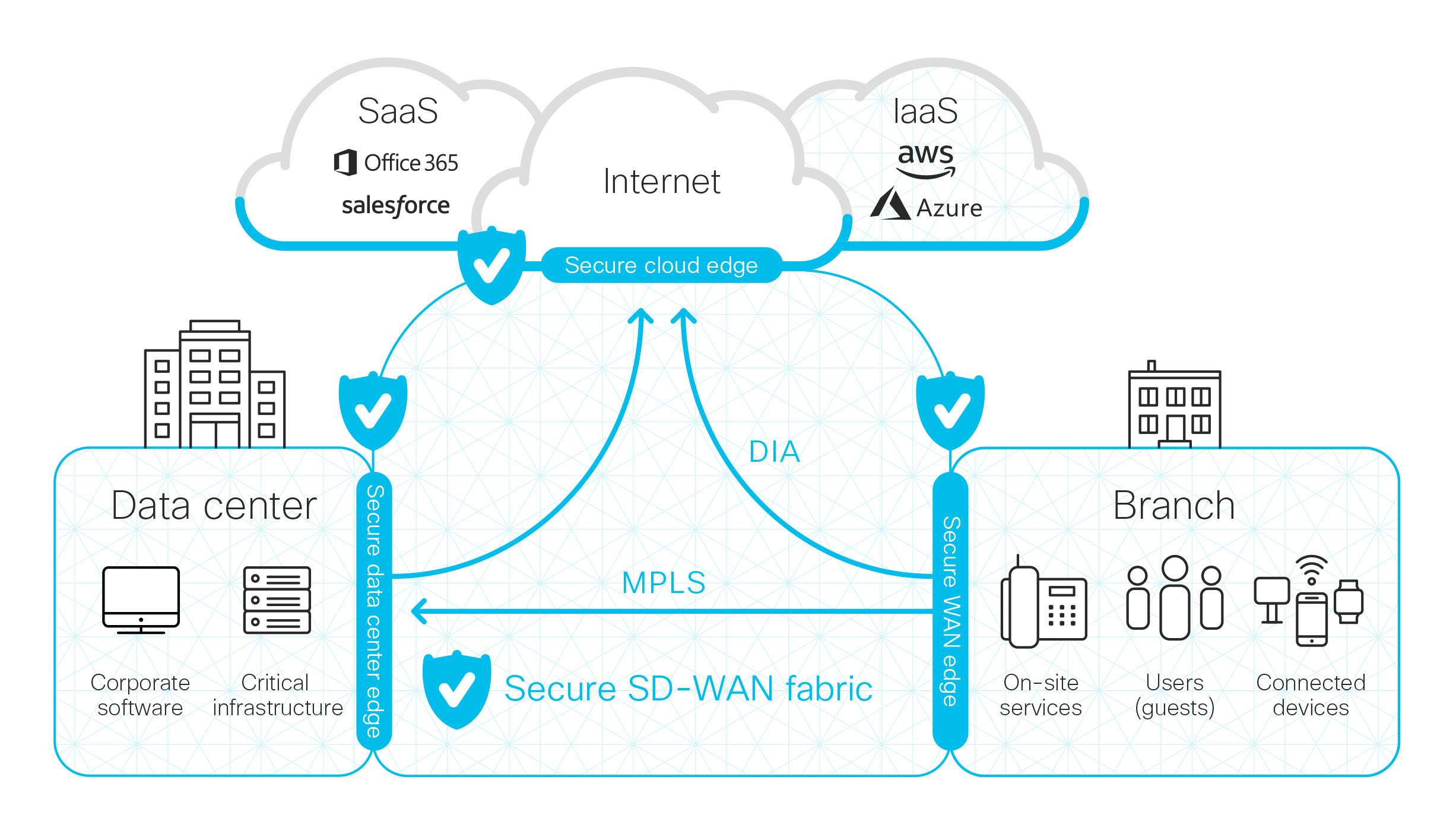
nydfs cybersecurity

Enhancing Financial Security: The Role of NYDFS in Cybersecurity

The Role of NYDFS in Cybersecurity

The Role of NYDFS in Cybersecurity

As cyber threats continue to evolve and become more sophisticated, the New York Department of Financial Services (NYDFS) plays a crucial role in ensuring the cybersecurity of financial institutions operating within the state.

The NYDFS has implemented stringent regulations and guidelines to safeguard sensitive financial data and protect consumers from cyber attacks. These regulations require financial institutions to establish robust cybersecurity programs, conduct regular risk assessments, and report any cybersecurity incidents promptly.

One of the key initiatives introduced by the NYDFS is the Cybersecurity Regulation (23 NYCRR 500), which sets forth minimum standards for cybersecurity practices that financial institutions must adhere to. This regulation includes requirements such as multi-factor authentication, encryption of sensitive data, and regular cybersecurity training for employees.

In addition to setting regulatory standards, the NYDFS actively monitors compliance with these regulations through examinations and assessments. Financial institutions are required to submit annual certifications of their compliance with the Cybersecurity Regulation, demonstrating their commitment to maintaining strong cybersecurity measures.

Furthermore, the NYDFS collaborates with other regulatory agencies and law enforcement authorities to share information on emerging cyber threats and coordinate responses to cyber incidents. By fostering a culture of information sharing and cooperation, the NYDFS aims to enhance the overall resilience of the financial sector against cyber threats.

In conclusion, the NYDFS plays a vital role in promoting cybersecurity within the financial industry and protecting both institutions and consumers from cyber risks. Through its proactive approach to regulation and oversight, the NYDFS helps ensure that New York remains at the forefront of cybersecurity best practices.


6 Essential Tips for Strengthening Cybersecurity Compliance with NYDFS Regulations

  1. Regularly update software and systems to protect against vulnerabilities.
  2. Implement strong password policies and multi-factor authentication.
  3. Train employees on cybersecurity best practices and how to identify phishing attempts.
  4. Encrypt sensitive data both in transit and at rest.
  5. Conduct regular security assessments and audits to identify weaknesses.
  6. Establish a an incident response plan to quickly respond to and mitigate cybersecurity incidents.

Regularly update software and systems to protect against vulnerabilities.

Regularly updating software and systems is a critical tip in NYDFS cybersecurity practices to safeguard against vulnerabilities. By staying current with software patches and system updates, financial institutions can address known security weaknesses and reduce the risk of exploitation by cyber attackers. This proactive approach helps ensure that systems remain resilient to emerging threats and maintain the integrity of sensitive financial data. Compliance with this best practice not only enhances cybersecurity posture but also demonstrates a commitment to maintaining a secure environment for both the institution and its customers as mandated by NYDFS regulations.

Implement strong password policies and multi-factor authentication.

To enhance cybersecurity measures in compliance with NYDFS regulations, it is crucial for financial institutions to implement strong password policies and multi-factor authentication. By enforcing complex password requirements and requiring an additional layer of verification through multi-factor authentication, institutions can significantly reduce the risk of unauthorized access to sensitive data. These practices not only bolster security but also demonstrate a commitment to safeguarding confidential information and meeting the stringent cybersecurity standards set forth by the NYDFS.

Train employees on cybersecurity best practices and how to identify phishing attempts.

Training employees on cybersecurity best practices is essential in strengthening an organization’s defense against cyber threats. By educating staff members on how to identify phishing attempts, such as suspicious emails or messages, companies can empower their workforce to act as the first line of defense against potential security breaches. Equipping employees with the knowledge and skills to recognize and report phishing attempts not only helps protect sensitive data but also contributes to creating a culture of cybersecurity awareness within the organization.

Encrypt sensitive data both in transit and at rest.

It is crucial for financial institutions under NYDFS regulation to encrypt sensitive data both in transit and at rest. Encrypting data in transit ensures that information remains secure while being transferred between systems or devices, protecting it from interception by malicious actors. Similarly, encrypting data at rest safeguards stored information from unauthorized access, adding an extra layer of security to prevent data breaches. By implementing robust encryption practices, financial institutions can enhance the protection of sensitive data and comply with NYDFS cybersecurity requirements effectively.

Conduct regular security assessments and audits to identify weaknesses.

Regular security assessments and audits are essential components of a comprehensive cybersecurity strategy recommended by the NYDFS. By conducting these assessments on a regular basis, financial institutions can proactively identify vulnerabilities and weaknesses in their systems and processes. This proactive approach allows organizations to address potential security gaps before they are exploited by cyber attackers, helping to strengthen overall cybersecurity defenses and protect sensitive data from unauthorized access or breaches.

Establish a an incident response plan to quickly respond to and mitigate cybersecurity incidents.

Establishing an incident response plan is a critical component of NYDFS cybersecurity guidelines. By having a well-defined plan in place, financial institutions can swiftly respond to and mitigate cybersecurity incidents, minimizing potential damages and disruptions. This proactive approach not only helps in containing the impact of security breaches but also demonstrates a commitment to effective risk management and compliance with regulatory requirements. Having an incident response plan ensures that organizations are prepared to handle cyber threats promptly and efficiently, safeguarding both their own operations and the sensitive data of their customers.
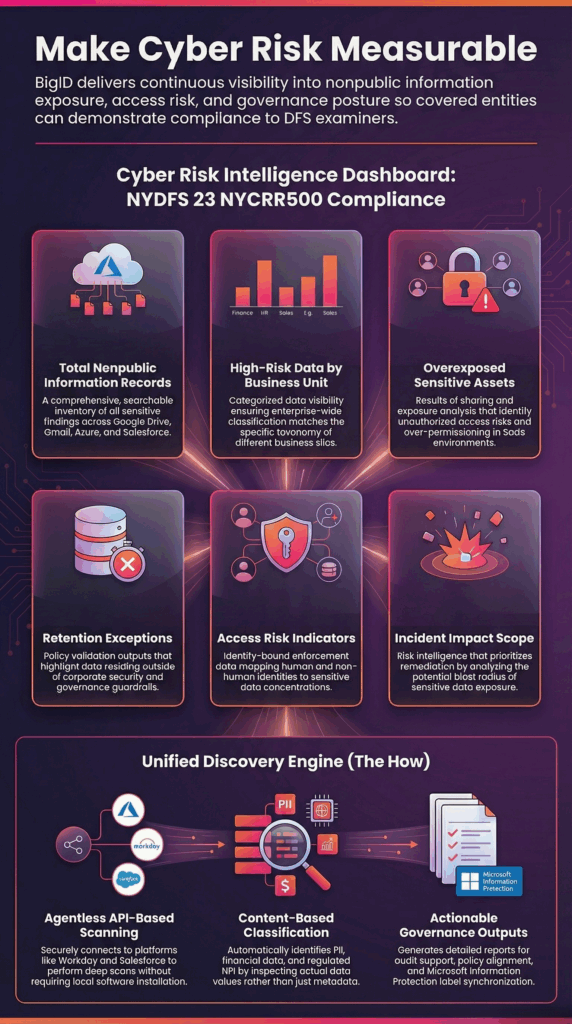
aws cyber security

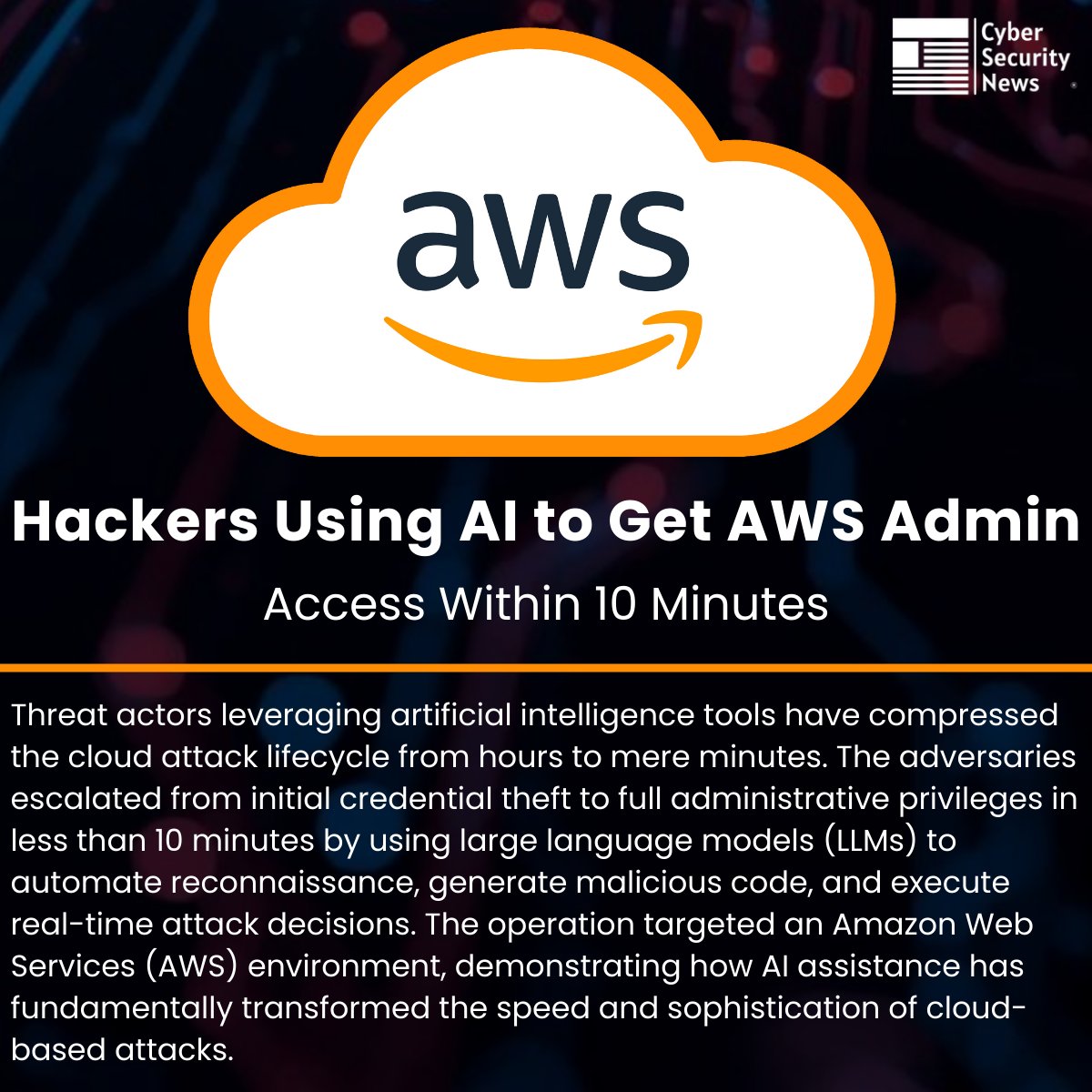
Enhancing Cloud Security: Leveraging AWS Cyber Security Solutions

AWS Cyber Security: Protecting Your Cloud Infrastructure

AWS Cyber Security: Protecting Your Cloud Infrastructure

As businesses increasingly rely on cloud services for their operations, ensuring the security of data and applications hosted on platforms like Amazon Web Services (AWS) is paramount. AWS offers robust security features to help protect your cloud infrastructure from cyber threats.

Key Aspects of AWS Cyber Security

Here are some key aspects of AWS cyber security that you should be aware of:

Shared Responsibility Model:

AWS follows a shared responsibility model, where they are responsible for the security of the cloud infrastructure, while customers are responsible for securing their data and applications within the cloud. Understanding this model is essential for implementing effective security measures.

Identity and Access Management (IAM):

AWS IAM allows you to manage user access to resources securely. By defining granular permissions and roles, you can control who can access which resources, helping prevent unauthorized access to sensitive data.

Network Security:

AWS provides tools such as Virtual Private Cloud (VPC) and Security Groups to secure your network infrastructure. You can create private networks, set up firewalls, and monitor network traffic to detect and prevent potential security breaches.

Data Encryption:

Encrypting data at rest and in transit is crucial for maintaining the confidentiality and integrity of your information. AWS offers services like AWS Key Management Service (KMS) for managing encryption keys and Amazon S3 server-side encryption for securing data stored in S3 buckets.

Best Practices for AWS Cyber Security

To enhance the security of your AWS environment, consider implementing the following best practices:

  • Regularly review and update IAM policies to ensure least privilege access.
  • Enable multi-factor authentication (MFA) for added account protection.
  • Monitor logs and set up alerts to detect suspicious activities.
  • Conduct regular vulnerability assessments and penetration testing.
  • Stay informed about AWS security updates and best practices.

Conclusion

In conclusion, AWS offers a wide range of security features to help safeguard your cloud infrastructure against cyber threats. By understanding these features and following best practices for AWS cyber security, you can create a more secure environment for your data and applications in the cloud.


8 Essential Tips for Strengthening AWS Cybersecurity

  1. Enable multi-factor authentication (MFA) for all user accounts
  2. Regularly rotate access keys and credentials
  3. Use AWS Identity and Access Management (IAM) to control access to AWS resources
  4. Encrypt data at rest and in transit using AWS Key Management Service (KMS)
  5. Monitor your AWS environment for security incidents using Amazon GuardDuty
  6. Implement network security best practices, such as configuring security groups and network ACLs
  7. Regularly update and patch your EC2 instances and other AWS services
  8. Enable logging and monitoring in AWS CloudTrail, CloudWatch, and Config

Enable multi-factor authentication (MFA) for all user accounts

Enabling multi-factor authentication (MFA) for all user accounts is a crucial step in enhancing the security of your AWS environment. By requiring an additional verification method beyond just a password, such as a unique code sent to a mobile device, MFA adds an extra layer of protection against unauthorized access. This simple yet effective measure significantly reduces the risk of account compromise and strengthens overall security posture, ensuring that only authorized users can access sensitive resources within your AWS infrastructure.

Regularly rotate access keys and credentials

Regularly rotating access keys and credentials is a crucial practice in AWS cyber security. By frequently updating these keys and credentials, you can reduce the risk of unauthorized access to your cloud resources. This proactive measure helps enhance the overall security posture of your AWS environment, ensuring that only authorized users have access to sensitive data and applications. Regular rotation of access keys and credentials is a simple yet effective way to mitigate potential security vulnerabilities and protect your cloud infrastructure from cyber threats.

Use AWS Identity and Access Management (IAM) to control access to AWS resources

Utilizing AWS Identity and Access Management (IAM) is a crucial tip for enhancing AWS cyber security. By leveraging IAM, businesses can effectively manage and control access to their AWS resources. IAM allows organizations to set granular permissions and roles, ensuring that only authorized users have access to specific resources within the cloud environment. This helps prevent unauthorized access, reduces the risk of data breaches, and enhances overall security posture on the AWS platform.

Encrypt data at rest and in transit using AWS Key Management Service (KMS)

To enhance the security of your data stored in Amazon Web Services (AWS), it is crucial to encrypt data both at rest and in transit using AWS Key Management Service (KMS). By utilizing KMS, you can manage encryption keys securely and ensure that your sensitive information remains protected from unauthorized access. Encrypting data at rest prevents unauthorized users from accessing data stored in databases or on disk, while encrypting data in transit adds an extra layer of security when data is being transferred between services or applications within your AWS environment. Implementing encryption with AWS KMS helps mitigate the risk of data breaches and strengthens the overall security posture of your cloud infrastructure.

Monitor your AWS environment for security incidents using Amazon GuardDuty

Monitoring your AWS environment for security incidents is crucial in maintaining a secure cloud infrastructure. Amazon GuardDuty is a powerful tool that can help you detect and respond to potential threats in real-time. By leveraging GuardDuty’s threat detection capabilities, you can proactively identify unauthorized access, malicious activities, and other suspicious behavior within your AWS environment. This proactive approach allows you to take immediate action to mitigate risks and strengthen the overall security posture of your cloud infrastructure.

Implement network security best practices, such as configuring security groups and network ACLs

Implementing network security best practices, such as configuring security groups and network Access Control Lists (ACLs), is crucial for enhancing the overall security of your AWS environment. By setting up proper security groups and ACLs, you can control inbound and outbound traffic to your instances, restrict access to specific ports, and prevent unauthorized network communication. These measures help reduce the attack surface and mitigate potential security risks, ensuring a more secure and resilient cloud infrastructure on Amazon Web Services.

Regularly update and patch your EC2 instances and other AWS services

Regularly updating and patching your EC2 instances and other AWS services is a critical aspect of maintaining strong cyber security in your cloud environment. By staying current with software updates and patches, you can address known vulnerabilities and reduce the risk of potential security breaches. This proactive approach helps to enhance the overall security posture of your AWS infrastructure, ensuring that your systems are better protected against emerging threats and attacks.

Enable logging and monitoring in AWS CloudTrail, CloudWatch, and Config

Enabling logging and monitoring in AWS services like CloudTrail, CloudWatch, and Config is a crucial tip for enhancing cyber security. By setting up comprehensive logging and monitoring mechanisms, businesses can gain valuable insights into their AWS environment, detect suspicious activities or unauthorized access in real-time, and ensure compliance with security policies. These tools provide visibility into user actions, resource changes, and system configurations, allowing organizations to proactively identify and respond to potential security threats effectively.

23 nycrr 500

Navigating Compliance: Understanding the Impact of 23 NYCRR 500

Article: 23 NYCRR 500

Understanding 23 NYCRR 500: New York’s Cybersecurity Regulation

23 NYCRR 500 is a cybersecurity regulation issued by the New York State Department of Financial Services (DFS). This regulation aims to protect sensitive data and information held by financial institutions operating in New York.

Key Requirements of 23 NYCRR 500

The regulation mandates financial institutions to:

  • Establish a cybersecurity program designed to protect nonpublic information.
  • Conduct regular risk assessments and implement cybersecurity measures based on identified risks.
  • Implement multi-factor authentication for accessing internal systems and sensitive data.
  • Maintain an incident response plan to address and recover from cybersecurity events promptly.
  • Provide cybersecurity awareness training to employees to enhance overall security posture.
  • Engage third-party service providers who comply with the regulation’s requirements.

Implications for Financial Institutions

Compliance with 23 NYCRR 500 is crucial for financial institutions as non-compliance can lead to severe penalties, including fines and reputational damage. By adhering to the regulation, organizations can strengthen their cybersecurity defenses, reduce the risk of data breaches, and safeguard customer information.

Conclusion

23 NYCRR 500 sets a high standard for cybersecurity practices within the financial sector in New York. Financial institutions subject to this regulation must prioritize data protection, implement robust security measures, and continually assess and enhance their cybersecurity posture to mitigate risks effectively.

© 2022 CFChris. All rights reserved.


Strengthening Cybersecurity: 8 Key Benefits of 23 NYCRR 500 for New York Financial Institutions

  1. Enhances cybersecurity measures for financial institutions in New York
  2. Protects sensitive data and nonpublic information from cyber threats
  3. Mandates regular risk assessments to identify and address vulnerabilities
  4. Requires the implementation of multi-factor authentication for enhanced security
  5. Promotes cybersecurity awareness training among employees
  6. Establishes incident response plans to mitigate the impact of cyber incidents
  7. Encourages collaboration with compliant third-party service providers
  8. Helps organizations strengthen their overall security posture and reduce data breach risks


Challenges of 23 NYCRR 500: Compliance Costs, Complexity, and Third-Party Provider Burdens

  1. Compliance costs
  2. Complexity
  3. Burden on third-party providers

Enhances cybersecurity measures for financial institutions in New York

The implementation of 23 NYCRR 500 significantly enhances cybersecurity measures for financial institutions operating in New York. By mandating the establishment of robust cybersecurity programs, conducting regular risk assessments, and implementing multi-factor authentication, the regulation strengthens the overall security posture of these institutions. This proactive approach not only helps in safeguarding sensitive data but also aids in preventing cyber threats and potential breaches, ultimately fostering a more secure environment for both the institutions and their clients.

Protects sensitive data and nonpublic information from cyber threats

One significant advantage of 23 NYCRR 500 is its ability to safeguard sensitive data and nonpublic information from cyber threats. By requiring financial institutions to establish robust cybersecurity programs and implement protective measures, the regulation helps prevent unauthorized access, data breaches, and other cyber incidents that could compromise the security and confidentiality of valuable information. This proactive approach not only enhances data protection but also instills trust among stakeholders, demonstrating a commitment to maintaining the integrity and privacy of sensitive data in today’s digital landscape.

Mandates regular risk assessments to identify and address vulnerabilities

One significant advantage of 23 NYCRR 500 is that it mandates regular risk assessments to identify and address vulnerabilities. By requiring financial institutions to conduct these assessments, the regulation promotes proactive measures to enhance cybersecurity defenses. Identifying potential risks allows organizations to implement targeted security measures, prioritize resource allocation, and mitigate vulnerabilities before they can be exploited. This proactive approach not only strengthens the overall security posture of financial institutions but also helps in safeguarding sensitive data and information from potential cyber threats.

Requires the implementation of multi-factor authentication for enhanced security

One significant advantage of 23 NYCRR 500 is its requirement for the implementation of multi-factor authentication to enhance security measures. By mandating the use of multi-factor authentication, the regulation adds an extra layer of protection to sensitive data and internal systems within financial institutions. This additional security measure helps prevent unauthorized access and significantly reduces the risk of data breaches or cyber attacks. Overall, the emphasis on multi-factor authentication under 23 NYCRR 500 plays a crucial role in bolstering cybersecurity defenses and safeguarding confidential information effectively.

Promotes cybersecurity awareness training among employees

One significant advantage of 23 NYCRR 500 is that it promotes cybersecurity awareness training among employees. By requiring financial institutions to provide training on cybersecurity best practices, potential threats, and how to respond to security incidents, the regulation helps enhance the overall security posture of organizations. This proactive approach not only equips employees with the knowledge and skills needed to identify and mitigate cyber risks but also fosters a culture of cybersecurity consciousness within the workplace. Ultimately, promoting cybersecurity awareness training among employees can contribute to a stronger defense against cyber threats and safeguard sensitive information effectively.

Establishes incident response plans to mitigate the impact of cyber incidents

One significant advantage of 23 NYCRR 500 is that it requires financial institutions to establish incident response plans to mitigate the impact of cyber incidents. By mandating the development of structured procedures for responding to cybersecurity breaches, this regulation helps organizations effectively manage and contain threats, minimize potential damages, and swiftly recover from security incidents. Implementing robust incident response plans ensures that financial institutions can respond promptly and decisively in the event of a cyber attack, enhancing their overall resilience against evolving cyber threats.

Encourages collaboration with compliant third-party service providers

One significant benefit of 23 NYCRR 500 is that it encourages collaboration with compliant third-party service providers. By engaging with service providers who adhere to the regulation’s cybersecurity requirements, financial institutions can enhance the overall security of their operations. This collaboration ensures that sensitive data shared with third parties is adequately protected, reducing the risk of data breaches and strengthening the cybersecurity ecosystem within the financial sector. The emphasis on partnering with compliant providers fosters a culture of shared responsibility for cybersecurity and promotes a more secure environment for all stakeholders involved.

Helps organizations strengthen their overall security posture and reduce data breach risks

One of the key benefits of 23 NYCRR 500 is that it helps organizations strengthen their overall security posture and reduce the risks of data breaches. By mandating the establishment of robust cybersecurity programs, regular risk assessments, and the implementation of security measures tailored to identified risks, this regulation ensures that financial institutions operating in New York prioritize data protection and enhance their resilience against cyber threats. Compliance with 23 NYCRR 500 not only safeguards sensitive information but also contributes to a more secure and trustworthy financial ecosystem.

Compliance costs

Implementing and maintaining a cybersecurity program in accordance with 23 NYCRR 500 can pose a significant financial burden on financial institutions. The costs associated with meeting the regulation’s requirements, such as conducting regular risk assessments, implementing security measures, providing employee training, and engaging compliant third-party service providers, can add up quickly. These compliance costs may strain the resources of smaller institutions and require substantial investments in cybersecurity infrastructure and personnel to ensure ongoing adherence to the regulation.

Complexity

The complexity of the regulatory requirements outlined in 23 NYCRR 500 presents a significant challenge, particularly for smaller organizations with constrained resources. Interpreting and implementing the intricate guidelines can be daunting, leading to potential compliance issues and increased operational burdens. Smaller entities may struggle to navigate the nuanced provisions effectively, highlighting the need for additional support and guidance in meeting the stringent cybersecurity standards set forth by the regulation.

Burden on third-party providers

One significant con of 23 NYCRR 500 is the burden it places on third-party providers. Financial institutions are required to verify that their external service providers adhere to the regulation, introducing an additional layer of oversight and management. Ensuring compliance among third parties can be complex and time-consuming, as institutions must monitor and assess the cybersecurity practices of each vendor to maintain regulatory alignment. This added responsibility increases the administrative workload for financial organizations and may lead to challenges in coordinating and enforcing cybersecurity standards across multiple external entities.

cloud security network

Ensuring Data Protection: The Crucial Role of Cloud Security Network

The Importance of Cloud Security Network

The Importance of Cloud Security Network

In today’s digital age, businesses are increasingly relying on cloud services to store and manage their data. While the cloud offers numerous benefits such as scalability, flexibility, and cost-efficiency, it also poses significant security risks. This is where a robust cloud security network comes into play.

Securing Your Data in the Cloud

Cloud security network refers to the measures and protocols put in place to protect data stored in the cloud from unauthorized access, data breaches, and other cyber threats. With sensitive information being stored off-site on remote servers, it is crucial for businesses to implement strong security practices to safeguard their data.

The Role of Encryption

Encryption is a fundamental aspect of cloud security network. By encrypting data before it is uploaded to the cloud and decrypting it only upon retrieval, businesses can ensure that their information remains secure even if it is intercepted by hackers. Strong encryption algorithms provide an additional layer of protection against unauthorized access.

Access Control and Authentication

Another key component of cloud security network is access control and authentication. Businesses should implement strict access control policies to limit who can view, edit, or delete data stored in the cloud. Multi-factor authentication adds an extra layer of security by requiring users to verify their identity through multiple means.

Regular Monitoring and Updates

Continuous monitoring of the cloud infrastructure is essential to detect any suspicious activity or potential security breaches promptly. Regular software updates and patches should be applied to ensure that vulnerabilities are addressed promptly and that the system remains secure against evolving cyber threats.

Conclusion

In conclusion, a robust cloud security network is essential for businesses leveraging cloud services to protect their valuable data from cyber threats. By implementing strong encryption measures, access control policies, regular monitoring, and updates, businesses can mitigate risks and ensure that their data remains secure in the cloud.


5 Essential Tips for Enhancing Cloud Network Security

  1. Use strong, unique passwords for cloud accounts.
  2. Enable multi-factor authentication for an added layer of security.
  3. Regularly update and patch all cloud services and applications.
  4. Encrypt data both in transit and at rest within the cloud network.
  5. Implement strict access controls to limit who can interact with sensitive data.

Use strong, unique passwords for cloud accounts.

It is crucial to use strong, unique passwords for cloud accounts to enhance the security of your data stored in the cloud. By creating complex passwords that combine letters, numbers, and special characters, you can significantly reduce the risk of unauthorized access to your sensitive information. Using different passwords for each cloud account adds an extra layer of protection, ensuring that a breach in one account does not compromise others. Regularly updating and changing these passwords further strengthens the security of your cloud network and helps safeguard your data from potential cyber threats.

Enable multi-factor authentication for an added layer of security.

Enabling multi-factor authentication is a crucial tip for enhancing cloud security network. By requiring users to verify their identity through multiple means, such as a password and a unique code sent to their mobile device, businesses can significantly reduce the risk of unauthorized access to sensitive data stored in the cloud. This additional layer of security adds an extra barrier for potential attackers and strengthens the overall security posture of the cloud infrastructure.

Regularly update and patch all cloud services and applications.

Regularly updating and patching all cloud services and applications is a crucial aspect of maintaining a secure cloud security network. By staying up-to-date with the latest software updates and patches, businesses can address vulnerabilities promptly and ensure that their cloud infrastructure remains resilient against potential cyber threats. Failure to update regularly can leave systems exposed to exploitation by malicious actors, making it essential for organizations to prioritize proactive maintenance to enhance the overall security of their cloud environment.

Encrypt data both in transit and at rest within the cloud network.

Encrypting data both in transit and at rest within the cloud network is a crucial tip for enhancing cloud security. By encrypting data while it is being transferred between devices and servers (in transit) and also when it is stored on the cloud servers (at rest), businesses can ensure that their sensitive information remains secure from potential threats. This dual-layer encryption approach adds an extra level of protection, making it significantly harder for unauthorized users to access or intercept the data, thus safeguarding the confidentiality and integrity of the information stored in the cloud network.

Implement strict access controls to limit who can interact with sensitive data.

To enhance the security of your cloud network, it is crucial to implement strict access controls that restrict access to sensitive data only to authorized individuals. By limiting who can interact with this critical information, businesses can significantly reduce the risk of unauthorized access and data breaches. Implementing robust access control measures ensures that sensitive data remains protected and only accessible to those with the necessary permissions, thereby strengthening the overall security of the cloud network.

cyber-security

Enhancing Cyber-Security Measures for a Safer Digital World

The Importance of Cybersecurity

The Importance of Cybersecurity

In today’s digital age, cybersecurity has become a critical aspect of our daily lives. With the increasing reliance on technology for communication, business transactions, and personal data storage, the need to protect sensitive information from cyber threats has never been more pressing.

Cybersecurity refers to the practice of protecting systems, networks, and data from malicious attacks. These attacks can come in various forms, such as malware, phishing scams, ransomware, and more. The consequences of a successful cyber attack can be devastating, leading to financial loss, reputational damage, and even legal implications.

Why is Cybersecurity Important?

Protecting Personal Information: Cybersecurity helps safeguard personal information such as social security numbers, credit card details, and medical records from falling into the wrong hands.

Safeguarding Business Assets: For businesses, cybersecurity is essential for protecting intellectual property, financial data, customer information, and other valuable assets.

Maintaining Trust: A strong cybersecurity posture helps build trust with customers and partners who rely on your organization to keep their data secure.

Best Practices for Cybersecurity

To enhance cybersecurity defenses, individuals and organizations can implement the following best practices:

  • Use strong passwords and enable multi-factor authentication.
  • Keep software and systems up-to-date with the latest security patches.
  • Educate employees about cybersecurity awareness and best practices.
  • Regularly back up important data to prevent loss in case of a cyber incident.
  • Implement firewalls, antivirus software, and encryption tools to protect against threats.
  • Monitor network activity for any suspicious behavior that may indicate a potential breach.

Conclusion

Cybersecurity is an ongoing effort that requires vigilance and proactive measures to stay ahead of evolving threats. By prioritizing cybersecurity practices at both individual and organizational levels, we can create a safer digital environment for everyone.


Understanding Cybersecurity: Challenges, Types, Career Potential, and Roles

  1. Is cyber security very hard?
  2. What are the 5 types of cyber security?
  3. Is cyber security high paying?
  4. What does cyber security do?

Is cyber security very hard?

Addressing the frequently asked question, “Is cybersecurity very hard?” can vary depending on one’s perspective and level of expertise. While cybersecurity can indeed be complex and challenging due to the ever-evolving nature of cyber threats and the technical knowledge required to mitigate risks effectively, it is not insurmountable. With proper education, training, and adherence to best practices, individuals and organizations can enhance their cybersecurity posture and protect their digital assets. Taking proactive steps such as implementing strong passwords, keeping software updated, and staying informed about emerging threats can go a long way in bolstering cybersecurity defenses. Ultimately, while cybersecurity may present challenges, it is a crucial aspect of modern-day life that can be managed with dedication and the right approach.

What are the 5 types of cyber security?

There are five main types of cybersecurity measures that organizations and individuals can implement to protect against cyber threats. These include network security, which focuses on securing the organization’s network infrastructure, endpoint security that safeguards individual devices like computers and mobile devices, application security which involves protecting software applications from vulnerabilities, cloud security for securing data stored in the cloud, and data security to ensure the confidentiality, integrity, and availability of sensitive information. By employing a combination of these cybersecurity types, entities can strengthen their defenses against a wide range of cyber attacks.

Is cyber security high paying?

In the field of cybersecurity, professionals often wonder about the earning potential and whether cybersecurity is a high-paying career path. The answer to this frequently asked question is yes, cybersecurity is known for offering competitive salaries due to the increasing demand for skilled professionals who can protect organizations from cyber threats. With the rise in cyber attacks and data breaches, companies are willing to invest in top talent to secure their systems and data, making cybersecurity a lucrative and rewarding career choice for those with the right skills and expertise.

What does cyber security do?

Cybersecurity plays a crucial role in safeguarding digital systems, networks, and data from malicious attacks. It encompasses a range of practices and technologies designed to protect against threats such as malware, phishing scams, ransomware, and more. Cybersecurity measures help prevent unauthorized access to sensitive information, ensuring the confidentiality, integrity, and availability of data. By implementing robust cybersecurity protocols, organizations and individuals can mitigate risks and defend against cyber threats that could compromise their security and privacy.

cloud based cyber security companies

Enhancing Security: The Role of Cloud-Based Cyber Security Companies

Article: Cloud-Based Cyber Security Companies

The Rise of Cloud-Based Cyber Security Companies

In today’s digital age, the importance of cyber security cannot be overstated. With the increasing number of cyber threats and data breaches, businesses are turning to innovative solutions to protect their sensitive information. One such solution that has gained popularity in recent years is cloud-based cyber security.

Cloud-based cyber security companies offer a range of services and products that help organizations safeguard their data and systems in the cloud. By leveraging the power of cloud computing, these companies can provide scalable and cost-effective security solutions that are tailored to meet the unique needs of each client.

Benefits of Cloud-Based Cyber Security Companies

There are several key benefits to partnering with a cloud-based cyber security company:

  • Scalability: Cloud-based solutions can easily scale up or down based on the needs of your business, providing flexibility and cost savings.
  • Accessibility: With cloud-based security tools, you can access your data and monitor your systems from anywhere in the world, enhancing convenience and efficiency.
  • Automation: Many cloud-based security solutions offer automated features that help streamline processes and detect threats in real-time.
  • Cost-Effectiveness: By outsourcing your cyber security needs to a cloud-based provider, you can reduce upfront costs associated with hardware and software purchases.
  • Expertise: Cloud-based cyber security companies employ skilled professionals who specialize in protecting data in the cloud, ensuring that your systems are secure at all times.

The Future of Cyber Security

As more businesses migrate their operations to the cloud, the demand for reliable cyber security solutions will continue to grow. Cloud-based cyber security companies are well-positioned to meet this demand by offering cutting-edge technologies and services that help organizations stay ahead of emerging threats.

In conclusion, cloud-based cyber security companies play a crucial role in safeguarding sensitive data and systems in today’s interconnected world. By harnessing the power of cloud computing, these companies provide scalable, accessible, and cost-effective solutions that enable businesses to mitigate risks and protect their assets effectively.


6 Essential Tips for Strengthening Cloud-Based Cybersecurity

  1. Ensure data encryption for secure transmission and storage.
  2. Implement multi-factor authentication to enhance access control.
  3. Regularly update security patches to protect against vulnerabilities.
  4. Monitor network traffic for suspicious activities or potential threats.
  5. Conduct regular security audits and assessments to identify weaknesses.
  6. Provide employee training on cybersecurity best practices to prevent human errors.

Ensure data encryption for secure transmission and storage.

To enhance the security of your data in the cloud, it is essential to prioritize data encryption for both transmission and storage. By encrypting your data, you add an extra layer of protection that ensures sensitive information remains secure and unreadable to unauthorized users. This practice not only safeguards your data during transfer between devices or networks but also when stored in cloud servers, mitigating the risk of potential breaches and maintaining confidentiality. Implementing robust encryption measures is a fundamental step in bolstering the overall cyber security posture of your organization when working with cloud-based services.

Implement multi-factor authentication to enhance access control.

Implementing multi-factor authentication is a crucial tip recommended by cloud-based cyber security companies to enhance access control. By requiring users to provide multiple forms of verification before accessing sensitive data or systems, such as a password and a unique code sent to their mobile device, multi-factor authentication adds an extra layer of security that significantly reduces the risk of unauthorized access. This additional step helps thwart potential cyber threats and ensures that only authorized individuals can gain entry, strengthening overall security measures in the cloud environment.

Regularly update security patches to protect against vulnerabilities.

Regularly updating security patches is a crucial practice for enhancing the protection of cloud-based cyber security systems against vulnerabilities. By staying current with the latest patches, companies can address known security weaknesses and prevent potential exploitation by cyber threats. This proactive approach helps to strengthen the overall security posture of cloud environments, reducing the risk of breaches and ensuring that sensitive data remains secure.

Monitor network traffic for suspicious activities or potential threats.

Monitoring network traffic for suspicious activities or potential threats is a crucial aspect of effective cloud-based cyber security. By continuously analyzing incoming and outgoing data packets, organizations can detect anomalies, unauthorized access attempts, or unusual patterns that may indicate a security breach. This proactive approach allows companies to identify and respond to threats in real-time, minimizing the risk of data loss or system compromise. Implementing robust network monitoring tools and practices is essential for maintaining a secure cloud environment and safeguarding sensitive information against cyber attacks.

Conduct regular security audits and assessments to identify weaknesses.

Conducting regular security audits and assessments is a crucial tip for cloud-based cyber security companies to identify weaknesses in their systems and processes. By proactively evaluating their security measures, companies can uncover vulnerabilities, gaps, or potential threats that may compromise the integrity of their data stored in the cloud. These audits help in strengthening defenses, implementing necessary updates, and ensuring that robust security protocols are in place to protect against evolving cyber threats effectively.

Provide employee training on cybersecurity best practices to prevent human errors.

Employee training on cybersecurity best practices is a crucial aspect of maintaining strong defenses against cyber threats in cloud-based environments. By educating employees on how to identify and respond to potential security risks, organizations can significantly reduce the likelihood of human errors that may compromise sensitive data or systems. Training sessions that cover topics such as phishing awareness, password management, and safe browsing habits empower employees to become proactive participants in safeguarding company assets and contribute to a culture of security awareness within the organization.

saas cyber security

Enhancing SaaS Cyber Security: Best Practices for Data Protection

The Importance of SaaS Cyber Security

The Importance of SaaS Cyber Security

Software as a Service (SaaS) has become increasingly popular among businesses for its convenience and scalability. However, with the rise of SaaS applications comes the need for robust cyber security measures to protect sensitive data and ensure business continuity.

Why SaaS Cyber Security Matters

Securing SaaS applications is crucial to safeguarding valuable information stored in the cloud. Cyber threats such as data breaches, ransomware attacks, and phishing scams pose significant risks to organizations that rely on SaaS solutions.

Key Aspects of SaaS Cyber Security

Effective SaaS cyber security involves implementing various measures to mitigate risks and prevent unauthorized access to data. Some key aspects include:

  • Data Encryption: Encrypting data both in transit and at rest helps protect information from being intercepted or compromised.
  • Multi-Factor Authentication: Implementing multi-factor authentication adds an extra layer of security by requiring users to provide multiple forms of verification.
  • Regular Security Audits: Conducting regular security audits helps identify vulnerabilities and ensure compliance with industry standards.
  • Employee Training: Educating employees about best practices for data security and how to recognize potential threats can help prevent cyber attacks.
  • Incident Response Plan: Having a well-defined incident response plan in place enables organizations to respond quickly and effectively in the event of a security breach.

The Future of SaaS Cyber Security

As technology continues to evolve, so do cyber threats. It is essential for organizations to stay vigilant and proactive in enhancing their SaaS cyber security posture. By investing in robust security measures and staying informed about emerging threats, businesses can better protect their data and maintain the trust of their customers.


7 Key Advantages of SaaS Cybersecurity: Boosting Protection and Efficiency

  1. Enhanced Data Security
  2. Scalability
  3. Cost-Effective
  4. Automatic Updates
  5. Accessibility
  6. Compliance Assurance
  7. Disaster Recovery


Top 7 Concerns About SaaS Cybersecurity: What You Need to Know

  1. Dependency on Service Provider
  2. Data Privacy Concerns
  3. Limited Control
  4. Internet Connectivity Dependency
  5. Shared Resources
  6. Vendor Lock-in
  7. Security Incidents Impact Multiple Users

Enhanced Data Security

Enhanced data security is a significant advantage of SaaS cyber security measures. By implementing robust security protocols, SaaS applications ensure that sensitive data is safeguarded against unauthorized access. This protection is crucial in today’s digital landscape, where data breaches and cyber attacks are prevalent threats. With SaaS cyber security in place, organizations can have peace of mind knowing that their valuable information is well-protected, maintaining the trust of their customers and stakeholders.

Scalability

Scalability is a significant advantage of SaaS cyber security, allowing businesses to adapt and expand their security measures seamlessly as they grow and evolve. With SaaS solutions, organizations can easily adjust their security protocols to accommodate increased data volumes, user access levels, and changing business needs. This flexibility ensures that businesses can maintain a strong and effective security posture throughout their growth journey without significant disruptions or delays.

Cost-Effective

Implementing SaaS cyber security is a cost-effective solution that offers significant savings compared to establishing and managing in-house security infrastructure. By leveraging SaaS services, businesses can benefit from advanced security measures without the hefty upfront costs associated with building and maintaining their own security systems. This cost-efficient approach allows organizations to allocate resources more efficiently, focusing on core business activities while ensuring robust protection against cyber threats.

Automatic Updates

SaaS providers offer a significant advantage in terms of cyber security through automatic updates. By consistently updating their security features to address new threats and vulnerabilities, SaaS providers ensure that their clients’ data remains protected against evolving cyber risks. This proactive approach to security maintenance not only saves businesses time and resources but also enhances their overall resilience to potential cyber attacks. Automatic updates play a crucial role in keeping SaaS applications secure and up-to-date, providing peace of mind to users knowing that they are always equipped with the latest defense mechanisms against emerging threats.

Accessibility

The accessibility aspect of SaaS cyber security offers users the convenience of accessing secure applications from any location with an internet connection. This flexibility allows users to work remotely, collaborate seamlessly, and stay productive without being tied to a specific physical location. By enabling users to access software and data securely from anywhere, SaaS enhances efficiency and agility within organizations while maintaining robust security measures to protect sensitive information.

Compliance Assurance

Compliance assurance is a significant advantage of SaaS cyber security as many SaaS providers diligently adhere to industry regulations and standards. By following established guidelines, SaaS providers help businesses ensure compliance with data protection laws and other regulatory requirements. This proactive approach not only helps organizations avoid costly penalties but also instills trust among customers and stakeholders, demonstrating a commitment to safeguarding sensitive information and maintaining high standards of security.

Disaster Recovery

SaaS solutions offer a valuable pro in the form of disaster recovery capabilities. These platforms typically come equipped with robust backup and recovery features that play a critical role in safeguarding data during emergencies or unforeseen events. By leveraging these built-in tools, businesses can ensure that their information remains secure and accessible even in the face of disasters, helping them maintain continuity and minimize potential disruptions to their operations.

Dependency on Service Provider

Organizations face a significant con of SaaS cyber security in the form of dependency on the service provider for security measures. This reliance introduces a potential risk, especially when the provider’s security practices are insufficient or inadequate. In such cases, organizations may find themselves vulnerable to cyber threats and data breaches that could have been prevented with more robust security protocols in place. The lack of control over the security practices of the SaaS provider underscores the importance for organizations to thoroughly vet and assess the security capabilities of their service providers to mitigate this inherent risk.

Data Privacy Concerns

Storing sensitive data in the cloud raises significant data privacy concerns for organizations utilizing SaaS solutions. The potential risk of unauthorized access to confidential information stored in the cloud poses a threat to data privacy and can lead to compliance issues with regulations such as GDPR and HIPAA. Ensuring that data is securely handled and protected from cyber threats is crucial to maintaining trust with customers and meeting regulatory requirements in an increasingly data-sensitive environment. Organizations must address these data privacy concerns proactively by implementing robust security measures and encryption protocols to safeguard sensitive information stored in the cloud.

Limited Control

Organizations utilizing Software as a Service (SaaS) solutions may encounter the con of limited control over the security protocols and infrastructure provided by the SaaS provider. This lack of control can pose challenges for organizations that have specific security requirements or compliance standards to meet. Without the ability to directly manage or customize security measures, businesses may feel vulnerable to potential risks and find it difficult to address security concerns that are not within their control. It is crucial for organizations to carefully assess and negotiate security agreements with SaaS providers to ensure that their data remains protected and compliant with industry regulations.

Internet Connectivity Dependency

Access to SaaS applications is crucial for modern businesses, but one significant con of SaaS cyber security is the dependency on internet connectivity. Organizations relying on SaaS solutions are vulnerable to disruptions caused by internet outages or connectivity issues. Any interruption in internet access can hinder productivity and impact business operations, highlighting the importance of having contingency plans in place to mitigate the risks associated with this dependency.

Shared Resources

In SaaS environments, one significant con of cyber security is the concept of shared resources due to multi-tenancy. When resources are shared among multiple users, there is a higher risk of data exposure. This shared infrastructure can create vulnerabilities that may be exploited by malicious actors, leading to potential breaches and unauthorized access to sensitive information. Organizations must carefully assess and manage the risks associated with shared resources in SaaS environments to ensure the protection of their data and maintain a secure operating environment.

Vendor Lock-in

Vendor lock-in is a significant con of SaaS cyber security, as it can restrict businesses from easily switching between providers. This limitation not only hinders flexibility but also poses potential security risks when considering a change in SaaS vendors. Organizations may find themselves locked into a specific provider’s ecosystem, making it challenging to migrate data and applications to a different platform without encountering compatibility issues or data security vulnerabilities. The lack of portability and interoperability in SaaS solutions due to vendor lock-in can impede businesses from adapting to evolving security needs and exploring alternative options for better cyber security measures.

Security Incidents Impact Multiple Users

A significant drawback of SaaS cyber security is that security incidents have the potential to impact multiple users at once. When a security breach occurs in a SaaS application, the repercussions can be widespread, affecting numerous users simultaneously. This amplifies the consequences for organizations, as the compromised data or system vulnerability may have far-reaching effects on business operations and data integrity. The interconnected nature of SaaS platforms means that a single breach can have a cascading impact, underscoring the importance of robust security measures to protect both individual users and the organization as a whole.

Enhancing Data Protection: The Role of Cloud Web Security in Safeguarding Information

Cloud Web Security

The Importance of Cloud Web Security

In today’s digital age, the use of cloud services has become ubiquitous in both personal and business environments. Cloud computing offers numerous benefits, such as scalability, cost-efficiency, and flexibility. However, with the increasing reliance on cloud-based solutions, ensuring the security of data and applications stored in the cloud has become a top priority.

Challenges in Cloud Web Security

One of the main challenges in cloud web security is the protection of sensitive information from unauthorized access and cyber threats. As data is transferred between users and cloud servers over the internet, there is a risk of interception by malicious actors. Additionally, vulnerabilities in cloud infrastructure or misconfigurations can expose data to potential breaches.

Best Practices for Cloud Web Security

To mitigate these risks and enhance cloud web security, organizations should implement best practices such as:

  • Encryption: Encrypting data both at rest and in transit helps prevent unauthorized access.
  • Access Control: Implementing strict access control measures ensures that only authorized users can interact with sensitive data.
  • Regular Audits: Conducting regular security audits and assessments helps identify vulnerabilities and ensure compliance with security standards.
  • Multi-Factor Authentication (MFA): Enforcing MFA adds an extra layer of security by requiring multiple forms of verification for user authentication.
  • Security Monitoring: Continuous monitoring of cloud environments for suspicious activities or anomalies can help detect and respond to security incidents promptly.

The Future of Cloud Web Security

As technology continues to evolve, so do cyber threats. The future of cloud web security lies in adopting advanced technologies such as artificial intelligence (AI) and machine learning to proactively detect and mitigate security risks. Additionally, regulatory compliance requirements will drive organizations to prioritize data protection and privacy in their cloud strategies.

In conclusion, ensuring robust cloud web security is essential for safeguarding sensitive information and maintaining trust with users. By implementing best practices and staying informed about emerging threats, organizations can confidently embrace the benefits of cloud computing while mitigating potential risks.


Understanding Cloud Web Security: Key Differences, Pillars, and Examples

  1. What is the difference between cybersecurity and cloud security?
  2. What are the 4 pillars of cloud security?
  3. What is the difference between network security and cloud security?
  4. What are the four types of cloud security?
  5. What is cloud cyber security?
  6. What is web security cloud?
  7. What is an example of cloud security?

What is the difference between cybersecurity and cloud security?

When discussing cybersecurity and cloud security, it is important to understand the distinction between the two concepts. Cybersecurity encompasses the protection of all digital assets, including networks, systems, and data, from cyber threats such as malware, phishing attacks, and unauthorized access. On the other hand, cloud security specifically focuses on safeguarding data and applications stored in cloud environments from potential risks associated with cloud computing, such as data breaches, misconfigurations, and insider threats. While cybersecurity is a broader term that addresses overall digital security measures, cloud security hones in on securing specifically cloud-based resources and services to ensure confidentiality, integrity, and availability of data in the cloud.

What are the 4 pillars of cloud security?

The 4 pillars of cloud security encompass key principles that organizations should prioritize to ensure robust protection of their cloud environments. These pillars include data security, compliance, identity and access management, and security governance. Data security focuses on encrypting data, implementing access controls, and monitoring for unauthorized access. Compliance involves adhering to industry regulations and standards to protect sensitive information. Identity and access management emphasize controlling user privileges and authentication mechanisms. Security governance entails establishing policies, procedures, and controls to manage risks effectively in the cloud environment. By addressing these four pillars comprehensively, organizations can enhance their cloud security posture and mitigate potential threats effectively.

What is the difference between network security and cloud security?

When comparing network security and cloud security, it is important to understand that while both focus on protecting data and systems, they operate in different contexts. Network security primarily deals with securing the network infrastructure itself, including devices, servers, and connections within an organization’s on-premises network. On the other hand, cloud security is specifically tailored to safeguarding data and applications stored in cloud environments managed by third-party providers. Cloud security addresses unique challenges such as data encryption, access control in shared environments, and compliance with cloud-specific regulations. While network security focuses on internal threats and perimeter defenses, cloud security expands its scope to address risks associated with remote access, multi-tenancy, and data migration across cloud platforms. Ultimately, understanding the distinctions between network security and cloud security is crucial for organizations to implement comprehensive cybersecurity measures that cover both their traditional network infrastructure and their cloud-based resources effectively.

What are the four types of cloud security?

When discussing cloud web security, it is essential to understand the four main types of cloud security measures that organizations can implement to protect their data and applications. These include network security, data security, identity management, and compliance. Network security focuses on securing the network infrastructure to prevent unauthorized access and cyber attacks. Data security involves encrypting data at rest and in transit to safeguard sensitive information from breaches. Identity management ensures that only authorized users can access resources within the cloud environment. Compliance measures address regulatory requirements and industry standards to maintain data privacy and integrity in the cloud. By implementing these four types of cloud security measures effectively, organizations can enhance their overall cybersecurity posture and mitigate potential risks.

What is cloud cyber security?

Cloud cybersecurity refers to the practices and technologies implemented to protect cloud-based systems, data, and infrastructure from cyber threats. It encompasses a range of security measures designed to safeguard sensitive information stored in the cloud from unauthorized access, data breaches, and other malicious activities. Cloud cybersecurity involves encryption, access controls, threat detection, incident response protocols, and compliance with industry regulations to ensure the confidentiality, integrity, and availability of data in cloud environments. By employing robust cybersecurity measures in the cloud, organizations can enhance their overall security posture and mitigate risks associated with storing and processing data in remote servers.

What is web security cloud?

Web security cloud, also known as cloud web security, refers to the practice of protecting websites and web applications hosted in the cloud from cyber threats and unauthorized access. It involves implementing security measures such as encryption, access control, and monitoring to ensure the confidentiality, integrity, and availability of data stored in the cloud. Web security cloud solutions help organizations defend against various threats, including malware, phishing attacks, and data breaches, by leveraging advanced technologies and best practices to secure their online assets effectively. By prioritizing web security in the cloud environment, businesses can safeguard their digital presence and maintain trust with users while harnessing the benefits of cloud computing.

What is an example of cloud security?

An example of cloud security is the use of encryption to protect data stored in cloud environments. Encryption involves encoding data in a way that only authorized parties with the decryption key can access it. By encrypting sensitive information before uploading it to the cloud, organizations can ensure that even if the data is intercepted, it remains unreadable and secure. This practice enhances the overall security of cloud storage and mitigates the risk of unauthorized access to confidential data.

Enhancing Cyber Security in Cloud Computing: Best Practices and Challenges

The Importance of Cyber Security in Cloud Computing

The Importance of Cyber Security in Cloud Computing

Cloud computing has revolutionized the way businesses operate, offering flexibility, scalability, and cost-efficiency. However, with the benefits of cloud computing also come security risks that must be addressed to protect sensitive data and maintain business continuity.

Security Challenges in Cloud Computing

When data is stored and processed in the cloud, it is essential to implement robust cyber security measures to safeguard against potential threats. Some common security challenges in cloud computing include:

  • Data Breaches: Unauthorized access to sensitive information can lead to data breaches, resulting in financial losses and damage to reputation.
  • Malware Attacks: Malicious software can infect cloud systems and compromise data integrity.
  • Insider Threats: Employees or third-party vendors with access to cloud resources may intentionally or unintentionally cause security breaches.
  • Compliance Issues: Meeting regulatory requirements for data protection and privacy is crucial in cloud environments.

Best Practices for Cyber Security in Cloud Computing

To enhance cyber security in cloud computing, organizations should implement the following best practices:

  1. Data Encryption: Encrypting data both at rest and in transit helps protect information from unauthorized access.
  2. Access Control: Implementing strict access controls ensures that only authorized users can interact with sensitive data.
  3. Regular Audits: Conducting regular security audits helps identify vulnerabilities and ensure compliance with security standards.
  4. Multi-Factor Authentication: Using multi-factor authentication adds an extra layer of security by requiring multiple forms of verification for user access.

The Future of Cyber Security in Cloud Computing

As technology evolves, so do cyber threats. It is crucial for organizations to stay vigilant and proactive in mitigating risks associated with cloud computing. By investing in cyber security measures and staying informed about emerging threats, businesses can confidently harness the power of the cloud while safeguarding their valuable assets.


Top 8 Frequently Asked Questions About Cyber Security in Cloud Computing

  1. What is cloud computing and how does it relate to cyber security?
  2. What are the main security risks associated with cloud computing?
  3. How can data be protected in the cloud?
  4. What is encryption and why is it important for cloud security?
  5. How can organizations ensure compliance with regulations when using cloud services?
  6. What measures can be taken to prevent unauthorized access to cloud data?
  7. How do businesses handle security incidents in the cloud environment?
  8. What are the best practices for securing applications and services in the cloud?

What is cloud computing and how does it relate to cyber security?

Cloud computing refers to the delivery of computing services, including storage, processing power, and applications, over the internet. It allows users to access and use resources on a pay-as-you-go basis, eliminating the need for physical infrastructure and enabling greater flexibility and scalability. When it comes to cyber security, cloud computing introduces a unique set of challenges and considerations. As data is stored and processed off-site in cloud servers maintained by third-party providers, ensuring the security and privacy of sensitive information becomes paramount. Organizations must implement robust security measures to protect data from unauthorized access, data breaches, malware attacks, and other cyber threats in the cloud environment. Proper encryption, access controls, regular audits, and compliance with security standards are essential to mitigate risks and maintain a secure cloud computing environment.

What are the main security risks associated with cloud computing?

One of the most frequently asked questions regarding cyber security in cloud computing is about the main security risks associated with this technology. The primary security risks in cloud computing include data breaches, malware attacks, insider threats, and compliance issues. Data breaches can occur when unauthorized parties gain access to sensitive information stored in the cloud. Malware attacks pose a threat to data integrity by infecting cloud systems with malicious software. Insider threats, whether intentional or unintentional, can compromise security from within the organization or through third-party vendors. Compliance issues arise when businesses fail to meet regulatory requirements for data protection and privacy in cloud environments. Addressing these key security risks is essential for organizations to ensure the safety and confidentiality of their data in the cloud.

How can data be protected in the cloud?

Ensuring data protection in the cloud is a top priority for organizations seeking to leverage cloud computing services securely. To safeguard data in the cloud, robust security measures must be implemented. Encryption plays a crucial role in protecting data both at rest and in transit, ensuring that even if unauthorized access occurs, the information remains secure. Access control mechanisms are essential for limiting who can interact with sensitive data, while regular security audits help identify vulnerabilities and ensure compliance with industry standards. By employing multi-factor authentication and staying informed about best practices in cloud security, organizations can effectively protect their data in the cloud environment.

What is encryption and why is it important for cloud security?

Encryption plays a crucial role in cloud security by providing a method to encode data in such a way that only authorized parties can access and decipher it. In the context of cloud computing, encryption involves converting sensitive information into an unreadable format using algorithms, making it unintelligible to unauthorized users or cyber attackers. By implementing encryption mechanisms, organizations can enhance the confidentiality and integrity of their data stored in the cloud, mitigating the risks of unauthorized access, data breaches, and other security threats. Encryption is essential for ensuring that sensitive data remains secure during storage, transmission, and processing within cloud environments, thereby safeguarding valuable assets and maintaining trust with customers and stakeholders.

How can organizations ensure compliance with regulations when using cloud services?

Organizations can ensure compliance with regulations when using cloud services by implementing a comprehensive approach to data governance and security. This includes conducting thorough assessments of cloud service providers’ compliance certifications and security measures to ensure they meet regulatory requirements. Additionally, organizations should establish clear policies and procedures for data handling, access control, and encryption in the cloud environment. Regular audits and monitoring of cloud services are essential to verify compliance with regulations and identify any potential gaps in security measures. By taking a proactive stance on data protection and aligning their cloud usage with regulatory standards, organizations can mitigate risks and demonstrate a commitment to maintaining compliance in the cloud computing landscape.

What measures can be taken to prevent unauthorized access to cloud data?

To prevent unauthorized access to cloud data, several measures can be implemented. Firstly, utilizing strong authentication methods such as multi-factor authentication adds an extra layer of security by requiring multiple forms of verification for user access. Secondly, implementing robust access control mechanisms ensures that only authorized users can interact with sensitive data stored in the cloud. Additionally, encrypting data both at rest and in transit helps protect information from unauthorized interception. Regularly monitoring and auditing access to cloud data can also help detect and mitigate any unauthorized activities promptly. By combining these measures and staying proactive in addressing security vulnerabilities, organizations can significantly reduce the risk of unauthorized access to their valuable cloud data.

How do businesses handle security incidents in the cloud environment?

Businesses handle security incidents in the cloud environment by implementing a well-defined incident response plan tailored to address cloud-specific threats. When a security incident occurs, businesses must promptly identify and contain the breach to prevent further damage. This involves leveraging cloud monitoring tools to detect anomalies, isolating affected systems or data, and conducting forensic analysis to determine the root cause. Communication is key during incident response, as businesses need to notify relevant stakeholders, including cloud service providers and regulatory authorities, while also collaborating with internal IT teams and external security experts to remediate the issue effectively. By proactively preparing for security incidents and having a robust response strategy in place, businesses can minimize the impact of breaches in the cloud environment and safeguard their sensitive data.

What are the best practices for securing applications and services in the cloud?

Securing applications and services in the cloud requires adherence to best practices to ensure data protection and mitigate potential risks. Some key strategies include implementing strong authentication mechanisms, such as multi-factor authentication, to verify user identities and prevent unauthorized access. Encryption of data both at rest and in transit is essential to safeguard sensitive information from interception or theft. Regular monitoring and auditing of cloud environments help detect anomalies and ensure compliance with security policies. Additionally, utilizing secure coding practices and regularly updating software patches can fortify applications against vulnerabilities and potential exploits. By following these best practices diligently, organizations can enhance the security posture of their cloud-based applications and services.

banking software development

Revolutionizing the Future: Banking Software Development Innovations

The Importance of Banking Software Development

The Importance of Banking Software Development

Banking software development plays a crucial role in the modern financial industry. With the advancement of technology, banks and financial institutions are constantly looking for innovative ways to improve their services, enhance security measures, and provide a seamless customer experience.

Enhanced Security

One of the primary reasons for investing in banking software development is to enhance security measures. With the rise of cyber threats and fraudulent activities, banks need robust software solutions to protect sensitive customer data and prevent unauthorized access to accounts.

Improved Customer Experience

Banking software development also focuses on improving the overall customer experience. By developing user-friendly interfaces, mobile banking apps, and online banking platforms, customers can easily manage their accounts, make transactions, and access financial services anytime, anywhere.

Efficient Operations

Customized banking software helps streamline internal operations within financial institutions. From automating routine tasks to optimizing back-end processes, efficient software solutions enable banks to operate more smoothly and cost-effectively.

Compliance and Regulation

In the highly regulated banking industry, compliance with laws and regulations is paramount. Banking software development includes features that ensure adherence to legal requirements, data privacy laws, and industry standards to avoid penalties and maintain trust with customers.

Innovative Technologies

Banks are embracing innovative technologies such as artificial intelligence (AI), blockchain, and machine learning in their software development initiatives. These technologies enable banks to offer personalized services, detect fraud patterns, and make data-driven decisions for better risk management.

Conclusion

In conclusion, banking software development is essential for modern financial institutions to stay competitive, secure customer trust, and adapt to evolving market trends. By investing in tailored software solutions, banks can revolutionize their operations, provide exceptional services to customers, and pave the way for a digital future in banking.


9 Essential Tips for Successful Banking Software Development

  1. Understand the specific requirements and regulations of the banking industry.
  2. Prioritize security measures to protect sensitive financial data.
  3. Implement multi-factor authentication for user login and transactions.
  4. Regularly conduct thorough testing to ensure the software is reliable and error-free.
  5. Optimize performance to handle large volumes of transactions efficiently.
  6. Incorporate features for easy integration with other banking systems or third-party services.
  7. Provide a user-friendly interface for customers and bank staff to navigate easily.
  8. Maintain scalability to accommodate future growth and technological advancements.
  9. Stay updated on industry trends and technologies to continuously improve the software.

Understand the specific requirements and regulations of the banking industry.

To succeed in banking software development, it is crucial to understand the specific requirements and regulations of the banking industry. The financial sector is highly regulated, with strict guidelines governing data security, privacy, and compliance. By familiarizing oneself with these industry-specific requirements, developers can create software solutions that not only meet the needs of financial institutions but also adhere to legal standards and ensure the protection of sensitive customer information. Prioritizing a deep understanding of banking regulations is key to developing effective and compliant software for the industry.

Prioritize security measures to protect sensitive financial data.

It is crucial for banking software development to prioritize security measures to safeguard sensitive financial data. With the constant threat of cyber attacks and data breaches, ensuring robust security protocols in place is essential to maintain the trust of customers and uphold the integrity of the financial institution. By implementing strong encryption methods, multi-factor authentication, and regular security audits, banks can effectively protect valuable information from unauthorized access and potential threats, demonstrating a commitment to data privacy and security in the digital age.

Implement multi-factor authentication for user login and transactions.

Implementing multi-factor authentication for user login and transactions is a crucial security measure in banking software development. By requiring users to provide multiple forms of verification, such as passwords, SMS codes, fingerprint scans, or security questions, the risk of unauthorized access to accounts is significantly reduced. This added layer of security not only protects sensitive financial information but also instills trust and confidence in customers regarding the safety of their transactions. Multi-factor authentication is an effective way to enhance security protocols and safeguard against potential cyber threats in the ever-evolving digital banking landscape.

Regularly conduct thorough testing to ensure the software is reliable and error-free.

Regularly conducting thorough testing is a critical aspect of banking software development to ensure the reliability and error-free performance of the software. By systematically testing the software for various scenarios, functionalities, and potential vulnerabilities, developers can identify and address any issues before they impact users or compromise security. Rigorous testing helps maintain the integrity of the banking software, instilling confidence in both financial institutions and their customers that the technology operates smoothly and securely.

Optimize performance to handle large volumes of transactions efficiently.

To ensure efficient handling of large volumes of transactions, optimizing performance is crucial in banking software development. By fine-tuning the software architecture, database management, and processing algorithms, banks can enhance scalability and responsiveness to meet the demands of a high transaction workload. Implementing optimization techniques such as caching mechanisms, parallel processing, and efficient data retrieval strategies can significantly improve the system’s performance, enabling seamless transaction processing and ensuring a smooth banking experience for customers.

Incorporate features for easy integration with other banking systems or third-party services.

Incorporating features for easy integration with other banking systems or third-party services is a crucial tip in banking software development. By designing software that seamlessly connects with external systems and services, financial institutions can enhance operational efficiency, expand service offerings, and provide a more comprehensive experience for customers. Easy integration capabilities allow banks to leverage the latest technologies, collaborate with external partners, and adapt to evolving market demands effectively. This approach not only streamlines processes within the organization but also fosters innovation and agility in the rapidly changing landscape of the banking industry.

Provide a user-friendly interface for customers and bank staff to navigate easily.

To enhance the user experience in banking software development, it is crucial to provide a user-friendly interface that allows both customers and bank staff to navigate effortlessly. A well-designed interface not only simplifies tasks such as account management and transactions but also improves overall efficiency and satisfaction. By prioritizing ease of use and intuitive design, banks can ensure that users can interact with the software seamlessly, leading to a more positive experience for all stakeholders involved.

Maintain scalability to accommodate future growth and technological advancements.

It is crucial for banking software development to maintain scalability to accommodate future growth and technological advancements. By designing software systems that can easily scale up or down based on changing demands, banks can ensure that their infrastructure remains flexible and capable of handling increased transaction volumes, new features, and emerging technologies. Scalability allows financial institutions to adapt to market changes, expand their services, and stay ahead of the curve in a rapidly evolving digital landscape.

To ensure the success of banking software development, it is crucial to stay updated on industry trends and emerging technologies. By keeping abreast of the latest advancements in the financial technology sector, developers can continuously enhance their software solutions to meet the evolving needs of banks and customers. This proactive approach not only fosters innovation but also ensures that the software remains competitive, secure, and aligned with industry best practices.