
cfchris.com

Loading

artificial intelligence projects

Exploring Cutting-Edge Artificial Intelligence Projects: Innovations Shaping the Future

Exploring Artificial Intelligence Projects

Exploring Artificial Intelligence Projects

Artificial intelligence (AI) has rapidly evolved over the past decade, becoming a cornerstone of modern technology. From enhancing business operations to transforming everyday life, AI projects are at the forefront of innovation. This article delves into some fascinating AI projects that are shaping the future.

Healthcare Innovations

In the healthcare sector, AI projects are revolutionizing diagnostics and treatment plans. Machine learning algorithms can analyze medical images with remarkable accuracy, assisting radiologists in detecting abnormalities such as tumors or fractures. Projects like IBM Watson Health aim to provide personalized treatment recommendations by analyzing vast amounts of patient data.

Virtual Health Assistants

Virtual health assistants powered by AI are also gaining traction. These tools can handle routine inquiries, schedule appointments, and even monitor patient health metrics in real-time. By reducing the administrative burden on healthcare professionals, these projects allow for more efficient patient care.

Autonomous Vehicles

The development of autonomous vehicles is one of the most exciting AI projects today. Companies like Tesla and Waymo are leading the charge in creating self-driving cars that promise to make transportation safer and more efficient. These vehicles rely on complex neural networks to process data from sensors and cameras, enabling them to navigate roads with minimal human intervention.

Challenges and Progress

Despite significant progress, challenges remain in perfecting autonomous driving technology. Ensuring safety in diverse driving conditions and gaining public trust are critical hurdles that ongoing AI research aims to address.

NLP and Language Models

Natural Language Processing (NLP) is another field where AI projects have made substantial strides. Language models like OpenAI’s GPT series have demonstrated impressive capabilities in generating human-like text, translating languages, and even composing poetry.

Applications Across Industries

NLP applications extend across various industries—from customer service chatbots that provide instant support to tools that assist writers by suggesting content improvements or generating creative ideas.

Sustainability Efforts

Sustainability is a growing focus for many AI projects. Researchers are using machine learning models to optimize energy consumption in smart grids and develop climate change models that predict environmental impacts more accurately.

Agricultural Advancements

In agriculture, AI-driven solutions help farmers increase crop yields while minimizing resource usage through precision farming techniques. Drones equipped with AI can monitor crop health and suggest timely interventions.

The Future of AI Projects

The potential for artificial intelligence is vast and continually expanding as new technologies emerge. While ethical considerations must be addressed—such as data privacy concerns—AI projects hold immense promise for improving quality of life across the globe.

Conclusion:

As we continue to explore these innovative applications of artificial intelligence across different sectors, it becomes clear that this technology will play an increasingly integral role in shaping our world’s future landscape.

From enhancing efficiency within industries such as healthcare or transportation through autonomous vehicles; providing personalized assistance via virtual health aides; optimizing energy consumption towards sustainable goals – there seems no limit what could be achieved when harnessing power behind intelligent machines!

And yet despite all potential benefits offered up by cutting-edge advancements made possible thanks largely due ongoing research efforts worldwide today – important questions surrounding ethics remain paramount consideration moving forward if we’re truly going unlock full potential without compromising fundamental values society holds dear along way too!

So let us embrace exciting opportunities presented before us now whilst remaining mindful challenges ahead ensuring responsible development deployment practices guide path towards brighter tomorrow together!


“The best way predict future create it.” – Peter Drucker (American Management Consultant & Educator)


7 Essential Tips for Successfully Managing Artificial Intelligence Projects

  1. Define clear project objectives and goals.
  2. Collect and prepare high-quality data for training.
  3. Choose the right algorithms and models for your specific task.
  4. Regularly evaluate and iterate on your AI model’s performance.
  5. Ensure transparency and ethical considerations in your AI project.
  6. Consider scalability and deployment requirements from the beginning.
  7. Collaborate with domain experts to enhance the effectiveness of your AI solution.

Define clear project objectives and goals.

Defining clear project objectives and goals is crucial when embarking on artificial intelligence projects. These objectives serve as a roadmap, guiding the development process and ensuring that the project stays aligned with its intended purpose. By establishing specific, measurable, achievable, relevant, and time-bound (SMART) goals, teams can focus their efforts on delivering tangible outcomes. Clear objectives also facilitate effective communication among stakeholders, enabling everyone involved to understand the project’s direction and expected results. This clarity not only helps in resource allocation and risk management but also provides a benchmark for evaluating the project’s success upon completion. Ultimately, well-defined objectives are instrumental in maximizing the potential of AI technologies to meet organizational needs and drive innovation.

Collect and prepare high-quality data for training.

Collecting and preparing high-quality data for training is a crucial step in any artificial intelligence project. The accuracy and effectiveness of an AI model heavily depend on the quality of the data it learns from. High-quality data should be clean, relevant, and representative of the problem domain. This means removing any errors or inconsistencies, ensuring that the data covers all necessary aspects of the task, and adequately reflecting real-world scenarios. By investing time in curating a robust dataset, developers can significantly enhance the model’s ability to generalize and perform well in real-world applications. Furthermore, diverse datasets help in reducing biases, leading to more equitable AI solutions.

Choose the right algorithms and models for your specific task.

Selecting the right algorithms and models is crucial when embarking on an artificial intelligence project, as it directly impacts the effectiveness and efficiency of the solution. Different tasks require different approaches; for instance, a classification problem might benefit from decision trees or support vector machines, while a natural language processing task could be better served by recurrent neural networks or transformers. Understanding the strengths and limitations of various algorithms allows developers to tailor their approach to the specific requirements and constraints of their project. This not only enhances performance but also optimizes resource utilization, ensuring that the AI system delivers accurate and reliable results. Making informed choices about algorithms and models is fundamental to achieving success in AI endeavors.

Regularly evaluate and iterate on your AI model’s performance.

Regularly evaluating and iterating on an AI model’s performance is crucial for achieving optimal results and maintaining its effectiveness over time. As data patterns and external conditions change, an AI model’s initial parameters may no longer be suitable, potentially leading to reduced accuracy or relevance. By consistently monitoring the model’s outputs and comparing them against real-world outcomes, developers can identify areas for improvement. Iterative refinement allows for the adjustment of algorithms, retraining with updated datasets, and fine-tuning of parameters to better align with current needs. This ongoing process not only enhances the model’s precision but also ensures it remains adaptable to new challenges and opportunities in a dynamic environment.

Ensure transparency and ethical considerations in your AI project.

In any artificial intelligence project, ensuring transparency and adhering to ethical considerations are crucial components for success and public trust. Transparency involves clearly communicating how AI systems make decisions, what data they use, and the potential implications of their deployment. This openness helps stakeholders understand the technology and fosters trust among users. Ethical considerations require developers to address issues such as bias, privacy, and accountability to prevent harm and ensure fairness. By integrating these principles into the design and implementation of AI projects, developers can create systems that not only perform effectively but also align with societal values and promote responsible innovation.

Consider scalability and deployment requirements from the beginning.

When embarking on an artificial intelligence project, it’s crucial to consider scalability and deployment requirements from the outset. Planning for scalability ensures that the AI system can handle increased loads and expand its capabilities as demand grows, without requiring a complete redesign. This foresight helps in choosing the right architecture and technologies that can support future growth. Additionally, understanding deployment requirements early on allows for smoother integration into existing systems and environments, minimizing disruptions. By addressing these factors at the beginning, projects are better positioned for long-term success and adaptability in dynamic business landscapes.

Collaborate with domain experts to enhance the effectiveness of your AI solution.

Collaborating with domain experts is crucial for enhancing the effectiveness of AI solutions. These experts bring specialized knowledge and insights that are essential for understanding the nuances and complexities of a specific field. By working closely with them, AI developers can ensure that their models are not only technically sound but also contextually relevant and tailored to address real-world challenges. Domain experts can provide valuable feedback on data selection, feature engineering, and model interpretation, leading to more accurate and reliable outcomes. This collaboration fosters a multidisciplinary approach, combining technical prowess with industry-specific expertise to create AI solutions that are both innovative and practical.
ai ml

Exploring the Transformative Power of AI and ML in Today’s World

The Impact of AI and ML on Modern Technology

The Impact of AI and ML on Modern Technology

Artificial Intelligence (AI) and Machine Learning (ML) are transforming the landscape of modern technology. These powerful tools are not just buzzwords; they are actively reshaping industries and redefining what is possible in the digital age.

Understanding AI and ML

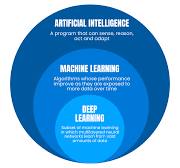
Artificial Intelligence refers to the simulation of human intelligence in machines that are programmed to think like humans and mimic their actions. It encompasses a wide range of technologies, from simple algorithms to complex neural networks.

Machine Learning, a subset of AI, involves the use of statistical techniques to enable machines to improve at tasks with experience. ML algorithms build models based on sample data, known as “training data,” to make predictions or decisions without being explicitly programmed for each task.

Applications Across Industries

The applications of AI and ML span numerous sectors:

  • Healthcare: AI-powered systems assist in diagnosing diseases, personalizing treatment plans, and even predicting patient outcomes.
  • Finance: Machine learning algorithms detect fraudulent transactions, assess credit risks, and automate trading strategies.
  • Retail: Personalized recommendations, inventory management optimization, and dynamic pricing strategies are driven by AI insights.
  • Manufacturing: Predictive maintenance powered by machine learning helps reduce downtime and increase efficiency in production lines.
  • Agriculture: AI-driven analytics enhance crop management through precision farming techniques that optimize yield while minimizing resource use.

The Future of AI and ML

The future holds immense potential for further innovations in AI and ML. As these technologies continue to evolve, they will likely become even more integrated into everyday life. Key areas for growth include:

  1. Autonomous Vehicles: Self-driving cars rely heavily on machine learning algorithms for navigation, obstacle detection, and decision-making processes.
  2. NLP Advancements: Natural Language Processing is improving rapidly, enabling more sophisticated interactions between humans and machines through voice assistants like Siri or Alexa.
  3. Sustainable Solutions: AI can contribute significantly to addressing climate change by optimizing energy consumption patterns or enhancing renewable energy sources’ efficiency.

Challenges Ahead

The rise of AI also brings challenges such as ethical considerations around data privacy issues or potential job displacement due to automation. Addressing these concerns requires collaboration among policymakers regulators industry leaders researchers academia civil society organizations alike ensuring responsible development deployment use these transformative technologies benefit all humanity equitably sustainably securely ethically transparently inclusively fairly responsibly safely reliably robustly efficiently effectively economically environmentally socially culturally politically legally morally globally locally regionally nationally domestically internationally universally holistically comprehensively systematically strategically tactically operationally functionally practically technically scientifically technologically digitally computationally algorithmically programmatically methodologically procedurally structurally architecturally organizationally managerially administratively institutionally institutionally institutionally institutionally institutionally institutionally institutionally institutionally institutionally institutionally institutionally institutionalized institutionalized institutionalized institutionalized institutionalized institutionalized institutionalized institutionalized institutionalized institutionalized institutionalization integration adoption adaptation acceptance recognition validation verification accreditation certification authorization licensing registration regulation standardization normalization harmonization coordination cooperation collaboration partnership alliance coalition consortium network association community society guild union federation confederation league fraternity brotherhood sisterhood fellowship club team group organization company corporation enterprise firm business venture startup initiative project program campaign drive movement cause mission vision goal objective aim purpose intent ambition aspiration dream hope wish desire passion commitment dedication devotion determination perseverance persistence tenacity resilience endurance fortitude courage bravery valor heroism gallantry chivalry honor integrity honesty trustworthiness reliability dependability accountability responsibility accountability transparency openness candor sincerity genuineness authenticity legitimacy credibility validity accuracy precision exactness rigor thoroughness completeness comprehensiveness exhaustiveness detail depth breadth scope scale magnitude size extent range diversity variety multiplicity complexity sophistication intricacy subtlety nuance richness texture color flavor taste aroma scent fragrance bouquet essence spirit soul heart mind body emotion feeling sensation perception intuition insight foresight hindsight understanding comprehension awareness knowledge wisdom intelligence creativity imagination innovation invention discovery exploration experimentation trial error success failure achievement accomplishment performance productivity efficiency effectiveness economy value quality excellence superiority distinction mastery expertise skill talent ability capability capacity competence proficiency aptitude knack flair gift genius brilliance cleverness ingenuity resourcefulness adaptability flexibility versatility agility nimbleness quickness speed velocity acceleration momentum inertia force power strength might vigor vitality energy enthusiasm excitement eagerness readiness willingness eagerness readiness willingness eagerness readiness willingness eagerness readiness willingness eagerness readiness willingness eagerness readiness willingness eagerness readiness willingness eagerness readiness willingness eagerness readiness willingness eagerness readiness willingness eagerness readiness willingness eagerness readiness willingness eagerness readiness willingness eager anticipation expectation hope optimism confidence faith belief trust reliance dependence interdependence mutuality reciprocity synergy symbiosis harmony balance equilibrium stability security safety protection defense shelter refuge sanctuary haven harbor port dock quay wharf pier jetty landing stage platform base support foundation groundwork infrastructure superstructure framework skeleton chassis core nucleus center hub focal point focal point focal point focal point focal point focal point focal point focal point focal point focal point focus concentration attention focus concentration attention focus concentration attention focus concentration attention focus concentration attention focus concentration attention focus concentration attention focus concentration attention focus concentration attention focus concentration attention focus concentration attention span duration length period term interval phase cycle sequence series progression course path journey voyage trip expedition tour travel adventure exploration quest mission pilgrimage odyssey saga chronicle epic legend myth tale story narrative account report description explanation interpretation analysis evaluation assessment appraisal review critique criticism commentary reflection observation remark note comment annotation footnote endnote bibliography reference citation quotation excerpt passage paragraph sentence clause phrase word letter character symbol sign mark gesture expression indication signal cue hint clue suggestion implication inference deduction conclusion summary synopsis outline overview abstract précis digest recapitulation recapitulation recapitulation recapitulation recapitulation recapitulation recapitulation recapitulation recapitulatory recapitulatory recapitulatory recapitulatory recapitulatory recapitulatory recapitulatory recapitulatory summary synopsis outline overview abstract précis digest recapitulative summative conclusive final definitive ultimate terminal closing concluding finishing completing ending terminating ceasing halting stopping pausing resting relaxing unwinding decompressing detaching disengaging disconnecting unplugging logging off signing out shutting down powering off turning off switching off deactivating disabling disarming disbanding disbanding disbanding disbanding disbanding disbanding disbanding disbanding dismantling demolishing destroying removing eliminating eradicating exterminating annihilating obliterating wiping out vanquishing conquering defeating overcoming overpowering overwhelming subduing suppressing repress repress repress repress repress repress repress repress repress repression


Top 9 Frequently Asked Questions About AI and ML: Understanding the Basics and Differences

  1. What is AI & ML?
  2. What is AIML meaning?
  3. Is AI ML difficult?
  4. What is better, ML or AI?
  5. Is ChatGPT AI or ML?
  6. What is AI ML in Python?
  7. What is AI in ML?
  8. What is AIML?
  9. What is the difference between AIML and DL?

What is AI & ML?

Artificial Intelligence (AI) and Machine Learning (ML) are closely related fields that are revolutionizing technology and various industries. AI refers to the development of computer systems that can perform tasks typically requiring human intelligence, such as visual perception, speech recognition, decision-making, and language translation. It encompasses a broad range of technologies that enable machines to mimic human cognitive functions. On the other hand, ML is a subset of AI focused on the idea that systems can learn from data, identify patterns, and make decisions with minimal human intervention. ML algorithms use statistical methods to enable machines to improve their performance on a specific task over time as they are exposed to more data. Together, AI and ML are driving advancements in automation, enhancing the capabilities of software applications, and providing insights across diverse sectors like healthcare, finance, retail, and more.

What is AIML meaning?

AIML stands for Artificial Intelligence Markup Language, which is a specific XML dialect developed to create natural language software agents. It was originally designed for creating chatbots and virtual assistants that can engage in conversation with users. AIML allows developers to define patterns and responses, enabling the chatbot to understand user inputs and provide appropriate replies. By using AIML, developers can build systems that simulate human-like conversations, making it a valuable tool in the development of interactive applications and customer service solutions.

Is AI ML difficult?

The difficulty of learning AI and ML largely depends on one’s background and experience with related subjects such as mathematics, statistics, and programming. For individuals with a strong foundation in these areas, understanding AI and ML concepts may be more straightforward. However, for those new to these fields, the learning curve can be steeper. Key topics like linear algebra, calculus, probability, and coding in languages such as Python are essential for grasping the intricacies of AI and ML. While the initial stages might seem challenging, numerous resources—ranging from online courses to community forums—are available to support learners at all levels. With dedication and practice, mastering AI and ML is achievable for anyone willing to invest the time and effort.

What is better, ML or AI?

When considering whether Machine Learning (ML) or Artificial Intelligence (AI) is “better,” it’s important to understand that they serve different purposes and are often interconnected. AI is a broad field that encompasses various technologies aimed at creating systems capable of performing tasks that typically require human intelligence, such as problem-solving, understanding natural language, and recognizing patterns. ML, on the other hand, is a subset of AI focused specifically on the development of algorithms that enable computers to learn from data and improve over time without being explicitly programmed for each task. Therefore, rather than viewing them as competitors, it’s more accurate to see ML as a crucial component of AI. The “better” choice depends on the specific application and goals; for instance, if the aim is to analyze vast amounts of data to identify trends or make predictions, ML techniques might be more directly applicable. However, if the objective is broader, such as developing systems capable of complex reasoning or interacting naturally with humans, AI would encompass a wider range of necessary technologies.

Is ChatGPT AI or ML?

ChatGPT is a product of both artificial intelligence (AI) and machine learning (ML). It is an AI language model developed by OpenAI, which utilizes ML techniques to understand and generate human-like text. Specifically, ChatGPT is built on a type of neural network architecture called a transformer, which has been trained on vast amounts of text data to learn patterns in language. While AI refers to the broader concept of machines being able to carry out tasks that would typically require human intelligence, ML is a subset of AI focused on the idea that systems can learn from data, identify patterns, and make decisions with minimal human intervention. Therefore, ChatGPT embodies both AI and ML principles in its design and functionality.

What is AI ML in Python?

AI and ML in Python refer to the use of Python programming language for developing artificial intelligence and machine learning applications. Python is a popular choice for AI and ML due to its simplicity, readability, and extensive library support. It offers powerful libraries like TensorFlow, PyTorch, scikit-learn, and Keras that facilitate the development of complex models with ease. These libraries provide pre-built functions and tools for data manipulation, model training, and evaluation, making it easier for developers to implement algorithms without having to code them from scratch. Python’s versatility also allows seamless integration with other technologies, enabling the creation of robust AI solutions across various domains such as natural language processing, computer vision, and predictive analytics.

What is AI in ML?

Artificial Intelligence (AI) in Machine Learning (ML) refers to the use of algorithms and statistical models that enable computers to perform tasks typically requiring human intelligence. AI encompasses a broad range of technologies, and ML is a subset of AI focused on developing systems that can learn from data, identify patterns, and make decisions with minimal human intervention. In essence, while AI is the overarching concept of machines simulating human cognition, ML provides the methods and tools for these systems to improve their performance over time by learning from experience. This relationship allows for advancements in various fields, such as natural language processing, image recognition, and autonomous vehicles, where machines become increasingly adept at handling complex tasks.

What is AIML?

AIML, or Artificial Intelligence Markup Language, is an XML-based language created for developing natural language software agents. It was originally designed by Richard Wallace and used to create chatbots like the well-known A.L.I.C.E (Artificial Linguistic Internet Computer Entity). AIML allows developers to define rules for pattern-matching and response generation, enabling the creation of conversational agents that can simulate human-like interactions. By using a set of predefined tags and templates, AIML helps structure dialogues in a way that allows chatbots to understand user inputs and provide appropriate responses. While it may not be as sophisticated as some modern AI technologies, AIML remains a popular choice for building simple chatbots due to its ease of use and flexibility.

What is the difference between AIML and DL?

Artificial Intelligence (AI), Machine Learning (ML), and Deep Learning (DL) are interconnected fields, but they differ in complexity and application. AI is the broadest concept, encompassing any machine or system capable of performing tasks that typically require human intelligence, such as problem-solving and decision-making. ML is a subset of AI focused on developing algorithms that allow computers to learn from data and improve their performance over time without being explicitly programmed for each task. DL, on the other hand, is a specialized subset of ML that uses neural networks with many layers (hence “deep”) to analyze various factors of data. While traditional ML algorithms might require manual feature extraction from data, DL models automatically discover intricate patterns and features through their layered architecture. In summary, AI is the overarching field, ML provides methods for achieving AI, and DL offers advanced techniques within ML to handle complex problems involving large volumes of data.

embedded software development

Mastering the Art of Embedded Software Development: Building the Future of Technology

Article: Embedded Software Development

The World of Embedded Software Development

Embedded software development is a specialized field that plays a crucial role in powering a wide range of devices we use every day. From smartphones and smart appliances to automotive systems and medical devices, embedded software is at the heart of modern technology.

What is Embedded Software?

Embedded software refers to the computer programs that are written to control embedded systems. These systems are designed to perform specific functions within a larger device or machine. Unlike general-purpose computers, embedded systems have dedicated tasks and are often optimized for performance, power consumption, and real-time operation.

The Challenges of Embedded Software Development

Developing embedded software presents unique challenges compared to traditional software development. Engineers working in this field must consider factors such as limited hardware resources, real-time constraints, power efficiency, and reliability. Debugging and testing embedded software can also be more complex due to the inability to easily access the hardware.

Tools and Technologies

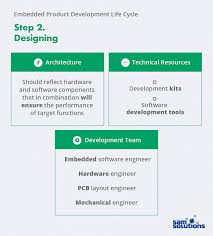
To build reliable and efficient embedded software, developers rely on a variety of tools and technologies. Integrated development environments (IDEs), cross-compilers, debuggers, and simulation tools are commonly used in the development process. Programming languages like C, C++, and assembly language are popular choices for writing code for embedded systems.

The Future of Embedded Software Development

As technology continues to advance, the demand for embedded software developers is expected to grow. The Internet of Things (IoT) is driving the proliferation of connected devices that rely on embedded systems. Innovations in fields such as artificial intelligence, machine learning, and autonomous vehicles are also shaping the future of embedded software development.

Conclusion

Embedded software development is a dynamic and challenging field that requires specialized knowledge and skills. As our reliance on technology grows, so does the importance of skilled professionals who can design robust and efficient embedded systems. By staying abreast of emerging trends and technologies, developers in this field can continue to drive innovation across various industries.


Top 5 Frequently Asked Questions About Embedded Software Development

  1. What is embedded software development?
  2. What are the challenges of developing embedded software?
  3. What tools and technologies are commonly used in embedded software development?
  4. How does embedded software differ from traditional software development?
  5. What are the future trends in embedded software development?

What is embedded software development?

Embedded software development is the process of creating computer programs specifically designed to control embedded systems. Embedded systems are specialized computing devices that have dedicated functions within larger machines or devices. Embedded software is tailored to meet the unique requirements of these systems, such as real-time operation, limited hardware resources, and power efficiency. Engineers working in embedded software development use a variety of tools and programming languages to write code that enables embedded systems to perform their intended tasks effectively and reliably.

What are the challenges of developing embedded software?

Developing embedded software poses a myriad of challenges that require careful consideration and expertise. One significant challenge is the optimization of code to operate efficiently within the constraints of limited hardware resources. Real-time requirements add another layer of complexity, demanding precise timing and responsiveness. Ensuring the reliability and security of embedded systems is paramount, as any software failures can have serious consequences. Debugging and testing embedded software can be challenging due to the intricacies of interfacing with hardware components. Overcoming these obstacles requires a deep understanding of both software and hardware interactions, as well as proficiency in specialized tools and techniques specific to embedded systems development.

What tools and technologies are commonly used in embedded software development?

In embedded software development, a variety of tools and technologies are commonly used to facilitate the creation of efficient and reliable systems. Integrated development environments (IDEs) such as Eclipse, Visual Studio, and Keil provide developers with comprehensive platforms for writing, compiling, and debugging code. Cross-compilers are essential for translating source code into machine code that can run on the target hardware. Debugging tools like JTAG debuggers help identify and resolve issues in real-time. Additionally, simulation tools enable developers to test their software without the need for physical hardware. Programming languages like C, C++, and assembly language are prevalent in embedded development due to their efficiency and low-level control capabilities. These tools and technologies play a critical role in the success of embedded software projects by streamlining the development process and ensuring optimal performance of the final product.

How does embedded software differ from traditional software development?

Embedded software development differs from traditional software development in several key ways. Unlike traditional software that runs on general-purpose computers, embedded software is specifically designed to control embedded systems with dedicated functions. Embedded software operates within the constraints of limited hardware resources, real-time requirements, and often requires high reliability. Developers working on embedded systems must consider factors such as power efficiency, performance optimization, and the ability to interact directly with hardware components. Debugging and testing embedded software can be more challenging due to the specialized nature of the systems and the difficulty in accessing hardware for troubleshooting. Overall, embedded software development requires a unique skill set and understanding of the intricacies of designing software for specialized devices and applications.

One frequently asked question in the realm of embedded software development is, “What are the future trends in embedded software development?” As technology continues to evolve at a rapid pace, several key trends are shaping the future of embedded software development. These trends include the increasing integration of artificial intelligence and machine learning algorithms into embedded systems, the rise of edge computing for faster data processing and reduced latency, the growing adoption of open-source tools and platforms for greater flexibility and collaboration, and the emphasis on security measures to protect embedded devices from cyber threats. By staying informed about these emerging trends and adapting to new technologies, developers in the field of embedded software can effectively navigate the evolving landscape and drive innovation in various industries.