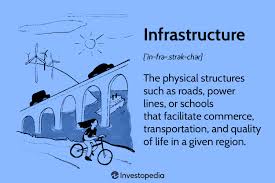
Advancing Infrastructure: Building the Foundation for Tomorrow’s Society
The Importance of Infrastructure in Modern Society
Infrastructure plays a crucial role in supporting the functioning and development of modern society. It encompasses the physical structures, facilities, and systems that enable various activities and services to take place efficiently. From transportation networks to communication systems, infrastructure is the backbone of a thriving economy and a high quality of life.
Types of Infrastructure
Infrastructure can be categorized into different types based on its function:
- Transportation: Roads, bridges, airports, and public transit systems facilitate the movement of people and goods.
- Utilities: Water supply networks, electricity grids, and sewage systems ensure essential services reach communities.
- Communication: Telecommunication networks, internet infrastructure, and broadcasting systems connect individuals and businesses globally.
- Social infrastructure: Schools, hospitals, and public spaces contribute to the well-being and development of communities.
The Role of Infrastructure in Economic Growth
A well-developed infrastructure is a key driver of economic growth. Efficient transportation systems reduce logistics costs for businesses, while reliable energy infrastructure supports industrial production. Additionally, modern communication networks enable businesses to connect with customers worldwide and access new markets.
Sustainability and Resilience
In an era marked by climate change and natural disasters, building sustainable and resilient infrastructure is crucial. Green infrastructure initiatives focus on reducing environmental impact through renewable energy sources, efficient water management systems, and eco-friendly construction practices. Resilient infrastructure can withstand shocks such as extreme weather events or cyber-attacks without compromising essential services.
The Future of Infrastructure
Rapid technological advancements are shaping the future of infrastructure development. Smart infrastructure solutions leverage data analytics, IoT devices, and artificial intelligence to optimize operations and enhance user experience. As urbanization continues to rise globally, innovative approaches to sustainable urban planning will be essential for creating livable cities with efficient infrastructure systems.
Understanding Infrastructure: Key Questions and Insights
- What is infrastructure?
- Why is infrastructure important?
- What are the different types of infrastructure?
- How does infrastructure impact economic growth?
- What are the challenges in maintaining and upgrading infrastructure?
- How can sustainable infrastructure practices benefit society?
- What role does technology play in modernizing infrastructure?
- How does government funding support infrastructure development?
- What are some examples of successful infrastructure projects around the world?
What is infrastructure?
Infrastructure refers to the essential physical and organizational systems that support various activities and services in society. It encompasses a wide range of components, including transportation networks, communication systems, utilities such as water and electricity supply, and social infrastructure like schools and healthcare facilities. Essentially, infrastructure acts as the backbone of a functioning economy and society, enabling the efficient movement of people and goods, facilitating communication on local and global scales, and providing essential services to communities. In essence, infrastructure forms the foundation upon which modern societies are built and sustained.
Why is infrastructure important?
Infrastructure is vital for the functioning and progress of societies due to its essential role in supporting various activities and services. The importance of infrastructure lies in its ability to facilitate economic growth, enhance quality of life, and ensure the smooth operation of critical systems. From transportation networks that enable the movement of goods and people to communication systems that connect individuals globally, infrastructure forms the backbone of modern society. Without robust infrastructure, businesses would struggle to thrive, communities would face challenges in accessing essential services, and overall development would be hindered. In essence, infrastructure is important because it underpins the foundation for a sustainable and prosperous future for all.
What are the different types of infrastructure?
Infrastructure encompasses various types of essential systems and facilities that form the backbone of modern society. The different types of infrastructure include transportation infrastructure, such as roads, bridges, airports, and public transit systems that enable the movement of people and goods. Utilities infrastructure comprises water supply networks, electricity grids, and sewage systems that deliver essential services to communities. Communication infrastructure includes telecommunication networks, internet infrastructure, and broadcasting systems that facilitate global connectivity. Social infrastructure encompasses institutions like schools, hospitals, and public spaces that contribute to community well-being and development. Each type of infrastructure plays a vital role in supporting economic activities, enhancing quality of life, and fostering societal progress.
How does infrastructure impact economic growth?
Infrastructure plays a critical role in influencing economic growth by serving as the backbone of a thriving economy. A well-developed infrastructure system, including transportation networks, communication systems, and utilities, can significantly impact economic productivity and efficiency. Efficient transportation infrastructure reduces the cost and time of moving goods and people, facilitating trade and business activities. Reliable energy and water infrastructure support industrial production and enable businesses to operate smoothly. Moreover, modern communication infrastructure enhances connectivity, allowing businesses to reach new markets and customers globally. In essence, infrastructure not only supports economic activities but also drives innovation, competitiveness, and overall growth in an economy.
What are the challenges in maintaining and upgrading infrastructure?
Maintaining and upgrading infrastructure poses several challenges in today’s rapidly evolving society. One major challenge is the aging of existing infrastructure, which requires regular maintenance and upgrades to ensure safety and functionality. Limited funding and budget constraints often hinder efforts to address infrastructure needs adequately. Additionally, coordinating between various stakeholders, such as government agencies, private sector partners, and local communities, can be complex and time-consuming. Technological advancements also present challenges as new infrastructure solutions require specialized skills and resources for implementation. Overcoming these obstacles requires strategic planning, innovative financing mechanisms, and collaborative efforts to ensure that infrastructure remains resilient and sustainable for future generations.
How can sustainable infrastructure practices benefit society?
Sustainable infrastructure practices offer numerous benefits to society by promoting long-term environmental, social, and economic well-being. By incorporating renewable energy sources, efficient water management systems, and eco-friendly construction methods, sustainable infrastructure helps reduce carbon emissions and mitigate the impacts of climate change. Additionally, these practices enhance public health by improving air quality and reducing pollution levels. Socially, sustainable infrastructure projects create job opportunities, promote community resilience, and enhance the overall quality of life for residents. Economically, investing in sustainable infrastructure can lead to cost savings through energy efficiency measures and contribute to long-term economic growth by attracting green investments and fostering innovation in clean technologies. Overall, embracing sustainable infrastructure practices is essential for building a more resilient and prosperous society for future generations.
What role does technology play in modernizing infrastructure?
Technology plays a pivotal role in modernizing infrastructure by introducing innovative solutions that enhance efficiency, connectivity, and sustainability. From smart sensors and data analytics to automation and artificial intelligence, technology enables infrastructure systems to operate more intelligently and adaptively. By leveraging digital tools, infrastructure can be monitored in real-time, maintenance can be predictive rather than reactive, and resources can be optimized for maximum impact. Ultimately, technology empowers infrastructure to meet the evolving needs of society while driving progress towards a more resilient and interconnected future.
How does government funding support infrastructure development?
Government funding plays a pivotal role in supporting infrastructure development by providing the financial resources needed to plan, build, and maintain essential public assets. Through various funding mechanisms such as grants, loans, and public-private partnerships, governments allocate resources to critical infrastructure projects like transportation networks, water systems, and energy grids. This funding not only helps address existing infrastructure gaps but also stimulates economic growth, creates jobs, and improves the overall quality of life for communities. By investing in infrastructure development, governments can enhance public safety, promote sustainability, and lay the groundwork for a more resilient and prosperous society.
What are some examples of successful infrastructure projects around the world?
Numerous successful infrastructure projects around the world serve as shining examples of effective planning and execution. The Panama Canal expansion stands out as a remarkable feat of engineering that has transformed global trade routes. The High-Speed Rail network in Japan revolutionized transportation efficiency and connectivity within the country. Singapore’s Changi Airport consistently ranks among the best globally, showcasing excellence in airport infrastructure and operations. The Hoover Dam in the United States remains an iconic symbol of water resource management and hydroelectric power generation. These projects demonstrate the impact of well-designed infrastructure on economic growth, sustainability, and quality of life for communities worldwide.