
cfchris.com

Loading

artificial intelligence programmer

Unveiling the Genius: The Role of an Artificial Intelligence Programmer

The Role of an Artificial Intelligence Programmer

The Role of an Artificial Intelligence Programmer

As technology continues to evolve at a rapid pace, artificial intelligence (AI) has become a cornerstone of modern innovation. At the heart of this technological revolution are artificial intelligence programmers, professionals who design and develop the algorithms and models that power intelligent systems.

What is an Artificial Intelligence Programmer?

An artificial intelligence programmer is a software engineer specializing in creating algorithms and models that enable machines to perform tasks that typically require human intelligence. These tasks include recognizing speech, understanding natural language, making decisions, and even learning from data to improve over time.

Key Responsibilities

The responsibilities of an AI programmer are diverse and challenging. They include:

  • Algorithm Development: Creating algorithms that can process data efficiently and make predictions or decisions based on that data.
  • Data Analysis: Analyzing large datasets to extract meaningful insights that can be used to train AI models.
  • Model Training: Using machine learning techniques to train models so they can perform specific tasks effectively.
  • Performance Optimization: Ensuring AI systems operate efficiently by optimizing code and improving model accuracy.
  • Collaboration: Working with cross-functional teams including data scientists, product managers, and other engineers to integrate AI solutions into products or services.

Skills Required

A successful AI programmer needs a robust set of skills, including:

  • Coding Proficiency: Expertise in programming languages such as Python, Java, C++, or R is essential for developing AI applications.
  • Mathematics and Statistics: A strong foundation in mathematics helps understand complex algorithms and statistical methods used in machine learning.
  • Machine Learning Knowledge: Familiarity with machine learning frameworks like TensorFlow or PyTorch is crucial for building models.
  • Problem-Solving Skills: The ability to tackle complex problems creatively and efficiently is vital in developing innovative AI solutions.

The Impact of AI Programmers

The work of AI programmers has far-reaching implications across various industries. From healthcare to finance, their innovations are transforming how businesses operate by improving efficiency, enhancing decision-making processes, and creating new opportunities for growth. In healthcare, for example, AI programs assist doctors by providing diagnostic support through image recognition technologies. In finance, they help detect fraudulent activities by analyzing transaction patterns in real-time.

The Future of Artificial Intelligence Programming

The future looks promising for those pursuing a career as an artificial intelligence programmer. As industries continue integrating AI into their operations, the demand for skilled professionals will only increase. With advancements in deep learning technologies and natural language processing capabilities on the horizon, there are endless possibilities for innovation within this field.

An artificial intelligence programmer plays a pivotal role in shaping our technological future by creating intelligent systems capable of solving complex problems autonomously. Their expertise not only drives business success but also contributes significantly towards improving everyday life experiences worldwide through smart technology applications across various domains.


7 Essential Tips for Aspiring AI Programmers: Mastering Skills, Ethics, and Innovation

  1. Stay updated on the latest AI technologies and trends.
  2. Practice coding regularly to improve your programming skills.
  3. Understand the fundamentals of machine learning and neural networks.
  4. Collaborate with other AI programmers to learn from each other.
  5. Work on real-world AI projects to gain practical experience.
  6. Be curious and always be willing to learn new concepts in AI.
  7. Stay ethical in your AI development practices and consider the societal impacts.

In the rapidly evolving field of artificial intelligence, staying updated on the latest technologies and trends is crucial for any AI programmer. With new advancements emerging regularly, keeping abreast of the latest developments ensures that programmers can leverage cutting-edge tools and methodologies in their work. This continuous learning not only enhances their skill set but also positions them to innovate and solve complex problems more effectively. By staying informed about breakthroughs in machine learning algorithms, data processing techniques, and AI applications across various industries, programmers can maintain a competitive edge and contribute to the development of smarter, more efficient systems. Engaging with AI communities, attending conferences, and following leading research publications are excellent ways to remain at the forefront of this dynamic field.

Practice coding regularly to improve your programming skills.

Consistent practice is crucial for anyone aspiring to excel as an artificial intelligence programmer. Regular coding not only reinforces existing knowledge but also helps in grasping new concepts and techniques more effectively. By dedicating time each day to write and debug code, programmers can enhance their problem-solving abilities and become more proficient in various programming languages essential for AI development, such as Python or Java. This continuous practice allows them to stay updated with the latest advancements in AI technologies and frameworks, ensuring they remain competitive and capable of tackling complex challenges in the field. Additionally, regular coding exercises help build a deeper understanding of algorithms and data structures, which are fundamental components of successful AI programming.

Understand the fundamentals of machine learning and neural networks.

Understanding the fundamentals of machine learning and neural networks is essential for any aspiring artificial intelligence programmer. Machine learning provides the foundation for developing systems that can learn from data and improve over time without being explicitly programmed. Neural networks, a subset of machine learning, are inspired by the human brain’s structure and function, allowing computers to recognize patterns and make decisions in complex data sets. By grasping these core concepts, programmers can create more efficient algorithms, design innovative AI models, and solve real-world problems across various industries. A strong understanding of these fundamentals also enables programmers to stay ahead in a rapidly evolving field, ensuring they can adapt to new technologies and methodologies as they emerge.

Collaborate with other AI programmers to learn from each other.

Collaboration among artificial intelligence programmers is a crucial element in advancing one’s skills and staying current with the latest developments in the field. By working together, AI programmers can share insights, techniques, and innovative solutions that might not be discovered when working in isolation. This collaborative approach fosters a dynamic learning environment where individuals can gain new perspectives on problem-solving and algorithm development. Additionally, teamwork enables programmers to tackle more complex projects by leveraging diverse expertise and experiences. Engaging with peers not only enhances technical proficiency but also builds a supportive community that encourages continuous growth and adaptation in the ever-evolving landscape of artificial intelligence.

Work on real-world AI projects to gain practical experience.

Gaining practical experience by working on real-world AI projects is invaluable for aspiring artificial intelligence programmers. These projects provide a hands-on understanding of how AI algorithms and models are applied in various industries, allowing programmers to tackle real challenges and develop problem-solving skills. By engaging with actual datasets and collaborating with cross-functional teams, programmers can bridge the gap between theoretical knowledge and practical application. This experience not only enhances technical skills but also builds a portfolio that showcases the ability to deliver tangible results, making it a crucial step for anyone looking to excel in the field of artificial intelligence.

Be curious and always be willing to learn new concepts in AI.

To excel as an artificial intelligence programmer, it is essential to cultivate a curious mindset and maintain a continuous willingness to embrace new concepts in the field of AI. By staying curious, you open yourself up to exploring innovative ideas, understanding cutting-edge technologies, and adapting to the evolving landscape of artificial intelligence. This proactive approach not only enhances your problem-solving skills but also keeps you at the forefront of advancements in AI, enabling you to contribute meaningfully to groundbreaking projects and developments within the industry.

Stay ethical in your AI development practices and consider the societal impacts.

In the rapidly advancing field of artificial intelligence, staying ethical in development practices is paramount. AI programmers must be vigilant about the societal impacts their creations may have, ensuring that algorithms are designed and implemented with fairness, transparency, and accountability in mind. This involves being mindful of potential biases in data sets, respecting user privacy, and considering how AI systems might affect employment, privacy rights, and social dynamics. By prioritizing ethical considerations, AI programmers can help build trust in technology and contribute to solutions that benefit society as a whole rather than exacerbate existing inequalities or create new challenges. Making ethics a cornerstone of AI development not only fosters innovation but also ensures that technological advancements align with the broader values and needs of humanity.
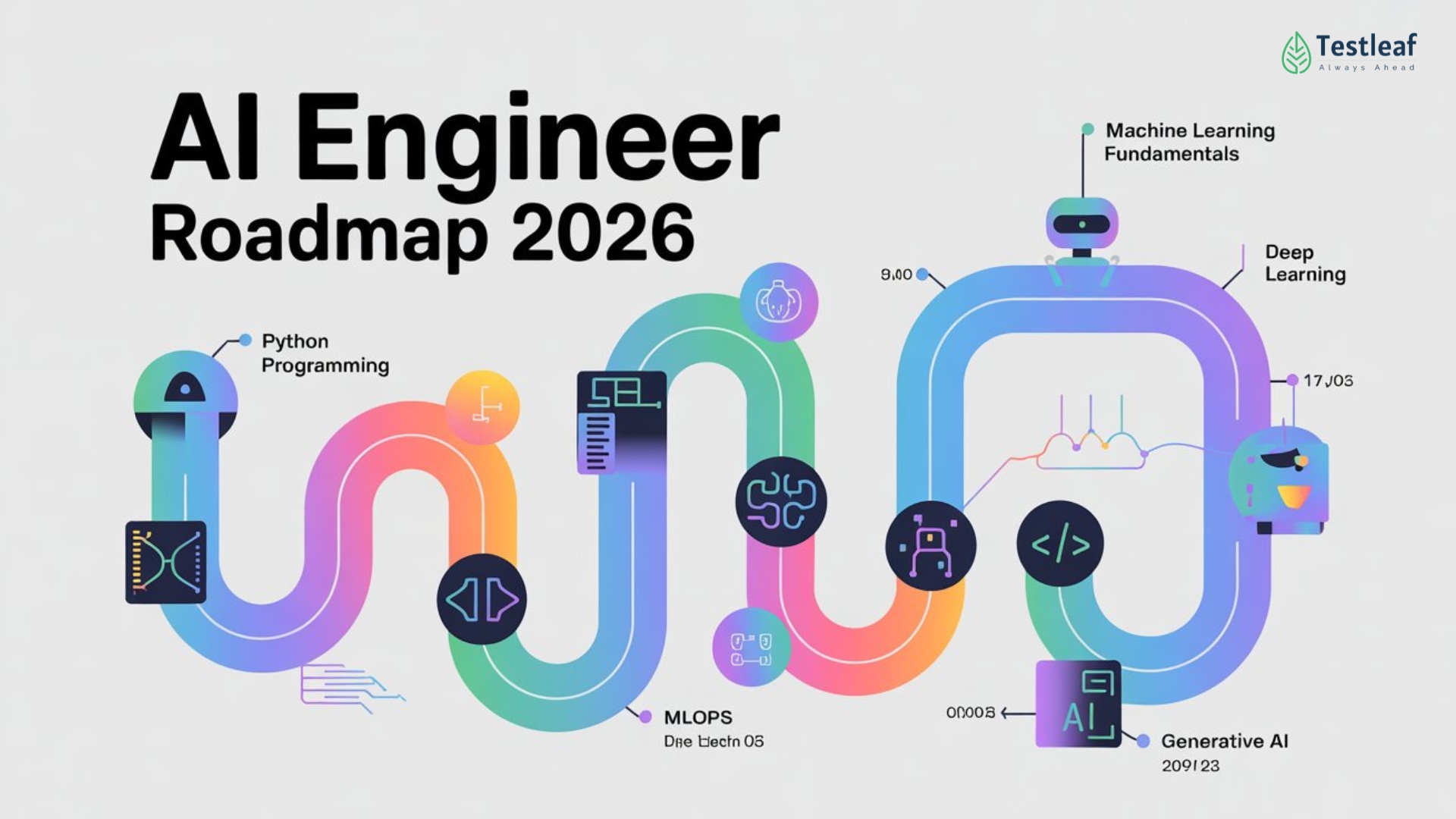
ai engineer

Exploring the Impact and Opportunities of an AI Engineer

The Role of an AI Engineer

The Role of an AI Engineer

Artificial Intelligence (AI) is transforming industries across the globe, and at the heart of this transformation are AI engineers. These professionals are responsible for designing, developing, and implementing AI models that power everything from recommendation systems to autonomous vehicles.

What Does an AI Engineer Do?

An AI engineer’s primary role is to create intelligent algorithms capable of learning and making decisions. They work with vast amounts of data to train models that can perform specific tasks without explicit programming. This involves:

  • Data Collection and Preparation: Gathering and preparing data for training purposes.
  • Model Development: Designing algorithms that can learn from data.
  • Model Training: Using machine learning techniques to train models on large datasets.
  • Model Evaluation: Testing models to ensure they meet performance standards.
  • Deployment: Integrating models into applications or systems for real-world use.

Skills Required for an AI Engineer

A successful AI engineer needs a blend of technical skills and domain knowledge. Key skills include:

  • Programming Languages: Proficiency in languages such as Python, R, or Java is essential.
  • Mathematics and Statistics: A strong foundation in linear algebra, calculus, probability, and statistics is crucial for developing algorithms.
  • Machine Learning Frameworks: Familiarity with frameworks like TensorFlow, PyTorch, or Keras is important for building models efficiently.
  • Data Analysis: The ability to analyze large datasets and extract meaningful insights is vital for training effective models.

The Impact of AI Engineers

The work of AI engineers has a profound impact on various sectors. In healthcare, they develop predictive models that assist in early diagnosis and personalized treatment plans. In finance, they create algorithms that detect fraudulent activities or automate trading processes. In retail, they enhance customer experiences through personalized recommendations.

The demand for skilled AI engineers continues to grow as more organizations recognize the potential of artificial intelligence to drive innovation and efficiency. As technology evolves, so too will the opportunities within this exciting field.

The Future of AI Engineering

The future looks promising for those pursuing a career as an AI engineer. With advancements in areas such as deep learning and natural language processing, there are endless possibilities for innovation. As ethical considerations become increasingly important in technology development, AI engineers will also play a crucial role in ensuring responsible use of artificial intelligence.

If you’re interested in shaping the future through technology and have a passion for solving complex problems with innovative solutions, a career as an AI engineer might be the perfect fit for you!


8 Essential Tips for Aspiring AI Engineers

  1. Stay updated with the latest developments in AI technology.
  2. Build a strong foundation in mathematics and statistics.
  3. Develop proficiency in programming languages such as Python and R.
  4. Gain experience with machine learning algorithms and deep learning techniques.
  5. Work on real-world projects to showcase your skills and knowledge.
  6. Collaborate with other professionals in related fields to broaden your understanding of AI applications.
  7. Continuously improve your problem-solving skills and critical thinking abilities.
  8. Stay curious and be willing to learn new concepts and technologies in the rapidly evolving field of AI.

Stay updated with the latest developments in AI technology.

Staying updated with the latest developments in AI technology is crucial for any AI engineer aiming to remain relevant and effective in the field. The landscape of artificial intelligence is rapidly evolving, with new algorithms, tools, and techniques emerging regularly. By keeping abreast of these advancements, AI engineers can leverage cutting-edge technologies to enhance their projects and solve complex problems more efficiently. This continuous learning not only improves their skill set but also opens up opportunities for innovation and creativity in designing AI solutions. Engaging with research papers, attending conferences, participating in online forums, and taking advanced courses are excellent ways for AI engineers to stay informed about the latest trends and breakthroughs in the industry.

Build a strong foundation in mathematics and statistics.

Building a strong foundation in mathematics and statistics is crucial for anyone aspiring to become an AI engineer. Mathematics, particularly linear algebra and calculus, forms the backbone of many machine learning algorithms, enabling engineers to understand how models process data and make predictions. Statistics is equally important, as it provides the tools needed to analyze datasets, identify patterns, and assess the reliability of model outputs. A solid grasp of these subjects allows AI engineers to not only develop more effective algorithms but also troubleshoot issues and optimize performance. By mastering mathematics and statistics, aspiring AI engineers equip themselves with the essential skills needed to innovate and excel in this rapidly evolving field.

Develop proficiency in programming languages such as Python and R.

To excel as an AI engineer, it’s crucial to develop proficiency in programming languages like Python and R. These languages are fundamental tools in the field of artificial intelligence and machine learning due to their simplicity, versatility, and extensive libraries that facilitate complex computations and data analysis. Python, with its robust frameworks like TensorFlow and PyTorch, is particularly favored for building neural networks and deploying AI models. Meanwhile, R is renowned for its statistical computing capabilities, making it ideal for data manipulation and visualization tasks. Mastering these languages enables AI engineers to efficiently design algorithms, process large datasets, and implement sophisticated AI solutions across various applications.

Gain experience with machine learning algorithms and deep learning techniques.

Gaining experience with machine learning algorithms and deep learning techniques is crucial for anyone aspiring to become an AI engineer. These skills form the backbone of artificial intelligence, enabling systems to learn from data and improve over time without explicit programming. By working with various algorithms such as decision trees, support vector machines, and neural networks, aspiring AI engineers can understand how different models perform under various conditions. Deep learning techniques, which involve complex neural networks like convolutional neural networks (CNNs) and recurrent neural networks (RNNs), are particularly important for tasks involving image recognition, natural language processing, and more. Hands-on experience with these technologies not only enhances technical proficiency but also equips individuals with the problem-solving skills needed to tackle real-world challenges in AI development.

Work on real-world projects to showcase your skills and knowledge.

Gaining hands-on experience by working on real-world projects is essential for aspiring AI engineers to showcase their skills and knowledge effectively. By engaging in practical projects, individuals can apply theoretical concepts to solve tangible problems, demonstrating their ability to design, develop, and implement AI models in real scenarios. This experience not only enhances technical proficiency but also builds a portfolio that highlights one’s expertise to potential employers or clients. Additionally, tackling real-world challenges helps in understanding the complexities and nuances of AI applications, making one more adept at navigating the evolving landscape of artificial intelligence. Whether through internships, open-source contributions, or personal projects, these experiences are invaluable in establishing credibility and advancing one’s career in the field of AI engineering.

Collaborating with professionals in related fields is crucial for AI engineers aiming to broaden their understanding of AI applications. By working alongside experts in areas such as data science, software development, and domain-specific industries like healthcare or finance, AI engineers can gain valuable insights into how artificial intelligence can be applied effectively across different sectors. This interdisciplinary approach not only enhances the engineer’s technical skills but also fosters innovative solutions by integrating diverse perspectives. Such collaboration leads to the creation of more robust and versatile AI models that address real-world challenges, ultimately driving technological advancement and improving outcomes across various applications.

Continuously improve your problem-solving skills and critical thinking abilities.

In the rapidly evolving field of artificial intelligence, continuously improving your problem-solving skills and critical thinking abilities is crucial for success as an AI engineer. These skills enable you to tackle complex challenges and devise innovative solutions that may not be immediately obvious. By honing your ability to analyze situations from multiple perspectives, you can identify potential issues before they arise and develop more effective algorithms. Engaging in activities such as coding challenges, logic puzzles, and collaborative projects can enhance these skills, allowing you to adapt quickly to new technologies and methodologies. Ultimately, strong problem-solving and critical thinking capabilities are essential for driving advancements in AI and maintaining a competitive edge in the industry.

Stay curious and be willing to learn new concepts and technologies in the rapidly evolving field of AI.

In the rapidly evolving field of AI, staying curious and being willing to learn new concepts and technologies is essential for success as an AI engineer. The landscape of artificial intelligence is constantly changing, with breakthroughs and innovations emerging at a fast pace. By maintaining a curious mindset, AI engineers can stay ahead of the curve, exploring cutting-edge tools and methodologies that enhance their work. This openness to learning not only fosters personal growth but also enables engineers to adapt to new challenges and opportunities in the industry. Embracing continuous education ensures that they remain valuable contributors to their teams and organizations, driving forward the potential of AI in transformative ways.

artificial intelligence software development

Exploring the Future: Artificial Intelligence Software Development Innovations

Artificial Intelligence Software Development

Artificial Intelligence Software Development: Transforming the Future

The realm of artificial intelligence (AI) has rapidly evolved, becoming a cornerstone of modern technology. AI software development is revolutionizing industries by automating processes, enhancing decision-making, and providing innovative solutions to complex problems.

What is Artificial Intelligence?

Artificial intelligence refers to the simulation of human intelligence in machines programmed to think and learn like humans. These systems can perform tasks such as recognizing speech, making decisions, and translating languages. AI encompasses various subfields including machine learning (ML), natural language processing (NLP), and computer vision.

The Importance of AI in Software Development

AI is transforming software development in several significant ways:

  • Automation: AI can automate repetitive tasks such as code generation, testing, and debugging, thereby increasing efficiency and reducing human error.
  • Enhanced Decision-Making: AI algorithms analyze vast amounts of data to provide insights that help developers make informed decisions.
  • Personalization: AI enables the creation of personalized user experiences by analyzing user behavior and preferences.
  • Predictive Analytics: Machine learning models can predict future trends and outcomes based on historical data.

The Process of Developing AI Software

The development of AI software involves several key steps:

  1. Problem Definition: Identify the problem that needs solving and determine how AI can provide a solution.
  2. Data Collection:
  3. Model Training:Model Deployment:
    • /P At Cfchris we committed leveraging power Ai deliver cutting-edge solutions tailored meet unique needs clients Contact us today learn more about how our expertise help harness full potential artificial intelligence /P

      /BODY

      /HTML


      9 Key Benefits of Artificial Intelligence in Software Development

      1. Automation of repetitive tasks leads to increased efficiency.
      2. Enhanced decision-making through data analysis.
      3. Personalization of user experiences based on behavior and preferences.
      4. Predictive analytics for forecasting trends and outcomes.
      5. Improved accuracy and reduced human error in processes.
      6. Cost savings by streamlining operations with AI solutions.
      7. Scalability to handle large volumes of data and complex problems.
      8. Innovation in developing intelligent applications for various industries.
      9. Competitive advantage by staying ahead with AI-driven technologies.


      Challenges in Artificial Intelligence Software Development: Data Privacy, Ethics, Complexity, and Data Dependency

      1. Data Privacy Concerns
      2. Ethical Dilemmas
      3. Complexity and Cost
      4. Dependency on Data Quality

      Automation of repetitive tasks leads to increased efficiency.

      Automation of repetitive tasks through artificial intelligence software development significantly boosts efficiency by reducing the time and effort required for mundane activities. Tasks such as data entry, code generation, and routine maintenance can be handled swiftly and accurately by AI systems, freeing up human resources to focus on more complex and creative aspects of projects. This not only accelerates project timelines but also minimizes the risk of human error, resulting in higher quality outputs. Consequently, businesses can achieve greater productivity and cost savings while maintaining a competitive edge in their respective industries.

      Enhanced decision-making through data analysis.

      Artificial intelligence software development significantly enhances decision-making processes through advanced data analysis. By leveraging AI algorithms, vast amounts of data can be processed and analyzed at unprecedented speeds, uncovering patterns and insights that would be nearly impossible for humans to detect. This capability allows businesses to make more informed decisions based on real-time data, leading to improved efficiency, reduced risks, and optimized strategies. Whether it’s predicting market trends, identifying customer preferences, or optimizing supply chains, AI-driven data analysis empowers organizations to stay ahead of the competition and adapt swiftly to changing environments.

      Personalization of user experiences based on behavior and preferences.

      Artificial intelligence software development significantly enhances the personalization of user experiences by analyzing individual behavior and preferences. By leveraging advanced algorithms and data analytics, AI systems can tailor content, recommendations, and interactions to align with each user’s unique needs and interests. This level of customization not only improves user satisfaction but also increases engagement and loyalty. For instance, AI-driven platforms can suggest products based on past purchases or recommend content that aligns with a user’s viewing history, creating a more intuitive and enjoyable experience. This personalized approach helps businesses build stronger connections with their customers, ultimately driving growth and success.

      Predictive analytics, powered by artificial intelligence, is revolutionizing the way businesses forecast trends and outcomes. By analyzing vast amounts of historical data, AI algorithms can identify patterns and make accurate predictions about future events. This capability enables companies to make informed decisions, optimize operations, and anticipate market changes. For instance, in retail, predictive analytics can forecast consumer demand, helping businesses manage inventory more effectively. In finance, it can predict stock market trends or credit risks, allowing for better investment strategies and risk management. Overall, the integration of predictive analytics in AI software development provides a competitive edge by transforming raw data into actionable insights.

      Improved accuracy and reduced human error in processes.

      Artificial intelligence software development significantly improves accuracy and reduces human error in various processes. By leveraging advanced algorithms and machine learning models, AI systems can analyze vast amounts of data with precision, identifying patterns and making decisions based on empirical evidence rather than human intuition. This leads to more reliable outcomes, especially in tasks that require meticulous attention to detail, such as medical diagnoses, financial forecasting, and quality control in manufacturing. By minimizing the likelihood of errors that can arise from fatigue or oversight, AI enhances efficiency and ensures higher standards of performance across diverse industries.

      Cost savings by streamlining operations with AI solutions.

      Implementing artificial intelligence (AI) solutions in software development can lead to significant cost savings by streamlining operations. AI automates repetitive and time-consuming tasks such as data entry, testing, and debugging, which reduces the need for extensive human intervention. This not only speeds up the development process but also minimizes errors, leading to higher-quality outputs with fewer resources. Additionally, AI-driven predictive analytics can optimize resource allocation and reduce downtime by anticipating maintenance needs and potential issues before they arise. By enhancing efficiency and productivity, AI enables companies to cut operational costs while maintaining or even improving their service quality.

      Scalability to handle large volumes of data and complex problems.

      Artificial intelligence software development offers remarkable scalability, enabling systems to efficiently handle large volumes of data and tackle complex problems. With AI, businesses can process and analyze massive datasets in real-time, extracting valuable insights that would be impossible to achieve manually. This scalability ensures that as data grows, the AI systems can continue to perform optimally without a significant increase in resource consumption. Moreover, AI algorithms excel at solving intricate problems by identifying patterns and correlations within the data, providing solutions that are both accurate and robust. This capability makes AI an indispensable tool for industries ranging from healthcare to finance, where managing extensive data and solving sophisticated challenges are essential for success.

      Innovation in developing intelligent applications for various industries.

      Artificial intelligence software development has brought about a remarkable pro through its innovation in creating intelligent applications tailored for diverse industries. By harnessing the power of AI, developers can design solutions that optimize processes, enhance decision-making, and drive efficiency across sectors such as healthcare, finance, manufacturing, and more. These intelligent applications leverage advanced algorithms to analyze data, predict trends, and automate tasks, ultimately revolutionizing how businesses operate and deliver value to their customers.

      Competitive advantage by staying ahead with AI-driven technologies.

      One of the significant advantages of artificial intelligence software development is the competitive edge it provides businesses by keeping them at the forefront of technological innovation. By integrating AI-driven technologies, companies can streamline operations, enhance customer experiences, and make data-driven decisions more efficiently than their competitors. This proactive approach not only improves productivity and reduces costs but also enables businesses to anticipate market trends and adapt quickly to changing conditions. Consequently, organizations that leverage AI are better positioned to outperform their rivals, capture new market opportunities, and sustain long-term growth in an increasingly digital landscape.

      Data Privacy Concerns

      Data Privacy Concerns: In the realm of artificial intelligence software development, a significant con revolves around data privacy. The process frequently entails the collection and analysis of extensive datasets, giving rise to concerns about how sensitive information is utilized and safeguarded. This issue underscores the importance of implementing robust data protection measures and ethical guidelines to mitigate potential risks associated with privacy breaches and unauthorized access to personal data.

      Ethical Dilemmas

      The use of AI algorithms in software development presents significant ethical dilemmas that need careful consideration. One major concern is the potential for bias in decision-making, as AI systems can inadvertently perpetuate or even amplify existing prejudices present in the training data. Additionally, the lack of transparency in how AI systems operate makes it difficult for users to understand and trust the decisions made by these technologies. This opacity can lead to accountability issues when errors occur. Furthermore, the widespread adoption of AI has the potential to displace jobs, raising concerns about economic inequality and the need for workforce retraining programs. Addressing these ethical challenges is crucial to ensuring that AI development benefits society as a whole without exacerbating existing inequalities or creating new ones.

      Complexity and Cost

      Developing artificial intelligence software is a complex and costly endeavor for many organizations due to the specialized skills and resources required. Creating effective AI solutions demands expertise in fields such as machine learning, data science, and software engineering. Additionally, substantial investments in high-quality data collection, advanced computational infrastructure, and ongoing maintenance are necessary to ensure optimal performance. These factors can place a significant financial burden on companies, particularly smaller enterprises or those without dedicated AI teams. As a result, the complexity and cost associated with AI development can be a considerable barrier to entry for many businesses looking to leverage this transformative technology.

      Dependency on Data Quality

      The effectiveness of AI models is intrinsically tied to the quality and quantity of data used for training, making data dependency a significant challenge in artificial intelligence software development. Incomplete or biased datasets can lead to inaccurate predictions and unreliable outcomes, undermining the potential benefits of AI solutions. This dependency necessitates rigorous data collection, cleaning, and validation processes to ensure that the models are trained on representative and high-quality data. Addressing these issues is crucial for developing robust AI systems that deliver reliable and fair results across diverse applications.