cfchris.com

Loading

ai engineer

Exploring the Impact and Opportunities of an AI Engineer

The Role of an AI Engineer

The Role of an AI Engineer

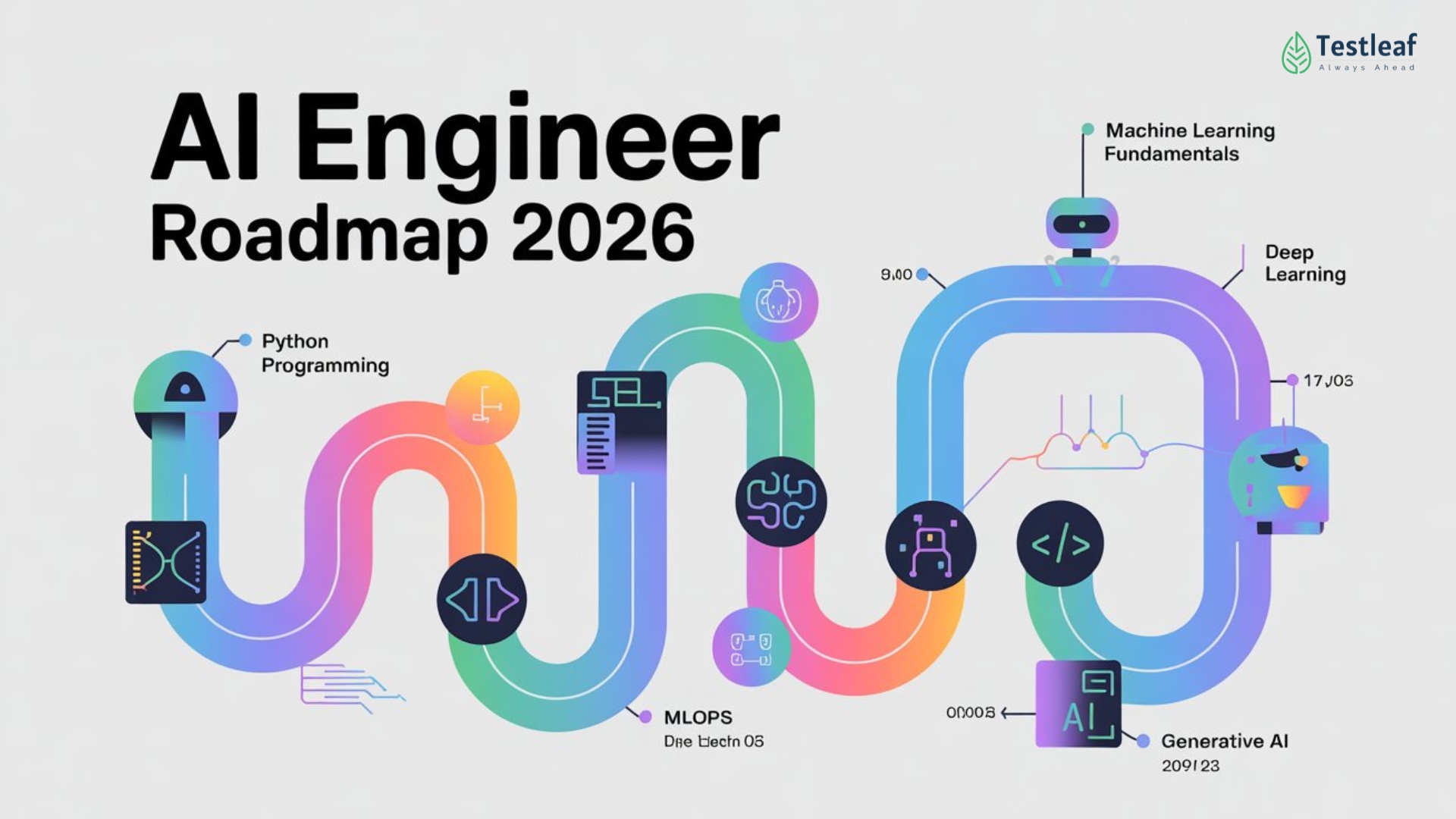
Artificial Intelligence (AI) is transforming industries across the globe, and at the heart of this transformation are AI engineers. These professionals are responsible for designing, developing, and implementing AI models that power everything from recommendation systems to autonomous vehicles.

What Does an AI Engineer Do?

An AI engineer’s primary role is to create intelligent algorithms capable of learning and making decisions. They work with vast amounts of data to train models that can perform specific tasks without explicit programming. This involves:

  • Data Collection and Preparation: Gathering and preparing data for training purposes.
  • Model Development: Designing algorithms that can learn from data.
  • Model Training: Using machine learning techniques to train models on large datasets.
  • Model Evaluation: Testing models to ensure they meet performance standards.
  • Deployment: Integrating models into applications or systems for real-world use.

Skills Required for an AI Engineer

A successful AI engineer needs a blend of technical skills and domain knowledge. Key skills include:

  • Programming Languages: Proficiency in languages such as Python, R, or Java is essential.
  • Mathematics and Statistics: A strong foundation in linear algebra, calculus, probability, and statistics is crucial for developing algorithms.
  • Machine Learning Frameworks: Familiarity with frameworks like TensorFlow, PyTorch, or Keras is important for building models efficiently.
  • Data Analysis: The ability to analyze large datasets and extract meaningful insights is vital for training effective models.

The Impact of AI Engineers

The work of AI engineers has a profound impact on various sectors. In healthcare, they develop predictive models that assist in early diagnosis and personalized treatment plans. In finance, they create algorithms that detect fraudulent activities or automate trading processes. In retail, they enhance customer experiences through personalized recommendations.

The demand for skilled AI engineers continues to grow as more organizations recognize the potential of artificial intelligence to drive innovation and efficiency. As technology evolves, so too will the opportunities within this exciting field.

The Future of AI Engineering

The future looks promising for those pursuing a career as an AI engineer. With advancements in areas such as deep learning and natural language processing, there are endless possibilities for innovation. As ethical considerations become increasingly important in technology development, AI engineers will also play a crucial role in ensuring responsible use of artificial intelligence.

If you’re interested in shaping the future through technology and have a passion for solving complex problems with innovative solutions, a career as an AI engineer might be the perfect fit for you!


8 Essential Tips for Aspiring AI Engineers

  1. Stay updated with the latest developments in AI technology.
  2. Build a strong foundation in mathematics and statistics.
  3. Develop proficiency in programming languages such as Python and R.
  4. Gain experience with machine learning algorithms and deep learning techniques.
  5. Work on real-world projects to showcase your skills and knowledge.
  6. Collaborate with other professionals in related fields to broaden your understanding of AI applications.
  7. Continuously improve your problem-solving skills and critical thinking abilities.
  8. Stay curious and be willing to learn new concepts and technologies in the rapidly evolving field of AI.

Stay updated with the latest developments in AI technology.

Staying updated with the latest developments in AI technology is crucial for any AI engineer aiming to remain relevant and effective in the field. The landscape of artificial intelligence is rapidly evolving, with new algorithms, tools, and techniques emerging regularly. By keeping abreast of these advancements, AI engineers can leverage cutting-edge technologies to enhance their projects and solve complex problems more efficiently. This continuous learning not only improves their skill set but also opens up opportunities for innovation and creativity in designing AI solutions. Engaging with research papers, attending conferences, participating in online forums, and taking advanced courses are excellent ways for AI engineers to stay informed about the latest trends and breakthroughs in the industry.

Build a strong foundation in mathematics and statistics.

Building a strong foundation in mathematics and statistics is crucial for anyone aspiring to become an AI engineer. Mathematics, particularly linear algebra and calculus, forms the backbone of many machine learning algorithms, enabling engineers to understand how models process data and make predictions. Statistics is equally important, as it provides the tools needed to analyze datasets, identify patterns, and assess the reliability of model outputs. A solid grasp of these subjects allows AI engineers to not only develop more effective algorithms but also troubleshoot issues and optimize performance. By mastering mathematics and statistics, aspiring AI engineers equip themselves with the essential skills needed to innovate and excel in this rapidly evolving field.

Develop proficiency in programming languages such as Python and R.

To excel as an AI engineer, it’s crucial to develop proficiency in programming languages like Python and R. These languages are fundamental tools in the field of artificial intelligence and machine learning due to their simplicity, versatility, and extensive libraries that facilitate complex computations and data analysis. Python, with its robust frameworks like TensorFlow and PyTorch, is particularly favored for building neural networks and deploying AI models. Meanwhile, R is renowned for its statistical computing capabilities, making it ideal for data manipulation and visualization tasks. Mastering these languages enables AI engineers to efficiently design algorithms, process large datasets, and implement sophisticated AI solutions across various applications.

Gain experience with machine learning algorithms and deep learning techniques.

Gaining experience with machine learning algorithms and deep learning techniques is crucial for anyone aspiring to become an AI engineer. These skills form the backbone of artificial intelligence, enabling systems to learn from data and improve over time without explicit programming. By working with various algorithms such as decision trees, support vector machines, and neural networks, aspiring AI engineers can understand how different models perform under various conditions. Deep learning techniques, which involve complex neural networks like convolutional neural networks (CNNs) and recurrent neural networks (RNNs), are particularly important for tasks involving image recognition, natural language processing, and more. Hands-on experience with these technologies not only enhances technical proficiency but also equips individuals with the problem-solving skills needed to tackle real-world challenges in AI development.

Work on real-world projects to showcase your skills and knowledge.

Gaining hands-on experience by working on real-world projects is essential for aspiring AI engineers to showcase their skills and knowledge effectively. By engaging in practical projects, individuals can apply theoretical concepts to solve tangible problems, demonstrating their ability to design, develop, and implement AI models in real scenarios. This experience not only enhances technical proficiency but also builds a portfolio that highlights one’s expertise to potential employers or clients. Additionally, tackling real-world challenges helps in understanding the complexities and nuances of AI applications, making one more adept at navigating the evolving landscape of artificial intelligence. Whether through internships, open-source contributions, or personal projects, these experiences are invaluable in establishing credibility and advancing one’s career in the field of AI engineering.

Collaborating with professionals in related fields is crucial for AI engineers aiming to broaden their understanding of AI applications. By working alongside experts in areas such as data science, software development, and domain-specific industries like healthcare or finance, AI engineers can gain valuable insights into how artificial intelligence can be applied effectively across different sectors. This interdisciplinary approach not only enhances the engineer’s technical skills but also fosters innovative solutions by integrating diverse perspectives. Such collaboration leads to the creation of more robust and versatile AI models that address real-world challenges, ultimately driving technological advancement and improving outcomes across various applications.

Continuously improve your problem-solving skills and critical thinking abilities.

In the rapidly evolving field of artificial intelligence, continuously improving your problem-solving skills and critical thinking abilities is crucial for success as an AI engineer. These skills enable you to tackle complex challenges and devise innovative solutions that may not be immediately obvious. By honing your ability to analyze situations from multiple perspectives, you can identify potential issues before they arise and develop more effective algorithms. Engaging in activities such as coding challenges, logic puzzles, and collaborative projects can enhance these skills, allowing you to adapt quickly to new technologies and methodologies. Ultimately, strong problem-solving and critical thinking capabilities are essential for driving advancements in AI and maintaining a competitive edge in the industry.

Stay curious and be willing to learn new concepts and technologies in the rapidly evolving field of AI.

In the rapidly evolving field of AI, staying curious and being willing to learn new concepts and technologies is essential for success as an AI engineer. The landscape of artificial intelligence is constantly changing, with breakthroughs and innovations emerging at a fast pace. By maintaining a curious mindset, AI engineers can stay ahead of the curve, exploring cutting-edge tools and methodologies that enhance their work. This openness to learning not only fosters personal growth but also enables engineers to adapt to new challenges and opportunities in the industry. Embracing continuous education ensures that they remain valuable contributors to their teams and organizations, driving forward the potential of AI in transformative ways.

c3 ai

Empowering Industries with C3 AI’s Advanced Solutions

C3 AI: Transforming Industries with Artificial Intelligence

C3 AI: Transforming Industries with Artificial Intelligence

In today’s rapidly evolving technological landscape, artificial intelligence (AI) is at the forefront of innovation. C3 AI stands out as a leader in this space, offering robust solutions that empower businesses to harness the power of AI and drive digital transformation.

About C3 AI

C3 AI is a leading enterprise AI software provider that specializes in enabling organizations to develop, deploy, and operate large-scale AI applications. Founded by Thomas M. Siebel in 2009, the company has grown to become a pivotal player in the AI industry, serving a diverse range of sectors including manufacturing, energy, financial services, healthcare, and more.

The C3 AI Suite

The cornerstone of C3 AI’s offerings is the C3 AI Suite. This comprehensive platform provides the tools necessary for developing enterprise-scale AI applications quickly and efficiently. The suite includes pre-built applications for predictive maintenance, fraud detection, supply chain optimization, and more.

  • Data Integration: The platform seamlessly integrates data from disparate sources into a unified data image.
  • Model Development: Users can build machine learning models using various frameworks and languages.
  • Application Deployment: The suite allows for rapid deployment of applications across cloud environments or on-premises infrastructure.

Industries Served by C3 AI

C3 AI’s solutions are designed to meet the needs of various industries:

  1. Energy: Optimizing operations through predictive maintenance and energy management applications.
  2. Aerospace & Defense: Enhancing mission readiness with advanced logistics and supply chain insights.
  3. Healthcare: Improving patient outcomes through predictive analytics and operational efficiency tools.
  4. BFSI (Banking, Financial Services & Insurance): Strengthening fraud detection systems and risk management strategies.

The Impact of C3 AI

C3 AI is making significant strides in transforming how businesses operate by providing them with actionable insights derived from their data. By leveraging advanced machine learning algorithms and big data analytics, companies can enhance decision-making processes, reduce costs, increase efficiency, and ultimately gain a competitive edge in their respective markets.

The Future of C3 AI

The future looks promising for C3 AI as it continues to expand its capabilities and explore new frontiers in artificial intelligence. With ongoing investments in research and development as well as strategic partnerships with leading technology firms like Microsoft Azure and Google Cloud Platform, C3 AI is poised to remain at the cutting edge of innovation in enterprise-level artificial intelligence solutions.

C3 AI’s commitment to excellence ensures that it will continue playing an integral role in shaping the future of industries worldwide through its innovative use of artificial intelligence technologies.


Unlocking Business Potential: 8 Advantages of C3 AI’s Comprehensive Enterprise Solutions

  1. Empowers businesses to harness the power of artificial intelligence.
  2. Offers a comprehensive AI software suite for enterprise-scale applications.
  3. Provides pre-built applications for various use cases such as predictive maintenance and fraud detection.
  4. Enables seamless data integration from diverse sources into a unified data image.
  5. Supports rapid development and deployment of machine learning models.
  6. Serves a wide range of industries including energy, healthcare, and BFSI.
  7. Helps organizations make informed decisions through actionable insights derived from data analytics.
  8. Continuously innovates and collaborates with industry leaders like Microsoft Azure and Google Cloud Platform.


Challenges of Implementing C3 AI: Key Considerations for Businesses

  1. Steep learning curve for users unfamiliar with AI technologies
  2. High initial investment required for implementing C3 AI solutions
  3. Limited customization options may not meet the unique needs of all businesses
  4. Potential data privacy and security concerns due to the integration of diverse data sources
  5. Dependency on continuous updates and support from C3 AI for optimal performance

Empowers businesses to harness the power of artificial intelligence.

C3 AI empowers businesses to harness the power of artificial intelligence by providing a comprehensive platform that simplifies the development and deployment of AI applications. With its robust suite of tools, C3 AI enables organizations to integrate vast amounts of data from various sources, making it easier to extract valuable insights and drive informed decision-making. By leveraging machine learning models and advanced analytics, businesses can optimize operations, enhance customer experiences, and innovate more effectively. This empowerment allows companies to stay competitive in an increasingly digital world, transforming data into actionable strategies that lead to tangible business outcomes.

Offers a comprehensive AI software suite for enterprise-scale applications.

C3 AI offers a comprehensive AI software suite designed specifically for enterprise-scale applications, providing businesses with the tools they need to harness the full potential of artificial intelligence. This robust platform enables organizations to integrate vast amounts of data from various sources, develop sophisticated machine learning models, and deploy AI applications seamlessly across cloud or on-premises environments. By offering pre-built applications tailored for industries such as manufacturing, energy, and healthcare, C3 AI empowers companies to optimize operations, enhance decision-making processes, and drive digital transformation with greater efficiency and precision.

Provides pre-built applications for various use cases such as predictive maintenance and fraud detection.

C3 AI offers a significant advantage by providing pre-built applications tailored for various use cases, including predictive maintenance and fraud detection. These ready-to-use solutions allow businesses to quickly implement AI-driven insights without the need for extensive development time or resources. By leveraging these applications, organizations can enhance operational efficiency, reduce downtime through predictive maintenance, and strengthen security measures with advanced fraud detection capabilities. This approach not only accelerates the deployment of AI technologies but also ensures that companies can focus on strategic goals while relying on proven, industry-specific solutions.

Enables seamless data integration from diverse sources into a unified data image.

C3 AI excels in enabling seamless data integration from diverse sources into a unified data image, which is a significant advantage for enterprises dealing with vast amounts of data. This capability allows organizations to consolidate information from various systems, databases, and external feeds into a single cohesive view. By doing so, it eliminates data silos and ensures that decision-makers have access to comprehensive and up-to-date insights. This unified data image facilitates more accurate analytics and supports better decision-making processes across the organization, ultimately driving efficiency and innovation.

Supports rapid development and deployment of machine learning models.

C3 AI excels in supporting the rapid development and deployment of machine learning models, making it a standout choice for enterprises seeking to harness the power of AI efficiently. The platform’s comprehensive suite of tools streamlines the entire process, from data integration to model training and deployment. By offering a flexible and scalable environment, C3 AI enables data scientists and developers to quickly iterate on models, reducing time-to-market and accelerating innovation. This capability allows businesses to adapt swiftly to changing market conditions and derive actionable insights from their data, ultimately enhancing decision-making and maintaining a competitive edge.

Serves a wide range of industries including energy, healthcare, and BFSI.

C3 AI’s versatility in serving a wide range of industries, including energy, healthcare, and BFSI (Banking, Financial Services, and Insurance), highlights its robust capabilities and adaptability. In the energy sector, C3 AI provides solutions that optimize operations through predictive maintenance and efficient energy management. In healthcare, it enhances patient care by leveraging predictive analytics to improve operational efficiency and outcomes. For the BFSI industry, C3 AI strengthens fraud detection systems and enhances risk management strategies. This broad industry applicability demonstrates C3 AI’s ability to tailor its advanced AI solutions to meet the unique challenges and needs of various sectors, driving innovation and efficiency across different markets.

Helps organizations make informed decisions through actionable insights derived from data analytics.

C3 AI empowers organizations to make informed decisions by transforming raw data into actionable insights through advanced data analytics. By leveraging its robust AI platform, C3 AI enables businesses to integrate vast amounts of data from various sources, analyze it effectively, and uncover patterns and trends that might otherwise go unnoticed. This capability allows decision-makers to gain a deeper understanding of their operations, anticipate future challenges, and identify opportunities for growth and improvement. As a result, organizations can optimize processes, enhance efficiency, and maintain a competitive edge in their respective industries by making strategic decisions rooted in data-driven evidence.

Continuously innovates and collaborates with industry leaders like Microsoft Azure and Google Cloud Platform.

C3 AI is renowned for its continuous innovation and strategic collaborations with industry leaders such as Microsoft Azure and Google Cloud Platform. By partnering with these tech giants, C3 AI enhances its ability to deliver cutting-edge AI solutions that are scalable, secure, and efficient. These collaborations enable C3 AI to integrate the latest advancements in cloud technology and artificial intelligence, ensuring that its clients benefit from the most up-to-date tools and resources. This commitment to innovation not only strengthens C3 AI’s offerings but also empowers businesses across various sectors to leverage AI for improved operational efficiency and competitive advantage.

Steep learning curve for users unfamiliar with AI technologies

C3 AI, while offering powerful tools for enterprise-level artificial intelligence applications, presents a steep learning curve for users who are unfamiliar with AI technologies. For those without a background in data science or machine learning, navigating the complexities of the C3 AI Suite can be challenging. The platform requires a certain level of technical expertise to effectively integrate data, develop models, and deploy applications. This can lead to longer onboarding times and the need for extensive training sessions to ensure users are proficient in utilizing the platform’s full capabilities. As a result, organizations may need to invest additional resources in education and support to maximize their return on investment with C3 AI solutions.

High initial investment required for implementing C3 AI solutions

Implementing C3 AI solutions often requires a significant initial investment, which can be a considerable barrier for many organizations, particularly small to medium-sized enterprises. The high upfront costs are associated with the need for advanced infrastructure, integration of complex data systems, and customization of AI applications to meet specific business needs. Additionally, companies may need to invest in training personnel to effectively manage and operate these sophisticated systems. While the long-term benefits of increased efficiency and enhanced decision-making capabilities can outweigh these initial expenses, the substantial financial commitment required at the outset can be daunting for businesses with limited budgets.

Limited customization options may not meet the unique needs of all businesses

While C3 AI offers a powerful suite of tools for enterprise-level artificial intelligence applications, one potential drawback is its limited customization options. This can be a challenge for businesses with unique needs that require tailored solutions beyond the standard offerings. Companies seeking highly specific functionalities may find that the platform’s out-of-the-box capabilities do not fully align with their operational requirements, potentially necessitating additional development work or integration with other systems to achieve desired outcomes. As a result, organizations with distinct processes or niche demands might need to explore supplementary solutions to complement C3 AI’s offerings.

Potential data privacy and security concerns due to the integration of diverse data sources

Integrating diverse data sources is a key strength of C3 AI’s platform, enabling comprehensive insights and enhanced decision-making. However, this integration also raises potential data privacy and security concerns. When multiple data streams from various origins are combined, there is an increased risk of exposing sensitive information if robust security measures are not in place. Ensuring the protection of data across different jurisdictions and compliance with varying privacy regulations can be challenging. Organizations must prioritize implementing stringent security protocols and regular audits to safeguard against unauthorized access and data breaches, ensuring that the benefits of integration do not come at the cost of compromised privacy.

Dependency on continuous updates and support from C3 AI for optimal performance

While C3 AI offers powerful solutions for enterprise AI applications, one notable drawback is the dependency on continuous updates and support from the company to maintain optimal performance. This reliance can pose challenges for businesses, as they must ensure that their systems remain compatible with the latest software versions and enhancements provided by C3 AI. Additionally, any delays or issues in receiving timely updates or support could potentially disrupt operations and affect the efficiency of AI-driven processes. Consequently, organizations need to consider this dependency when integrating C3 AI into their infrastructure, planning accordingly to mitigate any potential risks associated with software maintenance and support.