
cfchris.com

Loading

rapid application

Unlocking Speed and Flexibility: The Power of Rapid Application Development

The Power of Rapid Application Development

The Power of Rapid Application Development

Rapid Application Development (RAD) is a software development approach that prioritizes speed and flexibility in creating applications. In today’s fast-paced digital world, the ability to quickly develop and deploy applications can give businesses a competitive edge.

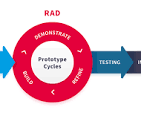
One of the key benefits of RAD is its iterative and incremental nature. Instead of following a linear development process, RAD allows for quick prototyping and feedback loops. This means that changes can be implemented rapidly based on user input, resulting in faster delivery of functional software.

RAD also encourages collaboration between developers, designers, and end-users. By involving stakeholders throughout the development process, RAD ensures that the final product meets the needs and expectations of its intended users.

Another advantage of RAD is its focus on reusability. Developers can leverage existing components and frameworks to accelerate development without compromising quality. This not only speeds up the development process but also reduces costs associated with building applications from scratch.

Furthermore, RAD promotes a more flexible approach to project management. By breaking down projects into smaller modules or features, teams can prioritize tasks based on their importance and complexity. This allows for greater adaptability to changing requirements and market conditions.

In conclusion, Rapid Application Development offers a streamlined and efficient way to create software applications in a fast-paced environment. By emphasizing collaboration, reusability, and flexibility, RAD empowers businesses to innovate quickly and stay ahead of the competition.


5 Essential Tips for Accelerating Application Development Success

  1. Define clear objectives and requirements before starting development.
  2. Use rapid prototyping to quickly visualize ideas and gather feedback.
  3. Prioritize essential features to deliver a minimum viable product (MVP) faster.
  4. Implement agile development practices for flexibility and adaptability.
  5. Regularly test and iterate on the application to improve functionality and user experience.

Define clear objectives and requirements before starting development.

Before diving into rapid application development, it is crucial to define clear objectives and requirements. By establishing a solid foundation at the outset, developers can ensure that the project stays on track and meets the desired outcomes. Clear objectives help align the team’s efforts and provide a roadmap for development, while well-defined requirements serve as a guide for implementing features that are essential to the success of the application. Taking the time to clarify objectives and requirements upfront can prevent costly rework later on and ultimately lead to a more efficient and successful development process.

Use rapid prototyping to quickly visualize ideas and gather feedback.

Using rapid prototyping is a valuable tip in the realm of rapid application development as it allows developers to swiftly bring ideas to life and gather essential feedback. By creating prototypes that provide a visual representation of the proposed application, stakeholders can better understand the concept and provide input early in the development process. This iterative approach not only accelerates the design phase but also ensures that the final product aligns with user expectations and requirements, ultimately leading to a more successful and user-friendly application.

Prioritize essential features to deliver a minimum viable product (MVP) faster.

When adopting Rapid Application Development, it is crucial to prioritize essential features to deliver a minimum viable product (MVP) faster. By focusing on the core functionalities that provide the most value to users, developers can streamline the development process and get a functional product into the hands of users sooner. This approach not only accelerates time-to-market but also allows for early feedback and validation, enabling teams to make informed decisions and iterate on the product efficiently.

Implement agile development practices for flexibility and adaptability.

Implementing agile development practices is essential for leveraging the benefits of rapid application development. By embracing agile methodologies, such as iterative development, continuous feedback, and adaptive planning, teams can enhance flexibility and adaptability in their software projects. Agile allows for quick adjustments to changing requirements and market conditions, ensuring that the final product meets user needs effectively. This approach promotes collaboration, transparency, and a customer-centric mindset, ultimately leading to the successful delivery of high-quality applications within shorter timeframes.

Regularly test and iterate on the application to improve functionality and user experience.

Regularly testing and iterating on the application is crucial in enhancing its functionality and user experience. By conducting frequent tests and gathering feedback from users, developers can identify areas for improvement and make necessary adjustments to ensure a seamless and user-friendly application. This iterative process not only helps in fixing bugs and issues but also allows for continuous enhancement of features based on user preferences and behavior. Ultimately, prioritizing regular testing and iteration leads to a more refined and efficient application that meets the evolving needs of its users.

software development for startups

Empowering Startups Through Tailored Software Development Solutions

Software Development for Startups

The Importance of Software Development for Startups

Startups are known for their innovative ideas and disruptive solutions in various industries. However, to turn these ideas into successful businesses, startups need robust software solutions that can support their growth and scalability.

Customized Solutions for Unique Needs

Software development for startups involves creating customized solutions tailored to the unique needs of the business. Off-the-shelf software may not always meet the specific requirements of a startup, especially when it comes to scalability and flexibility.

Agile Development Methodology

Startups often operate in a fast-paced environment where market conditions can change rapidly. Agile software development methodologies allow startups to adapt quickly to these changes and deliver incremental updates based on user feedback.

Scalability and Performance

Scalability is crucial for startups as they aim to grow their user base and expand their operations. Software developers need to design applications that can handle increased loads without compromising performance or user experience.

Cost-Effective Solutions

Startups typically have limited resources, so cost-effectiveness is a key consideration in software development. By leveraging open-source technologies and cloud services, startups can build scalable solutions without incurring high upfront costs.

User-Centric Design

User experience plays a significant role in the success of a startup’s software application. User-centric design principles ensure that the application is intuitive, easy to use, and aligns with the needs and preferences of the target audience.

Continuous Improvement

Software development is an ongoing process, especially for startups looking to stay ahead of the competition. Continuous improvement through regular updates, feature enhancements, and bug fixes is essential to keep the software relevant and competitive.

In Conclusion

Software development is a critical aspect of startup success, enabling businesses to innovate, scale, and deliver value to their customers. By investing in customized solutions, adopting agile methodologies, focusing on scalability and performance, prioritizing cost-effectiveness, designing with users in mind, and embracing continuous improvement, startups can build robust software applications that drive growth and profitability.


Essential Software Development Tips for Startups: Building Success from MVP to Scalability

  1. Start with a Minimum Viable Product (MVP) to validate your idea quickly.
  2. Focus on building scalable and flexible software architecture for future growth.
  3. Prioritize security measures to protect sensitive data and user information.
  4. Embrace agile development methodologies for faster iterations and adaptability.
  5. Regularly gather feedback from users to improve the product based on real-world usage.
  6. Invest in automated testing to ensure software quality and reduce bugs in the long run.

Start with a Minimum Viable Product (MVP) to validate your idea quickly.

Starting with a Minimum Viable Product (MVP) is a crucial tip for software development in startups. By creating a basic version of your product with core features, startups can quickly validate their idea in the market and gather valuable feedback from early users. This approach allows startups to test assumptions, identify potential challenges, and make informed decisions on further development iterations, ultimately increasing the chances of building a successful and market-ready product.

Focus on building scalable and flexible software architecture for future growth.

Focusing on building scalable and flexible software architecture is crucial for startups looking to ensure future growth and success. By designing a robust architecture that can easily adapt to increasing demands and evolving business needs, startups can lay a strong foundation for long-term scalability. This approach not only allows for seamless expansion but also enables the integration of new features and functionalities as the business grows, ultimately positioning the startup for sustainable development and competitiveness in the market.

Prioritize security measures to protect sensitive data and user information.

In the realm of software development for startups, it is crucial to prioritize security measures to safeguard sensitive data and user information. By implementing robust security protocols and encryption techniques, startups can instill trust in their users, protect valuable data assets, and mitigate the risk of cyber threats. Prioritizing security not only demonstrates a commitment to user privacy and confidentiality but also helps maintain regulatory compliance and uphold the integrity of the business operations.

Embrace agile development methodologies for faster iterations and adaptability.

Embracing agile development methodologies is crucial for startups seeking faster iterations and adaptability in their software development process. By following agile principles, startups can respond quickly to changing market demands, incorporate user feedback effectively, and deliver incremental updates that align with evolving business needs. This approach not only accelerates the development cycle but also enhances the overall flexibility and responsiveness of the startup, enabling them to stay competitive and achieve sustainable growth in a dynamic business environment.

Regularly gather feedback from users to improve the product based on real-world usage.

Regularly gathering feedback from users is a crucial tip for software development in startups. By actively seeking input from real-world users, startups can gain valuable insights into how their product is being used and identify areas for improvement. This user-centric approach not only enhances the overall user experience but also allows startups to iterate and refine their product based on actual usage data, ensuring that they are meeting the needs and expectations of their target audience effectively.

Invest in automated testing to ensure software quality and reduce bugs in the long run.

Investing in automated testing is a crucial tip for startups in software development. By implementing automated testing processes, startups can ensure the quality of their software and reduce the occurrence of bugs over time. Automated testing allows for efficient and consistent testing of code, helping identify issues early in the development cycle and enabling developers to make necessary corrections promptly. This proactive approach not only improves the overall reliability of the software but also saves time and resources in the long run by minimizing the need for manual testing and debugging.