cfchris.com

Loading

AI Companies: The Businesses Shaping Artificial Intelligence

AI Companies: The Businesses Shaping Artificial Intelligence

Artificial intelligence is changing how businesses develop software, analyze information, serve customers, and automate everyday tasks. Behind these changes is a diverse market of AI companies, ranging from semiconductor manufacturers and cloud providers to research labs and specialized startups.

Understanding what these companies do—and how their products differ—can help businesses choose useful tools, evaluate potential partners, and separate practical capabilities from marketing hype.

What Are AI Companies?

AI companies develop or deliver technologies that perform tasks associated with human intelligence, such as understanding language, recognizing images, making predictions, and generating content. Some build general-purpose models that support many applications. Others focus on a specific industry or business problem.

Not every business that uses AI is an AI company. The distinction usually depends on whether artificial intelligence is central to the company’s products, services, or underlying technology.

The Main Types of AI Companies

Foundation Model Developers

Foundation models are trained on large datasets and can be adapted to a wide range of tasks. Companies such as OpenAI, Anthropic, and Google develop models that support applications including conversational assistants, coding tools, document analysis, and content generation.

These developers compete on factors such as model quality, reliability, speed, cost, and safety. For business customers, integration options and data-handling policies can be just as important as performance.

AI Infrastructure Providers

Training and running AI systems requires substantial computing resources. Infrastructure providers supply the chips, networking equipment, cloud services, and software that make this possible.

NVIDIA is a prominent example of a company providing hardware and software used in AI computing. Amazon Web Services, Microsoft Azure, and Google Cloud offer infrastructure and managed services that help organizations build and deploy AI applications without operating all the necessary hardware themselves.

Enterprise AI Software Companies

Enterprise AI companies bring artificial intelligence into business workflows. Their products may help employees search internal information, summarize documents, manage customer relationships, detect suspicious activity, or automate support requests.

Established software providers such as Microsoft, Salesforce, and Adobe incorporate AI into broader product portfolios. Specialized vendors often compete by addressing narrower needs or offering deeper integration with particular workflows.

Industry-Specific AI Companies

Some AI businesses focus on sectors such as healthcare, finance, manufacturing, agriculture, or transportation. Their value often comes from combining machine learning with specialized knowledge and carefully managed data.

For example, an AI system might help identify manufacturing defects, flag potentially fraudulent transactions, or support the review of medical images. In high-stakes settings, these systems require rigorous validation, appropriate oversight, and compliance with applicable regulations.

How AI Companies Create Value

The strongest AI products solve identifiable problems rather than simply adding a chatbot to an existing service. Common sources of value include:

  • Reducing repetitive work: Automating tasks such as document classification, information extraction, and routine drafting.
  • Improving access to information: Helping users find relevant answers across large collections of documents.
  • Supporting decisions: Identifying patterns and producing forecasts that people can evaluate alongside other evidence.
  • Accelerating development: Assisting with software coding, testing, design, and research.
  • Personalizing experiences: Tailoring recommendations or assistance to a user’s needs and preferences.

Results depend on the application, data quality, and implementation. An impressive demonstration does not necessarily translate into dependable performance in daily operations.

How to Evaluate an AI Company

Before choosing an AI provider, businesses should define the intended use case and establish measurable success criteria. A limited pilot using representative tasks can reveal more than broad claims about accuracy or productivity.

Important evaluation questions include:

  • Does the product perform reliably on the organization’s actual tasks?
  • How does the provider store, retain, and use customer data?
  • What security controls and contractual protections are available?
  • Can the system integrate with existing tools and processes?
  • What are the total costs, including implementation and human review?
  • How easily can data and workflows move to another provider?

Challenges Facing the AI Industry

AI companies face technical, financial, and legal challenges. Models can generate inaccurate information, reproduce biases, or fail when conditions differ from their training environments. Computing costs can be substantial, while questions about privacy, copyright, and accountability continue to influence product development and adoption.

Trust therefore depends on more than model capability. Clear documentation, realistic claims, effective security practices, and meaningful human oversight are essential parts of a responsible AI offering.

The Outlook for AI Companies

The AI market extends far beyond a handful of well-known brands. Infrastructure providers, model developers, enterprise software vendors, and specialized startups all play different roles in turning research into usable products.

For customers, the most useful question is not which company generates the most attention, but which solution delivers reliable value for a specific need. AI companies that combine strong technology with practical implementation and responsible data practices are better positioned to earn lasting customer trust.


5 Key Benefits of AI Companies: Driving Innovation, Automation, and Productivity

  1. Drive innovation across industries
  2. Automate repetitive tasks
  3. Help businesses analyze data
  4. Create new products and services
  5. Improve efficiency and productivity


Key Challenges for AI Companies: Accuracy, Bias, Data Security, and High Costs

  1. AI systems can produce inaccurate or biased results.
  2. Data privacy and security risks require careful management.
  3. Developing and operating AI can be expensive.

Drive innovation across industries

AI companies drive innovation across industries by developing tools that help organizations solve complex problems and explore new possibilities. In healthcare, AI can support medical image analysis and accelerate drug discovery. In manufacturing, it helps predict equipment failures and improve production processes, while in agriculture, it can inform irrigation decisions and monitor crop health. By making advanced capabilities more accessible, AI companies enable businesses of all sizes to develop new products, improve services, and respond more effectively to changing needs.

Automate repetitive tasks

AI companies help businesses automate repetitive tasks such as data entry, document processing, appointment scheduling, and routine customer inquiries. By reducing the time employees spend on predictable, time-consuming work, AI tools can free them to focus on creative projects, complex problem-solving, and customer relationships. When implemented with appropriate oversight, this automation can also improve consistency, reduce manual errors, and lower operating costs.

Help businesses analyze data

AI companies help businesses analyze large amounts of data quickly, uncovering patterns and trends that might otherwise go unnoticed. Their tools can process information from sales, customer interactions, and daily operations to support more informed decisions. For example, AI-powered analytics can help forecast demand, identify customer preferences, and flag unusual transactions for review. By reducing time spent on manual analysis, these tools allow teams to focus on applying insights, improving efficiency, and finding opportunities for growth.

Create new products and services

AI companies create new products and services that help people and businesses solve problems in new ways. From virtual assistants and real-time translation tools to software that helps doctors analyze medical images, these innovations can make specialized capabilities more accessible. AI also enables personalized learning platforms, smarter accessibility tools, and services that automate time-consuming tasks. By turning advances in research into practical applications, AI companies can open new markets, expand customer choices, and create opportunities for entrepreneurs and businesses.

Improve efficiency and productivity

AI companies help businesses improve efficiency and productivity by developing tools that automate repetitive tasks, analyze large amounts of data, and streamline workflows. These solutions can handle activities such as data entry, document processing, and routine customer inquiries, allowing employees to focus on more complex and strategic work. When implemented effectively and supported by appropriate human oversight, AI tools can reduce turnaround times, minimize manual errors, and help teams accomplish more without compromising quality.

AI systems can produce inaccurate or biased results.

One significant drawback of AI companies is that their systems can produce inaccurate or biased results. AI models learn from data that may contain errors, reflect historical inequalities, or underrepresent certain groups. As a result, these systems can generate misleading information or reinforce unfair patterns, particularly in high-stakes areas such as hiring, lending, and healthcare. Even responses that sound confident and convincing may be incorrect, making mistakes difficult to recognize. To reduce these risks, AI companies need rigorous testing, ongoing monitoring, and clear communication about their products’ limitations, while users should verify important outputs and maintain appropriate human oversight.

Data privacy and security risks require careful management.

AI companies often handle sensitive personal, business, or customer data, which can create privacy and security risks if that information is mishandled, exposed, or used without clear consent. Organizations should carefully review how providers collect, store, process, and retain data, as well as their security controls and data-sharing practices. Strong safeguards, transparent policies, and ongoing oversight are essential to reduce risks and protect users.

Developing and operating AI can be expensive.

Developing and operating AI can be expensive, creating a significant financial challenge for AI companies. Building reliable systems often requires specialized hardware, large datasets, and highly skilled engineers and researchers. Once deployed, AI products generate ongoing costs for computing power, cloud services, maintenance, security, and performance monitoring. Expenses can rise as customer demand grows, particularly for computationally intensive applications. These financial pressures can make it difficult for smaller companies to compete with well-funded rivals and may lead to higher prices for customers.

cloud software engineer

What Does a Cloud Software Engineer Do?

What Does a Cloud Software Engineer Do?

A cloud software engineer designs, builds, and maintains software that runs on cloud computing platforms. Instead of relying only on servers located in an office or data center, cloud-based applications use internet-connected infrastructure that can scale to meet changing needs.

Cloud software engineers combine software development with an understanding of cloud services, architecture, security, and operations. They help organizations build applications that are reliable, efficient, and easier to update.

What Is Cloud Software Engineering?

Cloud software engineering is the practice of creating and operating software using cloud platforms. These platforms provide services such as computing power, databases, storage, networking, and tools for deploying applications.

Applications may be built specifically for the cloud or adapted from systems that previously ran on local servers. In either case, engineers consider how the software will be deployed, scaled, monitored, and protected.

Typical Responsibilities

The day-to-day work of a cloud software engineer can vary by company and project. Common responsibilities include:

  • Designing and developing cloud-based applications and services
  • Building application programming interfaces (APIs) and connecting software components
  • Working with cloud infrastructure, databases, storage, and networking
  • Automating software builds, testing, and deployments
  • Monitoring applications and troubleshooting performance or reliability issues
  • Applying security practices to software, data, and cloud environments
  • Collaborating with software developers, operations teams, security specialists, and product managers
  • Reviewing cloud usage and looking for opportunities to improve efficiency and manage costs

Skills and Technologies

Cloud software engineers need a strong foundation in programming and software development. Common programming languages include Python, Java, JavaScript, C#, and Go. The best language to learn depends on the role, the organization, and the applications being developed.

Other useful skills and areas of knowledge include:

  • Cloud platforms: Amazon Web Services (AWS), Microsoft Azure, and Google Cloud
  • Containers: Docker and container orchestration tools such as Kubernetes
  • Infrastructure as code: Tools such as Terraform and cloud-specific deployment frameworks
  • Continuous integration and delivery: Automated processes for testing and releasing software
  • Databases: Relational and nonrelational database systems
  • Networking and security: Identity and access management, encryption, firewalls, and network fundamentals
  • Observability: Logging, metrics, tracing, and alerting

No single engineer needs to master every tool. Employers often look for solid fundamentals, practical experience, and the ability to learn technologies as project needs change.

Cloud Software Engineer vs. Cloud Engineer

The titles can overlap, but they often emphasize different responsibilities. A cloud software engineer typically focuses on designing and writing application code that runs in the cloud. A cloud engineer may focus more on infrastructure, networking, platform configuration, and cloud operations.

In many organizations, the responsibilities are shared across a team. Some roles combine application development and infrastructure work, especially in smaller companies.

How to Become a Cloud Software Engineer

There are several ways to prepare for this career. A degree in computer science or a related field can provide a useful foundation, but it is not the only route. Coursework, independent study, work experience, and project portfolios can also help build relevant skills.

  1. Learn programming fundamentals. Practice writing, testing, and maintaining code in one or more widely used languages.
  2. Build software projects. Create an application, connect it to a database, and document how it works.
  3. Learn cloud fundamentals. Explore how cloud computing, networking, storage, identity, and security fit together.
  4. Deploy an application. Practice publishing a project to a cloud platform and monitoring it after deployment.
  5. Study automation and containers. Learn how teams package applications and automate testing and releases.
  6. Develop a portfolio. Share project descriptions, source code where appropriate, and clear explanations of your decisions.

Cloud certifications can help demonstrate familiarity with a platform, particularly for people early in their careers. They are most valuable when paired with hands-on experience and a clear understanding of the concepts behind the tools.

Why the Role Matters

Cloud platforms give organizations access to computing resources without requiring them to manage every physical server themselves. This can help teams launch products, respond to changing demand, and support users in different locations. However, cloud services still require thoughtful engineering.

Cloud software engineers help make applications dependable, secure, and maintainable. Their work can affect how quickly a business delivers new features, how well its systems handle traffic, and how effectively it uses its technology budget.

Is Cloud Software Engineering a Good Career Fit?

This career may suit people who enjoy solving technical problems, building software, and learning new tools. It also involves collaboration and ongoing maintenance—not just writing code. Engineers may need to investigate failures, improve older systems, document their work, and balance competing priorities.

For anyone interested in software development and modern infrastructure, cloud software engineering offers a way to work across both areas. Strong programming skills, practical projects, and a willingness to keep learning can provide a solid starting point.


7 Advantages of Being a Cloud Software Engineer

  1. Builds scalable applications.
  2. Works with modern cloud technology.
  3. Solves challenging technical problems.
  4. Supports remote collaboration.
  5. Can work across diverse industries.
  6. Helps improve software reliability.
  7. Offers opportunities for continuous learning.


7 Cons of Being a Cloud Software Engineer

  1. Requires constant learning as cloud technologies change.
  2. Can involve on-call work and urgent troubleshooting.
  3. Cloud outages can disrupt applications and services.
  4. Security mistakes may expose sensitive data.
  5. Cloud costs can be difficult to control.
  6. Work often involves complex systems and configurations.
  7. Deadlines and production issues can be stressful.

Builds scalable applications.

Cloud software engineers build applications that can scale as demand changes. By using cloud services and thoughtful system design, they can help software handle more users, data, or requests without requiring a complete redesign. This flexibility allows organizations to support growth, manage traffic spikes, and make better use of computing resources.

Works with modern cloud technology.

Cloud software engineers work with modern cloud technology to build and improve applications using services for computing, storage, databases, and networking. This gives them hands-on experience with tools and practices that help software scale, deploy more efficiently, and adapt to changing needs. Because cloud platforms continue to evolve, the role also offers ongoing opportunities to learn and work with new technologies.

Solves challenging technical problems.

Cloud software engineers solve challenging technical problems by designing applications that can handle changing demands, work reliably across distributed systems, and protect sensitive data. They investigate issues such as slow performance, service outages, and complex integrations, then develop practical solutions using cloud platforms and modern tools. The work calls for curiosity, careful problem-solving, and a willingness to keep learning as technology evolves.

Supports remote collaboration.

Cloud software engineering supports remote collaboration by giving teams access to shared development environments, code repositories, and cloud-based tools from almost anywhere. Engineers can work together on the same applications, review changes, track issues, and deploy updates without needing to be in the same office. This flexibility helps distributed teams coordinate their work and keep projects moving across different locations and time zones.

Can work across diverse industries.

Cloud software engineers can work across a wide range of industries, including healthcare, finance, education, retail, and entertainment. Because organizations in nearly every field rely on cloud technology, engineers can apply their skills to different challenges—from protecting sensitive patient records to building online shopping platforms. This variety offers opportunities to explore new areas, learn how different businesses operate, and choose projects that match personal interests.

Helps improve software reliability.

Cloud software engineers help improve software reliability by designing systems that can handle failures and changing demand. They use practices such as automated testing, monitoring, backups, and scalable infrastructure to identify issues early and keep applications available. Their work helps businesses deliver a more consistent experience for users, even when traffic increases or individual services encounter problems.

Offers opportunities for continuous learning.

Cloud software engineering offers plenty of opportunities for continuous learning because cloud platforms, tools, and best practices are constantly evolving. Engineers can deepen their skills in areas such as security, automation, artificial intelligence, and distributed systems while exploring new services and technologies. This ongoing learning helps them stay current, solve new challenges, and grow their careers.

Requires constant learning as cloud technologies change.

One challenge of being a cloud software engineer is the need for constant learning. Cloud platforms regularly introduce new services, tools, and best practices, so engineers must keep updating their skills to stay effective. This ongoing learning can take time outside of day-to-day project work, but it also helps them build better, more secure, and more efficient solutions.

Can involve on-call work and urgent troubleshooting.

Cloud software engineering can involve on-call shifts, during which engineers must be available to respond to outages or other urgent issues outside regular business hours. Troubleshooting under time pressure can be stressful, especially when a problem affects customers or critical services. The frequency and impact of on-call work vary by employer, so it’s worth asking about shift schedules, incident response expectations, and team support when considering a role.

Cloud outages can disrupt applications and services.

One drawback of cloud software engineering is that cloud outages can disrupt applications and services. Even well-designed systems may become unavailable when a cloud provider experiences technical problems, affecting users and business operations. Engineers can reduce the impact with monitoring, backups, and recovery plans, but preventing every outage is not always possible.

Security mistakes may expose sensitive data.

A key challenge for cloud software engineers is preventing security mistakes that could expose sensitive data. Misconfigured storage, weak access controls, or coding errors can leave personal or business information vulnerable to unauthorized access. Engineers must follow security best practices, regularly review cloud settings, and test systems for weaknesses to help protect data and maintain user trust.

Cloud costs can be difficult to control.

Cloud costs can be difficult to control because usage may change quickly, and charges can come from many services, including computing, storage, data transfers, and managed tools. A cloud software engineer must understand how design choices affect spending, monitor usage, and help prevent waste from idle or oversized resources. Without clear budgets and regular reviews, costs can rise unexpectedly as an application grows.

Work often involves complex systems and configurations.

One challenge of working as a cloud software engineer is dealing with complex systems and configurations. Applications may rely on interconnected services, networks, databases, and security settings, so a small change can have unexpected effects elsewhere. Troubleshooting these issues takes patience, careful testing, and a strong understanding of how the different parts work together.

Deadlines and production issues can be stressful.

Cloud software engineers often work under tight deadlines, especially when launching new features or resolving problems that affect users. Production issues can arise unexpectedly, requiring quick investigation and careful decisions to restore service while minimizing disruption. This pressure can make the role stressful, particularly when systems are business-critical or teams are responding outside regular work hours.

azure cloud security

Enhancing Data Protection with Azure Cloud Security Measures

Azure Cloud Security

Azure Cloud Security: Safeguarding Your Data in the Cloud

Cloud computing has revolutionized the way businesses operate, offering flexibility, scalability, and cost-efficiency. However, with the benefits of cloud services come security challenges that must be addressed to protect sensitive data and ensure compliance with regulations.

Why Azure Cloud Security Matters

Microsoft Azure is a leading cloud platform that provides a wide range of security features to help organizations secure their data and applications. Here are some key aspects of Azure cloud security:

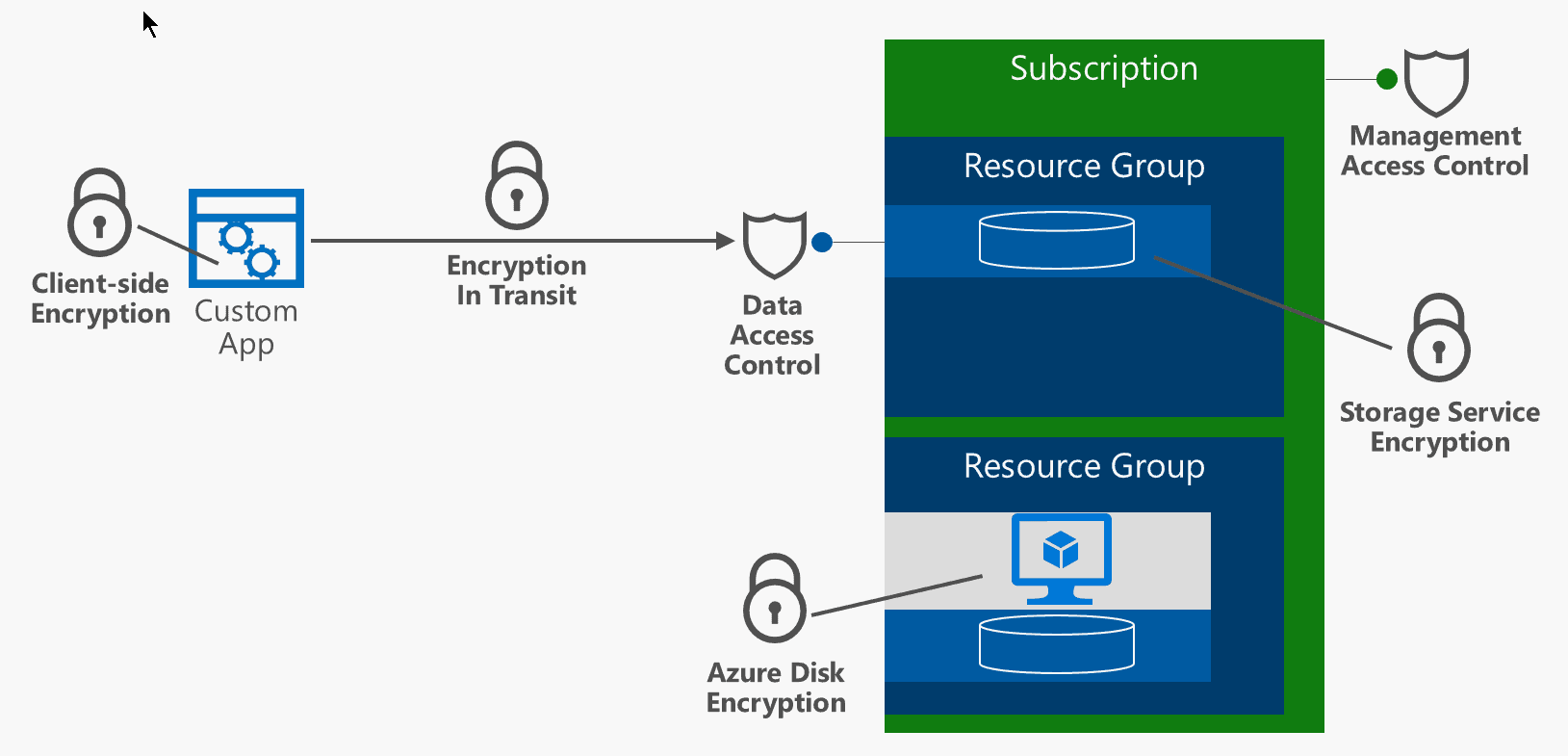
  • Data Encryption: Azure offers encryption at rest and in transit to protect data from unauthorized access.
  • Identity and Access Management: Azure Active Directory enables organizations to manage user identities and control access to resources.
  • Network Security: Azure Virtual Network allows organizations to create secure networks and control traffic flow.
  • Security Monitoring: Azure Security Center provides continuous monitoring and threat detection to identify and respond to security incidents.
  • Compliance Certifications: Azure maintains a wide range of compliance certifications to meet industry-specific regulatory requirements.

Best Practices for Securing Your Azure Environment

To enhance security in your Azure environment, consider implementing the following best practices:

  1. Multifactor Authentication: Require users to provide multiple forms of verification before accessing resources.
  2. Data Classification: Classify data based on sensitivity levels and apply appropriate security controls.
  3. Patch Management: Keep software up-to-date with the latest security patches to address vulnerabilities.
  4. Regular Auditing: Conduct regular audits of your Azure environment to identify potential security gaps.
  5. Educate Users: Provide training on security best practices to help users recognize and respond to security threats.

In Conclusion

Azure cloud security is a critical aspect of maintaining a secure and compliant cloud environment. By leveraging the robust security features offered by Microsoft Azure and following best practices for securing your environment, you can safeguard your data, applications, and infrastructure in the cloud.


Understanding Azure Cloud Security: Key Questions and Comparisons

  1. How secure is Azure cloud services?
  2. What are the 5 pillars of cloud security?
  3. What security does Microsoft Azure have?
  4. What are Azure security tools?
  5. Why Azure is more secure than AWS?
  6. What is the difference between AWS and Azure security?

How secure is Azure cloud services?

Azure cloud services are known for their robust security measures that prioritize safeguarding data and ensuring the privacy of users. Microsoft Azure implements a comprehensive range of security features, including data encryption, identity and access management, network security, and continuous monitoring for threat detection. With a wide array of compliance certifications and adherence to industry-specific regulatory requirements, Azure provides a secure cloud environment for businesses to operate in. By following best practices and leveraging the security capabilities of Azure, organizations can confidently trust in the security of their data and applications within the Azure cloud services ecosystem.

What are the 5 pillars of cloud security?

In the realm of Azure cloud security, understanding the five pillars of cloud security is essential for ensuring a robust and comprehensive security posture. These pillars encompass key aspects that organizations must address to protect their data and resources effectively. The five pillars of cloud security typically include identity and access management, data protection, network security, application security, and compliance. By focusing on these pillars, organizations can establish a strong foundation for securing their Azure environments and mitigating potential risks associated with cloud computing.

What security does Microsoft Azure have?

Microsoft Azure offers a comprehensive set of security features to protect data and applications in the cloud. Some key security measures provided by Azure include data encryption at rest and in transit, identity and access management through Azure Active Directory, network security with Azure Virtual Network, continuous monitoring and threat detection via Azure Security Center, and adherence to various compliance certifications to meet regulatory requirements. These robust security capabilities help organizations safeguard their assets and maintain a secure environment within the Microsoft Azure cloud platform.

What are Azure security tools?

Azure offers a variety of robust security tools to help organizations enhance their cloud security posture. These tools include Azure Security Center, Azure Active Directory, Azure Key Vault, Azure Information Protection, and more. Azure Security Center provides continuous monitoring, threat detection, and security recommendations to protect cloud resources. Azure Active Directory enables identity and access management, while Azure Key Vault allows secure storage and management of cryptographic keys and secrets. Azure Information Protection helps classify and protect sensitive data across devices and applications. By leveraging these Azure security tools, organizations can strengthen their overall security framework in the cloud.

Why Azure is more secure than AWS?

When comparing Azure to AWS in terms of security, Azure is often considered more secure due to its strong focus on compliance and governance. Microsoft Azure provides a comprehensive set of security features, such as advanced threat detection, encryption, identity management, and compliance certifications. Additionally, Azure’s integrated security tools and services, like Azure Security Center and Azure Active Directory, offer robust protection for data and applications. Microsoft’s commitment to security and privacy standards across its cloud services further enhances Azure’s reputation for providing a secure cloud environment for businesses and organizations.

What is the difference between AWS and Azure security?

When comparing AWS and Azure security, one key difference lies in their approach to security features and services. While both cloud platforms offer a range of security tools, AWS is known for its granular control and customization options, allowing users to fine-tune security settings to meet specific requirements. On the other hand, Azure emphasizes integration with existing Microsoft products and services, providing a seamless experience for organizations already using Microsoft technologies. Understanding these differences can help organizations choose the cloud platform that best aligns with their security needs and preferences.

it infrastructure as a service

Optimizing Business Operations with IT Infrastructure as a Service

Article: IT Infrastructure as a Service

The Power of IT Infrastructure as a Service (IaaS)

IT infrastructure is the backbone of modern businesses, enabling them to operate efficiently and effectively in today’s digital world. With the rise of cloud computing, a new model known as Infrastructure as a Service (IaaS) has revolutionized the way organizations manage their IT resources.

What is IaaS?

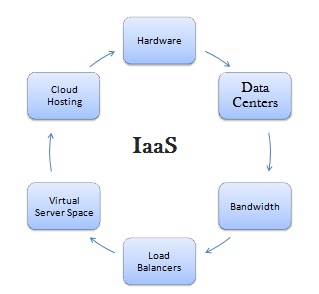
IaaS is a cloud computing service model that provides virtualized computing resources over the internet. Instead of investing in physical servers, storage, and networking equipment, businesses can leverage IaaS to access these resources on a pay-as-you-go basis.

The Benefits of IaaS

Scalability: One of the key advantages of IaaS is its scalability. Organizations can easily scale up or down their IT infrastructure based on their changing needs without the hassle of procuring and managing physical hardware.

Cost-Effectiveness: By opting for IaaS, businesses can reduce capital expenses associated with purchasing and maintaining hardware. They only pay for the resources they use, making it a cost-effective solution for both small startups and large enterprises.

Flexibility: IaaS offers flexibility in terms of resource allocation and deployment. Businesses can quickly provision virtual servers, storage, and networking components to support their applications and workloads.

Use Cases for IaaS

Development and Testing Environments: IaaS is ideal for creating development and testing environments without the need for physical infrastructure. Developers can spin up virtual servers to test applications before deploying them into production.

Disaster Recovery: Organizations can use IaaS for disaster recovery purposes by replicating their critical data and applications to cloud-based infrastructure. In case of a disaster, they can quickly restore operations from the cloud environment.

Conclusion

IaaS has transformed the way businesses approach IT infrastructure management by providing a flexible, scalable, and cost-effective solution through cloud-based services. As organizations continue to embrace digital transformation, IaaS will play a crucial role in enabling innovation and growth in the ever-evolving digital landscape.


Understanding IT Infrastructure as a Service: Key Questions Answered

  1. What are examples of IaaS?
  2. What are SaaS and examples?
  3. What is an eg of infrastructure as a service?
  4. What is IaaS and its example?
  5. What are the three infrastructure as a service?
  6. What is an IT infrastructure service?
  7. What is infrastructure as a service?

What are examples of IaaS?

When it comes to examples of Infrastructure as a Service (IaaS), popular cloud service providers such as Amazon Web Services (AWS), Microsoft Azure, and Google Cloud Platform are often cited. These platforms offer a wide range of virtualized computing resources, including virtual servers, storage, and networking capabilities that businesses can leverage on-demand. Additionally, platforms like DigitalOcean and IBM Cloud also provide IaaS solutions tailored to meet various business needs. Overall, these examples showcase the versatility and scalability of IaaS offerings in the cloud computing landscape.

What are SaaS and examples?

Software as a Service (SaaS) is a cloud computing model that allows users to access software applications over the internet on a subscription basis. Unlike traditional software installations, SaaS eliminates the need for users to download and maintain the software on their own devices. Instead, users can simply log in to the SaaS platform through a web browser and start using the application. Examples of popular SaaS applications include Microsoft Office 365, Salesforce, Google Workspace, Dropbox, and Adobe Creative Cloud. These applications offer users flexibility, scalability, and cost-effectiveness by providing access to powerful tools and services without the burden of managing complex software installations.

What is an eg of infrastructure as a service?

Infrastructure as a Service (IaaS) offers businesses the flexibility to access virtualized computing resources over the internet, allowing them to scale their IT infrastructure based on demand. An example of IaaS is Amazon Web Services (AWS), a leading cloud service provider that offers a wide range of infrastructure services, including virtual servers, storage, and networking capabilities. With AWS, organizations can quickly provision and deploy resources without the need for upfront investment in physical hardware, making it an excellent example of how IaaS can streamline IT operations and support business growth.

What is IaaS and its example?

IaaS, short for Infrastructure as a Service, is a cloud computing service model that offers virtualized computing resources over the internet. An example of IaaS is Amazon Web Services (AWS), where businesses can access virtual servers, storage, and networking components on a pay-as-you-go basis. With IaaS, organizations can scale their IT infrastructure up or down based on their needs without the burden of managing physical hardware. This flexibility and cost-effectiveness make IaaS a popular choice for businesses looking to optimize their IT resources and focus on innovation and growth.

What are the three infrastructure as a service?

When it comes to Infrastructure as a Service (IaaS), there are three main types of services that businesses can leverage: compute, storage, and networking. Compute services provide virtualized computing resources such as virtual machines and processing power, allowing organizations to run applications and workloads in the cloud. Storage services offer scalable and secure storage solutions for data, files, and backups, eliminating the need for on-premises storage hardware. Networking services enable businesses to set up and manage virtual networks, connect resources across different locations, and ensure secure communication between cloud-based services. By utilizing these three core IaaS offerings, organizations can build flexible and efficient IT infrastructures tailored to their specific needs.

What is an IT infrastructure service?

An IT infrastructure service refers to a comprehensive set of virtualized computing resources delivered over the internet as part of the Infrastructure as a Service (IaaS) cloud computing model. It encompasses virtual servers, storage, networking components, and other IT resources that businesses can access on-demand to support their operations. By leveraging IT infrastructure services, organizations can optimize their technology environment, improve scalability and flexibility, and reduce the burden of managing physical hardware. This cloud-based approach allows businesses to focus on their core activities while relying on a reliable and cost-effective IT infrastructure solution.

What is infrastructure as a service?

Infrastructure as a Service (IaaS) is a cloud computing service model that offers virtualized computing resources over the internet. In simple terms, IaaS allows businesses to access and utilize essential IT infrastructure components such as servers, storage, and networking without the need to invest in physical hardware. By leveraging IaaS, organizations can scale their IT resources up or down based on demand, pay only for the resources they use, and enjoy the flexibility of provisioning and managing their infrastructure in a cost-effective and efficient manner.

c3 ai

Empowering Industries with C3 AI’s Advanced Solutions

C3 AI: Transforming Industries with Artificial Intelligence

C3 AI: Transforming Industries with Artificial Intelligence

In today’s rapidly evolving technological landscape, artificial intelligence (AI) is at the forefront of innovation. C3 AI stands out as a leader in this space, offering robust solutions that empower businesses to harness the power of AI and drive digital transformation.

About C3 AI

C3 AI is a leading enterprise AI software provider that specializes in enabling organizations to develop, deploy, and operate large-scale AI applications. Founded by Thomas M. Siebel in 2009, the company has grown to become a pivotal player in the AI industry, serving a diverse range of sectors including manufacturing, energy, financial services, healthcare, and more.

The C3 AI Suite

The cornerstone of C3 AI’s offerings is the C3 AI Suite. This comprehensive platform provides the tools necessary for developing enterprise-scale AI applications quickly and efficiently. The suite includes pre-built applications for predictive maintenance, fraud detection, supply chain optimization, and more.

  • Data Integration: The platform seamlessly integrates data from disparate sources into a unified data image.
  • Model Development: Users can build machine learning models using various frameworks and languages.
  • Application Deployment: The suite allows for rapid deployment of applications across cloud environments or on-premises infrastructure.

Industries Served by C3 AI

C3 AI’s solutions are designed to meet the needs of various industries:

  1. Energy: Optimizing operations through predictive maintenance and energy management applications.
  2. Aerospace & Defense: Enhancing mission readiness with advanced logistics and supply chain insights.
  3. Healthcare: Improving patient outcomes through predictive analytics and operational efficiency tools.
  4. BFSI (Banking, Financial Services & Insurance): Strengthening fraud detection systems and risk management strategies.

The Impact of C3 AI

C3 AI is making significant strides in transforming how businesses operate by providing them with actionable insights derived from their data. By leveraging advanced machine learning algorithms and big data analytics, companies can enhance decision-making processes, reduce costs, increase efficiency, and ultimately gain a competitive edge in their respective markets.

The Future of C3 AI

The future looks promising for C3 AI as it continues to expand its capabilities and explore new frontiers in artificial intelligence. With ongoing investments in research and development as well as strategic partnerships with leading technology firms like Microsoft Azure and Google Cloud Platform, C3 AI is poised to remain at the cutting edge of innovation in enterprise-level artificial intelligence solutions.

C3 AI’s commitment to excellence ensures that it will continue playing an integral role in shaping the future of industries worldwide through its innovative use of artificial intelligence technologies.


Unlocking Business Potential: 8 Advantages of C3 AI’s Comprehensive Enterprise Solutions

  1. Empowers businesses to harness the power of artificial intelligence.
  2. Offers a comprehensive AI software suite for enterprise-scale applications.
  3. Provides pre-built applications for various use cases such as predictive maintenance and fraud detection.
  4. Enables seamless data integration from diverse sources into a unified data image.
  5. Supports rapid development and deployment of machine learning models.
  6. Serves a wide range of industries including energy, healthcare, and BFSI.
  7. Helps organizations make informed decisions through actionable insights derived from data analytics.
  8. Continuously innovates and collaborates with industry leaders like Microsoft Azure and Google Cloud Platform.


Challenges of Implementing C3 AI: Key Considerations for Businesses

  1. Steep learning curve for users unfamiliar with AI technologies
  2. High initial investment required for implementing C3 AI solutions
  3. Limited customization options may not meet the unique needs of all businesses
  4. Potential data privacy and security concerns due to the integration of diverse data sources
  5. Dependency on continuous updates and support from C3 AI for optimal performance

Empowers businesses to harness the power of artificial intelligence.

C3 AI empowers businesses to harness the power of artificial intelligence by providing a comprehensive platform that simplifies the development and deployment of AI applications. With its robust suite of tools, C3 AI enables organizations to integrate vast amounts of data from various sources, making it easier to extract valuable insights and drive informed decision-making. By leveraging machine learning models and advanced analytics, businesses can optimize operations, enhance customer experiences, and innovate more effectively. This empowerment allows companies to stay competitive in an increasingly digital world, transforming data into actionable strategies that lead to tangible business outcomes.

Offers a comprehensive AI software suite for enterprise-scale applications.

C3 AI offers a comprehensive AI software suite designed specifically for enterprise-scale applications, providing businesses with the tools they need to harness the full potential of artificial intelligence. This robust platform enables organizations to integrate vast amounts of data from various sources, develop sophisticated machine learning models, and deploy AI applications seamlessly across cloud or on-premises environments. By offering pre-built applications tailored for industries such as manufacturing, energy, and healthcare, C3 AI empowers companies to optimize operations, enhance decision-making processes, and drive digital transformation with greater efficiency and precision.

Provides pre-built applications for various use cases such as predictive maintenance and fraud detection.

C3 AI offers a significant advantage by providing pre-built applications tailored for various use cases, including predictive maintenance and fraud detection. These ready-to-use solutions allow businesses to quickly implement AI-driven insights without the need for extensive development time or resources. By leveraging these applications, organizations can enhance operational efficiency, reduce downtime through predictive maintenance, and strengthen security measures with advanced fraud detection capabilities. This approach not only accelerates the deployment of AI technologies but also ensures that companies can focus on strategic goals while relying on proven, industry-specific solutions.

Enables seamless data integration from diverse sources into a unified data image.

C3 AI excels in enabling seamless data integration from diverse sources into a unified data image, which is a significant advantage for enterprises dealing with vast amounts of data. This capability allows organizations to consolidate information from various systems, databases, and external feeds into a single cohesive view. By doing so, it eliminates data silos and ensures that decision-makers have access to comprehensive and up-to-date insights. This unified data image facilitates more accurate analytics and supports better decision-making processes across the organization, ultimately driving efficiency and innovation.

Supports rapid development and deployment of machine learning models.

C3 AI excels in supporting the rapid development and deployment of machine learning models, making it a standout choice for enterprises seeking to harness the power of AI efficiently. The platform’s comprehensive suite of tools streamlines the entire process, from data integration to model training and deployment. By offering a flexible and scalable environment, C3 AI enables data scientists and developers to quickly iterate on models, reducing time-to-market and accelerating innovation. This capability allows businesses to adapt swiftly to changing market conditions and derive actionable insights from their data, ultimately enhancing decision-making and maintaining a competitive edge.

Serves a wide range of industries including energy, healthcare, and BFSI.

C3 AI’s versatility in serving a wide range of industries, including energy, healthcare, and BFSI (Banking, Financial Services, and Insurance), highlights its robust capabilities and adaptability. In the energy sector, C3 AI provides solutions that optimize operations through predictive maintenance and efficient energy management. In healthcare, it enhances patient care by leveraging predictive analytics to improve operational efficiency and outcomes. For the BFSI industry, C3 AI strengthens fraud detection systems and enhances risk management strategies. This broad industry applicability demonstrates C3 AI’s ability to tailor its advanced AI solutions to meet the unique challenges and needs of various sectors, driving innovation and efficiency across different markets.

Helps organizations make informed decisions through actionable insights derived from data analytics.

C3 AI empowers organizations to make informed decisions by transforming raw data into actionable insights through advanced data analytics. By leveraging its robust AI platform, C3 AI enables businesses to integrate vast amounts of data from various sources, analyze it effectively, and uncover patterns and trends that might otherwise go unnoticed. This capability allows decision-makers to gain a deeper understanding of their operations, anticipate future challenges, and identify opportunities for growth and improvement. As a result, organizations can optimize processes, enhance efficiency, and maintain a competitive edge in their respective industries by making strategic decisions rooted in data-driven evidence.

Continuously innovates and collaborates with industry leaders like Microsoft Azure and Google Cloud Platform.

C3 AI is renowned for its continuous innovation and strategic collaborations with industry leaders such as Microsoft Azure and Google Cloud Platform. By partnering with these tech giants, C3 AI enhances its ability to deliver cutting-edge AI solutions that are scalable, secure, and efficient. These collaborations enable C3 AI to integrate the latest advancements in cloud technology and artificial intelligence, ensuring that its clients benefit from the most up-to-date tools and resources. This commitment to innovation not only strengthens C3 AI’s offerings but also empowers businesses across various sectors to leverage AI for improved operational efficiency and competitive advantage.

Steep learning curve for users unfamiliar with AI technologies

C3 AI, while offering powerful tools for enterprise-level artificial intelligence applications, presents a steep learning curve for users who are unfamiliar with AI technologies. For those without a background in data science or machine learning, navigating the complexities of the C3 AI Suite can be challenging. The platform requires a certain level of technical expertise to effectively integrate data, develop models, and deploy applications. This can lead to longer onboarding times and the need for extensive training sessions to ensure users are proficient in utilizing the platform’s full capabilities. As a result, organizations may need to invest additional resources in education and support to maximize their return on investment with C3 AI solutions.

High initial investment required for implementing C3 AI solutions

Implementing C3 AI solutions often requires a significant initial investment, which can be a considerable barrier for many organizations, particularly small to medium-sized enterprises. The high upfront costs are associated with the need for advanced infrastructure, integration of complex data systems, and customization of AI applications to meet specific business needs. Additionally, companies may need to invest in training personnel to effectively manage and operate these sophisticated systems. While the long-term benefits of increased efficiency and enhanced decision-making capabilities can outweigh these initial expenses, the substantial financial commitment required at the outset can be daunting for businesses with limited budgets.

Limited customization options may not meet the unique needs of all businesses

While C3 AI offers a powerful suite of tools for enterprise-level artificial intelligence applications, one potential drawback is its limited customization options. This can be a challenge for businesses with unique needs that require tailored solutions beyond the standard offerings. Companies seeking highly specific functionalities may find that the platform’s out-of-the-box capabilities do not fully align with their operational requirements, potentially necessitating additional development work or integration with other systems to achieve desired outcomes. As a result, organizations with distinct processes or niche demands might need to explore supplementary solutions to complement C3 AI’s offerings.

Potential data privacy and security concerns due to the integration of diverse data sources

Integrating diverse data sources is a key strength of C3 AI’s platform, enabling comprehensive insights and enhanced decision-making. However, this integration also raises potential data privacy and security concerns. When multiple data streams from various origins are combined, there is an increased risk of exposing sensitive information if robust security measures are not in place. Ensuring the protection of data across different jurisdictions and compliance with varying privacy regulations can be challenging. Organizations must prioritize implementing stringent security protocols and regular audits to safeguard against unauthorized access and data breaches, ensuring that the benefits of integration do not come at the cost of compromised privacy.

Dependency on continuous updates and support from C3 AI for optimal performance

While C3 AI offers powerful solutions for enterprise AI applications, one notable drawback is the dependency on continuous updates and support from the company to maintain optimal performance. This reliance can pose challenges for businesses, as they must ensure that their systems remain compatible with the latest software versions and enhancements provided by C3 AI. Additionally, any delays or issues in receiving timely updates or support could potentially disrupt operations and affect the efficiency of AI-driven processes. Consequently, organizations need to consider this dependency when integrating C3 AI into their infrastructure, planning accordingly to mitigate any potential risks associated with software maintenance and support.