cfchris.com

Loading

best cybersecurity consulting firms

Best Cybersecurity Consulting Firms: How to Choose the Right Partner

Best Cybersecurity Consulting Firms: How to Choose the Right Partner

Cybersecurity consulting firms help organizations identify risks, strengthen defenses, respond to incidents, and meet regulatory requirements. The best firm for one company may not be the best fit for another: a global enterprise may need a large team with broad capabilities, while a growing business may prefer a specialist with focused expertise and flexible services.

This guide highlights established cybersecurity consulting firms and explains what to consider when comparing them. It is not a universal ranking; services, availability, and areas of expertise can change, so verify current offerings directly with each provider.

Cybersecurity Consulting Firms to Consider

Accenture Security

Accenture Security provides cybersecurity strategy, risk management, identity and access management, cloud security, and incident response services. Its global reach and broad technology consulting capabilities may suit large organizations managing complex environments or major security transformation projects.

Deloitte

Deloitte offers cybersecurity consulting across areas such as security strategy, cyber risk, privacy, identity management, cloud security, and incident readiness. Organizations that want cybersecurity services connected to broader risk, compliance, or business transformation work may consider Deloitte.

IBM Consulting

IBM Consulting works with organizations on security strategy, threat management, cloud security, identity, and incident response. Its experience with enterprise technology environments can be useful for companies seeking to coordinate cybersecurity improvements across a wide range of systems.

Mandiant, part of Google Cloud

Mandiant is known for threat intelligence, incident response, and investigations. It may be a strong option for organizations that need help responding to a significant security incident, understanding attacker activity, or improving defenses based on real-world threat information.

NCC Group

NCC Group provides services that include penetration testing, security assessments, incident response, and advisory work. Its specialist security focus may appeal to organizations looking for technical testing and independent insight into vulnerabilities and resilience.

Bishop Fox

Bishop Fox specializes in offensive security, including penetration testing, red teaming, and attack surface assessments. It may be a good fit for organizations that want to test how well their systems and security teams stand up to realistic attack techniques.

Kroll

Kroll offers cyber risk, incident response, digital forensics, and investigative services. Its combination of technical and investigative capabilities can be relevant when an organization needs to understand the scope, cause, and business impact of a cyber incident.

Coalfire

Coalfire focuses on cybersecurity and compliance services, including assessments, cloud security, penetration testing, and support for certain regulatory and industry frameworks. It may suit organizations that need to connect security improvements with compliance goals.

Optiv

Optiv provides cybersecurity consulting and related services, including strategy, risk management, implementation, and managed security offerings. Organizations looking for help evaluating and coordinating security technologies may find its broad, vendor-focused approach useful.

What Makes a Cybersecurity Consulting Firm “Best”?

A strong provider should match your organization’s specific needs, not simply offer the longest service list. Compare firms based on:

  • Relevant expertise: Look for experience with your industry, technology stack, organization size, and security challenges.
  • Scope of services: Decide whether you need strategy, technical testing, compliance support, incident response, implementation, or ongoing monitoring.
  • Incident response readiness: If response support is important, clarify availability, escalation procedures, and how quickly the firm can begin work.
  • Team qualifications: Ask who will do the work, what experience they bring, and whether specialized skills or certifications are relevant to your project.
  • Independence and conflicts: Understand whether the firm also sells or implements security products it may recommend.
  • Communication and reporting: Look for clear findings, prioritized recommendations, and practical guidance your team can act on.
  • Pricing and scope: Compare proposals carefully. Confirm deliverables, assumptions, timelines, and any fees for work outside the agreed scope.
  • References and results: Ask for relevant client references or examples of similar work, while respecting confidentiality requirements.

How to Choose the Right Firm

  1. Define the problem. Specify the outcome you need, such as a penetration test, incident response plan, cloud security review, or company-wide security strategy.
  2. Set priorities and constraints. Consider budget, deadlines, compliance obligations, locations, and the internal resources available to act on recommendations.
  3. Shortlist firms with relevant experience. Request proposals from providers that can demonstrate expertise in your particular area.
  4. Compare proposals consistently. Use the same requirements for each firm, and compare deliverables and methodology—not just price.
  5. Agree on measures of success. Establish how progress, findings, remediation, and knowledge transfer will be documented.

Questions to Ask Before Hiring a Cybersecurity Consultant

  • Have you handled projects similar to ours?
  • Who will perform the work, and who will be our main point of contact?
  • What information or access will you need?
  • How will you protect sensitive data during the engagement?
  • What will we receive at the end of the project?
  • Will you help prioritize or validate remediation work?
  • How do you handle urgent findings or an active incident?
  • What is not included in the proposed scope?

Frequently Asked Questions

How much do cybersecurity consulting services cost?

Costs vary based on the project’s scope, complexity, duration, and required expertise. A defined assessment may have a fixed fee, while broader advisory or incident response work may be priced differently. Request a detailed scope and confirm how additional work will be billed.

Should a small business hire a large consulting firm?

Not necessarily. A small business may benefit from a specialist or regional provider with experience supporting organizations of a similar size. The key is finding a firm that can deliver the needed expertise at an appropriate level of cost and complexity.

Is a cybersecurity consultant the same as a managed security provider?

No. A consultant typically provides defined advisory, assessment, testing, or response services. A managed security provider generally operates or monitors security services on an ongoing basis. Some firms offer both, so confirm exactly what is included.

Conclusion

The best cybersecurity consulting firm is the one that understands your risks, fits your environment, and provides clear recommendations your organization can implement. Compare providers on relevant experience, service scope, communication, independence, and measurable deliverables. A careful selection process can help turn cybersecurity spending into practical improvements in resilience.


Top Benefits of Hiring Leading Cybersecurity Consulting Firms

  1. Expert guidance to identify and reduce security risks
  2. Independent assessments of systems and defenses
  3. Specialized support for incident response
  4. Help meeting industry and regulatory requirements
  5. Practical recommendations tailored to business needs
  6. Access to experienced cybersecurity professionals


Considerations When Choosing Top Cybersecurity Consulting Firms: Balancing Cost, Expertise, Tools, and Operational Impact

  1. Services can be expensive.
  2. Expertise varies by firm.
  3. Recommendations may require costly tools.
  4. Remediation can disrupt operations.

Expert guidance to identify and reduce security risks

One of the biggest advantages of working with a top cybersecurity consulting firm is access to expert guidance for identifying and reducing security risks. Experienced consultants assess your systems, policies, and processes to uncover vulnerabilities that may be difficult to spot internally. They then help prioritize the most significant threats and recommend practical steps to strengthen defenses, protect sensitive data, and reduce the likelihood and impact of a cyberattack.

Independent assessments of systems and defenses

Independent assessments give organizations an objective view of how well their systems and defenses stand up to real-world threats. A cybersecurity consulting firm can identify vulnerabilities, gaps in security controls, and risks that internal teams may overlook, then explain which issues deserve attention first. Because the assessment comes from an outside perspective, it can also help leaders make informed decisions, prioritize improvements, and build greater confidence in their security program.

Specialized support for incident response

Specialized support for incident response: The best cybersecurity consulting firms can provide experienced specialists when a security incident occurs. They can help contain the threat, investigate how attackers gained access, assess which systems or data may be affected, and guide recovery efforts. Their expertise can help organizations make informed decisions under pressure, limit disruption, and strengthen defenses to reduce the risk of similar incidents in the future.

Help meeting industry and regulatory requirements

Experienced cybersecurity consulting firms can help organizations understand and meet the security requirements that apply to their industry and operations. They can assess current policies and controls, identify compliance gaps, and recommend practical steps to address standards and regulations such as HIPAA, PCI DSS, or applicable privacy laws. This support can make audits more manageable, strengthen the protection of sensitive information, and help organizations maintain compliance as requirements change. A consultant can guide the process, but responsibility for meeting regulatory obligations remains with the organization.

Practical recommendations tailored to business needs

One of the key advantages of the best cybersecurity consulting firms is their ability to provide practical recommendations tailored to a business’s needs. Rather than offering generic advice, experienced consultants consider an organization’s size, industry, technology, budget, and risk tolerance. They then prioritize realistic steps—such as improving access controls, addressing critical vulnerabilities, or strengthening incident response—that fit the company’s resources and goals. This helps businesses focus on meaningful security improvements without disrupting day-to-day operations or overspending on unnecessary tools.

Access to experienced cybersecurity professionals

One of the biggest advantages of working with a top cybersecurity consulting firm is access to experienced professionals with specialized skills. These experts bring knowledge of current threats, security tools, industry standards, and proven practices that may be difficult or costly to maintain in-house. Their experience can help an organization uncover weaknesses, prioritize risks, and develop practical steps to strengthen its defenses.

Services can be expensive.

One drawback of working with top cybersecurity consulting firms is that their services can be expensive. Fees may rise with the complexity of an assessment, the level of expertise required, or the need for urgent support. For small businesses and organizations with limited budgets, these costs can make it harder to get help or leave less funding for implementing the recommended security improvements. Compare proposals, clarify what each fee includes, and prioritize the services that address your most important risks.

Expertise varies by firm.

Expertise varies widely from one cybersecurity consulting firm to another. Some specialize in areas such as incident response, penetration testing, cloud security, or regulatory compliance, while others offer broader services with less depth in a particular field. A firm’s reputation alone doesn’t guarantee it has the right experience for your organization’s industry, technology, or specific risks, so review its relevant qualifications, past projects, and proposed team before making a decision.

Recommendations may require costly tools.

One potential drawback of working with a cybersecurity consulting firm is that its recommendations may involve costly tools, software, or ongoing services. Even when a proposed solution addresses a real security need, licensing, implementation, training, and maintenance can add up—especially for small businesses with limited budgets. Ask consultants to explain the expected costs, identify lower-cost alternatives, and prioritize recommendations so your organization can address the most important risks first.

Remediation can disrupt operations.

One potential drawback of working with a cybersecurity consulting firm is that remediation can disrupt day-to-day operations. Applying security fixes may require system updates, configuration changes, temporary service outages, or changes to employee workflows. Without careful planning and coordination, these steps can interrupt business processes or affect customer access. Before remediation begins, agree on a schedule, assess the impact of proposed changes, and plan testing and rollback procedures to minimize disruption.

cyber security managed services

Cyber Security Managed Services: A Practical Guide for Businesses

Cybersecurity Managed Services: A Practical Guide for Businesses

Cybersecurity threats can affect organizations of every size. Phishing, ransomware, stolen credentials, and software vulnerabilities can disrupt operations, expose sensitive information, and damage customer trust. Keeping up with these risks takes time and specialized expertise—resources that many businesses do not have in-house. Cybersecurity managed services can help fill that gap.

What Are Cybersecurity Managed Services?

Cybersecurity managed services are ongoing security services provided by an external team. Depending on the provider and the organization’s needs, these services may include monitoring systems, identifying vulnerabilities, responding to incidents, managing security tools, and helping meet regulatory requirements.

Some providers offer a broad security program, while others focus on specific areas such as endpoint protection or cloud security. The goal is to strengthen an organization’s defenses and provide access to security expertise without requiring every capability to be built internally.

Common Services

A managed cybersecurity program may include a combination of the following:

  • 24/7 security monitoring: Reviewing alerts and system activity to help identify suspicious behavior.
  • Threat detection and response: Investigating potential incidents and coordinating actions to contain them.
  • Endpoint security: Protecting computers, servers, and mobile devices from malware and unauthorized access.
  • Vulnerability management: Finding and prioritizing weaknesses in software, systems, and configurations.
  • Security assessments: Evaluating existing controls, processes, and exposure to risk.
  • Identity and access management: Helping ensure users have appropriate access and that authentication controls are in place.
  • Cloud security: Reviewing cloud environments, permissions, and configurations for common security issues.
  • Security awareness training: Helping employees recognize phishing attempts and follow safer practices.
  • Incident response planning: Establishing roles, procedures, and communication plans before an incident occurs.

How Managed Services Can Help

Access to specialized expertise: Security providers can bring experience with current threats, technologies, and response practices. This can be valuable for organizations that do not have a large internal security team.

Consistent monitoring: Threats do not follow business hours. Depending on the service agreement, a provider may monitor systems around the clock and escalate significant alerts when they occur.

More predictable costs: Managed services often use recurring fees, which can make security spending easier to plan than building every capability from scratch. Costs and included services vary, so the contract should be reviewed carefully.

Support for internal teams: A provider can handle routine monitoring or specialized tasks, allowing in-house staff to focus on business priorities. Managed services work best when responsibilities are clearly divided rather than assumed.

Improved readiness: Regular assessments, documented procedures, and testing can help an organization prepare for security incidents and reduce confusion during a response.

Choosing a Managed Security Provider

Not every provider offers the same capabilities. Before selecting one, consider your organization’s systems, risk tolerance, compliance obligations, and internal expertise. Ask prospective providers questions such as:

  • Which services are included, and which cost extra?
  • Who monitors alerts, and what are the response hours?
  • How quickly will critical incidents be escalated?
  • What actions can the provider take without approval?
  • How will the provider protect access to your systems and data?
  • What reports, reviews, and service-level commitments are provided?
  • How does the provider support incident response and recovery?
  • Can the services scale as your organization changes?

Request clear documentation of responsibilities, escalation paths, data handling practices, and service levels. It is also useful to understand how the provider will work with your IT team, leadership, legal counsel, and other vendors during an incident.

Managed Services Do Not Transfer All Responsibility

Hiring a cybersecurity provider does not make an organization automatically secure or remove its responsibility for protecting information. Business leaders still need to set priorities, approve policies, manage user access, maintain backups, and ensure employees understand their role in security. The provider can supply tools and expertise, but effective security requires cooperation between the provider and the organization.

Organizations should also review the provider’s own security practices. A managed security provider may need access to sensitive systems, so its access controls, incident procedures, confidentiality commitments, and handling of customer data matter.

Making the Most of a Managed Security Partnership

Start by identifying critical systems and information, then define the outcomes the service should support. Set measurable expectations, such as reporting frequency, alert escalation procedures, and vulnerability remediation timelines. Review results regularly and update the scope when your technology, risks, or business needs change.

Cybersecurity managed services can help businesses strengthen monitoring, improve incident readiness, and access expertise that may be difficult to maintain internally. With a carefully selected provider, clear responsibilities, and active oversight, they can become a useful part of a broader security program—not a substitute for one.


5 Essential Tips for Choosing and Managing Cybersecurity Services

  1. Define clear security goals and service-level expectations.
  2. Verify the provider’s certifications and incident response plan.
  3. Require regular vulnerability scans and patch management.
  4. Keep access limited with multifactor authentication.
  5. Review reports and test recovery plans regularly.

Define clear security goals and service-level expectations.

Define clear security goals and service-level expectations before choosing a cybersecurity managed services provider. Identify the outcomes that matter most—such as 24/7 monitoring, faster incident response, vulnerability remediation, or compliance support—and agree on measurable targets, reporting schedules, and escalation procedures. Clear expectations help your provider prioritize the right risks, coordinate effectively with your team, and demonstrate whether the service is meeting your needs.

Verify the provider’s certifications and incident response plan.

Before choosing a cybersecurity managed services provider, verify that its certifications are current, relevant to your needs, and held by the people who will work on your account. Ask for details about its incident response plan, including how it detects and escalates threats, who will contact your team, what actions it can take, and how quickly it will respond. A clear, tested plan and qualified staff can help ensure the provider is prepared to support your organization when a security incident occurs.

Require regular vulnerability scans and patch management.

Require your cybersecurity managed services provider to run vulnerability scans on a regular schedule and promptly share findings, priorities, and remediation plans. Scans can uncover outdated software, misconfigurations, and other weaknesses before attackers exploit them. Pair scanning with a clear patch management process that prioritizes critical updates, tests patches when appropriate, and tracks completion across your systems. Regular reporting helps confirm that issues are being addressed and that your security posture keeps pace with emerging risks.

Keep access limited with multifactor authentication.

Limit access to sensitive systems and data by giving each user only the permissions needed for their role, and require multifactor authentication (MFA) wherever possible. MFA adds a verification step—such as an authenticator app prompt or security key—so a stolen password alone is less likely to grant access. A managed security provider can help configure MFA, review access regularly, and remove accounts or permissions that are no longer needed.

Review reports and test recovery plans regularly.

Review cybersecurity reports regularly to understand emerging threats, unresolved vulnerabilities, and whether your managed services are meeting agreed-upon goals. Reports are most useful when they lead to clear actions, owners, and deadlines. Also test recovery plans on a recurring basis—not just on paper—to confirm that backups can be restored, critical systems can be brought back online, and everyone knows their role during an incident. Regular reviews and realistic exercises can reveal gaps early and help your business recover more confidently when disruption occurs.

cyber security monitoring

Cyber Security Monitoring: A Practical Guide to Detecting and Responding to Threats

Cybersecurity Monitoring: A Practical Guide for Organizations

Cybersecurity threats can emerge at any time, and even well-protected systems may have vulnerabilities. Cybersecurity monitoring helps organizations spot suspicious activity, investigate potential incidents, and respond before a problem causes serious damage. It is an ongoing process—not a one-time security check.

What Is Cybersecurity Monitoring?

Cybersecurity monitoring is the continuous review of activity across an organization’s computers, networks, applications, cloud services, and user accounts. Security teams look for signs of unauthorized access, malware, data theft, unusual behavior, and other possible threats.

Monitoring may rely on automated tools, human analysis, or a combination of both. For example, software might flag a login from an unfamiliar location, while an analyst determines whether it is a legitimate employee or a compromised account.

Why Is Monitoring Important?

Many attacks do not cause immediate, obvious disruption. An intruder may quietly explore a network, steal credentials, or access sensitive information over time. Continuous monitoring can help reduce the time between the start of an attack and its detection.

Effective monitoring can help organizations:

  • Identify suspicious activity earlier
  • Limit the impact of security incidents
  • Protect sensitive and customer data
  • Investigate events with useful system records
  • Meet security, privacy, or regulatory obligations
  • Understand recurring weaknesses and improve defenses

What Should Organizations Monitor?

A useful monitoring program considers the systems and information most important to the organization. Common sources of security data include:

  • Network traffic: Connections between devices, unusual data transfers, and attempts to reach suspicious destinations.
  • User accounts: Login patterns, failed sign-in attempts, changes to permissions, and activity involving privileged accounts.
  • Endpoints: Activity on laptops, desktops, servers, and mobile devices, including unexpected software or processes.
  • Applications and cloud services: Access to files, configuration changes, administrative actions, and unusual use of cloud resources.
  • Security tools: Alerts from firewalls, endpoint protection, email security, and identity systems.

How Cybersecurity Monitoring Works

Monitoring typically involves several connected activities:

  1. Collect data: Gather relevant logs and alerts from devices, services, and security tools.
  2. Analyze activity: Compare events with known threat indicators, established rules, and normal patterns of use.
  3. Prioritize alerts: Assess the likelihood and potential impact of each event to help teams focus on the most urgent risks.
  4. Investigate: Review related events and available evidence to determine whether an alert is a real incident.
  5. Respond: Take appropriate steps, such as disabling a compromised account, isolating a device, or blocking malicious traffic.
  6. Improve: Use lessons from incidents and near misses to refine security controls and response procedures.

Tools and Services

Organizations use a range of technologies to support monitoring. Security information and event management (SIEM) platforms collect and correlate data from multiple sources. Endpoint detection and response (EDR) tools help identify and investigate activity on individual devices. Network monitoring tools examine traffic, while identity and access management systems record account activity.

Some organizations operate an internal security operations center (SOC). Others use a managed security service provider to monitor systems and help investigate alerts. The right approach depends on an organization’s size, risk, budget, and available expertise. Tools can help process large volumes of data, but they still need thoughtful configuration and qualified people to interpret results.

Best Practices for an Effective Program

  • Start with important assets. Identify critical systems, sensitive data, and accounts that would cause significant harm if compromised.
  • Set clear priorities. Define which events require immediate attention and who is responsible for responding.
  • Protect and retain logs. Limit access to security records and keep them for a period that supports investigations and applicable requirements.
  • Reduce alert fatigue. Tune rules to minimize irrelevant alerts without overlooking meaningful warning signs.
  • Use multiple signals. A single unusual event may have an innocent explanation; related events can provide better context.
  • Prepare response procedures. Document how to report, investigate, contain, and recover from common incident types.
  • Test and review. Practice incident response and periodically check whether monitoring covers new systems, services, and risks.
  • Respect privacy. Establish appropriate policies for collecting and reviewing employee and customer data, and follow applicable laws.

Measuring Success

Counting alerts alone does not show whether a monitoring program is effective. Organizations can also assess how quickly they detect and respond to incidents, whether high-priority systems are covered, how often alerts are false positives, and whether investigations lead to practical improvements. These measures should support better decisions rather than encourage teams to chase a single target.

Conclusion

Cybersecurity monitoring gives organizations a clearer view of activity across their digital environments. When paired with sound security controls, trained responders, and a tested incident response plan, it can help detect threats sooner and reduce their impact. The strongest programs are continually reviewed and adapted as technology, business needs, and risks change.


6 Essential Tips for Effective Cybersecurity Monitoring

  1. Monitor network traffic for unusual patterns.
  2. Enable alerts for suspicious login attempts.
  3. Review security logs regularly.
  4. Use endpoint detection on all devices.
  5. Investigate alerts promptly.
  6. Test monitoring tools and response plans.

Monitor network traffic for unusual patterns.

Monitor network traffic for unusual patterns, such as unexpected data transfers, connections to unfamiliar destinations, or spikes in activity outside normal business hours. These changes may signal compromised accounts, malware, or unauthorized access. Set a baseline for typical network behavior, use monitoring tools to flag anomalies, and investigate alerts promptly to determine whether they’re legitimate or require a response.

Enable alerts for suspicious login attempts.

Enable alerts for suspicious login attempts so your team can quickly investigate potential account compromise. Configure notifications for patterns such as repeated failed sign-ins, logins from unusual locations or devices, and attempts to access privileged accounts. Pair alerts with a clear response process, such as verifying the activity with the user, requiring a password reset, or temporarily locking the account when appropriate. Tune alert settings regularly to reduce false alarms while ensuring genuinely risky activity receives prompt attention.

Review security logs regularly.

Review security logs regularly to spot unusual activity before it becomes a bigger problem. Check records from systems such as user accounts, servers, applications, and firewalls for unexpected logins, repeated failed sign-in attempts, unfamiliar devices, or unusual data transfers. Set a consistent review schedule, prioritize alerts involving sensitive systems, and investigate anything that doesn’t match normal activity. Regular reviews can help your team detect threats sooner and respond with better information.

Use endpoint detection on all devices.

Use endpoint detection and response (EDR) on every device that accesses your organization’s data, including laptops, desktops, and servers. EDR tools monitor device activity for signs of malware or other suspicious behavior and can help security teams investigate and contain threats quickly. Keep the software enabled and up to date, and make sure alerts are reviewed and acted on promptly.

Investigate alerts promptly.

Investigate security alerts promptly to determine whether they indicate a real threat and limit potential damage. Prioritize alerts based on their severity and the systems involved, then review relevant logs and activity for context. If an alert appears credible, follow your incident response plan—such as securing an account or isolating a device—and document what happened and how it was handled.

Test monitoring tools and response plans.

Regularly test your cybersecurity monitoring tools and response plans to make sure they work when an incident occurs. Run practice scenarios, such as a compromised account or suspicious data transfer, to confirm that alerts reach the right people and responders understand what to do. Use the results to fix gaps, update procedures, and ensure your tools are configured to detect the threats most relevant to your organization.

cybersecurity as a service

Cybersecurity as a Service: A Practical Guide for Businesses

Cybersecurity as a Service: A Practical Guide for Businesses

Cybersecurity is no longer a one-time project. Threats change constantly, software needs regular updates, and even well-prepared organizations can face new risks. For many businesses, keeping up requires more time and specialized expertise than an in-house team can provide. Cybersecurity as a Service (CSaaS) offers another approach: access to ongoing security tools and expertise through an external provider.

What Is Cybersecurity as a Service?

Cybersecurity as a Service is a model in which an organization relies on a third-party provider for some or all of its security operations. Services are typically delivered on an ongoing basis and may be tailored to the organization’s size, systems, risk profile, and regulatory requirements.

Depending on the provider and service plan, CSaaS may include security monitoring, threat detection, vulnerability assessments, incident response support, employee training, and help with security policies. Some providers focus on a specific area, while others offer a broader managed security program.

Common Cybersecurity as a Service Offerings

  • Security monitoring: Reviewing activity across networks, devices, cloud environments, and applications to identify suspicious behavior.
  • Managed detection and response: Investigating potential threats and helping contain or remediate them. The exact level of response varies by provider and contract.
  • Vulnerability management: Identifying weaknesses in systems and helping prioritize fixes based on risk.
  • Endpoint protection: Managing security for computers, mobile devices, and servers.
  • Cloud security: Helping protect cloud accounts, workloads, data, and configurations.
  • Identity and access management: Supporting controls such as multifactor authentication, role-based access, and account reviews.
  • Security awareness training: Teaching employees how to recognize phishing, handle sensitive information, and report concerns.
  • Incident response planning: Preparing procedures and providing support when a security event occurs.

Why Businesses Choose CSaaS

Access to specialized expertise: Security providers may bring experience across different technologies and threat scenarios. This can be valuable for organizations that do not have a dedicated security team.

Ongoing coverage: Security risks do not follow business hours. Some services provide continuous monitoring or on-call support, depending on the agreement.

Predictable costs: A subscription or managed-services arrangement can make security spending easier to plan than building every capability internally. Costs and included services vary, so it is important to review the full scope.

Room to scale: Services can often be adjusted as an organization adds employees, locations, applications, or cloud systems.

More focus on core work: By delegating selected security tasks, internal staff may have more time for other business priorities. Outsourcing does not remove the organization’s responsibility for managing risk, however.

What CSaaS Does Not Do

Cybersecurity as a Service is not a guarantee that an organization will never experience a breach. No provider can eliminate every risk, and technology alone cannot prevent every incident. Effective security still depends on clear policies, reliable backups, timely software updates, appropriate access controls, and informed employees.

Responsibility is also shared. The provider may operate specific tools or monitor defined systems, while the customer remains responsible for decisions such as approving access, protecting business data, and following applicable legal or regulatory requirements. Those boundaries should be documented before service begins.

How to Choose a Provider

Start by identifying the problems the service needs to solve. A business seeking help with after-hours monitoring may need a different arrangement from one preparing for a compliance review or improving cloud security.

  • Define the scope: Confirm which systems, locations, users, and data are covered—and which are not.
  • Understand response procedures: Ask who investigates alerts, who can take action, how quickly the provider responds, and when the business will be contacted.
  • Review service levels: Look for clear commitments about availability, response times, reporting, and escalation. Check how those commitments are measured.
  • Ask about data handling: Understand what information the provider collects, where it is stored, who can access it, and how it is protected.
  • Check experience and references: Look for experience with organizations of a similar size, industry, and technology environment.
  • Clarify responsibilities: Establish who manages software updates, account permissions, investigations, backups, and incident communications.
  • Plan for continuity: Ask how service handoffs, data access, and security operations will work if the contract ends.

Making the Most of the Service

Before onboarding, create an accurate inventory of devices, applications, cloud services, and important data. Share existing policies and known risks with the provider, and identify internal contacts who can make decisions during an incident. Regularly review reports and hold meetings to discuss unresolved issues, changing business needs, and recommended improvements.

It is also important to test the relationship before an emergency. Tabletop exercises and incident-response drills can reveal unclear responsibilities and communication gaps while there is still time to address them.

Conclusion

Cybersecurity as a Service can help businesses access security expertise and ongoing support without building every capability in-house. The value depends on choosing services that match actual risks, defining responsibilities clearly, and staying actively involved. With a well-scoped agreement and sound internal practices, CSaaS can become a practical part of a broader cybersecurity program.


Top 5 Advantages of Cybersecurity as a Service for Your Business

  1. Access to specialized security expertise
  2. Continuous threat monitoring
  3. Predictable subscription costs
  4. Scales with business needs
  5. Frees staff to focus on core work


7 Potential Drawbacks of Cybersecurity as a Service: Costs, Control, and More

  1. Ongoing subscription costs can add up.
  2. Less direct control over security operations.
  3. Service quality varies between providers.
  4. Sensitive data may be shared with a vendor.
  5. Response times may depend on the service agreement.
  6. Integrating tools can be complex.
  7. Outsourcing does not eliminate business risk.

Access to specialized security expertise

Cybersecurity as a Service gives businesses access to specialized security expertise without requiring them to hire and maintain a large in-house team. Providers bring experience with evolving threats, security tools, and industry practices, helping organizations identify risks, strengthen defenses, and respond to potential incidents. This expertise can be especially valuable for small and midsize businesses that need knowledgeable support but may not have the resources to build a dedicated security department.

Continuous threat monitoring

Continuous threat monitoring helps organizations spot suspicious activity as it happens, rather than discovering it after significant damage has occurred. A cybersecurity provider can monitor networks, devices, and cloud systems around the clock, investigate alerts, and notify the right people when action is needed. This ongoing visibility can help businesses respond to emerging threats more quickly, even when their internal team is unavailable.

Predictable subscription costs

Cybersecurity as a Service can make security spending more predictable through a regular subscription fee. Instead of making large upfront investments in tools, hiring, and ongoing maintenance, businesses can budget for an agreed set of services each month or year. Costs depend on the provider and scope, so reviewing what’s included—and what may incur extra charges—helps avoid surprises.

Scales with business needs

Cybersecurity as a Service can scale as your business changes. You can adjust coverage as you add employees, open new locations, adopt cloud tools, or face new security requirements—without having to build an entirely new in-house security team. This flexibility helps keep protection aligned with your needs and budget as your organization grows.

Frees staff to focus on core work

Cybersecurity as a Service can free employees from time-consuming security tasks, such as monitoring alerts, managing tools, and tracking routine updates. With a specialized provider handling agreed-upon responsibilities, your team can spend more time on the work that directly supports your business goals. Outsourcing security does not eliminate the need for internal oversight, but it can help staff focus their attention where it matters most.

Ongoing subscription costs can add up.

Ongoing subscription costs for cybersecurity as a service can add up over time, especially as a business grows or adds more users, devices, and security features. What starts as a manageable monthly expense may become a significant part of the IT budget, so it’s important to review pricing, renewal terms, and potential add-on fees regularly. Compare the total long-term cost with the value and coverage provided to make sure the service continues to fit your needs.

Less direct control over security operations.

One potential drawback of cybersecurity as a service is having less direct control over day-to-day security operations. When an outside provider manages monitoring, tools, or incident response, your team may have limited visibility into how decisions are made or how quickly actions are taken. This can create challenges if the provider’s procedures do not align with your business priorities. To reduce the risk, define responsibilities, approval requirements, reporting expectations, and escalation procedures clearly in the service agreement.

Service quality varies between providers.

Service quality can vary significantly between cybersecurity providers, making it difficult to know what level of protection you’ll receive. Providers may differ in their expertise, monitoring capabilities, response times, communication, and the tools they use. A service that sounds comprehensive may also have important limits in its contract. Before choosing a provider, review exactly what’s included, ask how incidents are handled, and check references to ensure the service meets your organization’s needs.

Sensitive data may be shared with a vendor.

One potential drawback of cybersecurity as a service is that protecting your systems may require sharing sensitive data with an outside vendor. Depending on the service, the provider could access security logs, user information, system configurations, or other confidential details. This creates additional privacy and data-protection risks, especially if the vendor’s controls or practices are inadequate. Before signing an agreement, review what data will be collected, how it will be stored and protected, who can access it, and whether it will be shared with subcontractors.

Response times may depend on the service agreement.

Response times for cybersecurity as a service can depend on the terms of the service agreement. A provider may prioritize incidents according to severity, offer different response levels for different plans, or limit support to certain hours. If those details are unclear, a business could wait longer than expected for help during a security incident. Before signing, confirm response-time commitments, after-hours coverage, escalation procedures, and what actions the provider is authorized to take.

Integrating tools can be complex.

Integrating cybersecurity tools can be complex, especially when a provider’s platforms need to work with existing networks, cloud services, and business applications. Compatibility issues, duplicated alerts, or gaps in data sharing can make it harder to get a clear view of security risks. Setup may also require changes to workflows and access controls, so businesses should clarify integration requirements, responsibilities, and ongoing support before adopting a service.

Outsourcing does not eliminate business risk.

Outsourcing cybersecurity can add valuable expertise and support, but it does not eliminate a business’s responsibility for managing risk. The provider can only protect the systems, data, and processes covered by the agreement, and gaps in scope, communication, or internal practices may leave the organization exposed. Businesses still need to make informed security decisions, maintain sound policies, train employees, and understand who is responsible for each task—especially during an incident.

managed security services

Maximizing Security with Managed Security Services: Protecting Your Digital Assets

Article: Managed Security Services

The Importance of Managed Security Services

Managed Security Services (MSS) have become essential in today’s digital landscape where cyber threats are constantly evolving and becoming more sophisticated. Organizations, both large and small, are increasingly turning to MSS providers to protect their sensitive data and ensure the security of their IT infrastructure.

What are Managed Security Services?

Managed Security Services involve outsourcing the monitoring and management of security devices and systems to a third-party provider. These services typically include round-the-clock monitoring, threat detection, incident response, vulnerability assessments, and security updates.

The Benefits of Managed Security Services

Enhanced Security: MSS providers utilize advanced tools and technologies to detect and respond to security incidents in real-time, reducing the risk of data breaches.

Cost-Effectiveness: Outsourcing security operations to an MSS provider can be more cost-effective than maintaining an in-house security team, especially for small and medium-sized businesses.

Expertise: MSS providers employ cybersecurity experts who stay up-to-date with the latest threats and best practices in the industry, ensuring that your organization receives top-notch security services.

Choosing the Right MSS Provider

When selecting an MSS provider, consider factors such as their experience, reputation, range of services offered, compliance with industry standards, and scalability to accommodate your organization’s growth.

In Conclusion

Managed Security Services play a crucial role in safeguarding organizations against cyber threats and ensuring compliance with data protection regulations. By partnering with a reputable MSS provider, organizations can focus on their core business activities with the peace of mind that their digital assets are secure.


7 Benefits of Managed Security Services: Boosting Protection and Efficiency for Your Business

  1. Enhanced security through 24/7 monitoring
  2. Access to advanced cybersecurity tools and technologies
  3. Cost-effective compared to maintaining an in-house security team
  4. Expertise of cybersecurity professionals
  5. Quick incident response and threat detection
  6. Scalability to accommodate business growth
  7. Compliance with industry standards and regulations


7 Drawbacks of Managed Security Services: Cost, Dependency, and More

  1. Cost
  2. Dependency
  3. Integration Challenges
  4. Limited Customization
  5. Response Time
  6. Data Privacy Concerns
  7. Regulatory Compliance Risks

Enhanced security through 24/7 monitoring

Enhanced security through 24/7 monitoring is a key advantage of managed security services. With round-the-clock monitoring by dedicated cybersecurity experts, organizations can have peace of mind knowing that their IT infrastructure is continuously being monitored for any potential threats or vulnerabilities. This proactive approach allows for real-time threat detection and immediate response to security incidents, minimizing the risk of data breaches and ensuring that critical systems remain protected at all times.

Access to advanced cybersecurity tools and technologies

Access to advanced cybersecurity tools and technologies is a significant advantage of managed security services. By partnering with an MSS provider, organizations can leverage state-of-the-art security solutions that may be costly to acquire and maintain in-house. These advanced tools enable proactive threat detection, rapid incident response, and continuous monitoring of IT systems, enhancing overall cybersecurity posture and reducing the risk of data breaches. With access to cutting-edge technologies through managed security services, businesses can stay ahead of evolving cyber threats and better protect their sensitive information.

Cost-effective compared to maintaining an in-house security team

One significant advantage of opting for Managed Security Services is their cost-effectiveness when compared to the expenses involved in maintaining an in-house security team. By outsourcing security operations to a specialized provider, organizations can benefit from expert cybersecurity services without the overhead costs associated with hiring and training dedicated security personnel. This approach proves particularly advantageous for small and medium-sized businesses seeking robust security solutions within a budget-friendly framework.

Expertise of cybersecurity professionals

The expertise of cybersecurity professionals is a significant advantage of managed security services. These professionals are highly trained and experienced in identifying, mitigating, and responding to a wide range of cyber threats. By leveraging the knowledge and skills of these experts, organizations can enhance their security posture and stay ahead of evolving cyber risks. The specialized expertise of cybersecurity professionals within managed security services ensures that organizations receive proactive and effective protection against potential security breaches, ultimately safeguarding their sensitive data and IT infrastructure.

Quick incident response and threat detection

Quick incident response and threat detection are key benefits of managed security services. By outsourcing these functions to a specialized provider, organizations can leverage advanced tools and expertise to swiftly identify and address security incidents. This proactive approach helps minimize the impact of potential threats, reducing the risk of data breaches and downtime. With round-the-clock monitoring and real-time alerts, managed security services enable organizations to respond promptly to emerging threats, enhancing their overall cybersecurity posture.

Scalability to accommodate business growth

Managed Security Services offer the significant advantage of scalability to accommodate business growth. As organizations expand and evolve, their security needs also change. MSS providers can adjust their services and resources to meet the increasing demands of a growing business, ensuring that security measures remain effective and aligned with the organization’s evolving IT infrastructure. This flexibility allows businesses to scale up their security solutions seamlessly without compromising on protection or performance, providing peace of mind as they navigate through periods of expansion and transformation.

Compliance with industry standards and regulations

Ensuring compliance with industry standards and regulations is a significant advantage of managed security services. MSS providers have the expertise and resources to help organizations navigate the complex landscape of regulatory requirements, such as GDPR, HIPAA, or PCI DSS. By partnering with an MSS provider that is well-versed in these standards, businesses can mitigate the risk of non-compliance penalties, protect sensitive data, and maintain trust with their customers and stakeholders.

Cost

Managed security services can present a significant con in terms of cost, particularly for small businesses operating on limited budgets. The expense associated with outsourcing security operations to a managed service provider can sometimes be prohibitive for smaller organizations. This financial burden may pose a challenge for businesses looking to enhance their cybersecurity posture but facing constraints in allocating resources to manage security effectively. As a result, small businesses may need to carefully weigh the costs and benefits of engaging managed security services to ensure that their investment aligns with their overall security needs and financial capabilities.

Dependency

Relying on an external provider for security, as is the case with Managed Security Services, can introduce a significant con in the form of dependency. Organizations may feel a loss of control over their security measures and operations, as they are entrusting a third-party provider to safeguard their sensitive data and IT infrastructure. This dependency on an external entity can lead to concerns about responsiveness, customization, and decision-making autonomy in addressing security incidents and implementing tailored security solutions that align closely with the organization’s specific needs and risk profile.

Integration Challenges

Integrating managed security services with existing IT systems and processes can pose a significant challenge for organizations. The complexity and time-consuming nature of this integration process can disrupt operations and require careful planning and coordination. Ensuring seamless compatibility between the managed security services and the existing infrastructure is crucial to avoid potential conflicts or gaps in security coverage. Organizations must allocate resources and expertise to effectively navigate these integration challenges to fully leverage the benefits of managed security services while minimizing disruptions to their IT environment.

Limited Customization

Some MSS providers present a con in the form of limited customization, as they may provide standardized solutions that do not entirely align with the specific security requirements of an organization. This lack of customization can result in gaps in security coverage and leave certain aspects of an organization’s IT infrastructure vulnerable to potential threats. Organizations seeking tailored security measures may find themselves constrained by the off-the-shelf nature of some managed security services, necessitating a careful evaluation of provider capabilities to ensure comprehensive protection against evolving cyber risks.

Response Time

Delays in response time from Managed Security Services (MSS) providers can pose a significant challenge for organizations relying on swift incident response and threat mitigation. When incidents occur, every moment is crucial in containing the potential damage and minimizing risks. A delayed response can allow threats to escalate, leading to more severe consequences for the organization’s security posture. It is essential for organizations to carefully evaluate the responsiveness and service level agreements of MSS providers to ensure timely and effective incident management.

Data Privacy Concerns

Entrusting sensitive data to a third-party provider raises concerns about data privacy and confidentiality. Organizations may worry about the security measures implemented by the managed security services provider to safeguard their data from unauthorized access or breaches. The potential risk of data exposure or misuse can be a significant deterrent for businesses, especially those operating in highly regulated industries where compliance with strict data protection laws is paramount. Data privacy concerns highlight the importance of thorough vetting and due diligence when selecting a managed security services provider to ensure that data remains secure and protected at all times.

Regulatory Compliance Risks

One significant con of managed security services is the regulatory compliance risks associated with them. Organizations need to meticulously verify that their MSS provider adheres to all relevant regulations and standards to mitigate the potential compliance risks and penalties. Failure to ensure compliance with data protection laws and industry regulations could lead to severe consequences, including legal actions, fines, and reputational damage for the organization. It is crucial for businesses to thoroughly assess the regulatory compliance practices of their MSS provider before entrusting them with the security of sensitive data and IT infrastructure.

cyber security consulting firms

Enhancing Cyber Security: The Role of Consulting Firms

Cyber Security Consulting Firms

The Role of Cyber Security Consulting Firms in Safeguarding Businesses

In today’s digital age, the threat of cyber attacks looms large over businesses of all sizes and industries. Cyber security consulting firms play a crucial role in helping organizations protect their sensitive data and maintain the integrity of their IT systems.

These firms specialize in providing expert advice, assessment, and solutions to enhance an organization’s cyber security posture. They work closely with businesses to identify vulnerabilities, develop robust security strategies, and implement effective measures to prevent and mitigate cyber threats.

Services Offered by Cyber Security Consulting Firms

Cyber security consulting firms offer a wide range of services tailored to meet the unique needs of each client. Some common services include:

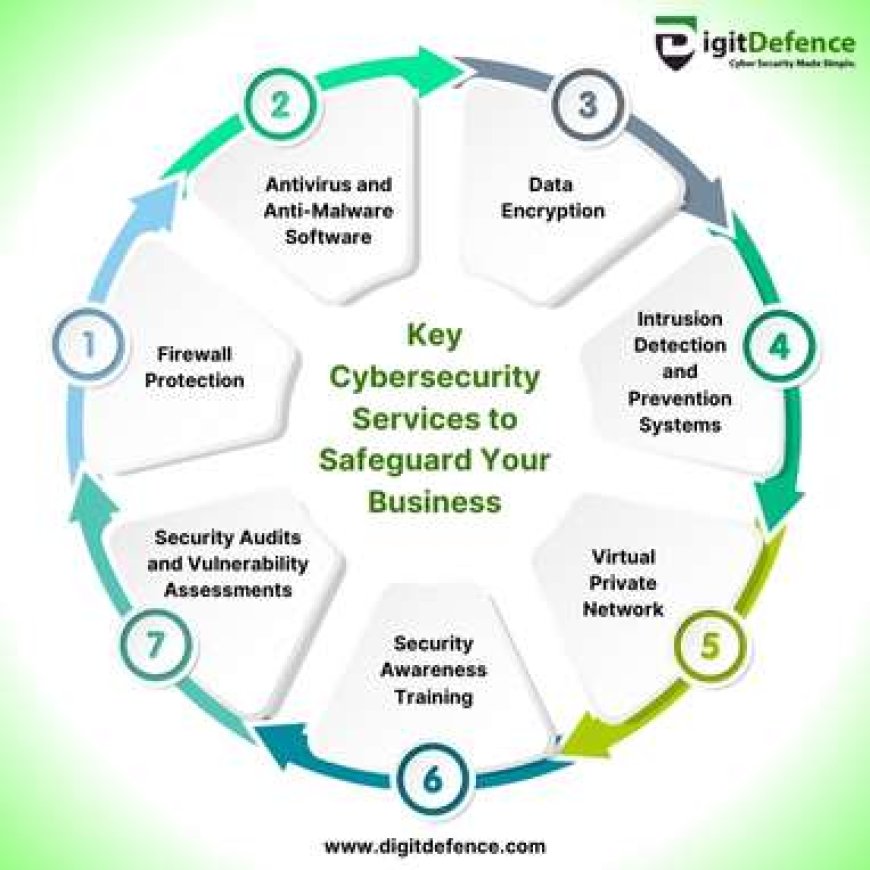
  • Security risk assessments
  • Penetration testing
  • Security audits and compliance assessments
  • Incident response planning
  • Security awareness training
  • Security architecture design and implementation
  • Managed security services

The Benefits of Hiring a Cyber Security Consulting Firm

By engaging the services of a cyber security consulting firm, businesses can:

  • Gain access to specialized expertise and knowledge in cyber security.
  • Identify and address vulnerabilities before they are exploited by malicious actors.
  • Ensure compliance with industry regulations and standards.
  • Enhance their overall security posture and reduce the risk of data breaches.
  • Receive timely guidance and support during security incidents.

Choosing the Right Cyber Security Consulting Firm

When selecting a cyber security consulting firm, businesses should consider factors such as:

  • The firm’s reputation and track record in the industry.
  • The expertise and qualifications of its consultants.

    li><

    li>The range of services offered to meet the organization’s specific needs.

    <

    li>The firm’s approach to collaboration and communication with clients.

    <

    li>The cost-effectiveness of the services provided.

    <

    / ul >

    <

    p > By partnering with a reputable cyber security consulting firm, businesses can proactively safeguard their assets, reputation, and customer trust against evolving cyber threats. Investing in robust cyber security measures is essential in today’s interconnected digital landscape to ensure long-term success and resilience. <

    / p >

    <

    footer >

    <

    p > © 2023 Cyber Security Consulting Firms. All rights reserved. <

    / p >

    <

    /body >

    <

    /html >


    7 Essential Tips for Choosing the Right Cyber Security Consulting Firm

    1. Ensure the consulting firm has a strong track record in cyber security.
    2. Verify the credentials and expertise of the consultants working for the firm.
    3. Assess the range of services offered by the firm to meet your specific needs.
    4. Inquire about the firm’s experience with businesses similar to yours in size and industry.
    5. Review client testimonials and case studies to gauge the firm’s effectiveness.
    6. Clarify pricing structures and ensure they align with your budget and expectations.
    7. Establish clear communication channels and expectations to maintain a productive partnership.

    Ensure the consulting firm has a strong track record in cyber security.

    When seeking a cyber security consulting firm, it is crucial to ensure that the firm has a strong track record in cyber security. A proven history of successful projects and satisfied clients demonstrates the firm’s expertise and reliability in safeguarding businesses against cyber threats. By choosing a consulting firm with a solid track record, organizations can have confidence in the effectiveness of the services provided and trust that their sensitive data and IT systems are in capable hands.

    Verify the credentials and expertise of the consultants working for the firm.

    It is crucial for businesses seeking cyber security consulting services to verify the credentials and expertise of the consultants employed by the firm. By ensuring that the consultants have relevant certifications, experience, and a strong track record in the field, organizations can have confidence in the quality of service they will receive. Expertise in areas such as risk assessment, incident response, and compliance is essential for effective cyber security consulting, making thorough vetting of consultants a key step in selecting a reliable partner for safeguarding digital assets.

    Assess the range of services offered by the firm to meet your specific needs.

    When considering a cyber security consulting firm, it is essential to assess the range of services they offer to ensure they align with your specific needs. By evaluating the firm’s service offerings, you can determine if they provide the expertise and solutions required to address your organization’s unique cyber security challenges effectively. Choosing a firm that offers a comprehensive suite of services tailored to meet your specific requirements can significantly enhance your overall security posture and help mitigate potential cyber threats more effectively.

    Inquire about the firm’s experience with businesses similar to yours in size and industry.

    When considering a cyber security consulting firm, it is advisable to inquire about the firm’s experience working with businesses similar to yours in size and industry. Understanding the firm’s track record with organizations that share similarities with your own can provide valuable insights into their capabilities and expertise in addressing specific cyber security challenges relevant to your business. By choosing a consulting firm with relevant experience, you can ensure that they have a deep understanding of the unique risks and requirements associated with your industry, enabling them to tailor effective security solutions to meet your specific needs.

    Review client testimonials and case studies to gauge the firm’s effectiveness.

    To assess the effectiveness of a cyber security consulting firm, it is advisable to review client testimonials and case studies. These resources provide valuable insights into the firm’s track record, expertise, and ability to deliver results. By examining feedback from previous clients and real-world examples of successful projects, businesses can gain a better understanding of the firm’s capabilities and determine if they are well-suited to meet their specific cyber security needs.

    Clarify pricing structures and ensure they align with your budget and expectations.

    When considering cyber security consulting firms, it is essential to clarify their pricing structures to ensure they align with your budget and expectations. Understanding the costs involved in the services provided by the firm can help you make informed decisions and avoid unexpected expenses down the line. By discussing pricing details upfront and evaluating how they fit within your financial constraints and anticipated outcomes, you can establish a transparent partnership that benefits both parties.

    Establish clear communication channels and expectations to maintain a productive partnership.

    Establishing clear communication channels and expectations is vital when working with cyber security consulting firms to maintain a productive partnership. By clearly defining roles, responsibilities, and goals from the outset, both parties can ensure alignment and understanding throughout the engagement. Regular communication allows for timely updates, feedback exchange, and problem-solving collaboration, enhancing the effectiveness of the cyber security measures implemented. Clarity in communication fosters trust and transparency, key elements in building a successful and enduring partnership with a cyber security consulting firm.

best cyber security consulting companies

Top Cyber Security Consulting Companies: Safeguarding Your Digital Assets

Top Cyber Security Consulting Companies

The Best Cyber Security Consulting Companies in the Industry

In today’s digital age, cyber security is more important than ever. With cyber threats on the rise, businesses and organizations need to ensure that their sensitive data and systems are protected. This is where cyber security consulting companies play a crucial role.

Accenture Security

Accenture Security is a global leader in cyber security consulting, offering a wide range of services to help businesses strengthen their security posture. With a team of experts and innovative solutions, Accenture Security is trusted by many top companies worldwide.

Deloitte Cyber Risk Services

Deloitte Cyber Risk Services provides comprehensive cyber security consulting services to help organizations identify and mitigate risks. Their team of professionals offers strategic guidance and practical solutions to enhance cyber resilience.

IBM Security Services

IBM Security Services is known for its cutting-edge technologies and deep expertise in cyber security. They offer a holistic approach to cyber defense, helping clients detect, respond to, and recover from cyber attacks effectively.

KPMG Cyber Security Services

KPMG Cyber Security Services delivers tailored solutions to address the unique security challenges faced by organizations. Their team of consultants combines industry knowledge with technical skills to provide top-notch cyber security services.

PwC Cybersecurity and Privacy

PwC’s Cybersecurity and Privacy practice offers a range of services to help clients protect their digital assets and data. With a focus on innovation and collaboration, PwC helps organizations build resilient cyber security strategies.

These are just a few of the best cyber security consulting companies that are leading the way in protecting businesses from evolving cyber threats. By partnering with these reputable firms, organizations can ensure that they have the expertise and resources needed to safeguard their digital assets.


Top FAQs About Choosing the Best Cyber Security Consulting Companies

  1. What services do cyber security consulting companies offer?
  2. How do I choose the best cyber security consulting company for my business?
  3. What are the key factors to consider when selecting a cyber security consulting firm?
  4. How can cyber security consulting companies help improve my organization’s security posture?
  5. Do cyber security consulting companies provide ongoing support and monitoring services?
  6. What sets top cyber security consulting companies apart from others in the industry?

What services do cyber security consulting companies offer?

Cyber security consulting companies offer a wide range of services to help businesses and organizations enhance their security posture and protect their sensitive data and systems. These services typically include risk assessments, vulnerability assessments, penetration testing, incident response planning, security architecture design, compliance management, security awareness training, and managed security services. By leveraging the expertise of cyber security consulting companies, clients can identify and mitigate potential risks, strengthen their defenses against cyber threats, and ensure regulatory compliance in an increasingly complex digital landscape.

How do I choose the best cyber security consulting company for my business?

When selecting the best cyber security consulting company for your business, it is crucial to consider several key factors. First and foremost, assess the company’s reputation and track record in the industry. Look for firms with a proven history of successful cyber security projects and satisfied clients. Additionally, evaluate the expertise and qualifications of their team members to ensure they have the necessary skills to address your specific needs. Consider the range of services offered by the consulting company and whether they align with your business requirements. Lastly, prioritize clear communication and transparency throughout the engagement process to establish a strong partnership built on trust and collaboration. By carefully evaluating these aspects, you can choose a cyber security consulting company that will effectively safeguard your business against potential threats.

What are the key factors to consider when selecting a cyber security consulting firm?

When selecting a cyber security consulting firm, several key factors should be considered to ensure that you choose the right partner to protect your organization’s digital assets. Firstly, expertise and experience play a crucial role – look for a firm with a proven track record in handling cyber security challenges effectively. Additionally, consider the range of services offered by the consulting firm and whether they align with your specific needs. Transparency, communication, and responsiveness are also essential factors to evaluate, as clear communication and prompt support are vital in addressing cyber threats swiftly. Lastly, assess the firm’s reputation, client testimonials, and industry certifications to gauge their reliability and credibility in the cyber security landscape. By carefully considering these factors, you can make an informed decision when selecting a cyber security consulting firm that best meets your organization’s requirements.

How can cyber security consulting companies help improve my organization’s security posture?

Cyber security consulting companies play a crucial role in enhancing an organization’s security posture by providing expert guidance, tailored solutions, and strategic advice. These companies conduct thorough assessments of the organization’s existing security measures, identify vulnerabilities and potential risks, and develop customized strategies to address them effectively. By leveraging their deep expertise and industry knowledge, cyber security consulting firms can help organizations implement robust security controls, enhance incident response capabilities, and stay ahead of emerging cyber threats. Through proactive monitoring, training programs, and continuous support, these companies empower organizations to strengthen their defenses and mitigate the impact of potential cyber attacks, ultimately safeguarding sensitive data and preserving business continuity.

Do cyber security consulting companies provide ongoing support and monitoring services?

When it comes to cyber security consulting companies, many of them offer ongoing support and monitoring services to ensure the continuous protection of their clients’ systems and data. These services often include real-time monitoring of network activities, threat detection, incident response, and regular security assessments to identify vulnerabilities. By providing ongoing support and monitoring, cyber security consulting companies help organizations stay ahead of potential threats and respond promptly to any security incidents that may arise. This proactive approach is essential in today’s dynamic cyber threat landscape to maintain a strong security posture and mitigate risks effectively.

What sets top cyber security consulting companies apart from others in the industry?

When it comes to distinguishing the top cyber security consulting companies from others in the industry, several key factors come into play. Firstly, top firms often boast a team of seasoned professionals with extensive experience and expertise in the field, allowing them to provide strategic insights and innovative solutions tailored to each client’s unique needs. Additionally, leading cyber security consulting companies stay ahead of emerging threats and trends by investing in cutting-edge technologies and continuous training for their staff. Their commitment to excellence, proactive approach to risk management, and ability to deliver measurable results set them apart as trusted partners in safeguarding organizations’ digital assets effectively.