

cfchris.com

Loading

application development software

Unlocking Innovation: The Power of Application Development Software

Article: Application Development Software

The Importance of Application Development Software

In today’s digital age, the demand for custom software applications is on the rise. Businesses across various industries are recognizing the need to have tailored solutions that meet their specific requirements. This is where application development software plays a crucial role.

Application development software, also known as app development tools or platforms, provides developers with the necessary tools and frameworks to create, test, and deploy applications efficiently. These software solutions come in various forms, ranging from low-code/no-code platforms for rapid development to complex integrated development environments (IDEs) for more advanced projects.

Key Benefits of Using Application Development Software:

  1. Speed and Efficiency: With the right tools, developers can streamline the development process, reducing time-to-market for new applications.
  2. Customization: Application development software allows for the creation of tailored solutions that align with specific business needs and objectives.
  3. Collaboration: Many development platforms support collaboration features, enabling teams to work together seamlessly on projects.
  4. Scalability: Scalability is essential for growing businesses. Application development software provides scalability options to accommodate increasing user demands and data volumes.
  5. Maintenance and Updates: These tools often include features for monitoring application performance, implementing updates, and ensuring ongoing maintenance.

Popular Application Development Software Tools:

  • Microsoft Visual Studio: A comprehensive IDE supporting various programming languages like C#, .NET, and JavaScript.
  • Adobe Dreamweaver: Ideal for web application development with robust design and coding capabilities.
  • Xcode: Specifically designed for iOS app development using Swift or Objective-C.
  • Mendix: A low-code platform suitable for rapid application prototyping and deployment.
  • Salesforce Lightning Platform: Enables building enterprise apps with minimal coding required.

In conclusion, application development software is a fundamental component in modern software engineering. By leveraging these tools effectively, businesses can create innovative applications that drive growth, enhance user experiences, and stay ahead in today’s competitive market landscape.


Top 5 FAQs About Application Development Software: Understanding, Benefits, Features, Languages, and Accessibility for Non-Technical Users

  1. What is application development software?
  2. How does application development software benefit businesses?
  3. What are the key features to look for in application development software?
  4. Which programming languages are commonly supported by application development software?
  5. Can non-technical users use application development software?

What is application development software?

Application development software refers to a set of tools and platforms that enable developers to create, test, and deploy software applications efficiently. This software provides a range of functionalities, from low-code or no-code solutions for rapid development to comprehensive integrated development environments (IDEs) for more complex projects. Essentially, application development software equips developers with the necessary resources to build custom applications tailored to specific business needs and objectives. By leveraging these tools, developers can streamline the development process, collaborate effectively, and deliver scalable solutions that meet the demands of today’s dynamic digital landscape.

How does application development software benefit businesses?

Application development software offers numerous benefits to businesses by providing them with the tools and resources needed to create customized solutions that cater to their specific needs. These software platforms enable businesses to streamline the development process, resulting in faster time-to-market for new applications. Additionally, application development software allows for greater customization, ensuring that the final product aligns perfectly with the business objectives. By facilitating collaboration among team members and offering scalability options, these tools empower businesses to adapt to changing requirements and scale their applications as needed. Furthermore, application development software simplifies maintenance and updates, helping businesses ensure the continued performance and relevance of their applications in a dynamic market environment.

What are the key features to look for in application development software?

When evaluating application development software, it is essential to consider key features that can significantly impact the development process and the quality of the final product. Some crucial features to look for include a user-friendly interface that facilitates easy navigation and workflow management, robust integration capabilities to connect with various databases and third-party services, comprehensive debugging tools for identifying and resolving errors efficiently, scalability options to accommodate future growth and changing requirements, strong security measures to protect sensitive data, and adequate support for collaboration among team members. By prioritizing these features, developers can choose software that aligns with their project needs and maximizes productivity throughout the development lifecycle.

Which programming languages are commonly supported by application development software?

When it comes to application development software, a wide range of programming languages are commonly supported to cater to diverse developer preferences and project requirements. Some of the popular programming languages frequently supported by these tools include Java, C#, JavaScript, Python, Ruby, Swift, and PHP. These languages are widely used in the development of various types of applications, from web and mobile apps to enterprise software solutions. The flexibility in language support offered by application development software allows developers to choose the most suitable language for their projects and leverage the specific features and functionalities each language provides.

Can non-technical users use application development software?

The question of whether non-technical users can use application development software is a common one in the tech industry. With the advancement of low-code and no-code development platforms, the barrier to entry for creating applications has significantly lowered. These user-friendly tools provide intuitive interfaces and drag-and-drop functionality, allowing individuals with limited technical expertise to design and build applications. Non-technical users can leverage these platforms to create basic applications, automate processes, and bring their ideas to life without extensive coding knowledge. While more complex projects may still require technical assistance, the accessibility of modern application development software empowers a broader range of users to participate in app creation and innovation.
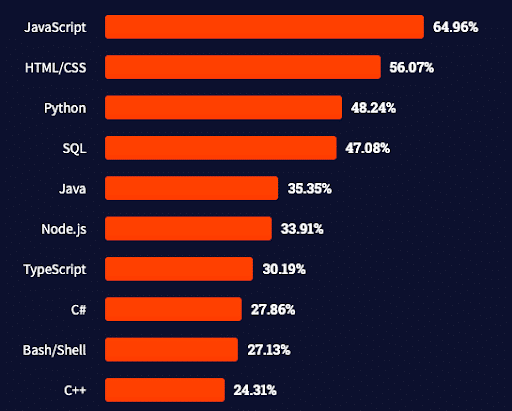
trending technologies in software development

Exploring the Latest Trends: Emerging Technologies in Software Development

Trending Technologies in Software Development

Trending Technologies in Software Development

The world of software development is ever-evolving, with new technologies and trends emerging at a rapid pace. Staying updated with the latest advancements is crucial for developers and businesses alike. Here are some of the trending technologies that are shaping the future of software development:

Artificial Intelligence and Machine Learning

Artificial Intelligence (AI) and Machine Learning (ML) continue to be at the forefront of technological innovation. These technologies enable software to learn from data, making applications smarter and more efficient. From chatbots to predictive analytics, AI and ML are transforming how businesses operate.

Cloud Computing

Cloud computing has revolutionized the way software is developed and deployed. It offers scalability, flexibility, and cost-effectiveness, allowing businesses to access resources on-demand. Major players like AWS, Microsoft Azure, and Google Cloud Platform continue to expand their services, providing robust solutions for developers.

DevOps

DevOps practices have become essential for modern software development teams aiming to improve collaboration between development and operations. By automating workflows and integrating continuous delivery pipelines, DevOps helps in accelerating product releases while maintaining high quality.

Internet of Things (IoT)

The Internet of Things connects everyday devices to the internet, enabling them to send and receive data. This technology is creating new opportunities for developers to build innovative applications that enhance connectivity across various industries such as healthcare, agriculture, and smart homes.

Progressive Web Apps (PWAs)

Progressive Web Apps combine the best features of web and mobile applications. They offer fast loading times, offline functionality, and a native app-like experience on browsers without requiring installation from an app store.

Blockchain Technology

Originally known for powering cryptocurrencies like Bitcoin, blockchain technology is now being explored for various other applications due to its decentralized nature and security features. Industries such as finance, supply chain management, and healthcare are leveraging blockchain for secure transactions and data integrity.

Low-Code/No-Code Platforms

The demand for rapid application development has led to the rise of low-code/no-code platforms that allow users with minimal coding knowledge to create applications quickly using visual interfaces. These platforms democratize software development by enabling more people to contribute ideas without deep technical expertise.

The landscape of software development continues to evolve with these exciting trends paving the way towards a more efficient future where technology seamlessly integrates into our daily lives.


6 Essential Tips for Staying Ahead in Trending Software Development Technologies

  1. Stay updated on the latest programming languages and frameworks to remain competitive in the job market.
  2. Embrace cloud technologies such as AWS, Azure, and Google Cloud Platform for scalability and flexibility.
  3. Learn about containerization tools like Docker and Kubernetes for efficient deployment and management of applications.
  4. Explore the field of artificial intelligence and machine learning to leverage data-driven insights in software development.
  5. Familiarize yourself with DevOps practices to streamline collaboration between development and operations teams.
  6. Understand the importance of cybersecurity measures to protect software applications from potential threats and vulnerabilities.

Stay updated on the latest programming languages and frameworks to remain competitive in the job market.

To stay competitive in the job market, it is crucial to stay updated on the latest programming languages and frameworks in software development. Technology evolves rapidly, and being knowledgeable about emerging languages and frameworks not only enhances your skill set but also demonstrates your adaptability and commitment to professional growth. Employers value candidates who can leverage new technologies to solve complex problems efficiently, making continuous learning a key factor in securing rewarding opportunities in the ever-evolving field of software development.

Embrace cloud technologies such as AWS, Azure, and Google Cloud Platform for scalability and flexibility.

Embracing cloud technologies like AWS, Azure, and Google Cloud Platform is crucial in today’s software development landscape. These platforms offer unparalleled scalability and flexibility, allowing businesses to adapt to changing demands swiftly and efficiently. By leveraging the power of the cloud, developers can access a wide range of services and resources on-demand, enabling them to build robust and innovative solutions that meet the evolving needs of users and businesses.

Learn about containerization tools like Docker and Kubernetes for efficient deployment and management of applications.

To stay ahead in the rapidly evolving field of software development, it is crucial to explore containerization tools such as Docker and Kubernetes. These tools offer efficient deployment and management of applications by encapsulating them into containers that can run consistently across different environments. By mastering Docker and Kubernetes, developers can streamline the deployment process, improve scalability, and enhance overall application performance. Embracing containerization technologies is key to staying agile and competitive in the modern software development landscape.

Explore the field of artificial intelligence and machine learning to leverage data-driven insights in software development.

Exploring the field of artificial intelligence (AI) and machine learning (ML) is essential for leveraging data-driven insights in software development. By integrating AI and ML into applications, developers can create solutions that not only automate complex processes but also enhance decision-making through predictive analytics. These technologies enable software to adapt and learn from vast amounts of data, providing valuable insights that drive innovation and efficiency. As businesses increasingly rely on data to guide their strategies, proficiency in AI and ML becomes a crucial skill for developers aiming to deliver smarter, more responsive applications that meet the evolving needs of users and industries.

Familiarize yourself with DevOps practices to streamline collaboration between development and operations teams.

Familiarizing yourself with DevOps practices is essential in today’s software development landscape to streamline collaboration between development and operations teams. By adopting DevOps principles, you can automate workflows, integrate continuous delivery pipelines, and improve communication among team members. This approach not only accelerates the software development process but also ensures higher quality releases and better alignment between different departments within an organization. Embracing DevOps practices can lead to increased efficiency, productivity, and overall success in delivering software solutions to meet evolving market demands.

Understand the importance of cybersecurity measures to protect software applications from potential threats and vulnerabilities.

Understanding the importance of cybersecurity measures is crucial in safeguarding software applications from potential threats and vulnerabilities. In today’s digital landscape, where cyberattacks are becoming more sophisticated, implementing robust security practices is essential to protect sensitive data and ensure the integrity of software systems. By prioritizing cybersecurity, developers can mitigate risks, prevent unauthorized access, and build trust with users, ultimately enhancing the overall resilience and reliability of their applications.