
cfchris.com

Loading

udemy java

Udemy Java Courses: A Guide to Learning Java Online

Learning Java on Udemy: How to Choose the Right Course

Java is one of the most widely used programming languages, powering applications in areas such as web development, enterprise software, and Android development. For beginners and experienced programmers alike, Udemy offers a range of Java courses that can help build practical skills at your own pace.

What You Can Learn

Java courses on Udemy cover topics at different levels. A beginner course may introduce programming fundamentals, while an advanced course might focus on frameworks, testing, or application architecture. Depending on the course, you may learn:

  • Java syntax, variables, data types, and control flow
  • Object-oriented programming, including classes, inheritance, and interfaces
  • Collections, generics, and exception handling
  • Working with files, databases, and APIs
  • Building projects with tools and frameworks such as Spring
  • Testing, debugging, and using development environments

How to Choose a Java Course

The best course depends on your experience and goals. Before enrolling, read the course description and check that its content matches what you want to learn. A course designed for complete beginners should explain basic concepts and provide setup instructions. If you already know the fundamentals, look for lessons that go deeper or focus on a specific area of Java development.

It can also help to review the course curriculum, sample lessons, and recent student feedback. Look for a clear structure, hands-on exercises, and projects that let you apply what you learn. Check when the material was last updated, especially if the course covers development tools or frameworks that change over time.

Make the Most of Your Course

Watching lessons is only part of learning to code. Write the examples yourself, experiment with the code, and try solving small problems without immediately looking at the answer. When you encounter an error, practice reading the message and tracing the issue. These habits help turn new concepts into skills you can use independently.

Consider supplementing your course with a personal project. You could build a simple calculator, task tracker, or small application that works with a database. Projects give you a chance to combine concepts and create examples to discuss in a portfolio or interview.

Is Udemy a Good Way to Learn Java?

Udemy can be a flexible and affordable starting point for learning Java, particularly if you prefer video lessons and self-paced study. However, the experience varies by course, and completing a course alone does not guarantee professional proficiency. Consistent practice, independent projects, and learning to use documentation are important parts of the process.

With a course suited to your level and a steady routine of hands-on coding, Udemy can help you build a solid foundation in Java. Choose a learning path that supports your goals, practice regularly, and keep developing projects as your skills grow.


Learning Java on Udemy: 9 Frequently Asked Questions

  1. Is Udemy a good place to learn Java?
  2. Which Udemy Java course is best for beginners?
  3. Can I learn Java on Udemy with no programming experience?
  4. How long does it take to complete a Java course on Udemy?
  5. Do Udemy Java courses include hands-on projects?
  6. Do Udemy Java courses provide a certificate of completion?
  7. How much do Java courses on Udemy cost?
  8. Are Udemy Java courses kept up to date?
  9. Can a Udemy Java course help me get a job as a Java developer?

Is Udemy a good place to learn Java?

Yes, Udemy can be a good place to learn Java, especially if you prefer flexible, self-paced video lessons. Courses range from beginner fundamentals to advanced topics, so review the curriculum, sample lessons, and recent student feedback to find one that fits your experience and goals. To make real progress, practice writing code alongside the lessons and build projects of your own; watching videos alone is rarely enough to develop strong programming skills.

Which Udemy Java course is best for beginners?

The best Udemy Java course for beginners is one that starts with the fundamentals, explains concepts clearly, and includes plenty of coding exercises and practical projects. Before enrolling, review the curriculum, preview a lesson, and check recent student feedback to make sure the course matches your learning style and goals. Look for coverage of core topics such as variables, control flow, methods, and object-oriented programming, and choose a course that’s regularly updated.

Can I learn Java on Udemy with no programming experience?

Yes, you can learn Java on Udemy with no programming experience. Look for a beginner-friendly course that starts with the basics, explains how to set up your development environment, and includes hands-on exercises and projects. Work through the lessons at your own pace, write the code yourself, and practice regularly. Programming concepts can take time to understand, so starting small and reviewing lessons when needed can help you build confidence.

How long does it take to complete a Java course on Udemy?

The time it takes to complete a Java course on Udemy depends on the course’s length, your prior programming experience, and how much time you can study each week. Some introductory courses can be finished in a few days of focused learning, while more comprehensive courses may take several weeks or longer. Since Udemy courses are typically self-paced, you can pause, revisit lessons, and practice coding at a schedule that works for you.

Do Udemy Java courses include hands-on projects?

Yes, many Udemy Java courses include hands-on projects, coding exercises, or practice assignments to help you apply what you learn. The amount and type of project work vary by course, so review the curriculum and course description before enrolling. Look for projects that match your experience level and learning goals, and plan to write and adapt the code yourself to get the most benefit.

Do Udemy Java courses provide a certificate of completion?

Yes, many Udemy Java courses provide a certificate of completion after you finish all the course requirements. You can typically access and download the certificate from your Udemy account. Keep in mind that Udemy certificates recognize course completion but are not formal academic credit or an industry certification. Check the individual course details for its requirements and certificate availability.

How much do Java courses on Udemy cost?

Java course prices on Udemy vary by instructor, course content, and promotions. Many courses are regularly discounted, so the price you pay may be lower than the listed price. Check the course page for current pricing, included materials, and any applicable refund terms before enrolling.

Are Udemy Java courses kept up to date?

Udemy Java courses may be updated by their instructors, but how often they’re refreshed varies from course to course. Before enrolling, check the course’s “Last updated” date, curriculum, and recent student reviews to see whether the material still matches your learning goals and current tools. Java fundamentals often remain useful over time, while lessons on frameworks, software versions, and development tools may need more frequent updates.

Can a Udemy Java course help me get a job as a Java developer?

A Udemy Java course can help you build foundational skills and complete projects that may strengthen your job applications, but finishing a course alone usually isn’t enough to land a Java developer role. Employers often look for practical coding experience, familiarity with tools and frameworks used in the job, problem-solving skills, and the ability to explain your work. Choose a course with hands-on projects, then keep practicing, build a portfolio, and prepare for technical interviews to improve your chances.
freecodecamp java

FreeCodeCamp Java: A Beginner’s Guide to Learning Java for Free

Learning Java with freeCodeCamp: A Beginner’s Guide

Java is a popular, general-purpose programming language used to build everything from Android apps and business software to web services and large-scale systems. For beginners looking for a place to start, freeCodeCamp offers free learning resources that can help explain Java fundamentals and provide a foundation for further study.

What Is freeCodeCamp?

freeCodeCamp is a nonprofit educational platform known for free programming lessons, projects, and video courses. Its learning materials are available online, making it possible to study at your own pace. Java content may appear in video tutorials, articles, and other resources, so learners should check freeCodeCamp’s website and YouTube channel for the latest offerings.

What You Can Learn

A Java beginner course typically introduces the core ideas and tools needed to write simple programs. Topics may include:

  • Installing and using a Java development environment
  • Java syntax, variables, and data types
  • Operators and expressions
  • Conditional statements and loops
  • Methods and basic program structure
  • Classes, objects, and object-oriented programming
  • Arrays and collections
  • Exception handling and debugging

The specific topics depend on the course or tutorial. Some resources focus on absolute beginners, while others move more quickly or explore a particular Java tool or project.

How to Study Java Effectively

Watching a lesson can help explain a concept, but writing code is what builds practical skill. After each section, try the examples yourself, change the code, and observe what happens. Small experiments can make ideas such as loops, methods, and objects easier to understand.

It also helps to build projects as you learn. A calculator, a number-guessing game, or a simple task tracker can give you practice combining several concepts. When a program fails, read the error message carefully and investigate the cause instead of simply copying a fix. Debugging is an important part of programming.

Is freeCodeCamp’s Java Content Enough?

FreeCodeCamp resources can be a useful starting point, but no single course is likely to cover every part of Java development. After learning the basics, continue with regular practice, documentation, and projects. Depending on your goals, you may also want to study topics such as data structures, testing, databases, web development, or Android development.

Java tools and recommended practices can change over time, so check the publication date of a tutorial and compare instructions with current documentation when needed. A course is most valuable as a guided introduction—not as a substitute for continued learning.

Getting Started

To begin, search freeCodeCamp’s website or YouTube channel for Java lessons, choose a course that matches your experience level, and set aside time to code along. Install a current Java Development Kit (JDK) and a suitable code editor or integrated development environment, then use the course exercises to write and run your own programs.

With consistent practice, freeCodeCamp’s free Java resources can help you take the first steps toward understanding the language. Keep building, keep experimenting, and use each project as an opportunity to strengthen your skills.


freeCodeCamp Java FAQ: Free Courses, Beginner Tips, Certificates, and Next Steps

  1. Does freeCodeCamp offer a Java course for beginners?
  2. Is freeCodeCamp’s Java course completely free?
  3. What topics are covered in freeCodeCamp’s Java tutorials?
  4. Do I need prior programming experience to learn Java with freeCodeCamp?
  5. How long does it take to learn Java through freeCodeCamp?
  6. Does freeCodeCamp provide a Java certificate?
  7. Can I practice Java coding directly on the freeCodeCamp website?
  8. What should I learn after completing a freeCodeCamp Java tutorial?

Does freeCodeCamp offer a Java course for beginners?

Yes. freeCodeCamp offers free, beginner-friendly Java tutorials that introduce fundamentals such as syntax, variables, loops, methods, and object-oriented programming. You can learn at your own pace and practice by coding along, though the exact course offerings may change over time.

Is freeCodeCamp’s Java course completely free?

Yes. freeCodeCamp’s Java lessons and course materials are free to access, with no subscription or course fee required. You’ll need an internet connection and a computer to follow along, and some tutorials may ask you to install Java development tools, which are also available for free. Check the course page for details about any certificates or additional resources.

What topics are covered in freeCodeCamp’s Java tutorials?

FreeCodeCamp’s Java tutorials typically cover the fundamentals of the language, including variables and data types, operators, conditionals, loops, methods, arrays, and object-oriented programming concepts such as classes and objects. Depending on the tutorial, they may also introduce debugging, exception handling, and hands-on projects. Topics vary by course, so check the tutorial’s description for its specific coverage.

Do I need prior programming experience to learn Java with freeCodeCamp?

No prior programming experience is required to start learning Java with freeCodeCamp. Beginner-friendly lessons can introduce basic concepts such as variables, data types, conditionals, and loops step by step. If you’re new to programming, take your time, practice by writing code alongside the lessons, and revisit concepts as needed.

How long does it take to learn Java through freeCodeCamp?

How long it takes to learn Java through freeCodeCamp depends on your experience, study schedule, and goals. If you’re new to programming, expect to spend several weeks or months learning the fundamentals through lessons and regular practice. You may pick up basic syntax sooner, but becoming comfortable building projects takes longer. Set aside consistent time to code, revisit challenging concepts, and work on small projects; completing a course is a starting point, not a measure of mastery.

Does freeCodeCamp provide a Java certificate?

freeCodeCamp does not currently offer a dedicated Java certification. It provides Java tutorials and other learning resources, but its certificates are awarded for completing specific certification curricula on the platform, not for studying Java through a tutorial alone. Check freeCodeCamp’s current certification page for the latest offerings.

Can I practice Java coding directly on the freeCodeCamp website?

FreeCodeCamp’s Java resources may include lessons and guided examples, but Java coding practice is not generally built into the website as an interactive, browser-based coding environment. You can follow along by writing and running code on your computer with a Java Development Kit (JDK) and a code editor or IDE, or use a separate online Java compiler. Check the specific course or lesson for its current setup and practice options.

What should I learn after completing a freeCodeCamp Java tutorial?

After completing a freeCodeCamp Java tutorial, reinforce what you’ve learned by building small projects, such as a calculator, quiz, or task tracker. Then deepen your understanding of object-oriented programming, collections, data structures and algorithms, debugging, and testing. Once you’re comfortable with the fundamentals, choose a direction—such as backend development, Android apps, or enterprise software—and learn the tools and frameworks used in that area. Keep practicing, consult the official Java documentation, and take on projects that gradually become more challenging.

java certification course

Java Certification Course: Build Your Skills and Prepare for the Exam

Java Certification Course: A Practical Guide to Getting Started

A Java certification course can help you build programming skills, prepare for a recognized credential, and demonstrate your knowledge to employers. Whether you’re new to software development or an experienced programmer looking to strengthen your résumé, the right course can provide a structured path to learning Java.

What Is a Java Certification Course?

A Java certification course teaches the concepts and skills covered by a particular Java certification exam or learning program. Courses may include video lessons, instructor-led classes, coding exercises, practice tests, and projects.

Course content varies, but commonly covers Java syntax, object-oriented programming, classes and interfaces, exception handling, collections, generics, and working with the Java development environment. More advanced courses may explore concurrency, database connectivity, APIs, and application development.

Who Should Consider Taking a Course?

Java certification courses may be useful for:

  • Beginners who want a guided introduction to programming
  • Students preparing for software development roles
  • Developers who use other languages and want to learn Java
  • Java programmers seeking to review core concepts
  • Professionals preparing for a specific certification exam

Before choosing a course, check its prerequisites. Some are designed for learners with no programming experience, while others expect familiarity with Java or general programming concepts.

Choosing the Right Java Course

Start by identifying your goal. If you want to learn programming, look for a beginner-friendly course with regular coding practice. If you’re preparing for an exam, confirm that the course aligns with the current exam objectives and Java version.

Consider these factors when comparing options:

  • Course level: Choose a course suited to your current experience.
  • Practice opportunities: Look for coding assignments, projects, and realistic questions.
  • Instructor support: Decide whether you prefer self-paced lessons or live instruction.
  • Current materials: Java and certification requirements can change, so check when the content was last updated.
  • Cost and schedule: Compare the total price, course length, and any additional exam fees.
  • Credential details: Verify who issues the certification and what completing the course actually provides.

Course Completion and Certification Are Not Always the Same

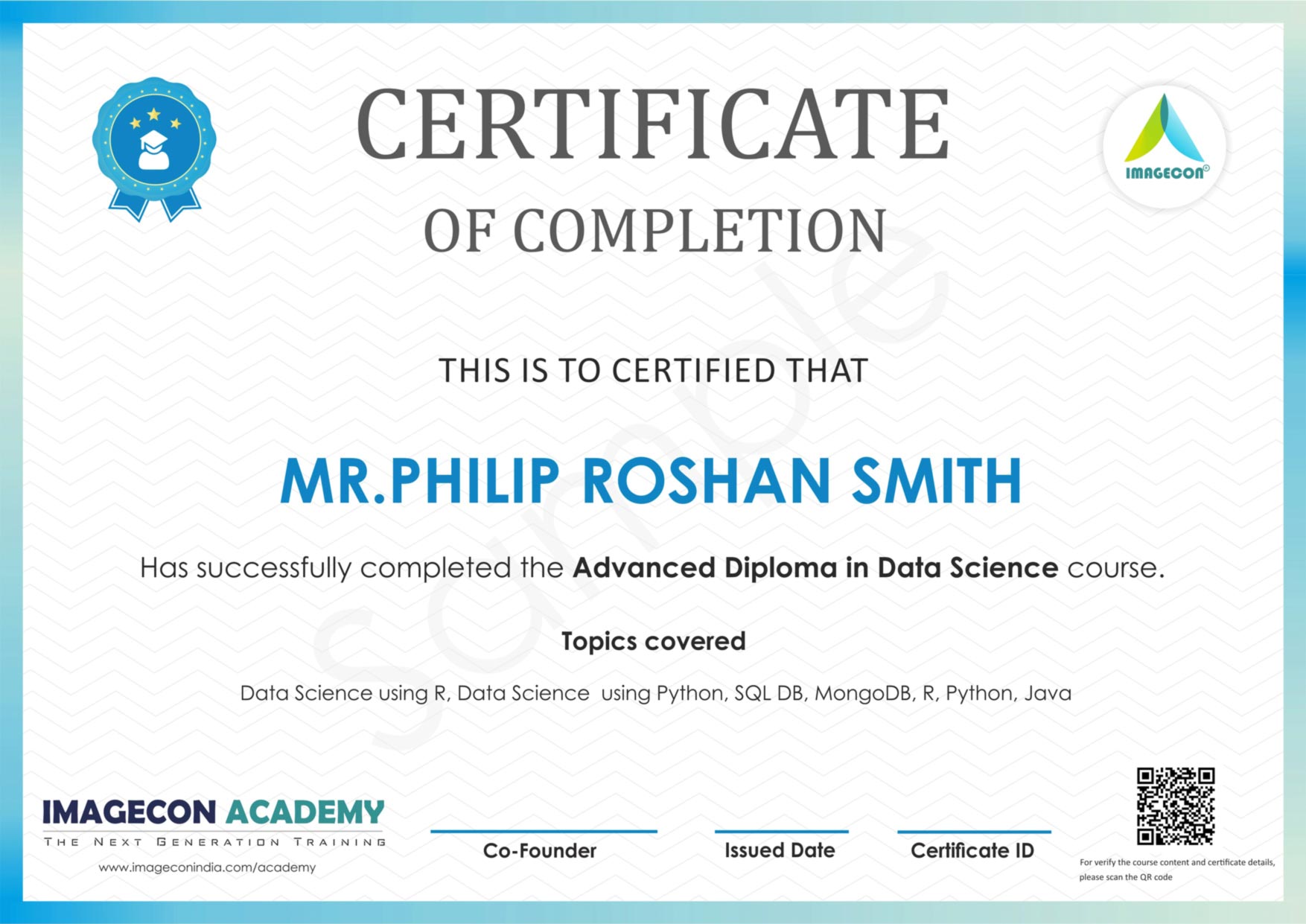
Completing a course may earn you a certificate of completion, but that is not necessarily the same as earning an industry certification. Some credentials require passing a separate exam. Review the certification provider’s official requirements, exam format, fees, and policies before enrolling in a preparation course.

Certification programs and exam details may change. Use the provider’s official website as the final source of information about available credentials and current requirements.

How to Prepare for a Java Certification Exam

A consistent study plan is usually more effective than cramming. Begin by reviewing the exam objectives and noting topics that are unfamiliar. Then combine instruction with hands-on practice: write small programs, test different inputs, and explain what the code does.

  1. Review the objectives. Use them to organize your study plan.
  2. Learn the fundamentals. Make sure you understand syntax, data types, control flow, and object-oriented principles.
  3. Code regularly. Practice in a development environment rather than relying only on videos or notes.
  4. Work through practice questions. Use them to find gaps in your understanding, not just to memorize answers.
  5. Build a small project. A practical project can help connect individual concepts.
  6. Review and adjust. Spend extra time on topics you find challenging.

Benefits of Learning Java

Java is used in a range of software applications, including business systems, web services, and Android development. Learning the language can help you understand programming fundamentals that transfer to other technologies. A certification may also give you a structured learning goal and a way to document your achievement.

However, a credential alone does not guarantee a job or prove practical ability. Employers may also look for problem-solving skills, project experience, communication, and familiarity with the tools used in their environment. Pairing coursework with hands-on projects can help you show what you can do.

Start with a Clear Goal

The best Java certification course is one that matches your experience, learning preferences, and career goals. Compare the course outline with the relevant exam objectives, confirm what credential—if any—you’ll earn, and make time for regular coding practice. With a realistic plan and steady effort, a course can be a useful step toward stronger Java skills.


9 Essential Tips for Mastering Your Java Certification Course

  1. Choose a course aligned with your Java certification exam.
  2. Check that the syllabus matches the latest exam objectives.
  3. Review Java fundamentals before starting advanced topics.
  4. Practice coding exercises regularly.
  5. Use mock exams to track your progress.
  6. Study core APIs and object-oriented programming.
  7. Ask instructors for help with difficult concepts.
  8. Set a consistent weekly study schedule.
  9. Review incorrect answers and learn from them.

Choose a course aligned with your Java certification exam.

Choose a course that aligns closely with the Java certification exam you plan to take. Exam objectives and Java versions can vary, so review the official exam outline and compare it with the course syllabus before enrolling. A well-matched course helps you focus your study time on relevant topics, practice the skills the exam measures, and avoid gaps in your preparation.

Check that the syllabus matches the latest exam objectives.

Before enrolling in a Java certification course, compare its syllabus with the certification provider’s latest exam objectives. Exam topics and requirements can change, so an outdated course may leave gaps in your preparation or spend time on material that’s no longer relevant. Check when the course was last updated and use the official exam page to confirm that the lessons cover the skills and topics you’ll be tested on.

Review Java fundamentals before starting advanced topics.

Before diving into advanced topics in a Java certification course, review the fundamentals, including data types, control flow, classes, objects, and methods. A strong grasp of these core concepts makes complex material easier to understand and helps you spot mistakes in your code. If anything feels rusty, spend time practicing with small programs before moving on.

Practice coding exercises regularly.

Practice coding exercises regularly to turn Java concepts into skills you can use confidently. Write programs from scratch, experiment with different solutions, and revisit topics such as loops, classes, collections, and exception handling. Consistent practice helps you spot gaps in your understanding, prepare for exam-style questions, and become more comfortable applying Java in real-world projects.

Use mock exams to track your progress.

Use mock exams to track your progress as you prepare for a Java certification. Taking practice tests under timed conditions can help you get comfortable with the exam format, identify topics that need more review, and see how your performance changes over time. After each test, review both incorrect answers and any questions you guessed on, then use those results to guide your next study sessions.

Study core APIs and object-oriented programming.

Focus on Java’s core APIs and object-oriented programming as you prepare for a certification course or exam. Practice using common classes and collections, and make sure you understand how classes, objects, inheritance, interfaces, and encapsulation work together. Writing small programs is a useful way to reinforce these concepts and recognize how they apply to real code.

Ask instructors for help with difficult concepts.

When a Java concept feels difficult, ask your instructor for help instead of letting confusion build. Describe what you’ve tried, share the code or error message you’re working with, and point out where you get stuck. An instructor can clarify the idea, suggest a different way to approach it, or recommend extra practice. Getting help early can make challenging topics easier to understand and keep you moving forward in your course.

Set a consistent weekly study schedule.

Set a consistent weekly study schedule to make steady progress in your Java certification course. Choose study times that fit your routine, then set aside regular blocks for lessons, coding practice, and reviewing challenging topics. Even a few focused sessions each week can help you retain concepts, build confidence, and avoid last-minute cramming.

Review incorrect answers and learn from them.

After each practice test, take time to review every incorrect answer and understand why your choice was wrong. Revisit the related Java concepts, check the official documentation or course materials, and try a few similar coding questions to reinforce what you’ve learned. This turns mistakes into useful feedback, helps reveal gaps in your understanding, and prepares you to handle unfamiliar questions on the certification exam.