Java Certification Course: Build Your Skills and Prepare for the Exam
Java Certification Course: A Practical Guide to Getting Started
A Java certification course can help you build programming skills, prepare for a recognized credential, and demonstrate your knowledge to employers. Whether you’re new to software development or an experienced programmer looking to strengthen your résumé, the right course can provide a structured path to learning Java.
What Is a Java Certification Course?
A Java certification course teaches the concepts and skills covered by a particular Java certification exam or learning program. Courses may include video lessons, instructor-led classes, coding exercises, practice tests, and projects.
Course content varies, but commonly covers Java syntax, object-oriented programming, classes and interfaces, exception handling, collections, generics, and working with the Java development environment. More advanced courses may explore concurrency, database connectivity, APIs, and application development.
Who Should Consider Taking a Course?
Java certification courses may be useful for:
- Beginners who want a guided introduction to programming
- Students preparing for software development roles
- Developers who use other languages and want to learn Java
- Java programmers seeking to review core concepts
- Professionals preparing for a specific certification exam
Before choosing a course, check its prerequisites. Some are designed for learners with no programming experience, while others expect familiarity with Java or general programming concepts.
Choosing the Right Java Course
Start by identifying your goal. If you want to learn programming, look for a beginner-friendly course with regular coding practice. If you’re preparing for an exam, confirm that the course aligns with the current exam objectives and Java version.
Consider these factors when comparing options:
- Course level: Choose a course suited to your current experience.
- Practice opportunities: Look for coding assignments, projects, and realistic questions.
- Instructor support: Decide whether you prefer self-paced lessons or live instruction.
- Current materials: Java and certification requirements can change, so check when the content was last updated.
- Cost and schedule: Compare the total price, course length, and any additional exam fees.
- Credential details: Verify who issues the certification and what completing the course actually provides.
Course Completion and Certification Are Not Always the Same
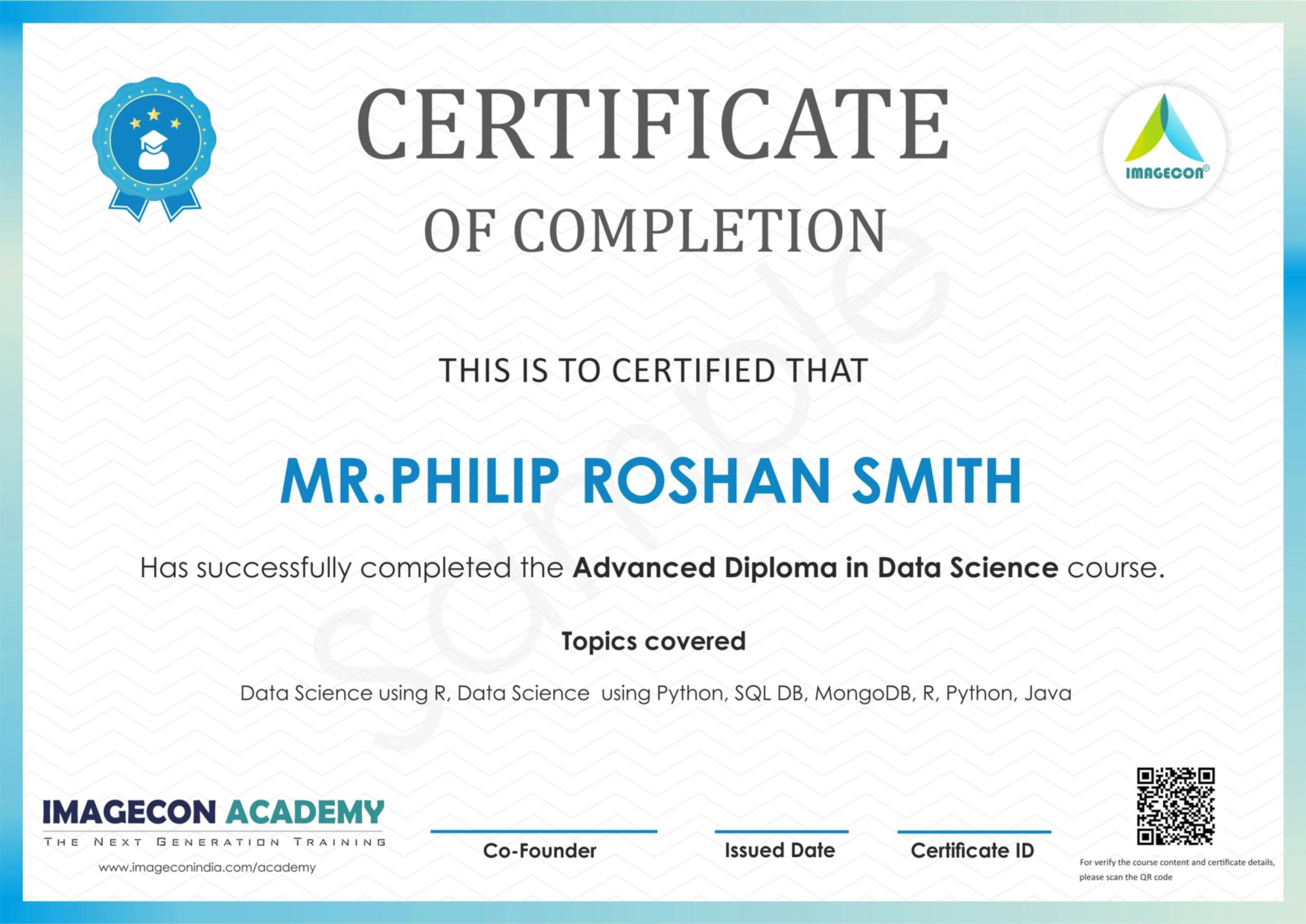
Completing a course may earn you a certificate of completion, but that is not necessarily the same as earning an industry certification. Some credentials require passing a separate exam. Review the certification provider’s official requirements, exam format, fees, and policies before enrolling in a preparation course.
Certification programs and exam details may change. Use the provider’s official website as the final source of information about available credentials and current requirements.
How to Prepare for a Java Certification Exam
A consistent study plan is usually more effective than cramming. Begin by reviewing the exam objectives and noting topics that are unfamiliar. Then combine instruction with hands-on practice: write small programs, test different inputs, and explain what the code does.
- Review the objectives. Use them to organize your study plan.
- Learn the fundamentals. Make sure you understand syntax, data types, control flow, and object-oriented principles.
- Code regularly. Practice in a development environment rather than relying only on videos or notes.
- Work through practice questions. Use them to find gaps in your understanding, not just to memorize answers.
- Build a small project. A practical project can help connect individual concepts.
- Review and adjust. Spend extra time on topics you find challenging.
Benefits of Learning Java
Java is used in a range of software applications, including business systems, web services, and Android development. Learning the language can help you understand programming fundamentals that transfer to other technologies. A certification may also give you a structured learning goal and a way to document your achievement.
However, a credential alone does not guarantee a job or prove practical ability. Employers may also look for problem-solving skills, project experience, communication, and familiarity with the tools used in their environment. Pairing coursework with hands-on projects can help you show what you can do.
Start with a Clear Goal
The best Java certification course is one that matches your experience, learning preferences, and career goals. Compare the course outline with the relevant exam objectives, confirm what credential—if any—you’ll earn, and make time for regular coding practice. With a realistic plan and steady effort, a course can be a useful step toward stronger Java skills.
9 Essential Tips for Mastering Your Java Certification Course
- Choose a course aligned with your Java certification exam.
- Check that the syllabus matches the latest exam objectives.
- Review Java fundamentals before starting advanced topics.
- Practice coding exercises regularly.
- Use mock exams to track your progress.
- Study core APIs and object-oriented programming.
- Ask instructors for help with difficult concepts.
- Set a consistent weekly study schedule.
- Review incorrect answers and learn from them.
Choose a course aligned with your Java certification exam.
Choose a course that aligns closely with the Java certification exam you plan to take. Exam objectives and Java versions can vary, so review the official exam outline and compare it with the course syllabus before enrolling. A well-matched course helps you focus your study time on relevant topics, practice the skills the exam measures, and avoid gaps in your preparation.
Check that the syllabus matches the latest exam objectives.
Before enrolling in a Java certification course, compare its syllabus with the certification provider’s latest exam objectives. Exam topics and requirements can change, so an outdated course may leave gaps in your preparation or spend time on material that’s no longer relevant. Check when the course was last updated and use the official exam page to confirm that the lessons cover the skills and topics you’ll be tested on.
Review Java fundamentals before starting advanced topics.
Before diving into advanced topics in a Java certification course, review the fundamentals, including data types, control flow, classes, objects, and methods. A strong grasp of these core concepts makes complex material easier to understand and helps you spot mistakes in your code. If anything feels rusty, spend time practicing with small programs before moving on.
Practice coding exercises regularly.
Practice coding exercises regularly to turn Java concepts into skills you can use confidently. Write programs from scratch, experiment with different solutions, and revisit topics such as loops, classes, collections, and exception handling. Consistent practice helps you spot gaps in your understanding, prepare for exam-style questions, and become more comfortable applying Java in real-world projects.
Use mock exams to track your progress.
Use mock exams to track your progress as you prepare for a Java certification. Taking practice tests under timed conditions can help you get comfortable with the exam format, identify topics that need more review, and see how your performance changes over time. After each test, review both incorrect answers and any questions you guessed on, then use those results to guide your next study sessions.
Study core APIs and object-oriented programming.
Focus on Java’s core APIs and object-oriented programming as you prepare for a certification course or exam. Practice using common classes and collections, and make sure you understand how classes, objects, inheritance, interfaces, and encapsulation work together. Writing small programs is a useful way to reinforce these concepts and recognize how they apply to real code.
Ask instructors for help with difficult concepts.
When a Java concept feels difficult, ask your instructor for help instead of letting confusion build. Describe what you’ve tried, share the code or error message you’re working with, and point out where you get stuck. An instructor can clarify the idea, suggest a different way to approach it, or recommend extra practice. Getting help early can make challenging topics easier to understand and keep you moving forward in your course.
Set a consistent weekly study schedule.
Set a consistent weekly study schedule to make steady progress in your Java certification course. Choose study times that fit your routine, then set aside regular blocks for lessons, coding practice, and reviewing challenging topics. Even a few focused sessions each week can help you retain concepts, build confidence, and avoid last-minute cramming.
Review incorrect answers and learn from them.
After each practice test, take time to review every incorrect answer and understand why your choice was wrong. Revisit the related Java concepts, check the official documentation or course materials, and try a few similar coding questions to reinforce what you’ve learned. This turns mistakes into useful feedback, helps reveal gaps in your understanding, and prepares you to handle unfamiliar questions on the certification exam.