cfchris.com

Loading

introduction to java programming

An Introduction to Java Programming: Building a Strong Foundation in Software Development

Introduction to Java Programming

Introduction to Java Programming

Java is a widely-used programming language known for its versatility, portability, and robustness. Developed by Sun Microsystems (now owned by Oracle Corporation), Java has become one of the most popular languages in the world, used in a wide range of applications from web development to mobile apps and enterprise systems.

Key Features of Java

One of the key features that sets Java apart is its platform independence. Java programs are compiled into bytecode that can run on any device with a Java Virtual Machine (JVM). This “write once, run anywhere” capability has made Java a favorite among developers.

Java is also known for its object-oriented programming (OOP) approach. Everything in Java is an object, allowing developers to create modular and scalable applications. In addition, Java provides built-in libraries and tools that simplify development tasks and promote code reusability.

Getting Started with Java

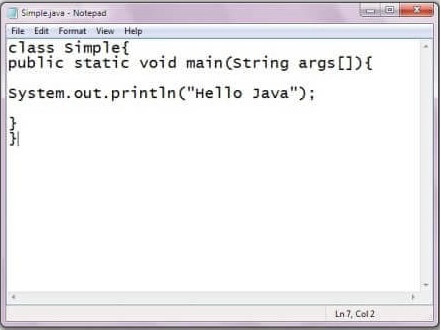
To start programming in Java, you need to install the Java Development Kit (JDK) on your computer. The JDK includes the tools necessary for compiling and running Java programs. Once you have set up your development environment, you can write your first “Hello, World!” program in Java:

public class HelloWorld {

public static void main(String[] args) {

System.out.println("Hello, World!");

}

}

This simple program demonstrates the basic structure of a Java program. You define a class with a main method where the execution starts. The System.out.println() statement prints the message “Hello, World!” to the console.

Learning More

If you are new to programming or transitioning to Java from another language, there are many resources available to help you learn. Online tutorials, books, and courses can guide you through the fundamentals of Java programming and introduce you to advanced topics such as multi-threading, networking, and GUI development.

By mastering Java programming, you open doors to endless possibilities in software development. Whether you aspire to build web applications, mobile games, or enterprise solutions, Java provides a solid foundation for turning your ideas into reality.


7 Essential Tips for Beginners in Java Programming

  1. Understand the basic syntax of Java, such as data types, variables, and loops.
  2. Learn about object-oriented programming concepts like classes and objects.
  3. Practice writing simple programs to get familiar with Java’s structure.
  4. Explore the Java standard library for ready-to-use functions and classes.
  5. Understand the importance of error handling and debugging in Java programming.
  6. Get comfortable using Integrated Development Environments (IDEs) like Eclipse or IntelliJ IDEA.
  7. Join online communities or forums to seek help and learn from experienced Java programmers.

Understand the basic syntax of Java, such as data types, variables, and loops.

To excel in Java programming, it is crucial to grasp the fundamental syntax elements, including data types, variables, and loops. Data types define the kind of values a variable can hold, such as integers, strings, or booleans. Variables serve as containers for storing data that can be manipulated throughout the program. Loops are essential for executing repetitive tasks efficiently by iterating over a block of code until a certain condition is met. Mastering these basic concepts lays a strong foundation for writing clear and concise Java code that performs effectively.

Learn about object-oriented programming concepts like classes and objects.

To excel in Java programming, it is essential to understand key object-oriented programming concepts such as classes and objects. In Java, classes act as blueprints for creating objects, which are instances of those classes. By grasping the relationship between classes and objects, developers can design modular, reusable code that enhances the efficiency and scalability of their Java applications. Mastering these fundamental concepts lays a strong foundation for building sophisticated software solutions using Java.

Practice writing simple programs to get familiar with Java’s structure.

To master the basics of Java programming, it is crucial to practice writing simple programs to become familiar with Java’s structure. By consistently working on coding exercises that involve creating basic applications or solving small problems, you can gain a better understanding of Java syntax, classes, methods, and overall program flow. This hands-on approach not only helps solidify your knowledge but also boosts your confidence in tackling more complex programming challenges as you progress in your Java learning journey.

Explore the Java standard library for ready-to-use functions and classes.

When delving into Java programming, it is highly beneficial to explore the Java standard library, which offers a plethora of ready-to-use functions and classes. By leveraging the resources available in the standard library, developers can streamline their coding process, enhance efficiency, and reduce the need to reinvent the wheel. Whether you are looking for solutions related to data structures, input/output operations, networking, or other common tasks, the Java standard library provides a rich set of tools that can simplify your development workflow and help you build robust applications more effectively.

Understand the importance of error handling and debugging in Java programming.

Understanding the importance of error handling and debugging in Java programming is crucial for developing reliable and robust applications. Error handling allows developers to anticipate and address potential issues that may arise during program execution, ensuring smooth operation and preventing crashes. Debugging, on the other hand, is a systematic process of identifying and resolving errors in the code, helping programmers trace the root cause of problems and improve code quality. By mastering error handling and debugging techniques in Java, developers can create more stable software that meets user expectations and delivers a seamless user experience.

Get comfortable using Integrated Development Environments (IDEs) like Eclipse or IntelliJ IDEA.

To excel in Java programming, it is essential to become proficient in using Integrated Development Environments (IDEs) such as Eclipse or IntelliJ IDEA. These powerful tools streamline the development process by providing features like code completion, debugging tools, and project management capabilities. By mastering an IDE, developers can enhance their productivity, write code more efficiently, and easily navigate through complex projects. Embracing IDEs not only simplifies Java programming tasks but also fosters a more organized and effective coding workflow.

Join online communities or forums to seek help and learn from experienced Java programmers.

Joining online communities or forums is a valuable tip for anyone diving into Java programming. These platforms offer a wealth of knowledge and support from experienced Java programmers who are eager to share their expertise. By actively participating in these communities, you can seek help with coding challenges, troubleshoot issues, and learn best practices that can enhance your Java programming skills. Engaging with a community of like-minded individuals not only accelerates your learning but also fosters connections that can lead to collaboration and mentorship opportunities in the exciting world of Java development.

head first java

Dive into Java Programming with ‘Head First Java’: A Beginner’s Guide

Head First Java: A Beginner’s Guide to Java Programming

If you’re looking to dive into the world of Java programming, “Head First Java” is the perfect book to get you started. Written by Kathy Sierra and Bert Bates, this book is designed for beginners who want to learn Java in a fun and engaging way.

What sets “Head First Java” apart from other programming books is its unique approach to teaching. Instead of overwhelming readers with technical jargon and complex concepts, the book uses a conversational and interactive style that makes learning Java feel like a breeze.

The book covers all the essential topics you need to know to become proficient in Java, including object-oriented programming, data structures, GUI programming, and more. Each chapter is filled with real-world examples, exercises, puzzles, and brain teasers that help reinforce your understanding of the material.

One of the highlights of “Head First Java” is its focus on visual learning. The book is packed with illustrations, diagrams, and charts that make complex concepts easy to grasp. Whether you’re a visual learner or someone who struggles with traditional programming books, “Head First Java” caters to all learning styles.

By the time you finish reading “Head First Java,” you’ll have a solid foundation in Java programming and be ready to tackle more advanced topics. Whether you’re looking to build desktop applications, web applications, or Android apps, this book will equip you with the knowledge and skills you need to succeed.

So if you’re ready to embark on your journey into the world of Java programming, pick up a copy of “Head First Java” today and get ready to unlock your full potential as a developer.


Discover Java: Engaging Lessons, Real-World Examples, and Interactive Learning for Beginners

  1. Engaging and interactive writing style makes learning Java fun
  2. Real-world examples help reinforce understanding of Java concepts
  3. Visual learning approach with illustrations and diagrams aids comprehension
  4. Covers essential topics like object-oriented programming and GUI programming
  5. Includes exercises, puzzles, and brain teasers to enhance learning
  6. Provides a solid foundation in Java programming for beginners


7 Drawbacks of ‘Head First Java’: A Beginner’s Guide with Limitations

  1. May not cover advanced Java topics in depth
  2. Focuses more on beginner-level concepts
  3. Some readers may find the writing style too casual or quirky
  4. Exercises and puzzles may not appeal to all learners
  5. Not a comprehensive reference guide for Java programming
  6. Limited coverage of specific Java frameworks or libraries
  7. Could benefit from more real-world project examples

Engaging and interactive writing style makes learning Java fun

The engaging and interactive writing style of “Head First Java” transforms the learning experience into a fun and enjoyable journey. By presenting complex Java concepts in a conversational tone and incorporating interactive elements like puzzles and exercises, the book effectively captivates readers’ attention and keeps them actively engaged throughout the learning process. This unique approach not only makes learning Java more enjoyable but also enhances comprehension and retention, making it easier for beginners to grasp fundamental programming principles in a dynamic and entertaining way.

Real-world examples help reinforce understanding of Java concepts

Real-world examples play a crucial role in reinforcing the understanding of Java concepts in “Head First Java.” By illustrating how Java is used in practical scenarios, readers can see the relevance and application of the concepts they are learning. These examples provide valuable insights into how Java programming is applied in the real world, making the learning experience more engaging and impactful. Through hands-on exposure to real-world situations, readers can better grasp the intricacies of Java programming and gain a deeper understanding of how to utilize these concepts effectively in their own projects.

Visual learning approach with illustrations and diagrams aids comprehension

The visual learning approach employed in “Head First Java,” complete with illustrations and diagrams, significantly enhances comprehension for readers. By presenting complex programming concepts in a visual format, the book makes it easier for learners to grasp and retain information. The use of visuals not only breaks down abstract ideas into tangible representations but also caters to different learning styles, making the learning experience more engaging and effective.

Covers essential topics like object-oriented programming and GUI programming

“Head First Java” excels in covering essential topics such as object-oriented programming and GUI programming. By providing a comprehensive understanding of these fundamental concepts, the book equips readers with the necessary knowledge and skills to develop robust Java applications. The clear explanations and practical examples make learning object-oriented programming principles and creating graphical user interfaces accessible and engaging for beginners and experienced programmers alike.

Includes exercises, puzzles, and brain teasers to enhance learning

One of the standout features of “Head First Java” is its inclusion of exercises, puzzles, and brain teasers that are designed to enhance the learning experience. By actively engaging readers in hands-on activities and challenges, the book not only reinforces key concepts but also encourages critical thinking and problem-solving skills. These interactive elements make learning Java fun and effective, ensuring that readers can apply their knowledge in practical scenarios.

Provides a solid foundation in Java programming for beginners

For beginners embarking on their Java programming journey, “Head First Java” shines by providing a solid foundation in the language. Through its engaging and interactive approach, the book effectively introduces fundamental Java concepts, ensuring that newcomers grasp essential programming principles with ease. By focusing on building a strong base of knowledge, “Head First Java” equips beginners with the confidence and skills needed to navigate more advanced topics in Java development successfully.

May not cover advanced Java topics in depth

One potential drawback of “Head First Java” is that it may not delve deeply into advanced Java topics. While the book provides a solid foundation for beginners and covers essential concepts effectively, readers looking for in-depth discussions on more complex Java features may find the coverage lacking. As a result, those seeking comprehensive knowledge of advanced Java programming techniques may need to supplement their learning with additional resources to further expand their skills beyond the scope of the book.

Focuses more on beginner-level concepts

While “Head First Java” is praised for its beginner-friendly approach, one potential drawback is its heavy focus on introductory concepts. Advanced users or experienced programmers may find that the book spends a significant amount of time covering basic Java topics, which could be repetitive or less engaging for those looking to deepen their knowledge of the language. However, for individuals new to programming or Java specifically, this emphasis on foundational principles can be beneficial in building a strong understanding of the language from the ground up.

Some readers may find the writing style too casual or quirky

Some readers may find the writing style of “Head First Java” too casual or quirky for their taste. While the conversational tone and interactive approach can make learning Java more engaging for many, others who prefer a more formal or traditional style of technical writing may find it distracting. However, it’s important to note that the unique style of “Head First Java” is intentional and aims to make complex programming concepts more accessible and enjoyable for a broader audience.

Exercises and puzzles may not appeal to all learners

While “Head First Java” excels in its interactive and engaging approach to teaching programming, one potential downside is that the exercises and puzzles included in the book may not appeal to all learners. Some individuals may prefer a more traditional or structured learning format and could find the interactive elements distracting or less effective for their learning style. However, for those who enjoy hands-on activities and challenges, the exercises in “Head First Java” can be a valuable tool for reinforcing concepts and enhancing understanding of Java programming principles.

Not a comprehensive reference guide for Java programming

One con of “Head First Java” is that it is not a comprehensive reference guide for Java programming. While the book does an excellent job of introducing beginners to Java concepts in an engaging manner, it may not cover every advanced topic or detail that experienced programmers may be looking for. As a result, readers who are seeking an in-depth and exhaustive reference guide for Java programming may find “Head First Java” lacking in certain areas. It is important to supplement your learning with additional resources if you require a more comprehensive understanding of Java programming beyond the scope of this book.

Limited coverage of specific Java frameworks or libraries

One potential drawback of “Head First Java” is its limited coverage of specific Java frameworks or libraries. While the book provides a solid foundation in Java programming fundamentals, it may not delve deeply into the intricacies of popular frameworks or libraries used in real-world Java development. This could be a limitation for readers looking to specialize in a particular framework or seeking detailed guidance on incorporating specific tools into their Java projects. Supplementing the knowledge gained from “Head First Java” with additional resources focused on these frameworks or libraries may be necessary for those aiming to expand their expertise in specialized areas of Java development.

Could benefit from more real-world project examples

One potential drawback of “Head First Java” is that it could benefit from more real-world project examples to further reinforce the concepts learned throughout the book. While the exercises and puzzles provided are valuable for understanding Java fundamentals, practical application through hands-on projects can enhance the learning experience. Including more real-world project examples would not only help readers see how the concepts are applied in practice but also prepare them for real-world programming scenarios they may encounter in their careers.

java gui

Mastering Java GUI Development: A Comprehensive Guide

Exploring Java GUI Development

Exploring Java GUI Development

Graphical User Interfaces (GUIs) play a crucial role in making software applications user-friendly and visually appealing. In the world of Java programming, creating GUIs is a common task that developers often encounter. Let’s delve into the realm of Java GUI development and explore its key concepts and components.

What is Java GUI?

Java GUI refers to the Graphical User Interface components and frameworks available in the Java programming language. With Java’s rich set of libraries and tools, developers can create interactive and visually engaging user interfaces for their applications.

Swing vs. JavaFX

In Java, two main frameworks are commonly used for GUI development: Swing and JavaFX. Swing is an older toolkit that provides a wide range of components for building desktop applications. On the other hand, JavaFX is a newer framework that offers more modern features and capabilities, including support for multimedia and 3D graphics.

Key Components of a Java GUI

Some essential components of a Java GUI include:

  • Containers: Containers are used to hold other components, such as panels or frames.
  • Components: Components are the building blocks of a GUI, including buttons, text fields, labels, and more.
  • Layout Managers: Layout managers help organize the placement of components within a container.
  • Event Handling: Event handling allows developers to define actions in response to user interactions with the GUI components.

Creating a Simple Java GUI Application

To create a basic Java GUI application using Swing, developers typically follow these steps:

  1. Create a JFrame (main window) for the application.
  2. Add various components to the JFrame, such as buttons or text fields.
  3. Set up event listeners to handle user interactions with the components.
  4. Display the JFrame to show the GUI to users.

Conclusion

In conclusion, mastering Java GUI development opens up endless possibilities for creating intuitive and visually appealing applications. Whether you choose Swing or JavaFX, understanding the key components and best practices is essential for building successful GUIs in Java programming.


Top 5 Frequently Asked Questions About Java GUI: Tools, Components, and Best Practices

  1. Is Java good for GUI?
  2. How to make a GUI using Java?
  3. Which is better, JavaFX or Swing?
  4. What are the 6 GUI components in Java?
  5. Which GUI is best for Java?

Is Java good for GUI?

When it comes to creating Graphical User Interfaces (GUIs), Java is considered a solid choice by many developers. With its robust libraries like Swing and JavaFX, Java provides a comprehensive set of tools for building interactive and visually appealing user interfaces. While some may argue that other languages offer more modern GUI frameworks, Java’s stability, cross-platform compatibility, and extensive community support make it a reliable option for GUI development. Ultimately, the decision of whether Java is good for GUI depends on the specific requirements of the project and the developer’s familiarity with the language and its GUI frameworks.

How to make a GUI using Java?

Creating a GUI using Java involves several key steps. First, developers typically choose between frameworks like Swing or JavaFX to design the graphical interface. Next, they create a main window (JFrame) and add various components such as buttons, text fields, and labels to it. Layout managers are then used to organize the placement of these components within the window. Event handling is crucial for defining actions in response to user interactions with the GUI elements. Finally, developers display the JFrame to showcase the GUI to users. By following these steps and leveraging Java’s rich libraries and tools, developers can craft interactive and visually appealing GUIs for their Java applications.

Which is better, JavaFX or Swing?

When considering whether JavaFX or Swing is better for GUI development in Java, it ultimately depends on the specific requirements and goals of the project. JavaFX offers more modern features and capabilities, such as support for multimedia and 3D graphics, making it a preferred choice for applications that require advanced visual effects. On the other hand, Swing, being a more established toolkit, provides a wide range of components for building desktop applications and may be more suitable for projects where compatibility with older systems is a priority. Both frameworks have their strengths and weaknesses, so developers should evaluate their project needs carefully to determine which one aligns best with their objectives.

What are the 6 GUI components in Java?

In Java GUI programming, developers commonly work with six fundamental GUI components. These components include buttons, labels, text fields, checkboxes, radio buttons, and lists. Buttons enable users to trigger actions, labels display text or images, text fields allow user input, checkboxes provide options for selection, radio buttons offer mutually exclusive choices, and lists present selectable items in a list format. Understanding and effectively utilizing these essential GUI components are key to creating interactive and user-friendly Java applications with intuitive interfaces.

Which GUI is best for Java?

When it comes to choosing the best GUI framework for Java, developers often debate between Swing and JavaFX. Swing, being a mature and robust toolkit, offers a wide range of components for building desktop applications. On the other hand, JavaFX provides more modern features and capabilities, such as multimedia support and 3D graphics. The choice between Swing and JavaFX ultimately depends on the specific requirements of the project, with developers weighing factors like ease of use, performance, and desired user experience to determine which GUI framework is best suited for their Java application.

learn java programming

Master Java Programming: Learn the Language of Versatility and Opportunity

Learn Java Programming

The Benefits of Learning Java Programming

Java is a widely-used programming language known for its versatility and robustness. Learning Java can open up a world of opportunities for aspiring programmers and professionals looking to enhance their skills. Here are some key benefits of learning Java programming:

Versatility

Java is used in a variety of applications, from web development to mobile app development and enterprise software. By learning Java, you can work on a wide range of projects and industries, making you a versatile and in-demand developer.

Object-Oriented Programming

Java is an object-oriented programming language, which means that it focuses on creating reusable code components called objects. This approach promotes code organization, reusability, and scalability, making it easier to manage complex projects.

Platform Independence

One of the key features of Java is its platform independence. Java programs can run on any device that has a Java Virtual Machine (JVM) installed, regardless of the underlying operating system. This makes Java applications highly portable and accessible across different platforms.

Strong Community Support

Java has a large and active community of developers who contribute to open-source projects, provide support through forums and tutorials, and collaborate on improving the language. By learning Java, you can tap into this vast knowledge base and network with like-minded professionals.

Career Opportunities

Proficiency in Java programming opens up numerous career opportunities in the tech industry. Many companies look for Java developers to work on their projects, offering competitive salaries and benefits to skilled professionals. Whether you are interested in software development, web design, or data analysis, knowing Java can give your career a significant boost.

In conclusion,

Learning Java programming is a valuable investment in your future as a programmer. With its versatility, object-oriented approach, platform independence, community support, and career prospects, mastering Java can set you on the path to success in the ever-evolving world of technology.


6 Essential Tips for Mastering Java Programming

  1. Start with the basics
  2. Practice regularly
  3. Utilize online resources
  4. Work on projects
  5. Collaborate with others
  6. Stay updated

Start with the basics

When embarking on the journey to learn Java programming, it is essential to start with the basics. Building a strong foundation in fundamental concepts such as variables, data types, control structures, and object-oriented programming principles is crucial for mastering Java effectively. By understanding the core concepts from the beginning, learners can progress confidently and tackle more complex topics with ease as they advance in their Java programming skills.

Practice regularly

Regular practice is essential when learning Java programming. By consistently working on coding exercises, projects, and challenges, you can reinforce your understanding of Java concepts, improve your problem-solving skills, and build confidence in your programming abilities. Practice helps solidify your knowledge and allows you to apply what you’ve learned in a practical setting, ultimately leading to mastery of Java programming. Make practice a routine part of your learning process to see significant progress and growth in your Java skills.

Utilize online resources

Utilizing online resources is a valuable tip for learning Java programming. The internet is a treasure trove of tutorials, forums, coding challenges, and courses that can provide you with additional support and guidance as you navigate the intricacies of Java. Online resources offer the flexibility to learn at your own pace, access a diverse range of learning materials, and engage with a global community of fellow learners and experienced developers. By taking advantage of these resources, you can enhance your understanding of Java concepts, stay updated on industry trends, and practice your coding skills in a dynamic and interactive environment.

Work on projects

Working on projects is a crucial tip for learning Java programming effectively. By applying your knowledge to real-world projects, you can gain hands-on experience, troubleshoot issues, and solidify your understanding of Java concepts. Projects allow you to practice problem-solving skills, enhance your creativity, and build a portfolio that showcases your skills to potential employers. Whether it’s developing a simple application or working on a complex software project, the practical experience gained from project work is invaluable in mastering Java programming.

Collaborate with others

Collaborating with others while learning Java programming can greatly enhance your understanding and skills. By working with peers, mentors, or online communities, you can gain valuable insights, receive feedback on your code, and learn new techniques and best practices. Collaboration not only fosters a sense of teamwork but also exposes you to different perspectives and approaches to problem-solving, ultimately helping you become a more well-rounded Java programmer.

Stay updated

To excel in learning Java programming, it is essential to stay updated with the latest developments and updates in the language. Java is a dynamic programming language that continuously evolves with new features, enhancements, and best practices. By staying informed about the latest trends, updates, and tools in Java programming, you can enhance your skills, adapt to industry changes, and ensure that your knowledge remains relevant and up-to-date. Embracing a mindset of continuous learning and staying updated will help you become a proficient Java programmer equipped to tackle new challenges and opportunities in the field.

java programming

Unlocking the Potential of Java Programming: A Comprehensive Guide

The Power of Java Programming

The Power of Java Programming

Java is a versatile and powerful programming language that has been widely used in the software development industry for decades. Known for its platform independence, robustness, and versatility, Java continues to be a popular choice among developers for building a wide range of applications.

Why Choose Java?

One of the key reasons for Java’s popularity is its “write once, run anywhere” philosophy. This means that Java code can be written once and run on any platform that supports Java without the need for recompilation. This makes Java ideal for developing cross-platform applications.

Java is also known for its strong emphasis on security. With built-in features like automatic memory management and exception handling, Java helps developers write reliable and secure code. Additionally, Java’s extensive standard library provides developers with a wide range of tools and functions to streamline the development process.

Applications of Java

Java is used in a variety of applications, including:

  • Web development: With frameworks like Spring and Hibernate, Java is widely used for building dynamic web applications.
  • Mobile development: Android apps are primarily developed using Java, making it a popular choice for mobile application development.
  • Enterprise applications: Many large-scale enterprise systems are built using Java due to its scalability and reliability.
  • Data analysis: Tools like Apache Hadoop leverage Java for processing large datasets efficiently.
  • IoT (Internet of Things): With platforms like Raspberry Pi supporting Java, it is increasingly used in IoT projects.

Conclusion

In conclusion, Java programming offers developers a powerful and versatile tool for building a wide range of applications. Its platform independence, robustness, security features, and extensive library make it an excellent choice for both beginners and experienced developers alike. Whether you are developing web applications, mobile apps, enterprise systems, or exploring emerging technologies like IoT or data analysis, mastering Java can open up endless possibilities in the world of software development.


Top 5 Essential Tips for Mastering Java Programming

  1. Use meaningful variable names to improve code readability.
  2. Follow naming conventions, such as using camelCase for variables and methods.
  3. Break down complex problems into smaller tasks and implement them one at a time.
  4. Make use of comments to explain your code logic and make it easier for others to understand.
  5. Regularly practice coding to improve your skills and stay updated with the latest features of Java.

Use meaningful variable names to improve code readability.

When programming in Java, it is essential to use meaningful variable names to enhance code readability. By choosing descriptive names that accurately reflect the purpose of the variable, developers can make their code more understandable and maintainable. Meaningful variable names not only help others (or even your future self) comprehend the code quickly but also contribute to better documentation and overall code quality. This simple practice can significantly improve the clarity and efficiency of Java programs, making them easier to work with and debug in the long run.

Follow naming conventions, such as using camelCase for variables and methods.

When working on Java programming projects, it is essential to adhere to naming conventions for better code readability and consistency. One crucial tip is to follow conventions like using camelCase for variables and methods. By following this convention, where the first letter of each word is capitalized except for the first word, developers can make their code more organized and easier to understand. Consistent naming practices not only improve the clarity of the code but also contribute to maintaining a professional and standardized coding style throughout the project.

Break down complex problems into smaller tasks and implement them one at a time.

When tackling Java programming tasks, it is essential to break down complex problems into smaller, more manageable tasks. By dividing the problem into smaller components and implementing them one at a time, developers can approach the challenge systematically and effectively. This approach not only helps in better understanding the problem but also allows for more efficient debugging and testing of each individual task. Breaking down complex problems into smaller tasks is a fundamental strategy that can lead to clearer code structure and successful project completion in Java programming.

Make use of comments to explain your code logic and make it easier for others to understand.

When engaging in Java programming, it is essential to utilize comments effectively to elucidate the logic of your code. By incorporating comments strategically throughout your code, you not only clarify your thought process and intentions but also facilitate comprehension for other developers who may collaborate on or review your code. Comments serve as valuable documentation that can enhance the readability and maintainability of your Java programs, fostering a more efficient and collaborative coding environment.

Regularly practice coding to improve your skills and stay updated with the latest features of Java.

Regularly practicing coding is essential for improving your Java programming skills and staying abreast of the latest features in the language. By consistently working on coding challenges, projects, or exercises, you not only reinforce your existing knowledge but also discover new ways to solve problems efficiently. Additionally, keeping up with the latest updates and enhancements in Java ensures that you can leverage new functionalities and best practices in your coding endeavors, ultimately enhancing your proficiency and staying competitive in the ever-evolving field of software development.