

IT Infra Services: Building a Reliable, Secure, and Scalable Business Foundation
IT Infrastructure Services: The Foundation of a Reliable Business
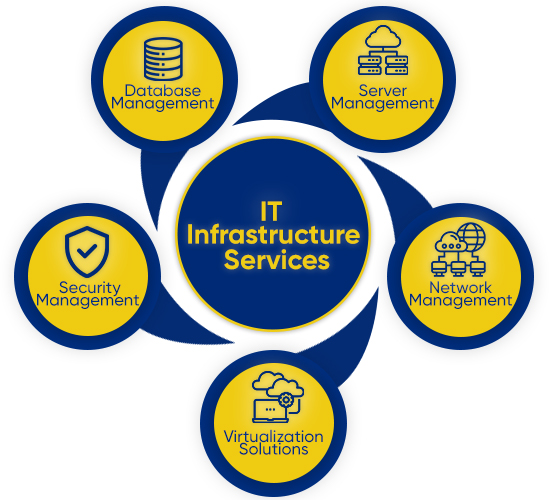
IT infrastructure services help organizations build, manage, and maintain the technology systems they rely on every day. These services can cover everything from computers and networks to cloud platforms, cybersecurity, and technical support. A well-managed infrastructure helps keep operations running smoothly, protect important information, and give teams the tools they need to work effectively.
What Are IT Infrastructure Services?
IT infrastructure includes the hardware, software, networks, and facilities that support an organization’s technology. IT infrastructure services are the professional services used to design, operate, secure, and improve those systems.
Services may be delivered by an internal IT team, an outside provider, or a combination of both. The right approach depends on an organization’s size, budget, technical requirements, and in-house expertise.
Common IT Infrastructure Services
Network Management
Network services help connect users, devices, offices, and applications. They can include network design, Wi-Fi setup, performance monitoring, troubleshooting, and management of routers, switches, and firewalls.
Cloud Services
Cloud infrastructure provides access to computing resources—such as servers, storage, and software—through online platforms. Services may include cloud migration, configuration, cost management, backups, and ongoing administration.
Server and Systems Administration
Servers and operating systems need regular maintenance to remain available and secure. Systems administration can include updates, user and access management, performance checks, configuration, and troubleshooting.
Cybersecurity
Security services help reduce the risk of unauthorized access, data loss, and service disruption. Depending on an organization’s needs, they may include security assessments, endpoint protection, identity and access controls, vulnerability management, and incident response planning.
Backup and Disaster Recovery
Backups create recoverable copies of important data. Disaster recovery planning outlines how systems and information can be restored after events such as hardware failure, cyberattacks, or natural disasters. Regular testing helps confirm that recovery procedures work as intended.
Help Desk and Technical Support
Support services help employees resolve technology issues, access accounts, and use workplace systems. A responsive help desk can reduce interruptions and give users a clear place to request assistance.
Why IT Infrastructure Services Matter
- Reliability: Monitoring and maintenance can help identify problems before they cause extended interruptions.
- Security: Consistent updates, access controls, and security practices help protect systems and data.
- Scalability: Infrastructure can be adjusted as an organization adds employees, locations, or workloads.
- Productivity: Reliable devices, networks, and applications help employees focus on their work.
- Cost management: Planning and ongoing oversight can help organizations understand technology expenses and avoid unnecessary capacity.
Choosing an IT Infrastructure Provider
When evaluating a provider, start by identifying the systems that need support and the outcomes the organization wants to achieve. Ask how services are delivered, how support requests are handled, and what monitoring, documentation, and reporting are included. It is also useful to discuss security practices, backup and recovery procedures, response expectations, and how service costs are structured.
Look for a provider that communicates clearly and can explain its recommendations in terms of business needs—not just technology. Before signing an agreement, review the scope of services, responsibilities, service hours, data handling practices, and procedures for ending or changing the relationship.
Build an Infrastructure That Supports Your Goals
IT infrastructure is more than a collection of devices and software. It is the foundation that supports communication, customer service, daily operations, and future growth. With thoughtful planning and dependable management, IT infrastructure services can help organizations keep technology reliable, secure, and aligned with their goals.
5 Key Benefits of IT Infrastructure Services
- Improve system reliability and uptime.
- Strengthen cybersecurity and data protection.
- Support business growth and scalability.
- Reduce disruptions with proactive maintenance.
- Free teams to focus on core business priorities.
IT Infrastructure Services: Cost, Downtime, and Security Compliance Challenges
- Can be expensive to implement and maintain.
- Service disruptions may affect business operations.
- Managing security and compliance can be complex.
Improve system reliability and uptime.
IT infrastructure services help improve system reliability and uptime through proactive monitoring, routine maintenance, and timely troubleshooting. By identifying potential issues early and keeping hardware, software, and networks properly maintained, organizations can reduce unexpected outages and keep essential tools available. More dependable systems help employees stay productive and allow customers to access services with fewer interruptions.
Strengthen cybersecurity and data protection.
IT infrastructure services can strengthen cybersecurity and data protection by helping organizations secure networks, devices, and systems with safeguards such as access controls, software updates, threat monitoring, and data backups. Regular maintenance and security reviews can reveal vulnerabilities before they lead to bigger problems, while tested backup and recovery plans help restore important information after an incident. Together, these measures reduce risk and support business continuity.
Support business growth and scalability.
IT infrastructure services help businesses grow by making it easier to expand technology as needs change. Whether a company is adding employees, opening new locations, or handling more customers, its infrastructure can scale with demand through flexible cloud resources, reliable networks, and managed systems. This helps organizations avoid costly disruptions, support new opportunities, and invest in the technology they need without building everything from scratch.
Reduce disruptions with proactive maintenance.
Proactive maintenance helps reduce disruptions by identifying and addressing potential IT issues before they interrupt daily operations. Regular system updates, equipment checks, performance monitoring, and timely repairs can prevent small problems from becoming costly outages. With infrastructure maintained consistently, employees can work more reliably and organizations can minimize downtime.
Free teams to focus on core business priorities.
IT infrastructure services free internal teams to focus on core business priorities by taking routine technology tasks—such as system monitoring, maintenance, troubleshooting, and updates—off their plates. With infrastructure needs managed by dedicated specialists, employees can spend less time resolving IT issues and more time on work that supports customers, improves products, and grows the business.
Can be expensive to implement and maintain.
One potential drawback of IT infrastructure services is their cost. Implementing new systems can require significant upfront investment in hardware, software, migration, and setup. Ongoing expenses—such as maintenance, security updates, support, and cloud or licensing fees—can also add up over time. Careful planning and budgeting can help organizations choose services that meet their needs without overspending.
Service disruptions may affect business operations.
Service disruptions are a potential drawback of IT infrastructure services because outages or technical issues can interrupt access to essential systems, applications, and data. Even brief downtime may delay work, disrupt customer service, or affect sales, especially when businesses depend on connected technology for daily operations. Reliable monitoring, maintenance, backups, and recovery plans can help reduce the impact, but disruptions may still occur.
Managing security and compliance can be complex.
Managing security and compliance across IT infrastructure can be complex, especially when an organization uses a mix of cloud platforms, on-site systems, and third-party services. Teams must keep software updated, control access, protect sensitive data, monitor for threats, and meet changing industry or government requirements. Without clear processes and ongoing oversight, gaps can be difficult to spot and may lead to security incidents, audit issues, or costly penalties.