cfchris.com

Loading

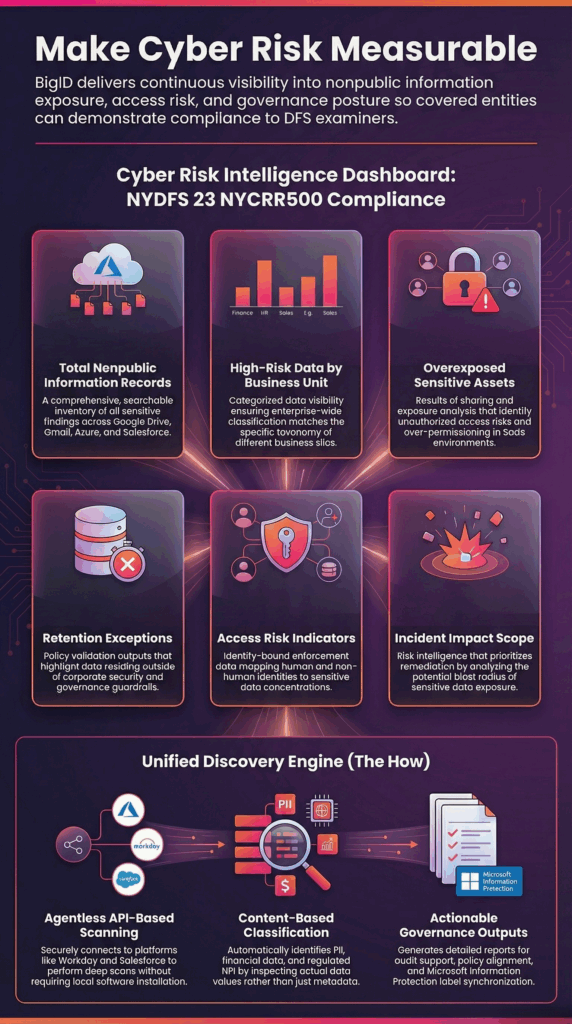
23 nycrr 500

Navigating Compliance: Understanding the Impact of 23 NYCRR 500

Article: 23 NYCRR 500

Understanding 23 NYCRR 500: New York’s Cybersecurity Regulation

23 NYCRR 500 is a cybersecurity regulation issued by the New York State Department of Financial Services (DFS). This regulation aims to protect sensitive data and information held by financial institutions operating in New York.

Key Requirements of 23 NYCRR 500

The regulation mandates financial institutions to:

  • Establish a cybersecurity program designed to protect nonpublic information.
  • Conduct regular risk assessments and implement cybersecurity measures based on identified risks.
  • Implement multi-factor authentication for accessing internal systems and sensitive data.
  • Maintain an incident response plan to address and recover from cybersecurity events promptly.
  • Provide cybersecurity awareness training to employees to enhance overall security posture.
  • Engage third-party service providers who comply with the regulation’s requirements.

Implications for Financial Institutions

Compliance with 23 NYCRR 500 is crucial for financial institutions as non-compliance can lead to severe penalties, including fines and reputational damage. By adhering to the regulation, organizations can strengthen their cybersecurity defenses, reduce the risk of data breaches, and safeguard customer information.

Conclusion

23 NYCRR 500 sets a high standard for cybersecurity practices within the financial sector in New York. Financial institutions subject to this regulation must prioritize data protection, implement robust security measures, and continually assess and enhance their cybersecurity posture to mitigate risks effectively.

© 2022 CFChris. All rights reserved.


Strengthening Cybersecurity: 8 Key Benefits of 23 NYCRR 500 for New York Financial Institutions

  1. Enhances cybersecurity measures for financial institutions in New York
  2. Protects sensitive data and nonpublic information from cyber threats
  3. Mandates regular risk assessments to identify and address vulnerabilities
  4. Requires the implementation of multi-factor authentication for enhanced security
  5. Promotes cybersecurity awareness training among employees
  6. Establishes incident response plans to mitigate the impact of cyber incidents
  7. Encourages collaboration with compliant third-party service providers
  8. Helps organizations strengthen their overall security posture and reduce data breach risks


Challenges of 23 NYCRR 500: Compliance Costs, Complexity, and Third-Party Provider Burdens

  1. Compliance costs
  2. Complexity
  3. Burden on third-party providers

Enhances cybersecurity measures for financial institutions in New York

The implementation of 23 NYCRR 500 significantly enhances cybersecurity measures for financial institutions operating in New York. By mandating the establishment of robust cybersecurity programs, conducting regular risk assessments, and implementing multi-factor authentication, the regulation strengthens the overall security posture of these institutions. This proactive approach not only helps in safeguarding sensitive data but also aids in preventing cyber threats and potential breaches, ultimately fostering a more secure environment for both the institutions and their clients.

Protects sensitive data and nonpublic information from cyber threats

One significant advantage of 23 NYCRR 500 is its ability to safeguard sensitive data and nonpublic information from cyber threats. By requiring financial institutions to establish robust cybersecurity programs and implement protective measures, the regulation helps prevent unauthorized access, data breaches, and other cyber incidents that could compromise the security and confidentiality of valuable information. This proactive approach not only enhances data protection but also instills trust among stakeholders, demonstrating a commitment to maintaining the integrity and privacy of sensitive data in today’s digital landscape.

Mandates regular risk assessments to identify and address vulnerabilities

One significant advantage of 23 NYCRR 500 is that it mandates regular risk assessments to identify and address vulnerabilities. By requiring financial institutions to conduct these assessments, the regulation promotes proactive measures to enhance cybersecurity defenses. Identifying potential risks allows organizations to implement targeted security measures, prioritize resource allocation, and mitigate vulnerabilities before they can be exploited. This proactive approach not only strengthens the overall security posture of financial institutions but also helps in safeguarding sensitive data and information from potential cyber threats.

Requires the implementation of multi-factor authentication for enhanced security

One significant advantage of 23 NYCRR 500 is its requirement for the implementation of multi-factor authentication to enhance security measures. By mandating the use of multi-factor authentication, the regulation adds an extra layer of protection to sensitive data and internal systems within financial institutions. This additional security measure helps prevent unauthorized access and significantly reduces the risk of data breaches or cyber attacks. Overall, the emphasis on multi-factor authentication under 23 NYCRR 500 plays a crucial role in bolstering cybersecurity defenses and safeguarding confidential information effectively.

Promotes cybersecurity awareness training among employees

One significant advantage of 23 NYCRR 500 is that it promotes cybersecurity awareness training among employees. By requiring financial institutions to provide training on cybersecurity best practices, potential threats, and how to respond to security incidents, the regulation helps enhance the overall security posture of organizations. This proactive approach not only equips employees with the knowledge and skills needed to identify and mitigate cyber risks but also fosters a culture of cybersecurity consciousness within the workplace. Ultimately, promoting cybersecurity awareness training among employees can contribute to a stronger defense against cyber threats and safeguard sensitive information effectively.

Establishes incident response plans to mitigate the impact of cyber incidents

One significant advantage of 23 NYCRR 500 is that it requires financial institutions to establish incident response plans to mitigate the impact of cyber incidents. By mandating the development of structured procedures for responding to cybersecurity breaches, this regulation helps organizations effectively manage and contain threats, minimize potential damages, and swiftly recover from security incidents. Implementing robust incident response plans ensures that financial institutions can respond promptly and decisively in the event of a cyber attack, enhancing their overall resilience against evolving cyber threats.

Encourages collaboration with compliant third-party service providers

One significant benefit of 23 NYCRR 500 is that it encourages collaboration with compliant third-party service providers. By engaging with service providers who adhere to the regulation’s cybersecurity requirements, financial institutions can enhance the overall security of their operations. This collaboration ensures that sensitive data shared with third parties is adequately protected, reducing the risk of data breaches and strengthening the cybersecurity ecosystem within the financial sector. The emphasis on partnering with compliant providers fosters a culture of shared responsibility for cybersecurity and promotes a more secure environment for all stakeholders involved.

Helps organizations strengthen their overall security posture and reduce data breach risks

One of the key benefits of 23 NYCRR 500 is that it helps organizations strengthen their overall security posture and reduce the risks of data breaches. By mandating the establishment of robust cybersecurity programs, regular risk assessments, and the implementation of security measures tailored to identified risks, this regulation ensures that financial institutions operating in New York prioritize data protection and enhance their resilience against cyber threats. Compliance with 23 NYCRR 500 not only safeguards sensitive information but also contributes to a more secure and trustworthy financial ecosystem.

Compliance costs

Implementing and maintaining a cybersecurity program in accordance with 23 NYCRR 500 can pose a significant financial burden on financial institutions. The costs associated with meeting the regulation’s requirements, such as conducting regular risk assessments, implementing security measures, providing employee training, and engaging compliant third-party service providers, can add up quickly. These compliance costs may strain the resources of smaller institutions and require substantial investments in cybersecurity infrastructure and personnel to ensure ongoing adherence to the regulation.

Complexity

The complexity of the regulatory requirements outlined in 23 NYCRR 500 presents a significant challenge, particularly for smaller organizations with constrained resources. Interpreting and implementing the intricate guidelines can be daunting, leading to potential compliance issues and increased operational burdens. Smaller entities may struggle to navigate the nuanced provisions effectively, highlighting the need for additional support and guidance in meeting the stringent cybersecurity standards set forth by the regulation.

Burden on third-party providers

One significant con of 23 NYCRR 500 is the burden it places on third-party providers. Financial institutions are required to verify that their external service providers adhere to the regulation, introducing an additional layer of oversight and management. Ensuring compliance among third parties can be complex and time-consuming, as institutions must monitor and assess the cybersecurity practices of each vendor to maintain regulatory alignment. This added responsibility increases the administrative workload for financial organizations and may lead to challenges in coordinating and enforcing cybersecurity standards across multiple external entities.

Enhancing Data Protection: The Role of Information Security Consulting Services

Information Security Consulting Services

The Importance of Information Security Consulting Services

In today’s digital age, businesses are increasingly vulnerable to cyber threats and attacks. As technology advances, so do the methods used by malicious actors to exploit weaknesses in systems and networks. This is where information security consulting services play a crucial role in safeguarding organizations from potential risks.

What is Information Security Consulting?

Information security consulting involves assessing, designing, implementing, and managing security measures to protect an organization’s data, systems, and networks. These services are provided by experts who specialize in identifying vulnerabilities and developing strategies to mitigate risks.

The Benefits of Information Security Consulting Services

By engaging information security consulting services, businesses can:

  • Identify and assess potential security risks
  • Develop customized security solutions tailored to their specific needs
  • Implement best practices for data protection and compliance
  • Enhance overall cybersecurity posture
  • Respond effectively to security incidents and breaches

How Information Security Consultants Can Help Businesses

Information security consultants bring a wealth of knowledge and expertise to help businesses navigate the complex landscape of cybersecurity. They offer:

  • Risk assessments and audits to identify vulnerabilities
  • Security architecture design and implementation
  • Incident response planning and management
  • Security awareness training for employees
  • Compliance assistance with industry regulations and standards

In Conclusion

Information security consulting services are essential for businesses looking to protect their valuable assets from cyber threats. By partnering with experienced consultants, organizations can proactively address security challenges and ensure the confidentiality, integrity, and availability of their information assets.


Top 5 Benefits of Information Security Consulting Services for Your Organization

  1. Specialized expertise in identifying and mitigating security risks
  2. Customized security solutions tailored to the specific needs of each organization
  3. Enhanced cybersecurity posture to protect valuable data and assets
  4. Proactive measures to prevent security breaches and incidents
  5. Compliance assistance with industry regulations and standards


Challenges of Information Security Consulting: Costs, Dependency, Conflicts of Interest, and Measuring ROI

  1. Costly for small businesses with limited budgets
  2. Dependency on external expertise may lead to reliance issues
  3. Potential conflicts of interest if consultants recommend products or services from affiliated partners
  4. Difficulty in measuring the tangible ROI of information security consulting services

Specialized expertise in identifying and mitigating security risks

Information security consulting services offer a valuable pro in their specialized expertise in identifying and mitigating security risks. These expert consultants possess in-depth knowledge and experience in recognizing potential vulnerabilities within an organization’s systems and networks. By leveraging their specialized skills, they can effectively develop strategies to mitigate these risks and enhance the overall security posture of the business. This focused expertise enables businesses to proactively address security threats and safeguard their sensitive data from potential breaches and cyber attacks.

Customized security solutions tailored to the specific needs of each organization

One significant advantage of information security consulting services is the ability to provide customized security solutions that are tailored to the specific needs of each organization. By conducting a thorough assessment of the organization’s infrastructure, data assets, and potential vulnerabilities, security consultants can develop targeted strategies and implement measures that address the unique risks faced by the business. This personalized approach ensures that security measures are effective, efficient, and aligned with the organization’s goals and compliance requirements.

Enhanced cybersecurity posture to protect valuable data and assets

Enhanced cybersecurity posture through information security consulting services is a critical advantage for businesses seeking to safeguard their valuable data and assets. By working with experienced consultants, organizations can strengthen their defense mechanisms, identify vulnerabilities, and implement proactive security measures to prevent potential cyber threats. This proactive approach not only protects sensitive information but also instills confidence in customers and stakeholders regarding the organization’s commitment to data security and privacy. Ultimately, an improved cybersecurity posture enables businesses to mitigate risks effectively and maintain the integrity of their digital infrastructure in today’s constantly evolving threat landscape.

Proactive measures to prevent security breaches and incidents

Information security consulting services offer the advantage of implementing proactive measures to prevent security breaches and incidents. By conducting thorough risk assessments, developing robust security strategies, and staying ahead of emerging threats, consultants help organizations strengthen their defenses and minimize the likelihood of potential cyber attacks. This proactive approach not only enhances the overall security posture of businesses but also saves them from the costly repercussions of data breaches and other security incidents.

Compliance assistance with industry regulations and standards

Compliance assistance with industry regulations and standards is a significant benefit of information security consulting services. These consultants help businesses navigate the complex landscape of regulatory requirements by providing expert guidance on how to align their security practices with specific laws and standards. By ensuring compliance, organizations can avoid costly penalties, protect their reputation, and build trust with customers and partners. Information security consultants play a crucial role in helping businesses stay up-to-date with evolving regulations and maintain a secure environment that meets industry best practices.

Costly for small businesses with limited budgets

For small businesses with limited budgets, one significant drawback of information security consulting services is the cost involved. Hiring external consultants to assess, design, and implement security measures can be expensive and may strain the financial resources of smaller organizations. The upfront investment required for comprehensive security solutions and ongoing maintenance can be prohibitive for businesses operating on a tight budget. This financial burden might deter small businesses from seeking professional assistance in enhancing their cybersecurity posture, leaving them more vulnerable to potential threats and attacks.

Dependency on external expertise may lead to reliance issues

Dependency on external expertise in information security consulting services may lead to reliance issues for organizations. While consulting experts can provide valuable insights and solutions, relying too heavily on external professionals can create a sense of dependency. This reliance may hinder internal teams from developing their own cybersecurity capabilities and understanding the intricacies of their systems. Additionally, if organizations become overly dependent on external consultants, they may face challenges in adapting to evolving security threats independently. It is important for businesses to strike a balance between leveraging external expertise and building internal capacity to ensure long-term resilience in managing information security risks.

Potential conflicts of interest if consultants recommend products or services from affiliated partners

One significant con of information security consulting services is the potential for conflicts of interest when consultants recommend products or services from affiliated partners. In such cases, consultants may prioritize their relationships with partner companies over the best interests of their clients, leading to biased recommendations that may not necessarily address the specific security needs of the organization. This conflict can undermine the trust and credibility of the consulting services, ultimately jeopardizing the effectiveness of the security solutions proposed. It is essential for businesses to be aware of these potential conflicts and ensure that consulting engagements are transparent and focused on delivering unbiased and objective advice to enhance their cybersecurity posture.

Difficulty in measuring the tangible ROI of information security consulting services

One significant con of information security consulting services is the difficulty in measuring the tangible return on investment (ROI) of such services. Unlike some other business investments where ROI can be easily quantified in terms of increased revenue or cost savings, the benefits of information security consulting are often more intangible and challenging to measure. It can be complex to attribute specific financial outcomes directly to security measures, making it harder for organizations to justify the costs associated with these services based solely on traditional ROI metrics. This lack of clear ROI measurement may present a hurdle for businesses seeking to evaluate the effectiveness and value of their information security consulting investments.

web design web designing software

Exploring the Power of Web Design with Innovative Web Designing Software

The Importance of Web Design and Web Designing Software

The Importance of Web Design and Web Designing Software

Web design plays a crucial role in creating visually appealing and user-friendly websites. It involves the process of planning, conceptualizing, and arranging content on a website to achieve a specific goal, such as providing information, promoting products or services, or engaging visitors.

Effective web design enhances the user experience by making navigation intuitive, content easily accessible, and overall aesthetics pleasing to the eye. A well-designed website not only attracts visitors but also keeps them engaged and encourages them to explore further.

Web Designing Software

Web designing software provides designers with the tools they need to create stunning websites efficiently. These software tools come with features like drag-and-drop interfaces, pre-designed templates, customizable elements, and responsive design capabilities.

Popular web designing software includes Adobe Dreamweaver, Sketch, Figma, and WordPress. These tools enable designers to bring their creative vision to life without needing advanced coding skills.

With the help of web designing software, designers can prototype designs, collaborate with team members, test responsiveness across devices, and optimize performance for better user experience.

Conclusion

In conclusion, web design is essential for creating engaging websites that attract and retain visitors. Utilizing web designing software empowers designers to unleash their creativity and build functional websites that meet modern design standards. By investing in good web design practices and utilizing the right tools, businesses can establish a strong online presence and achieve their digital goals effectively.


Top 5 FAQs About Web Design and Designing Software: Essentials for Effective Websites

  1. What is web design and why is it important?
  2. What are the key elements of effective web design?
  3. Which web designing software is commonly used by designers?
  4. How can responsive design benefit a website’s user experience?
  5. What role does user interface (UI) and user experience (UX) play in web design?

What is web design and why is it important?

Web design encompasses the process of creating visually appealing and functional websites that cater to the needs of users. It involves the strategic arrangement of elements such as layout, colors, fonts, and images to enhance user experience and achieve specific goals. Web design is crucial as it serves as the digital storefront for businesses, providing a platform to showcase products or services, convey brand identity, and engage with customers. A well-designed website not only attracts visitors but also keeps them engaged, encourages interaction, and ultimately drives conversions. In today’s digital age, where online presence is paramount, effective web design plays a vital role in establishing credibility, building brand awareness, and ensuring a positive user experience.

What are the key elements of effective web design?

When it comes to effective web design, several key elements play a crucial role in creating a successful website. These elements include a visually appealing layout that is easy to navigate, high-quality and relevant content that engages visitors, clear calls-to-action that guide users towards desired actions, responsive design for seamless viewing on various devices, fast loading times to enhance user experience, and consistent branding elements to establish credibility and trust. By incorporating these key elements into web design, designers can create websites that not only look great but also function effectively in achieving their intended goals.

Which web designing software is commonly used by designers?

When it comes to web designing software commonly used by designers, there are several popular options that stand out in the industry. Adobe Dreamweaver is a well-known choice for its comprehensive features and user-friendly interface. Sketch is favored for its focus on UI/UX design and collaboration capabilities. Figma has gained popularity for its cloud-based platform, enabling seamless teamwork and real-time editing. Additionally, WordPress remains a top choice for its versatility in creating both simple blogs and complex websites. Each of these web designing software tools offers unique benefits and functionalities, catering to the diverse needs of designers in the digital landscape.

How can responsive design benefit a website’s user experience?

Responsive design plays a vital role in enhancing a website’s user experience by ensuring that the site adapts seamlessly to different devices and screen sizes. By implementing responsive design techniques, such as fluid grids, flexible images, and media queries, a website can provide a consistent and optimized viewing experience across desktops, laptops, tablets, and smartphones. This adaptability not only makes the content more accessible to users on various devices but also improves usability by eliminating the need for horizontal scrolling or zooming. Ultimately, responsive design enhances user engagement, reduces bounce rates, and fosters a positive interaction with the website, leading to higher satisfaction and retention among visitors.

What role does user interface (UI) and user experience (UX) play in web design?

In web design, user interface (UI) and user experience (UX) play integral roles in creating engaging and functional websites. The UI focuses on the visual elements and interactive features of a website, such as layout, colors, typography, buttons, and navigation menus. It aims to make the website visually appealing and easy to navigate for users. On the other hand, UX is concerned with the overall experience a user has while interacting with the website. It encompasses factors like usability, accessibility, responsiveness, and content organization to ensure a seamless and satisfying user journey. By prioritizing both UI and UX in web design, designers can enhance user engagement, increase retention rates, and ultimately drive business success through positive online experiences.

cybersecurity services

Enhancing Security: The Vital Role of Cybersecurity Services

The Importance of Cybersecurity Services

The Importance of Cybersecurity Services

In today’s digital age, cybersecurity has become a critical aspect of protecting sensitive information and maintaining the integrity of businesses and individuals online. Cyber threats are constantly evolving, making it essential for organizations to invest in robust cybersecurity services to safeguard their data and systems.

Types of Cybersecurity Services

Cybersecurity services encompass a wide range of solutions designed to detect, prevent, and respond to cyber threats. Some common cybersecurity services include:

  • Network Security: Securing networks from unauthorized access and ensuring data confidentiality.
  • Endpoint Security: Protecting individual devices such as computers, laptops, and mobile devices from malware and other cyber threats.
  • Incident Response: Developing plans to address security incidents promptly and minimize their impact.
  • Security Audits: Evaluating existing security measures to identify vulnerabilities and areas for improvement.
  • Cloud Security: Ensuring data stored in cloud environments is protected from unauthorized access.

The Benefits of Cybersecurity Services

Investing in cybersecurity services offers numerous benefits, including:

  • Data Protection: Safeguarding sensitive information from theft or unauthorized access.
  • Breach Prevention: Proactively identifying and mitigating potential security risks before they result in a breach.
  • Compliance: Ensuring that organizations comply with industry regulations and standards related to data security.
  • Reputation Management: Building trust with customers by demonstrating a commitment to protecting their data.

The Future of Cybersecurity Services

As cyber threats continue to evolve, the demand for advanced cybersecurity services will only increase. Organizations must stay vigilant and adapt their security measures to combat emerging threats effectively. By partnering with reputable cybersecurity service providers, businesses can enhance their security posture and minimize the risk of cyber attacks.

In conclusion, cybersecurity services play a crucial role in safeguarding digital assets and maintaining trust in an increasingly interconnected world. By prioritizing cybersecurity measures, organizations can protect themselves against evolving cyber threats and ensure the resilience of their operations in the face of potential security breaches.


8 Essential Cybersecurity Tips to Protect Your Digital Life

  1. Regularly update your software and operating systems to patch security vulnerabilities.
  2. Use strong, unique passwords for each online account and consider using a password manager.
  3. Enable two-factor authentication whenever possible for an added layer of security.
  4. Be cautious of phishing emails and never click on suspicious links or download attachments from unknown sources.
  5. Secure your home network with a strong password and encryption to prevent unauthorized access.
  6. Backup your data regularly to protect against data loss in case of a cyber attack or system failure.
  7. Educate yourself and your employees about cybersecurity best practices to create a security-conscious culture.
  8. Consider investing in cybersecurity services such as antivirus software, firewall protection, and intrusion detection systems.

Regularly update your software and operating systems to patch security vulnerabilities.

Regularly updating your software and operating systems is a crucial step in maintaining strong cybersecurity defenses. By installing the latest patches and updates, you can address known security vulnerabilities that cyber attackers may exploit. These updates often include important security fixes that help protect your devices and data from potential threats. Making software updates a routine practice can significantly enhance the overall security posture of your systems and reduce the risk of falling victim to cyber attacks.

Use strong, unique passwords for each online account and consider using a password manager.

In the realm of cybersecurity services, a crucial tip is to utilize strong, unique passwords for every online account and contemplate employing a password manager. By creating complex and distinct passwords for each account, individuals can significantly enhance their overall online security. A password manager offers a convenient solution for securely storing and managing multiple passwords, reducing the risk of password reuse and enhancing protection against unauthorized access to sensitive information. Embracing this practice can fortify one’s digital defenses and mitigate the potential risks associated with compromised credentials in today’s interconnected digital landscape.

Enable two-factor authentication whenever possible for an added layer of security.

Enabling two-factor authentication whenever possible is a highly recommended practice in cybersecurity services. This additional layer of security provides an extra barrier against unauthorized access by requiring users to provide a second form of verification, such as a code sent to their mobile device or a biometric scan. By implementing two-factor authentication, individuals and organizations can significantly enhance their defense against cyber threats and reduce the risk of unauthorized account access or data breaches.

It is crucial to exercise caution when it comes to cybersecurity services, particularly in dealing with phishing emails. One essential tip is to be wary of suspicious emails and refrain from clicking on any links or downloading attachments from unknown sources. Phishing attacks often disguise themselves as legitimate communications to trick individuals into revealing sensitive information or installing malware on their devices. By staying vigilant and avoiding interactions with suspicious email content, individuals can significantly reduce the risk of falling victim to cyber threats and protect their personal and organizational data from potential breaches.

Secure your home network with a strong password and encryption to prevent unauthorized access.

To enhance the security of your home network, it is crucial to secure it with a strong password and encryption. By setting up a robust password that combines letters, numbers, and special characters, you can significantly reduce the risk of unauthorized access to your network. Additionally, enabling encryption protocols such as WPA2 or WPA3 adds an extra layer of protection by encoding data transmitted over the network, making it more challenging for cybercriminals to intercept sensitive information. Taking these simple yet effective steps can go a long way in safeguarding your home network from potential security threats.

Backup your data regularly to protect against data loss in case of a cyber attack or system failure.

Regularly backing up your data is a crucial tip in cybersecurity services to mitigate the risk of data loss due to cyber attacks or system failures. By maintaining up-to-date backups of your important information, you can ensure that even if your systems are compromised, you have a secure copy of your data that can be restored quickly, minimizing the impact of potential security incidents. Backup strategies are an essential component of a comprehensive cybersecurity plan, providing an added layer of protection against unforeseen events that could jeopardize the integrity and availability of your critical data.

Educate yourself and your employees about cybersecurity best practices to create a security-conscious culture.

Creating a security-conscious culture within your organization begins with education. By taking the time to educate yourself and your employees about cybersecurity best practices, you can empower everyone to play a proactive role in protecting sensitive information and preventing cyber threats. From recognizing phishing emails to implementing strong password policies, knowledge is key to building a resilient defense against potential security breaches. By fostering a culture of awareness and vigilance, you can strengthen your overall cybersecurity posture and mitigate risks effectively.

Consider investing in cybersecurity services such as antivirus software, firewall protection, and intrusion detection systems.

When it comes to safeguarding your digital assets, it is crucial to consider investing in cybersecurity services such as antivirus software, firewall protection, and intrusion detection systems. These tools form the backbone of a robust cybersecurity strategy by providing essential layers of defense against malware, unauthorized access, and suspicious activities. Antivirus software helps detect and remove malicious programs, while firewall protection acts as a barrier against unauthorized network traffic. Intrusion detection systems monitor network activity for signs of potential threats, enabling proactive responses to mitigate risks effectively. By incorporating these cybersecurity services into your security framework, you can enhance your overall defense posture and better protect your valuable data from cyber threats.

cybersecurity

Enhancing Business Resilience Through Advanced Cybersecurity Solutions

The Importance of Cybersecurity in Today’s Digital World

The Importance of Cybersecurity in Today’s Digital World

In today’s interconnected world, where information is exchanged at lightning speed, cybersecurity has become more critical than ever before. With the rise of cyber threats and attacks, protecting sensitive data and systems has become a top priority for individuals, businesses, and governments alike.

Why is Cybersecurity Important?

Cybersecurity is essential for several reasons:

  • Data Protection: Cybersecurity helps safeguard sensitive information such as personal data, financial records, and intellectual property from unauthorized access or theft.
  • Prevention of Cyber Attacks: Implementing robust cybersecurity measures can help prevent cyber attacks such as malware infections, phishing scams, ransomware attacks, and more.
  • Business Continuity: By securing digital assets and systems, organizations can ensure continuity of operations even in the face of potential cyber threats.
  • Reputation Management: A data breach or security incident can severely damage an organization’s reputation. Strong cybersecurity practices help maintain trust with customers and stakeholders.
  • Compliance Requirements: Many industries have regulatory requirements for data protection. Adhering to cybersecurity best practices ensures compliance with relevant laws and standards.

Cybersecurity Best Practices

To enhance cybersecurity posture, organizations and individuals should follow these best practices:

  1. Use Strong Passwords: Create unique passwords for each account and use multi-factor authentication where possible.
  2. Keep Software Updated: Regularly update operating systems, applications, and security software to patch vulnerabilities.
  3. Educate Users: Train employees on cybersecurity awareness to recognize phishing attempts and other social engineering tactics.
  4. Secure Networks: Implement firewalls, encryption protocols, and secure Wi-Fi networks to protect data in transit.
  5. Data Backup: Regularly back up important data to ensure quick recovery in case of a cyber incident.

The Future of Cybersecurity

As technology continues to advance rapidly, the landscape of cybersecurity will evolve as well. Artificial intelligence (AI), machine learning, blockchain technology, and other innovations will play a crucial role in enhancing cybersecurity defenses against sophisticated threats.

In conclusion, investing in robust cybersecurity measures is not just an option but a necessity in today’s digital age. By staying vigilant and proactive in defending against cyber threats, individuals and organizations can protect their assets and maintain trust in an increasingly interconnected world.


6 Essential Cybersecurity Tips to Protect Your Digital Life

  1. Keep your software and systems updated regularly to patch security vulnerabilities.
  2. Use strong, unique passwords for each of your accounts and enable two-factor authentication when possible.
  3. Be cautious of phishing emails and messages that may try to trick you into revealing sensitive information.
  4. Avoid connecting to public Wi-Fi networks for sensitive activities unless you use a virtual private network (VPN).
  5. Regularly back up your important data to a secure location to prevent data loss from cyber attacks.
  6. Educate yourself about cybersecurity best practices and stay informed about current threats and trends.

Keep your software and systems updated regularly to patch security vulnerabilities.

Keeping your software and systems updated regularly is a crucial tip for enhancing cybersecurity. By applying the latest patches and updates, you can effectively address known security vulnerabilities and protect your digital assets from potential cyber threats. Proactively maintaining up-to-date software not only strengthens your defense against malicious attacks but also ensures the overall integrity and resilience of your systems in today’s constantly evolving threat landscape.

Use strong, unique passwords for each of your accounts and enable two-factor authentication when possible.

It is crucial to prioritize cybersecurity by using strong, unique passwords for every account you have and enabling two-factor authentication whenever possible. By creating complex and distinct passwords for each account, you add an extra layer of protection against unauthorized access. Two-factor authentication provides an additional security measure by requiring a second form of verification, such as a code sent to your phone, further safeguarding your accounts from potential breaches. Implementing these practices significantly enhances the security of your online presence and helps prevent cyber threats.

Be cautious of phishing emails and messages that may try to trick you into revealing sensitive information.

It is crucial to exercise caution when dealing with phishing emails and messages that attempt to deceive individuals into disclosing sensitive information. These fraudulent communications often impersonate trusted entities or use urgent language to prompt recipients to click on malicious links or provide personal data. By remaining vigilant and verifying the authenticity of such communications, individuals can protect themselves from falling victim to phishing scams and safeguard their sensitive information from unauthorized access.

Avoid connecting to public Wi-Fi networks for sensitive activities unless you use a virtual private network (VPN).

When it comes to cybersecurity, it is crucial to avoid connecting to public Wi-Fi networks for sensitive activities unless you use a virtual private network (VPN). Public Wi-Fi networks are often unsecured, making them vulnerable to cyber attacks and data breaches. By using a VPN, you can encrypt your internet connection and add an extra layer of security, ensuring that your sensitive information remains protected while using public Wi-Fi. It is a simple yet effective measure to safeguard your online activities and maintain your privacy in an increasingly digital world.

Regularly back up your important data to a secure location to prevent data loss from cyber attacks.

Regularly backing up your important data to a secure location is a crucial cybersecurity tip that can help prevent data loss in the event of a cyber attack. By maintaining up-to-date backups of your critical information, you create a safety net that allows you to recover quickly and effectively in case of ransomware, malware, or other cyber threats. This proactive measure not only safeguards your valuable data but also ensures business continuity and minimizes the impact of potential security incidents.

It is crucial to educate yourself about cybersecurity best practices and stay informed about current threats and trends to protect your digital assets effectively. By understanding how to secure your online presence and being aware of the latest cybersecurity risks, you can proactively defend against potential cyber attacks. Continuous learning and staying up-to-date with evolving threats empower you to make informed decisions to enhance your overall cybersecurity posture and safeguard your sensitive information in today’s constantly evolving digital landscape.