

cfchris.com

Loading

aws cyber security

Enhancing Cloud Security: Leveraging AWS Cyber Security Solutions

AWS Cyber Security: Protecting Your Cloud Infrastructure

AWS Cyber Security: Protecting Your Cloud Infrastructure

As businesses increasingly rely on cloud services for their operations, ensuring the security of data and applications hosted on platforms like Amazon Web Services (AWS) is paramount. AWS offers robust security features to help protect your cloud infrastructure from cyber threats.

Key Aspects of AWS Cyber Security

Here are some key aspects of AWS cyber security that you should be aware of:

Shared Responsibility Model:

AWS follows a shared responsibility model, where they are responsible for the security of the cloud infrastructure, while customers are responsible for securing their data and applications within the cloud. Understanding this model is essential for implementing effective security measures.

Identity and Access Management (IAM):

AWS IAM allows you to manage user access to resources securely. By defining granular permissions and roles, you can control who can access which resources, helping prevent unauthorized access to sensitive data.

Network Security:

AWS provides tools such as Virtual Private Cloud (VPC) and Security Groups to secure your network infrastructure. You can create private networks, set up firewalls, and monitor network traffic to detect and prevent potential security breaches.

Data Encryption:

Encrypting data at rest and in transit is crucial for maintaining the confidentiality and integrity of your information. AWS offers services like AWS Key Management Service (KMS) for managing encryption keys and Amazon S3 server-side encryption for securing data stored in S3 buckets.

Best Practices for AWS Cyber Security

To enhance the security of your AWS environment, consider implementing the following best practices:

  • Regularly review and update IAM policies to ensure least privilege access.
  • Enable multi-factor authentication (MFA) for added account protection.
  • Monitor logs and set up alerts to detect suspicious activities.
  • Conduct regular vulnerability assessments and penetration testing.
  • Stay informed about AWS security updates and best practices.

Conclusion

In conclusion, AWS offers a wide range of security features to help safeguard your cloud infrastructure against cyber threats. By understanding these features and following best practices for AWS cyber security, you can create a more secure environment for your data and applications in the cloud.


8 Essential Tips for Strengthening AWS Cybersecurity

  1. Enable multi-factor authentication (MFA) for all user accounts
  2. Regularly rotate access keys and credentials
  3. Use AWS Identity and Access Management (IAM) to control access to AWS resources
  4. Encrypt data at rest and in transit using AWS Key Management Service (KMS)
  5. Monitor your AWS environment for security incidents using Amazon GuardDuty
  6. Implement network security best practices, such as configuring security groups and network ACLs
  7. Regularly update and patch your EC2 instances and other AWS services
  8. Enable logging and monitoring in AWS CloudTrail, CloudWatch, and Config

Enable multi-factor authentication (MFA) for all user accounts

Enabling multi-factor authentication (MFA) for all user accounts is a crucial step in enhancing the security of your AWS environment. By requiring an additional verification method beyond just a password, such as a unique code sent to a mobile device, MFA adds an extra layer of protection against unauthorized access. This simple yet effective measure significantly reduces the risk of account compromise and strengthens overall security posture, ensuring that only authorized users can access sensitive resources within your AWS infrastructure.

Regularly rotate access keys and credentials

Regularly rotating access keys and credentials is a crucial practice in AWS cyber security. By frequently updating these keys and credentials, you can reduce the risk of unauthorized access to your cloud resources. This proactive measure helps enhance the overall security posture of your AWS environment, ensuring that only authorized users have access to sensitive data and applications. Regular rotation of access keys and credentials is a simple yet effective way to mitigate potential security vulnerabilities and protect your cloud infrastructure from cyber threats.

Use AWS Identity and Access Management (IAM) to control access to AWS resources

Utilizing AWS Identity and Access Management (IAM) is a crucial tip for enhancing AWS cyber security. By leveraging IAM, businesses can effectively manage and control access to their AWS resources. IAM allows organizations to set granular permissions and roles, ensuring that only authorized users have access to specific resources within the cloud environment. This helps prevent unauthorized access, reduces the risk of data breaches, and enhances overall security posture on the AWS platform.

Encrypt data at rest and in transit using AWS Key Management Service (KMS)

To enhance the security of your data stored in Amazon Web Services (AWS), it is crucial to encrypt data both at rest and in transit using AWS Key Management Service (KMS). By utilizing KMS, you can manage encryption keys securely and ensure that your sensitive information remains protected from unauthorized access. Encrypting data at rest prevents unauthorized users from accessing data stored in databases or on disk, while encrypting data in transit adds an extra layer of security when data is being transferred between services or applications within your AWS environment. Implementing encryption with AWS KMS helps mitigate the risk of data breaches and strengthens the overall security posture of your cloud infrastructure.

Monitor your AWS environment for security incidents using Amazon GuardDuty

Monitoring your AWS environment for security incidents is crucial in maintaining a secure cloud infrastructure. Amazon GuardDuty is a powerful tool that can help you detect and respond to potential threats in real-time. By leveraging GuardDuty’s threat detection capabilities, you can proactively identify unauthorized access, malicious activities, and other suspicious behavior within your AWS environment. This proactive approach allows you to take immediate action to mitigate risks and strengthen the overall security posture of your cloud infrastructure.

Implement network security best practices, such as configuring security groups and network ACLs

Implementing network security best practices, such as configuring security groups and network Access Control Lists (ACLs), is crucial for enhancing the overall security of your AWS environment. By setting up proper security groups and ACLs, you can control inbound and outbound traffic to your instances, restrict access to specific ports, and prevent unauthorized network communication. These measures help reduce the attack surface and mitigate potential security risks, ensuring a more secure and resilient cloud infrastructure on Amazon Web Services.

Regularly update and patch your EC2 instances and other AWS services

Regularly updating and patching your EC2 instances and other AWS services is a critical aspect of maintaining strong cyber security in your cloud environment. By staying current with software updates and patches, you can address known vulnerabilities and reduce the risk of potential security breaches. This proactive approach helps to enhance the overall security posture of your AWS infrastructure, ensuring that your systems are better protected against emerging threats and attacks.

Enable logging and monitoring in AWS CloudTrail, CloudWatch, and Config

Enabling logging and monitoring in AWS services like CloudTrail, CloudWatch, and Config is a crucial tip for enhancing cyber security. By setting up comprehensive logging and monitoring mechanisms, businesses can gain valuable insights into their AWS environment, detect suspicious activities or unauthorized access in real-time, and ensure compliance with security policies. These tools provide visibility into user actions, resource changes, and system configurations, allowing organizations to proactively identify and respond to potential security threats effectively.
azure cloud security

Enhancing Data Protection with Azure Cloud Security Measures

Azure Cloud Security

Azure Cloud Security: Safeguarding Your Data in the Cloud

Cloud computing has revolutionized the way businesses operate, offering flexibility, scalability, and cost-efficiency. However, with the benefits of cloud services come security challenges that must be addressed to protect sensitive data and ensure compliance with regulations.

Why Azure Cloud Security Matters

Microsoft Azure is a leading cloud platform that provides a wide range of security features to help organizations secure their data and applications. Here are some key aspects of Azure cloud security:

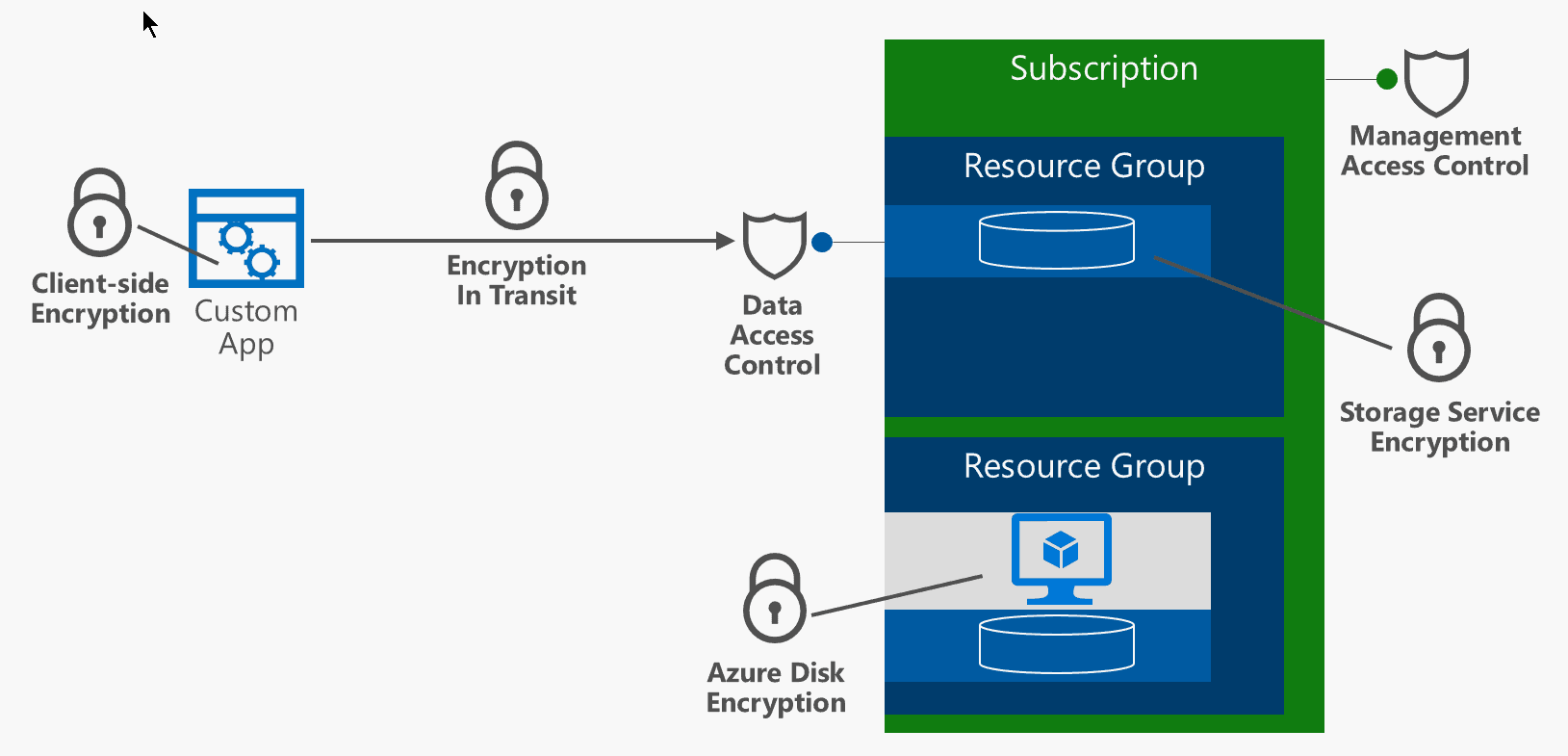
  • Data Encryption: Azure offers encryption at rest and in transit to protect data from unauthorized access.
  • Identity and Access Management: Azure Active Directory enables organizations to manage user identities and control access to resources.
  • Network Security: Azure Virtual Network allows organizations to create secure networks and control traffic flow.
  • Security Monitoring: Azure Security Center provides continuous monitoring and threat detection to identify and respond to security incidents.
  • Compliance Certifications: Azure maintains a wide range of compliance certifications to meet industry-specific regulatory requirements.

Best Practices for Securing Your Azure Environment

To enhance security in your Azure environment, consider implementing the following best practices:

  1. Multifactor Authentication: Require users to provide multiple forms of verification before accessing resources.
  2. Data Classification: Classify data based on sensitivity levels and apply appropriate security controls.
  3. Patch Management: Keep software up-to-date with the latest security patches to address vulnerabilities.
  4. Regular Auditing: Conduct regular audits of your Azure environment to identify potential security gaps.
  5. Educate Users: Provide training on security best practices to help users recognize and respond to security threats.

In Conclusion

Azure cloud security is a critical aspect of maintaining a secure and compliant cloud environment. By leveraging the robust security features offered by Microsoft Azure and following best practices for securing your environment, you can safeguard your data, applications, and infrastructure in the cloud.


Understanding Azure Cloud Security: Key Questions and Comparisons

  1. How secure is Azure cloud services?
  2. What are the 5 pillars of cloud security?
  3. What security does Microsoft Azure have?
  4. What are Azure security tools?
  5. Why Azure is more secure than AWS?
  6. What is the difference between AWS and Azure security?

How secure is Azure cloud services?

Azure cloud services are known for their robust security measures that prioritize safeguarding data and ensuring the privacy of users. Microsoft Azure implements a comprehensive range of security features, including data encryption, identity and access management, network security, and continuous monitoring for threat detection. With a wide array of compliance certifications and adherence to industry-specific regulatory requirements, Azure provides a secure cloud environment for businesses to operate in. By following best practices and leveraging the security capabilities of Azure, organizations can confidently trust in the security of their data and applications within the Azure cloud services ecosystem.

What are the 5 pillars of cloud security?

In the realm of Azure cloud security, understanding the five pillars of cloud security is essential for ensuring a robust and comprehensive security posture. These pillars encompass key aspects that organizations must address to protect their data and resources effectively. The five pillars of cloud security typically include identity and access management, data protection, network security, application security, and compliance. By focusing on these pillars, organizations can establish a strong foundation for securing their Azure environments and mitigating potential risks associated with cloud computing.

What security does Microsoft Azure have?

Microsoft Azure offers a comprehensive set of security features to protect data and applications in the cloud. Some key security measures provided by Azure include data encryption at rest and in transit, identity and access management through Azure Active Directory, network security with Azure Virtual Network, continuous monitoring and threat detection via Azure Security Center, and adherence to various compliance certifications to meet regulatory requirements. These robust security capabilities help organizations safeguard their assets and maintain a secure environment within the Microsoft Azure cloud platform.

What are Azure security tools?

Azure offers a variety of robust security tools to help organizations enhance their cloud security posture. These tools include Azure Security Center, Azure Active Directory, Azure Key Vault, Azure Information Protection, and more. Azure Security Center provides continuous monitoring, threat detection, and security recommendations to protect cloud resources. Azure Active Directory enables identity and access management, while Azure Key Vault allows secure storage and management of cryptographic keys and secrets. Azure Information Protection helps classify and protect sensitive data across devices and applications. By leveraging these Azure security tools, organizations can strengthen their overall security framework in the cloud.

Why Azure is more secure than AWS?

When comparing Azure to AWS in terms of security, Azure is often considered more secure due to its strong focus on compliance and governance. Microsoft Azure provides a comprehensive set of security features, such as advanced threat detection, encryption, identity management, and compliance certifications. Additionally, Azure’s integrated security tools and services, like Azure Security Center and Azure Active Directory, offer robust protection for data and applications. Microsoft’s commitment to security and privacy standards across its cloud services further enhances Azure’s reputation for providing a secure cloud environment for businesses and organizations.

What is the difference between AWS and Azure security?

When comparing AWS and Azure security, one key difference lies in their approach to security features and services. While both cloud platforms offer a range of security tools, AWS is known for its granular control and customization options, allowing users to fine-tune security settings to meet specific requirements. On the other hand, Azure emphasizes integration with existing Microsoft products and services, providing a seamless experience for organizations already using Microsoft technologies. Understanding these differences can help organizations choose the cloud platform that best aligns with their security needs and preferences.

Enhancing Data Protection: The Role of Cloud Web Security in Safeguarding Information

Cloud Web Security

The Importance of Cloud Web Security

In today’s digital age, the use of cloud services has become ubiquitous in both personal and business environments. Cloud computing offers numerous benefits, such as scalability, cost-efficiency, and flexibility. However, with the increasing reliance on cloud-based solutions, ensuring the security of data and applications stored in the cloud has become a top priority.

Challenges in Cloud Web Security

One of the main challenges in cloud web security is the protection of sensitive information from unauthorized access and cyber threats. As data is transferred between users and cloud servers over the internet, there is a risk of interception by malicious actors. Additionally, vulnerabilities in cloud infrastructure or misconfigurations can expose data to potential breaches.

Best Practices for Cloud Web Security

To mitigate these risks and enhance cloud web security, organizations should implement best practices such as:

  • Encryption: Encrypting data both at rest and in transit helps prevent unauthorized access.
  • Access Control: Implementing strict access control measures ensures that only authorized users can interact with sensitive data.
  • Regular Audits: Conducting regular security audits and assessments helps identify vulnerabilities and ensure compliance with security standards.
  • Multi-Factor Authentication (MFA): Enforcing MFA adds an extra layer of security by requiring multiple forms of verification for user authentication.
  • Security Monitoring: Continuous monitoring of cloud environments for suspicious activities or anomalies can help detect and respond to security incidents promptly.

The Future of Cloud Web Security

As technology continues to evolve, so do cyber threats. The future of cloud web security lies in adopting advanced technologies such as artificial intelligence (AI) and machine learning to proactively detect and mitigate security risks. Additionally, regulatory compliance requirements will drive organizations to prioritize data protection and privacy in their cloud strategies.

In conclusion, ensuring robust cloud web security is essential for safeguarding sensitive information and maintaining trust with users. By implementing best practices and staying informed about emerging threats, organizations can confidently embrace the benefits of cloud computing while mitigating potential risks.


Understanding Cloud Web Security: Key Differences, Pillars, and Examples

  1. What is the difference between cybersecurity and cloud security?
  2. What are the 4 pillars of cloud security?
  3. What is the difference between network security and cloud security?
  4. What are the four types of cloud security?
  5. What is cloud cyber security?
  6. What is web security cloud?
  7. What is an example of cloud security?

What is the difference between cybersecurity and cloud security?

When discussing cybersecurity and cloud security, it is important to understand the distinction between the two concepts. Cybersecurity encompasses the protection of all digital assets, including networks, systems, and data, from cyber threats such as malware, phishing attacks, and unauthorized access. On the other hand, cloud security specifically focuses on safeguarding data and applications stored in cloud environments from potential risks associated with cloud computing, such as data breaches, misconfigurations, and insider threats. While cybersecurity is a broader term that addresses overall digital security measures, cloud security hones in on securing specifically cloud-based resources and services to ensure confidentiality, integrity, and availability of data in the cloud.

What are the 4 pillars of cloud security?

The 4 pillars of cloud security encompass key principles that organizations should prioritize to ensure robust protection of their cloud environments. These pillars include data security, compliance, identity and access management, and security governance. Data security focuses on encrypting data, implementing access controls, and monitoring for unauthorized access. Compliance involves adhering to industry regulations and standards to protect sensitive information. Identity and access management emphasize controlling user privileges and authentication mechanisms. Security governance entails establishing policies, procedures, and controls to manage risks effectively in the cloud environment. By addressing these four pillars comprehensively, organizations can enhance their cloud security posture and mitigate potential threats effectively.

What is the difference between network security and cloud security?

When comparing network security and cloud security, it is important to understand that while both focus on protecting data and systems, they operate in different contexts. Network security primarily deals with securing the network infrastructure itself, including devices, servers, and connections within an organization’s on-premises network. On the other hand, cloud security is specifically tailored to safeguarding data and applications stored in cloud environments managed by third-party providers. Cloud security addresses unique challenges such as data encryption, access control in shared environments, and compliance with cloud-specific regulations. While network security focuses on internal threats and perimeter defenses, cloud security expands its scope to address risks associated with remote access, multi-tenancy, and data migration across cloud platforms. Ultimately, understanding the distinctions between network security and cloud security is crucial for organizations to implement comprehensive cybersecurity measures that cover both their traditional network infrastructure and their cloud-based resources effectively.

What are the four types of cloud security?

When discussing cloud web security, it is essential to understand the four main types of cloud security measures that organizations can implement to protect their data and applications. These include network security, data security, identity management, and compliance. Network security focuses on securing the network infrastructure to prevent unauthorized access and cyber attacks. Data security involves encrypting data at rest and in transit to safeguard sensitive information from breaches. Identity management ensures that only authorized users can access resources within the cloud environment. Compliance measures address regulatory requirements and industry standards to maintain data privacy and integrity in the cloud. By implementing these four types of cloud security measures effectively, organizations can enhance their overall cybersecurity posture and mitigate potential risks.

What is cloud cyber security?

Cloud cybersecurity refers to the practices and technologies implemented to protect cloud-based systems, data, and infrastructure from cyber threats. It encompasses a range of security measures designed to safeguard sensitive information stored in the cloud from unauthorized access, data breaches, and other malicious activities. Cloud cybersecurity involves encryption, access controls, threat detection, incident response protocols, and compliance with industry regulations to ensure the confidentiality, integrity, and availability of data in cloud environments. By employing robust cybersecurity measures in the cloud, organizations can enhance their overall security posture and mitigate risks associated with storing and processing data in remote servers.

What is web security cloud?

Web security cloud, also known as cloud web security, refers to the practice of protecting websites and web applications hosted in the cloud from cyber threats and unauthorized access. It involves implementing security measures such as encryption, access control, and monitoring to ensure the confidentiality, integrity, and availability of data stored in the cloud. Web security cloud solutions help organizations defend against various threats, including malware, phishing attacks, and data breaches, by leveraging advanced technologies and best practices to secure their online assets effectively. By prioritizing web security in the cloud environment, businesses can safeguard their digital presence and maintain trust with users while harnessing the benefits of cloud computing.

What is an example of cloud security?

An example of cloud security is the use of encryption to protect data stored in cloud environments. Encryption involves encoding data in a way that only authorized parties with the decryption key can access it. By encrypting sensitive information before uploading it to the cloud, organizations can ensure that even if the data is intercepted, it remains unreadable and secure. This practice enhances the overall security of cloud storage and mitigates the risk of unauthorized access to confidential data.