Java Source Code: A Beginner’s Guide to Writing and Running Programs
Understanding Java Source Code
Java source code is the human-readable text developers write to create Java applications. It contains instructions, data definitions, and logic that describe how a program should work. Before a Java program can run, its source code is typically compiled into bytecode, which runs on the Java Virtual Machine (JVM).
What Is a Java Source File?
Java source files usually have the .java extension. A source file can contain classes, interfaces, methods, variables, and comments. For example, a simple program might look like this:
public class HelloWorld {


    public static void main(String[] args) {


        System.out.println("Hello, world!");


    }


}
In this example, HelloWorld is a class. The main method is the program’s entry point, and System.out.println displays a line of text.
From Source Code to a Running Program
Java uses a two-stage process to turn source code into a running application:
- Compilation: The Java compiler,
javac, checks the source code and converts it into bytecode. The result is commonly saved in a.classfile. - Execution: The JVM runs the bytecode. Because JVMs are available for many operating systems, the same compiled program can often run on different platforms.
A typical command-line workflow is:
javac HelloWorld.java


java HelloWorld
The first command compiles the source file. The second starts the program.
Key Parts of Java Source Code
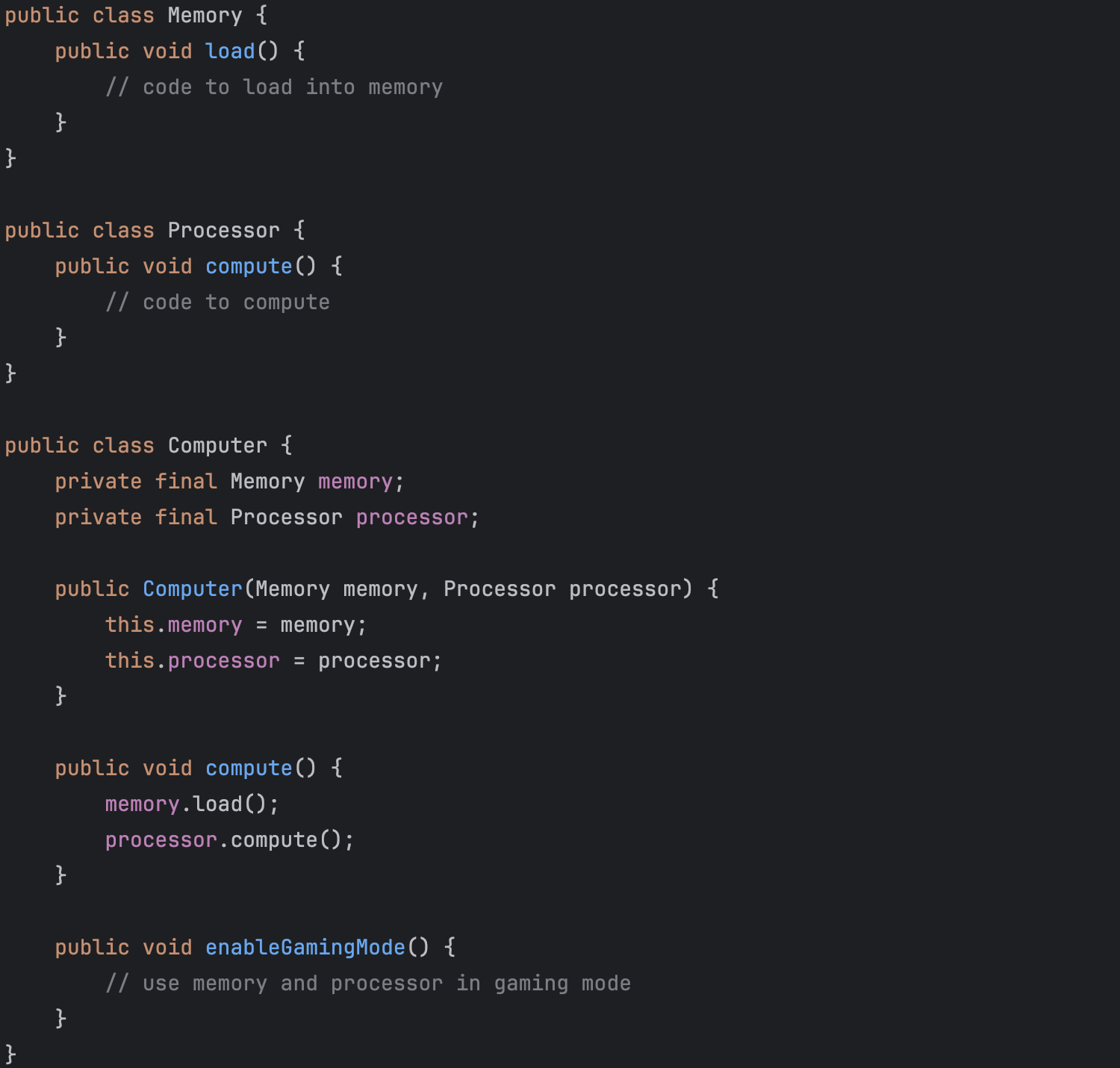
- Classes and interfaces: These define the structure and behavior of a Java program.
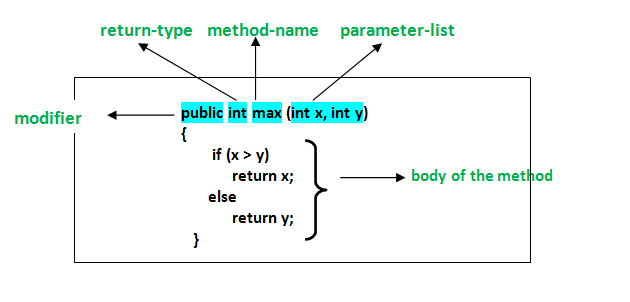
- Methods: Methods contain instructions that perform tasks.
- Variables: Variables store values, such as numbers, text, or object references.
- Packages and imports: Packages organize related code, while import statements make other classes available.
- Comments: Comments explain code to readers and are ignored by the compiler.
Java is case-sensitive, so total and Total are different names. In conventional Java projects, class names use PascalCase, while method and variable names usually use camelCase.
Why Source Code Matters
Readable source code is easier to maintain, test, and improve. Clear names, consistent formatting, and focused methods help developers understand how a program works. Comments are useful when they explain intent or important decisions, but well-written code should also communicate its purpose through its structure and naming.
Java source code is also the foundation for collaboration. Teams use version control systems to track changes, review updates, and coordinate work. Automated tests and build tools can help verify that changes behave as expected.
Getting Started
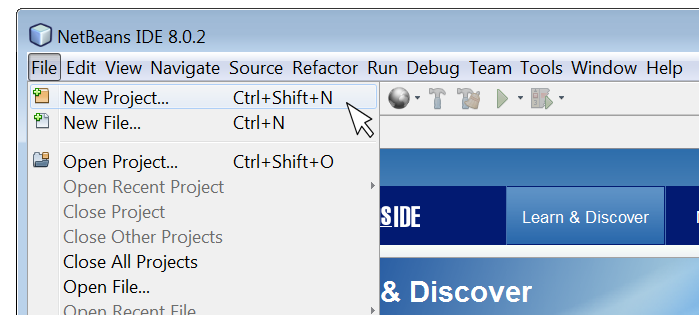
To begin writing Java source code, install a Java Development Kit (JDK), choose a text editor or integrated development environment, and create a file with a .java extension. Start with a small program, compile it, and run it. As you learn, explore variables, conditionals, loops, methods, classes, and exception handling.
Learning to read and write Java source code takes practice. By building small projects and reviewing clear examples, beginners can develop a solid understanding of how Java programs are structured and how they run.
Understanding Java Source Code: Common Questions Answered
- Is Java source code human-readable?
- Is Java a source code?
- Is Java outdated in 2026?
- Is Java built on C or C++?
- What is the source code of Java?
Is Java source code human-readable?
Yes, Java source code is human-readable: it uses familiar words, symbols, and a structured syntax that developers can write and understand. For example, a Java statement such as System.out.println("Hello, world!"); clearly indicates that text will be displayed. Although some programs can become complex, clear naming, formatting, and comments make Java source code easier to read and maintain.
Is Java a source code?
No. Java is a programming language, not source code itself. Source code is the human-readable set of instructions a programmer writes using Java, usually saved in files with the .java extension. A Java compiler then converts that source code into bytecode that can run on the Java Virtual Machine (JVM).
Is Java outdated in 2026?
No, Java is not outdated in 2026. It remains widely used for enterprise software, backend services, Android development, and large-scale systems, with ongoing updates to the language and its ecosystem. While newer languages may suit some projects better, Java continues to be a practical choice when long-term support, mature tools, performance, and a large developer community matter.
Is Java built on C or C++?
Java is not built on C or C++, though its syntax was influenced by both languages, especially C and C++. Java was designed as a separate programming language, with features such as automatic memory management and a bytecode-based runtime. Its compiler and runtime have been implemented in different languages over time, so Java itself is not simply a version of C or C++.
What is the source code of Java?
Java source code is the human-readable set of instructions written by developers to create Java programs, typically saved in files with the .java extension. A Java compiler translates this code into bytecode, which the Java Virtual Machine (JVM) executes. If you mean the source code used to build the Java platform itself, much of it is available in the OpenJDK project.