Unveiling the Genius: The Role of an Artificial Intelligence Programmer
The Role of an Artificial Intelligence Programmer
As technology continues to evolve at a rapid pace, artificial intelligence (AI) has become a cornerstone of modern innovation. At the heart of this technological revolution are artificial intelligence programmers, professionals who design and develop the algorithms and models that power intelligent systems.
What is an Artificial Intelligence Programmer?
An artificial intelligence programmer is a software engineer specializing in creating algorithms and models that enable machines to perform tasks that typically require human intelligence. These tasks include recognizing speech, understanding natural language, making decisions, and even learning from data to improve over time.
Key Responsibilities
The responsibilities of an AI programmer are diverse and challenging. They include:
- Algorithm Development: Creating algorithms that can process data efficiently and make predictions or decisions based on that data.
- Data Analysis: Analyzing large datasets to extract meaningful insights that can be used to train AI models.
- Model Training: Using machine learning techniques to train models so they can perform specific tasks effectively.
- Performance Optimization: Ensuring AI systems operate efficiently by optimizing code and improving model accuracy.
- Collaboration: Working with cross-functional teams including data scientists, product managers, and other engineers to integrate AI solutions into products or services.
Skills Required
A successful AI programmer needs a robust set of skills, including:
- Coding Proficiency: Expertise in programming languages such as Python, Java, C++, or R is essential for developing AI applications.
- Mathematics and Statistics: A strong foundation in mathematics helps understand complex algorithms and statistical methods used in machine learning.
- Machine Learning Knowledge: Familiarity with machine learning frameworks like TensorFlow or PyTorch is crucial for building models.
- Problem-Solving Skills: The ability to tackle complex problems creatively and efficiently is vital in developing innovative AI solutions.
The Impact of AI Programmers
The work of AI programmers has far-reaching implications across various industries. From healthcare to finance, their innovations are transforming how businesses operate by improving efficiency, enhancing decision-making processes, and creating new opportunities for growth. In healthcare, for example, AI programs assist doctors by providing diagnostic support through image recognition technologies. In finance, they help detect fraudulent activities by analyzing transaction patterns in real-time.
The Future of Artificial Intelligence Programming
The future looks promising for those pursuing a career as an artificial intelligence programmer. As industries continue integrating AI into their operations, the demand for skilled professionals will only increase. With advancements in deep learning technologies and natural language processing capabilities on the horizon, there are endless possibilities for innovation within this field.
An artificial intelligence programmer plays a pivotal role in shaping our technological future by creating intelligent systems capable of solving complex problems autonomously. Their expertise not only drives business success but also contributes significantly towards improving everyday life experiences worldwide through smart technology applications across various domains.
7 Essential Tips for Aspiring AI Programmers: Mastering Skills, Ethics, and Innovation
- Stay updated on the latest AI technologies and trends.
- Practice coding regularly to improve your programming skills.
- Understand the fundamentals of machine learning and neural networks.
- Collaborate with other AI programmers to learn from each other.
- Work on real-world AI projects to gain practical experience.
- Be curious and always be willing to learn new concepts in AI.
- Stay ethical in your AI development practices and consider the societal impacts.
Stay updated on the latest AI technologies and trends.
In the rapidly evolving field of artificial intelligence, staying updated on the latest technologies and trends is crucial for any AI programmer. With new advancements emerging regularly, keeping abreast of the latest developments ensures that programmers can leverage cutting-edge tools and methodologies in their work. This continuous learning not only enhances their skill set but also positions them to innovate and solve complex problems more effectively. By staying informed about breakthroughs in machine learning algorithms, data processing techniques, and AI applications across various industries, programmers can maintain a competitive edge and contribute to the development of smarter, more efficient systems. Engaging with AI communities, attending conferences, and following leading research publications are excellent ways to remain at the forefront of this dynamic field.
Practice coding regularly to improve your programming skills.
Consistent practice is crucial for anyone aspiring to excel as an artificial intelligence programmer. Regular coding not only reinforces existing knowledge but also helps in grasping new concepts and techniques more effectively. By dedicating time each day to write and debug code, programmers can enhance their problem-solving abilities and become more proficient in various programming languages essential for AI development, such as Python or Java. This continuous practice allows them to stay updated with the latest advancements in AI technologies and frameworks, ensuring they remain competitive and capable of tackling complex challenges in the field. Additionally, regular coding exercises help build a deeper understanding of algorithms and data structures, which are fundamental components of successful AI programming.
Understand the fundamentals of machine learning and neural networks.
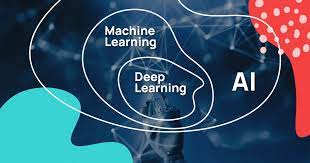
Understanding the fundamentals of machine learning and neural networks is essential for any aspiring artificial intelligence programmer. Machine learning provides the foundation for developing systems that can learn from data and improve over time without being explicitly programmed. Neural networks, a subset of machine learning, are inspired by the human brain’s structure and function, allowing computers to recognize patterns and make decisions in complex data sets. By grasping these core concepts, programmers can create more efficient algorithms, design innovative AI models, and solve real-world problems across various industries. A strong understanding of these fundamentals also enables programmers to stay ahead in a rapidly evolving field, ensuring they can adapt to new technologies and methodologies as they emerge.
Collaborate with other AI programmers to learn from each other.
Collaboration among artificial intelligence programmers is a crucial element in advancing one’s skills and staying current with the latest developments in the field. By working together, AI programmers can share insights, techniques, and innovative solutions that might not be discovered when working in isolation. This collaborative approach fosters a dynamic learning environment where individuals can gain new perspectives on problem-solving and algorithm development. Additionally, teamwork enables programmers to tackle more complex projects by leveraging diverse expertise and experiences. Engaging with peers not only enhances technical proficiency but also builds a supportive community that encourages continuous growth and adaptation in the ever-evolving landscape of artificial intelligence.
Work on real-world AI projects to gain practical experience.
Gaining practical experience by working on real-world AI projects is invaluable for aspiring artificial intelligence programmers. These projects provide a hands-on understanding of how AI algorithms and models are applied in various industries, allowing programmers to tackle real challenges and develop problem-solving skills. By engaging with actual datasets and collaborating with cross-functional teams, programmers can bridge the gap between theoretical knowledge and practical application. This experience not only enhances technical skills but also builds a portfolio that showcases the ability to deliver tangible results, making it a crucial step for anyone looking to excel in the field of artificial intelligence.
Be curious and always be willing to learn new concepts in AI.
To excel as an artificial intelligence programmer, it is essential to cultivate a curious mindset and maintain a continuous willingness to embrace new concepts in the field of AI. By staying curious, you open yourself up to exploring innovative ideas, understanding cutting-edge technologies, and adapting to the evolving landscape of artificial intelligence. This proactive approach not only enhances your problem-solving skills but also keeps you at the forefront of advancements in AI, enabling you to contribute meaningfully to groundbreaking projects and developments within the industry.
Stay ethical in your AI development practices and consider the societal impacts.
In the rapidly advancing field of artificial intelligence, staying ethical in development practices is paramount. AI programmers must be vigilant about the societal impacts their creations may have, ensuring that algorithms are designed and implemented with fairness, transparency, and accountability in mind. This involves being mindful of potential biases in data sets, respecting user privacy, and considering how AI systems might affect employment, privacy rights, and social dynamics. By prioritizing ethical considerations, AI programmers can help build trust in technology and contribute to solutions that benefit society as a whole rather than exacerbate existing inequalities or create new challenges. Making ethics a cornerstone of AI development not only fosters innovation but also ensures that technological advancements align with the broader values and needs of humanity.