

cfchris.com

Loading

lead software engineer

The Essential Role of a Lead Software Engineer in Driving Innovation

Article: Lead Software Engineer

The Role of a Lead Software Engineer

A lead software engineer plays a crucial role in the development and implementation of software projects. This position requires a unique blend of technical expertise, leadership skills, and project management abilities.

Technical Expertise

Lead software engineers are highly skilled professionals with a deep understanding of programming languages, software development methodologies, and best practices. They are responsible for designing complex systems, writing efficient code, and ensuring the overall quality of the software product.

Leadership Skills

As leaders within their teams, lead software engineers provide guidance and direction to junior developers. They mentor team members, facilitate knowledge sharing, and promote a collaborative work environment. Effective communication and decision-making are essential qualities for success in this role.

Project Management Abilities

Lead software engineers are often tasked with overseeing the entire software development lifecycle. This includes planning project timelines, setting goals and milestones, coordinating resources, and managing risks. They work closely with stakeholders to ensure that projects are delivered on time and within budget.

Conclusion

In conclusion, the role of a lead software engineer is multifaceted and demanding. It requires a unique combination of technical expertise, leadership skills, and project management abilities. Lead software engineers play a critical role in driving innovation, delivering high-quality software solutions, and leading successful development teams.


9 Essential Tips for Excelling as a Lead Software Engineer

  1. 1. Develop strong technical and leadership skills.
  2. 2. Stay updated with the latest technologies and trends in software development.
  3. 3. Foster a collaborative team environment to encourage innovation and problem-solving.
  4. 4. Prioritize tasks effectively to meet project deadlines and goals.
  5. 5. Communicate clearly and effectively with team members, stakeholders, and clients.
  6. 6. Mentor junior engineers to help them grow in their careers.
  7. 7. Take ownership of projects and drive them to successful completion.
  8. 8. Continuously seek feedback for self-improvement and growth.
  9. 9. Stay organized by using project management tools and techniques.

1. Develop strong technical and leadership skills.

To excel as a lead software engineer, it is essential to focus on developing strong technical and leadership skills. Mastering programming languages, understanding software development methodologies, and staying updated on industry trends will enhance your technical expertise. Additionally, honing leadership abilities such as effective communication, mentorship, and decision-making will empower you to guide and inspire your team towards success. Striking a balance between technical proficiency and leadership acumen is key to thriving in the dynamic and challenging role of a lead software engineer.

It is essential for a lead software engineer to stay updated with the latest technologies and trends in software development. By staying informed about new tools, frameworks, and methodologies, a lead software engineer can ensure that their team is utilizing the most efficient and effective solutions for project development. Keeping abreast of industry advancements also allows them to make informed decisions, adapt to changing requirements, and maintain a competitive edge in the fast-paced world of software engineering.

3. Foster a collaborative team environment to encourage innovation and problem-solving.

Fostering a collaborative team environment is essential for a lead software engineer to encourage innovation and problem-solving. By promoting open communication, sharing ideas, and working together towards common goals, team members can leverage their diverse skills and perspectives to tackle complex challenges effectively. A collaborative atmosphere not only boosts creativity but also enhances productivity, leading to the development of innovative solutions that drive continuous improvement within the team and contribute to the overall success of software projects.

4. Prioritize tasks effectively to meet project deadlines and goals.

Effective task prioritization is essential for lead software engineers to successfully meet project deadlines and goals. By prioritizing tasks based on their importance and urgency, lead software engineers can ensure that critical aspects of the project are addressed first, maximizing productivity and minimizing delays. This approach helps in maintaining focus, allocating resources efficiently, and ultimately delivering high-quality software solutions within the specified timeframe.

5. Communicate clearly and effectively with team members, stakeholders, and clients.

To excel as a lead software engineer, it is essential to prioritize clear and effective communication with team members, stakeholders, and clients. Open and transparent communication fosters collaboration, ensures alignment on project goals, and helps in managing expectations. By articulating ideas, requirements, and progress in a concise manner, lead software engineers can build trust, resolve issues efficiently, and ultimately deliver successful software projects that meet the needs of all involved parties.

6. Mentor junior engineers to help them grow in their careers.

Mentoring junior engineers is a crucial aspect of being a lead software engineer. By guiding and supporting less experienced team members, lead software engineers not only contribute to the growth and development of junior engineers but also help build a strong and capable team. Providing mentorship creates a positive learning environment where junior engineers can enhance their skills, gain valuable insights, and progress in their careers. This collaborative approach fosters a culture of continuous learning and improvement within the team, ultimately leading to greater success in software development projects.

7. Take ownership of projects and drive them to successful completion.

Taking ownership of projects and driving them to successful completion is a key trait of a lead software engineer. By assuming responsibility for the entire project lifecycle, from planning to execution, a lead software engineer demonstrates leadership and commitment to achieving goals. This proactive approach not only ensures that projects are delivered on time and within scope but also fosters a sense of accountability within the development team. Embracing ownership empowers lead software engineers to make informed decisions, overcome challenges, and ultimately drive innovation in software development processes.

8. Continuously seek feedback for self-improvement and growth.

Continuously seeking feedback is a valuable tip for lead software engineers looking to enhance their skills and foster personal growth. By actively soliciting input from colleagues, team members, and supervisors, lead software engineers can gain valuable insights into their performance, identify areas for improvement, and refine their leadership approach. Embracing feedback as a tool for self-improvement not only helps lead software engineers enhance their technical abilities but also strengthens their communication skills and fosters a culture of continuous learning within their teams.

9. Stay organized by using project management tools and techniques.

Staying organized is essential for a lead software engineer to effectively manage projects and teams. Utilizing project management tools and techniques can streamline workflows, improve communication, and ensure that tasks are completed on time. By implementing tools such as task trackers, Gantt charts, and agile methodologies, lead software engineers can maintain clarity on project progress, identify potential bottlenecks, and allocate resources efficiently. Embracing these organizational strategies helps lead software engineers stay on top of deadlines and deliver high-quality software solutions effectively.
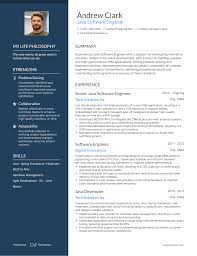

java software engineer

Mastering the Role of a Java Software Engineer: A Guide to Success

Article: Java Software Engineer

The Role of a Java Software Engineer

Java software engineers play a crucial role in the development of various software applications and systems. They are responsible for designing, implementing, and maintaining Java-based solutions that meet the specific needs of clients or organizations.

Key Responsibilities

As a Java software engineer, one must have a strong understanding of Java programming language and its frameworks. Some key responsibilities include:

  • Developing high-quality software solutions using Java technologies
  • Collaborating with cross-functional teams to design and implement new features
  • Testing and debugging code to ensure optimal performance
  • Optimizing applications for scalability and efficiency
  • Maintaining existing software systems by troubleshooting issues and implementing updates

Skills Required

To excel as a Java software engineer, one should possess the following skills:

  • Proficiency in Java programming language and related technologies (e.g., Spring, Hibernate)
  • Strong problem-solving abilities and attention to detail
  • Knowledge of software development best practices and design patterns
  • Experience with database management systems (e.g., SQL, Oracle)
  • Excellent communication skills for effective collaboration with team members

Career Outlook

The demand for skilled Java software engineers continues to grow as businesses rely on custom software solutions to streamline operations and enhance customer experiences. With the right expertise and experience, Java software engineers can pursue rewarding career opportunities in various industries.

Conclusion

In conclusion, being a Java software engineer requires a blend of technical proficiency, problem-solving skills, and collaboration abilities. By staying updated on industry trends and continuously honing their craft, Java software engineers can make significant contributions to the development of innovative software solutions.


5 Essential Tips for Excelling as a Java Software Engineer

  1. Focus on mastering core Java concepts and language features.
  2. Practice regularly by working on coding challenges and personal projects.
  3. Stay updated with the latest trends and technologies in the Java ecosystem.
  4. Collaborate with other developers to learn from their experiences and improve your skills.
  5. Develop strong problem-solving abilities to tackle complex software engineering tasks efficiently.

Focus on mastering core Java concepts and language features.

To excel as a Java software engineer, it is essential to focus on mastering core Java concepts and language features. Understanding the fundamentals of Java programming lays a solid foundation for building complex applications and solving challenging problems efficiently. By honing your skills in core Java concepts such as object-oriented programming, data structures, and algorithms, you can enhance your ability to write robust and efficient code. Continuous learning and practice in mastering these fundamental aspects of Java will not only make you a proficient software engineer but also enable you to adapt to new technologies and frameworks effectively.

Practice regularly by working on coding challenges and personal projects.

To excel as a Java software engineer, it is essential to practice regularly by engaging in coding challenges and personal projects. By tackling various coding problems and working on personal projects, Java software engineers can enhance their problem-solving skills, deepen their understanding of Java programming concepts, and stay abreast of industry trends. This hands-on experience not only helps in sharpening technical abilities but also fosters creativity and innovation in developing robust software solutions. Regular practice through coding challenges and personal projects is a valuable way for Java software engineers to continuously improve their skills and stay competitive in the ever-evolving tech landscape.

To excel as a Java software engineer, it is essential to stay updated with the latest trends and technologies in the Java ecosystem. By keeping abreast of advancements in Java programming language, frameworks, and tools, software engineers can enhance their skills, stay competitive in the job market, and deliver innovative solutions that meet evolving industry standards. Continuous learning and adaptation to new technologies not only broaden one’s knowledge base but also ensure the development of robust and efficient software applications that cater to the dynamic needs of clients and organizations.

Collaborate with other developers to learn from their experiences and improve your skills.

Collaborating with other developers is a valuable tip for Java software engineers looking to enhance their skills and knowledge. By working closely with peers, you can gain insights from their experiences, learn new techniques, and discover best practices in Java development. This collaborative approach not only fosters a sense of teamwork but also provides opportunities for personal growth and professional development. Sharing ideas and learning from others can help you expand your skill set and become a more proficient Java software engineer in the ever-evolving tech industry.

Develop strong problem-solving abilities to tackle complex software engineering tasks efficiently.

Developing strong problem-solving abilities is essential for Java software engineers to tackle complex software engineering tasks efficiently. By honing this skill, engineers can approach challenges methodically, analyze problems from different angles, and devise effective solutions. Whether debugging code, optimizing performance, or implementing new features, the ability to solve problems efficiently not only enhances productivity but also contributes to the overall quality of software development projects. Continuous practice and exposure to diverse scenarios can further sharpen a Java software engineer’s problem-solving skills and enable them to excel in their role.

software development

Mastering the Art of Software Development: A Guide to Success

The World of Software Development

The World of Software Development

Software development is a dynamic and ever-evolving field that plays a crucial role in shaping the digital landscape of today’s world. From mobile applications to complex enterprise systems, software development encompasses a wide range of activities that involve designing, coding, testing, and maintaining software applications.

The Process of Software Development

Software development typically follows a structured process that includes several key stages:

  1. Requirements Gathering: This stage involves understanding the needs and objectives of the software project through discussions with stakeholders.
  2. Design: In this phase, developers create a blueprint for the software solution, outlining its architecture and functionality.
  3. Implementation: Developers write code based on the design specifications, turning concepts into working software.
  4. Testing: Testing is essential to ensure that the software functions as intended and meets quality standards.
  5. Deployment: Once testing is complete, the software is deployed to production environments for end-users to access.
  6. Maintenance: Ongoing maintenance and updates are crucial to keep the software running smoothly and address any issues that may arise.

The Role of Software Developers

Software developers are at the heart of the software development process. They are responsible for writing code, debugging applications, and collaborating with other team members to deliver high-quality software solutions. Developers often specialize in specific programming languages or technologies based on their expertise and interests.

The Future of Software Development

The future of software development looks promising with advancements in technologies such as artificial intelligence, cloud computing, and Internet of Things (IoT). These innovations are reshaping how software is developed and deployed, opening up new possibilities for creating innovative solutions that can transform industries and improve people’s lives.

In conclusion, software development is an exciting field that continues to evolve with changing technology trends. Whether you’re a seasoned developer or just starting your journey in programming, there’s always something new to learn and explore in the world of software development.


6 Essential Tips for Effective Software Development

  1. Write clean and readable code for easier maintenance.
  2. Use version control to track changes and collaborate with others.
  3. Write unit tests to ensure code quality and catch bugs early.
  4. Document your code to make it easier for others to understand.
  5. Follow best practices and design patterns for efficient development.
  6. Continuously learn and improve your skills to stay updated with the latest technologies.

Write clean and readable code for easier maintenance.

Writing clean and readable code is a fundamental tip in software development that significantly enhances the maintainability of a project. When code is well-organized and easy to understand, it not only makes it simpler for developers to identify and fix bugs but also aids in adding new features or making modifications in the future. By following this best practice, developers can save time and effort during maintenance tasks, leading to a more efficient and sustainable software development process overall.

Use version control to track changes and collaborate with others.

Utilizing version control is a fundamental practice in software development that allows developers to track changes, manage revisions, and collaborate effectively with team members. By using version control systems like Git, developers can easily keep track of modifications made to code, revert to previous versions if needed, and work seamlessly with others on the same project. This ensures better organization, transparency, and efficiency throughout the development process, enabling teams to work together harmoniously and produce high-quality software products.

Write unit tests to ensure code quality and catch bugs early.

Writing unit tests is a crucial practice in software development to uphold code quality and detect bugs at an early stage. By creating unit tests that validate the functionality of individual components of the code, developers can identify issues promptly and ensure that the software performs as intended. Unit testing not only helps in maintaining the reliability of the codebase but also streamlines the debugging process, saving time and effort in the long run. Embracing unit testing as a standard practice can significantly enhance the overall quality and robustness of software applications.

Document your code to make it easier for others to understand.

Documenting your code is a crucial tip in software development as it helps make the codebase more accessible and understandable to others. By adding clear and concise comments, explanations, and documentation throughout your code, you not only enhance its readability but also facilitate collaboration among team members. Documented code serves as a valuable resource for future reference, troubleshooting, and maintenance, ensuring that developers can easily grasp the logic and functionality of the codebase, leading to more efficient and effective software development processes.

Follow best practices and design patterns for efficient development.

Following best practices and design patterns in software development is essential for ensuring efficient and effective development processes. By adhering to established standards and principles, developers can streamline their workflows, improve code quality, and enhance the maintainability of their software projects. Best practices and design patterns provide a structured approach to problem-solving, helping developers create scalable, robust, and reusable solutions that meet industry standards. Embracing these guidelines not only promotes consistency within development teams but also fosters innovation and continuous improvement in software development practices.

Continuously learn and improve your skills to stay updated with the latest technologies.

To thrive in the fast-paced world of software development, it is essential to embrace a mindset of continuous learning and skill improvement. By staying updated with the latest technologies and trends in the industry, developers can enhance their expertise, adapt to changing demands, and remain competitive in the ever-evolving landscape of software development. Investing time and effort in ongoing learning not only expands one’s knowledge base but also fosters innovation and ensures that developers are well-equipped to tackle new challenges with confidence and proficiency.