cfchris.com

Loading

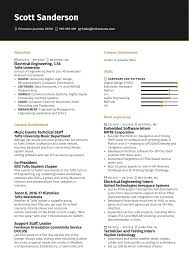
junior software engineer

Exploring the Journey of a Junior Software Engineer: Path to Success

Article: Junior Software Engineer

The Role of a Junior Software Engineer

A junior software engineer plays a crucial role in the development and maintenance of software applications. This entry-level position is perfect for individuals who have recently graduated from college or have limited professional experience in the field of software development.

Responsibilities

Junior software engineers work under the guidance of senior developers and team leads to learn and contribute to various aspects of the software development lifecycle. Their responsibilities may include:

  • Writing code based on design specifications
  • Testing and debugging software applications
  • Collaborating with team members on projects
  • Participating in code reviews and providing feedback
  • Learning new technologies and tools to enhance skills

Skills Required

To excel as a junior software engineer, individuals need to have a solid foundation in programming languages such as Java, C++, Python, or JavaScript. Additionally, they should possess strong problem-solving skills, attention to detail, and a willingness to learn and adapt to new challenges.

Career Growth

With dedication and continuous learning, junior software engineers can advance their careers by taking on more complex projects and eventually transitioning into roles with greater responsibilities. By gaining hands-on experience and expanding their technical skills, they can progress to become senior developers, architects, or project managers in the future.

Conclusion

In conclusion, a career as a junior software engineer offers an exciting opportunity for individuals passionate about technology and programming. It serves as a stepping stone towards a successful career in the dynamic field of software development, where innovation and creativity are key drivers of success.


6 Benefits of Being a Junior Software Engineer: Learning, Growth, and Real-World Impact

  1. Opportunity to learn and gain hands-on experience in software development.
  2. Exposure to a variety of programming languages, tools, and technologies.
  3. Collaboration with experienced senior developers for mentorship and guidance.
  4. Potential for career growth and advancement within the tech industry.
  5. Contribution to real-world projects that have an impact on users and businesses.
  6. Chance to be part of a dynamic and innovative team environment.


Challenges Faced by Junior Software Engineers: Navigating Experience, Guidance, and Growth

  1. Limited experience may lead to slower productivity compared to senior developers.
  2. May require more supervision and guidance from senior team members.
  3. Challenges in handling complex technical issues due to lack of expertise.
  4. Potential for making more errors or bugs in code during the learning phase.
  5. Salary may be lower than that of experienced software engineers.
  6. Limited opportunities for decision-making and autonomy in project management.

Opportunity to learn and gain hands-on experience in software development.

The role of a junior software engineer offers a valuable opportunity for individuals to immerse themselves in the world of software development, providing a platform to learn and gain hands-on experience. By working closely with experienced developers and participating in real-world projects, junior software engineers can enhance their skills, expand their knowledge, and build a solid foundation for a successful career in the ever-evolving tech industry. This firsthand experience not only accelerates their professional growth but also equips them with the practical expertise needed to tackle complex challenges and contribute meaningfully to innovative software solutions.

Exposure to a variety of programming languages, tools, and technologies.

Junior software engineers benefit greatly from exposure to a variety of programming languages, tools, and technologies. This diverse experience not only broadens their skill set but also enhances their problem-solving abilities and adaptability. By working with different technologies, they gain valuable insights into various development practices and industry trends, which ultimately contribute to their growth as well-rounded professionals in the field of software engineering.

Collaboration with experienced senior developers for mentorship and guidance.

Collaboration with experienced senior developers provides junior software engineers with invaluable mentorship and guidance as they navigate the complexities of software development. By working closely with seasoned professionals, junior engineers have the opportunity to learn best practices, receive feedback on their work, and gain insights into industry standards. This mentorship not only accelerates their learning curve but also fosters a supportive environment where they can ask questions, seek advice, and grow both technically and professionally. The knowledge and expertise passed down from senior developers empower junior software engineers to develop their skills, build confidence in their abilities, and ultimately contribute effectively to the success of the team.

Potential for career growth and advancement within the tech industry.

Junior software engineers have the exciting pro of vast potential for career growth and advancement within the tech industry. Starting at this entry-level position opens doors to a world of opportunities where individuals can progress to more challenging roles, such as senior developers, technical architects, or project managers. By continuously honing their skills, gaining experience, and staying abreast of emerging technologies, junior software engineers can carve out a rewarding career path in the dynamic and ever-evolving tech sector.

Contribution to real-world projects that have an impact on users and businesses.

Junior software engineers have the valuable opportunity to contribute to real-world projects that directly impact users and businesses. By actively participating in the development of software applications, they play a crucial role in creating solutions that improve user experiences, streamline business operations, and drive innovation. This hands-on experience not only enhances their technical skills but also allows them to see the tangible results of their work, making their contributions meaningful and rewarding.

Chance to be part of a dynamic and innovative team environment.

Being a junior software engineer provides the exciting opportunity to be part of a dynamic and innovative team environment. Collaborating with experienced developers and professionals in the field allows junior engineers to contribute fresh ideas, learn from seasoned experts, and actively participate in cutting-edge projects. This collaborative atmosphere fosters creativity, encourages continuous learning, and promotes a culture of innovation that propels both personal growth and the success of the team as a whole.

Limited experience may lead to slower productivity compared to senior developers.

One disadvantage of being a junior software engineer is that their limited experience in the field may result in slower productivity when compared to senior developers. Due to their lack of exposure to complex projects and advanced coding techniques, junior engineers may take more time to complete tasks and troubleshoot issues. This learning curve can lead to delays in project timelines and potentially impact team efficiency. However, with proper guidance, mentorship, and continuous learning opportunities, junior software engineers can overcome this challenge and gradually improve their productivity over time.

May require more supervision and guidance from senior team members.

One significant drawback of being a junior software engineer is the potential need for increased supervision and guidance from senior team members. While this support is essential for learning and professional growth, it can sometimes lead to a sense of dependency and limited autonomy in decision-making. Junior engineers may find themselves relying heavily on senior colleagues for direction, which can impact their confidence and ability to work independently on projects. Balancing the need for mentorship with the desire to develop self-reliance is a challenge that junior software engineers often face as they navigate their early career stages.

Challenges in handling complex technical issues due to lack of expertise.

Junior software engineers often face challenges in handling complex technical issues due to their limited expertise and experience in the field. When confronted with intricate problems that require advanced knowledge and skills, junior engineers may struggle to find effective solutions or may take longer to resolve the issues. This can lead to delays in project timelines and potential setbacks in the development process. To overcome this con, junior software engineers can seek guidance from more experienced team members, engage in continuous learning opportunities, and actively participate in training programs to enhance their technical proficiency and problem-solving capabilities.

Potential for making more errors or bugs in code during the learning phase.

During the learning phase, junior software engineers may face the con of a higher potential for making errors or introducing bugs in their code. As they are still developing their skills and gaining experience, they may overlook certain details or make mistakes that could impact the functionality of the software. This can lead to additional time spent on debugging and fixing issues, potentially delaying project timelines. However, with proper guidance, mentorship, and a focus on continuous learning and improvement, junior software engineers can gradually reduce the occurrence of errors and enhance their coding proficiency over time.

Salary may be lower than that of experienced software engineers.

One significant drawback for junior software engineers is that their salary may be lower compared to experienced software engineers in the industry. This wage gap reflects the level of experience and expertise, with junior positions typically offering entry-level compensation. While this can be a challenging aspect for those starting their careers, gaining valuable experience and skills in the field can lead to salary advancements and career growth over time. It is essential for junior software engineers to focus on building their capabilities and proving their worth to eventually progress to higher-paying roles within the software development field.

Limited opportunities for decision-making and autonomy in project management.

One significant drawback for junior software engineers is the limited opportunities for decision-making and autonomy in project management. Due to their entry-level position, junior engineers often have less control over project direction and decision-making processes. This lack of autonomy can hinder their ability to showcase their problem-solving skills and creativity, as they may be required to follow the lead of senior team members. As a result, junior software engineers may feel constrained in their professional growth and development, impacting their overall job satisfaction and sense of ownership in project outcomes.

software development courses

Unlock Your Potential with Software Development Courses: Master New Skills Today!

Article: Software Development Courses

The Importance of Software Development Courses

Software development is a rapidly growing field with a high demand for skilled professionals. Whether you are looking to start a career in software development or enhance your existing skills, taking software development courses can be highly beneficial.

Benefits of Software Development Courses

**Skill Enhancement**: Software development courses provide you with the opportunity to enhance your programming skills and stay updated with the latest technologies and trends in the industry.

**Career Advancement**: By acquiring new skills and knowledge through software development courses, you can improve your career prospects and unlock new opportunities for growth and advancement.

**Hands-On Experience**: Many software development courses offer hands-on projects and real-world applications, allowing you to gain practical experience and build a strong portfolio of work.

Popular Topics Covered in Software Development Courses

**Programming Languages**: Courses cover popular programming languages such as Java, Python, C++, and JavaScript, among others.

**Web Development**: Learn how to create dynamic websites and web applications using HTML, CSS, and various web development frameworks.

**Mobile App Development**: Explore mobile app development for iOS and Android platforms, including app design, user interface development, and testing.

Conclusion

Whether you are a beginner or an experienced developer, enrolling in software development courses can help you stay competitive in the ever-evolving tech industry. Invest in your education today and take your software development skills to the next level!


7 Benefits of Software Development Courses: Boost Your Skills, Career, and Portfolio

  1. Enhance programming skills
  2. Stay updated with industry trends
  3. Improve career prospects
  4. Gain hands-on experience
  5. Build a strong portfolio
  6. Learn popular programming languages
  7. Explore web and mobile app development


Challenges of Software Development Courses: High Costs, Time Investment, and Keeping Up with Rapid Technological Changes

  1. Costly
  2. Time-Consuming
  3. Rapid Technological Changes

Enhance programming skills

Enrolling in software development courses offers a valuable opportunity to enhance programming skills. These courses provide a structured learning environment where individuals can deepen their understanding of coding principles, algorithms, and best practices. By practicing coding exercises, working on real-world projects, and receiving feedback from experienced instructors, students can sharpen their programming abilities and become more proficient in writing efficient and robust code. Ultimately, enhancing programming skills through software development courses equips individuals with the expertise needed to tackle complex challenges and excel in the competitive field of software development.

Staying updated with industry trends is a key advantage of enrolling in software development courses. These courses provide valuable insights into the latest technologies, tools, and best practices that are shaping the software development landscape. By staying current with industry trends, students can ensure that their skills remain relevant and in-demand, positioning themselves as competitive professionals in the ever-evolving field of software development.

Improve career prospects

Taking software development courses can significantly improve your career prospects by equipping you with valuable skills and knowledge that are in high demand in the tech industry. Employers are constantly seeking professionals with up-to-date expertise in programming languages, development tools, and best practices. By investing in software development courses, you demonstrate your commitment to continuous learning and skill enhancement, making yourself a more attractive candidate for job opportunities and career advancement.

Gain hands-on experience

One significant advantage of enrolling in software development courses is the opportunity to gain hands-on experience. These courses often include practical projects and real-world applications that allow students to apply their theoretical knowledge in a practical setting. By working on these hands-on projects, learners can develop essential skills, build a strong portfolio, and enhance their problem-solving abilities. This experiential learning approach not only deepens understanding but also prepares individuals for the challenges they may face in the field of software development.

Build a strong portfolio

Building a strong portfolio is a significant advantage of taking software development courses. Through hands-on projects and real-world applications offered in these courses, individuals can showcase their skills and expertise to potential employers or clients. A robust portfolio not only demonstrates proficiency in various programming languages and technologies but also highlights the ability to solve complex problems and deliver high-quality solutions. Having a diverse portfolio can set individuals apart in the competitive tech industry and open doors to exciting career opportunities.

One significant advantage of enrolling in software development courses is the opportunity to learn popular programming languages. These courses provide a structured environment where individuals can gain proficiency in languages such as Java, Python, C++, and JavaScript. By mastering these widely-used languages, students can enhance their coding skills, broaden their understanding of software development principles, and increase their employability in the competitive tech industry.

Explore web and mobile app development

Exploring web and mobile app development is a key advantage of software development courses. These courses provide valuable insights and hands-on experience in creating dynamic websites, user-friendly web applications, and innovative mobile apps for various platforms. By delving into web and mobile app development through these courses, individuals can acquire the skills needed to design responsive interfaces, implement functionality, and optimize user experiences, preparing them for exciting opportunities in the ever-expanding digital landscape.

Costly

Software development courses can be costly, particularly when provided by reputable institutions or focusing on advanced topics. The expense involved in enrolling in such courses can be a significant barrier for individuals looking to enhance their skills or pursue a career in software development. Despite the high cost, many learners find the investment worthwhile due to the quality of education and the potential career opportunities that advanced software development knowledge can unlock.

Time-Consuming

Completing a software development course can be time-consuming, posing a challenge for individuals with packed schedules. The significant time commitment needed to grasp complex programming concepts and complete hands-on projects may deter some from pursuing such courses. Balancing work, personal commitments, and dedicating ample time to learning new skills can be daunting. Time management becomes crucial when considering enrolling in software development courses to ensure successful completion while juggling other responsibilities.

Rapid Technological Changes

The rapid technological changes in the field of software development pose a significant challenge for course materials to remain up-to-date. As new technologies emerge and existing ones evolve, there is a risk that some software development courses may become outdated, potentially creating gaps in knowledge for learners. Staying current with the latest trends and advancements in the industry is crucial to ensure that students receive relevant and practical training that prepares them for the ever-changing landscape of software development.

rmit software engineering

Exploring the World of RMIT Software Engineering: Bridging Theory and Practice

RMIT Software Engineering

The World of RMIT Software Engineering

RMIT University offers a cutting-edge Software Engineering program that equips students with the skills and knowledge needed to thrive in the dynamic field of software development.

Why Choose RMIT for Software Engineering?

RMIT stands out for its industry-focused curriculum that combines theoretical learning with hands-on experience. Students have access to state-of-the-art facilities and are taught by experienced professionals who are actively involved in the tech industry.

Key Features of the Program

  • Practical Projects: Students work on real-world projects that simulate industry scenarios, allowing them to apply their knowledge in a practical setting.
  • Industry Connections: RMIT has strong ties with leading tech companies, providing students with networking opportunities and potential pathways to internships and job placements.
  • Specialization Options: The program offers various specialization tracks, such as software development, cybersecurity, mobile app development, and more, allowing students to tailor their studies to their interests.
  • Cutting-Edge Technologies: Students learn about the latest technologies and tools used in the software engineering field, ensuring they stay ahead of industry trends.
  • Career Support: RMIT provides career guidance and support services to help students transition smoothly into the workforce upon graduation.

Career Opportunities for RMIT Software Engineering Graduates

RMIT Software Engineering graduates are well-equipped to pursue diverse career paths in the tech industry. They can work as software developers, systems analysts, IT consultants, project managers, cybersecurity specialists, and more. The demand for skilled software engineers continues to grow across various sectors, making this a promising career choice for aspiring technologists.

In conclusion, RMIT’s Software Engineering program offers a comprehensive education that prepares students for success in the ever-evolving world of technology. With a focus on practical skills, industry connections, and cutting-edge knowledge, graduates emerge as confident professionals ready to make an impact in the digital landscape.


Top 5 Benefits of RMIT’s Software Engineering Program: Industry Focus, Real-World Experience, and More

  1. Industry-focused curriculum
  2. Hands-on experience with real-world projects
  3. Strong industry connections for networking and career opportunities
  4. Specialization options in various tech fields
  5. Access to cutting-edge technologies and tools


Challenges of Pursuing Software Engineering at RMIT: Key Concerns for Students

  1. High Tuition Fees
  2. Heavy Workload
  3. Limited Elective Options
  4. Competitive Environment
  5. Limited Practical Experience
  6. Potential for Outdated Curriculum

Industry-focused curriculum

The industry-focused curriculum of RMIT’s Software Engineering program sets it apart by providing students with practical, real-world learning experiences that mirror the challenges and demands of the tech industry. By integrating industry-relevant projects, case studies, and guest lectures from professionals, students gain valuable insights and skills that directly translate to their future careers. This hands-on approach ensures that graduates are well-prepared to navigate the complexities of the software engineering field and make an immediate impact in the industry upon graduation.

Hands-on experience with real-world projects

One of the key advantages of RMIT’s Software Engineering program is the emphasis on hands-on experience through real-world projects. By working on practical assignments that mirror industry scenarios, students gain valuable skills and insights that go beyond theoretical knowledge. This approach not only enhances their problem-solving abilities but also prepares them to tackle challenges they may encounter in their future careers as software engineers. The opportunity to apply classroom learning to actual projects equips RMIT students with a competitive edge and a deeper understanding of the complexities of software development in a professional setting.

Strong industry connections for networking and career opportunities

RMIT’s Software Engineering program stands out for its strong industry connections, providing students with invaluable networking opportunities and paving the way for promising career prospects. Through collaborations with leading tech companies, students can engage with industry professionals, gain insights into real-world practices, and potentially secure internships or job placements. These connections not only enhance the academic experience but also offer a direct pathway for students to establish themselves in the competitive tech industry upon graduation.

Specialization options in various tech fields

RMIT’s Software Engineering program stands out for its diverse specialization options in various tech fields. Students have the opportunity to tailor their studies to their specific interests and career goals by choosing tracks such as software development, cybersecurity, mobile app development, and more. This flexibility allows students to delve deep into their preferred areas of expertise, gaining specialized knowledge and skills that are highly sought after in the tech industry. By offering a range of specialization options, RMIT ensures that graduates are well-prepared to excel in their chosen field upon completing the program.

Access to cutting-edge technologies and tools

RMIT Software Engineering program provides students with a significant advantage by granting access to cutting-edge technologies and tools. This exposure enables students to stay abreast of the latest advancements in the field, preparing them to tackle real-world challenges with confidence and innovation. By working with state-of-the-art resources, students can enhance their skills and develop a deep understanding of industry-relevant technologies, positioning them as competitive professionals in the ever-evolving landscape of software engineering.

High Tuition Fees

The RMIT Software Engineering program, while offering exceptional education and opportunities, may pose a financial challenge for some students due to its high tuition fees. The cost of attending the program can be a deterrent for individuals seeking quality education but facing financial constraints. It is important for prospective students to carefully consider their financial situation and explore available scholarships or financial aid options to make informed decisions regarding their educational pursuits.

Heavy Workload

The Software Engineering program at RMIT University is known to present a challenge in the form of a heavy workload. Students enrolled in the program often find themselves juggling multiple assignments, projects, and deadlines, which can be demanding. To succeed in this environment, students must learn to effectively manage their time and prioritize tasks to ensure they meet the rigorous academic requirements of the program. The heavy workload serves as a test of resilience and time management skills, preparing students for the fast-paced nature of the tech industry upon graduation.

Limited Elective Options

Some students pursuing RMIT’s Software Engineering program may encounter a con in the form of limited elective options. While the program provides a strong foundation in software engineering principles, some individuals might feel constrained by the lack of diverse elective courses to choose from. This limitation could potentially restrict students’ ability to explore specific areas of interest or tailor their studies to align with their career goals. It is important for students to carefully consider this aspect and assess whether the available elective options adequately meet their academic and professional needs within the program.

Competitive Environment

In the realm of RMIT Software Engineering, one notable challenge lies in the competitive academic environment fostered by the high caliber of students at the university. The rigorous standards and talent pool can create a highly competitive atmosphere, pushing students to strive for excellence and continuously elevate their skills. While this environment can be demanding, it also serves as a catalyst for growth and encourages students to push their boundaries, fostering a culture of innovation and achievement within the program.

Limited Practical Experience

Some students enrolled in RMIT’s Software Engineering program may encounter a con related to limited practical experience. Although the program incorporates practical projects, there might be a perception among some students that additional hands-on opportunities could significantly enrich their learning experience. Expanding the scope of hands-on activities could potentially bridge the gap between theoretical knowledge and real-world application, providing students with a more comprehensive skill set and better preparing them for the challenges of the software engineering industry.

Potential for Outdated Curriculum

In the realm of RMIT Software Engineering, a notable concern revolves around the potential for an outdated curriculum. Given the fast-paced nature of the software engineering industry, there exists a risk that certain aspects of the program’s curriculum could lag behind current trends and advancements. This drawback underscores the importance of continuous curriculum review and updates to ensure that students are equipped with the most relevant and up-to-date knowledge and skills needed to thrive in today’s dynamic tech landscape.