cfchris.com

Loading

deepmind ai

Exploring the Cutting-Edge Innovations of DeepMind AI

DeepMind AI: Pioneering the Future of Artificial Intelligence

DeepMind AI: Pioneering the Future of Artificial Intelligence

DeepMind, a leading artificial intelligence company, has been at the forefront of AI research and development since its inception in 2010. Acquired by Google in 2014, DeepMind’s mission is to “solve intelligence and then use that to solve everything else.” With groundbreaking advancements and a commitment to ethical AI, DeepMind continues to push the boundaries of what artificial intelligence can achieve.

The Origins of DeepMind

Founded by Demis Hassabis, Shane Legg, and Mustafa Suleyman, DeepMind began with a simple yet ambitious goal: to create advanced AI systems capable of learning and problem-solving like humans. The company’s early work focused on developing algorithms that could learn from raw data without human intervention.

Key Achievements

DeepMind gained international recognition with several high-profile achievements:

  • AlphaGo: In 2016, DeepMind’s AlphaGo program defeated world champion Go player Lee Sedol in a historic match. This victory demonstrated the potential of AI to tackle complex tasks previously thought beyond its reach.
  • AlphaFold: In 2020, DeepMind’s AlphaFold made significant strides in predicting protein structures—a critical challenge in biology. This breakthrough has the potential to revolutionize drug discovery and disease understanding.
  • Muzero: Muzero is an advanced reinforcement learning algorithm capable of mastering games like chess, shogi, and Go without prior knowledge of their rules. This innovation marks a step towards more generalizable AI systems.

The Ethics of Artificial Intelligence

DeepMind is committed to ensuring that its technologies are developed responsibly. The company has established an ethics board and actively engages with experts across various fields to address potential societal impacts. Transparency and collaboration are key components of DeepMind’s approach to ethical AI development.

The Future of DeepMind

As DeepMind continues its research journey, it remains focused on creating AI systems that can assist in solving some of humanity’s most pressing challenges. From healthcare innovations to climate modeling, the potential applications for DeepMind’s technologies are vast and varied.

The future promises even more exciting developments as DeepMind works towards its vision of unlocking the full potential of artificial intelligence for the betterment of society.

Conclusion

DeepMind stands as a beacon in the world of artificial intelligence research. Its achievements not only showcase technological prowess but also highlight the importance of ethical considerations in advancing AI capabilities. As we look ahead, DeepMind’s work will undoubtedly continue to shape our understanding and utilization of artificial intelligence across diverse domains.


Exploring DeepMind AI: Ownership, Functionality, and Comparisons with OpenAI

  1. Which is better OpenAI or DeepMind?
  2. Is DeepMind still owned by Google?
  3. What is DeepMind AI?
  4. Is DeepMind better than OpenAI?
  5. What does Google DeepMind do?
  6. What does DeepMind AI do?

Which is better OpenAI or DeepMind?

When comparing OpenAI and DeepMind, it’s important to recognize that both organizations are leaders in the field of artificial intelligence, each with its own strengths and focus areas. OpenAI is renowned for its work on language models, such as GPT-3, which have set new standards in natural language processing. DeepMind, on the other hand, has made significant strides in reinforcement learning and problem-solving with projects like AlphaGo and AlphaFold. The question of which is better largely depends on the specific criteria one values—be it advancements in language understanding or breakthroughs in complex problem-solving. Ultimately, both entities contribute significantly to AI research and development, driving innovation while addressing ethical considerations.

Is DeepMind still owned by Google?

Yes, DeepMind is still owned by Google. The company was acquired by Google in 2014 and has since operated as a subsidiary under the umbrella of Alphabet Inc., Google’s parent company. This acquisition has allowed DeepMind to leverage Google’s vast resources and infrastructure to advance its research and development in artificial intelligence. Despite being part of a large corporation, DeepMind maintains a degree of operational independence, focusing on its mission to solve complex problems through AI while adhering to ethical guidelines.

What is DeepMind AI?

DeepMind AI is a leading artificial intelligence research company known for its pioneering work in developing advanced AI technologies. Founded in 2010 and acquired by Google in 2014, DeepMind’s mission is to “solve intelligence and then use that to solve everything else.” The company has made significant strides in machine learning and neural networks, with notable achievements such as AlphaGo, which defeated a world champion Go player, and AlphaFold, which has revolutionized protein structure prediction. DeepMind focuses on creating AI systems that can learn and make decisions autonomously, aiming to tackle some of the world’s most complex challenges while maintaining a strong commitment to ethical considerations in AI development.

Is DeepMind better than OpenAI?

When comparing DeepMind and OpenAI, it’s important to recognize that both organizations are leaders in the field of artificial intelligence, each with its own strengths and focus areas. DeepMind, a subsidiary of Alphabet Inc., is renowned for its breakthroughs in reinforcement learning and neural networks, most notably demonstrated by its AlphaGo program. OpenAI, on the other hand, has made significant strides in natural language processing and generative models, as evidenced by its development of the GPT series. The question of which is “better” depends largely on the specific criteria being considered—whether it’s advancements in game-playing AI or innovations in language models. Both entities contribute uniquely to the AI landscape and have different research priorities and goals. Ultimately, both DeepMind and OpenAI are essential to driving forward the capabilities of artificial intelligence for a wide range of applications.

What does Google DeepMind do?

Google DeepMind is a leading artificial intelligence research lab that focuses on developing advanced AI technologies to address complex real-world problems. The team at DeepMind works on creating algorithms that can learn and make decisions in a manner similar to human cognition, with the goal of advancing the field of artificial intelligence. Their work spans various domains, including healthcare, energy efficiency, and gaming. Notable achievements include the development of AlphaGo, which defeated a world champion Go player, and AlphaFold, which has made significant strides in predicting protein structures. By leveraging cutting-edge research and innovation, DeepMind aims to create AI systems that can improve lives and contribute positively to society.

What does DeepMind AI do?

DeepMind AI is a cutting-edge artificial intelligence company that focuses on developing advanced algorithms and machine learning systems to address complex problems across various domains. The company is renowned for its innovative work in reinforcement learning, neural networks, and deep learning technologies. DeepMind’s AI systems have achieved remarkable feats, such as defeating world champions in the board game Go with AlphaGo, predicting protein structures with AlphaFold, and creating generalizable algorithms like Muzero that can learn to master games without explicit knowledge of their rules. Beyond these achievements, DeepMind applies its AI research to real-world challenges, including healthcare advancements, energy efficiency improvements, and scientific discovery, all while emphasizing ethical considerations and responsible development practices.

effective java

Unlocking the Secrets of Effective Java Programming

The Power of Effective Java Programming

The Power of Effective Java Programming

Java is a versatile and powerful programming language that is widely used in various applications and industries. To truly harness the full potential of Java, it is essential to understand and implement effective programming practices. This is where “Effective Java” comes into play.

What is Effective Java?

“Effective Java” is a renowned book written by Joshua Bloch, a distinguished software engineer who was formerly a chief architect at Google and a key contributor to the Java platform. The book offers invaluable insights and best practices for writing efficient, readable, and maintainable Java code.

Key Principles of Effective Java

Some key principles highlighted in “Effective Java” include:

  • Use of Design Patterns: The book emphasizes the importance of leveraging design patterns to solve common programming challenges effectively.
  • Effective Use of Generics: Understanding how to use generics in Java can lead to more type-safe and reusable code.
  • Error Handling: Proper error handling techniques are crucial for writing robust and reliable code.
  • Concurrency: Guidelines on writing concurrent programs that are efficient and free from race conditions are discussed in detail.
  • Performance Optimization: Tips on optimizing performance without sacrificing code clarity are provided to help developers create efficient applications.

The Impact of Effective Java

By following the recommendations outlined in “Effective Java,” developers can significantly enhance the quality of their codebase. Adopting these best practices not only results in cleaner and more maintainable code but also helps prevent common pitfalls that can lead to bugs and performance issues.

In Conclusion

“Effective Java” serves as a comprehensive guide for both novice and experienced Java developers looking to elevate their programming skills. By adhering to the principles laid out in this book, developers can write better code, improve productivity, and ultimately deliver high-quality software solutions.


6 Essential Tips for Writing Effective Java Code

  1. Follow naming conventions for classes, methods, and variables.
  2. Use meaningful and descriptive names for better code readability.
  3. Write small and focused methods to promote reusability and maintainability.
  4. Avoid using magic numbers in your code; define constants instead.
  5. Always handle exceptions properly to prevent unexpected program behavior.
  6. Regularly refactor your code to improve its design and performance.

Follow naming conventions for classes, methods, and variables.

Adhering to naming conventions for classes, methods, and variables is a fundamental aspect of writing effective Java code. Consistent and meaningful naming not only enhances code readability but also makes it easier for developers to understand the purpose and functionality of different components within the codebase. By following established naming conventions, such as using camelCase for method names and PascalCase for class names, developers can create code that is more intuitive, maintainable, and accessible to others working on the project.

Use meaningful and descriptive names for better code readability.

Using meaningful and descriptive names for variables, methods, and classes is a fundamental principle in effective Java programming. By choosing clear and expressive names that accurately reflect the purpose and functionality of each component, developers can greatly enhance code readability. Well-chosen names not only make the code easier to understand for others but also for the original developer when revisiting the code in the future. This practice promotes maintainability, reduces the risk of errors, and contributes to overall code quality.

Write small and focused methods to promote reusability and maintainability.

To enhance the reusability and maintainability of Java code, it is advisable to follow the tip of writing small and focused methods. By breaking down complex functionalities into smaller, more manageable units, developers can promote code reusability across different parts of the application. Additionally, having concise and focused methods makes it easier to understand, debug, and maintain the codebase in the long run. This practice not only improves the overall structure of the code but also contributes to better collaboration among team members working on the project.

Avoid using magic numbers in your code; define constants instead.

In effective Java programming, it is recommended to avoid using magic numbers in your code and instead define constants. Magic numbers are hard-coded numerical values scattered throughout the code, making it difficult to understand their significance. By defining constants with meaningful names, developers can improve code readability, maintainability, and reduce the risk of errors caused by unclear or arbitrary values. This practice enhances code quality and promotes better software design principles in Java development.

Always handle exceptions properly to prevent unexpected program behavior.

Properly handling exceptions in Java is a fundamental practice that can prevent unexpected program behavior and enhance the reliability of your code. By implementing exception handling mechanisms, developers can gracefully manage errors and failures, ensuring that their programs continue to function correctly even when unexpected issues arise. This proactive approach not only improves the robustness of the software but also facilitates troubleshooting and debugging processes, leading to more stable and predictable applications.

Regularly refactor your code to improve its design and performance.

Regularly refactoring your code is a crucial practice in effective Java programming. By continuously improving the design and performance of your code through refactoring, you ensure that it remains clean, maintainable, and efficient. Refactoring allows you to identify and eliminate redundant or poorly structured code, leading to enhanced readability and scalability. Embracing this tip not only results in a more robust codebase but also facilitates easier troubleshooting and future enhancements in your Java projects.

best software engineering companies

Top 5 Best Software Engineering Companies in 2021

Best Software Engineering Companies

Top Software Engineering Companies to Watch

In today’s digital age, software engineering companies play a crucial role in shaping the technological landscape. These companies are at the forefront of innovation, providing cutting-edge solutions that drive progress across various industries. Here’s a look at some of the best software engineering companies making waves in the tech world.

Google

Google, a subsidiary of Alphabet Inc., is renowned for its innovative approach to software development. Known for its search engine, Google also excels in cloud computing, artificial intelligence, and machine learning. The company attracts top talent from around the globe and continually pushes the boundaries of what’s possible in tech.

Microsoft

Microsoft has been a leader in software engineering for decades. With products like Windows, Office 365, and Azure cloud services, Microsoft continues to influence how people interact with technology both personally and professionally. Their commitment to open-source projects and developer tools like Visual Studio makes them a favorite among developers.

Amazon Web Services (AWS)

AWS, a subsidiary of Amazon.com, is the world’s most comprehensive and broadly adopted cloud platform. Offering over 200 fully-featured services from data centers globally, AWS is trusted by millions of customers including startups, enterprises, and leading government agencies to power their infrastructure.

IBM

IBM, with its long history in computing technology, continues to be a powerhouse in software engineering through its focus on AI with Watson, blockchain technologies, and hybrid cloud solutions. IBM’s commitment to research and development keeps it at the cutting edge of technological advancements.

Apple

Apple, known for its sleek design and user-friendly interfaces, excels not only in hardware but also in software development with iOS and macOS operating systems leading their respective markets. Apple’s ecosystem offers seamless integration across devices which has set high standards for user experience.

The Future of Software Engineering Companies

The landscape of software engineering is ever-evolving as new technologies emerge and consumer demands shift. Companies that prioritize innovation while maintaining robust security measures will continue to lead the industry forward.

The best software engineering companies are those that not only adapt quickly but also anticipate future trends—ensuring they remain relevant regardless of how rapidly technology changes.

If you’re looking for opportunities within this dynamic field or seeking partnerships with industry leaders—these companies are excellent places to start your journey or collaboration.


9 Essential Tips for Choosing the Best Software Engineering Companies

  1. Look for companies with a strong engineering culture focused on innovation and learning.
  2. Consider the company’s reputation in the industry and among its employees.
  3. Check if the company offers opportunities for professional growth and career development.
  4. Evaluate the work-life balance and employee benefits provided by the company.
  5. Research the technologies used by the company and their commitment to staying current.
  6. Assess how diverse and inclusive the company culture is.
  7. Look for companies that value transparency, open communication, and collaboration.
  8. Consider the location of the company and whether it aligns with your preferences.
  9. Read reviews from current and former employees to get insights into their experiences.

Look for companies with a strong engineering culture focused on innovation and learning.

When exploring the landscape of top software engineering companies, it is essential to prioritize organizations with a robust engineering culture that emphasizes innovation and continuous learning. Companies that foster a culture of creativity, experimentation, and knowledge-sharing are more likely to stay ahead of the curve in the rapidly evolving tech industry. By seeking out companies with a strong commitment to pushing boundaries and embracing new technologies, you position yourself to be part of a dynamic environment where growth and innovation thrive.

Consider the company’s reputation in the industry and among its employees.

When evaluating the best software engineering companies, it is essential to consider the company’s reputation within the industry and among its employees. A strong reputation signifies a company’s commitment to excellence, innovation, and employee satisfaction. Companies with a positive industry reputation are likely to have a track record of delivering high-quality products and services. Similarly, a favorable reputation among employees indicates a supportive work culture, opportunities for growth, and a focus on employee well-being. By assessing both aspects of reputation, one can gain valuable insights into the company’s values and overall performance.

Check if the company offers opportunities for professional growth and career development.

When considering the best software engineering companies, it is crucial to check if the company offers opportunities for professional growth and career development. A company that prioritizes employee development not only invests in its workforce but also fosters a culture of continuous learning and innovation. By providing avenues for skill enhancement, mentorship programs, and career advancement opportunities, software engineering professionals can thrive and reach their full potential within the organization. Ultimately, a commitment to professional growth ensures that employees stay motivated, engaged, and equipped to tackle new challenges in the ever-evolving tech industry.

Evaluate the work-life balance and employee benefits provided by the company.

When considering the best software engineering companies, it is essential to evaluate the work-life balance and employee benefits offered by the organization. A company that prioritizes its employees’ well-being by providing flexible work hours, remote work options, paid time off, healthcare benefits, and professional development opportunities fosters a positive and sustainable work environment. A healthy work-life balance not only enhances employee satisfaction and productivity but also contributes to long-term employee retention and overall success of the company.

Research the technologies used by the company and their commitment to staying current.

When considering the best software engineering companies, it is essential to research the technologies they utilize and their dedication to staying current with industry trends. A company’s commitment to adopting cutting-edge technologies and continuously updating their skill set demonstrates their ability to innovate and adapt in a rapidly evolving tech landscape. By understanding the tools and methodologies employed by a software engineering company, one can gauge their potential for delivering state-of-the-art solutions that meet the demands of today’s digital world.

Assess how diverse and inclusive the company culture is.

When evaluating the top software engineering companies, it is crucial to assess how diverse and inclusive their company culture is. A diverse and inclusive workplace fosters innovation, creativity, and a broader range of perspectives that can lead to better problem-solving and decision-making. Companies that prioritize diversity and inclusion not only create a more welcoming environment for employees but also tend to be more successful in attracting top talent from different backgrounds. By ensuring that employees feel valued, respected, and empowered to contribute their unique skills and experiences, software engineering companies can thrive in a rapidly evolving industry.

Look for companies that value transparency, open communication, and collaboration.

When searching for the best software engineering companies, it is essential to prioritize those that value transparency, open communication, and collaboration. Companies that embrace these principles create a positive work environment where ideas flow freely, team members feel empowered to share their perspectives, and collective efforts lead to innovative solutions. Transparency fosters trust among employees and clients, while open communication ensures that everyone is on the same page regarding project goals and expectations. Collaboration encourages teamwork and the exchange of knowledge, ultimately enhancing productivity and driving success in software engineering endeavors.

Consider the location of the company and whether it aligns with your preferences.

When evaluating the best software engineering companies, it is important to consider the location of the company and how well it aligns with your preferences. The geographical location of a company can impact various aspects such as work-life balance, commute time, cost of living, and access to amenities. Choosing a company situated in a location that suits your lifestyle and professional goals can contribute significantly to your overall job satisfaction and career success.

Read reviews from current and former employees to get insights into their experiences.

When researching the best software engineering companies, it is essential to read reviews from current and former employees. These reviews provide valuable insights into the company culture, work environment, leadership style, growth opportunities, and overall employee experiences. By understanding the perspectives of those who have worked within these companies, you can gain a more comprehensive understanding of what it might be like to be a part of their team and make an informed decision when considering potential career opportunities.

best software development companies

The Best Software Development Companies: Leading Innovation and Excellence

Article: Best Software Development Companies

The Top Software Development Companies Leading Innovation

In today’s digital age, software development companies play a crucial role in driving innovation and shaping the technological landscape. With a myriad of companies offering software development services, it can be challenging to identify the best ones that stand out for their excellence in the field. Here are some of the top software development companies renowned for their exceptional work:

Microsoft

Microsoft is a global leader in software development, known for its cutting-edge technologies and innovative solutions. With a wide range of products and services, Microsoft continues to set industry standards and push boundaries.

Google

Google is synonymous with innovation and creativity in the tech world. As a leading software development company, Google has developed groundbreaking products such as Android, Chrome, and Google Cloud Platform.

IBM

IBM has a long-standing reputation for its expertise in software development and enterprise solutions. With a focus on AI, cloud computing, and cybersecurity, IBM continues to deliver high-quality software services to businesses worldwide.

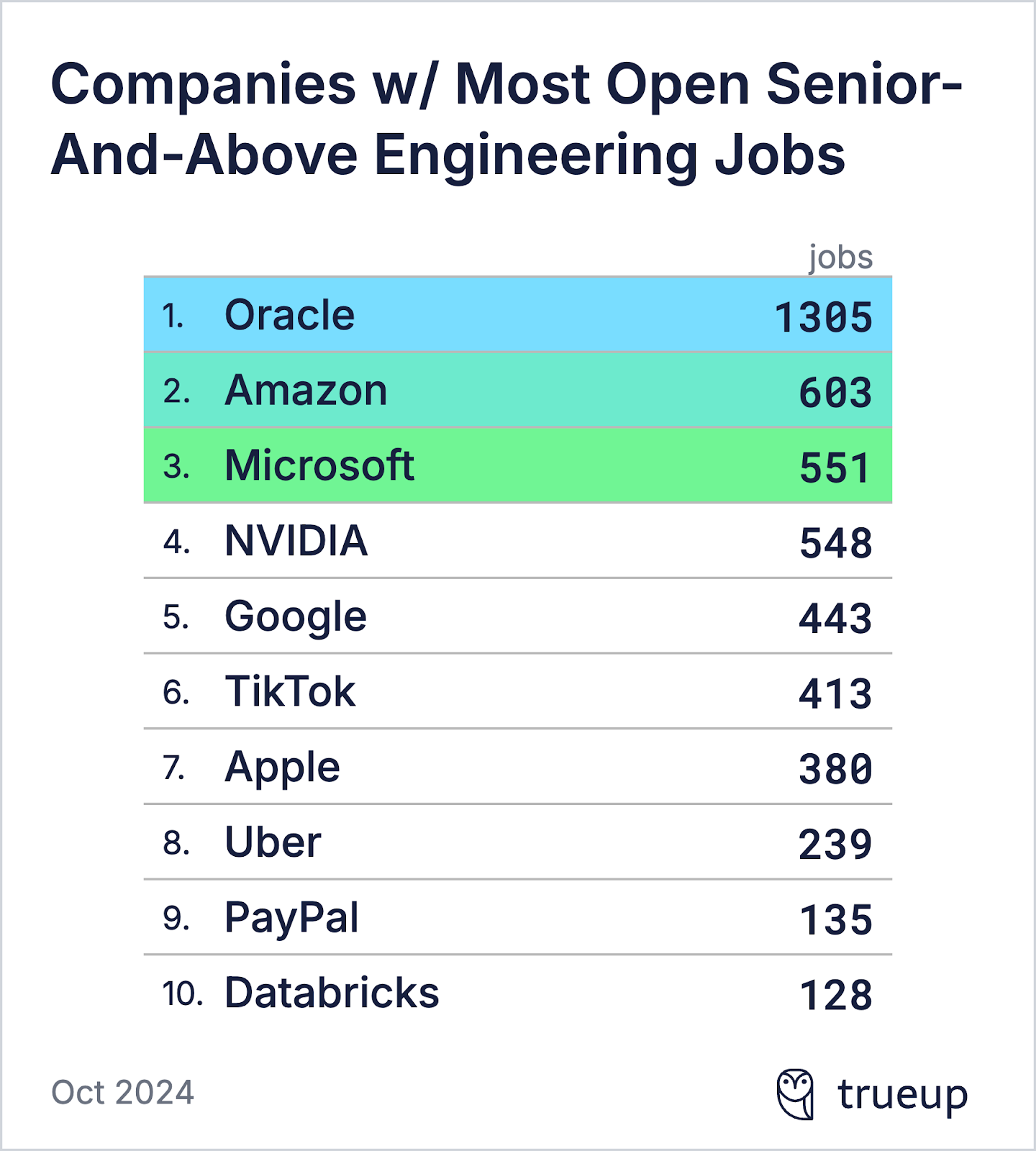
Oracle

Oracle is a trusted name in database management systems and enterprise software solutions. With a strong emphasis on cloud technologies and data analytics, Oracle remains a top choice for organizations looking for robust software solutions.

SAP

SAP specializes in enterprise resource planning (ERP) software and business applications that help streamline operations and drive business growth. Known for its reliability and scalability, SAP is a preferred choice for many large corporations.

These are just a few examples of the best software development companies that continue to shape the digital landscape with their innovative solutions and forward-thinking approach. Whether you are looking for custom software development or off-the-shelf solutions, partnering with one of these industry leaders can help take your business to new heights.


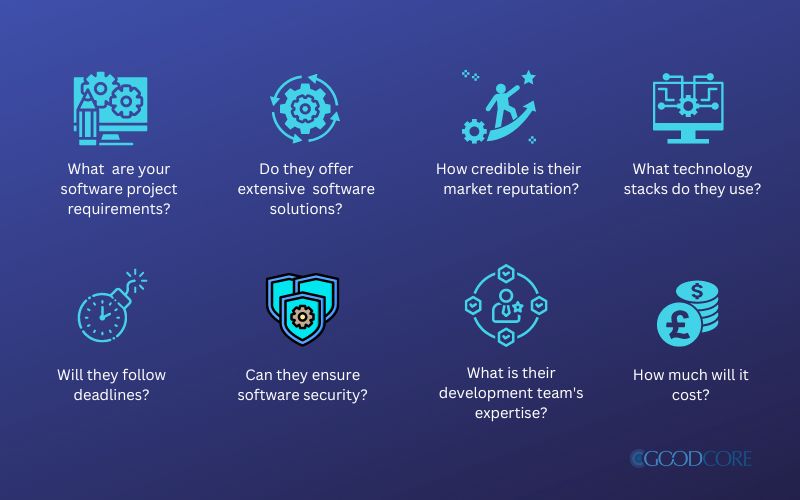
7 Essential Tips for Choosing the Best Software Development Company

  1. Look for companies with a strong portfolio showcasing diverse projects.
  2. Check for client testimonials and reviews to gauge customer satisfaction.
  3. Research the company’s expertise in relevant technologies and programming languages.
  4. Consider the company’s experience in delivering projects on time and within budget.
  5. Evaluate the company’s communication channels and responsiveness to client inquiries.
  6. Assess the company’s scalability and ability to accommodate future project growth.
  7. Verify if the company follows industry best practices and standards in software development.

Look for companies with a strong portfolio showcasing diverse projects.

When searching for the best software development companies, it is essential to look for firms with a robust portfolio that demonstrates a variety of projects. A diverse portfolio indicates the company’s versatility and expertise in handling different types of software development challenges. By examining past projects, potential clients can gain insight into the company’s capabilities, creativity, and problem-solving skills, helping them make an informed decision about which company aligns best with their specific needs and requirements.

Check for client testimonials and reviews to gauge customer satisfaction.

When searching for the best software development companies, it is essential to check for client testimonials and reviews to gauge customer satisfaction. Client testimonials provide valuable insights into the quality of services offered by a company and the overall satisfaction level of previous clients. By reviewing feedback from past customers, you can gain a better understanding of the company’s reputation, reliability, and expertise in delivering software solutions. Taking the time to assess client testimonials can help you make an informed decision when selecting a software development partner for your business needs.

Research the company’s expertise in relevant technologies and programming languages.

When exploring the top software development companies, it is crucial to delve into their expertise in relevant technologies and programming languages. Understanding the company’s proficiency in the tools and languages that align with your project requirements can significantly impact the success of your software development endeavor. By researching this aspect, you can ensure that you partner with a company that possesses the necessary skills and knowledge to deliver high-quality and tailored solutions that meet your specific needs effectively.

Consider the company’s experience in delivering projects on time and within budget.

When evaluating the best software development companies, it is crucial to consider the company’s experience in delivering projects on time and within budget. A company’s track record of meeting project deadlines and staying within budgetary constraints speaks volumes about its reliability and professionalism. By choosing a software development company with a proven history of timely and cost-effective project delivery, clients can have confidence in the company’s ability to execute their software development initiatives efficiently and effectively.

Evaluate the company’s communication channels and responsiveness to client inquiries.

When assessing the best software development companies, it is essential to evaluate the company’s communication channels and responsiveness to client inquiries. Effective communication plays a crucial role in ensuring that project requirements are clearly understood and executed accurately. A company that is responsive to client inquiries demonstrates a commitment to customer satisfaction and project success. By prioritizing open communication channels and prompt responses, software development companies can build trust with clients and foster strong partnerships that lead to successful project outcomes.

Assess the company’s scalability and ability to accommodate future project growth.

When considering the best software development companies, it is essential to assess the company’s scalability and ability to accommodate future project growth. A company’s capacity to scale up its operations and resources in line with the evolving needs of a project is crucial for long-term success. By evaluating a software development company’s scalability, you can ensure that they have the flexibility and expertise to handle the growth of your project effectively, delivering sustainable solutions that align with your business objectives.

Verify if the company follows industry best practices and standards in software development.

It is crucial to verify if a software development company follows industry best practices and standards in their development processes. Adhering to established guidelines ensures that the software is built with quality, security, and scalability in mind. Companies that prioritize industry standards demonstrate a commitment to delivering reliable and efficient solutions that meet the needs of their clients while maintaining high levels of professionalism and expertise throughout the development lifecycle. By choosing a company that follows best practices, you can have confidence in the quality and integrity of the software they deliver.

google software engineer

Exploring the Role of a Google Software Engineer in Driving Innovation

Google Software Engineer: Building the Future with Innovation

Google Software Engineer: Building the Future with Innovation

Google, one of the world’s leading technology companies, is known for its innovative products and services that shape the way we interact with information. Behind these groundbreaking technologies are Google software engineers, the masterminds who design and develop the software that powers Google’s ecosystem.

What Does a Google Software Engineer Do?

A Google software engineer plays a crucial role in creating and maintaining software systems that drive various Google products, such as Search, Maps, Gmail, and Android. These engineers are responsible for writing code, designing algorithms, testing software components, and optimizing performance to ensure a seamless user experience.

Skills and Qualifications

To excel as a Google software engineer, one must possess strong programming skills in languages like Java, C++, Python, or JavaScript. Problem-solving abilities, critical thinking, and attention to detail are essential traits for tackling complex technical challenges.

Culture of Innovation

Google fosters a culture of innovation that empowers software engineers to think creatively and push boundaries. Engineers have access to cutting-edge tools and resources to experiment with new ideas and develop groundbreaking solutions that impact millions of users worldwide.

Career Growth Opportunities

Working as a Google software engineer opens up exciting career growth opportunities. Engineers have the chance to work on diverse projects, collaborate with top talent in the industry, and contribute to open-source initiatives that drive technological advancements.

Conclusion

A career as a Google software engineer offers a unique opportunity to be at the forefront of innovation and shape the future of technology. With a focus on creativity, collaboration, and continuous learning, Google empowers its engineers to build products that make a difference in people’s lives.


9 Compelling Reasons to Pursue a Career as a Google Software Engineer

  1. Opportunity to work on cutting-edge technologies
  2. Access to top talent in the tech industry
  3. Chance to impact millions of users worldwide
  4. Innovative and collaborative work environment
  5. Exciting career growth and development opportunities
  6. Competitive compensation and benefits package
  7. Engagement in open-source initiatives
  8. Diverse range of projects to work on
  9. Prestigious reputation of working for Google


Challenges Faced by Google Software Engineers: Navigating Intense Workloads and High Expectations

  1. Intense Workload
  2. Competitive Environment
  3. Limited Work-Life Balance
  4. Constant Learning Curve
  5. High Expectations

Opportunity to work on cutting-edge technologies

Google software engineers at Google have the exciting opportunity to work on cutting-edge technologies that drive innovation and shape the future of technology. From artificial intelligence and machine learning to cloud computing and quantum computing, engineers have access to the latest tools and resources to explore new frontiers in technology. This exposure not only allows engineers to stay at the forefront of technological advancements but also empowers them to contribute to groundbreaking projects that have a global impact. The dynamic environment at Google encourages continuous learning and experimentation, making it an ideal place for software engineers seeking to push boundaries and drive innovation in the tech industry.

Access to top talent in the tech industry

Google software engineers enjoy the significant advantage of having access to top talent in the tech industry. Working alongside some of the brightest minds in technology allows engineers to collaborate, learn, and be inspired by innovative ideas and approaches. This exposure not only fosters professional growth but also creates a dynamic environment where knowledge sharing and mentorship thrive, ultimately leading to the development of cutting-edge solutions that drive Google’s success in the ever-evolving tech landscape.

Chance to impact millions of users worldwide

Google software engineers have the incredible opportunity to impact millions of users worldwide through their work. By developing innovative software solutions that power Google’s products and services, these engineers play a vital role in shaping the digital experiences of a global audience. Whether it’s improving search algorithms, enhancing user interfaces, or optimizing performance, Google software engineers have the chance to make a meaningful difference in the lives of countless individuals who rely on Google’s technology every day.

Innovative and collaborative work environment

Google software engineers at Google benefit from an innovative and collaborative work environment that fuels creativity and fosters teamwork. By encouraging open communication, idea-sharing, and cross-functional collaboration, Google empowers its engineers to explore new solutions, push boundaries, and drive innovation. This dynamic setting not only cultivates a culture of continuous learning but also enables engineers to leverage diverse perspectives and expertise to tackle complex challenges effectively. The innovative and collaborative work environment at Google inspires software engineers to think outside the box, experiment with cutting-edge technologies, and collectively contribute to shaping the future of technology.

Exciting career growth and development opportunities

Google software engineers at Google are presented with exciting career growth and development opportunities that allow them to continuously expand their skills and expertise. With access to diverse projects, collaboration with top industry talent, and involvement in open-source initiatives, Google software engineers have the chance to advance their careers and make significant contributions to cutting-edge technological advancements. This environment of continuous learning and innovation ensures that Google software engineers are constantly challenged and empowered to reach new heights in their professional development.

Competitive compensation and benefits package

Google software engineers enjoy a competitive compensation and benefits package that reflects the company’s commitment to attracting and retaining top talent. In addition to a generous salary, Google offers comprehensive health insurance, retirement plans, stock options, and various perks such as free meals, on-site wellness programs, and opportunities for professional development. This robust benefits package not only rewards engineers for their hard work but also ensures their overall well-being and satisfaction in their roles at Google.

Engagement in open-source initiatives

Google software engineers benefit from the opportunity to engage in open-source initiatives, allowing them to contribute to the global tech community and drive innovation collaboratively. By participating in open-source projects, Google engineers can share their expertise, learn from others, and make a meaningful impact beyond the confines of their day-to-day work. This involvement not only enhances their skills and knowledge but also reinforces Google’s commitment to fostering a culture of transparency, collaboration, and giving back to the broader software development community.

Diverse range of projects to work on

Google software engineers at Google have the opportunity to work on a diverse range of projects, allowing them to explore various technologies and domains. This diversity not only keeps their work engaging and challenging but also provides valuable opportunities for learning and growth. By collaborating on different projects, Google software engineers can expand their skill set, gain new perspectives, and contribute to innovative solutions that have a meaningful impact on users worldwide.

Prestigious reputation of working for Google

The prestigious reputation of working for Google as a software engineer is a testament to the company’s status as a global technology leader. Being part of Google’s esteemed engineering team not only offers unparalleled opportunities for professional growth and development but also grants access to cutting-edge projects and resources that shape the future of technology. The brand recognition and innovative culture at Google attract top talent in the industry, creating a dynamic environment where software engineers can thrive and make a meaningful impact on a global scale.

Intense Workload

Google software engineers encounter a significant challenge in the form of an intense workload. The pressure of tight deadlines and high-stakes projects can result in long working hours and a risk of burnout. The demanding nature of the job can lead to stress and exhaustion, impacting the well-being and work-life balance of Google software engineers. Managing workload expectations and prioritizing self-care are crucial aspects for navigating the demanding environment of software engineering at Google.

Competitive Environment

In the realm of Google software engineering, one notable con is the competitive environment that permeates the tech industry. Google software engineers often find themselves in a high-pressure setting where the expectation to consistently surpass their colleagues can be daunting. The intense competition within the company may create a sense of stress and urgency, potentially leading to burnout or feelings of inadequacy among engineers striving to excel in this demanding environment.

Limited Work-Life Balance

Limited Work-Life Balance: Google software engineers often face challenges in achieving a healthy work-life balance due to the fast-paced and demanding nature of the tech industry. The high expectations for productivity and innovation can lead to long working hours and intense workloads, making it difficult for engineers to disconnect from their professional responsibilities and prioritize personal well-being. Striking a harmonious balance between work demands and personal life commitments can be a constant struggle for Google software engineers, impacting their overall quality of life and mental well-being.

Constant Learning Curve

Adapting to a constant learning curve is a significant challenge for Google software engineers. The fast-paced evolution of technology demands that engineers regularly update their skills and knowledge to keep pace with emerging trends and advancements. This continuous learning process can be demanding, requiring engineers to stay proactive in their professional development and remain adaptable to new technologies and methodologies.

High Expectations

One significant drawback for Google software engineers is the high expectations set by the company. Google demands top-notch performance and continuous innovation from its engineers, creating a challenging and sometimes stressful work environment. The pressure to meet and exceed these high standards can lead to burnout and feelings of inadequacy among software engineers striving to maintain Google’s reputation for excellence in technology development.

top companies for software engineers

Exploring the Top Companies for Software Engineers in the Tech Industry

Top Companies for Software Engineers

Top Companies for Software Engineers

Software engineers are in high demand across various industries, and some companies stand out for their innovative work environments, competitive salaries, and opportunities for career growth. Here are some of the top companies that software engineers aspire to work for:

Google

Google is known for its cutting-edge technology and diverse projects that attract top talent from around the world. Software engineers at Google have the opportunity to work on groundbreaking products and services while enjoying excellent perks and benefits.

Microsoft

Microsoft is a global tech giant that offers software engineers the chance to work on a wide range of products, from operating systems to cloud services. With a focus on innovation and collaboration, Microsoft provides its employees with a supportive environment to thrive in.

Amazon

Amazon’s fast-paced work culture appeals to software engineers looking to make a significant impact. Engineers at Amazon have the opportunity to work on e-commerce solutions, cloud computing services, and artificial intelligence projects.

Apple

Apple is renowned for its design-driven approach and commitment to quality products. Software engineers at Apple get to contribute to cutting-edge technologies like iOS, macOS, and more while working in a creative and dynamic environment.

Facebook (Meta)

Making an impact at scale is what attracts software engineers to Facebook (now Meta). Engineers here work on platforms that connect billions of people worldwide through social networking, virtual reality, augmented reality, and more.

In conclusion, these top companies offer software engineers exciting opportunities to work on groundbreaking projects, collaborate with talented teams, and advance their careers in the tech industry.


5 Tips for Choosing the Best Companies for Software Engineers

  1. Research company culture and values to find a good fit for your work style.
  2. Consider companies known for innovation, such as Google, Microsoft, or Amazon.
  3. Look into smaller tech firms or startups for potentially faster career growth.
  4. Check employee reviews on platforms like Glassdoor to gauge job satisfaction.
  5. Evaluate the company’s commitment to diversity and inclusion initiatives.

Research company culture and values to find a good fit for your work style.

When considering top companies for software engineers, it is essential to research each company’s culture and values to ensure a good fit for your work style. Understanding the work environment, values, and mission of a company can help you determine if your professional goals align with theirs. By choosing a company that shares your values and work ethic, you are more likely to thrive in your role and contribute meaningfully to the organization’s success. Conducting thorough research on company culture can lead to a fulfilling and rewarding career as a software engineer.

Consider companies known for innovation, such as Google, Microsoft, or Amazon.

When exploring career opportunities as a software engineer, it is beneficial to consider companies renowned for their innovation, such as Google, Microsoft, or Amazon. These tech giants are at the forefront of cutting-edge technologies and offer software engineers the chance to work on groundbreaking projects that have a significant impact on the industry. By joining these innovative companies, software engineers can immerse themselves in dynamic environments that foster creativity, collaboration, and continuous learning.

Look into smaller tech firms or startups for potentially faster career growth.

Exploring opportunities with smaller tech firms or startups can be a strategic move for software engineers seeking rapid career advancement. These companies often provide a dynamic and agile work environment where employees can take on more responsibilities, work on diverse projects, and make a significant impact. By joining a smaller tech firm or startup, software engineers may have the chance to grow their skills quickly, gain valuable experience across various areas of the business, and potentially move up the career ladder at a faster pace compared to larger corporations.

Check employee reviews on platforms like Glassdoor to gauge job satisfaction.

When considering opportunities at top companies for software engineers, it is essential to check employee reviews on platforms like Glassdoor to gauge job satisfaction. These reviews provide valuable insights into the company culture, work-life balance, career growth opportunities, and overall employee experiences. By reading firsthand accounts from current and former employees, software engineers can make more informed decisions about potential employers and ensure that they align with their professional goals and values.

Evaluate the company’s commitment to diversity and inclusion initiatives.

When considering top companies for software engineers, it is crucial to evaluate the company’s commitment to diversity and inclusion initiatives. Companies that prioritize diversity and inclusion create a more welcoming and innovative work environment where employees from different backgrounds can thrive. By fostering a diverse workforce, companies can benefit from a wide range of perspectives, ideas, and experiences that ultimately lead to better products and services. Software engineers should seek out companies that actively promote diversity and inclusion to ensure a supportive and inclusive workplace culture where everyone has the opportunity to succeed.

google embedded software engineer

Exploring the Role of a Google Embedded Software Engineer

Google Embedded Software Engineer

The Role of a Google Embedded Software Engineer

Google, one of the tech giants in the industry, employs embedded software engineers to work on a variety of projects that involve creating and optimizing software for embedded systems. These engineers play a crucial role in developing cutting-edge products and technologies that power Google’s diverse range of services.

Responsibilities of an Embedded Software Engineer at Google

Embedded software engineers at Google are responsible for designing, developing, and testing software that runs on embedded systems such as microcontrollers, processors, and other hardware components. They collaborate with cross-functional teams to ensure that the software meets performance, reliability, and security standards.

Key responsibilities of a Google embedded software engineer include:

  • Writing efficient and optimized code for embedded systems
  • Debugging and troubleshooting software issues
  • Collaborating with hardware engineers to integrate software with hardware components
  • Ensuring software compliance with industry standards and best practices
  • Participating in code reviews and contributing to continuous improvement initiatives

Skills Required for Success

To excel as a Google embedded software engineer, individuals need a strong foundation in computer science, programming languages like C/C++, and experience working with embedded systems. Additionally, key skills that are valued at Google include:

  • Problem-solving abilities
  • Critical thinking skills
  • Attention to detail
  • Effective communication skills
  • Ability to work in a fast-paced environment

Career Growth Opportunities

A career as an embedded software engineer at Google offers exciting opportunities for professional growth and development. Engineers have the chance to work on innovative projects, collaborate with top talent in the industry, and contribute to products that impact millions of users worldwide.

With continuous learning opportunities, mentorship programs, and a supportive work culture, Google empowers its embedded software engineers to reach their full potential and make meaningful contributions to the field of technology.


Essential FAQs About Becoming an Embedded Software Engineer at Google

  1. What does an embedded software engineer at Google do?
  2. What qualifications are needed to become a Google embedded software engineer?
  3. What programming languages should I know for an embedded software engineering role at Google?
  4. How can I prepare for a Google embedded software engineer interview?
  5. What is the typical salary range for an embedded software engineer at Google?
  6. What kind of projects do embedded software engineers work on at Google?
  7. Is prior experience with embedded systems required to apply for this position at Google?
  8. How does the career progression look like for an embedded software engineer at Google?
  9. What is the work culture like for engineers working in Google’s hardware teams?

What does an embedded software engineer at Google do?

An embedded software engineer at Google plays a pivotal role in designing, developing, and optimizing software for embedded systems that power a diverse range of Google’s products and services. These engineers collaborate with cross-functional teams to ensure that the software meets stringent performance, reliability, and security standards. Their responsibilities include writing efficient code for embedded systems, debugging software issues, integrating software with hardware components, ensuring compliance with industry standards, and actively participating in code reviews to drive continuous improvement initiatives. Overall, a Google embedded software engineer contributes to creating cutting-edge technologies that impact millions of users worldwide.

What qualifications are needed to become a Google embedded software engineer?

To become a Google embedded software engineer, individuals typically need a strong educational background in computer science or a related field. A bachelor’s degree or higher is often required, along with proficiency in programming languages such as C/C++. Additionally, candidates should have experience working with embedded systems and a deep understanding of software development principles. Problem-solving skills, attention to detail, and the ability to work effectively in a team are also essential qualifications for aspiring Google embedded software engineers. Continuous learning and staying updated on the latest technologies are crucial for success in this dynamic and challenging role at Google.

What programming languages should I know for an embedded software engineering role at Google?

When considering a role as an embedded software engineer at Google, familiarity with programming languages such as C/C++ is essential. Proficiency in these languages is highly valued as they are commonly used in developing software for embedded systems. Additionally, having knowledge of assembly language and scripting languages like Python can be advantageous for certain projects. Google looks for candidates who have a strong foundation in programming and are adaptable to learning new languages and technologies as needed to excel in the dynamic field of embedded software engineering.

How can I prepare for a Google embedded software engineer interview?

To prepare for a Google embedded software engineer interview, it is essential to focus on mastering key technical concepts and problem-solving skills. Familiarize yourself with data structures, algorithms, and programming languages commonly used in embedded systems development, such as C/C++. Practice solving coding challenges and algorithmic problems to enhance your problem-solving abilities. Additionally, research Google’s engineering culture, values, and past projects to understand the company’s expectations. Be prepared to demonstrate your ability to work collaboratively in a team environment and communicate effectively about technical concepts. Engaging in mock interviews and seeking feedback from peers or mentors can also help you refine your interview skills and boost your confidence for the interview process.

What is the typical salary range for an embedded software engineer at Google?

The typical salary range for an embedded software engineer at Google can vary based on factors such as experience, location, and level within the company. Generally, entry-level embedded software engineers at Google can expect a competitive salary that ranges from around $100,000 to $130,000 per year. As engineers gain more experience and move up the ranks, their salaries can increase significantly, with senior-level embedded software engineers at Google earning upwards of $200,000 or more annually. Additionally, Google offers various benefits and perks to its employees, making it an attractive employer for those in the field of embedded software engineering.

What kind of projects do embedded software engineers work on at Google?

Embedded software engineers at Google work on a diverse range of projects that involve developing software for embedded systems to support various Google products and services. These projects can include optimizing code for hardware components, enhancing the performance of embedded systems, integrating software with cutting-edge technologies, and ensuring the reliability and security of embedded software. From working on innovative projects in autonomous vehicles to developing smart home devices, Google’s embedded software engineers have the opportunity to contribute to groundbreaking technologies that shape the future of the tech industry.

Is prior experience with embedded systems required to apply for this position at Google?

While prior experience with embedded systems is not always a strict requirement to apply for a position as a Google embedded software engineer, it is highly beneficial. Google values candidates who have a strong foundation in embedded systems, as it demonstrates their familiarity with the complexities of working on software for hardware-constrained devices. However, Google also considers candidates with relevant experience in related fields or those who show a keen interest in learning and adapting to the challenges of embedded software development. Ultimately, showcasing a combination of technical skills, problem-solving abilities, and a passion for innovation can greatly enhance an applicant’s chances of securing a role as an embedded software engineer at Google.

How does the career progression look like for an embedded software engineer at Google?

Career progression for an embedded software engineer at Google typically follows a structured path that allows individuals to advance their skills and responsibilities over time. Upon joining Google, embedded software engineers often start in entry-level positions where they gain hands-on experience working on projects and collaborating with cross-functional teams. As they demonstrate proficiency in designing and optimizing software for embedded systems, engineers may progress to more senior roles with increased leadership responsibilities. Career growth opportunities at Google for embedded software engineers include the chance to lead projects, mentor junior team members, and contribute to the development of cutting-edge technologies that shape the future of the company. Continuous learning and professional development initiatives support engineers in expanding their expertise and advancing their careers within Google’s dynamic and innovative environment.

What is the work culture like for engineers working in Google’s hardware teams?

The work culture for engineers working in Google’s hardware teams is known for its collaborative and innovative environment. Engineers at Google have the opportunity to work on cutting-edge projects, collaborate with top talent in the industry, and contribute to the development of groundbreaking technologies. The hardware teams at Google emphasize teamwork, creativity, and continuous learning, fostering a culture where employees are encouraged to think outside the box and push the boundaries of what is possible. With a focus on diversity, inclusion, and professional growth, Google provides its engineers with a supportive and dynamic work culture that values creativity, problem-solving skills, and a passion for technology.

Exploring the Top Companies for Software Engineers in the Tech Industry

Best Companies for Software Engineers

The Best Companies for Software Engineers

Software engineers are in high demand, and many top companies are constantly seeking talented individuals to join their teams. If you’re a software engineer looking for a company that values innovation, collaboration, and growth, consider exploring opportunities at the following organizations:

Google

Google is known for its cutting-edge technology and innovative projects. Software engineers at Google have the opportunity to work on a wide range of products and services that impact millions of users worldwide.

Microsoft

Microsoft is a global leader in software development, with a strong focus on cloud computing, artificial intelligence, and productivity tools. Software engineers at Microsoft have access to resources and support to drive impactful solutions.

Amazon

Amazon is not only an e-commerce giant but also a tech powerhouse. Software engineers at Amazon work on diverse projects spanning from logistics optimization to machine learning applications.

Apple

Apple is renowned for its consumer electronics products and software ecosystem. Software engineers at Apple play a crucial role in developing user-friendly interfaces and cutting-edge technologies.

Facebook (Meta)

Meta (formerly Facebook) is a social media giant with a strong emphasis on connecting people globally through technology. Software engineers at Meta work on complex systems that power social networking platforms.

These companies offer competitive salaries, comprehensive benefits packages, opportunities for career advancement, and a dynamic work environment that fosters creativity and innovation. Whether you’re interested in web development, mobile applications, artificial intelligence, or cloud computing, these companies provide an ideal platform for software engineers to thrive.

If you’re passionate about technology and eager to make an impact through your coding skills, consider exploring career opportunities at these top companies for software engineers.


Top 8 Reasons Software Engineers Thrive at Leading Companies

  1. Competitive salaries
  2. Comprehensive benefits packages
  3. Opportunities for career advancement
  4. Cutting-edge technology projects
  5. Collaborative work environment
  6. Access to resources and support
  7. Innovative and creative culture
  8. Global impact and reach


Challenges Faced by Software Engineers in Top Companies: Competition, Pressure, Work-Life Imbalance, and Bureaucracy

  1. Intense competition for advancement opportunities within the company.
  2. High pressure to deliver results quickly due to fast-paced work environments.
  3. Limited work-life balance, with long hours often required to meet project deadlines.
  4. Bureaucratic processes and hierarchies may hinder innovation and decision-making.

Competitive salaries

One standout advantage of working for the best companies for software engineers is the competitive salaries they offer. These companies understand the value of top talent in the tech industry and compensate their software engineers accordingly. Competitive salaries not only reflect the expertise and skills of software engineers but also serve as a motivating factor for them to excel in their roles. By providing attractive compensation packages, these companies attract and retain top talent, ensuring that software engineers feel valued and rewarded for their contributions to innovative projects and cutting-edge technologies.

Comprehensive benefits packages

Comprehensive benefits packages offered by the best companies for software engineers provide valuable perks beyond competitive salaries. These packages often include health insurance, retirement plans, paid time off, professional development opportunities, and other incentives that contribute to a well-rounded and fulfilling work experience. By prioritizing the well-being and growth of their employees through comprehensive benefits, these companies demonstrate their commitment to supporting the overall health and success of their software engineering teams.

Opportunities for career advancement

One significant advantage of working at the best companies for software engineers is the abundance of opportunities for career advancement. These companies prioritize employee growth and development, offering various paths for software engineers to progress in their careers. Whether through mentorship programs, training workshops, or internal promotions, talented individuals have the chance to take on more challenging roles, lead innovative projects, and expand their skill set within a supportive and dynamic work environment. This commitment to career advancement not only enhances job satisfaction but also ensures that software engineers can continually evolve and excel in their professional journey.

Cutting-edge technology projects

Top companies for software engineers offer the exciting opportunity to work on cutting-edge technology projects that push the boundaries of innovation. From developing advanced artificial intelligence algorithms to creating groundbreaking products that shape the future of technology, software engineers at these companies are at the forefront of technological advancements. Being part of projects that leverage the latest tools and technologies not only challenges engineers to grow their skills but also allows them to contribute to groundbreaking solutions that have a significant impact on society.

Collaborative work environment

A key advantage of working at the best companies for software engineers is the collaborative work environment they offer. These companies prioritize teamwork and open communication, allowing software engineers to collaborate effectively with their peers, share knowledge, and collectively solve complex problems. The collaborative culture fosters creativity, innovation, and continuous learning, creating a supportive atmosphere where engineers can thrive and contribute their unique skills to impactful projects. By working in a collaborative environment, software engineers can leverage diverse perspectives, enhance their problem-solving abilities, and collectively drive the success of the team and the company as a whole.

Access to resources and support

Access to resources and support is a significant advantage offered by the best companies for software engineers. These companies provide their employees with cutting-edge tools, technology platforms, and training programs to enhance their skills and knowledge. Having access to such resources enables software engineers to stay at the forefront of industry trends, collaborate effectively with colleagues, and tackle complex challenges with confidence. Additionally, the support system in place at these companies encourages professional growth, innovation, and continuous learning, fostering a conducive environment for software engineers to thrive and excel in their roles.

Innovative and creative culture

Top companies for software engineers are known for fostering an innovative and creative culture that encourages employees to think outside the box and push the boundaries of technology. By promoting a culture of innovation, these companies inspire software engineers to explore new ideas, experiment with cutting-edge technologies, and collaborate on groundbreaking projects. This environment not only fuels creativity but also drives continuous learning and growth, enabling software engineers to stay at the forefront of technological advancements and make a significant impact in the industry.

Global impact and reach

One significant advantage of working for the best companies for software engineers is the opportunity to have a global impact and reach. These companies operate on a large scale, serving diverse markets and millions of users worldwide. Software engineers have the chance to work on projects that transcend geographical boundaries, making a difference on a global scale. By contributing to products and services that reach people around the world, software engineers can see the direct impact of their work and be part of innovations that shape the future of technology.

Intense competition for advancement opportunities within the company.

One significant drawback of working at the best companies for software engineers is the intense competition for advancement opportunities within the organization. With a high concentration of top talent and ambitious professionals, vying for promotions or leadership roles can be challenging and highly competitive. This competitive environment may create pressure and stress among software engineers, as they strive to stand out and demonstrate their value in a crowded field of talented individuals. As a result, navigating the internal competition for career growth within these prestigious companies can require exceptional performance, strategic networking, and continuous skill development to secure desired advancement opportunities.

High pressure to deliver results quickly due to fast-paced work environments.

In the fast-paced work environments of top companies for software engineers, a significant challenge faced by professionals is the high pressure to deliver results quickly. With tight deadlines and a constant demand for innovation, software engineers often find themselves navigating intense workloads that require rapid problem-solving and efficient execution. The need to meet strict timelines while maintaining high-quality standards can create a stressful environment that may impact work-life balance and job satisfaction. Despite the rewarding opportunities these companies offer, the pressure to perform at an accelerated pace can be a notable downside for software engineers seeking a more balanced and sustainable work experience.

Limited work-life balance, with long hours often required to meet project deadlines.

One significant drawback of working for some of the best companies for software engineers is the limited work-life balance they offer. These companies often demand long hours from their employees to meet tight project deadlines and maintain a competitive edge in the industry. The high-pressure environment and the expectation of continuous productivity can lead to burnout and impact the overall well-being of software engineers, making it challenging to maintain a healthy balance between work and personal life.

Bureaucratic processes and hierarchies may hinder innovation and decision-making.

In some of the best companies for software engineers, bureaucratic processes and hierarchies can pose a significant challenge by potentially impeding innovation and slowing down decision-making. When rigid structures and complex approval procedures are in place, it may be difficult for software engineers to quickly implement creative solutions or make timely decisions. This can lead to inefficiencies, delays in project execution, and missed opportunities for groundbreaking advancements in technology. Companies that recognize and address these obstacles by fostering a more agile and collaborative work environment stand a better chance of unleashing the full potential of their software engineering teams.

best android development software

The Best Android Development Software: Tools for Building Exceptional Mobile Apps

Best Android Development Software

The Best Android Development Software for Building Mobile Apps

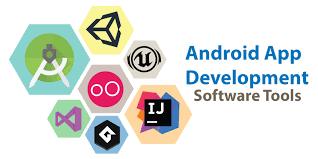
Android development software plays a crucial role in creating innovative and user-friendly mobile applications for the vast Android user base. Whether you are a beginner or an experienced developer, choosing the right tools can significantly impact your app development process. Here are some of the best Android development software options available:

Android Studio

Android Studio is the official integrated development environment (IDE) for Android app development, provided by Google. It offers a comprehensive set of tools for designing, building, and testing Android apps. With features like code editing, debugging, and performance profiling, Android Studio is a favorite among developers.

IntelliJ IDEA

IntelliJ IDEA is a powerful IDE that supports Android app development through plugins like Android Development Tools (ADT). It provides advanced coding assistance and productivity tools to streamline the development process. Developers appreciate its intelligent code completion and refactoring capabilities.

Xamarin

Xamarin is a popular cross-platform development tool that allows developers to build native Android apps using C#. It provides a single codebase for multiple platforms, enabling faster app development and easier maintenance. Xamarin’s integration with Visual Studio makes it a preferred choice for many developers.

React Native

React Native is an open-source framework developed by Facebook for building native mobile apps using JavaScript and React. It enables developers to create high-performance apps with a rich user interface. React Native’s hot reloading feature allows real-time updates during the development process.

Flutter

Flutter is Google’s UI toolkit for building natively compiled applications across mobile, web, and desktop from a single codebase. With Flutter’s expressive and flexible design system, developers can create visually stunning apps that run smoothly on various devices. Its hot reload feature enhances productivity during app development.

Choosing the right Android development software depends on your project requirements, programming skills, and personal preferences. Each tool offers unique features and benefits that cater to different developer needs.

Whether you opt for the official Android Studio or explore cross-platform solutions like Xamarin or React Native, investing in quality development software is essential for creating successful Android applications that engage users and deliver exceptional experiences.


Top FAQs About Choosing the Best Android Development Software

  1. What is the best Android development software for beginners?
  2. Which Android development software offers the most advanced features for experienced developers?
  3. Is there a cross-platform development tool recommended for building Android apps?
  4. What are the key factors to consider when choosing Android development software?
  5. How does pricing vary among different Android development software options?
  6. Are there any community-supported or open-source Android development tools available?

What is the best Android development software for beginners?

When it comes to beginners in Android app development, a popular choice for the best Android development software is Android Studio. As the official integrated development environment (IDE) for Android app creation by Google, Android Studio offers a user-friendly interface and a wide range of tools tailored to support newcomers in the field. Its intuitive design, comprehensive documentation, and vast community support make it an ideal starting point for beginners looking to dive into Android app development. With features like code templates, visual layout editor, and instant run functionality, Android Studio simplifies the learning curve and enables beginners to create their first mobile applications with ease.

Which Android development software offers the most advanced features for experienced developers?

For experienced developers seeking advanced features in Android development software, Android Studio stands out as the top choice. As the official integrated development environment (IDE) for Android app development by Google, Android Studio provides a comprehensive set of tools and functionalities that cater to the needs of seasoned developers. With advanced features such as code editing, debugging, performance profiling, and seamless integration with other Google services, Android Studio offers a robust platform for experienced developers to create sophisticated and high-performance Android applications efficiently.

When it comes to building Android apps efficiently across multiple platforms, one of the highly recommended cross-platform development tools is Xamarin. Xamarin allows developers to create native Android apps using C# and a single codebase, which can significantly reduce development time and effort. Its seamless integration with Visual Studio and robust features make it a popular choice for those looking to streamline their app development process while maintaining high-quality performance and user experience on Android devices.

What are the key factors to consider when choosing Android development software?

When selecting Android development software, several key factors should be considered to ensure a smooth and efficient app development process. Firstly, compatibility with your project requirements is crucial. Evaluate whether the software supports the features and functionalities you need for your app. Secondly, consider the learning curve and ease of use of the tool, especially if you are a beginner developer. A user-friendly interface and comprehensive documentation can significantly impact your productivity. Additionally, look into the community support and updates provided by the software developer to stay current with industry trends and best practices. Lastly, consider factors such as cost, scalability, performance optimization tools, and integration capabilities when making your decision on the best Android development software for your project.

How does pricing vary among different Android development software options?

The pricing of Android development software varies significantly among different options available in the market. Some tools, like Android Studio and IntelliJ IDEA, are free to use as they are provided by Google and JetBrains, respectively. On the other hand, platforms like Xamarin and Flutter may offer free versions with limited features but require a paid subscription for full functionality or enterprise-level support. The cost structure can also depend on factors such as licensing models, additional plugins or integrations, and support services offered by the software providers. Developers should carefully evaluate their budget, project requirements, and long-term goals to choose an Android development software that aligns with their needs while considering the associated pricing implications.

Are there any community-supported or open-source Android development tools available?

When it comes to Android development tools, there are several community-supported and open-source options available for developers. These tools not only provide cost-effective solutions but also foster collaboration and innovation within the developer community. Platforms like Apache Cordova, PhoneGap, and React Native offer open-source frameworks that empower developers to create cross-platform mobile applications efficiently. Additionally, tools like Android Asset Studio and Genymotion provide valuable resources for app design and testing, supported by active user communities that contribute to their continuous improvement. Embracing community-supported and open-source Android development tools can enhance creativity, flexibility, and accessibility in the app development process.

best mobile app development software

Discover the Top Picks: Best Mobile App Development Software for Innovative Apps

Best Mobile App Development Software

The Best Mobile App Development Software for Building Innovative Apps

Mobile app development has become a crucial aspect of businesses and individuals looking to reach a wider audience and enhance user engagement. With the increasing demand for mobile apps, choosing the right app development software is essential for creating successful and innovative applications.

Top Mobile App Development Software:

  1. Flutter: Flutter, developed by Google, is an open-source UI software development kit used for building natively compiled applications for mobile, web, and desktop from a single codebase.
  2. Xamarin: Xamarin, owned by Microsoft, allows developers to create cross-platform mobile applications using C# and .NET. It provides a rich set of tools and libraries for building high-performance apps.
  3. React Native: React Native, maintained by Facebook, enables developers to build native mobile apps using JavaScript and React. It offers a fast development cycle and allows code reusability across different platforms.
  4. Appy Pie: Appy Pie is a no-code app development platform that enables users to create custom mobile apps without any programming skills. It offers drag-and-drop functionality and various templates for quick app creation.
  5. PhoneGap: PhoneGap is an open-source framework owned by Adobe that allows developers to build cross-platform mobile applications using web technologies such as HTML5, CSS3, and JavaScript.

Each of these mobile app development software tools comes with its unique features and capabilities to cater to different project requirements. Whether you are a beginner or an experienced developer, choosing the right software can streamline your app development process and help you create cutting-edge mobile applications.

Selecting the best mobile app development software depends on factors such as project complexity, target platforms, budget constraints, and developer expertise. By evaluating these criteria against the features offered by each software tool, you can make an informed decision on which platform suits your needs best.

With the right mobile app development software at your disposal, you can unleash your creativity and bring your app ideas to life in today’s competitive digital landscape.


Top FAQs About Choosing the Best Mobile App Development Software

  1. What is the best mobile app development software for beginners?
  2. Which mobile app development software offers the most features for advanced developers?
  3. Is there a free mobile app development software that is highly recommended?
  4. What are the key factors to consider when choosing mobile app development software?
  5. Can mobile app development software be used to create apps for both iOS and Android platforms?
  6. How important is cross-platform compatibility in selecting mobile app development software?
  7. Are there any specific tools or plugins that enhance the functionality of mobile app development software?
  8. What are the differences between native and hybrid app development using various software options?
  9. How can I find tutorials or resources to learn how to use different mobile app development software effectively?

What is the best mobile app development software for beginners?

When it comes to beginners in mobile app development, choosing the right software can make a significant difference in their learning curve and project success. Among the various options available, platforms like Flutter and React Native are often recommended for beginners due to their user-friendly interfaces, extensive documentation, and active community support. These tools provide a smooth entry point into app development with features that simplify the coding process and offer real-time previews of app designs. Additionally, no-code platforms like Appy Pie can be ideal for absolute beginners looking to create basic apps without having to write any code. Ultimately, the best mobile app development software for beginners depends on individual preferences, project goals, and desired learning outcomes.

Which mobile app development software offers the most features for advanced developers?

When it comes to advanced developers seeking a mobile app development software with a comprehensive set of features, Flutter stands out as a top choice. Developed by Google, Flutter provides advanced developers with a rich toolkit and robust capabilities for building high-performance, natively compiled applications across multiple platforms. Its flexibility, extensive customization options, and hot reload feature make it an ideal choice for those looking to create complex and innovative mobile apps efficiently. With Flutter, advanced developers can leverage its advanced features to push the boundaries of mobile app development and deliver cutting-edge solutions to meet their project requirements.

When it comes to free mobile app development software, one highly recommended option is Flutter. Developed by Google, Flutter is an open-source UI software development kit that allows developers to create natively compiled applications for mobile, web, and desktop from a single codebase. Its flexibility, performance, and extensive community support make it a popular choice for those looking to build innovative apps without incurring additional costs. With Flutter, developers can leverage its rich set of features and tools to create high-quality mobile applications efficiently.

What are the key factors to consider when choosing mobile app development software?

When selecting mobile app development software, several key factors should be considered to ensure the success of your app project. Firstly, it is essential to assess the compatibility of the software with your target platforms, such as iOS and Android. Additionally, evaluating the scalability and flexibility of the software to accommodate future updates and expansions is crucial. The ease of use, available features, integration capabilities, community support, and cost of the software are also significant factors to weigh when making your decision. By carefully considering these aspects, you can choose mobile app development software that aligns with your project requirements and goals.

Can mobile app development software be used to create apps for both iOS and Android platforms?

Mobile app development software can indeed be used to create apps for both iOS and Android platforms. Cross-platform development tools such as Flutter, Xamarin, and React Native allow developers to write code once and deploy it on multiple platforms, including iOS and Android. These tools offer a cost-effective and time-efficient solution for building apps that can reach a broader audience across different operating systems without the need to develop separate codebases for each platform. By leveraging mobile app development software that supports cross-platform compatibility, developers can streamline the app development process and ensure consistent user experience across various devices and operating systems.

How important is cross-platform compatibility in selecting mobile app development software?

Cross-platform compatibility plays a crucial role in selecting mobile app development software. In today’s diverse mobile landscape, where users access applications on various devices and operating systems, ensuring that your app functions seamlessly across different platforms is essential for reaching a broader audience and maximizing user engagement. By choosing software that supports cross-platform development, developers can write code once and deploy it across multiple platforms, saving time and resources. This approach not only simplifies the development process but also allows for consistent user experiences across different devices, ultimately enhancing the app’s usability and success in the competitive app market.

Are there any specific tools or plugins that enhance the functionality of mobile app development software?

Many mobile app development software offer a range of tools and plugins to enhance functionality and streamline the app development process. These tools can include integrated development environments (IDEs), code editors, debugging tools, testing frameworks, analytics plugins, and more. IDEs like Android Studio and Xcode provide comprehensive features for designing, coding, and testing mobile apps. Code editors such as Visual Studio Code offer customization options and support for various programming languages. Additionally, plugins like Firebase for real-time database integration or Fabric for crash reporting can further enhance the capabilities of mobile app development software by providing additional functionalities that cater to specific needs in app development.

What are the differences between native and hybrid app development using various software options?

When comparing native and hybrid app development using various software options, it’s essential to understand the fundamental differences between the two approaches. Native app development involves creating applications specifically for a single platform, such as iOS or Android, using platform-specific languages like Swift or Java. On the other hand, hybrid app development allows developers to build applications that can run on multiple platforms using web technologies like HTML, CSS, and JavaScript. Software options like Flutter and React Native support hybrid app development by enabling code reusability across different platforms, while tools like Xamarin focus on native app development with cross-platform capabilities using C# and .NET. The choice between native and hybrid app development depends on factors like performance requirements, target audience, and developer expertise, ultimately influencing the selection of the best mobile app development software for a particular project.

How can I find tutorials or resources to learn how to use different mobile app development software effectively?

For those seeking tutorials or resources to learn how to use various mobile app development software effectively, there are several avenues to explore. Online platforms like YouTube, Udemy, and Coursera offer a wide range of courses and tutorials tailored to different skill levels. Additionally, official documentation and community forums provided by the software developers themselves can be valuable sources of information. Engaging with developer communities, attending webinars, and participating in coding bootcamps are also effective ways to enhance your understanding and proficiency in using mobile app development software. By actively seeking out these resources and continuously learning and practicing, aspiring developers can master the intricacies of different app development tools and create innovative mobile applications.