
cfchris.com

Loading

it infrastructure as a service

Optimizing Business Operations with IT Infrastructure as a Service

Article: IT Infrastructure as a Service

The Power of IT Infrastructure as a Service (IaaS)

IT infrastructure is the backbone of modern businesses, enabling them to operate efficiently and effectively in today’s digital world. With the rise of cloud computing, a new model known as Infrastructure as a Service (IaaS) has revolutionized the way organizations manage their IT resources.

What is IaaS?

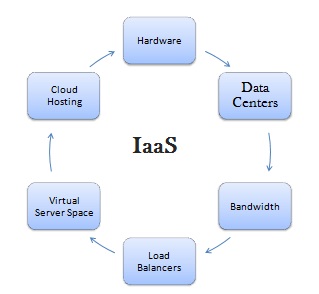
IaaS is a cloud computing service model that provides virtualized computing resources over the internet. Instead of investing in physical servers, storage, and networking equipment, businesses can leverage IaaS to access these resources on a pay-as-you-go basis.

The Benefits of IaaS

Scalability: One of the key advantages of IaaS is its scalability. Organizations can easily scale up or down their IT infrastructure based on their changing needs without the hassle of procuring and managing physical hardware.

Cost-Effectiveness: By opting for IaaS, businesses can reduce capital expenses associated with purchasing and maintaining hardware. They only pay for the resources they use, making it a cost-effective solution for both small startups and large enterprises.

Flexibility: IaaS offers flexibility in terms of resource allocation and deployment. Businesses can quickly provision virtual servers, storage, and networking components to support their applications and workloads.

Use Cases for IaaS

Development and Testing Environments: IaaS is ideal for creating development and testing environments without the need for physical infrastructure. Developers can spin up virtual servers to test applications before deploying them into production.

Disaster Recovery: Organizations can use IaaS for disaster recovery purposes by replicating their critical data and applications to cloud-based infrastructure. In case of a disaster, they can quickly restore operations from the cloud environment.

Conclusion

IaaS has transformed the way businesses approach IT infrastructure management by providing a flexible, scalable, and cost-effective solution through cloud-based services. As organizations continue to embrace digital transformation, IaaS will play a crucial role in enabling innovation and growth in the ever-evolving digital landscape.


Understanding IT Infrastructure as a Service: Key Questions Answered

  1. What are examples of IaaS?
  2. What are SaaS and examples?
  3. What is an eg of infrastructure as a service?
  4. What is IaaS and its example?
  5. What are the three infrastructure as a service?
  6. What is an IT infrastructure service?
  7. What is infrastructure as a service?

What are examples of IaaS?

When it comes to examples of Infrastructure as a Service (IaaS), popular cloud service providers such as Amazon Web Services (AWS), Microsoft Azure, and Google Cloud Platform are often cited. These platforms offer a wide range of virtualized computing resources, including virtual servers, storage, and networking capabilities that businesses can leverage on-demand. Additionally, platforms like DigitalOcean and IBM Cloud also provide IaaS solutions tailored to meet various business needs. Overall, these examples showcase the versatility and scalability of IaaS offerings in the cloud computing landscape.

What are SaaS and examples?

Software as a Service (SaaS) is a cloud computing model that allows users to access software applications over the internet on a subscription basis. Unlike traditional software installations, SaaS eliminates the need for users to download and maintain the software on their own devices. Instead, users can simply log in to the SaaS platform through a web browser and start using the application. Examples of popular SaaS applications include Microsoft Office 365, Salesforce, Google Workspace, Dropbox, and Adobe Creative Cloud. These applications offer users flexibility, scalability, and cost-effectiveness by providing access to powerful tools and services without the burden of managing complex software installations.

What is an eg of infrastructure as a service?

Infrastructure as a Service (IaaS) offers businesses the flexibility to access virtualized computing resources over the internet, allowing them to scale their IT infrastructure based on demand. An example of IaaS is Amazon Web Services (AWS), a leading cloud service provider that offers a wide range of infrastructure services, including virtual servers, storage, and networking capabilities. With AWS, organizations can quickly provision and deploy resources without the need for upfront investment in physical hardware, making it an excellent example of how IaaS can streamline IT operations and support business growth.

What is IaaS and its example?

IaaS, short for Infrastructure as a Service, is a cloud computing service model that offers virtualized computing resources over the internet. An example of IaaS is Amazon Web Services (AWS), where businesses can access virtual servers, storage, and networking components on a pay-as-you-go basis. With IaaS, organizations can scale their IT infrastructure up or down based on their needs without the burden of managing physical hardware. This flexibility and cost-effectiveness make IaaS a popular choice for businesses looking to optimize their IT resources and focus on innovation and growth.

What are the three infrastructure as a service?

When it comes to Infrastructure as a Service (IaaS), there are three main types of services that businesses can leverage: compute, storage, and networking. Compute services provide virtualized computing resources such as virtual machines and processing power, allowing organizations to run applications and workloads in the cloud. Storage services offer scalable and secure storage solutions for data, files, and backups, eliminating the need for on-premises storage hardware. Networking services enable businesses to set up and manage virtual networks, connect resources across different locations, and ensure secure communication between cloud-based services. By utilizing these three core IaaS offerings, organizations can build flexible and efficient IT infrastructures tailored to their specific needs.

What is an IT infrastructure service?

An IT infrastructure service refers to a comprehensive set of virtualized computing resources delivered over the internet as part of the Infrastructure as a Service (IaaS) cloud computing model. It encompasses virtual servers, storage, networking components, and other IT resources that businesses can access on-demand to support their operations. By leveraging IT infrastructure services, organizations can optimize their technology environment, improve scalability and flexibility, and reduce the burden of managing physical hardware. This cloud-based approach allows businesses to focus on their core activities while relying on a reliable and cost-effective IT infrastructure solution.

What is infrastructure as a service?

Infrastructure as a Service (IaaS) is a cloud computing service model that offers virtualized computing resources over the internet. In simple terms, IaaS allows businesses to access and utilize essential IT infrastructure components such as servers, storage, and networking without the need to invest in physical hardware. By leveraging IaaS, organizations can scale their IT resources up or down based on demand, pay only for the resources they use, and enjoy the flexibility of provisioning and managing their infrastructure in a cost-effective and efficient manner.

c3 ai

Empowering Industries with C3 AI’s Advanced Solutions

C3 AI: Transforming Industries with Artificial Intelligence

C3 AI: Transforming Industries with Artificial Intelligence

In today’s rapidly evolving technological landscape, artificial intelligence (AI) is at the forefront of innovation. C3 AI stands out as a leader in this space, offering robust solutions that empower businesses to harness the power of AI and drive digital transformation.

About C3 AI

C3 AI is a leading enterprise AI software provider that specializes in enabling organizations to develop, deploy, and operate large-scale AI applications. Founded by Thomas M. Siebel in 2009, the company has grown to become a pivotal player in the AI industry, serving a diverse range of sectors including manufacturing, energy, financial services, healthcare, and more.

The C3 AI Suite

The cornerstone of C3 AI’s offerings is the C3 AI Suite. This comprehensive platform provides the tools necessary for developing enterprise-scale AI applications quickly and efficiently. The suite includes pre-built applications for predictive maintenance, fraud detection, supply chain optimization, and more.

  • Data Integration: The platform seamlessly integrates data from disparate sources into a unified data image.
  • Model Development: Users can build machine learning models using various frameworks and languages.
  • Application Deployment: The suite allows for rapid deployment of applications across cloud environments or on-premises infrastructure.

Industries Served by C3 AI

C3 AI’s solutions are designed to meet the needs of various industries:

  1. Energy: Optimizing operations through predictive maintenance and energy management applications.
  2. Aerospace & Defense: Enhancing mission readiness with advanced logistics and supply chain insights.
  3. Healthcare: Improving patient outcomes through predictive analytics and operational efficiency tools.
  4. BFSI (Banking, Financial Services & Insurance): Strengthening fraud detection systems and risk management strategies.

The Impact of C3 AI

C3 AI is making significant strides in transforming how businesses operate by providing them with actionable insights derived from their data. By leveraging advanced machine learning algorithms and big data analytics, companies can enhance decision-making processes, reduce costs, increase efficiency, and ultimately gain a competitive edge in their respective markets.

The Future of C3 AI

The future looks promising for C3 AI as it continues to expand its capabilities and explore new frontiers in artificial intelligence. With ongoing investments in research and development as well as strategic partnerships with leading technology firms like Microsoft Azure and Google Cloud Platform, C3 AI is poised to remain at the cutting edge of innovation in enterprise-level artificial intelligence solutions.

C3 AI’s commitment to excellence ensures that it will continue playing an integral role in shaping the future of industries worldwide through its innovative use of artificial intelligence technologies.


Unlocking Business Potential: 8 Advantages of C3 AI’s Comprehensive Enterprise Solutions

  1. Empowers businesses to harness the power of artificial intelligence.
  2. Offers a comprehensive AI software suite for enterprise-scale applications.
  3. Provides pre-built applications for various use cases such as predictive maintenance and fraud detection.
  4. Enables seamless data integration from diverse sources into a unified data image.
  5. Supports rapid development and deployment of machine learning models.
  6. Serves a wide range of industries including energy, healthcare, and BFSI.
  7. Helps organizations make informed decisions through actionable insights derived from data analytics.
  8. Continuously innovates and collaborates with industry leaders like Microsoft Azure and Google Cloud Platform.


Challenges of Implementing C3 AI: Key Considerations for Businesses

  1. Steep learning curve for users unfamiliar with AI technologies
  2. High initial investment required for implementing C3 AI solutions
  3. Limited customization options may not meet the unique needs of all businesses
  4. Potential data privacy and security concerns due to the integration of diverse data sources
  5. Dependency on continuous updates and support from C3 AI for optimal performance

Empowers businesses to harness the power of artificial intelligence.

C3 AI empowers businesses to harness the power of artificial intelligence by providing a comprehensive platform that simplifies the development and deployment of AI applications. With its robust suite of tools, C3 AI enables organizations to integrate vast amounts of data from various sources, making it easier to extract valuable insights and drive informed decision-making. By leveraging machine learning models and advanced analytics, businesses can optimize operations, enhance customer experiences, and innovate more effectively. This empowerment allows companies to stay competitive in an increasingly digital world, transforming data into actionable strategies that lead to tangible business outcomes.

Offers a comprehensive AI software suite for enterprise-scale applications.

C3 AI offers a comprehensive AI software suite designed specifically for enterprise-scale applications, providing businesses with the tools they need to harness the full potential of artificial intelligence. This robust platform enables organizations to integrate vast amounts of data from various sources, develop sophisticated machine learning models, and deploy AI applications seamlessly across cloud or on-premises environments. By offering pre-built applications tailored for industries such as manufacturing, energy, and healthcare, C3 AI empowers companies to optimize operations, enhance decision-making processes, and drive digital transformation with greater efficiency and precision.

Provides pre-built applications for various use cases such as predictive maintenance and fraud detection.

C3 AI offers a significant advantage by providing pre-built applications tailored for various use cases, including predictive maintenance and fraud detection. These ready-to-use solutions allow businesses to quickly implement AI-driven insights without the need for extensive development time or resources. By leveraging these applications, organizations can enhance operational efficiency, reduce downtime through predictive maintenance, and strengthen security measures with advanced fraud detection capabilities. This approach not only accelerates the deployment of AI technologies but also ensures that companies can focus on strategic goals while relying on proven, industry-specific solutions.

Enables seamless data integration from diverse sources into a unified data image.

C3 AI excels in enabling seamless data integration from diverse sources into a unified data image, which is a significant advantage for enterprises dealing with vast amounts of data. This capability allows organizations to consolidate information from various systems, databases, and external feeds into a single cohesive view. By doing so, it eliminates data silos and ensures that decision-makers have access to comprehensive and up-to-date insights. This unified data image facilitates more accurate analytics and supports better decision-making processes across the organization, ultimately driving efficiency and innovation.

Supports rapid development and deployment of machine learning models.

C3 AI excels in supporting the rapid development and deployment of machine learning models, making it a standout choice for enterprises seeking to harness the power of AI efficiently. The platform’s comprehensive suite of tools streamlines the entire process, from data integration to model training and deployment. By offering a flexible and scalable environment, C3 AI enables data scientists and developers to quickly iterate on models, reducing time-to-market and accelerating innovation. This capability allows businesses to adapt swiftly to changing market conditions and derive actionable insights from their data, ultimately enhancing decision-making and maintaining a competitive edge.

Serves a wide range of industries including energy, healthcare, and BFSI.

C3 AI’s versatility in serving a wide range of industries, including energy, healthcare, and BFSI (Banking, Financial Services, and Insurance), highlights its robust capabilities and adaptability. In the energy sector, C3 AI provides solutions that optimize operations through predictive maintenance and efficient energy management. In healthcare, it enhances patient care by leveraging predictive analytics to improve operational efficiency and outcomes. For the BFSI industry, C3 AI strengthens fraud detection systems and enhances risk management strategies. This broad industry applicability demonstrates C3 AI’s ability to tailor its advanced AI solutions to meet the unique challenges and needs of various sectors, driving innovation and efficiency across different markets.

Helps organizations make informed decisions through actionable insights derived from data analytics.

C3 AI empowers organizations to make informed decisions by transforming raw data into actionable insights through advanced data analytics. By leveraging its robust AI platform, C3 AI enables businesses to integrate vast amounts of data from various sources, analyze it effectively, and uncover patterns and trends that might otherwise go unnoticed. This capability allows decision-makers to gain a deeper understanding of their operations, anticipate future challenges, and identify opportunities for growth and improvement. As a result, organizations can optimize processes, enhance efficiency, and maintain a competitive edge in their respective industries by making strategic decisions rooted in data-driven evidence.

Continuously innovates and collaborates with industry leaders like Microsoft Azure and Google Cloud Platform.

C3 AI is renowned for its continuous innovation and strategic collaborations with industry leaders such as Microsoft Azure and Google Cloud Platform. By partnering with these tech giants, C3 AI enhances its ability to deliver cutting-edge AI solutions that are scalable, secure, and efficient. These collaborations enable C3 AI to integrate the latest advancements in cloud technology and artificial intelligence, ensuring that its clients benefit from the most up-to-date tools and resources. This commitment to innovation not only strengthens C3 AI’s offerings but also empowers businesses across various sectors to leverage AI for improved operational efficiency and competitive advantage.

Steep learning curve for users unfamiliar with AI technologies

C3 AI, while offering powerful tools for enterprise-level artificial intelligence applications, presents a steep learning curve for users who are unfamiliar with AI technologies. For those without a background in data science or machine learning, navigating the complexities of the C3 AI Suite can be challenging. The platform requires a certain level of technical expertise to effectively integrate data, develop models, and deploy applications. This can lead to longer onboarding times and the need for extensive training sessions to ensure users are proficient in utilizing the platform’s full capabilities. As a result, organizations may need to invest additional resources in education and support to maximize their return on investment with C3 AI solutions.

High initial investment required for implementing C3 AI solutions

Implementing C3 AI solutions often requires a significant initial investment, which can be a considerable barrier for many organizations, particularly small to medium-sized enterprises. The high upfront costs are associated with the need for advanced infrastructure, integration of complex data systems, and customization of AI applications to meet specific business needs. Additionally, companies may need to invest in training personnel to effectively manage and operate these sophisticated systems. While the long-term benefits of increased efficiency and enhanced decision-making capabilities can outweigh these initial expenses, the substantial financial commitment required at the outset can be daunting for businesses with limited budgets.

Limited customization options may not meet the unique needs of all businesses

While C3 AI offers a powerful suite of tools for enterprise-level artificial intelligence applications, one potential drawback is its limited customization options. This can be a challenge for businesses with unique needs that require tailored solutions beyond the standard offerings. Companies seeking highly specific functionalities may find that the platform’s out-of-the-box capabilities do not fully align with their operational requirements, potentially necessitating additional development work or integration with other systems to achieve desired outcomes. As a result, organizations with distinct processes or niche demands might need to explore supplementary solutions to complement C3 AI’s offerings.

Potential data privacy and security concerns due to the integration of diverse data sources

Integrating diverse data sources is a key strength of C3 AI’s platform, enabling comprehensive insights and enhanced decision-making. However, this integration also raises potential data privacy and security concerns. When multiple data streams from various origins are combined, there is an increased risk of exposing sensitive information if robust security measures are not in place. Ensuring the protection of data across different jurisdictions and compliance with varying privacy regulations can be challenging. Organizations must prioritize implementing stringent security protocols and regular audits to safeguard against unauthorized access and data breaches, ensuring that the benefits of integration do not come at the cost of compromised privacy.

Dependency on continuous updates and support from C3 AI for optimal performance

While C3 AI offers powerful solutions for enterprise AI applications, one notable drawback is the dependency on continuous updates and support from the company to maintain optimal performance. This reliance can pose challenges for businesses, as they must ensure that their systems remain compatible with the latest software versions and enhancements provided by C3 AI. Additionally, any delays or issues in receiving timely updates or support could potentially disrupt operations and affect the efficiency of AI-driven processes. Consequently, organizations need to consider this dependency when integrating C3 AI into their infrastructure, planning accordingly to mitigate any potential risks associated with software maintenance and support.

google cloud platform

Unlocking Business Potential with Google Cloud Platform: A Gateway to Innovation and Efficiency

The Power of Google Cloud Platform: Empowering Businesses with Cutting-Edge Cloud Solutions

In today’s digital age, businesses are constantly seeking innovative ways to streamline their operations, enhance scalability, and improve overall efficiency. This is where cloud computing comes into play, offering a myriad of benefits for organizations looking to leverage the power of the cloud. One prominent player in the cloud computing space is Google Cloud Platform (GCP).

What is Google Cloud Platform?

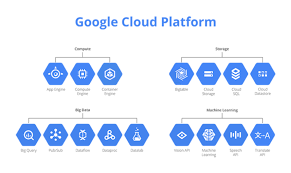
Google Cloud Platform is a suite of cloud computing services offered by Google that runs on the same infrastructure that Google uses internally for its end-user products, such as Google Search and YouTube. GCP provides a wide range of cloud services, including computing power, storage solutions, database management, machine learning capabilities, and more.

Key Features and Benefits of Google Cloud Platform

Google Cloud Platform offers several key features and benefits that make it a popular choice among businesses:

  • Scalability: GCP allows businesses to easily scale their resources up or down based on demand, providing flexibility and cost-effectiveness.
  • Security: With robust security measures in place, including encryption at rest and in transit, GCP ensures that data remains secure and protected.
  • Machine Learning and AI: GCP offers powerful machine learning tools that enable businesses to extract valuable insights from their data and drive innovation.
  • Data Analytics: With tools like BigQuery, businesses can analyze large datasets quickly and derive actionable insights to make informed decisions.
  • Global Infrastructure: GCP has a vast network of data centers around the world, allowing businesses to deploy applications closer to their users for improved performance.

Real-World Applications of Google Cloud Platform

Businesses across various industries are leveraging Google Cloud Platform to drive digital transformation and achieve their goals. Some common use cases include:

  • E-commerce: Retailers use GCP for seamless online shopping experiences and personalized recommendations based on customer behavior.
  • Healthcare: Healthcare providers utilize GCP for secure storage of patient records and advanced analytics for medical research.
  • Finance: Financial institutions rely on GCP for real-time fraud detection, risk analysis, and compliance with regulatory requirements.
  • Media & Entertainment: Media companies leverage GCP for content delivery, video streaming services, and data analytics to understand viewer preferences.

In Conclusion

In conclusion, Google Cloud Platform stands out as a leading cloud computing solution that empowers businesses with cutting-edge technologies and tools to drive innovation, enhance efficiency, and stay competitive in today’s fast-paced digital landscape. With its comprehensive suite of services and global infrastructure, GCP continues to be a top choice for organizations looking to harness the full potential of the cloud.


Top 8 Frequently Asked Questions About Google Cloud Platform (GCP)

  1. What is Google Cloud Platform (GCP) and what services does it offer?
  2. How does Google Cloud Platform ensure data security and compliance?
  3. What are the pricing options for using Google Cloud Platform services?
  4. How can businesses benefit from using Google Cloud Platform for their operations?
  5. What is the difference between Google Cloud Platform and other cloud providers like AWS and Azure?
  6. Does Google Cloud Platform offer support and training resources for users?
  7. Can existing applications be migrated to Google Cloud Platform, and how seamless is the process?
  8. What are some successful use cases of businesses leveraging Google Cloud Platform?

What is Google Cloud Platform (GCP) and what services does it offer?

Google Cloud Platform (GCP) is a comprehensive suite of cloud computing services provided by Google, designed to help businesses and developers build, deploy, and scale applications with ease. GCP runs on the same robust infrastructure that powers Google’s own products, such as Google Search and YouTube. It offers a wide array of services including computing power through virtual machines and containers, scalable storage solutions like Cloud Storage and databases such as Cloud SQL and Firestore. Additionally, GCP provides advanced tools for data analytics with BigQuery, machine learning capabilities via AI Platform, and serverless computing options like Cloud Functions. Its extensive network of global data centers ensures high availability and low latency for users around the world.

How does Google Cloud Platform ensure data security and compliance?

Google Cloud Platform prioritizes data security and compliance through a combination of robust measures and industry-leading practices. To ensure data security, GCP implements encryption at rest and in transit, protecting data both when it is stored and when it is transmitted between servers. GCP also offers advanced identity and access management controls, allowing organizations to manage who has access to their data and resources. In terms of compliance, Google Cloud Platform adheres to various industry standards and certifications, such as ISO 27001, SOC 2, GDPR, HIPAA, and more. Regular audits and assessments are conducted to verify compliance with these standards, providing customers with the assurance that their data is handled in a secure and compliant manner.

What are the pricing options for using Google Cloud Platform services?

When exploring Google Cloud Platform services, understanding the pricing options is a common query for many users. Google Cloud Platform offers flexible pricing models tailored to meet the diverse needs of businesses and individuals. Users can choose from various pricing options, including pay-as-you-go, committed use discounts, sustained use discounts, and custom pricing plans based on specific requirements. This versatility allows users to optimize costs based on their usage patterns and budget constraints, making Google Cloud Platform an attractive choice for those seeking cost-effective cloud solutions without compromising on performance or scalability.

How can businesses benefit from using Google Cloud Platform for their operations?

Businesses can significantly benefit from using Google Cloud Platform (GCP) for their operations in numerous ways. GCP offers unparalleled scalability, allowing companies to adjust their computing resources on demand, which is especially useful during peak times or unexpected surges in activity. The platform’s robust security measures, including encryption and compliance certifications, ensure that sensitive data is well-protected. Additionally, GCP’s advanced analytics and machine learning tools enable businesses to extract valuable insights from their data, driving informed decision-making and innovation. With a global network of data centers, GCP also ensures optimal performance and reliability, making it easier for businesses to deliver seamless experiences to their customers worldwide. Overall, leveraging GCP can lead to reduced operational costs, enhanced efficiency, and greater agility in responding to market changes.

What is the difference between Google Cloud Platform and other cloud providers like AWS and Azure?

When comparing Google Cloud Platform to other major cloud providers like AWS and Azure, several key differences come to light. Google Cloud Platform is known for its strong focus on data analytics and machine learning capabilities, leveraging Google’s expertise in these areas. Additionally, GCP offers a global network of data centers that enables businesses to deploy applications closer to their users for improved performance. On the other hand, AWS boasts a vast array of services and a long-standing presence in the cloud market, while Azure stands out for its seamless integration with Microsoft products and services. Each cloud provider has its unique strengths and offerings, catering to different business needs and preferences in the ever-evolving cloud computing landscape.

Does Google Cloud Platform offer support and training resources for users?

Yes, Google Cloud Platform provides extensive support and training resources for its users. From documentation and tutorials to online courses and certifications, GCP offers a wealth of resources to help users navigate the platform effectively. Additionally, users can access technical support through various channels, including community forums, email support, and premium support options for enterprise customers. Whether you are a beginner looking to learn the basics or an experienced user seeking advanced training, Google Cloud Platform ensures that users have the necessary tools and assistance to make the most out of their cloud computing experience.

Can existing applications be migrated to Google Cloud Platform, and how seamless is the process?

Migrating existing applications to Google Cloud Platform is a common consideration for businesses looking to leverage the benefits of cloud computing. The process of migrating applications to GCP can vary depending on factors such as the complexity of the application, its dependencies, and the chosen migration strategy. Google Cloud Platform offers a range of tools and services to facilitate application migration, making the process as seamless as possible. With proper planning, assessment, and execution, businesses can successfully migrate their existing applications to GCP while minimizing disruptions and maximizing the benefits of cloud infrastructure.

What are some successful use cases of businesses leveraging Google Cloud Platform?

Businesses across various industries have successfully leveraged Google Cloud Platform (GCP) to achieve their strategic goals and drive digital transformation. One notable use case is in the e-commerce sector, where retailers utilize GCP to enhance online shopping experiences, personalize recommendations based on customer behavior, and optimize inventory management. In the healthcare industry, organizations leverage GCP for secure storage of patient records, advanced analytics for medical research, and telemedicine services. Financial institutions rely on GCP for real-time fraud detection, risk analysis, and compliance with regulatory requirements. Additionally, media and entertainment companies use GCP for content delivery, video streaming services, and data analytics to understand viewer preferences and optimize content offerings. These successful implementations highlight the diverse applications of Google Cloud Platform in enabling businesses to innovate, improve efficiency, and deliver value to their customers.