
cfchris.com

Loading

Tag generative adversarial networks

most advanced ai

Exploring the Most Advanced AI Technologies of Today

The Most Advanced AI Technologies

The Most Advanced AI Technologies Today

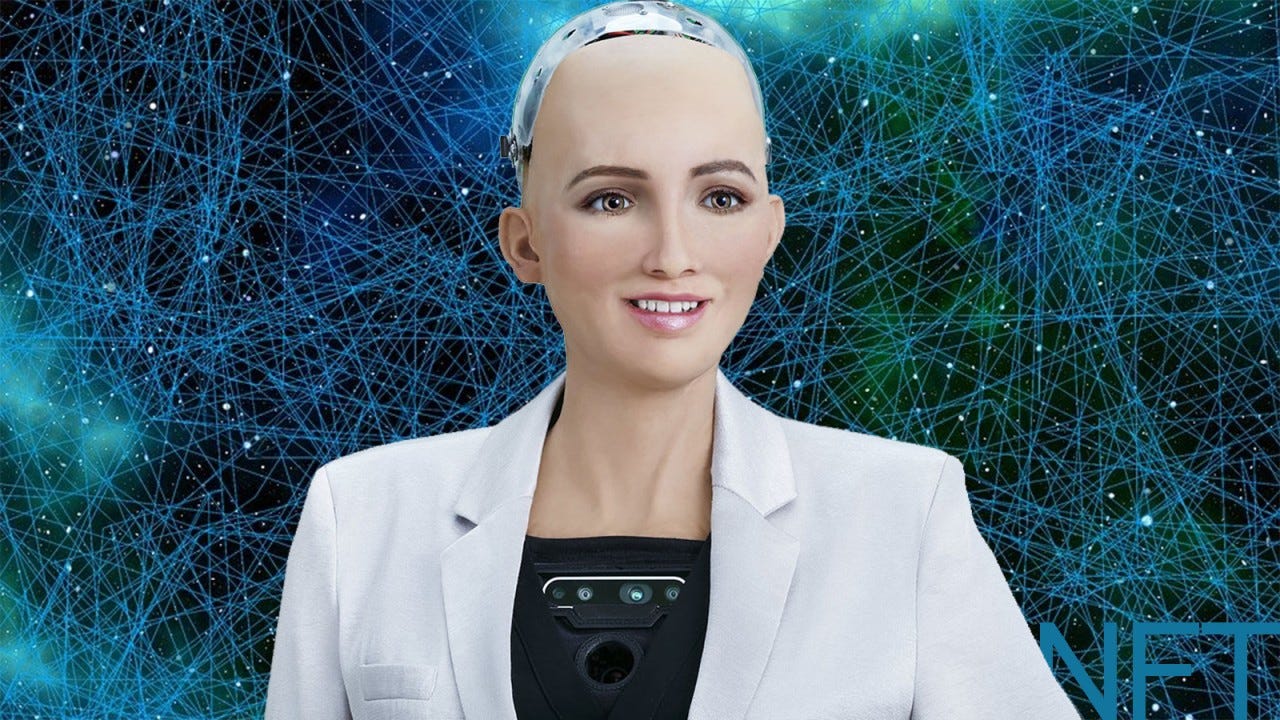
Artificial Intelligence (AI) has been rapidly advancing, with breakthroughs that are transforming industries and daily life. From healthcare to finance, AI technologies are pushing the boundaries of what’s possible. Here’s a look at some of the most advanced AI technologies today.

Natural Language Processing (NLP)

Natural Language Processing is at the forefront of AI advancements. It enables machines to understand and generate human language, making interactions more intuitive and seamless. Technologies like GPT-3 have demonstrated remarkable capabilities in generating human-like text, enabling applications ranging from chatbots to content creation.

Computer Vision

Computer vision technology allows machines to interpret and process visual data from the world around them. This technology is used in facial recognition systems, autonomous vehicles, and medical imaging analysis. Advanced algorithms can now detect objects with incredible accuracy and speed.

Reinforcement Learning

Reinforcement learning involves training models through trial and error using feedback from their actions and experiences. This approach has led to significant advancements in robotics, gaming, and autonomous systems. Notable examples include AlphaGo by DeepMind, which defeated human champions in the complex game of Go.

Generative Adversarial Networks (GANs)

GANs consist of two neural networks competing against each other to create realistic data samples such as images or audio files. They have been used for creating hyper-realistic images, enhancing video game graphics, and even developing new pharmaceuticals by simulating molecular structures.

Autonomous Systems

Autonomous systems leverage various AI technologies to operate independently without human intervention. These systems are being developed for self-driving cars, drones for delivery services, and automated manufacturing processes that enhance efficiency and safety.

The Future of Advanced AI

The future of advanced AI holds immense potential for further innovation across all sectors of society. As these technologies continue to evolve, ethical considerations will be paramount in ensuring that they benefit humanity as a whole while mitigating potential risks associated with their deployment.

The journey towards more sophisticated AI is ongoing, with researchers striving to create systems that can learn faster, reason better, and interact more naturally with humans.

© 2023 Tech Innovations Daily


Exploring the World’s Most Advanced AI: Top 9 Frequently Asked Questions

  1. What is the best AI in the world right now?
  2. Is there any AI more powerful than ChatGPT?
  3. Which is the most powerful AI tool in the world?
  4. What is the smartest AI so far?
  5. What’s the most advanced AI today?
  6. Is ChatGPT the most advanced AI?
  7. What is the most advanced personal AI?
  8. Who is the most advanced AI in the world?
  9. Who has the most advanced AI technology?

What is the best AI in the world right now?

Determining the “best” AI in the world is challenging, as it depends on the specific application and criteria used to evaluate it. However, some of the most advanced AI systems today include OpenAI’s GPT-3 for natural language processing, which excels at generating human-like text and understanding context. In the realm of computer vision, systems like Google’s DeepMind have achieved remarkable accuracy in image recognition and analysis. For reinforcement learning, DeepMind’s AlphaGo has demonstrated extraordinary capabilities by defeating world champions in complex games like Go. Each of these AI systems represents a pinnacle of achievement in its respective field, showcasing the diverse and rapidly evolving nature of artificial intelligence technology.

Is there any AI more powerful than ChatGPT?

While ChatGPT is a highly advanced AI language model known for its ability to generate human-like text across a wide range of topics, there are other AI systems that excel in different areas or have unique capabilities. For instance, some AI models are specifically designed for tasks such as image recognition, autonomous navigation, or scientific research simulations, which may make them more powerful in those specific domains. Additionally, new AI models are continuously being developed that might surpass existing ones in terms of efficiency, accuracy, or versatility. However, the definition of “more powerful” can vary depending on the criteria used—such as processing power, application scope, or adaptability—making it essential to consider the context when comparing AI systems like ChatGPT with others.

Which is the most powerful AI tool in the world?

Determining the most powerful AI tool in the world can be subjective, as it often depends on the specific application or industry. However, one of the most widely recognized and advanced AI systems is OpenAI’s GPT-4. As a language model, GPT-4 has demonstrated remarkable capabilities in understanding and generating human-like text, making it a versatile tool for tasks ranging from content creation and translation to complex problem-solving. Its ability to process vast amounts of data and generate coherent responses has positioned it as a leading force in the field of natural language processing. Additionally, other AI tools such as Google’s DeepMind have made significant strides in areas like reinforcement learning and game strategy, further illustrating the diverse landscape of powerful AI technologies available today.

What is the smartest AI so far?

Determining the “smartest” AI is subjective and depends on the criteria used to measure intelligence. However, one of the most advanced AI models to date is GPT-3, developed by OpenAI. GPT-3 is a language processing AI that can generate human-like text, translate languages, and even write code. With 175 billion parameters, it excels in understanding and generating natural language with remarkable coherence and context-awareness. While GPT-3 represents a significant leap in AI capabilities, it’s essential to note that its intelligence is specialized; it doesn’t possess general intelligence or consciousness like a human being. Other notable advancements include DeepMind’s AlphaGo, which demonstrated strategic thinking by defeating world champions in the complex board game Go. These AIs showcase how far technology has come but also highlight the ongoing journey toward more generalized forms of artificial intelligence.

What’s the most advanced AI today?

Determining the most advanced AI today can be challenging due to the rapid pace of innovation and the diverse applications of artificial intelligence. However, one of the leading contenders is OpenAI’s GPT-4, a state-of-the-art language model known for its ability to generate human-like text and understand complex language patterns. This model has been utilized in various applications, from customer service chatbots to content creation tools, showcasing its versatility and advanced capabilities. Additionally, advancements in AI technologies like Google’s DeepMind with AlphaGo and AlphaFold have demonstrated significant achievements in areas such as strategic gaming and protein folding prediction, respectively. These breakthroughs highlight the cutting-edge nature of current AI systems that are continuously pushing the boundaries of what machines can achieve.

Is ChatGPT the most advanced AI?

ChatGPT, developed by OpenAI, is one of the most advanced AI models in the realm of natural language processing. While it is highly sophisticated in generating human-like text and understanding context, whether it is “the most advanced AI” depends on the criteria used for evaluation. ChatGPT excels in conversational applications and content creation, but there are other AI systems that lead in different domains such as computer vision or autonomous systems. For instance, AI models like AlphaGo specialize in strategic game playing, while others excel in image recognition or robotics. Therefore, while ChatGPT represents a significant achievement in NLP, the title of “most advanced AI” can vary based on specific technological capabilities and application areas.

What is the most advanced personal AI?

The most advanced personal AI currently available is often considered to be virtual assistants like Apple’s Siri, Amazon’s Alexa, and Google Assistant. These AI systems leverage sophisticated natural language processing and machine learning algorithms to understand and respond to user queries, manage schedules, control smart home devices, and provide personalized recommendations. Among these, Google Assistant is frequently highlighted for its ability to understand context and offer more conversational interactions. Additionally, OpenAI’s ChatGPT has garnered attention for its ability to generate human-like text responses across a wide range of topics. These personal AIs continue to evolve rapidly, integrating more advanced features such as proactive suggestions and improved contextual awareness to enhance user experience.

Who is the most advanced AI in the world?

Determining the “most advanced AI in the world” is challenging, as advancements in artificial intelligence span various fields and applications. However, some notable contenders include OpenAI’s GPT-4, known for its exceptional natural language processing capabilities, and DeepMind’s AlphaGo, which made headlines by mastering the complex game of Go. These AIs exemplify significant achievements in understanding and generating human-like text and strategic decision-making. Additionally, AI systems like IBM’s Watson have demonstrated advanced capabilities in data analysis and problem-solving across different domains. The “most advanced” AI often depends on specific criteria such as adaptability, learning efficiency, or application scope.

Who has the most advanced AI technology?

Determining who has the most advanced AI technology is challenging, as several organizations and companies are leading in different aspects of AI development. Tech giants like Google, through its DeepMind division, have made significant strides with projects like AlphaGo and advancements in natural language processing. OpenAI is another key player, known for its development of GPT models that excel in generating human-like text. Meanwhile, companies such as IBM with Watson and Microsoft’s Azure AI are pushing boundaries in enterprise solutions and cloud-based AI services. Each organization focuses on different facets of AI, from machine learning and computer vision to autonomous systems and natural language understanding, making it difficult to single out one as having the most advanced technology overall.
ai artist

Exploring the Creative World of the AI Artist

The Rise of AI Artists: A New Era in Creativity

The Rise of AI Artists: A New Era in Creativity

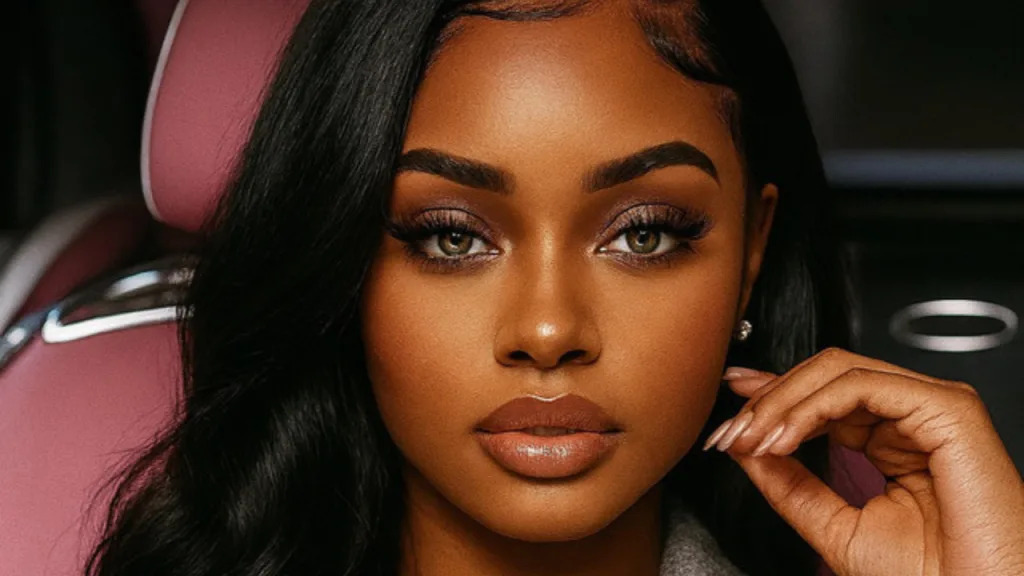
In recent years, the intersection of technology and art has given rise to a fascinating new trend: the AI artist. These digital creators are not human, but rather sophisticated algorithms capable of producing stunning works of art. As artificial intelligence continues to evolve, it is reshaping the boundaries of creativity and challenging our perceptions of what constitutes art.

What is an AI Artist?

An AI artist is essentially a computer program designed to create artwork. These programs utilize machine learning techniques, particularly deep learning and neural networks, to analyze vast amounts of data from existing artworks. By understanding patterns, styles, and techniques from this data, AI artists can generate original pieces that often mimic or even expand upon human creativity.

How Do AI Artists Work?

AI artists typically rely on a process known as Generative Adversarial Networks (GANs). GANs consist of two neural networks: a generator and a discriminator. The generator creates images, while the discriminator evaluates them against real images. Through this adversarial process, the generator learns to produce increasingly realistic artwork.

Another approach involves using algorithms like DeepDream or style transfer techniques to transform existing images into new artistic creations. These methods allow for unique interpretations and styles that can range from abstract to hyper-realistic.

The Impact on the Art World

The emergence of AI artists has sparked both excitement and debate within the art community. On one hand, AI offers new tools for artists to explore creative possibilities beyond human limitations. It can serve as a collaborative partner that inspires new ideas and techniques.

On the other hand, some critics argue that AI-generated art lacks the emotional depth and intentionality inherent in human-created works. The question arises: Can something created by an algorithm truly be considered “art”? This debate challenges traditional notions of authorship and creativity.

Notable Examples

  • Edmond de Belamy: In 2018, Christie’s auctioned off an AI-generated portrait titled “Portrait of Edmond de Belamy,” created by Paris-based collective Obvious using GANs. The piece sold for $432,500—far exceeding expectations—and marked a significant moment in the acceptance of AI art.
  • AICAN: Developed by Rutgers University’s Art & Artificial Intelligence Laboratory, AICAN is an algorithm that generates original artworks by blending different artistic styles learned from analyzing thousands of paintings.

The Future of AI in Art

The future holds exciting possibilities for AI in art creation. As technology advances, so too will the capabilities of these digital artists. We may see more collaborations between humans and machines where each complements the other’s strengths.

Moreover, as society becomes more accustomed to digital creations across various media platforms—including music composition and filmmaking—AI-generated art may become more widely accepted as a legitimate form of expression.

Ultimately whether viewed as tools or creators themselves—AI artists are undeniably reshaping how we think about artistry in today’s digital age—a testament not only to technological progress but also humanity’s enduring quest for innovation through creative expression.


Unlocking Creativity: 6 Advantages of AI Artists in the Modern Art World

  1. AI artists can generate art at a rapid pace, allowing for quick experimentation and iteration.
  2. AI artists can offer fresh perspectives and innovative approaches to traditional art forms.
  3. AI artists do not experience fatigue or creative blocks, ensuring consistent productivity.
  4. AI artists can analyze vast amounts of data to create personalized artworks tailored to individual preferences.
  5. AI artists have the potential to democratize art creation by making it more accessible to a wider audience.
  6. AI artists can collaborate with human artists, leading to unique and hybrid artistic expressions.


Six Drawbacks of AI in Art: From Emotional Depth to Ethical Concerns

  1. Lack of emotional depth
  2. Questionable authenticity
  3. Ethical concerns
  4. Dependency on data
  5. Limited creativity
  6. Devaluation of human artists

AI artists can generate art at a rapid pace, allowing for quick experimentation and iteration.

AI artists have the remarkable ability to generate art at an unprecedented speed, enabling rapid experimentation and iteration. This capability allows artists and creators to explore a vast array of styles, concepts, and techniques in a fraction of the time it would take a human artist. By quickly producing multiple variations of an artwork, AI artists facilitate a dynamic creative process where ideas can be tested and refined efficiently. This accelerated pace not only enhances productivity but also encourages innovation, as creators can swiftly pivot and adapt their approaches based on immediate feedback and results.

AI artists can offer fresh perspectives and innovative approaches to traditional art forms.

AI artists bring a unique advantage to the creative landscape by offering fresh perspectives and innovative approaches to traditional art forms. Unlike human artists, AI can analyze and synthesize vast amounts of data from diverse artistic styles and periods, allowing it to create novel combinations and reinterpretations that might not occur to a human mind. This ability to blend elements from different genres or cultures results in artwork that challenges conventional boundaries and introduces new aesthetic possibilities. By doing so, AI artists not only expand the horizons of creativity but also inspire human artists to explore uncharted territories, ultimately enriching the entire art world with their groundbreaking contributions.

AI artists do not experience fatigue or creative blocks, ensuring consistent productivity.

AI artists offer a significant advantage in their ability to maintain consistent productivity without experiencing fatigue or creative blocks. Unlike human artists, who may struggle with periods of low inspiration or burnout, AI algorithms can continuously generate artwork without the need for rest or breaks. This relentless output allows for the exploration of countless creative possibilities and variations, enabling faster experimentation and innovation. As a result, AI artists can produce a vast array of works in a relatively short amount of time, making them invaluable tools for projects requiring high-volume content creation or rapid prototyping.

AI artists can analyze vast amounts of data to create personalized artworks tailored to individual preferences.

AI artists have the remarkable ability to analyze vast datasets, allowing them to create personalized artworks tailored to individual preferences. By examining patterns and trends in a wide array of art styles, colors, and themes, AI can generate pieces that resonate with a person’s unique tastes and interests. This capability enables the creation of bespoke art that reflects personal stories or emotions, offering a level of customization previously unattainable with traditional methods. As a result, AI artists can produce works that not only appeal aesthetically but also hold deeper personal significance for the viewer.

AI artists have the potential to democratize art creation by making it more accessible to a wider audience.

AI artists have the potential to democratize art creation by making it more accessible to a wider audience. By leveraging artificial intelligence, individuals who may not have traditional artistic skills or resources can now engage in the creative process and produce unique artworks. This inclusivity opens up new avenues for self-expression and innovation, allowing art to transcend boundaries and reach individuals who may have previously felt excluded from the world of creativity.

AI artists can collaborate with human artists, leading to unique and hybrid artistic expressions.

AI artists offer an exciting opportunity for collaboration with human artists, resulting in unique and hybrid artistic expressions that blend the best of both worlds. By combining the analytical power and vast data processing capabilities of AI with the emotional depth and intuition of human creativity, these collaborations can push the boundaries of traditional art forms. Human artists can leverage AI’s ability to generate novel ideas and explore new styles, while adding their personal touch, emotional insight, and intentional design. This synergy fosters innovation and allows for the creation of artworks that might not be possible through individual effort alone, ultimately enriching the artistic landscape with fresh perspectives and groundbreaking creations.

Lack of emotional depth

One of the significant criticisms of AI-generated art is its lack of emotional depth. While AI artists can produce visually stunning pieces by analyzing and replicating patterns from vast datasets, they inherently lack the personal experiences and emotional nuances that human artists bring to their work. Human-created art often reflects the artist’s emotions, thoughts, and life experiences, allowing viewers to connect on a deeper level. This emotional resonance is challenging for AI to replicate because algorithms do not experience emotions or understand the human condition in the way people do. As a result, some argue that AI-generated art may feel more mechanical or detached, missing the soulful quality that often distinguishes truly impactful artworks.

Questionable authenticity

Some critics argue that one significant con of AI-generated art is its questionable authenticity. They contend that AI-created artworks lack the inherent authenticity and originality typically associated with traditional art forms. The concern lies in the perception that art generated by algorithms may lack the emotional depth, personal touch, and intentional creativity that human artists bring to their work. This debate raises important questions about the essence of art, challenging conventional notions of authorship and creativity in the context of AI-generated pieces.

Ethical concerns

The integration of AI in the art world brings with it significant ethical concerns, particularly regarding authorship and ownership. When an AI generates a piece of art, questions arise about who should be credited as the creator—the programmer who designed the algorithm, the AI itself, or perhaps even the dataset that trained it. This ambiguity challenges traditional notions of intellectual property and copyright, as existing legal frameworks are not fully equipped to address these complexities. Furthermore, there’s a broader debate about the role of technology in creative expression. While AI can produce impressive works, critics argue that it lacks the intentionality and emotional depth that characterize human artistry. This raises concerns about whether AI-generated art diminishes the value of human creativity and what this means for the future of artistic endeavors.

Dependency on data

AI artists depend significantly on existing datasets for their training, which can impose limitations on their ability to create truly innovative or groundbreaking artwork. These datasets often consist of previously created works, meaning that AI-generated art may inadvertently replicate existing styles or trends rather than forge new paths. This reliance on historical data can stifle originality, as the AI’s creative output is inherently tied to the scope and diversity of the dataset it has been exposed to. As a result, while AI artists can produce impressive and aesthetically pleasing pieces, their capacity for genuine innovation may be constrained by the boundaries of the data they are trained on.

Limited creativity

AI artists, while impressive in their ability to replicate existing styles and patterns, often face limitations when it comes to true creativity. These algorithms are trained on datasets of existing artworks, which means they can excel at producing pieces that resemble what has already been created. However, their capacity for generating truly novel or avant-garde artistic expressions may be constrained by this reliance on past data. Unlike human artists who can draw upon personal experiences, emotions, and abstract ideas to create groundbreaking art, AI lacks the innate intuition and emotional depth that often drive innovation in the art world. As a result, while AI can produce visually compelling works, its contributions may be limited in pushing the boundaries of artistic expression into uncharted territories.

Devaluation of human artists

The rise of AI artists introduces the potential for devaluation of human artists’ work, as it challenges traditional notions of creativity and originality. With AI capable of producing art that mimics or even surpasses human creations in complexity and style, there is a risk that society may begin to undervalue the unique qualities that human artists bring to their work, such as emotional depth, personal experience, and intentionality. This shift could lead to a broader cultural perception that prioritizes efficiency and novelty over the nuanced and often labor-intensive process of human creativity. As a result, human artists might find it increasingly difficult to compete in a market saturated with AI-generated art, potentially impacting their livelihoods and diminishing the appreciation for art as a deeply personal form of expression.