
cfchris.com

Loading

ai and robotics

Revolutionizing Industries: The Impact of AI and Robotics

AI and Robotics: Transforming the Future

AI and Robotics: Transforming the Future

The fields of artificial intelligence (AI) and robotics are rapidly evolving, transforming industries, economies, and everyday life. As these technologies advance, they offer unprecedented opportunities for innovation and efficiency.

Understanding AI and Robotics

Artificial Intelligence (AI) refers to the simulation of human intelligence processes by machines, especially computer systems. These processes include learning (the acquisition of information and rules for using it), reasoning (using rules to reach approximate or definite conclusions), and self-correction.

Robotics, on the other hand, involves the design, construction, operation, and use of robots. Robots are machines capable of carrying out a complex series of actions automatically, especially those programmable by a computer.

The Intersection of AI and Robotics

The integration of AI into robotics has led to significant advancements in how robots perceive their environment, make decisions, and perform tasks. This synergy is creating robots that can learn from experiences, adapt to new situations, and execute tasks with precision.

  • Autonomous Vehicles: Self-driving cars are one of the most visible examples of AI-powered robotics. These vehicles use sensors and AI algorithms to navigate roads safely.
  • Healthcare: Robots equipped with AI are assisting in surgeries with high precision or providing care in hospitals by delivering medications or conducting routine checks.
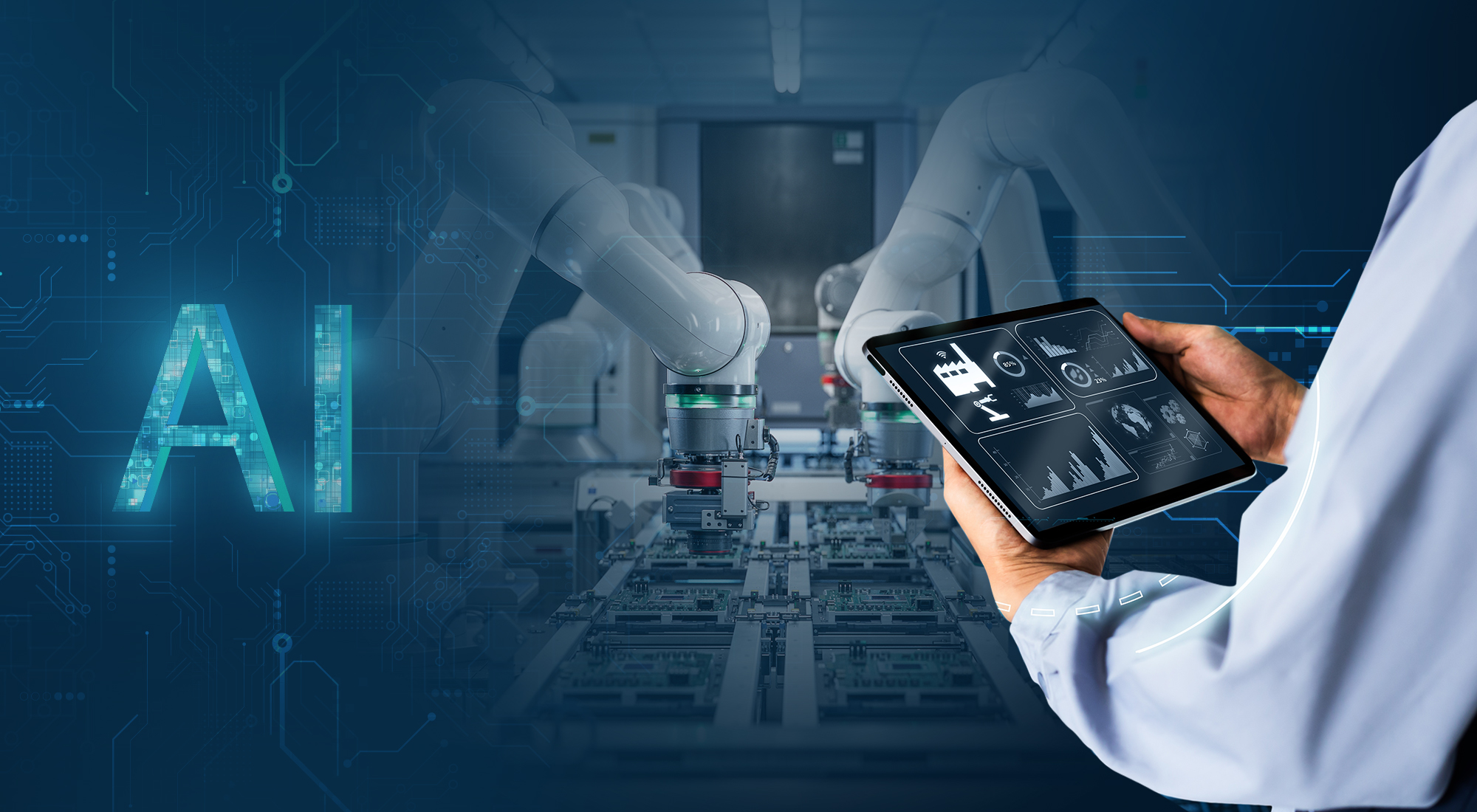
  • Manufacturing: In factories worldwide, robotic arms powered by AI are optimizing production lines by improving speed and reducing errors.

The Benefits of AI-Driven Robotics

The combination of AI and robotics offers numerous benefits:

  1. Increased Efficiency: Robots can work tirelessly without breaks or errors that human workers might encounter over long shifts.
  2. Enhanced Safety: In hazardous environments such as mining or deep-sea exploration, robots can perform dangerous tasks while keeping humans safe.
  3. Evolving Capabilities: As machine learning algorithms improve over time, robotic systems become more adept at handling complex tasks previously thought impossible for machines.

The Challenges Ahead

Despite their potential benefits, integrating AI with robotics also presents challenges:

  • Ethical Concerns: The rise of intelligent machines raises questions about job displacement and privacy issues. Ensuring ethical guidelines govern their deployment is crucial.
  • Sophisticated Decision-Making: Developing algorithms that allow robots to make nuanced decisions similar to humans remains a complex challenge for researchers.
  • Cultural Acceptance: Societal acceptance varies globally; therefore public education on these technologies’ benefits is essential for widespread adoption.

The Future Outlook

The future holds exciting possibilities as AI continues merging with robotics technology across various sectors. From smart homes filled with robotic assistants managing daily chores efficiently to advanced medical procedures performed autonomously – this evolution promises transformative changes ahead!

Navigating this landscape requires collaboration between technologists policymakers businesses academia ensuring responsible development deployment these powerful tools shaping tomorrow’s world today!

© 2023 CFChris – All Rights Reserved


6 Essential Tips for Navigating the World of AI and Robotics

  1. Stay updated on the latest advancements in AI and robotics.
  2. Understand the ethical implications of AI and robotics technology.
  3. Learn programming languages commonly used in AI and robotics, such as Python and C++.
  4. Collaborate with experts in the field to enhance your knowledge and skills.
  5. Experiment with building simple AI or robotic projects to gain hands-on experience.
  6. Always prioritize safety measures when working with AI and robotic systems.

Stay updated on the latest advancements in AI and robotics.

Staying updated on the latest advancements in AI and robotics is crucial for anyone interested in technology, as these fields are rapidly evolving and reshaping industries worldwide. By keeping abreast of new developments, individuals can better understand how these technologies can be applied to solve real-world problems and improve efficiency across various sectors. Continuous learning through reputable sources like academic journals, industry conferences, and online courses ensures that one remains informed about cutting-edge innovations. This knowledge not only enhances personal expertise but also provides a competitive edge in the job market, where demand for skills related to AI and robotics is increasing.

Understand the ethical implications of AI and robotics technology.

Understanding the ethical implications of AI and robotics technology is crucial as these innovations become increasingly integrated into society. As AI systems and robots gain more autonomy and decision-making power, they raise important questions about privacy, accountability, and fairness. For instance, the deployment of AI in surveillance systems can enhance security but also risks infringing on individual privacy rights. Similarly, autonomous robots in industries like healthcare or transportation must be programmed to make ethical decisions that prioritize human safety. Ensuring that these technologies are developed and used responsibly requires a collaborative effort among technologists, ethicists, policymakers, and the public to establish guidelines that protect human values while fostering innovation.

Learn programming languages commonly used in AI and robotics, such as Python and C++.

Learning programming languages like Python and C++ is essential for anyone interested in AI and robotics. Python is favored for its simplicity and readability, making it an excellent choice for beginners and experts alike. It offers extensive libraries such as TensorFlow and PyTorch, which are crucial for developing AI models. On the other hand, C++ is renowned for its performance and efficiency, making it ideal for robotics applications where speed is critical. By mastering these languages, individuals can unlock the potential to develop sophisticated algorithms, control robotic systems, and contribute to cutting-edge innovations in the field of AI and robotics.

Collaborate with experts in the field to enhance your knowledge and skills.

Collaborating with experts in the field of AI and robotics is an invaluable strategy for enhancing your knowledge and skills. By working alongside seasoned professionals, you gain access to a wealth of experience and insights that can accelerate your learning curve. Experts can provide guidance on navigating complex challenges, introduce you to cutting-edge technologies, and offer practical advice based on real-world applications. This collaboration fosters a dynamic exchange of ideas, encouraging innovation and creativity. Additionally, building a network of knowledgeable contacts in the industry can open up opportunities for further education, research partnerships, and career advancement. Engaging with experts not only deepens your understanding but also positions you at the forefront of advancements in AI and robotics.

Experiment with building simple AI or robotic projects to gain hands-on experience.

Experimenting with building simple AI or robotic projects is a fantastic way to gain hands-on experience and deepen your understanding of these cutting-edge technologies. By starting with small, manageable projects, you can learn the fundamentals of programming, electronics, and machine learning in a practical context. This approach allows you to see firsthand how AI algorithms work and how robots can be programmed to perform specific tasks. Whether it’s creating a basic chatbot or assembling a simple robotic arm, these projects provide valuable insights into the challenges and possibilities within the field. Additionally, such experimentation fosters problem-solving skills and creativity, equipping you with the knowledge needed to tackle more complex projects in the future.

Always prioritize safety measures when working with AI and robotic systems.

When working with AI and robotic systems, prioritizing safety measures is essential to ensure the well-being of both humans and machines. These advanced technologies, while offering significant benefits, can pose risks if not properly managed. Implementing robust safety protocols helps prevent accidents and malfunctions that could lead to injury or damage. This includes regular maintenance checks, employing fail-safes, and ensuring that all personnel are adequately trained to interact with these systems. By focusing on safety, organizations can mitigate potential hazards and create a secure environment where AI and robotics can thrive alongside human workers.

ai and machine learning

AI and Machine Learning: Paving the Way for Technological Innovation

AI and Machine Learning: Transforming the Future

AI and Machine Learning: Transforming the Future

The fields of Artificial Intelligence (AI) and Machine Learning (ML) are rapidly evolving, transforming industries and reshaping the way we live and work. From healthcare to finance, AI and ML are driving innovation and offering unprecedented opportunities for growth and efficiency.

Understanding AI and Machine Learning

Artificial Intelligence refers to the simulation of human intelligence in machines that are programmed to think like humans and mimic their actions. It encompasses a wide range of technologies, including natural language processing, robotics, computer vision, and more.

Machine Learning, a subset of AI, involves the use of algorithms that allow computers to learn from data without being explicitly programmed. By recognizing patterns in data, machine learning models can make predictions or decisions without human intervention.

The Impact on Various Industries

Healthcare

In healthcare, AI is revolutionizing diagnostics by enabling faster and more accurate analysis of medical images. Machine learning algorithms can predict patient outcomes and suggest personalized treatment plans. This not only improves patient care but also reduces costs.

Finance

The financial industry is leveraging AI for fraud detection, risk management, and algorithmic trading. Machine learning models analyze vast amounts of transaction data to identify suspicious activities in real-time, enhancing security for consumers.

Retail

Retailers use AI to enhance customer experiences through personalized recommendations based on shopping behavior. Inventory management is also optimized using predictive analytics powered by machine learning.

The Challenges Ahead

Despite its potential, AI faces several challenges that need addressing:

  • Ethical Concerns: The use of AI raises questions about privacy, bias in decision-making processes, and job displacement.
  • Data Security: Protecting sensitive data used in training machine learning models is crucial to prevent breaches.
  • Lack of Transparency: Many AI systems operate as “black boxes,” making it difficult to understand how decisions are made.

The Future Outlook

The future of AI and machine learning is promising. As technology advances, these tools will become even more powerful and integrated into our daily lives. Continued research will likely lead to breakthroughs in areas such as autonomous vehicles, smart cities, and advanced robotics.

The key to harnessing the full potential of AI lies in responsible development practices that prioritize ethical considerations alongside technological advancements.

Conclusion

The transformative power of AI and machine learning cannot be overstated. By embracing these technologies responsibly, society can unlock new possibilities for innovation while addressing critical challenges along the way.

© 2023 – All Rights Reserved.


7 Ways AI and Machine Learning Transform Decision-Making, Efficiency, and Innovation

  1. Enhanced decision-making capabilities
  2. Improved efficiency and productivity
  3. Personalized user experiences
  4. Automation of repetitive tasks
  5. Predictive analytics for better planning
  6. Increased accuracy in data analysis
  7. Facilitation of innovation and creativity


Five Key Concerns About AI and Machine Learning: Ethics, Bias, Jobs, Transparency, and Data Dependency

  1. Ethical concerns regarding privacy and data security
  2. Potential for bias in decision-making processes
  3. Job displacement due to automation of tasks
  4. Complexity and lack of transparency in AI algorithms
  5. Dependency on accurate and large datasets for training models

Enhanced decision-making capabilities

AI and machine learning significantly enhance decision-making capabilities by providing data-driven insights and predictive analytics. These technologies can process vast amounts of data at incredible speeds, identifying patterns and trends that might be missed by human analysis. By leveraging machine learning algorithms, businesses can make more informed decisions, reduce risks, and optimize operations. For instance, in finance, AI systems can forecast market trends with high accuracy, enabling investors to make strategic choices. In healthcare, machine learning models assist in diagnosing diseases earlier and recommending personalized treatment plans. Overall, the enhanced decision-making capabilities of AI empower organizations to act with greater precision and confidence in an increasingly complex world.

Improved efficiency and productivity

AI and machine learning significantly enhance efficiency and productivity across various industries by automating repetitive tasks and optimizing complex processes. These technologies can analyze vast amounts of data at incredible speeds, identifying patterns and insights that would take humans much longer to uncover. By streamlining operations, reducing manual labor, and minimizing errors, AI-driven solutions allow businesses to focus on strategic initiatives and innovation. This increased efficiency not only leads to cost savings but also boosts overall productivity, enabling companies to deliver better products and services in less time.

Personalized user experiences

AI and machine learning are revolutionizing personalized user experiences by tailoring interactions to individual preferences and behaviors. By analyzing vast amounts of data, these technologies can predict user needs and deliver customized content, recommendations, and services. Whether it’s suggesting the next song in a playlist, offering personalized shopping suggestions, or providing targeted advertisements, AI enhances user engagement by making interactions more relevant and intuitive. This level of personalization not only improves customer satisfaction but also fosters brand loyalty by creating a more meaningful connection between users and the services they use.

Automation of repetitive tasks

Automation of repetitive tasks is one of the most significant advantages brought by AI and machine learning. By leveraging intelligent algorithms, businesses can streamline operations and reduce the need for human intervention in mundane, time-consuming activities. This not only increases efficiency but also allows employees to focus on more strategic and creative tasks that require human insight and problem-solving skills. For instance, in sectors like manufacturing, AI-powered robots can handle assembly line duties with precision and consistency, while in customer service, chatbots can manage routine inquiries, freeing up human agents to deal with more complex issues. Overall, automating repetitive tasks leads to higher productivity and cost savings across various industries.

Predictive analytics for better planning

Predictive analytics, powered by AI and machine learning, has become an invaluable tool for better planning across various sectors. By analyzing historical data and identifying patterns, these technologies can forecast future trends with remarkable accuracy. This capability allows businesses to make informed decisions, optimize operations, and allocate resources more efficiently. For instance, in supply chain management, predictive analytics can anticipate demand fluctuations, helping companies maintain optimal inventory levels and reduce waste. In healthcare, it aids in predicting patient admission rates, enabling hospitals to manage staffing and resources effectively. Overall, the ability to foresee potential outcomes empowers organizations to strategize proactively, enhancing both productivity and competitiveness.

Increased accuracy in data analysis

AI and machine learning have significantly enhanced accuracy in data analysis by leveraging advanced algorithms capable of processing vast amounts of information quickly and efficiently. These technologies can identify patterns and correlations within data sets that might be too complex or subtle for human analysts to detect. As a result, businesses and organizations can make more informed decisions based on precise insights, reducing the likelihood of errors and improving overall outcomes. This increased accuracy is particularly beneficial in fields like healthcare, finance, and logistics, where precise data interpretation can lead to better patient care, more effective risk management, and optimized supply chain operations.

Facilitation of innovation and creativity

AI and machine learning play a pivotal role in facilitating innovation and creativity across various fields. By automating routine tasks and analyzing vast amounts of data, these technologies free up human resources to focus on more creative endeavors. They provide new tools for artists, designers, and engineers to experiment with novel ideas that were previously unimaginable. For instance, AI-driven design software can generate unique patterns or structures, inspiring architects to push the boundaries of traditional architecture. In the entertainment industry, machine learning algorithms can compose music or create visual art, offering fresh perspectives and expanding the horizons of creative expression. This synergy between human creativity and AI capabilities fosters an environment where groundbreaking innovations can flourish.

Ethical concerns regarding privacy and data security

The rise of AI and machine learning has brought significant ethical concerns, particularly regarding privacy and data security. As these technologies rely heavily on vast amounts of data to function effectively, there is an increased risk of sensitive information being mishandled or exposed. The collection and analysis of personal data raise critical questions about consent, ownership, and the potential for misuse. Furthermore, the ability of AI systems to infer sensitive information from seemingly innocuous data points amplifies these concerns. Without robust safeguards and transparent practices, individuals’ privacy could be compromised, leading to a loss of trust in technology-driven solutions. Addressing these ethical issues is crucial to ensuring that AI advancements benefit society while protecting individual rights.

Potential for bias in decision-making processes

The potential for bias in decision-making processes is a significant concern when it comes to AI and machine learning. These systems are trained on large datasets that may contain historical biases, reflecting societal prejudices or inequalities. If not carefully managed, AI models can perpetuate or even amplify these biases, leading to unfair or discriminatory outcomes. For instance, biased data can result in algorithms that favor certain groups over others in areas such as hiring, lending, or law enforcement. Addressing this issue requires ongoing efforts to ensure data diversity and implement fairness measures throughout the development and deployment of AI technologies.

Job displacement due to automation of tasks

The automation of tasks through AI and machine learning is leading to significant job displacement across various industries. As machines become more capable of performing routine and even complex tasks, many jobs traditionally held by humans are at risk of being eliminated or transformed. This shift can result in economic instability for workers who find their skills rendered obsolete or less in demand. While automation can drive efficiency and reduce costs for businesses, it also necessitates a focus on reskilling and upskilling the workforce to prepare for new roles that emerge in an AI-driven economy. Balancing technological advancement with workforce development is crucial to mitigating the adverse effects of job displacement.

Complexity and lack of transparency in AI algorithms

One significant drawback of AI and machine learning is the complexity and lack of transparency in their algorithms. These systems often operate as “black boxes,” where the internal workings are not easily understood, even by experts. This opacity can lead to challenges in interpreting how decisions are made, which is particularly concerning in critical areas like healthcare, finance, and law enforcement. The inability to fully comprehend or explain the decision-making process can undermine trust and accountability, making it difficult for users to rely on AI systems without reservations. As AI continues to integrate into more aspects of daily life, addressing this issue becomes essential to ensure ethical and fair outcomes.

Dependency on accurate and large datasets for training models

A significant drawback of AI and machine learning is their dependency on accurate and large datasets for training models. The effectiveness of these technologies hinges on the quality and quantity of data they are fed. Inaccurate or insufficient data can lead to biased or erroneous outcomes, undermining the reliability of AI systems. Moreover, collecting large datasets can be resource-intensive and may raise privacy concerns, especially when dealing with sensitive information. This dependency poses a challenge for organizations that may not have access to comprehensive datasets, potentially limiting the development and deployment of robust AI solutions across various sectors.