
cfchris.com

Loading

java react

Mastering the Art of Java and React Integration for Modern Web Development

Java and React: A Powerful Combination for Modern Web Development

Java and React: A Powerful Combination for Modern Web Development

In the world of web development, Java and React have emerged as two powerful technologies that, when combined, offer a robust solution for building modern web applications. Let’s explore how Java and React work together seamlessly to create dynamic and interactive web experiences.

The Strengths of Java

Java is a versatile programming language known for its reliability, scalability, and performance. It is commonly used for backend development due to its strong typing system, extensive libraries, and platform independence. Java’s object-oriented approach makes it ideal for building complex applications that can handle high traffic and large datasets efficiently.

The Power of React

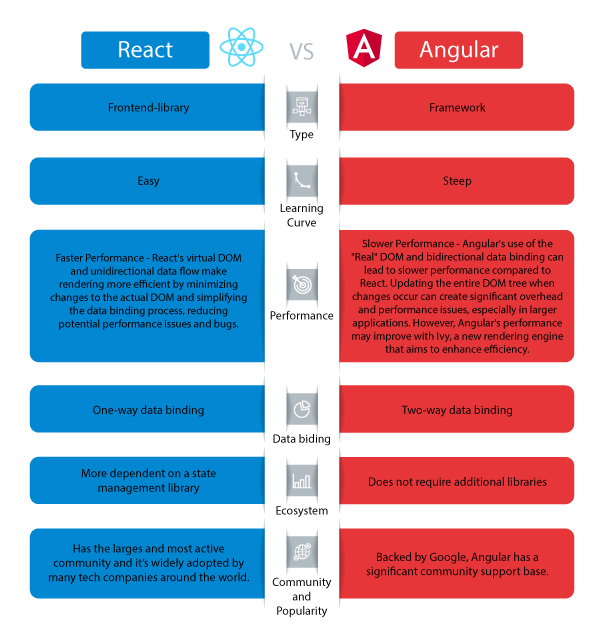
React is a popular JavaScript library developed by Facebook for building user interfaces. It allows developers to create interactive and responsive UI components that can be easily reused across different parts of an application. React’s virtual DOM (Document Object Model) enables efficient rendering of changes, resulting in faster performance and improved user experience.

Integration of Java with React

By combining Java on the backend with React on the frontend, developers can leverage the strengths of both technologies to create full-stack web applications. Java provides a robust server-side infrastructure for handling business logic, data processing, and database operations, while React handles the presentation layer with its declarative component-based architecture.

Through RESTful APIs or GraphQL endpoints, Java communicates with the React frontend to exchange data seamlessly between the client and server. This decoupled architecture enables developers to maintain clean code separation between the frontend and backend layers, making it easier to scale and maintain the application over time.

Benefits of Using Java and React Together

  • Scalability: Java’s scalability combined with React’s component-based architecture allows developers to build scalable web applications that can grow with user demand.
  • Performance: The efficient rendering mechanism of React paired with Java’s optimized backend processing results in high-performance web applications.
  • Maintainability: Separation of concerns between frontend and backend codebases simplifies maintenance tasks and facilitates code reusability.
  • User Experience: The interactive user interfaces created with React enhance the overall user experience of the application.

In Conclusion

The combination of Java and React offers a winning formula for developing modern web applications that are scalable, performant, maintainable, and user-friendly. By harnessing the strengths of these two technologies together, developers can deliver cutting-edge solutions that meet the demands of today’s dynamic digital landscape.


Exploring Java and React: Key FAQs for Web Development Integration

  1. What is Java?
  2. What is React?
  3. How can Java and React be used together?
  4. What are the advantages of using Java and React in web development?
  5. Are there any limitations or challenges when integrating Java with React?
  6. Can you provide examples of popular websites or applications built using Java and React?

What is Java?

Java is a versatile and robust programming language known for its reliability, scalability, and platform independence. It is widely used in backend development to build complex applications that can handle high traffic and large datasets efficiently. Java’s object-oriented approach, extensive libraries, and strong typing system make it a popular choice for developers looking to create secure and high-performance software solutions.

What is React?

React is a popular JavaScript library developed by Facebook for building user interfaces. It allows developers to create interactive and responsive UI components that can be easily reused across different parts of an application. React’s virtual DOM (Document Object Model) enables efficient rendering of changes, resulting in faster performance and improved user experience. With its declarative component-based architecture, React simplifies the process of building dynamic web interfaces and has become a go-to choice for frontend development in modern web applications.

How can Java and React be used together?

When it comes to integrating Java and React, developers can harness the strengths of both technologies to create powerful web applications. Java, with its robust backend capabilities, can handle business logic, data processing, and database operations effectively. On the other hand, React excels in building interactive and responsive user interfaces on the frontend. By establishing communication between Java backend services and React frontend components through APIs or other means, developers can achieve a seamless integration that ensures efficient data exchange and clean code separation. This collaborative approach allows for the development of scalable, high-performance web applications that deliver a superior user experience.

What are the advantages of using Java and React in web development?

When it comes to web development, leveraging Java and React offers a multitude of advantages. The combination of Java’s robust backend capabilities and React’s interactive frontend features results in a powerful synergy that enhances the development process. Java provides reliability, scalability, and performance on the server-side, while React simplifies the creation of dynamic user interfaces on the client-side. This integration allows for seamless communication between the frontend and backend components, enabling developers to build scalable, high-performance web applications with improved maintainability and enhanced user experience. By harnessing the strengths of both Java and React, developers can create modern web solutions that excel in functionality and performance.

Are there any limitations or challenges when integrating Java with React?

When integrating Java with React, developers may encounter certain limitations and challenges that need to be addressed. One common challenge is managing the communication between the frontend React components and the backend Java services effectively. Ensuring seamless data exchange through APIs and handling asynchronous operations can require careful coordination to maintain a smooth interaction between the two layers. Additionally, differences in programming paradigms between Java and React, such as object-oriented versus component-based approaches, may require developers to adapt their mindset and code structure to ensure compatibility and maintainability. Overall, while integrating Java with React offers numerous benefits, understanding and overcoming these limitations and challenges is crucial for a successful integration process.

Certainly! Several popular websites and applications have been built using the powerful combination of Java and React. One notable example is Facebook, which utilizes React for its frontend interface to deliver a seamless and interactive user experience, while Java powers its backend infrastructure to handle complex data processing and server-side operations. Another well-known platform that leverages Java and React is Airbnb, where Java manages the backend logic and data management, while React creates dynamic and responsive user interfaces for browsing listings and making bookings. These successful implementations showcase how Java and React work together harmoniously to create high-performance web applications that cater to millions of users worldwide.
tech stack

Mastering Your Tech Stack: Building Efficient Software Solutions

In the world of software development, a tech stack plays a crucial role in determining the success and efficiency of a project. A tech stack, short for technology stack, refers to the combination of programming languages, frameworks, tools, and software used by developers to build and deploy applications.

Choosing the right tech stack is essential as it directly impacts factors such as performance, scalability, security, and maintainability of the software. A well-thought-out tech stack can streamline development processes and ensure that the final product meets both functional and non-functional requirements.

Typically, a tech stack consists of three main components:

  1. Frontend: The frontend of an application is what users interact with. It includes technologies like HTML, CSS, and JavaScript along with popular frameworks such as Angular, React, or Vue.js.
  2. Backend: The backend is responsible for handling data processing, business logic, and server-side operations. Common backend technologies include programming languages like Python, Java, Ruby on Rails, or Node.js along with frameworks like Django or Spring.
  3. Database: The database component stores and manages the application’s data. Developers can choose from various types of databases such as relational (e.g., MySQL), NoSQL (e.g., MongoDB), or in-memory databases (e.g., Redis) based on the project requirements.

Additionally, a tech stack may include other elements like version control systems (e.g., Git), cloud services (e.g., AWS or Azure), containerization tools (e.g., Docker), and continuous integration/continuous deployment (CI/CD) pipelines to automate testing and deployment processes.

The choice of a tech stack depends on factors like project complexity, scalability needs, time-to-market requirements, developer expertise, budget constraints, and future growth considerations. It’s crucial for development teams to evaluate these factors carefully before finalizing a tech stack for their projects.

In conclusion, a well-designed tech stack is fundamental to the success of any software development project. By selecting the right combination of technologies and tools tailored to specific project needs, developers can create robust applications that meet user expectations while ensuring efficient development processes and long-term sustainability.


7 Key Advantages of a Well-Defined Tech Stack for Modern Application Development

  1. 1. Enables efficient development by providing a structured framework for building applications.
  2. 2. Facilitates scalability, allowing applications to handle increased user loads and data volumes.
  3. 3. Enhances performance through optimized use of technologies that meet project requirements.
  4. 4. Improves collaboration among team members with a shared understanding of the tech stack components.
  5. 5. Streamlines maintenance and updates by standardizing tools and processes within the development environment.
  6. 6. Boosts innovation by leveraging cutting-edge technologies and frameworks to create advanced solutions.
  7. 7. Supports seamless integration with third-party services and APIs, enhancing functionality and expanding capabilities.


6 Common Drawbacks of Tech Stacks: Navigating Complexity, Compatibility, and More

  1. Complexity
  2. Compatibility Issues
  3. Learning Curve
  4. Maintenance Challenges
  5. Vendor Lock-in
  6. Performance Overhead

1. Enables efficient development by providing a structured framework for building applications.

A significant advantage of utilizing a tech stack is its ability to enable efficient development by offering a structured framework for building applications. By incorporating predefined technologies, programming languages, and tools into a cohesive stack, developers can streamline the development process, reduce redundancy, and focus on implementing core functionalities. This structured approach not only enhances productivity but also promotes consistency across the project, making it easier to maintain and scale the application as needed. Ultimately, a well-defined tech stack serves as a solid foundation that empowers developers to work more efficiently and effectively towards delivering high-quality software solutions.

2. Facilitates scalability, allowing applications to handle increased user loads and data volumes.

Facilitates scalability, allowing applications to handle increased user loads and data volumes. A well-chosen tech stack enables applications to scale seamlessly as user traffic and data volumes grow. By incorporating scalable technologies and architectures, developers can ensure that the application remains responsive and performs optimally even under heavy loads. This pro of a tech stack is crucial for businesses looking to expand their user base or handle growing amounts of data without compromising on performance or user experience.

3. Enhances performance through optimized use of technologies that meet project requirements.

By optimizing the use of technologies that align with project requirements, a well-chosen tech stack enhances performance significantly. By carefully selecting programming languages, frameworks, and tools that are best suited for the project’s needs, developers can ensure efficient code execution, faster response times, and overall improved system performance. This optimization not only boosts the application’s speed and responsiveness but also contributes to better scalability and resource utilization, ultimately leading to a more robust and high-performing software solution.

4. Improves collaboration among team members with a shared understanding of the tech stack components.

Enhancing collaboration among team members is a significant advantage of utilizing a tech stack in software development. By establishing a shared understanding of the tech stack components, team members can effectively communicate, troubleshoot issues, and work together seamlessly. With everyone on the same page regarding the technologies, frameworks, and tools being used, collaboration becomes more efficient and productive. This shared knowledge fosters a cohesive team environment where developers can leverage each other’s expertise and contribute collectively to the success of the project.

5. Streamlines maintenance and updates by standardizing tools and processes within the development environment.

Streamlining maintenance and updates is a significant advantage of utilizing a tech stack in software development. By standardizing tools and processes within the development environment, teams can ensure consistency and efficiency when managing and updating their applications. This approach simplifies the maintenance tasks, as developers are familiar with the standardized tools and procedures, making it easier to troubleshoot issues, implement updates, and ensure the overall stability of the software. Additionally, having a uniform tech stack across projects enables smoother collaboration among team members and facilitates knowledge sharing, ultimately enhancing productivity and reducing the time required for maintenance activities.

6. Boosts innovation by leveraging cutting-edge technologies and frameworks to create advanced solutions.

By leveraging cutting-edge technologies and frameworks within a tech stack, developers can boost innovation and create advanced solutions that push the boundaries of what is possible in the digital landscape. Incorporating the latest tools and techniques allows for the exploration of new ideas, implementation of novel features, and development of groundbreaking applications that meet evolving user demands. This proactive approach to technology adoption not only enhances product offerings but also positions businesses at the forefront of innovation in their respective industries.

7. Supports seamless integration with third-party services and APIs, enhancing functionality and expanding capabilities.

By leveraging a well-structured tech stack, developers can harness the power of seamless integration with third-party services and APIs, thereby enhancing the functionality and expanding the capabilities of their applications. This pro allows for the incorporation of a wide range of external tools and services, enabling developers to tap into additional features and resources without having to reinvent the wheel. By integrating with third-party services and APIs, development teams can boost efficiency, improve user experience, and unlock new possibilities for innovation within their software projects.

Complexity

Managing multiple technologies in a tech stack can indeed introduce a significant challenge in the form of increased complexity. Each technology within the stack may have its own set of requirements, dependencies, and best practices, making it essential for developers to possess specialized skills and expertise in each area. Juggling multiple technologies can lead to compatibility issues, integration challenges, and troubleshooting complexities, ultimately demanding a higher level of coordination and effort to ensure seamless functionality across the entire tech stack. This complexity can also impact project timelines and resource allocation as teams may need to invest additional time and resources in managing and maintaining the diverse components of the tech stack.

Compatibility Issues

Compatibility issues can pose a significant challenge when dealing with a tech stack. Due to the diverse nature of components within a tech stack, such as programming languages, frameworks, and tools, ensuring seamless integration can be complex. Incompatibilities between different components can result in unexpected errors, performance issues, or even system failures. Resolving compatibility issues requires careful testing, troubleshooting, and sometimes reevaluating the choice of technologies to ensure that all parts of the tech stack work harmoniously together. Addressing compatibility challenges effectively is crucial to maintaining the stability and functionality of software applications built on that tech stack.

Learning Curve

Adapting to a new tech stack can present a significant challenge for developers due to the learning curve associated with mastering unfamiliar technologies. This adjustment period may lead to a temporary decrease in productivity as developers invest time and effort in understanding and becoming proficient with the new tools and frameworks. The need for training and skill development can slow down project progress in the short term, impacting deadlines and deliverables. However, once developers overcome the initial learning curve, they can leverage their newfound expertise to enhance efficiency and effectiveness in future project work within the tech stack.

Maintenance Challenges

Maintenance challenges pose a significant con when it comes to tech stacks. Updating or replacing components of a tech stack can be a daunting task, particularly in complex projects. The process can be time-consuming and challenging, requiring careful planning and execution to ensure that the changes do not disrupt the functionality of the system. Additionally, compatibility issues between different components can arise during updates, leading to unexpected errors and downtime. Managing maintenance challenges effectively is crucial to maintaining the stability and performance of a tech stack over time.

Vendor Lock-in

Depending heavily on specific technologies within a tech stack can lead to a significant drawback known as vendor lock-in. This con arises when a development team becomes overly reliant on proprietary tools or platforms provided by a particular vendor. Vendor lock-in can restrict flexibility and hinder the ability to adapt or switch to alternative solutions in the future. It poses a risk of being tied to a single vendor’s ecosystem, potentially limiting innovation and increasing dependency on external providers, which may result in higher costs or compatibility issues down the line. Developers need to carefully consider the implications of vendor lock-in when selecting technologies for their tech stack to ensure long-term adaptability and mitigate risks associated with being locked into a specific vendor’s offerings.

Performance Overhead

Introducing multiple layers of technology in a tech stack can lead to performance overhead, potentially affecting the speed and responsiveness of an application. Each additional layer, whether it be a framework, library, or tool, introduces complexity and may require additional processing resources. This can result in increased latency, slower response times, and overall decreased performance efficiency. Developers need to carefully consider the trade-offs between functionality and performance when selecting components for a tech stack to mitigate the risk of performance overhead impacting the user experience negatively.