


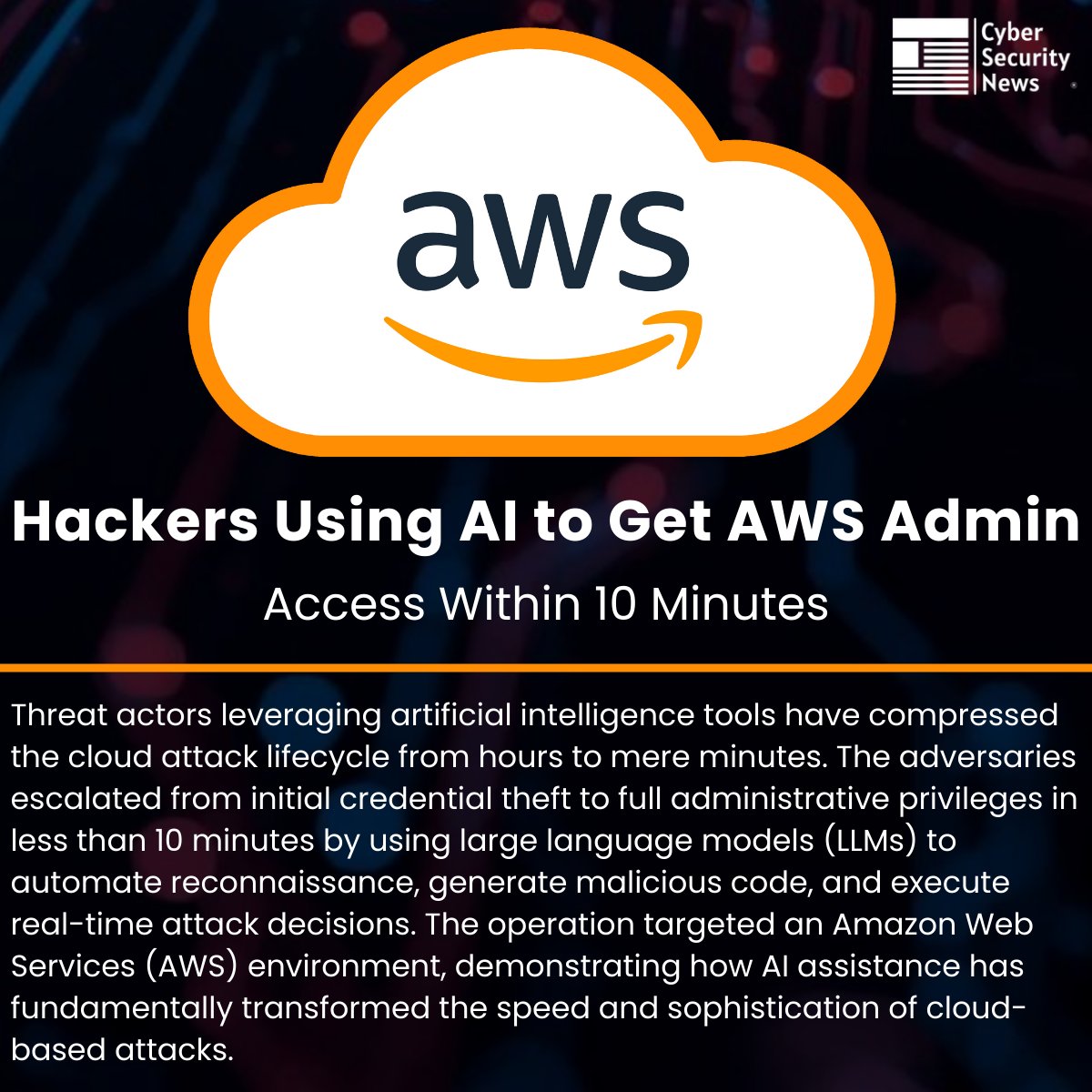
Enhancing Cloud Security: Leveraging AWS Cyber Security Solutions
AWS Cyber Security: Protecting Your Cloud Infrastructure
As businesses increasingly rely on cloud services for their operations, ensuring the security of data and applications hosted on platforms like Amazon Web Services (AWS) is paramount. AWS offers robust security features to help protect your cloud infrastructure from cyber threats.
Key Aspects of AWS Cyber Security
Here are some key aspects of AWS cyber security that you should be aware of:
Shared Responsibility Model:
AWS follows a shared responsibility model, where they are responsible for the security of the cloud infrastructure, while customers are responsible for securing their data and applications within the cloud. Understanding this model is essential for implementing effective security measures.
Identity and Access Management (IAM):
AWS IAM allows you to manage user access to resources securely. By defining granular permissions and roles, you can control who can access which resources, helping prevent unauthorized access to sensitive data.
Network Security:
AWS provides tools such as Virtual Private Cloud (VPC) and Security Groups to secure your network infrastructure. You can create private networks, set up firewalls, and monitor network traffic to detect and prevent potential security breaches.
Data Encryption:
Encrypting data at rest and in transit is crucial for maintaining the confidentiality and integrity of your information. AWS offers services like AWS Key Management Service (KMS) for managing encryption keys and Amazon S3 server-side encryption for securing data stored in S3 buckets.
Best Practices for AWS Cyber Security
To enhance the security of your AWS environment, consider implementing the following best practices:
- Regularly review and update IAM policies to ensure least privilege access.
- Enable multi-factor authentication (MFA) for added account protection.
- Monitor logs and set up alerts to detect suspicious activities.
- Conduct regular vulnerability assessments and penetration testing.
- Stay informed about AWS security updates and best practices.
Conclusion
In conclusion, AWS offers a wide range of security features to help safeguard your cloud infrastructure against cyber threats. By understanding these features and following best practices for AWS cyber security, you can create a more secure environment for your data and applications in the cloud.
8 Essential Tips for Strengthening AWS Cybersecurity
- Enable multi-factor authentication (MFA) for all user accounts
- Regularly rotate access keys and credentials
- Use AWS Identity and Access Management (IAM) to control access to AWS resources
- Encrypt data at rest and in transit using AWS Key Management Service (KMS)
- Monitor your AWS environment for security incidents using Amazon GuardDuty
- Implement network security best practices, such as configuring security groups and network ACLs
- Regularly update and patch your EC2 instances and other AWS services
- Enable logging and monitoring in AWS CloudTrail, CloudWatch, and Config
Enable multi-factor authentication (MFA) for all user accounts
Enabling multi-factor authentication (MFA) for all user accounts is a crucial step in enhancing the security of your AWS environment. By requiring an additional verification method beyond just a password, such as a unique code sent to a mobile device, MFA adds an extra layer of protection against unauthorized access. This simple yet effective measure significantly reduces the risk of account compromise and strengthens overall security posture, ensuring that only authorized users can access sensitive resources within your AWS infrastructure.
Regularly rotate access keys and credentials
Regularly rotating access keys and credentials is a crucial practice in AWS cyber security. By frequently updating these keys and credentials, you can reduce the risk of unauthorized access to your cloud resources. This proactive measure helps enhance the overall security posture of your AWS environment, ensuring that only authorized users have access to sensitive data and applications. Regular rotation of access keys and credentials is a simple yet effective way to mitigate potential security vulnerabilities and protect your cloud infrastructure from cyber threats.
Use AWS Identity and Access Management (IAM) to control access to AWS resources
Utilizing AWS Identity and Access Management (IAM) is a crucial tip for enhancing AWS cyber security. By leveraging IAM, businesses can effectively manage and control access to their AWS resources. IAM allows organizations to set granular permissions and roles, ensuring that only authorized users have access to specific resources within the cloud environment. This helps prevent unauthorized access, reduces the risk of data breaches, and enhances overall security posture on the AWS platform.
Encrypt data at rest and in transit using AWS Key Management Service (KMS)
To enhance the security of your data stored in Amazon Web Services (AWS), it is crucial to encrypt data both at rest and in transit using AWS Key Management Service (KMS). By utilizing KMS, you can manage encryption keys securely and ensure that your sensitive information remains protected from unauthorized access. Encrypting data at rest prevents unauthorized users from accessing data stored in databases or on disk, while encrypting data in transit adds an extra layer of security when data is being transferred between services or applications within your AWS environment. Implementing encryption with AWS KMS helps mitigate the risk of data breaches and strengthens the overall security posture of your cloud infrastructure.
Monitor your AWS environment for security incidents using Amazon GuardDuty
Monitoring your AWS environment for security incidents is crucial in maintaining a secure cloud infrastructure. Amazon GuardDuty is a powerful tool that can help you detect and respond to potential threats in real-time. By leveraging GuardDuty’s threat detection capabilities, you can proactively identify unauthorized access, malicious activities, and other suspicious behavior within your AWS environment. This proactive approach allows you to take immediate action to mitigate risks and strengthen the overall security posture of your cloud infrastructure.
Implement network security best practices, such as configuring security groups and network ACLs
Implementing network security best practices, such as configuring security groups and network Access Control Lists (ACLs), is crucial for enhancing the overall security of your AWS environment. By setting up proper security groups and ACLs, you can control inbound and outbound traffic to your instances, restrict access to specific ports, and prevent unauthorized network communication. These measures help reduce the attack surface and mitigate potential security risks, ensuring a more secure and resilient cloud infrastructure on Amazon Web Services.
Regularly update and patch your EC2 instances and other AWS services
Regularly updating and patching your EC2 instances and other AWS services is a critical aspect of maintaining strong cyber security in your cloud environment. By staying current with software updates and patches, you can address known vulnerabilities and reduce the risk of potential security breaches. This proactive approach helps to enhance the overall security posture of your AWS infrastructure, ensuring that your systems are better protected against emerging threats and attacks.
Enable logging and monitoring in AWS CloudTrail, CloudWatch, and Config
Enabling logging and monitoring in AWS services like CloudTrail, CloudWatch, and Config is a crucial tip for enhancing cyber security. By setting up comprehensive logging and monitoring mechanisms, businesses can gain valuable insights into their AWS environment, detect suspicious activities or unauthorized access in real-time, and ensure compliance with security policies. These tools provide visibility into user actions, resource changes, and system configurations, allowing organizations to proactively identify and respond to potential security threats effectively.