cfchris.com

Loading

java web development

Mastering Java Web Development: Building Dynamic and Secure Web Applications

Java Web Development

The Power of Java in Web Development

Java is a versatile and robust programming language that has been widely used in web development for many years. Its scalability, portability, and security features make it a popular choice for building dynamic and interactive web applications.

Key Benefits of Using Java in Web Development:

  • Platform Independence: Java applications can run on any device that supports Java Virtual Machine (JVM), making them highly portable.
  • Security: Java’s built-in security features help developers create secure web applications that protect against vulnerabilities.
  • Scalability: Java’s scalability allows developers to build web applications that can handle a large number of users and data without compromising performance.
  • Multithreading: Java’s multithreading capabilities enable developers to create efficient and responsive web applications that can handle multiple tasks simultaneously.
  • Rich Ecosystem: Java has a vast ecosystem of libraries, frameworks, and tools that simplify web development tasks and accelerate the development process.

Popular Java Frameworks for Web Development:

When it comes to building web applications with Java, developers often rely on popular frameworks such as:

  • Spring Framework: Known for its modular design and extensive features, Spring is widely used for building enterprise-level web applications.
  • Struts Framework: Struts provides a robust architecture for developing modern web applications with MVC (Model-View-Controller) design pattern.
  • JSP (JavaServer Pages): JSP allows developers to create dynamic web pages using Java code embedded in HTML pages.
  • Vaadin Framework: Vaadin simplifies the development of rich, interactive web interfaces by providing a set of customizable UI components.

In conclusion, Java remains a powerful choice for web development due to its versatility, security features, scalability, and rich ecosystem of frameworks. By leveraging the strengths of Java, developers can create sophisticated and high-performance web applications that meet the demands of modern users.


Top 8 FAQs About Java Web Development in 2026

  1. Is Java outdated in 2026?
  2. Is Java web development hard?
  3. Will AI replace Java devs?
  4. Can you build a website using Java?
  5. Which is better, HTML or Java?
  6. Is Java used in web development?
  7. Are Java and JavaScript the same?
  8. What is Java in web development?

Is Java outdated in 2026?

In 2026, the question of whether Java is outdated remains a common concern among developers and technology enthusiasts. Despite the emergence of newer programming languages and frameworks, Java continues to be a robust and versatile language that powers a significant portion of web applications and enterprise systems worldwide. With its strong community support, regular updates, and advancements in technologies such as Java EE and Spring Boot, Java remains relevant and adaptable to modern web development needs. While some may argue that newer languages offer more features or better performance, Java’s stability, scalability, and extensive ecosystem make it a reliable choice for building secure and efficient web applications in 2026.

Is Java web development hard?

Many individuals wonder, “Is Java web development hard?” Java web development can be challenging for beginners due to its learning curve and the complexity of the Java ecosystem. However, with dedication, practice, and access to resources such as tutorials and documentation, mastering Java web development is achievable. Experienced developers often appreciate Java’s robustness, scalability, and security features, making it a popular choice for building enterprise-level web applications. Ultimately, the difficulty of Java web development depends on one’s level of experience and willingness to learn.

Will AI replace Java devs?

The question of whether AI will replace Java developers is a common concern in the tech industry. While AI can automate certain tasks and enhance productivity, it is unlikely to completely replace Java developers. Java development involves complex problem-solving, creativity, and understanding user needs—skills that AI cannot fully replicate. Instead of replacing developers, AI is more likely to serve as a powerful tool that assists them in coding more efficiently by automating repetitive tasks, debugging code, or suggesting improvements. The role of Java developers may evolve with AI advancements, but their expertise and human insight will continue to be invaluable in creating innovative web applications.

Can you build a website using Java?

Yes, you can build a website using Java. Java is a versatile programming language that is commonly used in web development to create dynamic and interactive websites. With the help of Java frameworks like Spring, Struts, and Vaadin, developers can build robust web applications that are scalable, secure, and efficient. Java’s platform independence and rich ecosystem of tools make it a popular choice for building websites that can handle complex functionalities and provide a seamless user experience. By leveraging Java’s capabilities, developers can create sophisticated websites that meet the needs of modern users.

Which is better, HTML or Java?

When it comes to comparing HTML and Java in the context of web development, it’s important to understand that they serve different purposes. HTML (HyperText Markup Language) is a markup language used for creating the structure of web pages, defining content, and linking elements together. On the other hand, Java is a programming language that is often used for creating dynamic and interactive elements on websites, such as forms, animations, and functionalities that respond to user input. In essence, HTML lays the foundation for web content presentation, while Java enhances interactivity and functionality. Therefore, rather than being better or worse than one another, HTML and Java complement each other in web development to create comprehensive and engaging online experiences.

Is Java used in web development?

Yes, Java is commonly used in web development. Java’s versatility and robust features make it a popular choice for building dynamic and interactive web applications. With its platform independence, security features, scalability, and rich ecosystem of frameworks and tools, Java provides developers with the capabilities to create secure and efficient web solutions that cater to a wide range of requirements. Whether it’s developing enterprise-level applications or creating interactive web interfaces, Java remains a powerful language for web development that continues to be widely adopted in the industry.

Are Java and JavaScript the same?

In the realm of web development, a common question that arises is whether Java and JavaScript are the same. Despite their similar names, Java and JavaScript are distinct programming languages with different purposes and functionalities. Java is a versatile, object-oriented language often used for building robust backend systems and enterprise applications, while JavaScript is a lightweight, interpreted language primarily utilized for front-end web development to create dynamic and interactive user experiences. Understanding the differences between Java and JavaScript is essential for developers to choose the right tool for their specific programming needs in web development projects.

What is Java in web development?

In the realm of web development, Java plays a pivotal role as a versatile and robust programming language. Java is utilized to create dynamic and interactive web applications that are scalable, secure, and portable across various platforms. With its inherent security features, Java enables developers to build web applications that are resilient against vulnerabilities. Additionally, Java’s scalability allows for the creation of high-performance web applications capable of handling a large volume of users and data. Overall, Java serves as a foundational tool in web development, empowering developers to craft sophisticated and efficient online experiences for users worldwide.
javascript programming

Mastering JavaScript Programming: A Guide to Building Dynamic Web Applications

The Power of JavaScript Programming

The Power of JavaScript Programming

JavaScript is a versatile and powerful programming language that has become an essential tool for web development. Originally created to make web pages interactive, JavaScript has evolved into a full-fledged programming language that can be used for a wide range of applications.

One of the key strengths of JavaScript is its versatility. It can be used for front-end development to create dynamic and interactive user interfaces. With the rise of libraries and frameworks like React, Angular, and Vue.js, JavaScript has become the backbone of modern web development.

JavaScript is not limited to just front-end development. With Node.js, developers can use JavaScript for server-side programming as well. This allows for building full-stack applications using a single programming language, simplifying the development process and increasing efficiency.

Another advantage of JavaScript is its large and active community. Developers have access to a vast array of resources, libraries, and tools that make it easier to build complex applications quickly. The open-source nature of JavaScript ensures that there is always room for innovation and improvement.

JavaScript’s asynchronous nature also sets it apart from other languages. This allows developers to write non-blocking code that can handle multiple operations simultaneously, leading to faster and more responsive applications.

In conclusion, JavaScript programming offers endless possibilities for developers looking to create dynamic and engaging web applications. Its versatility, active community, and asynchronous capabilities make it a powerful tool in the world of software development.


7 Essential FAQs for Mastering JavaScript Programming

  1. What is JavaScript and what is it used for?
  2. How does JavaScript differ from other programming languages?
  3. What are the key features of JavaScript?
  4. How can I start learning JavaScript as a beginner?
  5. What are common mistakes to avoid when writing JavaScript code?
  6. What are the best practices for optimizing JavaScript performance?
  7. How can I stay updated with the latest trends and updates in the world of JavaScript programming?

What is JavaScript and what is it used for?

JavaScript is a versatile programming language commonly used in web development to make web pages interactive and dynamic. It is a client-side scripting language that runs in the browser, allowing developers to create engaging user interfaces and enhance the user experience. JavaScript can be used for a wide range of applications, including form validation, creating animations, handling events, interacting with APIs, and building full-fledged web applications. Its flexibility and ubiquity make it an essential tool for front-end developers looking to add interactivity and functionality to websites.

How does JavaScript differ from other programming languages?

JavaScript differs from other programming languages in several key ways. One significant difference is its ability to run directly in a web browser, allowing for dynamic and interactive web pages. Unlike languages that are compiled before execution, JavaScript is an interpreted language, which means it is executed line by line at runtime. Additionally, JavaScript is a loosely typed language, meaning variables do not have strict data types assigned to them. This flexibility can make coding faster and more straightforward but also requires careful attention to prevent unexpected behavior. Overall, JavaScript’s unique characteristics make it a versatile and essential tool for web development and beyond.

What are the key features of JavaScript?

JavaScript, a widely-used programming language, boasts several key features that make it a popular choice for web development. One of its primary characteristics is its versatility, allowing developers to create dynamic and interactive user interfaces for websites and web applications. JavaScript’s ability to run on both the client-side and server-side further enhances its flexibility, enabling developers to build full-stack applications using a single language. Additionally, JavaScript’s asynchronous nature facilitates the creation of responsive and efficient applications by handling multiple operations simultaneously. Its extensive community support, vast library of resources, and continuous innovation contribute to making JavaScript a powerful and essential tool in modern software development.

How can I start learning JavaScript as a beginner?

For beginners looking to start learning JavaScript, there are several steps to take to build a solid foundation in the language. First, it’s essential to familiarize yourself with basic programming concepts such as variables, data types, and control structures. Online tutorials and courses are great resources for beginners to grasp these fundamental concepts. Practice coding regularly by working on small projects or exercises to reinforce your understanding. Additionally, reading documentation and exploring code examples can help deepen your knowledge of JavaScript syntax and best practices. Joining online communities or forums where you can ask questions and collaborate with other learners is also beneficial for gaining insights and staying motivated on your learning journey. Remember that consistency and patience are key when starting out with JavaScript programming as a beginner.

What are common mistakes to avoid when writing JavaScript code?

When writing JavaScript code, there are several common mistakes that developers should avoid to ensure efficient and bug-free programming. One common mistake is not properly understanding the scope of variables, which can lead to unexpected behavior and bugs in the code. Another common pitfall is neglecting to handle errors effectively, resulting in code that is prone to crashing or malfunctioning. Additionally, relying too heavily on global variables can cause issues with variable conflicts and make the code harder to maintain. It’s crucial to pay attention to these common mistakes and follow best practices to write clean, reliable JavaScript code.

What are the best practices for optimizing JavaScript performance?

When it comes to optimizing JavaScript performance, following best practices is crucial for ensuring efficient and smooth-running web applications. Some key strategies include minimizing the use of global variables, optimizing loops and functions for better efficiency, reducing DOM manipulation, utilizing caching techniques to store reusable data, and implementing lazy loading to defer the loading of non-essential resources. Additionally, using tools like minification and compression can help reduce file sizes and improve load times. By adhering to these best practices, developers can enhance the performance of their JavaScript code and deliver a seamless user experience on websites and web applications.

To stay updated with the latest trends and updates in the world of JavaScript programming, there are several effective strategies you can employ. Firstly, following reputable websites, blogs, and forums dedicated to JavaScript, such as MDN Web Docs, JavaScript Weekly, and Stack Overflow, can provide valuable insights into new developments and best practices. Additionally, participating in online communities like GitHub repositories and developer meetups can help you engage with other professionals and stay informed about emerging trends. It is also beneficial to regularly explore new JavaScript libraries, frameworks, and tools to expand your knowledge and adapt to the evolving landscape of web development. By incorporating these proactive approaches into your routine, you can ensure that you remain up-to-date with the dynamic world of JavaScript programming.

java server pages

Exploring the Power of Java Server Pages in Web Development

Java Server Pages (JSP) – A Comprehensive Guide

Java Server Pages (JSP) – A Comprehensive Guide

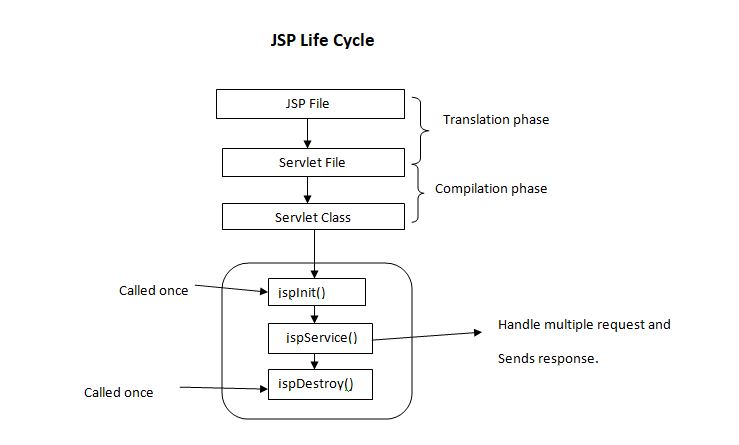
Java Server Pages (JSP) is a technology that helps developers create dynamic web pages based on HTML, XML, or other document types. It allows for the separation of logic and presentation in web development, making it easier to maintain and update websites.

How JSP Works

JSP pages contain a mix of HTML and Java code. When a client requests a JSP page, the server processes the Java code within the page to generate dynamic content. This content is then combined with the static elements of the page to produce the final output sent to the client’s browser.

Benefits of Using JSP

  • Easy Integration: JSP can be seamlessly integrated with Java code, allowing developers to leverage existing Java libraries and frameworks.
  • Reusable Components: JSP allows for the creation of reusable components that can be included in multiple pages, promoting code reusability and maintainability.
  • Rapid Development: With its familiar syntax and built-in tags, JSP enables developers to quickly build dynamic web applications without extensive coding.
  • Scalability: JSP applications can easily scale to accommodate increased traffic and user demands by leveraging Java’s robust scalability features.

JSP Tags

JSP provides a set of predefined tags that simplify common tasks such as displaying data, iterating over collections, and controlling flow. These tags help streamline development and improve code readability.

Conclusion

Java Server Pages (JSP) is a powerful technology for building dynamic web applications. By combining HTML with Java code, developers can create interactive and responsive websites that meet modern user expectations. Whether you are new to web development or an experienced developer, mastering JSP can enhance your skills and enable you to create sophisticated web solutions.


7 Essential Tips for Effective Java Server Pages (JSP) Development

  1. Use JSP for dynamic content generation in web applications.
  2. Separate Java code from presentation logic by using JSP scriptlets, expressions, and declarations.
  3. Utilize JSP standard actions like
  4. Avoid embedding complex Java logic directly within JSP pages to maintain readability and maintainability.
  5. Employ JSTL (JavaServer Pages Standard Tag Library) for simplifying common tasks in JSP development.
  6. Ensure proper error handling in JSP to provide meaningful feedback to users in case of exceptions.
  7. Optimize performance by minimizing the use of scriptlets and utilizing tag libraries efficiently.

Use JSP for dynamic content generation in web applications.

Utilizing Java Server Pages (JSP) for dynamic content generation in web applications is a highly efficient approach. By leveraging JSP, developers can seamlessly integrate Java code with HTML to create interactive and personalized web pages. This enables the generation of dynamic content based on user input, database queries, or other external factors, enhancing the overall user experience. JSP’s versatility and ease of use make it a valuable tool for building responsive and engaging web applications that meet the evolving demands of modern users.

Separate Java code from presentation logic by using JSP scriptlets, expressions, and declarations.

To enhance the maintainability and readability of Java Server Pages (JSP), it is recommended to separate Java code from presentation logic effectively. This can be achieved by utilizing JSP scriptlets, expressions, and declarations. By employing these features, developers can keep the presentation layer clean and focused on displaying content, while the Java code handles the underlying logic. This practice not only improves code organization but also makes it easier to troubleshoot and update the application in the future.

Utilize JSP standard actions like

When working with Java Server Pages (JSP), it is beneficial to utilize JSP standard actions like to modularize your code and promote reusability. By incorporating these standard actions, you can efficiently include external files or components within your JSP pages, making it easier to manage and maintain your web application. This practice not only enhances the organization of your code but also simplifies the development process by allowing you to focus on specific functionalities within each included file.

Avoid embedding complex Java logic directly within JSP pages to maintain readability and maintainability.

To ensure readability and maintainability in Java Server Pages (JSP), it is advisable to avoid embedding complex Java logic directly within the JSP pages. By separating the presentation layer from the business logic, developers can create cleaner and more organized code that is easier to understand and update. Instead, encapsulating complex Java logic in separate classes or scripts and invoking them from the JSP pages can improve code structure and facilitate future modifications without compromising code clarity.

Employ JSTL (JavaServer Pages Standard Tag Library) for simplifying common tasks in JSP development.

Employing JSTL (JavaServer Pages Standard Tag Library) in Java Server Pages development is a valuable tip for simplifying common tasks. By utilizing the predefined tags provided by JSTL, developers can streamline tasks such as iteration, conditionals, and data formatting within JSP pages. This not only enhances code readability but also reduces the need for extensive Java code, making development more efficient and maintainable. Embracing JSTL empowers developers to leverage its powerful features and accelerate the creation of dynamic and robust web applications.

Ensure proper error handling in JSP to provide meaningful feedback to users in case of exceptions.

Proper error handling in Java Server Pages (JSP) is crucial to provide users with meaningful feedback in case of exceptions. By implementing robust error handling mechanisms, developers can effectively communicate issues to users and guide them on how to proceed. This not only enhances the user experience but also helps in troubleshooting and resolving issues promptly, ensuring a smoother interaction between users and the web application.

Optimize performance by minimizing the use of scriptlets and utilizing tag libraries efficiently.

To optimize performance in Java Server Pages (JSP), it is recommended to minimize the use of scriptlets and instead utilize tag libraries efficiently. By reducing the reliance on scriptlets, which embed Java code directly into the JSP page, developers can improve code readability and maintainability. Tag libraries provide a cleaner and more structured way to incorporate dynamic functionality into JSP pages, leading to better performance and scalability of web applications. Efficient utilization of tag libraries not only enhances code organization but also helps streamline development processes and boost overall application performance.

Unlocking the Potential: Harnessing the Power of JavaScript Code

The Power of JavaScript Code: Transforming the Web

JavaScript is a versatile and powerful programming language that plays a crucial role in shaping the modern web. From interactive websites to dynamic web applications, JavaScript code empowers developers to create engaging and responsive user experiences.

One of the key strengths of JavaScript lies in its ability to manipulate HTML elements on a webpage. By using JavaScript code, developers can dynamically update content, handle user interactions, and create animations that enhance the overall user experience.

Furthermore, JavaScript is supported by all major web browsers, making it a universal language for web development. This widespread compatibility ensures that JavaScript code can reach a broad audience without any compatibility issues.

Another advantage of JavaScript is its flexibility and scalability. Developers can use JavaScript frameworks and libraries such as React, Angular, or Vue.js to streamline development processes and build complex web applications more efficiently.

Moreover, with the rise of server-side JavaScript platforms like Node.js, developers can now use JavaScript code for both client-side and server-side programming. This full-stack capability allows for seamless integration between frontend and backend systems, resulting in faster and more responsive web applications.

In conclusion, JavaScript code is a powerful tool that continues to drive innovation in web development. Its versatility, compatibility, and scalability make it an essential language for creating dynamic and interactive web experiences. As technology evolves, JavaScript will undoubtedly remain at the forefront of shaping the future of the web.


6 Essential Tips for Writing Clean and Effective JavaScript Code

  1. Always use descriptive variable and function names to improve code readability.
  2. Follow consistent coding conventions, such as indentation and naming conventions, to maintain code consistency.
  3. Use comments to explain complex logic or functionality that may not be immediately clear from the code.
  4. Avoid global variables whenever possible to prevent variable conflicts and maintain a clean scope.
  5. Regularly test your code and use debugging tools to identify and fix errors early in the development process.
  6. Keep up-to-date with best practices and new features in JavaScript to enhance your coding skills.

Always use descriptive variable and function names to improve code readability.

When writing JavaScript code, it is essential to always use descriptive variable and function names to enhance code readability. By choosing meaningful and clear names for variables and functions, developers can easily understand the purpose and functionality of each component within the codebase. This practice not only improves the readability of the code but also makes it more maintainable and easier to debug in the future. Clear and descriptive naming conventions help streamline collaboration among team members and ensure that the code remains comprehensible for both current and future developers working on the project.

Follow consistent coding conventions, such as indentation and naming conventions, to maintain code consistency.

Following consistent coding conventions, such as maintaining proper indentation and adhering to naming conventions, is essential for ensuring code consistency in JavaScript development. Consistent coding practices not only make the code more readable and understandable but also facilitate collaboration among developers working on the same project. By following established conventions, developers can create code that is easier to maintain, debug, and scale. Consistency in coding conventions ultimately leads to improved code quality and efficiency in the development process.

Use comments to explain complex logic or functionality that may not be immediately clear from the code.

Using comments in JavaScript code to explain complex logic or functionality is a best practice that can greatly enhance code readability and maintainability. By providing clear explanations within the code, developers can help themselves and others understand the purpose and reasoning behind intricate algorithms or processes. Comments serve as valuable documentation that can guide future modifications or troubleshooting efforts, ensuring that even complex code remains accessible and comprehensible to all stakeholders involved in the project.

Avoid global variables whenever possible to prevent variable conflicts and maintain a clean scope.

When writing JavaScript code, it is advisable to avoid using global variables as much as possible. Global variables can lead to variable conflicts and make it challenging to maintain a clean scope within your code. By minimizing the use of global variables and instead opting for local variables within functions or modules, developers can reduce the risk of unintended side effects and improve code readability. This practice helps ensure that each variable is contained within its intended scope, promoting better organization and easier debugging in the long run.

Regularly test your code and use debugging tools to identify and fix errors early in the development process.

Regularly testing your JavaScript code and utilizing debugging tools are essential practices to ensure the quality and reliability of your web applications. By conducting thorough testing and actively debugging your code, you can identify and address errors at an early stage of the development process, preventing potential issues from escalating into more significant problems. This proactive approach not only helps in maintaining the functionality of your code but also enhances the overall user experience by delivering a seamless and error-free application.

Keep up-to-date with best practices and new features in JavaScript to enhance your coding skills.

Staying current with best practices and new features in JavaScript is essential for enhancing your coding skills. By keeping up-to-date with the latest trends and techniques in JavaScript development, you can improve the efficiency and quality of your code. Embracing new features allows you to leverage the full potential of the language, leading to more innovative and robust solutions. Continuous learning and adaptation to industry standards ensure that your JavaScript code remains relevant and competitive in an ever-evolving technological landscape.

coldfusion

Unleashing the Potential of ColdFusion in Modern Web Development

The Power of ColdFusion in Web Development

The Power of ColdFusion in Web Development

ColdFusion is a powerful and versatile programming language that has been a cornerstone in web development for many years. Developed by Allaire in the 1990s and later acquired by Adobe Systems, ColdFusion offers a robust platform for building dynamic web applications.

One of the key strengths of ColdFusion is its simplicity and ease of use. With its tag-based syntax and built-in functions, developers can quickly create complex web applications without having to write extensive lines of code. This makes ColdFusion an ideal choice for rapid application development.

Another advantage of ColdFusion is its seamless integration with databases. Whether you’re working with MySQL, Microsoft SQL Server, Oracle, or other popular database systems, ColdFusion provides easy-to-use tools for database connectivity and manipulation.

Furthermore, ColdFusion supports object-oriented programming principles, allowing developers to create reusable components and modular code structures. This promotes code reusability, scalability, and maintainability in large-scale web projects.

With its rich set of features and libraries, ColdFusion enables developers to build interactive websites, e-commerce platforms, content management systems, and more. Its ability to handle complex business logic and data processing makes it a preferred choice for enterprise-level applications.

In addition to server-side scripting capabilities, ColdFusion also offers built-in support for client-side technologies such as HTML5, CSS3, and JavaScript. This allows developers to create responsive and feature-rich web interfaces that enhance user experience.

Overall, ColdFusion remains a valuable tool in the arsenal of web developers looking to build dynamic and scalable web applications efficiently. Its combination of simplicity, power, and versatility continues to make it a popular choice for businesses seeking robust digital solutions.


Frequently Asked Questions About ColdFusion: Viability, Usage, and Current Status

  1. Is ColdFusion a good programming language?
  2. Is ColdFusion a dead language?
  3. Does ColdFusion still exist?
  4. What is ColdFusion used for?

Is ColdFusion a good programming language?

When considering whether ColdFusion is a good programming language, it ultimately depends on the specific needs and requirements of the project at hand. ColdFusion offers simplicity, rapid development capabilities, seamless database integration, and robust features that make it well-suited for building dynamic web applications efficiently. Its tag-based syntax and built-in functions can streamline development processes, especially for developers looking to create applications quickly. However, like any programming language, the suitability of ColdFusion may vary based on factors such as project complexity, scalability requirements, team expertise, and long-term maintenance considerations. Overall, ColdFusion can be a good programming language choice for projects where its strengths align with the desired outcomes and development goals.

Is ColdFusion a dead language?

The question of whether ColdFusion is a dead language is a common topic in the tech community. Despite some misconceptions, ColdFusion is far from being obsolete. In fact, ColdFusion continues to be actively maintained and updated by Adobe, with new versions and features released regularly. Many businesses still rely on ColdFusion for their web applications due to its stability, security, and rapid development capabilities. Additionally, the ColdFusion community remains active, with dedicated developers sharing knowledge, resources, and best practices. While newer technologies have emerged in the web development landscape, ColdFusion retains its relevance and continues to be a viable choice for building robust web solutions.

Does ColdFusion still exist?

The frequently asked question, “Does ColdFusion still exist?” often arises due to misconceptions about the status of the ColdFusion programming language. Despite some perceptions of decline, ColdFusion is very much alive and actively maintained by Adobe Systems. In fact, Adobe continues to release new versions of ColdFusion with updated features and enhancements, demonstrating its commitment to the language’s longevity. Many businesses and developers still rely on ColdFusion for web development projects, leveraging its strengths in rapid application development, database integration, and scalability. Therefore, while some may question its relevance, ColdFusion remains a viable and valuable tool in the realm of web development.

What is ColdFusion used for?

ColdFusion is a versatile programming language commonly used for developing dynamic web applications and websites. It is utilized for a wide range of purposes, including creating interactive interfaces, managing databases, handling form submissions, generating dynamic content, and integrating with various web technologies. ColdFusion’s ease of use, rapid development capabilities, built-in functions for database connectivity, and support for object-oriented programming make it an ideal choice for building robust and scalable web solutions. Organizations often leverage ColdFusion to streamline business processes, enhance user experiences, and deliver innovative digital solutions efficiently.