
cfchris.com

Loading

artificial intelligence projects

Exploring Cutting-Edge Artificial Intelligence Projects: Innovations Shaping the Future

Exploring Artificial Intelligence Projects

Exploring Artificial Intelligence Projects

Artificial intelligence (AI) has rapidly evolved over the past decade, becoming a cornerstone of modern technology. From enhancing business operations to transforming everyday life, AI projects are at the forefront of innovation. This article delves into some fascinating AI projects that are shaping the future.

Healthcare Innovations

In the healthcare sector, AI projects are revolutionizing diagnostics and treatment plans. Machine learning algorithms can analyze medical images with remarkable accuracy, assisting radiologists in detecting abnormalities such as tumors or fractures. Projects like IBM Watson Health aim to provide personalized treatment recommendations by analyzing vast amounts of patient data.

Virtual Health Assistants

Virtual health assistants powered by AI are also gaining traction. These tools can handle routine inquiries, schedule appointments, and even monitor patient health metrics in real-time. By reducing the administrative burden on healthcare professionals, these projects allow for more efficient patient care.

Autonomous Vehicles

The development of autonomous vehicles is one of the most exciting AI projects today. Companies like Tesla and Waymo are leading the charge in creating self-driving cars that promise to make transportation safer and more efficient. These vehicles rely on complex neural networks to process data from sensors and cameras, enabling them to navigate roads with minimal human intervention.

Challenges and Progress

Despite significant progress, challenges remain in perfecting autonomous driving technology. Ensuring safety in diverse driving conditions and gaining public trust are critical hurdles that ongoing AI research aims to address.

NLP and Language Models

Natural Language Processing (NLP) is another field where AI projects have made substantial strides. Language models like OpenAI’s GPT series have demonstrated impressive capabilities in generating human-like text, translating languages, and even composing poetry.

Applications Across Industries

NLP applications extend across various industries—from customer service chatbots that provide instant support to tools that assist writers by suggesting content improvements or generating creative ideas.

Sustainability Efforts

Sustainability is a growing focus for many AI projects. Researchers are using machine learning models to optimize energy consumption in smart grids and develop climate change models that predict environmental impacts more accurately.

Agricultural Advancements

In agriculture, AI-driven solutions help farmers increase crop yields while minimizing resource usage through precision farming techniques. Drones equipped with AI can monitor crop health and suggest timely interventions.

The Future of AI Projects

The potential for artificial intelligence is vast and continually expanding as new technologies emerge. While ethical considerations must be addressed—such as data privacy concerns—AI projects hold immense promise for improving quality of life across the globe.

Conclusion:

As we continue to explore these innovative applications of artificial intelligence across different sectors, it becomes clear that this technology will play an increasingly integral role in shaping our world’s future landscape.

From enhancing efficiency within industries such as healthcare or transportation through autonomous vehicles; providing personalized assistance via virtual health aides; optimizing energy consumption towards sustainable goals – there seems no limit what could be achieved when harnessing power behind intelligent machines!

And yet despite all potential benefits offered up by cutting-edge advancements made possible thanks largely due ongoing research efforts worldwide today – important questions surrounding ethics remain paramount consideration moving forward if we’re truly going unlock full potential without compromising fundamental values society holds dear along way too!

So let us embrace exciting opportunities presented before us now whilst remaining mindful challenges ahead ensuring responsible development deployment practices guide path towards brighter tomorrow together!


“The best way predict future create it.” – Peter Drucker (American Management Consultant & Educator)


7 Essential Tips for Successfully Managing Artificial Intelligence Projects

  1. Define clear project objectives and goals.
  2. Collect and prepare high-quality data for training.
  3. Choose the right algorithms and models for your specific task.
  4. Regularly evaluate and iterate on your AI model’s performance.
  5. Ensure transparency and ethical considerations in your AI project.
  6. Consider scalability and deployment requirements from the beginning.
  7. Collaborate with domain experts to enhance the effectiveness of your AI solution.

Define clear project objectives and goals.

Defining clear project objectives and goals is crucial when embarking on artificial intelligence projects. These objectives serve as a roadmap, guiding the development process and ensuring that the project stays aligned with its intended purpose. By establishing specific, measurable, achievable, relevant, and time-bound (SMART) goals, teams can focus their efforts on delivering tangible outcomes. Clear objectives also facilitate effective communication among stakeholders, enabling everyone involved to understand the project’s direction and expected results. This clarity not only helps in resource allocation and risk management but also provides a benchmark for evaluating the project’s success upon completion. Ultimately, well-defined objectives are instrumental in maximizing the potential of AI technologies to meet organizational needs and drive innovation.

Collect and prepare high-quality data for training.

Collecting and preparing high-quality data for training is a crucial step in any artificial intelligence project. The accuracy and effectiveness of an AI model heavily depend on the quality of the data it learns from. High-quality data should be clean, relevant, and representative of the problem domain. This means removing any errors or inconsistencies, ensuring that the data covers all necessary aspects of the task, and adequately reflecting real-world scenarios. By investing time in curating a robust dataset, developers can significantly enhance the model’s ability to generalize and perform well in real-world applications. Furthermore, diverse datasets help in reducing biases, leading to more equitable AI solutions.

Choose the right algorithms and models for your specific task.

Selecting the right algorithms and models is crucial when embarking on an artificial intelligence project, as it directly impacts the effectiveness and efficiency of the solution. Different tasks require different approaches; for instance, a classification problem might benefit from decision trees or support vector machines, while a natural language processing task could be better served by recurrent neural networks or transformers. Understanding the strengths and limitations of various algorithms allows developers to tailor their approach to the specific requirements and constraints of their project. This not only enhances performance but also optimizes resource utilization, ensuring that the AI system delivers accurate and reliable results. Making informed choices about algorithms and models is fundamental to achieving success in AI endeavors.

Regularly evaluate and iterate on your AI model’s performance.

Regularly evaluating and iterating on an AI model’s performance is crucial for achieving optimal results and maintaining its effectiveness over time. As data patterns and external conditions change, an AI model’s initial parameters may no longer be suitable, potentially leading to reduced accuracy or relevance. By consistently monitoring the model’s outputs and comparing them against real-world outcomes, developers can identify areas for improvement. Iterative refinement allows for the adjustment of algorithms, retraining with updated datasets, and fine-tuning of parameters to better align with current needs. This ongoing process not only enhances the model’s precision but also ensures it remains adaptable to new challenges and opportunities in a dynamic environment.

Ensure transparency and ethical considerations in your AI project.

In any artificial intelligence project, ensuring transparency and adhering to ethical considerations are crucial components for success and public trust. Transparency involves clearly communicating how AI systems make decisions, what data they use, and the potential implications of their deployment. This openness helps stakeholders understand the technology and fosters trust among users. Ethical considerations require developers to address issues such as bias, privacy, and accountability to prevent harm and ensure fairness. By integrating these principles into the design and implementation of AI projects, developers can create systems that not only perform effectively but also align with societal values and promote responsible innovation.

Consider scalability and deployment requirements from the beginning.

When embarking on an artificial intelligence project, it’s crucial to consider scalability and deployment requirements from the outset. Planning for scalability ensures that the AI system can handle increased loads and expand its capabilities as demand grows, without requiring a complete redesign. This foresight helps in choosing the right architecture and technologies that can support future growth. Additionally, understanding deployment requirements early on allows for smoother integration into existing systems and environments, minimizing disruptions. By addressing these factors at the beginning, projects are better positioned for long-term success and adaptability in dynamic business landscapes.

Collaborate with domain experts to enhance the effectiveness of your AI solution.

Collaborating with domain experts is crucial for enhancing the effectiveness of AI solutions. These experts bring specialized knowledge and insights that are essential for understanding the nuances and complexities of a specific field. By working closely with them, AI developers can ensure that their models are not only technically sound but also contextually relevant and tailored to address real-world challenges. Domain experts can provide valuable feedback on data selection, feature engineering, and model interpretation, leading to more accurate and reliable outcomes. This collaboration fosters a multidisciplinary approach, combining technical prowess with industry-specific expertise to create AI solutions that are both innovative and practical.
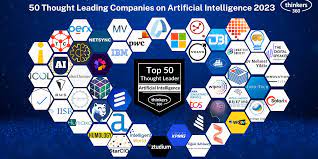
artificial intelligence companies

Exploring the Innovations of Artificial Intelligence Companies

Artificial Intelligence Companies: Shaping the Future

Artificial Intelligence Companies: Shaping the Future

The landscape of technology is rapidly evolving, and at the forefront of this transformation are artificial intelligence (AI) companies. These organizations are pioneering advancements that are not only reshaping industries but also redefining how we interact with technology in our daily lives.

Leading AI Companies Making an Impact

Several key players in the AI industry are pushing boundaries and setting new standards. Here are a few notable companies:

  • Google DeepMind: Known for its cutting-edge research, Google DeepMind has made significant strides in machine learning and neural networks. Their work on AlphaGo, which defeated a world champion Go player, demonstrated the potential of AI in mastering complex tasks.
  • OpenAI: OpenAI aims to ensure that artificial general intelligence benefits all of humanity. With projects like GPT-3, they have showcased remarkable capabilities in natural language processing and generation.
  • IBM Watson: IBM’s Watson has been instrumental in applying AI to healthcare, finance, and customer service. Its ability to analyze vast amounts of data quickly makes it a valuable tool for businesses seeking insights.
  • NVIDIA: While primarily known for its graphics processing units (GPUs), NVIDIA has become a leader in AI hardware. Their technology accelerates machine learning processes, making it possible to train complex models faster than ever before.

The Role of Startups in AI Innovation

Apart from established giants, numerous startups are contributing significantly to AI innovation. These smaller companies often bring fresh perspectives and agile methodologies that drive progress:

  • CognitiveScale: Specializing in augmented intelligence solutions for various sectors including healthcare and financial services, CognitiveScale leverages machine learning to deliver personalized experiences.
  • Sensetime: As one of the world’s most valuable AI startups, Sensetime focuses on facial recognition technology and computer vision applications used across security systems and smart cities.

The Impact on Industries

The influence of AI companies extends across multiple industries:

  1. Healthcare: From predictive diagnostics to personalized medicine, AI is enhancing patient care and operational efficiency.
  2. Finance: Algorithms can analyze market trends faster than humans ever could, leading to smarter investment strategies and fraud detection systems.
  3. Retail: Personalized recommendations powered by AI improve customer satisfaction while optimizing inventory management for retailers.

The Future of Artificial Intelligence Companies

The future looks promising as artificial intelligence continues its rapid advancement. As these companies develop more sophisticated algorithms and technologies become increasingly integrated into our lives; ethical considerations will play a crucial role ensuring responsible development practices prevail over time.

The collaboration between industry leaders academia governments will be essential harnessing full potential safely securely ultimately benefiting society whole paving way smarter more connected world tomorrow today!


9 Ways Artificial Intelligence Companies Are Transforming Industries and Enhancing Lives

  1. 1. Innovate industries with cutting-edge technology.
  2. 2. Enhance efficiency and productivity in various sectors.
  3. 3. Enable personalized user experiences through data analysis.
  4. 4. Improve decision-making processes with advanced algorithms.
  5. 5. Drive automation of repetitive tasks, saving time and resources.
  6. 6. Enhance customer service with chatbots and virtual assistants.
  7. 7. Revolutionize healthcare with predictive analytics and diagnostics.
  8. 8. Boost cybersecurity measures through AI-powered threat detection systems.
  9. 9. Foster continuous learning and adaptation for ongoing improvement.


Addressing the Challenges: Privacy, Employment, and Bias in AI Companies

  1. Privacy Concerns
  2. Job Displacement
  3. Bias in Algorithms

1. Innovate industries with cutting-edge technology.

Artificial intelligence companies are at the forefront of innovation, leveraging cutting-edge technology to revolutionize various industries. By developing advanced algorithms and machine learning models, these companies enable unprecedented levels of automation and efficiency. In healthcare, AI is transforming diagnostics and personalized medicine, allowing for more accurate predictions and tailored treatments. In finance, AI-driven analytics provide insights that lead to smarter investment decisions and improved risk management. Additionally, in manufacturing, AI optimizes production processes through predictive maintenance and quality control. By continuously pushing the boundaries of what’s possible, artificial intelligence companies are not only enhancing existing sectors but also paving the way for entirely new markets and opportunities.

2. Enhance efficiency and productivity in various sectors.

Artificial intelligence companies have proven to enhance efficiency and productivity across various sectors through the automation of tasks, data analysis, and predictive capabilities. By implementing AI-driven solutions, businesses can streamline operations, optimize resource allocation, and make data-driven decisions faster and more accurately. This increased efficiency not only saves time and reduces costs but also allows organizations to focus on innovation and strategic initiatives, ultimately leading to improved performance and competitiveness in the market.

3. Enable personalized user experiences through data analysis.

Artificial intelligence companies excel in enabling personalized user experiences by leveraging advanced data analysis techniques. By collecting and analyzing vast amounts of user data, AI systems can identify patterns and preferences that allow for tailored recommendations and interactions. This capability is particularly beneficial in industries like retail, entertainment, and online services, where understanding individual user behavior can significantly enhance customer satisfaction and engagement. For instance, streaming platforms use AI to suggest content based on viewing history, while e-commerce sites recommend products that align with past purchases or browsing habits. Through these personalized experiences, AI companies not only improve user satisfaction but also foster brand loyalty and drive business growth.

4. Improve decision-making processes with advanced algorithms.

Artificial intelligence companies are revolutionizing decision-making processes by leveraging advanced algorithms that can analyze vast amounts of data with unprecedented speed and accuracy. These algorithms enable businesses to identify patterns, predict outcomes, and make informed decisions more efficiently than ever before. By processing complex datasets and generating actionable insights, AI technology helps organizations optimize operations, reduce risks, and capitalize on opportunities. This enhanced decision-making capability not only drives business growth but also fosters innovation across various sectors, as companies can now rely on data-driven strategies to navigate an increasingly competitive landscape.

5. Drive automation of repetitive tasks, saving time and resources.

Artificial intelligence companies play a pivotal role in driving the automation of repetitive tasks, which significantly saves time and resources for businesses across various industries. By utilizing advanced algorithms and machine learning techniques, AI systems can efficiently handle tasks that were traditionally performed by humans, such as data entry, customer service inquiries, and routine maintenance operations. This automation not only boosts productivity by freeing up employees to focus on more strategic and creative endeavors but also reduces the likelihood of human error. As a result, companies can allocate their resources more effectively, leading to cost savings and improved operational efficiency. In essence, AI-driven automation empowers organizations to operate smarter and faster in an increasingly competitive landscape.

6. Enhance customer service with chatbots and virtual assistants.

Artificial intelligence companies are revolutionizing customer service by deploying chatbots and virtual assistants, which significantly enhance the customer experience. These AI-driven tools are available 24/7, providing immediate responses to customer inquiries and handling a wide range of tasks, from answering frequently asked questions to assisting with transactions. By automating routine interactions, chatbots free up human agents to focus on more complex issues that require a personal touch. This not only increases efficiency but also ensures that customers receive timely and accurate information. Additionally, AI-powered virtual assistants can learn from each interaction, continuously improving their ability to understand and respond to customer needs more effectively over time. As a result, businesses can offer a seamless and personalized service experience that boosts customer satisfaction and loyalty.

7. Revolutionize healthcare with predictive analytics and diagnostics.

Artificial intelligence companies are revolutionizing healthcare by leveraging predictive analytics and diagnostics. Through advanced algorithms and machine learning, these companies can analyze vast amounts of patient data to predict potential health issues, identify patterns, and provide early detection of diseases. This proactive approach not only improves patient outcomes but also enhances the efficiency of healthcare systems by enabling more accurate diagnoses and personalized treatment plans. By harnessing the power of AI, healthcare providers can deliver better care, save lives, and ultimately transform the way we approach healthcare.

8. Boost cybersecurity measures through AI-powered threat detection systems.

Artificial intelligence companies are revolutionizing cybersecurity by developing AI-powered threat detection systems that significantly enhance protective measures. These advanced systems can analyze vast amounts of data in real-time, identifying potential threats and vulnerabilities much faster than traditional methods. By leveraging machine learning algorithms, these systems continuously learn and adapt to new attack patterns, making them highly effective at detecting both known and emerging threats. This proactive approach not only helps in mitigating risks before they cause harm but also reduces the burden on human cybersecurity teams, allowing them to focus on more complex tasks. As cyber threats become increasingly sophisticated, AI-driven solutions provide a robust defense mechanism that is crucial for safeguarding sensitive information and maintaining the integrity of digital infrastructures.

9. Foster continuous learning and adaptation for ongoing improvement.

Artificial intelligence companies play a crucial role in fostering continuous learning and adaptation, which is essential for ongoing improvement. By leveraging machine learning algorithms and data analytics, these companies enable systems to learn from new data and experiences, leading to enhanced performance over time. This iterative process allows AI technologies to adapt to changing environments and user needs, ensuring they remain effective and relevant. As a result, businesses that integrate AI solutions can benefit from more efficient operations, improved decision-making processes, and the ability to stay ahead in competitive markets. This capacity for continuous learning not only drives innovation but also empowers organizations to respond swiftly to emerging challenges and opportunities.

Privacy Concerns

The rapid advancement of artificial intelligence technologies has brought about significant privacy concerns, as AI companies often collect and analyze vast amounts of data to enhance their algorithms and services. This data collection can include sensitive personal information, leading to potential risks of unauthorized access, misuse, or data breaches. As these companies gather more data to improve their AI models, questions arise about how securely this information is stored and who has access to it. Additionally, the lack of transparency in how data is used and shared can erode trust among consumers. As a result, there is growing pressure on AI companies to implement robust privacy measures and adhere to strict data protection regulations to safeguard user information and maintain public confidence.

Job Displacement

The rise of artificial intelligence technologies has brought about significant advancements in efficiency and productivity, but it also presents the challenge of job displacement. As AI systems become increasingly capable of automating tasks traditionally performed by humans, certain roles across various industries are at risk of becoming obsolete. This shift can lead to a reduction in employment opportunities for workers whose skills are replaced by machines, creating economic and social challenges. While AI has the potential to create new jobs in emerging fields, the transition may not be seamless for everyone, especially for those without access to retraining or upskilling programs. Addressing this issue requires proactive measures from both companies and policymakers to ensure that affected workers are supported and prepared for new opportunities in the evolving job market.

Bias in Algorithms

Artificial intelligence companies face a significant challenge in addressing bias in algorithms, which arises when AI systems are trained on data that reflects existing prejudices or inequalities. This bias can lead to discriminatory outcomes, particularly if the data used is not representative of diverse populations. For instance, facial recognition technology may perform poorly on certain demographic groups if the training data lacks sufficient diversity. As AI becomes increasingly integrated into decision-making processes across various sectors, such as hiring, law enforcement, and lending, biased algorithms can perpetuate and even exacerbate societal inequalities. It is crucial for AI companies to implement rigorous checks and balances during the development phase to ensure fairness and accuracy, actively seeking diverse datasets and continuously monitoring algorithmic performance to mitigate potential biases.