cfchris.com

Loading

cyber security infrastructure

Enhancing Your Organization’s Cyber Security Infrastructure: A Comprehensive Guide

The Importance of Cyber Security Infrastructure in Today’s Digital World

In today’s interconnected world, where businesses and individuals rely heavily on digital technologies, the need for robust cyber security infrastructure has never been more critical. Cyber threats continue to evolve and become more sophisticated, posing significant risks to sensitive data, financial assets, and even national security. Establishing a strong cyber security infrastructure is essential to safeguarding against these threats and ensuring the integrity and confidentiality of information.

Key Components of Cyber Security Infrastructure

A comprehensive cyber security infrastructure encompasses various components that work together to protect systems, networks, and data from cyber attacks. Some key components include:

  • Firewalls: Firewalls act as a barrier between internal networks and external threats, monitoring and filtering incoming and outgoing network traffic based on predefined security rules.
  • Intrusion Detection Systems (IDS) and Intrusion Prevention Systems (IPS): IDS and IPS are designed to detect and prevent unauthorized access or malicious activities within a network by analyzing network traffic patterns.
  • Antivirus Software: Antivirus software helps detect and remove malware, viruses, and other malicious software that can compromise system security.
  • Data Encryption: Encrypting sensitive data ensures that even if it is intercepted by unauthorized parties, they cannot decipher its contents without the decryption key.
  • Security Information and Event Management (SIEM): SIEM solutions collect and analyze log data from various sources to identify potential security incidents in real-time.

The Role of Cyber Security Infrastructure in Business Operations

For businesses, a robust cyber security infrastructure is not just about protecting data—it is also about safeguarding their reputation, maintaining customer trust, and ensuring uninterrupted operations. A successful cyber attack can have devastating consequences for a company, leading to financial losses, legal liabilities, and long-term damage to its brand image.

By investing in cyber security infrastructure, businesses can mitigate these risks by proactively identifying vulnerabilities, implementing effective security measures, conducting regular risk assessments, and providing employee training on cybersecurity best practices. This proactive approach helps organizations stay ahead of potential threats and respond swiftly in the event of a breach.

The Future of Cyber Security Infrastructure

As cyber threats continue to evolve in complexity and scale, the need for advanced cyber security infrastructure will only grow. Technologies such as artificial intelligence (AI), machine learning, blockchain, and quantum cryptography are being leveraged to enhance cybersecurity capabilities and stay one step ahead of cybercriminals.

Furthermore, with the rise of remote workforces and cloud-based services, organizations must adapt their cyber security infrastructure to address new challenges related to securing distributed environments and protecting sensitive data across multiple platforms.

In Conclusion

Cyber security infrastructure plays a crucial role in safeguarding our digital assets against ever-evolving threats. By prioritizing cybersecurity measures, staying informed about emerging risks, investing in advanced technologies, and fostering a culture of vigilance within organizations, we can collectively build a more secure digital ecosystem for the future.


Top 5 Essential Tips for Strengthening Your Cybersecurity Infrastructure

  1. Regularly update software and security patches to protect against known vulnerabilities.
  2. Implement strong password policies and consider multi-factor authentication for added security.
  3. Encrypt sensitive data both in transit and at rest to prevent unauthorized access.
  4. Conduct regular security audits and risk assessments to identify potential weaknesses in the infrastructure.
  5. Train employees on cybersecurity best practices to build a culture of security awareness within the organization.

Regularly update software and security patches to protect against known vulnerabilities.

Regularly updating software and security patches is a fundamental practice in maintaining a robust cyber security infrastructure. By staying current with the latest updates, organizations can effectively protect their systems and networks against known vulnerabilities that cybercriminals may exploit. These updates often contain critical security patches that address weaknesses identified by software developers or security researchers. Failing to apply these updates in a timely manner can leave systems exposed to potential attacks, making it essential for businesses to prioritize regular software maintenance as part of their overall cybersecurity strategy.

Implement strong password policies and consider multi-factor authentication for added security.

To enhance cyber security infrastructure, it is crucial to implement strong password policies and consider multi-factor authentication for added security. Strong passwords that are complex and unique help prevent unauthorized access to sensitive data and systems. By requiring users to follow password guidelines such as using a combination of letters, numbers, and special characters, organizations can significantly reduce the risk of password-related breaches. Additionally, implementing multi-factor authentication adds an extra layer of protection by requiring users to provide multiple forms of verification before accessing accounts or systems, making it harder for cyber attackers to compromise security. By incorporating these measures into their cyber security strategy, organizations can bolster their defenses against potential threats and better safeguard their digital assets.

Encrypt sensitive data both in transit and at rest to prevent unauthorized access.

To enhance the security of sensitive data, it is crucial to encrypt it both in transit and at rest. Encrypting data in transit ensures that information remains secure while being transferred between systems or over networks, protecting it from interception by unauthorized parties. Similarly, encrypting data at rest involves securing stored data on devices or servers, making it unreadable to anyone without the appropriate decryption key. By implementing robust encryption measures, organizations can significantly reduce the risk of unauthorized access and safeguard the confidentiality and integrity of their valuable information.

Conduct regular security audits and risk assessments to identify potential weaknesses in the infrastructure.

Conducting regular security audits and risk assessments is a fundamental practice in maintaining a strong cyber security infrastructure. By systematically evaluating the effectiveness of existing security measures and identifying potential vulnerabilities, organizations can proactively address weaknesses before they are exploited by malicious actors. These assessments provide valuable insights into the overall security posture of the infrastructure, enabling informed decisions on implementing additional safeguards and mitigating risks effectively. Regular audits and risk assessments are essential components of a comprehensive cyber security strategy, helping to ensure the resilience and integrity of digital assets in an ever-evolving threat landscape.

Train employees on cybersecurity best practices to build a culture of security awareness within the organization.

Training employees on cybersecurity best practices is a fundamental step in establishing a culture of security awareness within an organization. By educating staff members on how to identify and respond to potential cyber threats, companies can empower their workforce to become active participants in safeguarding sensitive data and protecting against malicious activities. Through ongoing training sessions, employees can learn about the latest cybersecurity trends, understand the importance of following security protocols, and contribute to creating a secure environment where everyone plays a role in maintaining the integrity of the organization’s cyber security infrastructure.

cybersecurity security solutions

Enhancing Data Protection: Cybersecurity Security Solutions for Today’s Threat Landscape

The Importance of Cybersecurity Security Solutions

The Importance of Cybersecurity Security Solutions

In today’s digital age, cybersecurity has become a critical concern for individuals and businesses alike. With the increasing frequency and sophistication of cyber threats, it is essential to implement robust security solutions to protect sensitive data and prevent unauthorized access.

Cybersecurity security solutions encompass a range of technologies, practices, and policies designed to safeguard networks, devices, and data from cyber attacks. These solutions help identify potential vulnerabilities, detect malicious activities, and respond effectively to security incidents.

Key Components of Cybersecurity Security Solutions

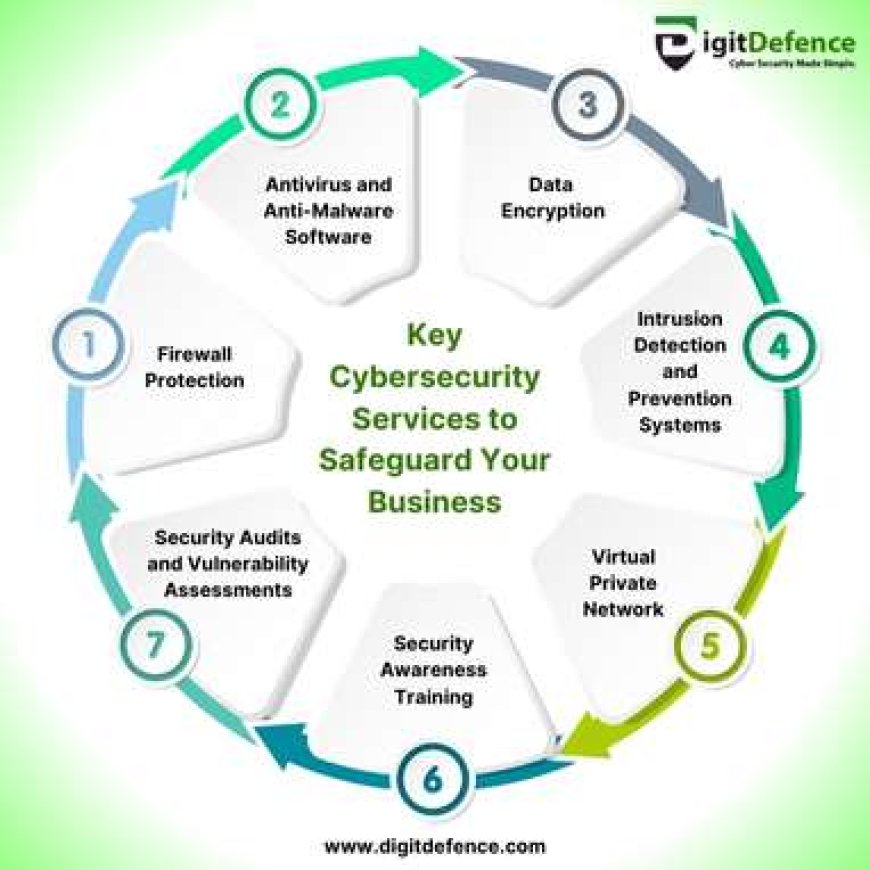
Effective cybersecurity security solutions typically include the following key components:

  • Firewalls: Firewalls act as a barrier between internal networks and external threats, monitoring and controlling incoming and outgoing network traffic.
  • Antivirus Software: Antivirus software helps detect and remove malware, viruses, and other malicious programs that can compromise system security.
  • Encryption: Encryption technologies protect data by converting it into a secure format that can only be accessed with the appropriate decryption key.
  • Intrusion Detection Systems (IDS) and Intrusion Prevention Systems (IPS): IDS and IPS monitor network traffic for suspicious activities and take action to prevent potential threats from compromising network security.
  • Security Awareness Training: Educating employees about cybersecurity best practices is crucial in preventing social engineering attacks and human errors that could lead to data breaches.

The Benefits of Implementing Cybersecurity Security Solutions

By investing in cybersecurity security solutions, organizations can enjoy several benefits, including:

  • Data Protection: Safeguarding sensitive information from unauthorized access or theft.
  • Risk Mitigation: Reducing the likelihood of costly data breaches or cyber attacks that could harm reputation and financial stability.
  • Compliance: Ensuring compliance with industry regulations and standards related to data privacy and security.
  • Business Continuity: Minimizing downtime due to cyber incidents by proactively identifying and addressing security vulnerabilities.

Conclusion

In conclusion, cybersecurity security solutions play a vital role in protecting organizations against evolving cyber threats. By implementing comprehensive security measures that address potential risks proactively, businesses can enhance their resilience in the face of cyber attacks and maintain trust with customers. Prioritizing cybersecurity is not just a necessity but a strategic investment in long-term success in today’s interconnected digital landscape.


8 Essential Tips for Strengthening Your Cybersecurity Defenses

  1. Keep your software and operating systems updated regularly.
  2. Use strong, unique passwords for each account and enable two-factor authentication when possible.
  3. Be cautious of suspicious emails or messages that may contain phishing attempts.
  4. Regularly back up your data to a secure location to prevent data loss in case of a cyber attack.
  5. Use reputable antivirus software and keep it updated to protect against malware.
  6. Secure your home network with a strong password and encryption.
  7. Limit the amount of personal information you share online to reduce the risk of identity theft.
  8. Educate yourself on common cybersecurity threats and best practices for staying safe online.

Keep your software and operating systems updated regularly.

Keeping your software and operating systems updated regularly is a crucial tip for maintaining strong cybersecurity security solutions. Software updates often include patches that address known vulnerabilities, reducing the risk of exploitation by cyber attackers. By staying current with updates, you ensure that your systems have the latest security features and enhancements, enhancing their resilience against potential threats. Regular updates also help to improve system performance and reliability, ensuring a smoother and more secure computing experience overall.

Use strong, unique passwords for each account and enable two-factor authentication when possible.

It is crucial to enhance your cybersecurity posture by following best practices such as using strong, unique passwords for each account and enabling two-factor authentication whenever possible. By creating complex passwords that are unique to each account, you can significantly reduce the risk of unauthorized access to your sensitive data. Additionally, implementing two-factor authentication adds an extra layer of security by requiring a secondary verification method, such as a code sent to your mobile device, further fortifying your accounts against potential cyber threats. Prioritizing these measures helps bolster your online security and safeguard your digital assets effectively.

Be cautious of suspicious emails or messages that may contain phishing attempts.

One crucial tip for enhancing cybersecurity security solutions is to remain vigilant and cautious of suspicious emails or messages that may contain phishing attempts. Cybercriminals often use deceptive tactics to trick individuals into divulging sensitive information or clicking on malicious links. By staying alert and verifying the authenticity of unexpected communications, individuals can significantly reduce the risk of falling victim to phishing attacks and protect their personal and organizational data from unauthorized access.

Regularly back up your data to a secure location to prevent data loss in case of a cyber attack.

Regularly backing up your data to a secure location is a crucial tip in cybersecurity security solutions. By creating consistent backups of your important files and storing them in a safe and separate location, you can mitigate the risk of data loss in the event of a cyber attack or system failure. This proactive measure ensures that even if your primary data is compromised, you can restore from backups and resume normal operations quickly, minimizing downtime and potential damage to your business or personal information.

Use reputable antivirus software and keep it updated to protect against malware.

To enhance your cybersecurity defenses, it is crucial to utilize trusted antivirus software and ensure it remains up to date. By employing reputable antivirus solutions and regularly updating them, you can effectively shield your systems from malware threats. These software programs play a pivotal role in detecting and removing malicious programs that could compromise the security of your devices and data. Stay vigilant by maintaining the latest virus definitions and security patches to fortify your digital environment against potential cyber attacks.

Secure your home network with a strong password and encryption.

Securing your home network with a strong password and encryption is a fundamental step in enhancing cybersecurity protection for your personal data and devices. By setting up a robust password that combines alphanumeric characters, symbols, and is not easily guessable, you can significantly reduce the risk of unauthorized access to your network. Additionally, enabling encryption protocols such as WPA2 or WPA3 ensures that the data transmitted over your network is encrypted, making it harder for cybercriminals to intercept and exploit sensitive information. Taking these proactive measures strengthens the overall security posture of your home network and helps safeguard against potential cyber threats.

Limit the amount of personal information you share online to reduce the risk of identity theft.

Limiting the amount of personal information you share online is a crucial tip in cybersecurity security solutions to mitigate the risk of identity theft. By being cautious about the details you disclose on the internet, such as your full name, address, birthdate, and financial information, you can minimize the chances of cybercriminals gaining access to sensitive data that could be used for fraudulent activities. Protecting your privacy online is an essential step in safeguarding your identity and maintaining control over your personal information in today’s digital age.

Educate yourself on common cybersecurity threats and best practices for staying safe online.

It is crucial to educate yourself on common cybersecurity threats and best practices for staying safe online. By understanding the potential risks and adopting proactive measures, you can enhance your digital security posture and protect your sensitive information from cyber threats. Stay informed about phishing scams, malware attacks, and other common tactics used by cybercriminals to target individuals and organizations. Implementing strong password practices, keeping software up to date, and being cautious with email attachments and links are essential steps in safeguarding your online presence. Remember, knowledge is power when it comes to cybersecurity, so invest time in learning how to navigate the digital landscape securely.

cloud security services in cloud computing

Enhancing Data Protection: The Role of Cloud Security Services in Cloud Computing

Cloud Security Services in Cloud Computing

The Importance of Cloud Security Services in Cloud Computing

Cloud computing has revolutionized the way businesses operate by offering scalable and flexible solutions for data storage, processing, and management. However, with the increasing reliance on cloud services comes the need for robust security measures to protect sensitive information from cyber threats.

What Are Cloud Security Services?

Cloud security services are specialized tools and protocols designed to safeguard data stored in cloud environments. These services aim to mitigate risks such as data breaches, unauthorized access, malware attacks, and other security vulnerabilities that can compromise the integrity and confidentiality of information.

The Benefits of Cloud Security Services

Implementing cloud security services offers several key benefits:

  • Data Protection: Encryption, access controls, and authentication mechanisms help prevent unauthorized access to sensitive data.
  • Compliance: Cloud security services assist businesses in meeting regulatory requirements and industry standards related to data protection.
  • Threat Detection: Advanced monitoring tools can detect and respond to potential security incidents in real-time.
  • Scalability: Cloud security services can scale up or down based on the evolving needs of a business without compromising security.

Common Cloud Security Services

Some of the most common cloud security services include:

  • Firewalls: Network firewalls help monitor and control incoming and outgoing traffic to prevent unauthorized access.
  • Intrusion Detection Systems (IDS): IDS tools analyze network traffic for suspicious activity that may indicate a cyber attack.
  • Data Loss Prevention (DLP): DLP solutions prevent sensitive data from being leaked or lost through monitoring and enforcement policies.
  • Vulnerability Assessment: Regular assessments identify potential weaknesses in a cloud environment that could be exploited by attackers.

In Conclusion

In today’s digital landscape, ensuring the security of cloud-based operations is paramount for businesses of all sizes. By investing in robust cloud security services, organizations can protect their valuable assets, maintain customer trust, and stay ahead of evolving cyber threats in the dynamic world of cloud computing.


Essential FAQs About Cloud Security Services in Cloud Computing

  1. What is cloud security and why is it important in cloud computing?
  2. How do cloud security services help protect data in the cloud?
  3. What are the common threats to cloud security?
  4. What are the key benefits of implementing cloud security services?
  5. How can businesses ensure compliance with regulations when using cloud services?
  6. What are some best practices for securing data stored in the cloud?
  7. Are there different types of cloud security services available for businesses?
  8. How does encryption play a role in ensuring data security in the cloud?
  9. What steps can organizations take to enhance their overall cybersecurity posture in a cloud environment?

What is cloud security and why is it important in cloud computing?

Cloud security in cloud computing refers to the measures and protocols implemented to protect data and resources stored in cloud environments from cyber threats and unauthorized access. It is essential in cloud computing because businesses entrust their sensitive information to third-party cloud service providers, making data security a top priority. Without robust cloud security measures in place, organizations are vulnerable to data breaches, cyber attacks, and potential loss of critical information. By ensuring strong cloud security practices, businesses can safeguard their assets, maintain compliance with regulations, and build trust with customers who rely on secure cloud services for their operations.

How do cloud security services help protect data in the cloud?

Cloud security services play a crucial role in safeguarding data in the cloud by implementing various protective measures. These services utilize encryption techniques to secure data both at rest and in transit, ensuring that sensitive information remains confidential and inaccessible to unauthorized users. Access controls and authentication mechanisms are also employed to verify the identity of users accessing the cloud environment, reducing the risk of data breaches. Additionally, continuous monitoring and threat detection capabilities enable cloud security services to identify and respond swiftly to potential security incidents, enhancing overall data protection in the cloud.

What are the common threats to cloud security?

Common threats to cloud security in cloud computing include data breaches, unauthorized access, malware infections, DDoS attacks, and misconfigured security settings. Data breaches can occur when sensitive information is accessed by unauthorized parties, leading to potential financial and reputational damage. Unauthorized access refers to individuals gaining entry to cloud resources without proper authorization, posing a risk of data theft or manipulation. Malware infections can compromise the integrity of data stored in the cloud, while DDoS attacks aim to disrupt services by overwhelming cloud servers with traffic. Misconfigured security settings leave vulnerabilities that attackers can exploit to gain access to confidential information. Implementing robust security measures and staying vigilant against these threats is crucial for safeguarding data in cloud environments.

What are the key benefits of implementing cloud security services?

Implementing cloud security services offers a multitude of key benefits for businesses operating in cloud computing environments. These services provide essential data protection through encryption, access controls, and authentication mechanisms, ensuring that sensitive information remains secure from unauthorized access. Additionally, cloud security services help organizations achieve compliance with regulatory requirements and industry standards related to data protection. They enable proactive threat detection with advanced monitoring tools, allowing real-time responses to potential security incidents. Moreover, the scalability of cloud security services ensures that businesses can adapt their security measures to meet evolving needs without compromising the integrity of their data.

How can businesses ensure compliance with regulations when using cloud services?

Ensuring compliance with regulations while utilizing cloud services is a critical aspect for businesses in today’s digital landscape. To achieve this, organizations can implement a comprehensive approach that includes thorough due diligence when selecting cloud service providers who adhere to relevant compliance standards. Businesses should also establish clear policies and procedures for data handling, access control, and encryption to meet regulatory requirements. Regular audits and assessments of the cloud environment can help identify any non-compliance issues and ensure continuous alignment with industry regulations. By proactively addressing compliance concerns and staying informed about evolving regulatory frameworks, businesses can confidently leverage cloud services while maintaining data security and regulatory adherence.

What are some best practices for securing data stored in the cloud?

When it comes to securing data stored in the cloud, following best practices is essential to safeguard sensitive information from potential cyber threats. Some key recommendations include implementing strong encryption protocols to protect data both at rest and in transit, enforcing strict access controls to limit who can view and modify data, regularly monitoring and auditing cloud environments for any suspicious activity, conducting regular security assessments and updates to address vulnerabilities promptly, and educating employees on cybersecurity best practices to mitigate human error risks. By adhering to these best practices, organizations can enhance the security of their cloud-stored data and maintain the integrity and confidentiality of their information assets.

Are there different types of cloud security services available for businesses?

When it comes to cloud security services in cloud computing, businesses have access to a variety of options tailored to their specific needs. Different types of cloud security services are available to address various aspects of data protection and threat mitigation. From encryption and access controls to intrusion detection systems and vulnerability assessments, businesses can choose from a range of solutions to enhance the security of their cloud environments. By leveraging these diverse offerings, organizations can implement a comprehensive security strategy that safeguards their data and infrastructure against cyber threats in the ever-evolving digital landscape.

How does encryption play a role in ensuring data security in the cloud?

Encryption plays a crucial role in ensuring data security in the cloud by transforming sensitive information into a coded format that can only be accessed by authorized parties with the decryption key. When data is encrypted before being stored or transmitted in the cloud, even if unauthorized individuals gain access to it, they cannot decipher the content without the encryption key. This adds an extra layer of protection to prevent data breaches and unauthorized access, making encryption an essential component of safeguarding data integrity and confidentiality in cloud computing environments.

What steps can organizations take to enhance their overall cybersecurity posture in a cloud environment?

To enhance their overall cybersecurity posture in a cloud environment, organizations can take several proactive steps. First and foremost, implementing strong access controls and encryption mechanisms is crucial to safeguarding sensitive data stored in the cloud. Regularly updating security patches and conducting vulnerability assessments help identify and mitigate potential weaknesses in the cloud infrastructure. Additionally, educating employees on best practices for data security and implementing multi-factor authentication can further bolster defenses against cyber threats. Collaborating with trusted cloud security service providers and staying informed about the latest trends in cloud security are also essential for maintaining a robust cybersecurity posture in a rapidly evolving digital landscape.

cyber security services for companies

Enhancing Business Resilience: Comprehensive Cyber Security Services for Companies

Cyber Security Services for Companies

The Importance of Cyber Security Services for Companies

In today’s digital age, cyber threats are becoming more sophisticated and prevalent than ever before. Companies of all sizes are at risk of cyber attacks that can result in data breaches, financial losses, and damage to their reputation. This is why investing in robust cyber security services is crucial for the protection of sensitive information and the continuity of business operations.

Key Benefits of Cyber Security Services for Companies:

  • Protection from Cyber Attacks: Cyber security services help companies defend against various cyber threats such as malware, ransomware, phishing attacks, and more.
  • Data Protection: By implementing encryption, access controls, and data backup solutions, companies can safeguard their valuable data from unauthorized access or loss.
  • Compliance with Regulations: Many industries have strict data protection regulations that companies must comply with. Cyber security services ensure that businesses meet these requirements to avoid legal repercussions.
  • Enhanced Business Continuity: In the event of a cyber attack or system failure, having robust cyber security measures in place can minimize downtime and ensure business continuity.
  • Reputation Management: A data breach or security incident can severely damage a company’s reputation. Cyber security services help prevent such incidents and maintain customer trust.

Types of Cyber Security Services Offered to Companies:

Companies can benefit from a range of cyber security services tailored to their specific needs, including:

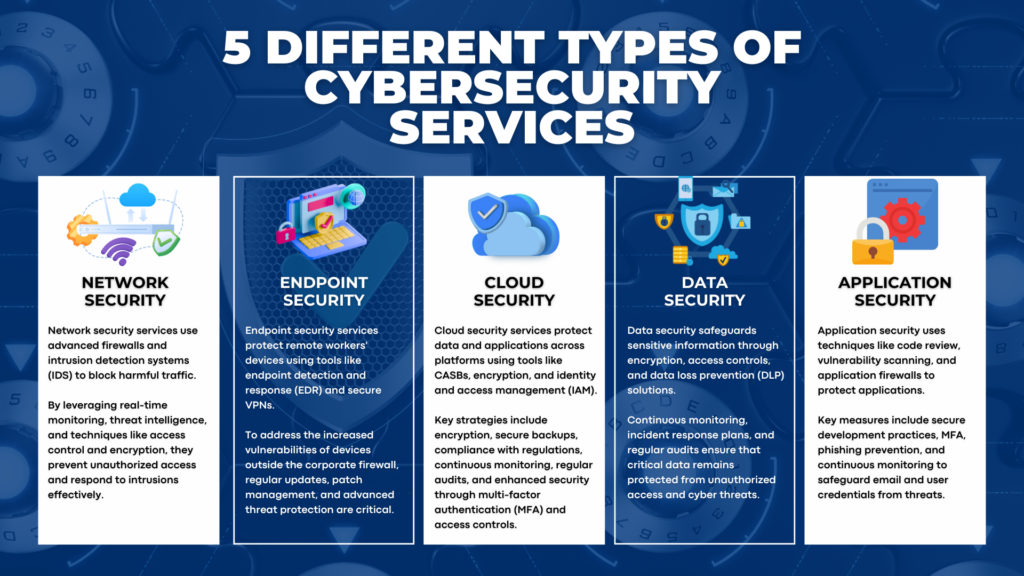
  • Network Security: Protecting networks from unauthorized access and potential intrusions.
  • Endpoint Security: Securing endpoints such as laptops, desktops, and mobile devices from malware and other threats.
  • Incident Response: Developing response plans to quickly address and mitigate cyber security incidents.
  • Vulnerability Assessment: Identifying weaknesses in systems and applications to proactively address potential security risks.
  • Security Awareness Training: Educating employees on best practices for maintaining a secure work environment.

Cyber security is not a one-time investment but an ongoing process that requires continuous monitoring, updates, and adaptation to evolving threats. By partnering with reputable cyber security service providers, companies can stay ahead of cyber criminals and protect their assets effectively.


Essential Cybersecurity Tips for Companies: Strengthen Your Defense with These 6 Strategies

  1. Regularly update software and systems to patch security vulnerabilities.
  2. Implement strong password policies and enable multi-factor authentication.
  3. Train employees on cybersecurity best practices and how to recognize phishing attempts.
  4. Secure company devices with encryption and remote wipe capabilities in case of loss or theft.
  5. Back up important data regularly to prevent data loss from ransomware attacks or hardware failures.
  6. Monitor network traffic for suspicious activity and invest in intrusion detection/prevention systems.

Regularly update software and systems to patch security vulnerabilities.

Regularly updating software and systems is a crucial aspect of maintaining strong cyber security for companies. By applying patches and updates promptly, organizations can address known security vulnerabilities and reduce the risk of exploitation by cyber attackers. Keeping software and systems up to date ensures that they have the latest security features and fixes, enhancing overall protection against potential threats. Proactive maintenance through regular updates is a simple yet effective way to bolster the resilience of a company’s cyber defenses and safeguard sensitive data from potential breaches.

Implement strong password policies and enable multi-factor authentication.

To enhance cyber security measures, companies should implement strong password policies and enable multi-factor authentication. Strong password policies require employees to create complex passwords that are difficult to guess, thereby reducing the risk of unauthorized access to sensitive information. Multi-factor authentication adds an extra layer of security by requiring users to provide additional verification beyond just a password, such as a code sent to their mobile device. These measures significantly strengthen defenses against cyber threats and help safeguard company data from potential breaches.

Train employees on cybersecurity best practices and how to recognize phishing attempts.

Training employees on cybersecurity best practices and how to recognize phishing attempts is a crucial step in enhancing a company’s overall cyber security posture. By educating staff members on the importance of strong passwords, identifying suspicious emails, and being cautious of clicking on unknown links or attachments, organizations can significantly reduce the risk of falling victim to cyber attacks. Empowering employees with the knowledge and skills to detect and report potential security threats not only helps protect sensitive data but also strengthens the company’s defense against evolving cyber threats.

Secure company devices with encryption and remote wipe capabilities in case of loss or theft.

To enhance cyber security measures for companies, it is crucial to secure company devices with encryption and remote wipe capabilities in case of loss or theft. By encrypting sensitive data stored on devices, companies can protect information from unauthorized access even if the device falls into the wrong hands. Additionally, enabling remote wipe capabilities allows companies to remotely erase data on lost or stolen devices, minimizing the risk of data breaches and ensuring that confidential information remains secure. This proactive approach helps companies mitigate potential risks and safeguard their valuable assets effectively.

Back up important data regularly to prevent data loss from ransomware attacks or hardware failures.

Regularly backing up important data is a crucial practice for companies to prevent data loss from ransomware attacks or hardware failures. By maintaining up-to-date backups of critical information, businesses can ensure that they have copies of their data available in case of a cyber incident or system malfunction. This proactive approach not only safeguards against potential data breaches but also enables quick recovery and minimal disruption to operations in the event of an unforeseen event. Implementing a robust backup strategy is an essential component of a comprehensive cyber security plan for companies looking to protect their valuable assets and maintain business continuity.

Monitor network traffic for suspicious activity and invest in intrusion detection/prevention systems.

To enhance cyber security measures, companies should prioritize monitoring network traffic for any signs of suspicious activity. Investing in intrusion detection and prevention systems can help identify and mitigate potential threats before they escalate. By proactively monitoring network traffic and deploying robust security systems, companies can strengthen their defense against cyber attacks and safeguard their sensitive data from unauthorized access.

cybersecurity service

Enhancing Your Security: Comprehensive Cybersecurity Services for Your Business

The Importance of Cybersecurity Services in Today’s Digital World

In today’s interconnected world, cybersecurity has become a critical aspect of any organization’s operations. With the increasing number of cyber threats and attacks, businesses need to prioritize their cybersecurity measures to protect sensitive data and maintain the trust of their customers.

What Are Cybersecurity Services?

Cybersecurity services encompass a range of practices and technologies designed to protect networks, devices, programs, and data from unauthorized access or attacks. These services aim to ensure the confidentiality, integrity, and availability of information systems.

The Role of Cybersecurity Services

Effective cybersecurity services play a crucial role in safeguarding organizations against various cyber threats, including malware, phishing attacks, ransomware, and data breaches. By implementing robust cybersecurity measures, businesses can prevent unauthorized access to their systems and mitigate potential risks.

Benefits of Cybersecurity Services

Investing in cybersecurity services offers numerous benefits to organizations, such as:

  • Data Protection: Secure sensitive information from unauthorized access or theft.
  • Threat Detection: Identify and respond to potential security threats in real-time.
  • Compliance: Ensure compliance with industry regulations and standards related to data security.
  • Business Continuity: Minimize disruptions to operations caused by cyber incidents.
  • Customer Trust: Build trust with customers by demonstrating a commitment to protecting their data.

Cybersecurity Service Providers

Many organizations rely on specialized cybersecurity service providers to enhance their security posture. These providers offer a range of services, including:

  • Network Security: Implement firewalls, intrusion detection systems, and secure VPNs.
  • Endpoint Security: Protect individual devices from malware and other cyber threats.
  • Incident Response: Develop strategies for responding to security incidents effectively.
  • Vulnerability Management: Identify and address vulnerabilities in systems and applications.

In Conclusion

In conclusion, cybersecurity services are essential for safeguarding organizations against evolving cyber threats. By investing in robust cybersecurity measures and working with reputable service providers, businesses can protect their valuable assets and maintain a secure digital environment for their operations.

Contact us today to learn more about how our cybersecurity services can help secure your organization’s digital infrastructure.


9 Essential Benefits of Cybersecurity Services for Protecting Your Business

  1. Protect sensitive data from unauthorized access
  2. Prevent malware infections and cyber attacks
  3. Ensure compliance with industry regulations and standards
  4. Detect and respond to security threats in real-time
  5. Minimize disruptions to business operations caused by cyber incidents
  6. Enhance customer trust by demonstrating a commitment to data security
  7. Safeguard financial information and transactions
  8. Mitigate risks of data breaches and identity theft
  9. Provide peace of mind knowing that your digital assets are secure


Challenges of Cybersecurity Services: High Costs, Complexity, False Positives, and User Resistance

  1. Costly Investment
  2. Complexity
  3. False Positives
  4. User Resistance

Protect sensitive data from unauthorized access

One significant advantage of cybersecurity services is their ability to protect sensitive data from unauthorized access. By implementing robust security measures, organizations can safeguard confidential information, such as customer data, financial records, and intellectual property, from cyber threats. This proactive approach not only helps prevent data breaches and unauthorized disclosures but also ensures the integrity and confidentiality of critical assets, fostering trust with customers and stakeholders.

Prevent malware infections and cyber attacks

One of the key benefits of cybersecurity services is their ability to prevent malware infections and cyber attacks. By implementing robust security measures, organizations can proactively safeguard their networks, systems, and data from malicious software and cyber threats. This proactive approach not only helps prevent costly downtime and data breaches but also ensures the continuity of business operations without disruptions caused by malware infections or cyber attacks.

Ensure compliance with industry regulations and standards

Ensuring compliance with industry regulations and standards is a crucial benefit of cybersecurity services. By implementing robust security measures, organizations can meet the requirements set forth by regulatory bodies and industry standards. Compliance not only helps in avoiding potential legal repercussions but also demonstrates a commitment to data security and privacy, building trust with customers and stakeholders. Cybersecurity services play a vital role in guiding businesses towards adherence to relevant regulations, ensuring that sensitive information is handled in accordance with best practices and legal mandates.

Detect and respond to security threats in real-time

One significant advantage of cybersecurity services is the ability to detect and respond to security threats in real-time. By leveraging advanced monitoring tools and threat detection technologies, organizations can swiftly identify suspicious activities or potential breaches within their networks. This proactive approach allows for immediate action to be taken to mitigate the impact of security incidents, minimizing potential damage and ensuring the continuity of business operations. Real-time threat detection and response are crucial components of a comprehensive cybersecurity strategy that helps organizations stay one step ahead of cyber threats.

Minimize disruptions to business operations caused by cyber incidents

One significant advantage of cybersecurity services is their ability to minimize disruptions to business operations caused by cyber incidents. By implementing robust security measures and proactive monitoring, organizations can effectively identify and mitigate potential cyber threats before they escalate into major disruptions. This proactive approach not only helps maintain the continuity of business operations but also reduces the risk of financial losses and reputational damage associated with cyber incidents. Investing in cybersecurity services can provide businesses with the peace of mind that their operations are protected against unforeseen disruptions, allowing them to focus on their core activities without interruption.

Enhance customer trust by demonstrating a commitment to data security

By investing in cybersecurity services, organizations can enhance customer trust by demonstrating a strong commitment to data security. When customers know that their sensitive information is protected from cyber threats and unauthorized access, they are more likely to have confidence in the organization’s ability to safeguard their data. This commitment to data security not only helps build trust with existing customers but also attracts new customers who prioritize the protection of their personal information. Ultimately, prioritizing cybersecurity measures sends a clear message that the organization values the privacy and security of its customers’ data, fostering long-term relationships built on trust and reliability.

Safeguard financial information and transactions

Cybersecurity services play a crucial role in safeguarding financial information and transactions from unauthorized access and fraud. By implementing robust security measures, organizations can protect sensitive financial data, such as bank account details, credit card information, and transaction records. Encryption techniques, secure payment gateways, and multi-factor authentication help ensure the confidentiality and integrity of financial transactions, reducing the risk of cyber attacks and financial losses. With cybersecurity services in place, businesses can instill trust in their customers and partners by demonstrating a commitment to protecting their financial information.

Mitigate risks of data breaches and identity theft

Cybersecurity services play a crucial role in mitigating the risks of data breaches and identity theft. By implementing robust security measures, organizations can protect sensitive information from unauthorized access and prevent cybercriminals from stealing valuable data. Proactive cybersecurity strategies, such as encryption, multi-factor authentication, and regular security audits, help safeguard against potential threats and ensure that personal and confidential data remains secure. By investing in cybersecurity services, businesses can significantly reduce the likelihood of data breaches and identity theft, thereby safeguarding their reputation and maintaining the trust of their customers.

Provide peace of mind knowing that your digital assets are secure

Cybersecurity services offer a valuable benefit by providing peace of mind to individuals and organizations, knowing that their digital assets are secure. By implementing robust security measures and proactive monitoring, cybersecurity services help prevent unauthorized access, data breaches, and other cyber threats. This assurance allows businesses to focus on their core activities without constantly worrying about the safety of their sensitive information, ultimately enhancing trust with customers and stakeholders.

Costly Investment

Implementing comprehensive cybersecurity services can pose a significant financial challenge for many organizations, particularly small businesses operating with constrained budgets. The cost of acquiring and maintaining sophisticated security measures, along with the need for ongoing monitoring and updates, can strain financial resources and divert funds from other essential areas of operation. Balancing the necessity of robust cybersecurity with the financial constraints faced by some organizations remains a persistent conundrum in the realm of digital security.

Complexity

The complexity of managing cybersecurity services poses a significant challenge for organizations lacking dedicated IT security teams. Securing networks, identifying vulnerabilities, and responding to cyber threats demand specialized knowledge and expertise that may be beyond the capabilities of general IT staff. Without the necessary skills and resources in place, organizations risk leaving their systems vulnerable to attacks and data breaches. As cyber threats continue to evolve, navigating the intricate landscape of cybersecurity becomes increasingly daunting for businesses without access to dedicated security professionals.

False Positives

False positives are a significant con of cybersecurity services as they can create unnecessary challenges for organizations. Security tools used in cybersecurity services may occasionally produce alerts that mistakenly identify benign activities as potential threats. This can result in wasted time and resources as teams investigate false alarms, diverting their attention from genuine security issues. Moreover, false positives can cause disruptions to normal business operations, leading to productivity losses and increased frustration among employees. Addressing the issue of false positives is crucial for organizations to streamline their cybersecurity efforts and ensure that genuine threats are promptly identified and addressed.

User Resistance

User Resistance can pose a significant challenge to cybersecurity services within an organization. When employees resist security measures, such as complex password requirements or multi-factor authentication, it can weaken the overall security posture and leave the organization vulnerable to cyber threats. User resistance may stem from inconvenience, lack of awareness about the importance of cybersecurity, or simply a desire for convenience over security. Addressing user resistance requires effective communication, training, and engagement to ensure that employees understand the rationale behind security measures and are motivated to comply with them for the greater protection of the organization’s data and systems.

for c

Enhancing Cybersecurity Measures for Businesses: A Vital Strategy in the Digital Age

The Importance of Cybersecurity for Businesses

The Importance of Cybersecurity for Businesses

In today’s digital age, cybersecurity has become a critical aspect for businesses of all sizes. With the increasing reliance on technology and the internet for day-to-day operations, protecting sensitive data and information has never been more important.

Cyberattacks are on the rise, with hackers constantly looking for vulnerabilities to exploit. A data breach can have devastating consequences for a business, including financial loss, damage to reputation, and legal implications. This is why implementing robust cybersecurity measures is essential.

Key Reasons Why Cybersecurity is Crucial for Businesses:

  • Data Protection: Safeguarding customer data, intellectual property, and other sensitive information from unauthorized access or theft.
  • Business Continuity: Preventing disruptions to operations caused by cyber incidents such as ransomware attacks or system breaches.
  • Compliance Requirements: Ensuring that businesses comply with data protection regulations and industry standards to avoid penalties and legal consequences.
  • Reputation Management: Building trust with customers by demonstrating a commitment to protecting their privacy and security.
  • Risk Mitigation: Identifying potential threats and vulnerabilities in advance to proactively mitigate risks before they turn into security breaches.

Investing in cybersecurity not only protects your business assets but also instills confidence in your stakeholders. By prioritizing cybersecurity, businesses can stay ahead of evolving threats and maintain a secure environment for their digital operations.


Understanding ‘For’ Loops in C: Common Questions and Examples

  1. What is the purpose of ‘for’ loop in C programming?
  2. How do you use ‘for’ loop to iterate over an array in C?
  3. Can you provide an example of a nested ‘for’ loop in C?
  4. What are the differences between ‘for’ and ‘while’ loops in C?
  5. How can I break out of a ‘for’ loop prematurely in C?

What is the purpose of ‘for’ loop in C programming?

In C programming, the ‘for’ loop serves as a fundamental control structure that allows developers to execute a block of code repeatedly based on specified conditions. The primary purpose of the ‘for’ loop is to streamline repetitive tasks by defining initialization, condition, and iteration steps within a concise syntax. By using the ‘for’ loop effectively, programmers can efficiently iterate over data structures, perform calculations, and automate processes without the need for redundant code. This loop structure plays a crucial role in enhancing code readability, optimizing performance, and facilitating the implementation of iterative algorithms in C programs.

How do you use ‘for’ loop to iterate over an array in C?

In C programming, you can use a ‘for’ loop to iterate over an array by specifying the loop control variable to index through the elements of the array. The ‘for’ loop typically consists of three parts: initialization, condition, and increment/decrement. For iterating over an array, you would initialize the loop control variable to 0 (for the first element of the array), set the condition to check if the index is within the bounds of the array, and increment the index variable inside the loop to move to the next element in each iteration. By using a ‘for’ loop in this manner, you can access and process each element of the array sequentially.

Can you provide an example of a nested ‘for’ loop in C?

In C programming, a nested ‘for’ loop is a loop inside another loop. This allows for executing a set of statements multiple times in a structured manner. Here is an example of a nested ‘for’ loop in C:

“`c

#include

int main() {

int rows = 3;

int cols = 3;

for (int i = 0; i < rows; i++) {

for (int j = 0; j < cols; j++) {

printf(“(%d, %d) “, i, j);

}

printf(“\n”);

}

return 0;

}

“`

In this example, the outer ‘for’ loop iterates over the rows while the inner ‘for’ loop iterates over the columns within each row. This structure allows for efficiently handling two-dimensional arrays or performing operations on matrix-like data structures in C.

What are the differences between ‘for’ and ‘while’ loops in C?

In C programming, understanding the differences between ‘for’ and ‘while’ loops is essential for effective program flow control. The ‘for’ loop is typically used when the number of iterations is known beforehand, as it allows initializing a loop control variable, setting a condition for continuation, and updating the variable in a single line. On the other hand, the ‘while’ loop is more flexible and suitable for situations where the termination condition depends on runtime evaluation. It requires explicitly initializing the loop control variable before entering the loop and updating it within the loop body. Choosing between ‘for’ and ‘while’ loops in C depends on the specific requirements of the program and the nature of the iteration process.

How can I break out of a ‘for’ loop prematurely in C?

In C programming, you can break out of a ‘for’ loop prematurely using the ‘break’ statement. When a specific condition is met within the loop, you can use ‘break’ to immediately exit the loop and continue with the code execution following the loop. This allows for more flexibility and control over the flow of your program, especially when you need to terminate a loop before it reaches its natural end based on certain criteria.

Enhancing Data Protection: The Role of Information Security Consulting Services

Information Security Consulting Services

The Importance of Information Security Consulting Services

In today’s digital age, businesses are increasingly vulnerable to cyber threats and attacks. As technology advances, so do the methods used by malicious actors to exploit weaknesses in systems and networks. This is where information security consulting services play a crucial role in safeguarding organizations from potential risks.

What is Information Security Consulting?

Information security consulting involves assessing, designing, implementing, and managing security measures to protect an organization’s data, systems, and networks. These services are provided by experts who specialize in identifying vulnerabilities and developing strategies to mitigate risks.

The Benefits of Information Security Consulting Services

By engaging information security consulting services, businesses can:

  • Identify and assess potential security risks
  • Develop customized security solutions tailored to their specific needs
  • Implement best practices for data protection and compliance
  • Enhance overall cybersecurity posture
  • Respond effectively to security incidents and breaches

How Information Security Consultants Can Help Businesses

Information security consultants bring a wealth of knowledge and expertise to help businesses navigate the complex landscape of cybersecurity. They offer:

  • Risk assessments and audits to identify vulnerabilities
  • Security architecture design and implementation
  • Incident response planning and management
  • Security awareness training for employees
  • Compliance assistance with industry regulations and standards

In Conclusion

Information security consulting services are essential for businesses looking to protect their valuable assets from cyber threats. By partnering with experienced consultants, organizations can proactively address security challenges and ensure the confidentiality, integrity, and availability of their information assets.


Top 5 Benefits of Information Security Consulting Services for Your Organization

  1. Specialized expertise in identifying and mitigating security risks
  2. Customized security solutions tailored to the specific needs of each organization
  3. Enhanced cybersecurity posture to protect valuable data and assets
  4. Proactive measures to prevent security breaches and incidents
  5. Compliance assistance with industry regulations and standards


Challenges of Information Security Consulting: Costs, Dependency, Conflicts of Interest, and Measuring ROI

  1. Costly for small businesses with limited budgets
  2. Dependency on external expertise may lead to reliance issues
  3. Potential conflicts of interest if consultants recommend products or services from affiliated partners
  4. Difficulty in measuring the tangible ROI of information security consulting services

Specialized expertise in identifying and mitigating security risks

Information security consulting services offer a valuable pro in their specialized expertise in identifying and mitigating security risks. These expert consultants possess in-depth knowledge and experience in recognizing potential vulnerabilities within an organization’s systems and networks. By leveraging their specialized skills, they can effectively develop strategies to mitigate these risks and enhance the overall security posture of the business. This focused expertise enables businesses to proactively address security threats and safeguard their sensitive data from potential breaches and cyber attacks.

Customized security solutions tailored to the specific needs of each organization

One significant advantage of information security consulting services is the ability to provide customized security solutions that are tailored to the specific needs of each organization. By conducting a thorough assessment of the organization’s infrastructure, data assets, and potential vulnerabilities, security consultants can develop targeted strategies and implement measures that address the unique risks faced by the business. This personalized approach ensures that security measures are effective, efficient, and aligned with the organization’s goals and compliance requirements.

Enhanced cybersecurity posture to protect valuable data and assets

Enhanced cybersecurity posture through information security consulting services is a critical advantage for businesses seeking to safeguard their valuable data and assets. By working with experienced consultants, organizations can strengthen their defense mechanisms, identify vulnerabilities, and implement proactive security measures to prevent potential cyber threats. This proactive approach not only protects sensitive information but also instills confidence in customers and stakeholders regarding the organization’s commitment to data security and privacy. Ultimately, an improved cybersecurity posture enables businesses to mitigate risks effectively and maintain the integrity of their digital infrastructure in today’s constantly evolving threat landscape.

Proactive measures to prevent security breaches and incidents

Information security consulting services offer the advantage of implementing proactive measures to prevent security breaches and incidents. By conducting thorough risk assessments, developing robust security strategies, and staying ahead of emerging threats, consultants help organizations strengthen their defenses and minimize the likelihood of potential cyber attacks. This proactive approach not only enhances the overall security posture of businesses but also saves them from the costly repercussions of data breaches and other security incidents.

Compliance assistance with industry regulations and standards

Compliance assistance with industry regulations and standards is a significant benefit of information security consulting services. These consultants help businesses navigate the complex landscape of regulatory requirements by providing expert guidance on how to align their security practices with specific laws and standards. By ensuring compliance, organizations can avoid costly penalties, protect their reputation, and build trust with customers and partners. Information security consultants play a crucial role in helping businesses stay up-to-date with evolving regulations and maintain a secure environment that meets industry best practices.

Costly for small businesses with limited budgets

For small businesses with limited budgets, one significant drawback of information security consulting services is the cost involved. Hiring external consultants to assess, design, and implement security measures can be expensive and may strain the financial resources of smaller organizations. The upfront investment required for comprehensive security solutions and ongoing maintenance can be prohibitive for businesses operating on a tight budget. This financial burden might deter small businesses from seeking professional assistance in enhancing their cybersecurity posture, leaving them more vulnerable to potential threats and attacks.

Dependency on external expertise may lead to reliance issues

Dependency on external expertise in information security consulting services may lead to reliance issues for organizations. While consulting experts can provide valuable insights and solutions, relying too heavily on external professionals can create a sense of dependency. This reliance may hinder internal teams from developing their own cybersecurity capabilities and understanding the intricacies of their systems. Additionally, if organizations become overly dependent on external consultants, they may face challenges in adapting to evolving security threats independently. It is important for businesses to strike a balance between leveraging external expertise and building internal capacity to ensure long-term resilience in managing information security risks.

Potential conflicts of interest if consultants recommend products or services from affiliated partners

One significant con of information security consulting services is the potential for conflicts of interest when consultants recommend products or services from affiliated partners. In such cases, consultants may prioritize their relationships with partner companies over the best interests of their clients, leading to biased recommendations that may not necessarily address the specific security needs of the organization. This conflict can undermine the trust and credibility of the consulting services, ultimately jeopardizing the effectiveness of the security solutions proposed. It is essential for businesses to be aware of these potential conflicts and ensure that consulting engagements are transparent and focused on delivering unbiased and objective advice to enhance their cybersecurity posture.

Difficulty in measuring the tangible ROI of information security consulting services

One significant con of information security consulting services is the difficulty in measuring the tangible return on investment (ROI) of such services. Unlike some other business investments where ROI can be easily quantified in terms of increased revenue or cost savings, the benefits of information security consulting are often more intangible and challenging to measure. It can be complex to attribute specific financial outcomes directly to security measures, making it harder for organizations to justify the costs associated with these services based solely on traditional ROI metrics. This lack of clear ROI measurement may present a hurdle for businesses seeking to evaluate the effectiveness and value of their information security consulting investments.

secure sdlc

Enhancing Software Security with a Secure SDLC Approach

The Importance of Secure Software Development Life Cycle (SDLC)

The Importance of Secure Software Development Life Cycle (SDLC)

Secure Software Development Life Cycle (SDLC) is a crucial process that ensures security is integrated into every phase of software development. By implementing security measures from the initial planning stages to deployment and maintenance, organizations can significantly reduce the risk of vulnerabilities and cyber attacks.

Key Phases of Secure SDLC:

  1. Planning: In this phase, security requirements are identified, and a security strategy is developed to align with business objectives.
  2. Design: Security architecture and design principles are incorporated into the software design to prevent potential security flaws.
  3. Implementation: Developers write secure code following coding guidelines and best practices to minimize vulnerabilities.
  4. Testing: Security testing is conducted to identify and address any weaknesses or vulnerabilities in the software before it goes live.
  5. Deployment: Secure deployment practices are followed to ensure that the software is securely configured in its operational environment.
  6. Maintenance: Regular maintenance includes patching vulnerabilities, updating security measures, and monitoring for any new threats.

The Benefits of Secure SDLC:

  • Risk Mitigation: By integrating security throughout the development process, organizations can proactively identify and mitigate risks before they become major issues.
  • Data Protection: Secure SDLC helps safeguard sensitive data from unauthorized access or breaches, enhancing data protection measures.
  • Compliance: Following secure SDLC practices ensures compliance with industry regulations and standards related to data privacy and security.
  • Cybersecurity Resilience: Building secure software enhances an organization’s cybersecurity posture, making it more resilient against cyber threats and attacks.

In conclusion, adopting a Secure Software Development Life Cycle is essential for organizations looking to develop robust and secure software applications. By prioritizing security at every stage of the development process, businesses can protect their assets, maintain customer trust, and stay ahead in an increasingly digital world.


Understanding Secure SDLC: Key Concepts and Stages Explained

  1. What is a secure development life cycle?
  2. What is secure coding practices in SDLC?
  3. What is the proper way to secure your SDLC?
  4. What is a secure SDLC?
  5. What are the 5 phases of SDLC?
  6. What are the 5 phases of the security life cycle?
  7. What are the 7 stages of an SDLC?

What is a secure development life cycle?

A Secure Development Life Cycle (SDLC) refers to a structured approach to integrating security measures into every phase of the software development process. It involves identifying and addressing security requirements from the initial planning stages through deployment and maintenance. By following a secure SDLC, organizations can proactively prevent vulnerabilities, reduce the risk of cyber attacks, and ensure that software applications are developed with security in mind. This comprehensive approach helps build trust with users, protect sensitive data, and maintain compliance with industry regulations and standards related to cybersecurity.

What is secure coding practices in SDLC?

Secure coding practices in SDLC refer to the set of guidelines, best practices, and techniques that developers follow to write code that is resilient to security threats and vulnerabilities. By incorporating secure coding practices throughout the software development life cycle, developers can minimize the risk of introducing security flaws into the codebase. These practices include input validation, output encoding, proper error handling, secure authentication mechanisms, data encryption, and adherence to coding standards. Implementing secure coding practices not only helps in building more secure software but also contributes to overall risk reduction and enhances the resilience of applications against cyber attacks.

What is the proper way to secure your SDLC?

Securing your Software Development Life Cycle (SDLC) involves following a structured approach that integrates security practices throughout the entire development process. The proper way to secure your SDLC includes implementing security measures at each phase, such as planning, design, implementation, testing, deployment, and maintenance. This entails identifying and addressing security requirements early on, incorporating secure coding practices, conducting thorough security testing, deploying software in a secure manner, and regularly maintaining and updating security measures. By adopting a comprehensive and proactive approach to security within the SDLC, organizations can effectively mitigate risks, protect sensitive data, ensure compliance with regulations, and enhance their overall cybersecurity resilience.

What is a secure SDLC?

A Secure Software Development Life Cycle (SDLC) is a systematic approach to integrating security measures and practices into every phase of the software development process. It ensures that security considerations are addressed from the initial planning stages through deployment and maintenance. By following a secure SDLC, organizations can identify and mitigate potential vulnerabilities early on, reducing the risk of security breaches and cyber attacks. This proactive approach helps build secure software applications that protect sensitive data, comply with industry regulations, and enhance overall cybersecurity resilience.

What are the 5 phases of SDLC?

The Software Development Life Cycle (SDLC) comprises five key phases: Planning, Design, Implementation, Testing, and Deployment. In the Planning phase, project requirements are gathered and a roadmap for development is outlined. The Design phase involves creating the architecture and technical specifications of the software. Implementation is where the actual coding takes place based on the design specifications. Testing is crucial for identifying and fixing any issues or bugs in the software before it is deployed. Finally, Deployment involves releasing the software to users after ensuring that it meets all quality standards and security requirements. These five phases form a structured approach to developing software that ensures efficiency, quality, and security throughout the development process.

What are the 5 phases of the security life cycle?

The five essential phases of the security life cycle, commonly known as Secure Software Development Life Cycle (SDLC), are planning, design, implementation, testing, and deployment. In the planning phase, security requirements are identified and a strategic approach is devised to align security measures with business objectives. The design phase involves integrating security architecture and principles into the software design to prevent potential vulnerabilities. During implementation, developers write secure code following best practices to minimize security risks. Testing is crucial for identifying and addressing any weaknesses before deployment, where secure configurations are ensured in the operational environment. Lastly, maintenance includes regular updates and monitoring to address new threats effectively throughout the software’s lifecycle.

What are the 7 stages of an SDLC?

The Secure Software Development Life Cycle (SDLC) consists of seven key stages that are integral to ensuring the security and integrity of software applications. These stages include planning, design, implementation, testing, deployment, maintenance, and monitoring. Each stage plays a crucial role in incorporating security measures into the software development process, from defining security requirements in the planning phase to continuously monitoring and updating security protocols in the maintenance phase. By following these seven stages diligently, organizations can build secure and resilient software that mitigates risks and protects against potential cyber threats.

Exploring Google’s Cutting-Edge Cloud Computing Services

The Power of Google Cloud Computing Services

Google Cloud Computing Services have revolutionized the way businesses operate in the digital age. With its cutting-edge technology and innovative solutions, Google has established itself as a leader in the cloud computing industry. Let’s explore some of the key features and benefits of Google Cloud services.

Scalability and Flexibility

One of the major advantages of Google Cloud is its scalability. Businesses can easily scale their infrastructure up or down based on their needs, allowing for flexibility and cost-efficiency. Whether you are a small startup or a large enterprise, Google Cloud offers solutions that can adapt to your requirements.

Security and Compliance

Security is a top priority for Google, and its cloud services are designed with robust security measures to protect data and applications. With advanced encryption, access control, and monitoring tools, Google Cloud ensures that your sensitive information remains safe and secure. Additionally, Google Cloud is compliant with various industry standards and regulations, giving businesses peace of mind when it comes to data protection.

Performance and Reliability

Google’s global network infrastructure provides high performance and reliability for cloud services. With data centers located around the world, Google Cloud offers low latency and high availability, ensuring that your applications run smoothly without interruptions. This level of performance is crucial for businesses that rely on fast and consistent access to their data and resources.

Innovative Solutions

Google is known for its innovation, and this extends to its cloud computing services. From machine learning tools to big data analytics platforms, Google Cloud offers a wide range of cutting-edge solutions that help businesses drive growth and innovation. By leveraging these advanced technologies, businesses can gain valuable insights, improve efficiency, and stay ahead of the competition.

Conclusion

In conclusion, Google Cloud Computing Services provide businesses with a powerful platform to enhance their operations, improve security, increase scalability, and drive innovation. With its comprehensive suite of services and industry-leading technology, Google Cloud is a trusted partner for businesses looking to thrive in the digital landscape.

Whether you are looking to migrate your existing infrastructure to the cloud or develop new applications using cloud-native technologies, Google Cloud has the tools and expertise to support your journey towards digital transformation.


Top 8 Benefits of Google Cloud Computing: Scalability, Security, and More

  1. Scalability for easily adjusting resources based on demand
  2. Robust security measures to protect data and applications
  3. Global network infrastructure for high performance and reliability
  4. Cost-efficiency by paying only for the resources used
  5. Innovative solutions like machine learning and big data analytics
  6. Automatic software updates and maintenance for seamless operation
  7. Collaboration tools for efficient team communication and productivity
  8. Flexible storage options to accommodate varying data needs


4 Key Drawbacks of Cloud Computing Services: Downtime, Costs, Security, and Internet Dependency

  1. Potential for downtime
  2. Costs can add up
  3. Security concerns
  4. Dependency on internet connectivity

Scalability for easily adjusting resources based on demand

One of the key advantages of Google Cloud Computing Services is its scalability, allowing businesses to effortlessly adjust resources based on demand. This flexibility enables organizations to efficiently manage fluctuating workloads and optimize resource allocation without the need for significant upfront investments in infrastructure. By leveraging Google Cloud’s scalable solutions, businesses can seamlessly scale up or down to meet changing requirements, ensuring optimal performance and cost-effectiveness in dynamic environments.

Robust security measures to protect data and applications

Google Cloud Computing Services from Google offer robust security measures to safeguard data and applications. With advanced encryption, access control, and monitoring tools, Google ensures that sensitive information remains secure in the cloud. This focus on security provides businesses with peace of mind, knowing that their data is protected against unauthorized access and cyber threats. By leveraging Google’s stringent security protocols, businesses can confidently store and manage their critical data while maintaining compliance with industry standards and regulations.

Global network infrastructure for high performance and reliability

Google Cloud Computing Services from Google offer a remarkable advantage with their global network infrastructure, ensuring high performance and reliability for businesses. With data centers strategically located worldwide, Google Cloud provides low latency and high availability, allowing for seamless access to data and resources. This robust network infrastructure not only enhances the speed and efficiency of operations but also ensures consistent performance, making Google Cloud a trusted choice for businesses seeking reliable cloud computing solutions on a global scale.

Cost-efficiency by paying only for the resources used

One significant advantage of Google Cloud Computing Services is the cost-efficiency it offers through a pay-as-you-go model. Businesses can optimize their expenses by paying only for the resources they actually use, avoiding upfront investments in infrastructure that may go underutilized. This flexible pricing structure allows companies to scale their operations seamlessly while keeping costs in check, making Google Cloud an attractive option for organizations of all sizes looking to maximize their budget allocation and overall efficiency.

Innovative solutions like machine learning and big data analytics

Google Cloud Computing Services from Google offer innovative solutions such as machine learning and big data analytics, empowering businesses to unlock valuable insights and drive informed decision-making. By leveraging these advanced technologies, businesses can analyze vast amounts of data in real-time, identify patterns, trends, and correlations, and make data-driven decisions that lead to improved efficiency and competitiveness. Google’s expertise in machine learning and big data analytics enables businesses to extract actionable intelligence from their data, ultimately helping them stay ahead in today’s rapidly evolving digital landscape.

Automatic software updates and maintenance for seamless operation

Google Cloud Computing Services from Google offer the significant advantage of automatic software updates and maintenance, ensuring seamless operation for businesses. With this feature, businesses can rest assured that their systems are always up-to-date with the latest software versions and security patches without the need for manual intervention. This not only saves time and resources but also helps in maintaining optimal performance and reliability of cloud-based applications and services. Automatic updates and maintenance provided by Google Cloud enable businesses to focus on their core operations while benefiting from a hassle-free and continuously optimized cloud computing environment.

Collaboration tools for efficient team communication and productivity

Google Cloud Computing Services from Google offer powerful collaboration tools that enhance team communication and productivity. With features like real-time document editing, file sharing, video conferencing, and project management tools, Google Cloud enables teams to work together seamlessly regardless of their physical location. These tools promote efficient collaboration, streamline workflows, and boost overall productivity by allowing team members to communicate and collaborate in a centralized and organized manner.

Flexible storage options to accommodate varying data needs

Google Cloud Computing Services from Google offer flexible storage options to accommodate varying data needs. Whether businesses require a small amount of storage for basic data or extensive storage for large-scale applications, Google Cloud provides scalable solutions that can be easily adjusted based on specific requirements. This flexibility allows businesses to optimize their storage resources efficiently, ensuring that they only pay for the storage they use without being limited by fixed capacities. With Google Cloud’s flexible storage options, businesses can seamlessly adapt to changing data needs and scale their storage capacity as their business grows.

Potential for downtime

One significant drawback of Google Cloud Computing Services is the potential for downtime. Just like any cloud service, Google’s infrastructure may experience interruptions, leading to operational disruptions and decreased productivity for businesses relying on these services. Downtime can result in loss of access to critical data and applications, causing inconvenience and potential financial losses for users. It is essential for businesses to have contingency plans in place to mitigate the impact of downtime and ensure continuity of operations during such instances.

Costs can add up

One significant drawback of using Google Cloud computing services is the potential for costs to add up quickly. While the scalability and flexibility of cloud services are beneficial, businesses need to be cautious as expenses can accumulate over time. This becomes particularly problematic when usage surpasses initial estimates or requirements, leading to unexpected charges that may strain the budget. It is crucial for organizations to closely monitor their usage and optimize resource allocation to prevent cost overruns and ensure that cloud computing remains a cost-effective solution for their operations.

Security concerns

Security concerns are a significant con of cloud computing services from Google. Despite implementing robust security measures, there is always a lingering risk of data breaches or cyber attacks when storing sensitive information in the cloud. This vulnerability can be a cause for concern for businesses and individuals who rely on cloud services to store their confidential data, as even the most advanced security protocols may not always guarantee complete protection against malicious threats. It is essential for users to remain vigilant and implement additional security measures to mitigate the potential risks associated with storing sensitive information in the cloud.

Dependency on internet connectivity

One significant drawback of using Google Cloud services is the dependency on internet connectivity. Since Google Cloud relies on internet access to function, any disruptions in network connectivity can potentially impede users’ ability to access their data and applications. This reliance on a stable internet connection means that businesses and individuals may face challenges in accessing critical resources during periods of network outages or slowdowns, highlighting the importance of having reliable internet infrastructure when utilizing cloud computing services from Google.

custom mobile application development

Unlocking Success: The Power of Custom Mobile Application Development

Custom Mobile Application Development

The Power of Custom Mobile Application Development

In today’s digital age, mobile applications have become an integral part of our daily lives. From social networking to e-commerce, there seems to be an app for everything. However, not all off-the-shelf apps can meet the unique requirements of businesses and individuals. This is where custom mobile application development comes into play.

What is Custom Mobile Application Development?

Custom mobile application development involves creating mobile apps tailored to specific needs and requirements. Unlike pre-built apps available in app stores, custom apps are designed from scratch to address the unique challenges and goals of the client.

The Benefits of Custom Mobile Apps

Personalized User Experience: Custom apps are built with the end-user in mind, offering a seamless and intuitive experience that aligns with their preferences.

Scalability: Custom apps can be easily scaled up or down based on changing business needs, ensuring flexibility and adaptability.

Enhanced Security: With custom development, security features can be integrated from the ground up, providing a higher level of data protection.

Competitive Advantage: Custom apps give businesses a competitive edge by offering unique features and functionalities that set them apart from competitors.

Choosing the Right Development Partner

When embarking on custom mobile application development, it is crucial to choose the right development partner. Look for a team with expertise in mobile app development, a proven track record of successful projects, and a clear understanding of your business objectives.

Conclusion

Custom mobile application development offers endless possibilities for businesses looking to enhance their digital presence and streamline operations. By investing in a custom app tailored to your specific needs, you can unlock new opportunities for growth and success in today’s competitive market.


Top 6 Frequently Asked Questions About Custom Mobile Application Development

  1. What is custom mobile application development?
  2. Why should I opt for a custom mobile app instead of using off-the-shelf apps?
  3. How long does it take to develop a custom mobile application?
  4. What are the key features to consider when developing a custom mobile app?
  5. How much does it cost to develop a custom mobile application?
  6. Can you provide examples of successful custom mobile applications developed by your team?

What is custom mobile application development?

Custom mobile application development refers to the process of creating personalized mobile apps tailored to meet specific requirements and objectives. Unlike ready-made applications available in app stores, custom apps are designed from the ground up to address the unique challenges and goals of businesses and individuals. By customizing every aspect of the app, including features, design, and functionality, custom mobile application development ensures a tailored solution that aligns perfectly with the client’s needs, providing a more personalized user experience and offering a competitive edge in the market.

Why should I opt for a custom mobile app instead of using off-the-shelf apps?

When considering whether to opt for a custom mobile app over off-the-shelf apps, it’s essential to recognize the unique advantages that custom development offers. Unlike off-the-shelf apps, custom mobile apps are tailored to your specific needs and requirements, providing a personalized user experience that aligns perfectly with your goals. Custom apps also offer enhanced scalability, security features, and the opportunity to gain a competitive edge by incorporating unique functionalities that set your app apart from the rest. By choosing a custom mobile app, you are investing in a solution that is designed to meet your exact specifications and deliver long-term value for your business or personal use.

How long does it take to develop a custom mobile application?

When it comes to custom mobile application development, one of the most frequently asked questions is, “How long does it take to develop a custom mobile application?” The timeline for developing a custom mobile app can vary significantly depending on various factors such as the complexity of the app, desired features, integration requirements, testing phases, and client feedback iterations. Typically, a simple app with basic features may take a few weeks to develop, while more complex applications with advanced functionalities could take several months. It is essential for clients to communicate their requirements clearly with the development team to establish a realistic timeline that aligns with their project goals and expectations.

What are the key features to consider when developing a custom mobile app?

When developing a custom mobile app, it is essential to consider several key features to ensure its success and effectiveness. User experience (UX) design plays a crucial role, focusing on intuitive navigation, attractive visuals, and seamless interactions to engage users. Functionality is another critical aspect, where the app should deliver on its intended purpose while offering unique features that set it apart. Performance optimization, security measures, scalability for future growth, and integration capabilities with other systems are also key considerations to create a robust and user-friendly custom mobile application. By carefully planning and incorporating these features into the development process, businesses can deliver a tailored app that meets user needs and drives value for their organization.

How much does it cost to develop a custom mobile application?

One of the most frequently asked questions regarding custom mobile application development is, “How much does it cost to develop a custom mobile application?” The cost of developing a custom mobile app can vary significantly depending on various factors such as the complexity of the app, desired features and functionalities, platform compatibility (iOS, Android, or both), design requirements, and ongoing maintenance needs. It is essential for businesses and individuals considering custom app development to consult with experienced developers to receive accurate cost estimates tailored to their specific project requirements.

Can you provide examples of successful custom mobile applications developed by your team?

When inquiring about successful custom mobile applications developed by our team, we are proud to showcase a diverse portfolio of projects that have garnered acclaim for their innovation and effectiveness. From intuitive e-commerce platforms that have boosted sales for businesses to robust productivity tools that streamline operations, our team has delivered tailored solutions that have exceeded client expectations. Each custom mobile application we develop is a testament to our expertise and commitment to creating impactful digital solutions that drive success for our clients.