


Target Software Engineer: Role, Skills, and Career Opportunities
Target Software Engineer: Role, Skills, and Career Path
A software engineer at Target helps build and maintain the technology behind the company’s retail operations. That technology can support online shopping, store systems, supply chains, payments, and internal tools used by team members. The work combines software development with the practical challenge of serving customers and stores at a large scale.
What Does a Target Software Engineer Do?
Day-to-day responsibilities vary by team and level, but may include:
- Designing, building, testing, and maintaining software applications
- Developing services and APIs that connect digital products and business systems
- Improving the performance, reliability, and security of existing systems
- Collaborating with product managers, designers, data specialists, and other engineers
- Reviewing code and contributing to technical design decisions
- Investigating production issues and helping prevent them from recurring
- Using data and customer feedback to improve digital experiences
Depending on the position, an engineer may focus on front-end development, back-end services, mobile applications, cloud infrastructure, data platforms, or machine learning. Retail technology often involves connecting many systems, so engineers may also work on integration, scalability, and reliability.
Skills That Can Help You Succeed
Specific qualifications differ across job postings, but software engineering roles commonly call for a strong foundation in programming, problem-solving, and software design. Relevant languages and tools depend on the team. Experience with areas such as cloud computing, databases, distributed systems, automated testing, and version control may also be useful.
Technical ability is only part of the role. Engineers benefit from clear communication, sound judgment, curiosity, and the ability to work through ambiguous problems. Because software is built collaboratively, explaining tradeoffs and incorporating feedback are important parts of the job.
How to Prepare for a Target Software Engineer Role
- Read the job description carefully. Identify the experience, technologies, and responsibilities listed for that particular opening.
- Build a strong technical foundation. Practice programming, data structures, algorithms, debugging, and system design at a level appropriate for the role.
- Show how you have applied your skills. Describe projects, internships, or work experience that demonstrate the problems you solved and the results you achieved.
- Prepare to discuss collaboration. Have examples of how you worked with others, handled feedback, or responded to a difficult technical challenge.
- Connect your experience to customer and business needs. Explain how your engineering decisions improved usability, reliability, efficiency, or another meaningful outcome.
Career Growth
Software engineers can grow by deepening their technical expertise, taking ownership of larger projects, or moving toward roles that involve technical leadership. Depending on a person’s strengths and interests, possible paths may include senior engineering, architecture, engineering management, infrastructure, data engineering, or specialized product development.
Is This Career a Good Fit?
A software engineering career at a major retailer may appeal to people who enjoy solving complex problems and building technology with practical, everyday uses. The work can connect digital products with the systems that help stores and business teams operate. Since responsibilities and expectations vary by position, reviewing current job listings is the best way to understand the qualifications and focus of a specific Target software engineer opportunity.
8 Essential Tips for Landing a Software Engineer Role at Target
- Study Target’s products, technology, and customer experience.
- Practice coding problems in your strongest language.
- Review data structures, algorithms, and complexity analysis.
- Prepare examples of teamwork, ownership, and problem-solving.
- Explain your technical decisions clearly and concisely.
- Review system design basics for the role’s level.
- Ask thoughtful questions about the team and its projects.
- Tailor your résumé to the job description.
Study Target’s products, technology, and customer experience.
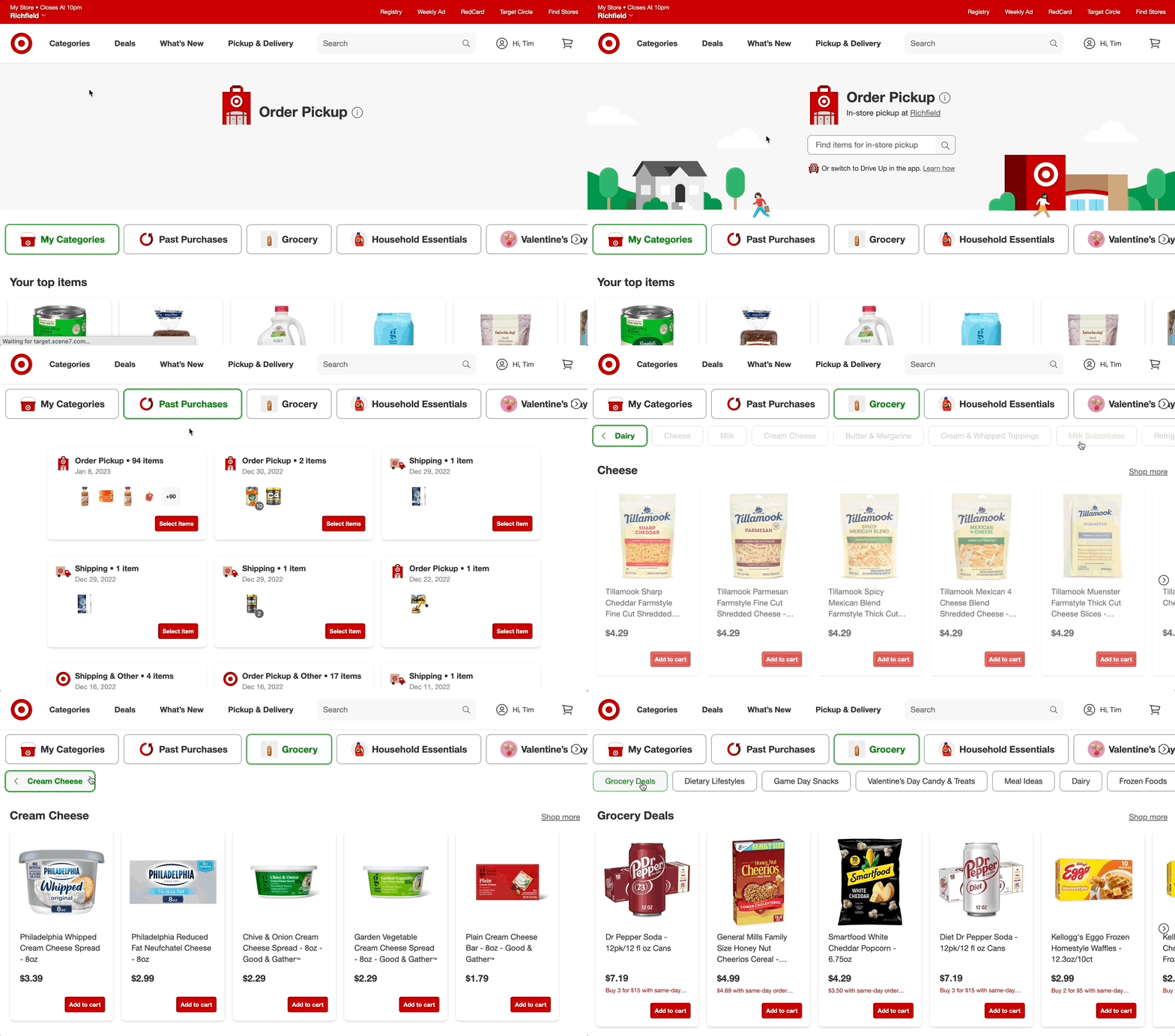
Study Target’s products, technology, and customer experience before applying for a software engineering role. Explore how guests shop online and in stores, and consider how features such as search, checkout, order pickup, and delivery depend on reliable software. This context can help you connect your technical skills to Target’s business and customer needs, ask more informed questions, and explain how your experience could contribute to useful, seamless shopping experiences.
Practice coding problems in your strongest language.
Practice coding problems in your strongest programming language so you can focus on solving the problem rather than struggling with unfamiliar syntax. For a Target software engineer interview, explain your approach clearly, consider edge cases, and write clean, efficient code. Once you feel confident, review the job description and practice in any languages or tools it specifically mentions.
Review data structures, algorithms, and complexity analysis.
Reviewing data structures, algorithms, and complexity analysis can help you prepare for a Target software engineer interview and strengthen your problem-solving skills. Practice choosing the right tools for each problem—such as arrays, hash maps, trees, or graphs—and explain why your approach works. Be ready to discuss time and space complexity, compare alternative solutions, and consider how your code will perform as the amount of data grows.
Prepare examples of teamwork, ownership, and problem-solving.
When preparing for a Target software engineer interview, have specific examples ready that show how you work with others, take ownership, and solve problems. Describe the situation, your role, the actions you took, and the outcome. Strong examples might include collaborating across teams to deliver a feature, following through on a project when challenges came up, or finding the cause of a technical issue and preventing it from happening again. Be clear about your individual contributions while recognizing the people who helped make the work successful.
Explain your technical decisions clearly and concisely.
When interviewing for a software engineering role at Target, explain your technical decisions clearly and concisely. Describe the problem, the options you considered, and why you chose a particular approach, including any tradeoffs that mattered. Focus on the most relevant details, such as performance, reliability, security, or customer impact, and avoid getting lost in unnecessary jargon. A clear explanation helps interviewers understand not only what you built, but how you think and collaborate.
Review system design basics for the role’s level.
Review system design basics at a depth that matches the role’s level. For an entry-level position, focus on core concepts such as APIs, databases, caching, and how different services communicate. For more senior roles, be ready to discuss scalability, reliability, security, tradeoffs, and how to design systems that support high traffic. Practice explaining your decisions clearly, including why you chose a particular approach and how you would handle potential challenges.
Ask thoughtful questions about the team and its projects.
Ask thoughtful questions about the team and its projects to show curiosity and learn what the role is really like. You might ask about the problems the team is working to solve, how engineers collaborate with product and design partners, or how the team measures success. Questions about development practices, current challenges, and opportunities to contribute can also help you understand the work while showing that you’re thinking beyond the interview and picturing how you could make an impact.
Tailor your résumé to the job description.
Tailor your résumé to the specific Target software engineer job description by highlighting the skills, technologies, and experience that best match the role. Use relevant keywords from the posting naturally, and show how your projects or past work made a measurable impact—for example, improving performance, strengthening reliability, or delivering a better customer experience. Keep the information accurate and easy to scan so recruiters can quickly see why your background fits the position.