cfchris.com

Loading

azure cloud security

Enhancing Data Protection with Azure Cloud Security Measures

Azure Cloud Security

Azure Cloud Security: Safeguarding Your Data in the Cloud

Cloud computing has revolutionized the way businesses operate, offering flexibility, scalability, and cost-efficiency. However, with the benefits of cloud services come security challenges that must be addressed to protect sensitive data and ensure compliance with regulations.

Why Azure Cloud Security Matters

Microsoft Azure is a leading cloud platform that provides a wide range of security features to help organizations secure their data and applications. Here are some key aspects of Azure cloud security:

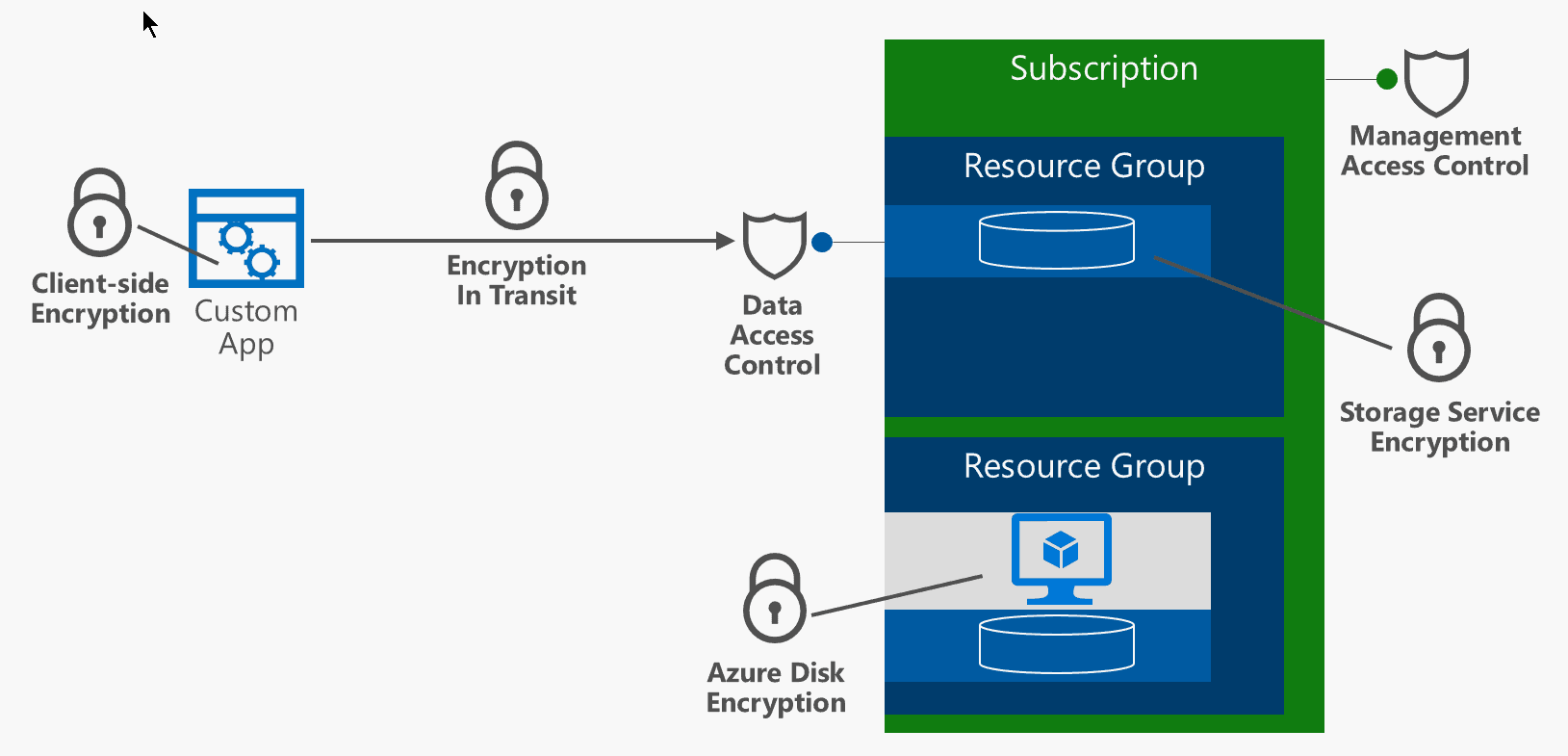
  • Data Encryption: Azure offers encryption at rest and in transit to protect data from unauthorized access.
  • Identity and Access Management: Azure Active Directory enables organizations to manage user identities and control access to resources.
  • Network Security: Azure Virtual Network allows organizations to create secure networks and control traffic flow.
  • Security Monitoring: Azure Security Center provides continuous monitoring and threat detection to identify and respond to security incidents.
  • Compliance Certifications: Azure maintains a wide range of compliance certifications to meet industry-specific regulatory requirements.

Best Practices for Securing Your Azure Environment

To enhance security in your Azure environment, consider implementing the following best practices:

  1. Multifactor Authentication: Require users to provide multiple forms of verification before accessing resources.
  2. Data Classification: Classify data based on sensitivity levels and apply appropriate security controls.
  3. Patch Management: Keep software up-to-date with the latest security patches to address vulnerabilities.
  4. Regular Auditing: Conduct regular audits of your Azure environment to identify potential security gaps.
  5. Educate Users: Provide training on security best practices to help users recognize and respond to security threats.

In Conclusion

Azure cloud security is a critical aspect of maintaining a secure and compliant cloud environment. By leveraging the robust security features offered by Microsoft Azure and following best practices for securing your environment, you can safeguard your data, applications, and infrastructure in the cloud.


Understanding Azure Cloud Security: Key Questions and Comparisons

  1. How secure is Azure cloud services?
  2. What are the 5 pillars of cloud security?
  3. What security does Microsoft Azure have?
  4. What are Azure security tools?
  5. Why Azure is more secure than AWS?
  6. What is the difference between AWS and Azure security?

How secure is Azure cloud services?

Azure cloud services are known for their robust security measures that prioritize safeguarding data and ensuring the privacy of users. Microsoft Azure implements a comprehensive range of security features, including data encryption, identity and access management, network security, and continuous monitoring for threat detection. With a wide array of compliance certifications and adherence to industry-specific regulatory requirements, Azure provides a secure cloud environment for businesses to operate in. By following best practices and leveraging the security capabilities of Azure, organizations can confidently trust in the security of their data and applications within the Azure cloud services ecosystem.

What are the 5 pillars of cloud security?

In the realm of Azure cloud security, understanding the five pillars of cloud security is essential for ensuring a robust and comprehensive security posture. These pillars encompass key aspects that organizations must address to protect their data and resources effectively. The five pillars of cloud security typically include identity and access management, data protection, network security, application security, and compliance. By focusing on these pillars, organizations can establish a strong foundation for securing their Azure environments and mitigating potential risks associated with cloud computing.

What security does Microsoft Azure have?

Microsoft Azure offers a comprehensive set of security features to protect data and applications in the cloud. Some key security measures provided by Azure include data encryption at rest and in transit, identity and access management through Azure Active Directory, network security with Azure Virtual Network, continuous monitoring and threat detection via Azure Security Center, and adherence to various compliance certifications to meet regulatory requirements. These robust security capabilities help organizations safeguard their assets and maintain a secure environment within the Microsoft Azure cloud platform.

What are Azure security tools?

Azure offers a variety of robust security tools to help organizations enhance their cloud security posture. These tools include Azure Security Center, Azure Active Directory, Azure Key Vault, Azure Information Protection, and more. Azure Security Center provides continuous monitoring, threat detection, and security recommendations to protect cloud resources. Azure Active Directory enables identity and access management, while Azure Key Vault allows secure storage and management of cryptographic keys and secrets. Azure Information Protection helps classify and protect sensitive data across devices and applications. By leveraging these Azure security tools, organizations can strengthen their overall security framework in the cloud.

Why Azure is more secure than AWS?

When comparing Azure to AWS in terms of security, Azure is often considered more secure due to its strong focus on compliance and governance. Microsoft Azure provides a comprehensive set of security features, such as advanced threat detection, encryption, identity management, and compliance certifications. Additionally, Azure’s integrated security tools and services, like Azure Security Center and Azure Active Directory, offer robust protection for data and applications. Microsoft’s commitment to security and privacy standards across its cloud services further enhances Azure’s reputation for providing a secure cloud environment for businesses and organizations.

What is the difference between AWS and Azure security?

When comparing AWS and Azure security, one key difference lies in their approach to security features and services. While both cloud platforms offer a range of security tools, AWS is known for its granular control and customization options, allowing users to fine-tune security settings to meet specific requirements. On the other hand, Azure emphasizes integration with existing Microsoft products and services, providing a seamless experience for organizations already using Microsoft technologies. Understanding these differences can help organizations choose the cloud platform that best aligns with their security needs and preferences.

modern tech solutions

Empowering Businesses with Cutting-Edge Modern Tech Solutions

The Impact of Modern Tech Solutions on Businesses

The Impact of Modern Tech Solutions on Businesses

In today’s fast-paced digital world, modern technology solutions have revolutionized the way businesses operate. From streamlining processes to enhancing customer experiences, technology plays a crucial role in driving success and growth.

Enhanced Efficiency and Productivity

Modern tech solutions such as cloud computing, automation, and data analytics have significantly improved efficiency and productivity in businesses. Cloud computing allows for seamless collaboration and access to data from anywhere, while automation reduces manual tasks and speeds up processes. Data analytics provides valuable insights that help in making informed decisions quickly.

Improved Customer Experiences

Businesses can now leverage modern tech solutions to enhance customer experiences. Chatbots provide instant customer support, personalized recommendations based on user behavior improve engagement, and mobile apps offer convenience and accessibility. These technologies create a seamless experience for customers, leading to increased satisfaction and loyalty.

Cost Savings and Competitive Advantage

Implementing modern tech solutions can result in cost savings for businesses. By automating repetitive tasks, reducing errors, and optimizing processes, companies can operate more efficiently and effectively. Additionally, leveraging technology can give businesses a competitive advantage by staying ahead of trends and meeting customer demands more effectively than competitors.

Challenges of Adopting Modern Tech Solutions

While the benefits of modern tech solutions are clear, there are challenges associated with their adoption. These include initial investment costs, integration with existing systems, cybersecurity risks, and the need for ongoing training for employees. Overcoming these challenges requires careful planning, strategic implementation, and continuous monitoring.

The Future of Business Technology

As technology continues to evolve rapidly, businesses must adapt to stay competitive. Embracing modern tech solutions is essential for future success, as they enable organizations to innovate, grow, and meet the ever-changing needs of customers. By investing in technology wisely and strategically, businesses can position themselves for long-term growth and sustainability.


7 Essential Tips for Maximizing Modern Tech Solutions

  1. Utilize cloud computing for scalability and flexibility.
  2. Implement data encryption to enhance security measures.
  3. Adopt automation tools to streamline repetitive tasks.
  4. Integrate artificial intelligence for data analysis and insights.
  5. Embrace Internet of Things (IoT) devices for connectivity and efficiency.
  6. Stay updated with the latest tech trends for competitive advantage.
  7. Prioritize user experience in developing tech solutions.

Utilize cloud computing for scalability and flexibility.

Utilizing cloud computing offers businesses the opportunity to achieve scalability and flexibility in their operations. By leveraging cloud services, organizations can easily adjust their resources based on demand, allowing for seamless scalability as business needs evolve. Additionally, cloud computing provides the flexibility to access data and applications from anywhere, enabling remote work capabilities and enhancing overall efficiency. Embracing cloud technology empowers businesses to adapt quickly to changing market conditions and optimize their operations for improved performance and growth.

Implement data encryption to enhance security measures.

Implementing data encryption is a crucial step in enhancing security measures for modern tech solutions. By encrypting sensitive information, businesses can protect data from unauthorized access and ensure confidentiality. Data encryption transforms data into a secure format that can only be accessed with the proper decryption key, adding an extra layer of defense against cyber threats. This proactive approach to security not only safeguards valuable data but also builds trust with customers and partners, demonstrating a commitment to protecting their information.

Adopt automation tools to streamline repetitive tasks.

Adopting automation tools to streamline repetitive tasks is a key strategy in leveraging modern tech solutions for increased efficiency and productivity in businesses. By automating routine processes, organizations can save time, reduce errors, and free up employees to focus on more strategic and value-added activities. Automation not only accelerates task completion but also ensures consistency and accuracy, leading to improved overall performance and operational effectiveness. Embracing automation tools empowers businesses to optimize their workflows, enhance productivity, and stay competitive in today’s fast-paced digital landscape.

Integrate artificial intelligence for data analysis and insights.

Integrating artificial intelligence (AI) for data analysis and insights is a transformative approach that allows businesses to harness the power of their data more effectively. AI algorithms can process vast amounts of data at unprecedented speeds, identifying patterns and trends that might be missed by traditional methods. By leveraging AI, companies can gain deeper insights into customer behavior, market trends, and operational efficiencies. This enables more informed decision-making and strategic planning. Additionally, AI-driven analytics can help predict future outcomes and automate routine data tasks, freeing up valuable human resources for more complex problem-solving activities. As a result, integrating AI into data analysis not only enhances accuracy but also provides a competitive edge in today’s fast-paced business environment.

Embrace Internet of Things (IoT) devices for connectivity and efficiency.

Embracing Internet of Things (IoT) devices can significantly enhance connectivity and efficiency in various settings. By integrating IoT devices into systems and processes, businesses can collect real-time data, automate tasks, and improve decision-making. These interconnected devices enable seamless communication and collaboration, leading to increased productivity and streamlined operations. Leveraging IoT technology not only enhances efficiency but also opens up opportunities for innovation and optimization in a wide range of industries.

Staying updated with the latest tech trends is essential for businesses seeking a competitive advantage in today’s fast-paced digital landscape. By keeping abreast of emerging technologies and industry developments, companies can identify new opportunities, streamline processes, and better meet the evolving needs of their customers. Embracing innovation and incorporating cutting-edge tech solutions into business strategies not only enhances efficiency and productivity but also positions organizations as industry leaders poised for sustained success in the dynamic market environment.

Prioritize user experience in developing tech solutions.

Prioritizing user experience in developing tech solutions is essential for ensuring the success and effectiveness of the technology being implemented. By focusing on creating intuitive interfaces, seamless interactions, and personalized experiences, businesses can enhance user satisfaction, increase engagement, and drive adoption rates. Taking into account the needs and preferences of end-users throughout the development process not only improves the usability of the technology but also builds trust and loyalty among users. Ultimately, placing a strong emphasis on user experience leads to more successful tech solutions that truly meet the needs of their intended audience.

cloud based cyber security companies

Enhancing Security: The Role of Cloud-Based Cyber Security Companies

Article: Cloud-Based Cyber Security Companies

The Rise of Cloud-Based Cyber Security Companies

In today’s digital age, the importance of cyber security cannot be overstated. With the increasing number of cyber threats and data breaches, businesses are turning to innovative solutions to protect their sensitive information. One such solution that has gained popularity in recent years is cloud-based cyber security.

Cloud-based cyber security companies offer a range of services and products that help organizations safeguard their data and systems in the cloud. By leveraging the power of cloud computing, these companies can provide scalable and cost-effective security solutions that are tailored to meet the unique needs of each client.

Benefits of Cloud-Based Cyber Security Companies

There are several key benefits to partnering with a cloud-based cyber security company:

  • Scalability: Cloud-based solutions can easily scale up or down based on the needs of your business, providing flexibility and cost savings.
  • Accessibility: With cloud-based security tools, you can access your data and monitor your systems from anywhere in the world, enhancing convenience and efficiency.
  • Automation: Many cloud-based security solutions offer automated features that help streamline processes and detect threats in real-time.
  • Cost-Effectiveness: By outsourcing your cyber security needs to a cloud-based provider, you can reduce upfront costs associated with hardware and software purchases.
  • Expertise: Cloud-based cyber security companies employ skilled professionals who specialize in protecting data in the cloud, ensuring that your systems are secure at all times.

The Future of Cyber Security

As more businesses migrate their operations to the cloud, the demand for reliable cyber security solutions will continue to grow. Cloud-based cyber security companies are well-positioned to meet this demand by offering cutting-edge technologies and services that help organizations stay ahead of emerging threats.

In conclusion, cloud-based cyber security companies play a crucial role in safeguarding sensitive data and systems in today’s interconnected world. By harnessing the power of cloud computing, these companies provide scalable, accessible, and cost-effective solutions that enable businesses to mitigate risks and protect their assets effectively.


6 Essential Tips for Strengthening Cloud-Based Cybersecurity

  1. Ensure data encryption for secure transmission and storage.
  2. Implement multi-factor authentication to enhance access control.
  3. Regularly update security patches to protect against vulnerabilities.
  4. Monitor network traffic for suspicious activities or potential threats.
  5. Conduct regular security audits and assessments to identify weaknesses.
  6. Provide employee training on cybersecurity best practices to prevent human errors.

Ensure data encryption for secure transmission and storage.

To enhance the security of your data in the cloud, it is essential to prioritize data encryption for both transmission and storage. By encrypting your data, you add an extra layer of protection that ensures sensitive information remains secure and unreadable to unauthorized users. This practice not only safeguards your data during transfer between devices or networks but also when stored in cloud servers, mitigating the risk of potential breaches and maintaining confidentiality. Implementing robust encryption measures is a fundamental step in bolstering the overall cyber security posture of your organization when working with cloud-based services.

Implement multi-factor authentication to enhance access control.

Implementing multi-factor authentication is a crucial tip recommended by cloud-based cyber security companies to enhance access control. By requiring users to provide multiple forms of verification before accessing sensitive data or systems, such as a password and a unique code sent to their mobile device, multi-factor authentication adds an extra layer of security that significantly reduces the risk of unauthorized access. This additional step helps thwart potential cyber threats and ensures that only authorized individuals can gain entry, strengthening overall security measures in the cloud environment.

Regularly update security patches to protect against vulnerabilities.

Regularly updating security patches is a crucial practice for enhancing the protection of cloud-based cyber security systems against vulnerabilities. By staying current with the latest patches, companies can address known security weaknesses and prevent potential exploitation by cyber threats. This proactive approach helps to strengthen the overall security posture of cloud environments, reducing the risk of breaches and ensuring that sensitive data remains secure.

Monitor network traffic for suspicious activities or potential threats.

Monitoring network traffic for suspicious activities or potential threats is a crucial aspect of effective cloud-based cyber security. By continuously analyzing incoming and outgoing data packets, organizations can detect anomalies, unauthorized access attempts, or unusual patterns that may indicate a security breach. This proactive approach allows companies to identify and respond to threats in real-time, minimizing the risk of data loss or system compromise. Implementing robust network monitoring tools and practices is essential for maintaining a secure cloud environment and safeguarding sensitive information against cyber attacks.

Conduct regular security audits and assessments to identify weaknesses.

Conducting regular security audits and assessments is a crucial tip for cloud-based cyber security companies to identify weaknesses in their systems and processes. By proactively evaluating their security measures, companies can uncover vulnerabilities, gaps, or potential threats that may compromise the integrity of their data stored in the cloud. These audits help in strengthening defenses, implementing necessary updates, and ensuring that robust security protocols are in place to protect against evolving cyber threats effectively.

Provide employee training on cybersecurity best practices to prevent human errors.

Employee training on cybersecurity best practices is a crucial aspect of maintaining strong defenses against cyber threats in cloud-based environments. By educating employees on how to identify and respond to potential security risks, organizations can significantly reduce the likelihood of human errors that may compromise sensitive data or systems. Training sessions that cover topics such as phishing awareness, password management, and safe browsing habits empower employees to become proactive participants in safeguarding company assets and contribute to a culture of security awareness within the organization.

saas cyber security

Enhancing SaaS Cyber Security: Best Practices for Data Protection

The Importance of SaaS Cyber Security

The Importance of SaaS Cyber Security

Software as a Service (SaaS) has become increasingly popular among businesses for its convenience and scalability. However, with the rise of SaaS applications comes the need for robust cyber security measures to protect sensitive data and ensure business continuity.

Why SaaS Cyber Security Matters

Securing SaaS applications is crucial to safeguarding valuable information stored in the cloud. Cyber threats such as data breaches, ransomware attacks, and phishing scams pose significant risks to organizations that rely on SaaS solutions.

Key Aspects of SaaS Cyber Security

Effective SaaS cyber security involves implementing various measures to mitigate risks and prevent unauthorized access to data. Some key aspects include:

  • Data Encryption: Encrypting data both in transit and at rest helps protect information from being intercepted or compromised.
  • Multi-Factor Authentication: Implementing multi-factor authentication adds an extra layer of security by requiring users to provide multiple forms of verification.
  • Regular Security Audits: Conducting regular security audits helps identify vulnerabilities and ensure compliance with industry standards.
  • Employee Training: Educating employees about best practices for data security and how to recognize potential threats can help prevent cyber attacks.
  • Incident Response Plan: Having a well-defined incident response plan in place enables organizations to respond quickly and effectively in the event of a security breach.

The Future of SaaS Cyber Security

As technology continues to evolve, so do cyber threats. It is essential for organizations to stay vigilant and proactive in enhancing their SaaS cyber security posture. By investing in robust security measures and staying informed about emerging threats, businesses can better protect their data and maintain the trust of their customers.


7 Key Advantages of SaaS Cybersecurity: Boosting Protection and Efficiency

  1. Enhanced Data Security
  2. Scalability
  3. Cost-Effective
  4. Automatic Updates
  5. Accessibility
  6. Compliance Assurance
  7. Disaster Recovery


Top 7 Concerns About SaaS Cybersecurity: What You Need to Know

  1. Dependency on Service Provider
  2. Data Privacy Concerns
  3. Limited Control
  4. Internet Connectivity Dependency
  5. Shared Resources
  6. Vendor Lock-in
  7. Security Incidents Impact Multiple Users

Enhanced Data Security

Enhanced data security is a significant advantage of SaaS cyber security measures. By implementing robust security protocols, SaaS applications ensure that sensitive data is safeguarded against unauthorized access. This protection is crucial in today’s digital landscape, where data breaches and cyber attacks are prevalent threats. With SaaS cyber security in place, organizations can have peace of mind knowing that their valuable information is well-protected, maintaining the trust of their customers and stakeholders.

Scalability

Scalability is a significant advantage of SaaS cyber security, allowing businesses to adapt and expand their security measures seamlessly as they grow and evolve. With SaaS solutions, organizations can easily adjust their security protocols to accommodate increased data volumes, user access levels, and changing business needs. This flexibility ensures that businesses can maintain a strong and effective security posture throughout their growth journey without significant disruptions or delays.

Cost-Effective

Implementing SaaS cyber security is a cost-effective solution that offers significant savings compared to establishing and managing in-house security infrastructure. By leveraging SaaS services, businesses can benefit from advanced security measures without the hefty upfront costs associated with building and maintaining their own security systems. This cost-efficient approach allows organizations to allocate resources more efficiently, focusing on core business activities while ensuring robust protection against cyber threats.

Automatic Updates

SaaS providers offer a significant advantage in terms of cyber security through automatic updates. By consistently updating their security features to address new threats and vulnerabilities, SaaS providers ensure that their clients’ data remains protected against evolving cyber risks. This proactive approach to security maintenance not only saves businesses time and resources but also enhances their overall resilience to potential cyber attacks. Automatic updates play a crucial role in keeping SaaS applications secure and up-to-date, providing peace of mind to users knowing that they are always equipped with the latest defense mechanisms against emerging threats.

Accessibility

The accessibility aspect of SaaS cyber security offers users the convenience of accessing secure applications from any location with an internet connection. This flexibility allows users to work remotely, collaborate seamlessly, and stay productive without being tied to a specific physical location. By enabling users to access software and data securely from anywhere, SaaS enhances efficiency and agility within organizations while maintaining robust security measures to protect sensitive information.

Compliance Assurance

Compliance assurance is a significant advantage of SaaS cyber security as many SaaS providers diligently adhere to industry regulations and standards. By following established guidelines, SaaS providers help businesses ensure compliance with data protection laws and other regulatory requirements. This proactive approach not only helps organizations avoid costly penalties but also instills trust among customers and stakeholders, demonstrating a commitment to safeguarding sensitive information and maintaining high standards of security.

Disaster Recovery

SaaS solutions offer a valuable pro in the form of disaster recovery capabilities. These platforms typically come equipped with robust backup and recovery features that play a critical role in safeguarding data during emergencies or unforeseen events. By leveraging these built-in tools, businesses can ensure that their information remains secure and accessible even in the face of disasters, helping them maintain continuity and minimize potential disruptions to their operations.

Dependency on Service Provider

Organizations face a significant con of SaaS cyber security in the form of dependency on the service provider for security measures. This reliance introduces a potential risk, especially when the provider’s security practices are insufficient or inadequate. In such cases, organizations may find themselves vulnerable to cyber threats and data breaches that could have been prevented with more robust security protocols in place. The lack of control over the security practices of the SaaS provider underscores the importance for organizations to thoroughly vet and assess the security capabilities of their service providers to mitigate this inherent risk.

Data Privacy Concerns

Storing sensitive data in the cloud raises significant data privacy concerns for organizations utilizing SaaS solutions. The potential risk of unauthorized access to confidential information stored in the cloud poses a threat to data privacy and can lead to compliance issues with regulations such as GDPR and HIPAA. Ensuring that data is securely handled and protected from cyber threats is crucial to maintaining trust with customers and meeting regulatory requirements in an increasingly data-sensitive environment. Organizations must address these data privacy concerns proactively by implementing robust security measures and encryption protocols to safeguard sensitive information stored in the cloud.

Limited Control

Organizations utilizing Software as a Service (SaaS) solutions may encounter the con of limited control over the security protocols and infrastructure provided by the SaaS provider. This lack of control can pose challenges for organizations that have specific security requirements or compliance standards to meet. Without the ability to directly manage or customize security measures, businesses may feel vulnerable to potential risks and find it difficult to address security concerns that are not within their control. It is crucial for organizations to carefully assess and negotiate security agreements with SaaS providers to ensure that their data remains protected and compliant with industry regulations.

Internet Connectivity Dependency

Access to SaaS applications is crucial for modern businesses, but one significant con of SaaS cyber security is the dependency on internet connectivity. Organizations relying on SaaS solutions are vulnerable to disruptions caused by internet outages or connectivity issues. Any interruption in internet access can hinder productivity and impact business operations, highlighting the importance of having contingency plans in place to mitigate the risks associated with this dependency.

Shared Resources

In SaaS environments, one significant con of cyber security is the concept of shared resources due to multi-tenancy. When resources are shared among multiple users, there is a higher risk of data exposure. This shared infrastructure can create vulnerabilities that may be exploited by malicious actors, leading to potential breaches and unauthorized access to sensitive information. Organizations must carefully assess and manage the risks associated with shared resources in SaaS environments to ensure the protection of their data and maintain a secure operating environment.

Vendor Lock-in

Vendor lock-in is a significant con of SaaS cyber security, as it can restrict businesses from easily switching between providers. This limitation not only hinders flexibility but also poses potential security risks when considering a change in SaaS vendors. Organizations may find themselves locked into a specific provider’s ecosystem, making it challenging to migrate data and applications to a different platform without encountering compatibility issues or data security vulnerabilities. The lack of portability and interoperability in SaaS solutions due to vendor lock-in can impede businesses from adapting to evolving security needs and exploring alternative options for better cyber security measures.

Security Incidents Impact Multiple Users

A significant drawback of SaaS cyber security is that security incidents have the potential to impact multiple users at once. When a security breach occurs in a SaaS application, the repercussions can be widespread, affecting numerous users simultaneously. This amplifies the consequences for organizations, as the compromised data or system vulnerability may have far-reaching effects on business operations and data integrity. The interconnected nature of SaaS platforms means that a single breach can have a cascading impact, underscoring the importance of robust security measures to protect both individual users and the organization as a whole.

blockchain software development

Exploring the World of Blockchain Software Development

Blockchain Software Development

The Rise of Blockchain Software Development

Blockchain technology has been making waves in various industries, offering a decentralized and secure way of handling transactions and data. As a result, blockchain software development has gained significant attention and importance in recent years.

Developers working on blockchain projects are tasked with creating applications that leverage the unique properties of blockchain technology. These properties include transparency, immutability, security, and decentralization.

Key Aspects of Blockchain Software Development:

  • Smart Contracts: Smart contracts are self-executing contracts with the terms of the agreement written into code. Developers need to ensure the accuracy and security of smart contracts in blockchain applications.
  • Cryptocurrency Integration: Many blockchain applications involve cryptocurrencies as a means of value exchange. Developers must implement secure cryptocurrency transactions within their software.
  • Consensus Mechanisms: Consensus mechanisms like Proof of Work (PoW) or Proof of Stake (PoS) are essential components of blockchain networks. Developers need to understand these mechanisms to build efficient and secure systems.
  • Data Encryption: Data stored on a blockchain is encrypted for security purposes. Developers must implement robust encryption techniques to protect sensitive information.

The Future of Blockchain Software Development

As the adoption of blockchain technology continues to grow, the demand for skilled blockchain developers is expected to rise. Companies across industries are exploring ways to integrate blockchain into their operations, creating numerous opportunities for developers specializing in this field.

In conclusion, blockchain software development plays a crucial role in shaping the future of digital transactions and data management. With its potential to revolutionize various sectors, developers working on blockchain projects have a unique opportunity to drive innovation and create impactful solutions for businesses and consumers alike.


9 Essential Tips for Successful Blockchain Software Development

  1. Understand the basics of blockchain technology before starting development.
  2. Choose the right blockchain platform based on your project requirements.
  3. Focus on security measures to protect against vulnerabilities and attacks.
  4. Implement smart contracts efficiently for automation and transparency.
  5. Regularly test and audit your code to ensure its reliability and functionality.
  6. Collaborate with other developers in the blockchain community for insights and best practices.
  7. Stay updated with the latest trends and advancements in blockchain technology.
  8. Document your code thoroughly for easier maintenance and future development.
  9. Consider scalability options from the beginning to accommodate future growth.

Understand the basics of blockchain technology before starting development.

Before embarking on blockchain software development, it is essential to grasp the fundamentals of blockchain technology. Understanding the core principles and mechanisms behind blockchain is crucial for developers to create efficient and secure applications. By gaining a solid foundation in blockchain basics, developers can make informed decisions throughout the development process, ensuring that their solutions leverage the full potential of this innovative technology.

Choose the right blockchain platform based on your project requirements.

When embarking on blockchain software development, it is crucial to select the appropriate blockchain platform that aligns with your project’s specific requirements. Different blockchain platforms offer varying features, scalability options, consensus mechanisms, and smart contract capabilities. By carefully evaluating your project needs and understanding the strengths of each platform, you can make an informed decision that sets the foundation for a successful and efficient development process. Choosing the right blockchain platform ensures optimal performance, security, and compatibility with your project goals.

Focus on security measures to protect against vulnerabilities and attacks.

When delving into blockchain software development, it is paramount to prioritize security measures to safeguard against vulnerabilities and potential attacks. By implementing robust security protocols and staying vigilant against emerging threats, developers can ensure the integrity and confidentiality of data stored on the blockchain network. Proactive measures such as encryption, authentication mechanisms, and regular security audits are essential to fortifying the system against malicious activities, ultimately enhancing trust and reliability in blockchain applications.

Implement smart contracts efficiently for automation and transparency.

When delving into blockchain software development, it is essential to prioritize the efficient implementation of smart contracts. By focusing on creating smart contracts that are well-designed and secure, developers can enable automation and transparency within blockchain applications. Smart contracts serve as self-executing agreements that automatically enforce the terms written into their code, streamlining processes and reducing the need for intermediaries. This not only enhances operational efficiency but also fosters transparency by providing a clear record of transactions on the blockchain network. Therefore, mastering the art of implementing smart contracts efficiently is key to unlocking the full potential of blockchain technology.

Regularly test and audit your code to ensure its reliability and functionality.

Regularly testing and auditing your code is crucial in blockchain software development to uphold its reliability and functionality. By conducting thorough tests and audits, developers can identify and rectify any potential vulnerabilities or errors in the code, ensuring that the blockchain application operates securely and efficiently. This proactive approach not only enhances the overall quality of the software but also instills trust among users and stakeholders in the integrity of the blockchain system.

Collaborate with other developers in the blockchain community for insights and best practices.

Collaborating with other developers in the blockchain community is a valuable tip for those involved in blockchain software development. By engaging with peers in the field, developers can gain insights, share knowledge, and exchange best practices. This collaborative approach not only fosters a sense of community but also allows developers to stay updated on the latest trends and advancements in blockchain technology. Working together with others in the blockchain community can lead to innovative solutions, enhanced learning experiences, and ultimately contribute to the growth and success of blockchain projects.

Staying updated with the latest trends and advancements in blockchain technology is crucial for developers in the field of blockchain software development. The rapid evolution of blockchain technology introduces new concepts, tools, and best practices that can significantly impact the development process. By staying informed about the latest trends, developers can adapt their skills and strategies to leverage emerging technologies effectively, ensuring that their blockchain applications remain innovative, secure, and competitive in the ever-changing landscape of blockchain development.

Document your code thoroughly for easier maintenance and future development.

Documenting your code thoroughly is essential in blockchain software development to facilitate easier maintenance and future development. By providing clear explanations of the code’s functionality, structure, and purpose, developers can easily understand and modify the codebase as needed. Proper documentation also helps new team members onboard quickly and ensures continuity in the project. Additionally, well-documented code enhances collaboration among developers and promotes best practices in coding standards, ultimately leading to more efficient and sustainable blockchain applications.

Consider scalability options from the beginning to accommodate future growth.

When embarking on blockchain software development, it is crucial to consider scalability options from the outset to accommodate future growth. By designing a scalable architecture from the beginning, developers can ensure that the blockchain application can handle increased transaction volumes and user interactions as the platform expands. This proactive approach not only enhances the performance and efficiency of the system but also positions the project for long-term success in meeting evolving demands and scaling requirements.