cfchris.com

Loading

automotive software engineering

Advancing Automotive Innovation: The Role of Software Engineering in the Industry

Automotive Software Engineering

The Role of Software Engineering in the Automotive Industry

Software engineering plays a crucial role in the automotive industry, revolutionizing the way vehicles are designed, manufactured, and operated. With the increasing complexity of modern vehicles, software has become a key component in ensuring safety, efficiency, and connectivity.

Driving Innovation

Automotive software engineers are responsible for developing embedded systems that control various aspects of a vehicle’s functionality. From engine management to advanced driver assistance systems (ADAS) and infotainment systems, software engineers work tirelessly to integrate cutting-edge technology into automobiles.

Challenges and Opportunities

As vehicles become more connected and autonomous, the challenges faced by automotive software engineers also grow. Ensuring cybersecurity, optimizing performance, and complying with stringent safety standards are just some of the hurdles that engineers must overcome.

Key Areas of Focus

Automotive software engineering encompasses a wide range of disciplines, including:

  • Embedded software development
  • Functional safety engineering
  • Vehicle-to-everything (V2X) communication
  • Data analytics for predictive maintenance
  • User experience design for in-car interfaces

The Future of Automotive Software Engineering

With the rise of electric vehicles (EVs), autonomous driving technology, and connected car services, the demand for skilled automotive software engineers is higher than ever. The industry is constantly evolving, presenting new opportunities for innovation and growth.

In conclusion, automotive software engineering is at the forefront of shaping the future of transportation. By leveraging their expertise in coding, testing, and integrating software systems, engineers are driving forward a new era of smart and sustainable mobility.


Exploring Automotive Software Engineering: Key Insights and FAQs

  1. What is automotive software engineering?
  2. What are the key responsibilities of an automotive software engineer?
  3. How does automotive software engineering contribute to vehicle safety?
  4. What programming languages are commonly used in automotive software development?
  5. What are some challenges faced by automotive software engineers?
  6. How does functional safety play a role in automotive software engineering?
  7. What is the impact of cybersecurity on modern vehicles and their software systems?
  8. How do automotive software engineers ensure compatibility and integration of different systems within a vehicle?
  9. What advancements in technology are shaping the future of automotive software engineering?

What is automotive software engineering?

Automotive software engineering refers to the specialized field of engineering that focuses on developing and implementing software solutions for vehicles. It involves designing, testing, and integrating software systems that control various aspects of a vehicle’s operation, such as engine performance, safety features, navigation systems, and entertainment interfaces. Automotive software engineers play a crucial role in ensuring that modern vehicles are equipped with advanced technology to enhance performance, safety, and user experience. By combining expertise in software development with an understanding of automotive systems, these professionals contribute to the innovation and evolution of the automotive industry.

What are the key responsibilities of an automotive software engineer?

In the realm of automotive software engineering, the key responsibilities of an automotive software engineer encompass a wide array of crucial tasks. These professionals are tasked with designing, developing, and implementing software solutions that power various systems within vehicles, ranging from engine control and safety mechanisms to advanced driver assistance features and entertainment systems. Automotive software engineers must ensure that the software they create meets stringent safety and performance standards while also staying abreast of emerging technologies and industry trends. Additionally, they are often involved in testing, debugging, and optimizing software to enhance overall vehicle functionality and user experience. Their role is pivotal in driving innovation and ensuring that modern vehicles operate efficiently, securely, and seamlessly in an increasingly connected world.

How does automotive software engineering contribute to vehicle safety?

Automotive software engineering significantly contributes to vehicle safety by integrating advanced systems that enhance driver assistance and overall vehicle performance. Through the development of sophisticated algorithms and sensors, automotive software engineers enable features such as adaptive cruise control, lane departure warning, automatic emergency braking, and collision avoidance systems. These technologies work together to detect potential hazards, assist drivers in critical situations, and ultimately reduce the risk of accidents on the road. By continuously innovating and improving software solutions, automotive engineers play a vital role in enhancing vehicle safety standards and promoting a safer driving experience for all road users.

What programming languages are commonly used in automotive software development?

In automotive software development, several programming languages are commonly used to create the complex systems that power modern vehicles. Some of the primary programming languages include C and C++, known for their efficiency and low-level control, making them ideal for embedded systems in automotive applications. Additionally, languages like Java and Python are utilized for higher-level functions such as connectivity, data processing, and user interfaces in infotainment systems. Each programming language serves a specific purpose in automotive software engineering, contributing to the seamless integration of technology within vehicles to enhance safety, performance, and user experience.

What are some challenges faced by automotive software engineers?

Automotive software engineers encounter a myriad of challenges in their field. One significant challenge is ensuring the safety and reliability of software systems in increasingly complex vehicles. With the integration of advanced driver assistance systems (ADAS), infotainment features, and autonomous driving capabilities, engineers must navigate stringent safety standards and regulations to prevent malfunctions that could jeopardize vehicle and passenger safety. Additionally, managing the cybersecurity of connected vehicles poses a constant challenge, as hackers target automotive software vulnerabilities to gain unauthorized access or control over critical functions. Balancing performance optimization with energy efficiency requirements further complicates the task for automotive software engineers, highlighting the multifaceted nature of their responsibilities in this rapidly evolving industry.

How does functional safety play a role in automotive software engineering?

Functional safety plays a critical role in automotive software engineering by ensuring that systems operate correctly and reliably to prevent hazards or risks to users. In the context of automotive software, functional safety standards such as ISO 26262 define requirements for the development and validation of safety-critical systems. Engineers must implement safety mechanisms and design processes that identify and mitigate potential failures in software components, ultimately enhancing the overall safety and reliability of vehicles on the road. Compliance with functional safety standards is essential to minimize the likelihood of system failures and ensure that automotive software functions as intended, prioritizing the well-being of both drivers and passengers.

What is the impact of cybersecurity on modern vehicles and their software systems?

Cybersecurity plays a critical role in modern vehicles and their software systems, significantly impacting the automotive industry. With the increasing connectivity of vehicles through technologies like IoT and V2X communication, the risk of cyber attacks has escalated. Ensuring robust cybersecurity measures is essential to safeguarding vehicles from potential threats such as unauthorized access, data breaches, and remote manipulation. Automotive software engineers must prioritize security in their designs to protect not only the vehicle’s functionality but also the safety and privacy of drivers and passengers. By addressing cybersecurity concerns proactively, the industry can enhance trust in connected vehicles and pave the way for a more secure and resilient automotive ecosystem.

How do automotive software engineers ensure compatibility and integration of different systems within a vehicle?

Automotive software engineers ensure compatibility and integration of different systems within a vehicle through meticulous planning, rigorous testing, and effective communication. They start by defining clear interfaces and standards for each system to ensure seamless interaction. By adhering to industry protocols and best practices, engineers can identify potential conflicts early in the development process. Thorough testing, including unit testing and system integration testing, helps validate the functionality of individual components and their interactions. Collaboration among cross-functional teams, including hardware engineers and designers, is essential to address any compatibility issues that may arise. Overall, automotive software engineers employ a systematic approach to harmonize diverse systems and deliver a cohesive vehicle experience to users.

What advancements in technology are shaping the future of automotive software engineering?

Advancements in technology are significantly shaping the future of automotive software engineering, with several key innovations leading the charge. The development of artificial intelligence and machine learning algorithms is enhancing autonomous driving capabilities, allowing vehicles to process vast amounts of data in real time for improved decision-making on the road. Additionally, advancements in connectivity technologies, such as 5G and vehicle-to-everything (V2X) communication, are enabling more seamless interactions between vehicles and their environments, paving the way for smarter traffic management and enhanced safety features. The integration of cloud computing is also transforming automotive software engineering by facilitating over-the-air updates and enabling more sophisticated data analytics for predictive maintenance. These technological advancements are collectively pushing the boundaries of what is possible in vehicle design and functionality, ushering in a new era of innovation in the automotive industry.

cybersecurity security solutions

Enhancing Data Protection: Cybersecurity Security Solutions for Today’s Threat Landscape

The Importance of Cybersecurity Security Solutions

The Importance of Cybersecurity Security Solutions

In today’s digital age, cybersecurity has become a critical concern for individuals and businesses alike. With the increasing frequency and sophistication of cyber threats, it is essential to implement robust security solutions to protect sensitive data and prevent unauthorized access.

Cybersecurity security solutions encompass a range of technologies, practices, and policies designed to safeguard networks, devices, and data from cyber attacks. These solutions help identify potential vulnerabilities, detect malicious activities, and respond effectively to security incidents.

Key Components of Cybersecurity Security Solutions

Effective cybersecurity security solutions typically include the following key components:

  • Firewalls: Firewalls act as a barrier between internal networks and external threats, monitoring and controlling incoming and outgoing network traffic.
  • Antivirus Software: Antivirus software helps detect and remove malware, viruses, and other malicious programs that can compromise system security.
  • Encryption: Encryption technologies protect data by converting it into a secure format that can only be accessed with the appropriate decryption key.
  • Intrusion Detection Systems (IDS) and Intrusion Prevention Systems (IPS): IDS and IPS monitor network traffic for suspicious activities and take action to prevent potential threats from compromising network security.
  • Security Awareness Training: Educating employees about cybersecurity best practices is crucial in preventing social engineering attacks and human errors that could lead to data breaches.

The Benefits of Implementing Cybersecurity Security Solutions

By investing in cybersecurity security solutions, organizations can enjoy several benefits, including:

  • Data Protection: Safeguarding sensitive information from unauthorized access or theft.
  • Risk Mitigation: Reducing the likelihood of costly data breaches or cyber attacks that could harm reputation and financial stability.
  • Compliance: Ensuring compliance with industry regulations and standards related to data privacy and security.
  • Business Continuity: Minimizing downtime due to cyber incidents by proactively identifying and addressing security vulnerabilities.

Conclusion

In conclusion, cybersecurity security solutions play a vital role in protecting organizations against evolving cyber threats. By implementing comprehensive security measures that address potential risks proactively, businesses can enhance their resilience in the face of cyber attacks and maintain trust with customers. Prioritizing cybersecurity is not just a necessity but a strategic investment in long-term success in today’s interconnected digital landscape.


8 Essential Tips for Strengthening Your Cybersecurity Defenses

  1. Keep your software and operating systems updated regularly.
  2. Use strong, unique passwords for each account and enable two-factor authentication when possible.
  3. Be cautious of suspicious emails or messages that may contain phishing attempts.
  4. Regularly back up your data to a secure location to prevent data loss in case of a cyber attack.
  5. Use reputable antivirus software and keep it updated to protect against malware.
  6. Secure your home network with a strong password and encryption.
  7. Limit the amount of personal information you share online to reduce the risk of identity theft.
  8. Educate yourself on common cybersecurity threats and best practices for staying safe online.

Keep your software and operating systems updated regularly.

Keeping your software and operating systems updated regularly is a crucial tip for maintaining strong cybersecurity security solutions. Software updates often include patches that address known vulnerabilities, reducing the risk of exploitation by cyber attackers. By staying current with updates, you ensure that your systems have the latest security features and enhancements, enhancing their resilience against potential threats. Regular updates also help to improve system performance and reliability, ensuring a smoother and more secure computing experience overall.

Use strong, unique passwords for each account and enable two-factor authentication when possible.

It is crucial to enhance your cybersecurity posture by following best practices such as using strong, unique passwords for each account and enabling two-factor authentication whenever possible. By creating complex passwords that are unique to each account, you can significantly reduce the risk of unauthorized access to your sensitive data. Additionally, implementing two-factor authentication adds an extra layer of security by requiring a secondary verification method, such as a code sent to your mobile device, further fortifying your accounts against potential cyber threats. Prioritizing these measures helps bolster your online security and safeguard your digital assets effectively.

Be cautious of suspicious emails or messages that may contain phishing attempts.

One crucial tip for enhancing cybersecurity security solutions is to remain vigilant and cautious of suspicious emails or messages that may contain phishing attempts. Cybercriminals often use deceptive tactics to trick individuals into divulging sensitive information or clicking on malicious links. By staying alert and verifying the authenticity of unexpected communications, individuals can significantly reduce the risk of falling victim to phishing attacks and protect their personal and organizational data from unauthorized access.

Regularly back up your data to a secure location to prevent data loss in case of a cyber attack.

Regularly backing up your data to a secure location is a crucial tip in cybersecurity security solutions. By creating consistent backups of your important files and storing them in a safe and separate location, you can mitigate the risk of data loss in the event of a cyber attack or system failure. This proactive measure ensures that even if your primary data is compromised, you can restore from backups and resume normal operations quickly, minimizing downtime and potential damage to your business or personal information.

Use reputable antivirus software and keep it updated to protect against malware.

To enhance your cybersecurity defenses, it is crucial to utilize trusted antivirus software and ensure it remains up to date. By employing reputable antivirus solutions and regularly updating them, you can effectively shield your systems from malware threats. These software programs play a pivotal role in detecting and removing malicious programs that could compromise the security of your devices and data. Stay vigilant by maintaining the latest virus definitions and security patches to fortify your digital environment against potential cyber attacks.

Secure your home network with a strong password and encryption.

Securing your home network with a strong password and encryption is a fundamental step in enhancing cybersecurity protection for your personal data and devices. By setting up a robust password that combines alphanumeric characters, symbols, and is not easily guessable, you can significantly reduce the risk of unauthorized access to your network. Additionally, enabling encryption protocols such as WPA2 or WPA3 ensures that the data transmitted over your network is encrypted, making it harder for cybercriminals to intercept and exploit sensitive information. Taking these proactive measures strengthens the overall security posture of your home network and helps safeguard against potential cyber threats.

Limit the amount of personal information you share online to reduce the risk of identity theft.

Limiting the amount of personal information you share online is a crucial tip in cybersecurity security solutions to mitigate the risk of identity theft. By being cautious about the details you disclose on the internet, such as your full name, address, birthdate, and financial information, you can minimize the chances of cybercriminals gaining access to sensitive data that could be used for fraudulent activities. Protecting your privacy online is an essential step in safeguarding your identity and maintaining control over your personal information in today’s digital age.

Educate yourself on common cybersecurity threats and best practices for staying safe online.

It is crucial to educate yourself on common cybersecurity threats and best practices for staying safe online. By understanding the potential risks and adopting proactive measures, you can enhance your digital security posture and protect your sensitive information from cyber threats. Stay informed about phishing scams, malware attacks, and other common tactics used by cybercriminals to target individuals and organizations. Implementing strong password practices, keeping software up to date, and being cautious with email attachments and links are essential steps in safeguarding your online presence. Remember, knowledge is power when it comes to cybersecurity, so invest time in learning how to navigate the digital landscape securely.

programming

Mastering the Art of Programming: A Path to Digital Success

The Power of Programming

The Power of Programming

Programming is the art of giving instructions to a computer to perform specific tasks. It is a creative and logical process that lies at the heart of all modern technology.

With programming, we can create software applications, websites, games, mobile apps, and much more. It allows us to automate repetitive tasks, analyze data, and solve complex problems efficiently.

Why Learn Programming?

Learning programming opens up a world of opportunities. It equips you with valuable skills that are in high demand in today’s digital age. Whether you are a student, a professional looking to advance your career, or someone interested in technology, learning to code can benefit you in many ways.

Key Benefits of Programming:

  • Creative Expression: Programming allows you to bring your ideas to life and create innovative solutions.
  • Critical Thinking: Coding challenges your problem-solving skills and enhances your logical thinking abilities.
  • Career Opportunities: Proficiency in programming opens doors to various career paths in software development, data science, cybersecurity, and more.
  • Empowerment: Knowing how to code gives you the power to build tools that can make a difference in the world.
  • Futuristic Skills: As technology continues to evolve rapidly, programming skills will be increasingly valuable across industries.

Popular Programming Languages

There are numerous programming languages available, each suited for different purposes. Some popular languages include:

  • JavaScript
  • Python
  • Java
  • C++
  • Ruby

No matter which language you choose to learn, the fundamentals of programming remain consistent across all languages. Start your coding journey today and unlock the endless possibilities that programming has to offer!


Top 5 Frequently Asked Questions About Programming for Beginners

  1. What is programming and why is it important?
  2. Which programming language should I learn first?
  3. How can I improve my coding skills?
  4. What are the key differences between front-end and back-end development?
  5. Is it necessary to have a computer science degree to become a programmer?

What is programming and why is it important?

Programming is the process of creating sets of instructions that enable a computer to perform specific tasks. It is a fundamental skill in today’s digital world, essential for developing software applications, websites, and other technological solutions. Programming allows individuals to automate tasks, analyze data, and solve complex problems efficiently. Understanding programming not only empowers individuals to bring their ideas to life but also opens up a wide range of career opportunities in fields such as software development, data science, cybersecurity, and more. In essence, programming is the language of technology that drives innovation and shapes the future of our interconnected world.

Which programming language should I learn first?

When faced with the question of which programming language to learn first, it’s important to consider your goals and interests. For beginners, languages like Python and JavaScript are often recommended due to their readability and versatility. Python is known for its simplicity and is widely used in various fields such as web development, data science, and automation. On the other hand, JavaScript is essential for front-end web development and offers a solid foundation for building interactive websites. Ultimately, the best language to start with is one that aligns with your learning objectives and future aspirations in the vast world of programming.

How can I improve my coding skills?

To improve your coding skills, consistent practice and continuous learning are key. Engage in coding challenges, work on personal projects, and collaborate with other programmers to enhance your problem-solving abilities and expand your knowledge. Additionally, seek feedback on your code, analyze and refactor your solutions, and stay updated on the latest trends and best practices in the programming world. Remember that improvement takes time and dedication, so stay motivated and embrace challenges as opportunities for growth in your coding journey.

What are the key differences between front-end and back-end development?

In the realm of programming, a commonly asked question revolves around the distinctions between front-end and back-end development. Front-end development focuses on the user interface and user experience aspects of a website or application, dealing with how content is presented and interacted with by users. On the other hand, back-end development involves the server-side logic and database management that power the functionality of the front end. While front-end developers work with technologies like HTML, CSS, and JavaScript to create visually appealing interfaces, back-end developers use languages such as Python, Java, or PHP to handle data processing and server operations. Understanding these key differences is essential for individuals looking to specialize in either front-end or back-end development roles within the field of programming.

Is it necessary to have a computer science degree to become a programmer?

Many aspiring programmers often wonder if having a computer science degree is necessary to pursue a career in programming. While a computer science degree can provide a strong foundation in programming concepts and theory, it is not always a strict requirement to become a successful programmer. Many self-taught programmers and individuals from diverse educational backgrounds have excelled in the field through hands-on experience, online resources, coding bootcamps, and continuous learning. Ultimately, what matters most is your passion for coding, dedication to learning, problem-solving skills, and ability to adapt to new technologies in the ever-evolving world of programming.

cisco cybersecurity

Enhancing Security with Cisco Cybersecurity Solutions

The Importance of Cisco Cybersecurity Solutions

The Importance of Cisco Cybersecurity Solutions

In today’s digital age, cybersecurity has become a critical concern for businesses of all sizes. With the increasing frequency and sophistication of cyber threats, organizations need robust solutions to protect their sensitive data and systems. This is where Cisco’s cybersecurity offerings come into play.

Comprehensive Protection

Cisco is a global leader in networking and cybersecurity solutions. Their cybersecurity products and services are designed to provide comprehensive protection against a wide range of cyber threats, including malware, ransomware, phishing attacks, and data breaches.

Advanced Threat Detection

Cisco’s cybersecurity solutions leverage advanced technologies such as artificial intelligence and machine learning to detect and respond to threats in real-time. By analyzing vast amounts of data and identifying patterns indicative of malicious activity, Cisco helps organizations stay one step ahead of cybercriminals.

Secure Access Control

With Cisco’s secure access control solutions, organizations can ensure that only authorized users have access to their networks and resources. By implementing robust authentication mechanisms and granular access controls, Cisco helps prevent unauthorized access and data exfiltration.

Continuous Monitoring and Compliance

Cisco offers tools for continuous monitoring of network traffic, system logs, and user activities to detect any anomalies that may indicate a security breach. Additionally, Cisco’s cybersecurity solutions help organizations achieve compliance with industry regulations and standards by providing detailed reporting and auditing capabilities.

Conclusion

In conclusion, Cisco cybersecurity solutions play a vital role in helping organizations protect their digital assets from evolving cyber threats. By investing in Cisco’s comprehensive security offerings, businesses can enhance their resilience against cyber attacks and safeguard their reputation and bottom line.


Top 9 FAQs About Cisco Cybersecurity: Solutions, Benefits, and Integration

  1. What is Cisco cybersecurity?
  2. Why is cybersecurity important for businesses?
  3. What are the key features of Cisco cybersecurity solutions?
  4. How does Cisco protect against cyber threats?
  5. What industries can benefit from Cisco cybersecurity solutions?
  6. Are Cisco cybersecurity products scalable for small to large enterprises?
  7. Does Cisco offer training and support for implementing their cybersecurity solutions?
  8. How does Cisco stay ahead of emerging cyber threats?
  9. Can Cisco cybersecurity solutions integrate with existing IT infrastructure?

What is Cisco cybersecurity?

Cisco cybersecurity refers to the range of products and services offered by Cisco Systems to help organizations protect their digital assets from cyber threats. Cisco’s cybersecurity solutions encompass a comprehensive set of tools and technologies designed to detect, prevent, and respond to various types of cyber attacks, including malware, ransomware, phishing attempts, and data breaches. By leveraging advanced technologies like artificial intelligence and machine learning, Cisco helps organizations strengthen their security posture and mitigate risks associated with the ever-evolving threat landscape. With a focus on continuous monitoring, secure access control, and compliance management, Cisco cybersecurity aims to provide robust protection for businesses of all sizes against cyber threats in today’s interconnected world.

Why is cybersecurity important for businesses?

Cybersecurity is crucial for businesses due to the increasing frequency and sophistication of cyber threats in today’s digital landscape. Protecting sensitive data, intellectual property, and customer information is paramount for maintaining trust and credibility with stakeholders. A successful cyber attack can have devastating consequences, including financial losses, reputational damage, legal implications, and operational disruptions. By investing in robust cybersecurity measures, businesses can mitigate risks, safeguard their assets, comply with regulations, and demonstrate a commitment to safeguarding their customers’ privacy and security. Ultimately, cybersecurity is essential for ensuring business continuity and resilience in the face of evolving cyber threats.

What are the key features of Cisco cybersecurity solutions?

Cisco cybersecurity solutions offer a comprehensive suite of key features that empower organizations to enhance their security posture. Some of the key features include advanced threat detection using cutting-edge technologies like artificial intelligence and machine learning, secure access control mechanisms to prevent unauthorized access, continuous monitoring for detecting anomalies and potential security breaches in real-time, robust data encryption to protect sensitive information, and compliance management tools to ensure adherence to industry regulations and standards. By leveraging these features, Cisco cybersecurity solutions provide organizations with the necessary tools to defend against a wide range of cyber threats and safeguard their critical assets effectively.

How does Cisco protect against cyber threats?

Cisco employs a multi-layered approach to protect against cyber threats. Through a combination of advanced technologies such as artificial intelligence, machine learning, and behavioral analytics, Cisco can detect and respond to threats in real-time. Cisco’s security solutions encompass network security, endpoint security, cloud security, and more, providing comprehensive protection across the entire IT infrastructure. By continuously monitoring network traffic and user activities, Cisco can identify and mitigate potential threats before they cause harm. Additionally, Cisco offers secure access control mechanisms to ensure that only authorized users can access sensitive data and resources, enhancing overall cybersecurity posture for organizations of all sizes.

What industries can benefit from Cisco cybersecurity solutions?

Various industries can benefit significantly from implementing Cisco cybersecurity solutions. Industries such as finance, healthcare, government, education, and retail rely heavily on secure and reliable networks to protect sensitive data and maintain regulatory compliance. Cisco’s robust cybersecurity offerings cater to the specific needs of each industry, providing advanced threat detection, secure access controls, continuous monitoring, and compliance reporting. By leveraging Cisco’s expertise in cybersecurity, organizations across diverse sectors can enhance their security posture, mitigate risks, and safeguard their critical assets from cyber threats.

Are Cisco cybersecurity products scalable for small to large enterprises?

When considering the scalability of Cisco cybersecurity products for small to large enterprises, it’s important to note that Cisco offers a range of solutions tailored to meet the diverse needs of businesses of varying sizes. Whether you are a small startup or a large corporation, Cisco provides cybersecurity products that can scale effectively to accommodate your organization’s growth and evolving security requirements. With flexible deployment options and customizable features, Cisco’s cybersecurity offerings are designed to adapt to the changing threat landscape and the expanding digital footprint of enterprises, making them suitable for both small businesses looking to establish a strong security foundation and large enterprises seeking robust protection at scale.

Does Cisco offer training and support for implementing their cybersecurity solutions?

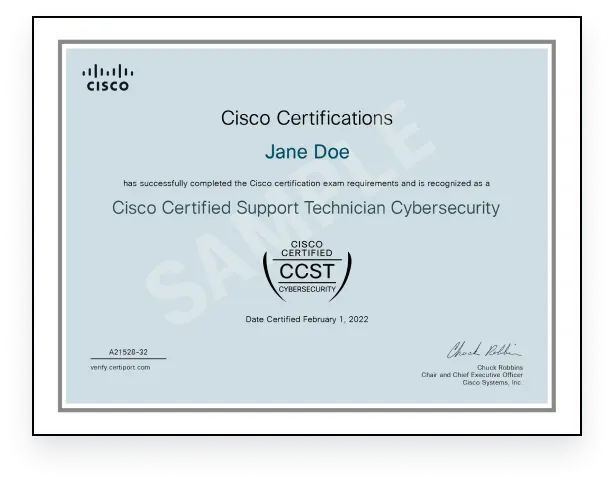
Many individuals and organizations frequently inquire about whether Cisco provides training and support for implementing their cybersecurity solutions. The answer is a resounding yes. Cisco offers a wide range of training programs, certifications, and support services specifically tailored to help users effectively deploy and manage their cybersecurity solutions. Whether it’s through online courses, instructor-led training, or on-site workshops, Cisco ensures that users have access to the knowledge and resources needed to successfully implement and optimize their cybersecurity infrastructure. Additionally, Cisco’s dedicated support teams are available to provide guidance, troubleshooting assistance, and best practices to ensure a smooth and secure deployment of their cybersecurity solutions.

How does Cisco stay ahead of emerging cyber threats?

Cisco stays ahead of emerging cyber threats by continuously investing in research and development to innovate new cybersecurity technologies and solutions. By leveraging cutting-edge tools such as artificial intelligence, machine learning, and behavioral analytics, Cisco can proactively identify and mitigate potential threats before they can cause harm. Additionally, Cisco collaborates with industry experts, partners, and customers to gather insights on emerging cyber threats and trends, allowing them to adapt their security strategies accordingly. This proactive approach enables Cisco to stay one step ahead of cybercriminals and provide robust cybersecurity solutions that effectively protect organizations against evolving threats in today’s dynamic threat landscape.

Can Cisco cybersecurity solutions integrate with existing IT infrastructure?

When considering Cisco cybersecurity solutions, a commonly asked question is whether they can seamlessly integrate with existing IT infrastructure. The answer is yes. Cisco offers a range of cybersecurity products and services that are designed to be interoperable with various systems and technologies already in place within an organization. Whether it’s network devices, cloud services, or endpoint security solutions, Cisco provides integration capabilities to ensure a smooth transition and effective collaboration with existing IT infrastructure. This interoperability not only simplifies the implementation process but also enhances the overall security posture by leveraging the strengths of both Cisco’s cybersecurity solutions and the organization’s current technology environment.

for c

Enhancing Cybersecurity Measures for Businesses: A Vital Strategy in the Digital Age

The Importance of Cybersecurity for Businesses

The Importance of Cybersecurity for Businesses

In today’s digital age, cybersecurity has become a critical aspect for businesses of all sizes. With the increasing reliance on technology and the internet for day-to-day operations, protecting sensitive data and information has never been more important.

Cyberattacks are on the rise, with hackers constantly looking for vulnerabilities to exploit. A data breach can have devastating consequences for a business, including financial loss, damage to reputation, and legal implications. This is why implementing robust cybersecurity measures is essential.

Key Reasons Why Cybersecurity is Crucial for Businesses:

  • Data Protection: Safeguarding customer data, intellectual property, and other sensitive information from unauthorized access or theft.
  • Business Continuity: Preventing disruptions to operations caused by cyber incidents such as ransomware attacks or system breaches.
  • Compliance Requirements: Ensuring that businesses comply with data protection regulations and industry standards to avoid penalties and legal consequences.
  • Reputation Management: Building trust with customers by demonstrating a commitment to protecting their privacy and security.
  • Risk Mitigation: Identifying potential threats and vulnerabilities in advance to proactively mitigate risks before they turn into security breaches.

Investing in cybersecurity not only protects your business assets but also instills confidence in your stakeholders. By prioritizing cybersecurity, businesses can stay ahead of evolving threats and maintain a secure environment for their digital operations.


Understanding ‘For’ Loops in C: Common Questions and Examples

  1. What is the purpose of ‘for’ loop in C programming?
  2. How do you use ‘for’ loop to iterate over an array in C?
  3. Can you provide an example of a nested ‘for’ loop in C?
  4. What are the differences between ‘for’ and ‘while’ loops in C?
  5. How can I break out of a ‘for’ loop prematurely in C?

What is the purpose of ‘for’ loop in C programming?

In C programming, the ‘for’ loop serves as a fundamental control structure that allows developers to execute a block of code repeatedly based on specified conditions. The primary purpose of the ‘for’ loop is to streamline repetitive tasks by defining initialization, condition, and iteration steps within a concise syntax. By using the ‘for’ loop effectively, programmers can efficiently iterate over data structures, perform calculations, and automate processes without the need for redundant code. This loop structure plays a crucial role in enhancing code readability, optimizing performance, and facilitating the implementation of iterative algorithms in C programs.

How do you use ‘for’ loop to iterate over an array in C?

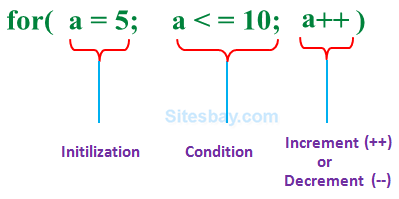
In C programming, you can use a ‘for’ loop to iterate over an array by specifying the loop control variable to index through the elements of the array. The ‘for’ loop typically consists of three parts: initialization, condition, and increment/decrement. For iterating over an array, you would initialize the loop control variable to 0 (for the first element of the array), set the condition to check if the index is within the bounds of the array, and increment the index variable inside the loop to move to the next element in each iteration. By using a ‘for’ loop in this manner, you can access and process each element of the array sequentially.

Can you provide an example of a nested ‘for’ loop in C?

In C programming, a nested ‘for’ loop is a loop inside another loop. This allows for executing a set of statements multiple times in a structured manner. Here is an example of a nested ‘for’ loop in C:

“`c

#include

int main() {

int rows = 3;

int cols = 3;

for (int i = 0; i < rows; i++) {

for (int j = 0; j < cols; j++) {

printf(“(%d, %d) “, i, j);

}

printf(“\n”);

}

return 0;

}

“`

In this example, the outer ‘for’ loop iterates over the rows while the inner ‘for’ loop iterates over the columns within each row. This structure allows for efficiently handling two-dimensional arrays or performing operations on matrix-like data structures in C.

What are the differences between ‘for’ and ‘while’ loops in C?

In C programming, understanding the differences between ‘for’ and ‘while’ loops is essential for effective program flow control. The ‘for’ loop is typically used when the number of iterations is known beforehand, as it allows initializing a loop control variable, setting a condition for continuation, and updating the variable in a single line. On the other hand, the ‘while’ loop is more flexible and suitable for situations where the termination condition depends on runtime evaluation. It requires explicitly initializing the loop control variable before entering the loop and updating it within the loop body. Choosing between ‘for’ and ‘while’ loops in C depends on the specific requirements of the program and the nature of the iteration process.

How can I break out of a ‘for’ loop prematurely in C?

In C programming, you can break out of a ‘for’ loop prematurely using the ‘break’ statement. When a specific condition is met within the loop, you can use ‘break’ to immediately exit the loop and continue with the code execution following the loop. This allows for more flexibility and control over the flow of your program, especially when you need to terminate a loop before it reaches its natural end based on certain criteria.

consultancy

Navigating Success: The Power of Consultancy in Business

The Importance of Consultancy in Business

The Importance of Consultancy in Business

Consultancy plays a crucial role in the success of businesses across various industries. Whether it’s a startup looking for guidance on market entry strategies or a well-established corporation seeking to streamline its operations, consulting services offer valuable insights and expertise that can make a significant difference.

Benefits of Consultancy

One of the key benefits of consultancy is the access to specialized knowledge and skills that may not be readily available within the organization. Consultants bring a fresh perspective and experience from working with different clients, allowing them to offer innovative solutions to complex problems.

Consultants also provide an objective viewpoint, free from internal biases or politics. This impartiality enables them to identify areas for improvement and implement changes without being influenced by internal dynamics.

Types of Consultancy Services

Consultancy services come in various forms, including:

  • Management consultancy: focusing on strategic planning, organizational structure, and performance improvement.
  • IT consultancy: assisting with technology adoption, system integration, and cybersecurity.
  • Financial consultancy: offering expertise in financial planning, risk management, and investment strategies.
  • HR consultancy: providing support in recruitment, training, and employee development.

Choosing the Right Consultant

When selecting a consultant for your business needs, it’s essential to consider their experience, track record, and compatibility with your organization’s culture. A good consultant should be able to communicate effectively, understand your goals, and tailor their approach to meet your specific requirements.

Conclusion

In conclusion, consultancy is a valuable resource for businesses seeking expert advice and guidance in achieving their objectives. By leveraging the knowledge and skills of consultants, organizations can overcome challenges, drive growth, and stay competitive in today’s dynamic business environment.


Understanding Consultancy: Key Questions Answered

  1. What is the meaning of the word consultancy?
  2. What does a consultancy do?
  3. Which consultancy means?
  4. What is the difference between consulting and consultancy?
  5. What is consultancy services do?

What is the meaning of the word consultancy?

Consultancy, in the context of business and professional services, refers to the practice of providing expert advice and guidance to individuals or organizations seeking assistance in a particular area. A consultancy typically involves a consultant or a team of consultants who possess specialized knowledge, skills, and experience relevant to the client’s needs. The primary goal of consultancy is to help clients solve problems, make informed decisions, improve performance, and achieve their desired outcomes through strategic planning, analysis, and implementation of tailored solutions. Ultimately, consultancy serves as a valuable resource for individuals and businesses looking to leverage external expertise to address challenges and maximize opportunities in their respective fields.

What does a consultancy do?

A consultancy provides professional advice and expertise to individuals, businesses, or organizations seeking assistance in various areas. Consultants analyze the client’s needs, identify challenges or opportunities, and offer tailored solutions to help them achieve their goals. Depending on the consultancy’s specialization, services may include strategic planning, process optimization, technology implementation, financial analysis, or organizational restructuring. Ultimately, consultancies aim to add value by sharing their knowledge and experience to support clients in making informed decisions and driving positive change within their operations.

Which consultancy means?

Consultancy refers to the practice of providing expert advice and guidance in a particular field or industry. Consultants are professionals who offer their specialized knowledge and skills to help individuals, businesses, or organizations solve problems, make informed decisions, and improve performance. The essence of consultancy lies in offering objective insights, innovative solutions, and strategic recommendations tailored to meet the specific needs and goals of the client. By engaging with consultants, individuals and businesses can benefit from external perspectives, expertise, and experience that can lead to enhanced efficiency, effectiveness, and success in their endeavors.

What is the difference between consulting and consultancy?

When it comes to the terms “consulting” and “consultancy,” the main difference lies in their usage and regional preferences. In general, “consulting” is more commonly used in American English to refer to the practice of providing expert advice or guidance on specific issues or projects. On the other hand, “consultancy” is often favored in British English and other Commonwealth countries as a broader term encompassing the professional services provided by consultants. While the distinction may seem subtle, both terms essentially refer to the same concept of offering specialized expertise to help individuals or organizations achieve their goals effectively.

What is consultancy services do?

Consultancy services encompass a wide range of expertise and support aimed at helping businesses address specific challenges, achieve their goals, and optimize their operations. Consultants bring specialized knowledge, skills, and experience to the table, offering strategic advice, innovative solutions, and practical recommendations tailored to the unique needs of each client. Whether it’s management consultancy focusing on organizational efficiency, IT consultancy assisting with technology implementation, or financial consultancy providing insights into investment strategies, consultancy services play a vital role in guiding businesses towards success by providing objective perspectives and expert guidance.

cyber-security

Enhancing Cyber-Security Measures for a Safer Digital World

The Importance of Cybersecurity

The Importance of Cybersecurity

In today’s digital age, cybersecurity has become a critical aspect of our daily lives. With the increasing reliance on technology for communication, business transactions, and personal data storage, the need to protect sensitive information from cyber threats has never been more pressing.

Cybersecurity refers to the practice of protecting systems, networks, and data from malicious attacks. These attacks can come in various forms, such as malware, phishing scams, ransomware, and more. The consequences of a successful cyber attack can be devastating, leading to financial loss, reputational damage, and even legal implications.

Why is Cybersecurity Important?

Protecting Personal Information: Cybersecurity helps safeguard personal information such as social security numbers, credit card details, and medical records from falling into the wrong hands.

Safeguarding Business Assets: For businesses, cybersecurity is essential for protecting intellectual property, financial data, customer information, and other valuable assets.

Maintaining Trust: A strong cybersecurity posture helps build trust with customers and partners who rely on your organization to keep their data secure.

Best Practices for Cybersecurity

To enhance cybersecurity defenses, individuals and organizations can implement the following best practices:

  • Use strong passwords and enable multi-factor authentication.
  • Keep software and systems up-to-date with the latest security patches.
  • Educate employees about cybersecurity awareness and best practices.
  • Regularly back up important data to prevent loss in case of a cyber incident.
  • Implement firewalls, antivirus software, and encryption tools to protect against threats.
  • Monitor network activity for any suspicious behavior that may indicate a potential breach.

Conclusion

Cybersecurity is an ongoing effort that requires vigilance and proactive measures to stay ahead of evolving threats. By prioritizing cybersecurity practices at both individual and organizational levels, we can create a safer digital environment for everyone.


Understanding Cybersecurity: Challenges, Types, Career Potential, and Roles

  1. Is cyber security very hard?
  2. What are the 5 types of cyber security?
  3. Is cyber security high paying?
  4. What does cyber security do?

Is cyber security very hard?

Addressing the frequently asked question, “Is cybersecurity very hard?” can vary depending on one’s perspective and level of expertise. While cybersecurity can indeed be complex and challenging due to the ever-evolving nature of cyber threats and the technical knowledge required to mitigate risks effectively, it is not insurmountable. With proper education, training, and adherence to best practices, individuals and organizations can enhance their cybersecurity posture and protect their digital assets. Taking proactive steps such as implementing strong passwords, keeping software updated, and staying informed about emerging threats can go a long way in bolstering cybersecurity defenses. Ultimately, while cybersecurity may present challenges, it is a crucial aspect of modern-day life that can be managed with dedication and the right approach.

What are the 5 types of cyber security?

There are five main types of cybersecurity measures that organizations and individuals can implement to protect against cyber threats. These include network security, which focuses on securing the organization’s network infrastructure, endpoint security that safeguards individual devices like computers and mobile devices, application security which involves protecting software applications from vulnerabilities, cloud security for securing data stored in the cloud, and data security to ensure the confidentiality, integrity, and availability of sensitive information. By employing a combination of these cybersecurity types, entities can strengthen their defenses against a wide range of cyber attacks.

Is cyber security high paying?

In the field of cybersecurity, professionals often wonder about the earning potential and whether cybersecurity is a high-paying career path. The answer to this frequently asked question is yes, cybersecurity is known for offering competitive salaries due to the increasing demand for skilled professionals who can protect organizations from cyber threats. With the rise in cyber attacks and data breaches, companies are willing to invest in top talent to secure their systems and data, making cybersecurity a lucrative and rewarding career choice for those with the right skills and expertise.

What does cyber security do?

Cybersecurity plays a crucial role in safeguarding digital systems, networks, and data from malicious attacks. It encompasses a range of practices and technologies designed to protect against threats such as malware, phishing scams, ransomware, and more. Cybersecurity measures help prevent unauthorized access to sensitive information, ensuring the confidentiality, integrity, and availability of data. By implementing robust cybersecurity protocols, organizations and individuals can mitigate risks and defend against cyber threats that could compromise their security and privacy.

Enhancing Data Protection: The Role of Information Security Consulting Services

Information Security Consulting Services

The Importance of Information Security Consulting Services

In today’s digital age, businesses are increasingly vulnerable to cyber threats and attacks. As technology advances, so do the methods used by malicious actors to exploit weaknesses in systems and networks. This is where information security consulting services play a crucial role in safeguarding organizations from potential risks.

What is Information Security Consulting?

Information security consulting involves assessing, designing, implementing, and managing security measures to protect an organization’s data, systems, and networks. These services are provided by experts who specialize in identifying vulnerabilities and developing strategies to mitigate risks.

The Benefits of Information Security Consulting Services

By engaging information security consulting services, businesses can:

  • Identify and assess potential security risks
  • Develop customized security solutions tailored to their specific needs
  • Implement best practices for data protection and compliance
  • Enhance overall cybersecurity posture
  • Respond effectively to security incidents and breaches

How Information Security Consultants Can Help Businesses

Information security consultants bring a wealth of knowledge and expertise to help businesses navigate the complex landscape of cybersecurity. They offer:

  • Risk assessments and audits to identify vulnerabilities
  • Security architecture design and implementation
  • Incident response planning and management
  • Security awareness training for employees
  • Compliance assistance with industry regulations and standards

In Conclusion

Information security consulting services are essential for businesses looking to protect their valuable assets from cyber threats. By partnering with experienced consultants, organizations can proactively address security challenges and ensure the confidentiality, integrity, and availability of their information assets.


Top 5 Benefits of Information Security Consulting Services for Your Organization

  1. Specialized expertise in identifying and mitigating security risks
  2. Customized security solutions tailored to the specific needs of each organization
  3. Enhanced cybersecurity posture to protect valuable data and assets
  4. Proactive measures to prevent security breaches and incidents
  5. Compliance assistance with industry regulations and standards


Challenges of Information Security Consulting: Costs, Dependency, Conflicts of Interest, and Measuring ROI

  1. Costly for small businesses with limited budgets
  2. Dependency on external expertise may lead to reliance issues
  3. Potential conflicts of interest if consultants recommend products or services from affiliated partners
  4. Difficulty in measuring the tangible ROI of information security consulting services

Specialized expertise in identifying and mitigating security risks

Information security consulting services offer a valuable pro in their specialized expertise in identifying and mitigating security risks. These expert consultants possess in-depth knowledge and experience in recognizing potential vulnerabilities within an organization’s systems and networks. By leveraging their specialized skills, they can effectively develop strategies to mitigate these risks and enhance the overall security posture of the business. This focused expertise enables businesses to proactively address security threats and safeguard their sensitive data from potential breaches and cyber attacks.

Customized security solutions tailored to the specific needs of each organization

One significant advantage of information security consulting services is the ability to provide customized security solutions that are tailored to the specific needs of each organization. By conducting a thorough assessment of the organization’s infrastructure, data assets, and potential vulnerabilities, security consultants can develop targeted strategies and implement measures that address the unique risks faced by the business. This personalized approach ensures that security measures are effective, efficient, and aligned with the organization’s goals and compliance requirements.

Enhanced cybersecurity posture to protect valuable data and assets

Enhanced cybersecurity posture through information security consulting services is a critical advantage for businesses seeking to safeguard their valuable data and assets. By working with experienced consultants, organizations can strengthen their defense mechanisms, identify vulnerabilities, and implement proactive security measures to prevent potential cyber threats. This proactive approach not only protects sensitive information but also instills confidence in customers and stakeholders regarding the organization’s commitment to data security and privacy. Ultimately, an improved cybersecurity posture enables businesses to mitigate risks effectively and maintain the integrity of their digital infrastructure in today’s constantly evolving threat landscape.

Proactive measures to prevent security breaches and incidents

Information security consulting services offer the advantage of implementing proactive measures to prevent security breaches and incidents. By conducting thorough risk assessments, developing robust security strategies, and staying ahead of emerging threats, consultants help organizations strengthen their defenses and minimize the likelihood of potential cyber attacks. This proactive approach not only enhances the overall security posture of businesses but also saves them from the costly repercussions of data breaches and other security incidents.

Compliance assistance with industry regulations and standards

Compliance assistance with industry regulations and standards is a significant benefit of information security consulting services. These consultants help businesses navigate the complex landscape of regulatory requirements by providing expert guidance on how to align their security practices with specific laws and standards. By ensuring compliance, organizations can avoid costly penalties, protect their reputation, and build trust with customers and partners. Information security consultants play a crucial role in helping businesses stay up-to-date with evolving regulations and maintain a secure environment that meets industry best practices.

Costly for small businesses with limited budgets

For small businesses with limited budgets, one significant drawback of information security consulting services is the cost involved. Hiring external consultants to assess, design, and implement security measures can be expensive and may strain the financial resources of smaller organizations. The upfront investment required for comprehensive security solutions and ongoing maintenance can be prohibitive for businesses operating on a tight budget. This financial burden might deter small businesses from seeking professional assistance in enhancing their cybersecurity posture, leaving them more vulnerable to potential threats and attacks.

Dependency on external expertise may lead to reliance issues

Dependency on external expertise in information security consulting services may lead to reliance issues for organizations. While consulting experts can provide valuable insights and solutions, relying too heavily on external professionals can create a sense of dependency. This reliance may hinder internal teams from developing their own cybersecurity capabilities and understanding the intricacies of their systems. Additionally, if organizations become overly dependent on external consultants, they may face challenges in adapting to evolving security threats independently. It is important for businesses to strike a balance between leveraging external expertise and building internal capacity to ensure long-term resilience in managing information security risks.

Potential conflicts of interest if consultants recommend products or services from affiliated partners

One significant con of information security consulting services is the potential for conflicts of interest when consultants recommend products or services from affiliated partners. In such cases, consultants may prioritize their relationships with partner companies over the best interests of their clients, leading to biased recommendations that may not necessarily address the specific security needs of the organization. This conflict can undermine the trust and credibility of the consulting services, ultimately jeopardizing the effectiveness of the security solutions proposed. It is essential for businesses to be aware of these potential conflicts and ensure that consulting engagements are transparent and focused on delivering unbiased and objective advice to enhance their cybersecurity posture.

Difficulty in measuring the tangible ROI of information security consulting services

One significant con of information security consulting services is the difficulty in measuring the tangible return on investment (ROI) of such services. Unlike some other business investments where ROI can be easily quantified in terms of increased revenue or cost savings, the benefits of information security consulting are often more intangible and challenging to measure. It can be complex to attribute specific financial outcomes directly to security measures, making it harder for organizations to justify the costs associated with these services based solely on traditional ROI metrics. This lack of clear ROI measurement may present a hurdle for businesses seeking to evaluate the effectiveness and value of their information security consulting investments.

Exploring the Top Cybersecurity Consulting Companies in the Industry

Top Cybersecurity Consulting Companies

Top Cybersecurity Consulting Companies

In today’s digital age, cybersecurity is more important than ever. With cyber threats on the rise, businesses need to ensure that their sensitive data and systems are adequately protected. This is where cybersecurity consulting companies play a crucial role.

Here are some of the top cybersecurity consulting companies that are known for their expertise and excellence in helping organizations enhance their security posture:

  1. Accenture Security: Accenture Security offers a comprehensive range of cybersecurity services, including risk management, threat intelligence, and incident response.
  2. Deloitte Cyber Risk Services: Deloitte is a global leader in cybersecurity consulting, providing services such as identity access management, data protection, and security operations.
  3. IBM Security: IBM Security is known for its advanced security solutions and services that help organizations detect and respond to cyber threats effectively.
  4. KPMG Cyber Security: KPMG’s cybersecurity consulting services focus on helping clients build robust security strategies and implement effective security controls.
  5. PwC Cybersecurity Services: PwC offers a wide range of cybersecurity services, including risk assessment, compliance management, and incident response planning.

These are just a few examples of the top cybersecurity consulting companies that can help businesses navigate the complex landscape of cybersecurity threats. By partnering with these experts, organizations can strengthen their defenses and safeguard their valuable assets from potential cyber attacks.


8 Essential Tips for Choosing the Best Cybersecurity Consulting Company

  1. Research the reputation and track record of the cybersecurity consulting company.
  2. Check if the company has certifications and accreditations in cybersecurity.
  3. Look for a company that offers a wide range of cybersecurity services to meet your needs.
  4. Consider the experience and expertise of the consultants working for the company.
  5. Evaluate the company’s approach to risk assessment and mitigation strategies.
  6. Review client testimonials and case studies to gauge customer satisfaction levels.
  7. Ensure that the cybersecurity consulting company stays updated on emerging threats and technologies.
  8. Compare pricing models and service packages offered by different companies before making a decision.

Research the reputation and track record of the cybersecurity consulting company.

When selecting a cybersecurity consulting company, it is essential to research the reputation and track record of the firm. A company’s reputation in the industry and its track record of successful cybersecurity projects can provide valuable insights into its expertise and reliability. By conducting thorough research on these aspects, businesses can ensure they partner with a reputable cybersecurity consulting company that has a proven history of delivering effective security solutions and protecting clients from cyber threats.

Check if the company has certifications and accreditations in cybersecurity.

It is crucial to verify whether a cybersecurity consulting company holds certifications and accreditations in the field of cybersecurity. These certifications serve as indicators of the company’s commitment to maintaining high standards of expertise and professionalism in addressing cybersecurity challenges. By choosing a company with recognized certifications, clients can have confidence in the firm’s capabilities to provide reliable and effective cybersecurity solutions tailored to their specific needs.

Look for a company that offers a wide range of cybersecurity services to meet your needs.

When searching for a top cybersecurity consulting company, it is essential to look for a provider that offers a wide range of cybersecurity services to meet your specific needs. By selecting a company with diverse service offerings, you can ensure that all aspects of your organization’s security requirements are addressed comprehensively. Whether you need risk management, incident response, threat intelligence, or compliance assistance, choosing a company with a broad spectrum of services can help you enhance your overall security posture effectively.

Consider the experience and expertise of the consultants working for the company.

When evaluating top cybersecurity consulting companies, it is crucial to consider the experience and expertise of the consultants working for the company. The knowledge and skills of these professionals play a significant role in the effectiveness of cybersecurity solutions provided. Experienced consultants bring a wealth of insights gained from handling various security challenges, while experts in specific areas can offer specialized guidance tailored to the organization’s needs. By ensuring that the consultants have a solid track record and relevant certifications, businesses can have confidence in the quality of service and advice they receive to enhance their cybersecurity defenses.

Evaluate the company’s approach to risk assessment and mitigation strategies.

When selecting a cybersecurity consulting company, it is crucial to evaluate the company’s approach to risk assessment and mitigation strategies. A thorough and proactive risk assessment process is essential for identifying potential vulnerabilities and threats within an organization’s systems and data. The chosen company should demonstrate expertise in developing tailored mitigation strategies that align with the specific security needs and objectives of the client. By prioritizing risk assessment and mitigation strategies, businesses can effectively strengthen their cybersecurity defenses and mitigate potential risks before they escalate into serious security incidents.

Review client testimonials and case studies to gauge customer satisfaction levels.

When researching the top cybersecurity consulting companies, it is essential to review client testimonials and case studies to gauge customer satisfaction levels. By examining feedback from previous clients and studying real-world examples of successful cybersecurity projects, potential customers can gain valuable insights into the quality of service provided by these companies. Client testimonials and case studies serve as indicators of a company’s expertise, reliability, and ability to deliver effective cybersecurity solutions tailored to meet the specific needs of their clients.

Ensure that the cybersecurity consulting company stays updated on emerging threats and technologies.

It is crucial to ensure that the cybersecurity consulting company you choose stays updated on emerging threats and technologies. By staying abreast of the latest developments in the cybersecurity landscape, such as new cyber threats and evolving technologies, the consulting company can provide proactive and effective solutions to protect your organization’s sensitive data and systems. This commitment to ongoing education and awareness enables them to offer cutting-edge strategies that address current and future cybersecurity challenges, helping you stay ahead of potential security risks.

Compare pricing models and service packages offered by different companies before making a decision.

When seeking cybersecurity consulting services, it is crucial to compare pricing models and service packages offered by different companies before making a decision. By evaluating the costs and services provided by various cybersecurity consulting firms, businesses can ensure they are getting the best value for their investment. Additionally, understanding the pricing structures and service offerings can help organizations select a provider that aligns with their specific security needs and budget constraints. Conducting a thorough comparison can empower businesses to make an informed decision and choose a cybersecurity consulting company that offers the most suitable solutions for their unique requirements.

Empowering Your Business with Expert Cybersecurity Consulting Services

The Importance of Cybersecurity Consulting for Businesses

The Importance of Cybersecurity Consulting for Businesses

In today’s digital age, cybersecurity is a critical concern for businesses of all sizes. With the increasing number of cyber threats and data breaches, it has become essential for companies to prioritize their cybersecurity measures. This is where cybersecurity consulting firms play a crucial role in helping businesses protect their sensitive information and maintain the integrity of their systems.

What is Cybersecurity Consulting?

Cybersecurity consulting involves working with experts who specialize in identifying vulnerabilities in a company’s IT infrastructure, developing security strategies, implementing protective measures, and providing ongoing support and monitoring. These consultants are trained to assess risks, detect potential threats, and recommend solutions to enhance the overall security posture of an organization.

The Benefits of Cybersecurity Consulting

Engaging with a cybersecurity consulting firm offers several benefits to businesses:

  • Risk Assessment: Consultants conduct thorough assessments to identify weaknesses and vulnerabilities in the company’s systems.
  • Customized Solutions: Consultants develop tailored security solutions that address the specific needs and challenges faced by the business.
  • 24/7 Monitoring: Many consulting firms provide continuous monitoring services to detect and respond to security incidents promptly.
  • Compliance Assistance: Consultants help businesses adhere to industry regulations and standards related to data protection.
  • Incident Response: In the event of a security breach, consultants assist in investigating the incident, mitigating damage, and implementing preventive measures for the future.

Choosing the Right Cybersecurity Consulting Firm

When selecting a cybersecurity consulting firm for your business, consider the following factors:

  • Experience: Look for firms with a proven track record of success in providing cybersecurity services.
  • Certifications: Ensure that consultants hold relevant certifications such as Certified Information Systems Security Professional (CISSP) or Certified Ethical Hacker (CEH).
  • Reputation: Check client reviews and testimonials to gauge the firm’s reputation and reliability.
  • Services Offered: Choose a firm that offers a comprehensive range of cybersecurity services tailored to your business needs.

In Conclusion

Cybersecurity consulting is an indispensable investment for businesses looking to safeguard their digital assets and maintain trust with their customers. By partnering with experienced consultants, companies can strengthen their defenses against cyber threats and ensure the resilience of their IT infrastructure in an increasingly interconnected world.


9 Benefits of a Cybersecurity Consulting Business: Protecting Your Data with Expertise and Efficiency

  1. Expertise in identifying and mitigating cybersecurity risks
  2. Customized security solutions tailored to the specific needs of each business
  3. Continuous monitoring to detect and respond to security incidents promptly
  4. Assistance in compliance with industry regulations and data protection standards
  5. Access to specialized tools and technologies for enhanced security measures
  6. Incident response support in the event of a security breach
  7. Training and awareness programs for employees to promote a culture of cybersecurity awareness
  8. Cost-effective compared to hiring full-time cybersecurity staff internally
  9. Peace of mind knowing that sensitive data is protected by professionals


Challenges of Engaging Cybersecurity Consulting Services: Cost, Trust, and Implementation

  1. Costly services may not be affordable for small businesses.
  2. Dependence on external consultants can lead to delays in response to security incidents.
  3. Potential conflicts of interest if the consulting firm is also affiliated with cybersecurity product vendors.
  4. Difficulty in finding a reputable and trustworthy consulting firm among the multitude of options available.
  5. Limited availability of specialized cybersecurity consultants with expertise in niche areas.
  6. Complexity of implementing recommended security measures and integrating them into existing IT systems.

Expertise in identifying and mitigating cybersecurity risks

Cybersecurity consulting firms offer invaluable expertise in identifying and mitigating cybersecurity risks, a crucial pro that can significantly enhance a business’s security posture. These experts possess the knowledge and tools to conduct thorough assessments of an organization’s IT infrastructure, pinpoint vulnerabilities, and develop effective strategies to address potential threats. By leveraging their specialized skills and experience, cybersecurity consultants can help businesses proactively protect their sensitive data, mitigate risks, and strengthen their overall cybersecurity defenses against evolving cyber threats.

Customized security solutions tailored to the specific needs of each business

Cybersecurity consulting firms offer a significant advantage by providing customized security solutions that are tailored to the unique needs of each business. This personalized approach ensures that companies receive targeted strategies and measures that address their specific vulnerabilities and challenges. By understanding the intricacies of a business’s IT infrastructure and operations, cybersecurity consultants can develop bespoke security plans that effectively mitigate risks and enhance overall protection. This tailored approach not only optimizes security measures but also reflects a proactive commitment to safeguarding the integrity of each client’s digital assets.

Continuous monitoring to detect and respond to security incidents promptly

Continuous monitoring provided by cybersecurity consulting firms is a valuable pro that enables businesses to swiftly detect and respond to security incidents. By implementing real-time monitoring tools and processes, consultants can identify potential threats as they occur, allowing for immediate action to mitigate risks and prevent further damage. This proactive approach not only enhances the overall security posture of the organization but also minimizes the impact of cybersecurity breaches, ultimately safeguarding sensitive data and preserving business continuity.

Assistance in compliance with industry regulations and data protection standards

Cybersecurity consulting firms provide valuable assistance to businesses by ensuring compliance with industry regulations and data protection standards. These experts have in-depth knowledge of the legal requirements and best practices related to cybersecurity, enabling them to guide companies in implementing the necessary measures to meet regulatory obligations. By partnering with cybersecurity consultants, businesses can mitigate the risk of non-compliance, protect sensitive information, and build trust with customers by demonstrating a commitment to safeguarding data privacy and security.

Access to specialized tools and technologies for enhanced security measures

Cybersecurity consulting firms offer businesses access to specialized tools and technologies that are specifically designed to enhance security measures. These advanced tools go beyond traditional security software and provide robust solutions for identifying vulnerabilities, detecting threats, and responding to cyber incidents effectively. By leveraging these cutting-edge technologies, businesses can strengthen their defenses against evolving cyber threats and safeguard their sensitive data with greater confidence and efficiency.

Incident response support in the event of a security breach

Incident response support is a crucial advantage of cybersecurity consulting services, especially in the event of a security breach. Cybersecurity consultants are equipped to swiftly and effectively respond to security incidents, minimizing the impact of the breach and mitigating further risks. Their expertise allows them to investigate the breach, identify the root cause, contain the damage, restore systems to normalcy, and implement preventive measures to prevent future breaches. This proactive approach not only helps businesses recover from security incidents efficiently but also strengthens their overall cybersecurity posture for enhanced protection against potential threats.

Training and awareness programs for employees to promote a culture of cybersecurity awareness

Training and awareness programs for employees are a valuable aspect of cybersecurity consulting services. By educating staff on best practices, potential risks, and how to identify and respond to security threats, businesses can cultivate a culture of cybersecurity awareness within their organization. These programs empower employees to play an active role in safeguarding sensitive data and systems, reducing the likelihood of human error leading to security breaches. With proper training and ongoing awareness initiatives, companies can enhance their overall security posture and create a more resilient defense against cyber threats.

Cost-effective compared to hiring full-time cybersecurity staff internally

One significant advantage of cybersecurity consulting services is their cost-effectiveness when compared to hiring full-time cybersecurity staff internally. By engaging a consulting firm, businesses can access a team of experienced professionals without the overhead costs associated with recruiting, training, and retaining in-house cybersecurity experts. Consulting firms offer flexible service options that allow companies to scale their security needs according to their requirements, ultimately saving on expenses while still receiving top-notch cybersecurity expertise and support.

Peace of mind knowing that sensitive data is protected by professionals

Entrusting your cybersecurity needs to a consulting firm provides a sense of peace of mind, knowing that your sensitive data is in the hands of experienced professionals. These experts are dedicated to safeguarding your information and implementing robust security measures to prevent unauthorized access and potential breaches. By relying on their expertise, businesses can focus on their core operations with confidence, knowing that their valuable data is being protected by knowledgeable professionals who prioritize the confidentiality and integrity of their digital assets.

Costly services may not be affordable for small businesses.

In the realm of cybersecurity consulting, a notable drawback is the potential high cost of services, which could pose a significant challenge for small businesses with limited budgets. The expenses associated with engaging cybersecurity consultants, implementing security measures, and maintaining ongoing support may exceed the financial capabilities of smaller enterprises. This affordability gap raises concerns about the accessibility of essential cybersecurity expertise and resources for businesses operating on a smaller scale, highlighting the need for cost-effective solutions tailored to accommodate the budget constraints of such organizations.

Dependence on external consultants can lead to delays in response to security incidents.

Dependence on external cybersecurity consulting firms can potentially result in delays in responding to security incidents within a business. Relying solely on external consultants may introduce communication barriers and procedural complexities that hinder swift incident response. In some cases, the need to engage with external parties for every security issue can lead to extended response times, leaving the organization vulnerable to prolonged exposure to cyber threats. It is crucial for businesses to strike a balance between leveraging external expertise and building internal capabilities to ensure timely and effective responses to security incidents.

Potential conflicts of interest if the consulting firm is also affiliated with cybersecurity product vendors.

Potential conflicts of interest may arise in the cybersecurity consulting business if the consulting firm is affiliated with cybersecurity product vendors. In such cases, there is a risk that the consulting firm may prioritize promoting and selling products from their affiliated vendors over providing unbiased advice tailored to the client’s specific needs. This conflict of interest could compromise the integrity of the consulting services and lead to recommendations that may not necessarily be in the best interest of the client’s cybersecurity posture. Businesses should be cautious when engaging with consulting firms that have close ties to cybersecurity product vendors to ensure that they receive impartial and objective guidance for their security needs.

Difficulty in finding a reputable and trustworthy consulting firm among the multitude of options available.

In the realm of cybersecurity consulting, a significant challenge that businesses face is the difficulty in identifying a reputable and trustworthy consulting firm from the vast array of options available in the market. With numerous firms claiming expertise in cybersecurity, distinguishing between genuine experts and those lacking credibility can be a daunting task. This con highlights the importance of thorough research, vetting processes, and seeking recommendations to ensure that businesses partner with a consulting firm that possesses the necessary skills, experience, and integrity to effectively safeguard their digital assets.

Limited availability of specialized cybersecurity consultants with expertise in niche areas.

The con of cybersecurity consulting business lies in the limited availability of specialized cybersecurity consultants with expertise in niche areas. As the field of cybersecurity continues to evolve and diversify, businesses may struggle to find consultants who possess in-depth knowledge and experience in specific, specialized areas of cybersecurity. This scarcity can hinder companies seeking tailored solutions to address unique security challenges, potentially leading to delays in implementing effective cybersecurity measures and leaving organizations vulnerable to sophisticated cyber threats that require niche expertise for mitigation.

The complexity of implementing recommended security measures and integrating them into existing IT systems poses a significant challenge for businesses engaging in cybersecurity consulting. The intricacies involved in aligning security protocols with the organization’s current infrastructure can lead to disruptions, compatibility issues, and potential downtime. It requires careful planning, coordination, and expertise to ensure a smooth transition while maintaining the integrity and functionality of the IT systems. Overcoming this con demands meticulous attention to detail, thorough testing, and ongoing monitoring to effectively fortify the company’s defenses against cyber threats without compromising operational efficiency.