

cfchris.com

Loading

nydfs cybersecurity

Enhancing Financial Security: The Role of NYDFS in Cybersecurity

The Role of NYDFS in Cybersecurity

The Role of NYDFS in Cybersecurity

As cyber threats continue to evolve and become more sophisticated, the New York Department of Financial Services (NYDFS) plays a crucial role in ensuring the cybersecurity of financial institutions operating within the state.

The NYDFS has implemented stringent regulations and guidelines to safeguard sensitive financial data and protect consumers from cyber attacks. These regulations require financial institutions to establish robust cybersecurity programs, conduct regular risk assessments, and report any cybersecurity incidents promptly.

One of the key initiatives introduced by the NYDFS is the Cybersecurity Regulation (23 NYCRR 500), which sets forth minimum standards for cybersecurity practices that financial institutions must adhere to. This regulation includes requirements such as multi-factor authentication, encryption of sensitive data, and regular cybersecurity training for employees.

In addition to setting regulatory standards, the NYDFS actively monitors compliance with these regulations through examinations and assessments. Financial institutions are required to submit annual certifications of their compliance with the Cybersecurity Regulation, demonstrating their commitment to maintaining strong cybersecurity measures.

Furthermore, the NYDFS collaborates with other regulatory agencies and law enforcement authorities to share information on emerging cyber threats and coordinate responses to cyber incidents. By fostering a culture of information sharing and cooperation, the NYDFS aims to enhance the overall resilience of the financial sector against cyber threats.

In conclusion, the NYDFS plays a vital role in promoting cybersecurity within the financial industry and protecting both institutions and consumers from cyber risks. Through its proactive approach to regulation and oversight, the NYDFS helps ensure that New York remains at the forefront of cybersecurity best practices.


6 Essential Tips for Strengthening Cybersecurity Compliance with NYDFS Regulations

  1. Regularly update software and systems to protect against vulnerabilities.
  2. Implement strong password policies and multi-factor authentication.
  3. Train employees on cybersecurity best practices and how to identify phishing attempts.
  4. Encrypt sensitive data both in transit and at rest.
  5. Conduct regular security assessments and audits to identify weaknesses.
  6. Establish a an incident response plan to quickly respond to and mitigate cybersecurity incidents.

Regularly update software and systems to protect against vulnerabilities.

Regularly updating software and systems is a critical tip in NYDFS cybersecurity practices to safeguard against vulnerabilities. By staying current with software patches and system updates, financial institutions can address known security weaknesses and reduce the risk of exploitation by cyber attackers. This proactive approach helps ensure that systems remain resilient to emerging threats and maintain the integrity of sensitive financial data. Compliance with this best practice not only enhances cybersecurity posture but also demonstrates a commitment to maintaining a secure environment for both the institution and its customers as mandated by NYDFS regulations.

Implement strong password policies and multi-factor authentication.

To enhance cybersecurity measures in compliance with NYDFS regulations, it is crucial for financial institutions to implement strong password policies and multi-factor authentication. By enforcing complex password requirements and requiring an additional layer of verification through multi-factor authentication, institutions can significantly reduce the risk of unauthorized access to sensitive data. These practices not only bolster security but also demonstrate a commitment to safeguarding confidential information and meeting the stringent cybersecurity standards set forth by the NYDFS.

Train employees on cybersecurity best practices and how to identify phishing attempts.

Training employees on cybersecurity best practices is essential in strengthening an organization’s defense against cyber threats. By educating staff members on how to identify phishing attempts, such as suspicious emails or messages, companies can empower their workforce to act as the first line of defense against potential security breaches. Equipping employees with the knowledge and skills to recognize and report phishing attempts not only helps protect sensitive data but also contributes to creating a culture of cybersecurity awareness within the organization.

Encrypt sensitive data both in transit and at rest.

It is crucial for financial institutions under NYDFS regulation to encrypt sensitive data both in transit and at rest. Encrypting data in transit ensures that information remains secure while being transferred between systems or devices, protecting it from interception by malicious actors. Similarly, encrypting data at rest safeguards stored information from unauthorized access, adding an extra layer of security to prevent data breaches. By implementing robust encryption practices, financial institutions can enhance the protection of sensitive data and comply with NYDFS cybersecurity requirements effectively.

Conduct regular security assessments and audits to identify weaknesses.

Regular security assessments and audits are essential components of a comprehensive cybersecurity strategy recommended by the NYDFS. By conducting these assessments on a regular basis, financial institutions can proactively identify vulnerabilities and weaknesses in their systems and processes. This proactive approach allows organizations to address potential security gaps before they are exploited by cyber attackers, helping to strengthen overall cybersecurity defenses and protect sensitive data from unauthorized access or breaches.

Establish a an incident response plan to quickly respond to and mitigate cybersecurity incidents.

Establishing an incident response plan is a critical component of NYDFS cybersecurity guidelines. By having a well-defined plan in place, financial institutions can swiftly respond to and mitigate cybersecurity incidents, minimizing potential damages and disruptions. This proactive approach not only helps in containing the impact of security breaches but also demonstrates a commitment to effective risk management and compliance with regulatory requirements. Having an incident response plan ensures that organizations are prepared to handle cyber threats promptly and efficiently, safeguarding both their own operations and the sensitive data of their customers.
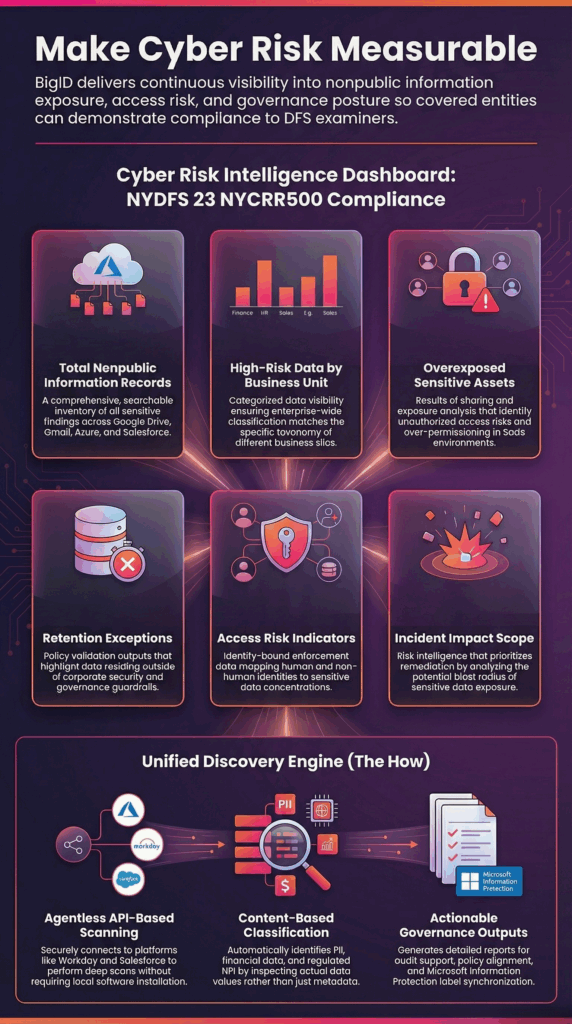
23 nycrr 500

Navigating Compliance: Understanding the Impact of 23 NYCRR 500

Article: 23 NYCRR 500

Understanding 23 NYCRR 500: New York’s Cybersecurity Regulation

23 NYCRR 500 is a cybersecurity regulation issued by the New York State Department of Financial Services (DFS). This regulation aims to protect sensitive data and information held by financial institutions operating in New York.

Key Requirements of 23 NYCRR 500

The regulation mandates financial institutions to:

  • Establish a cybersecurity program designed to protect nonpublic information.
  • Conduct regular risk assessments and implement cybersecurity measures based on identified risks.
  • Implement multi-factor authentication for accessing internal systems and sensitive data.
  • Maintain an incident response plan to address and recover from cybersecurity events promptly.
  • Provide cybersecurity awareness training to employees to enhance overall security posture.
  • Engage third-party service providers who comply with the regulation’s requirements.

Implications for Financial Institutions

Compliance with 23 NYCRR 500 is crucial for financial institutions as non-compliance can lead to severe penalties, including fines and reputational damage. By adhering to the regulation, organizations can strengthen their cybersecurity defenses, reduce the risk of data breaches, and safeguard customer information.

Conclusion

23 NYCRR 500 sets a high standard for cybersecurity practices within the financial sector in New York. Financial institutions subject to this regulation must prioritize data protection, implement robust security measures, and continually assess and enhance their cybersecurity posture to mitigate risks effectively.

© 2022 CFChris. All rights reserved.


Strengthening Cybersecurity: 8 Key Benefits of 23 NYCRR 500 for New York Financial Institutions

  1. Enhances cybersecurity measures for financial institutions in New York
  2. Protects sensitive data and nonpublic information from cyber threats
  3. Mandates regular risk assessments to identify and address vulnerabilities
  4. Requires the implementation of multi-factor authentication for enhanced security
  5. Promotes cybersecurity awareness training among employees
  6. Establishes incident response plans to mitigate the impact of cyber incidents
  7. Encourages collaboration with compliant third-party service providers
  8. Helps organizations strengthen their overall security posture and reduce data breach risks


Challenges of 23 NYCRR 500: Compliance Costs, Complexity, and Third-Party Provider Burdens

  1. Compliance costs
  2. Complexity
  3. Burden on third-party providers

Enhances cybersecurity measures for financial institutions in New York

The implementation of 23 NYCRR 500 significantly enhances cybersecurity measures for financial institutions operating in New York. By mandating the establishment of robust cybersecurity programs, conducting regular risk assessments, and implementing multi-factor authentication, the regulation strengthens the overall security posture of these institutions. This proactive approach not only helps in safeguarding sensitive data but also aids in preventing cyber threats and potential breaches, ultimately fostering a more secure environment for both the institutions and their clients.

Protects sensitive data and nonpublic information from cyber threats

One significant advantage of 23 NYCRR 500 is its ability to safeguard sensitive data and nonpublic information from cyber threats. By requiring financial institutions to establish robust cybersecurity programs and implement protective measures, the regulation helps prevent unauthorized access, data breaches, and other cyber incidents that could compromise the security and confidentiality of valuable information. This proactive approach not only enhances data protection but also instills trust among stakeholders, demonstrating a commitment to maintaining the integrity and privacy of sensitive data in today’s digital landscape.

Mandates regular risk assessments to identify and address vulnerabilities

One significant advantage of 23 NYCRR 500 is that it mandates regular risk assessments to identify and address vulnerabilities. By requiring financial institutions to conduct these assessments, the regulation promotes proactive measures to enhance cybersecurity defenses. Identifying potential risks allows organizations to implement targeted security measures, prioritize resource allocation, and mitigate vulnerabilities before they can be exploited. This proactive approach not only strengthens the overall security posture of financial institutions but also helps in safeguarding sensitive data and information from potential cyber threats.

Requires the implementation of multi-factor authentication for enhanced security

One significant advantage of 23 NYCRR 500 is its requirement for the implementation of multi-factor authentication to enhance security measures. By mandating the use of multi-factor authentication, the regulation adds an extra layer of protection to sensitive data and internal systems within financial institutions. This additional security measure helps prevent unauthorized access and significantly reduces the risk of data breaches or cyber attacks. Overall, the emphasis on multi-factor authentication under 23 NYCRR 500 plays a crucial role in bolstering cybersecurity defenses and safeguarding confidential information effectively.

Promotes cybersecurity awareness training among employees

One significant advantage of 23 NYCRR 500 is that it promotes cybersecurity awareness training among employees. By requiring financial institutions to provide training on cybersecurity best practices, potential threats, and how to respond to security incidents, the regulation helps enhance the overall security posture of organizations. This proactive approach not only equips employees with the knowledge and skills needed to identify and mitigate cyber risks but also fosters a culture of cybersecurity consciousness within the workplace. Ultimately, promoting cybersecurity awareness training among employees can contribute to a stronger defense against cyber threats and safeguard sensitive information effectively.

Establishes incident response plans to mitigate the impact of cyber incidents

One significant advantage of 23 NYCRR 500 is that it requires financial institutions to establish incident response plans to mitigate the impact of cyber incidents. By mandating the development of structured procedures for responding to cybersecurity breaches, this regulation helps organizations effectively manage and contain threats, minimize potential damages, and swiftly recover from security incidents. Implementing robust incident response plans ensures that financial institutions can respond promptly and decisively in the event of a cyber attack, enhancing their overall resilience against evolving cyber threats.

Encourages collaboration with compliant third-party service providers

One significant benefit of 23 NYCRR 500 is that it encourages collaboration with compliant third-party service providers. By engaging with service providers who adhere to the regulation’s cybersecurity requirements, financial institutions can enhance the overall security of their operations. This collaboration ensures that sensitive data shared with third parties is adequately protected, reducing the risk of data breaches and strengthening the cybersecurity ecosystem within the financial sector. The emphasis on partnering with compliant providers fosters a culture of shared responsibility for cybersecurity and promotes a more secure environment for all stakeholders involved.

Helps organizations strengthen their overall security posture and reduce data breach risks

One of the key benefits of 23 NYCRR 500 is that it helps organizations strengthen their overall security posture and reduce the risks of data breaches. By mandating the establishment of robust cybersecurity programs, regular risk assessments, and the implementation of security measures tailored to identified risks, this regulation ensures that financial institutions operating in New York prioritize data protection and enhance their resilience against cyber threats. Compliance with 23 NYCRR 500 not only safeguards sensitive information but also contributes to a more secure and trustworthy financial ecosystem.

Compliance costs

Implementing and maintaining a cybersecurity program in accordance with 23 NYCRR 500 can pose a significant financial burden on financial institutions. The costs associated with meeting the regulation’s requirements, such as conducting regular risk assessments, implementing security measures, providing employee training, and engaging compliant third-party service providers, can add up quickly. These compliance costs may strain the resources of smaller institutions and require substantial investments in cybersecurity infrastructure and personnel to ensure ongoing adherence to the regulation.

Complexity

The complexity of the regulatory requirements outlined in 23 NYCRR 500 presents a significant challenge, particularly for smaller organizations with constrained resources. Interpreting and implementing the intricate guidelines can be daunting, leading to potential compliance issues and increased operational burdens. Smaller entities may struggle to navigate the nuanced provisions effectively, highlighting the need for additional support and guidance in meeting the stringent cybersecurity standards set forth by the regulation.

Burden on third-party providers

One significant con of 23 NYCRR 500 is the burden it places on third-party providers. Financial institutions are required to verify that their external service providers adhere to the regulation, introducing an additional layer of oversight and management. Ensuring compliance among third parties can be complex and time-consuming, as institutions must monitor and assess the cybersecurity practices of each vendor to maintain regulatory alignment. This added responsibility increases the administrative workload for financial organizations and may lead to challenges in coordinating and enforcing cybersecurity standards across multiple external entities.