
cfchris.com

Loading

cyber security management services

Cyber Security Management Services: Protecting Your Business from Digital Threats

Cybersecurity Management Services: Protecting Your Business in a Changing Threat Landscape

Cybersecurity is an ongoing business responsibility, not a one-time technology project. New threats, changing systems, and evolving work practices can create risks for organizations of every size. Cybersecurity management services help businesses assess those risks, strengthen their defenses, and respond effectively when security issues arise.

What Are Cybersecurity Management Services?

Cybersecurity management services provide ongoing support for the people, processes, and technologies used to protect an organization’s systems and information. Depending on a business’s needs, services may include security assessments, monitoring, policy development, employee training, incident response planning, and help with regulatory requirements.

Some organizations manage cybersecurity internally, while others work with an outside provider for specialized expertise or day-to-day support. A provider may work alongside an internal IT team or take responsibility for selected security functions.

Common Cybersecurity Management Services

Security Risk Assessments

A risk assessment identifies potential weaknesses in systems, accounts, applications, and business processes. It can help an organization understand which risks are most important and decide where to focus its security investments.

Security Monitoring and Threat Detection

Monitoring tools can help identify unusual activity, suspicious logins, malware, and other potential threats. When alerts are reviewed and handled promptly, businesses may be better positioned to investigate problems before they cause wider disruption.

Vulnerability and Patch Management

Software vulnerabilities can leave systems exposed if they are not addressed. Vulnerability management involves identifying known weaknesses, prioritizing them by risk, and coordinating updates or other safeguards.

Identity and Access Management

Managing who can access business systems is a core part of cybersecurity. Services may include multifactor authentication, access reviews, stronger account controls, and processes for promptly changing or removing access when someone changes roles or leaves the organization.

Employee Security Awareness

Employees can help protect an organization when they know how to recognize phishing attempts, handle sensitive information, and report suspicious activity. Training can reinforce practical security habits and make reporting concerns easier.

Incident Response Planning

Even well-prepared organizations can experience security incidents. An incident response plan outlines who should take action, how systems and information will be protected, and how the organization will communicate and recover. Planning ahead can reduce confusion during a high-pressure situation.

Backup and Recovery Planning

Reliable backups can help a business restore important data after an outage, accidental deletion, hardware failure, or ransomware incident. A recovery plan should identify what needs to be restored first and include regular tests to check that backups can be used.

Why Ongoing Cybersecurity Management Matters

Security needs change as organizations adopt new applications, hire employees, work with vendors, or move data to cloud services. Ongoing management can help businesses keep track of these changes and maintain appropriate protections over time.

  • Reduce avoidable risk: Regular reviews can reveal weaknesses before they become larger problems.
  • Improve response readiness: Clear plans and responsibilities help teams act more effectively during an incident.
  • Support business continuity: Security and recovery planning can help limit interruptions to essential operations.
  • Make security more consistent: Documented procedures help employees and teams follow the same expectations.
  • Use expertise effectively: Outside specialists can provide skills or coverage that may be difficult to maintain in-house.

Choosing a Cybersecurity Management Provider

Cybersecurity services should fit an organization’s systems, operations, and risk profile. Before selecting a provider, consider the following:

  • Which services are included, and which require additional fees?
  • How are alerts reviewed, prioritized, and escalated?
  • Who will be responsible for responding to an incident?
  • How will the provider coordinate with internal IT staff and leadership?
  • How are access to business systems and sensitive information controlled?
  • What reports, recommendations, or service reviews will be provided?
  • Can the provider support the organization’s legal, contractual, and regulatory obligations?

It is also helpful to ask how a provider will learn about the business, document its environment, and measure progress. A useful relationship should include clear communication and practical recommendations—not just software or alerts.

Build a Security Program That Can Adapt

Effective cybersecurity management is a continuing process. It starts with understanding the organization’s most important systems and risks, then combines suitable safeguards with monitoring, training, and response planning. Regular reviews help ensure those measures remain relevant as the business changes.

Cybersecurity management services can give organizations the structure and support to take a more proactive approach. With clear priorities and consistent oversight, businesses can better protect their information, support daily operations, and prepare for security challenges.


Top FAQs About Cybersecurity Management Services: Costs, Careers, and Key Players

  1. What are the top 3 cybersecurity companies?
  2. What is the average cost of cyber security services?
  3. Can I make $200,000 a year in cyber security?
  4. What are cyber security managed services?
  5. What is cybersecurity service management?
  6. What are the examples of managed security services?
  7. What is the role of cyber security management?
  8. How much do cybersecurity services cost?

What are the top 3 cybersecurity companies?

There isn’t a universally agreed-upon top three, since the best cybersecurity company depends on an organization’s size, needs, and budget. CrowdStrike, Palo Alto Networks, and Microsoft are widely recognized for their cybersecurity products and services, including threat detection, network security, and cloud protection. For managed cybersecurity services, compare providers based on their expertise, monitoring and response capabilities, industry experience, and fit with your existing systems.

What is the average cost of cyber security services?

There’s no single average cost for cybersecurity services because pricing depends on your organization’s size, risk level, systems, and the type of support needed. Small businesses may pay a few hundred to several thousand dollars per month for ongoing managed security, while assessments, compliance projects, and incident response are often priced separately. The best way to estimate your cost is to identify your priorities and request a detailed quote that explains what’s included, how support is provided, and whether there are additional fees.

Can I make $200,000 a year in cyber security?

Yes, earning $200,000 a year in cybersecurity is possible, especially in senior or specialized roles such as security architect, director of information security, or security consultant. Reaching that level often requires substantial experience, in-demand technical or leadership skills, and working in a higher-paying market; compensation may also include bonuses or stock rather than base salary alone. Pay varies widely by location, employer, and role, so $200,000 is achievable for some professionals but is not a typical starting salary or a guaranteed outcome.

What are cyber security managed services?

Cybersecurity managed services are ongoing security solutions provided by an outside specialist to help protect an organization’s systems, data, and users. Depending on the provider and service plan, they may include security monitoring, threat detection, vulnerability and patch management, access controls, employee training, and incident response support. These services can supplement an in-house IT team or provide security expertise a business does not have internally.

What is cybersecurity service management?

Cybersecurity service management is the process of planning, coordinating, and overseeing the security services an organization uses to protect its systems, data, and users. It may include managing security monitoring, access controls, vulnerability updates, incident response, employee training, and reporting. The goal is to make these services work together, align them with business needs, and continually adapt them as threats and technology change.

What are the examples of managed security services?

Examples of managed security services include 24/7 security monitoring and threat detection, managed firewalls, endpoint protection, vulnerability scanning and patch management, email security, identity and access management, security awareness training, data backup and recovery, and incident response support. A provider may deliver these services individually or combine them into a broader program tailored to an organization’s systems, risks, and needs.

What is the role of cyber security management?

Cybersecurity management helps an organization protect its systems, networks, and sensitive information by coordinating security policies, tools, and practices. It includes identifying and reducing risks, managing access, monitoring for suspicious activity, preparing for and responding to incidents, and helping employees follow safe security practices. By regularly reviewing and improving these measures, cybersecurity management supports business continuity and helps the organization adapt to changing threats.

How much do cybersecurity services cost?

The cost of cybersecurity services depends on your organization’s size, risk level, systems, and the type of support you need. A one-time security assessment typically costs less than ongoing services such as 24/7 monitoring, vulnerability management, incident response, or compliance support. Pricing may be based on a monthly subscription, the number of users or devices, or a custom scope of work. Requesting a detailed quote can help you compare what’s included and choose services that fit your budget and security priorities.
cybersecurity as a service

Cybersecurity as a Service: A Practical Guide for Businesses

Cybersecurity as a Service: A Practical Guide for Businesses

Cybersecurity is no longer a one-time project. Threats change constantly, software needs regular updates, and even well-prepared organizations can face new risks. For many businesses, keeping up requires more time and specialized expertise than an in-house team can provide. Cybersecurity as a Service (CSaaS) offers another approach: access to ongoing security tools and expertise through an external provider.

What Is Cybersecurity as a Service?

Cybersecurity as a Service is a model in which an organization relies on a third-party provider for some or all of its security operations. Services are typically delivered on an ongoing basis and may be tailored to the organization’s size, systems, risk profile, and regulatory requirements.

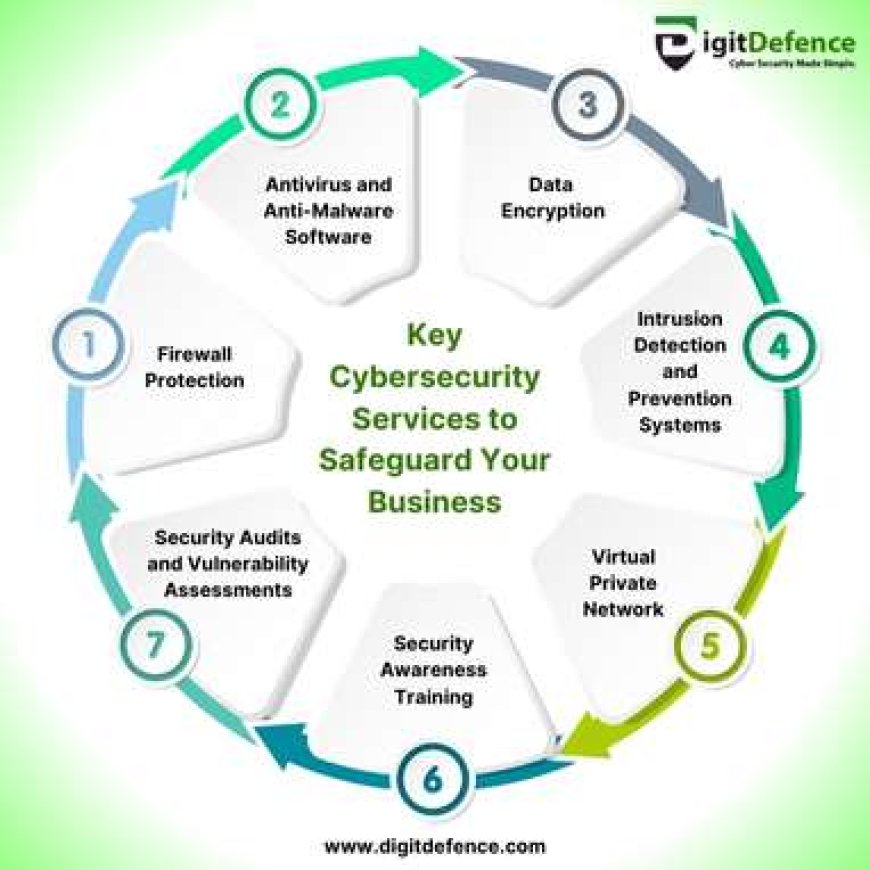
Depending on the provider and service plan, CSaaS may include security monitoring, threat detection, vulnerability assessments, incident response support, employee training, and help with security policies. Some providers focus on a specific area, while others offer a broader managed security program.

Common Cybersecurity as a Service Offerings

  • Security monitoring: Reviewing activity across networks, devices, cloud environments, and applications to identify suspicious behavior.
  • Managed detection and response: Investigating potential threats and helping contain or remediate them. The exact level of response varies by provider and contract.
  • Vulnerability management: Identifying weaknesses in systems and helping prioritize fixes based on risk.
  • Endpoint protection: Managing security for computers, mobile devices, and servers.
  • Cloud security: Helping protect cloud accounts, workloads, data, and configurations.
  • Identity and access management: Supporting controls such as multifactor authentication, role-based access, and account reviews.
  • Security awareness training: Teaching employees how to recognize phishing, handle sensitive information, and report concerns.
  • Incident response planning: Preparing procedures and providing support when a security event occurs.

Why Businesses Choose CSaaS

Access to specialized expertise: Security providers may bring experience across different technologies and threat scenarios. This can be valuable for organizations that do not have a dedicated security team.

Ongoing coverage: Security risks do not follow business hours. Some services provide continuous monitoring or on-call support, depending on the agreement.

Predictable costs: A subscription or managed-services arrangement can make security spending easier to plan than building every capability internally. Costs and included services vary, so it is important to review the full scope.

Room to scale: Services can often be adjusted as an organization adds employees, locations, applications, or cloud systems.

More focus on core work: By delegating selected security tasks, internal staff may have more time for other business priorities. Outsourcing does not remove the organization’s responsibility for managing risk, however.

What CSaaS Does Not Do

Cybersecurity as a Service is not a guarantee that an organization will never experience a breach. No provider can eliminate every risk, and technology alone cannot prevent every incident. Effective security still depends on clear policies, reliable backups, timely software updates, appropriate access controls, and informed employees.

Responsibility is also shared. The provider may operate specific tools or monitor defined systems, while the customer remains responsible for decisions such as approving access, protecting business data, and following applicable legal or regulatory requirements. Those boundaries should be documented before service begins.

How to Choose a Provider

Start by identifying the problems the service needs to solve. A business seeking help with after-hours monitoring may need a different arrangement from one preparing for a compliance review or improving cloud security.

  • Define the scope: Confirm which systems, locations, users, and data are covered—and which are not.
  • Understand response procedures: Ask who investigates alerts, who can take action, how quickly the provider responds, and when the business will be contacted.
  • Review service levels: Look for clear commitments about availability, response times, reporting, and escalation. Check how those commitments are measured.
  • Ask about data handling: Understand what information the provider collects, where it is stored, who can access it, and how it is protected.
  • Check experience and references: Look for experience with organizations of a similar size, industry, and technology environment.
  • Clarify responsibilities: Establish who manages software updates, account permissions, investigations, backups, and incident communications.
  • Plan for continuity: Ask how service handoffs, data access, and security operations will work if the contract ends.

Making the Most of the Service

Before onboarding, create an accurate inventory of devices, applications, cloud services, and important data. Share existing policies and known risks with the provider, and identify internal contacts who can make decisions during an incident. Regularly review reports and hold meetings to discuss unresolved issues, changing business needs, and recommended improvements.

It is also important to test the relationship before an emergency. Tabletop exercises and incident-response drills can reveal unclear responsibilities and communication gaps while there is still time to address them.

Conclusion

Cybersecurity as a Service can help businesses access security expertise and ongoing support without building every capability in-house. The value depends on choosing services that match actual risks, defining responsibilities clearly, and staying actively involved. With a well-scoped agreement and sound internal practices, CSaaS can become a practical part of a broader cybersecurity program.


Top 5 Advantages of Cybersecurity as a Service for Your Business

  1. Access to specialized security expertise
  2. Continuous threat monitoring
  3. Predictable subscription costs
  4. Scales with business needs
  5. Frees staff to focus on core work


7 Potential Drawbacks of Cybersecurity as a Service: Costs, Control, and More

  1. Ongoing subscription costs can add up.
  2. Less direct control over security operations.
  3. Service quality varies between providers.
  4. Sensitive data may be shared with a vendor.
  5. Response times may depend on the service agreement.
  6. Integrating tools can be complex.
  7. Outsourcing does not eliminate business risk.

Access to specialized security expertise

Cybersecurity as a Service gives businesses access to specialized security expertise without requiring them to hire and maintain a large in-house team. Providers bring experience with evolving threats, security tools, and industry practices, helping organizations identify risks, strengthen defenses, and respond to potential incidents. This expertise can be especially valuable for small and midsize businesses that need knowledgeable support but may not have the resources to build a dedicated security department.

Continuous threat monitoring

Continuous threat monitoring helps organizations spot suspicious activity as it happens, rather than discovering it after significant damage has occurred. A cybersecurity provider can monitor networks, devices, and cloud systems around the clock, investigate alerts, and notify the right people when action is needed. This ongoing visibility can help businesses respond to emerging threats more quickly, even when their internal team is unavailable.

Predictable subscription costs

Cybersecurity as a Service can make security spending more predictable through a regular subscription fee. Instead of making large upfront investments in tools, hiring, and ongoing maintenance, businesses can budget for an agreed set of services each month or year. Costs depend on the provider and scope, so reviewing what’s included—and what may incur extra charges—helps avoid surprises.

Scales with business needs

Cybersecurity as a Service can scale as your business changes. You can adjust coverage as you add employees, open new locations, adopt cloud tools, or face new security requirements—without having to build an entirely new in-house security team. This flexibility helps keep protection aligned with your needs and budget as your organization grows.

Frees staff to focus on core work

Cybersecurity as a Service can free employees from time-consuming security tasks, such as monitoring alerts, managing tools, and tracking routine updates. With a specialized provider handling agreed-upon responsibilities, your team can spend more time on the work that directly supports your business goals. Outsourcing security does not eliminate the need for internal oversight, but it can help staff focus their attention where it matters most.

Ongoing subscription costs can add up.

Ongoing subscription costs for cybersecurity as a service can add up over time, especially as a business grows or adds more users, devices, and security features. What starts as a manageable monthly expense may become a significant part of the IT budget, so it’s important to review pricing, renewal terms, and potential add-on fees regularly. Compare the total long-term cost with the value and coverage provided to make sure the service continues to fit your needs.

Less direct control over security operations.

One potential drawback of cybersecurity as a service is having less direct control over day-to-day security operations. When an outside provider manages monitoring, tools, or incident response, your team may have limited visibility into how decisions are made or how quickly actions are taken. This can create challenges if the provider’s procedures do not align with your business priorities. To reduce the risk, define responsibilities, approval requirements, reporting expectations, and escalation procedures clearly in the service agreement.

Service quality varies between providers.

Service quality can vary significantly between cybersecurity providers, making it difficult to know what level of protection you’ll receive. Providers may differ in their expertise, monitoring capabilities, response times, communication, and the tools they use. A service that sounds comprehensive may also have important limits in its contract. Before choosing a provider, review exactly what’s included, ask how incidents are handled, and check references to ensure the service meets your organization’s needs.

Sensitive data may be shared with a vendor.

One potential drawback of cybersecurity as a service is that protecting your systems may require sharing sensitive data with an outside vendor. Depending on the service, the provider could access security logs, user information, system configurations, or other confidential details. This creates additional privacy and data-protection risks, especially if the vendor’s controls or practices are inadequate. Before signing an agreement, review what data will be collected, how it will be stored and protected, who can access it, and whether it will be shared with subcontractors.

Response times may depend on the service agreement.

Response times for cybersecurity as a service can depend on the terms of the service agreement. A provider may prioritize incidents according to severity, offer different response levels for different plans, or limit support to certain hours. If those details are unclear, a business could wait longer than expected for help during a security incident. Before signing, confirm response-time commitments, after-hours coverage, escalation procedures, and what actions the provider is authorized to take.

Integrating tools can be complex.

Integrating cybersecurity tools can be complex, especially when a provider’s platforms need to work with existing networks, cloud services, and business applications. Compatibility issues, duplicated alerts, or gaps in data sharing can make it harder to get a clear view of security risks. Setup may also require changes to workflows and access controls, so businesses should clarify integration requirements, responsibilities, and ongoing support before adopting a service.

Outsourcing does not eliminate business risk.

Outsourcing cybersecurity can add valuable expertise and support, but it does not eliminate a business’s responsibility for managing risk. The provider can only protect the systems, data, and processes covered by the agreement, and gaps in scope, communication, or internal practices may leave the organization exposed. Businesses still need to make informed security decisions, maintain sound policies, train employees, and understand who is responsible for each task—especially during an incident.