


Enhancing Business Resilience: Comprehensive Cyber Security Services for Companies
The Importance of Cyber Security Services for Companies
In today’s digital age, cyber threats are becoming more sophisticated and prevalent than ever before. Companies of all sizes are at risk of cyber attacks that can result in data breaches, financial losses, and damage to their reputation. This is why investing in robust cyber security services is crucial for the protection of sensitive information and the continuity of business operations.
Key Benefits of Cyber Security Services for Companies:
- Protection from Cyber Attacks: Cyber security services help companies defend against various cyber threats such as malware, ransomware, phishing attacks, and more.
- Data Protection: By implementing encryption, access controls, and data backup solutions, companies can safeguard their valuable data from unauthorized access or loss.
- Compliance with Regulations: Many industries have strict data protection regulations that companies must comply with. Cyber security services ensure that businesses meet these requirements to avoid legal repercussions.
- Enhanced Business Continuity: In the event of a cyber attack or system failure, having robust cyber security measures in place can minimize downtime and ensure business continuity.
- Reputation Management: A data breach or security incident can severely damage a company’s reputation. Cyber security services help prevent such incidents and maintain customer trust.
Types of Cyber Security Services Offered to Companies:
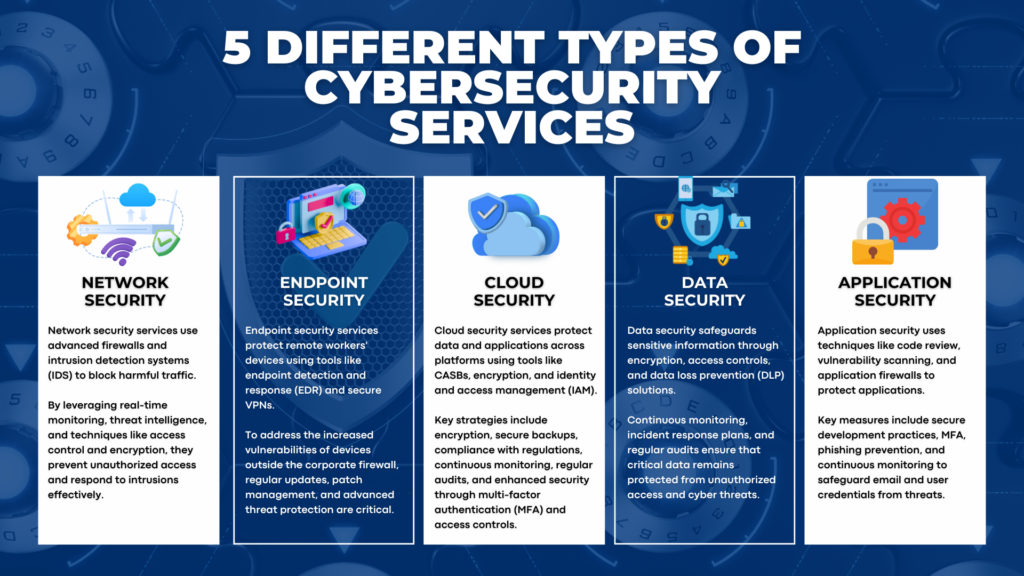
Companies can benefit from a range of cyber security services tailored to their specific needs, including:
- Network Security: Protecting networks from unauthorized access and potential intrusions.
- Endpoint Security: Securing endpoints such as laptops, desktops, and mobile devices from malware and other threats.
- Incident Response: Developing response plans to quickly address and mitigate cyber security incidents.
- Vulnerability Assessment: Identifying weaknesses in systems and applications to proactively address potential security risks.
- Security Awareness Training: Educating employees on best practices for maintaining a secure work environment.
Cyber security is not a one-time investment but an ongoing process that requires continuous monitoring, updates, and adaptation to evolving threats. By partnering with reputable cyber security service providers, companies can stay ahead of cyber criminals and protect their assets effectively.
Essential Cybersecurity Tips for Companies: Strengthen Your Defense with These 6 Strategies
- Regularly update software and systems to patch security vulnerabilities.
- Implement strong password policies and enable multi-factor authentication.
- Train employees on cybersecurity best practices and how to recognize phishing attempts.
- Secure company devices with encryption and remote wipe capabilities in case of loss or theft.
- Back up important data regularly to prevent data loss from ransomware attacks or hardware failures.
- Monitor network traffic for suspicious activity and invest in intrusion detection/prevention systems.
Regularly update software and systems to patch security vulnerabilities.
Regularly updating software and systems is a crucial aspect of maintaining strong cyber security for companies. By applying patches and updates promptly, organizations can address known security vulnerabilities and reduce the risk of exploitation by cyber attackers. Keeping software and systems up to date ensures that they have the latest security features and fixes, enhancing overall protection against potential threats. Proactive maintenance through regular updates is a simple yet effective way to bolster the resilience of a company’s cyber defenses and safeguard sensitive data from potential breaches.
Implement strong password policies and enable multi-factor authentication.
To enhance cyber security measures, companies should implement strong password policies and enable multi-factor authentication. Strong password policies require employees to create complex passwords that are difficult to guess, thereby reducing the risk of unauthorized access to sensitive information. Multi-factor authentication adds an extra layer of security by requiring users to provide additional verification beyond just a password, such as a code sent to their mobile device. These measures significantly strengthen defenses against cyber threats and help safeguard company data from potential breaches.
Train employees on cybersecurity best practices and how to recognize phishing attempts.
Training employees on cybersecurity best practices and how to recognize phishing attempts is a crucial step in enhancing a company’s overall cyber security posture. By educating staff members on the importance of strong passwords, identifying suspicious emails, and being cautious of clicking on unknown links or attachments, organizations can significantly reduce the risk of falling victim to cyber attacks. Empowering employees with the knowledge and skills to detect and report potential security threats not only helps protect sensitive data but also strengthens the company’s defense against evolving cyber threats.
Secure company devices with encryption and remote wipe capabilities in case of loss or theft.
To enhance cyber security measures for companies, it is crucial to secure company devices with encryption and remote wipe capabilities in case of loss or theft. By encrypting sensitive data stored on devices, companies can protect information from unauthorized access even if the device falls into the wrong hands. Additionally, enabling remote wipe capabilities allows companies to remotely erase data on lost or stolen devices, minimizing the risk of data breaches and ensuring that confidential information remains secure. This proactive approach helps companies mitigate potential risks and safeguard their valuable assets effectively.
Back up important data regularly to prevent data loss from ransomware attacks or hardware failures.
Regularly backing up important data is a crucial practice for companies to prevent data loss from ransomware attacks or hardware failures. By maintaining up-to-date backups of critical information, businesses can ensure that they have copies of their data available in case of a cyber incident or system malfunction. This proactive approach not only safeguards against potential data breaches but also enables quick recovery and minimal disruption to operations in the event of an unforeseen event. Implementing a robust backup strategy is an essential component of a comprehensive cyber security plan for companies looking to protect their valuable assets and maintain business continuity.
Monitor network traffic for suspicious activity and invest in intrusion detection/prevention systems.
To enhance cyber security measures, companies should prioritize monitoring network traffic for any signs of suspicious activity. Investing in intrusion detection and prevention systems can help identify and mitigate potential threats before they escalate. By proactively monitoring network traffic and deploying robust security systems, companies can strengthen their defense against cyber attacks and safeguard their sensitive data from unauthorized access.