
cfchris.com

Loading

it strategy and consulting

Maximizing Business Success Through Effective IT Strategy and Consulting

Article: IT Strategy and Consulting

The Importance of IT Strategy and Consulting in Today’s Business World

In the fast-paced and ever-evolving landscape of technology, having a robust IT strategy is crucial for the success of any business. An effective IT strategy not only aligns technology with business goals but also ensures that resources are utilized efficiently to drive growth and innovation.

Benefits of IT Strategy and Consulting

Alignment with Business Objectives: A well-defined IT strategy ensures that technology initiatives are in sync with the overall objectives of the organization, enabling seamless integration and collaboration across departments.

Cost Optimization: Through strategic planning and consulting, businesses can identify areas where technology investments can be optimized to reduce costs while maximizing returns on investment.

Risk Management: IT strategy helps businesses mitigate risks associated with cybersecurity threats, data breaches, compliance issues, and technological disruptions by implementing proactive security measures and disaster recovery plans.

Innovation and Competitive Advantage: By leveraging cutting-edge technologies and innovative solutions, businesses can gain a competitive edge in the market, drive product development, enhance customer experience, and stay ahead of industry trends.

The Role of IT Consultants

IT consultants play a vital role in helping businesses develop and implement effective IT strategies tailored to their specific needs. These professionals bring expertise in technology trends, industry best practices, and project management to guide organizations through complex technological challenges.

From conducting comprehensive assessments of existing IT infrastructure to recommending solutions for optimization and growth, IT consultants provide valuable insights that empower businesses to make informed decisions that drive success.

Conclusion

In conclusion, investing in IT strategy and consulting is essential for businesses looking to thrive in today’s digital age. By aligning technology with business objectives, optimizing costs, managing risks effectively, fostering innovation, and leveraging the expertise of IT consultants, organizations can position themselves for sustainable growth and competitive advantage in an increasingly tech-driven world.


Understanding IT Strategy and Consulting: Key Questions Answered

  1. What is strategy and consulting?
  2. What does an IT strategy consultant do?
  3. What is the difference between strategy and technology consulting?
  4. What is the highest IT consultant salary?
  5. What is the difference between Accenture technology and strategy and consulting?
  6. Who are the big 4 strategy consultants?

What is strategy and consulting?

Strategy and consulting in the realm of IT refer to the process of developing a comprehensive plan that aligns technology initiatives with the overarching goals and objectives of an organization. IT strategy involves analyzing current technological infrastructure, identifying areas for improvement, and outlining a roadmap for implementing solutions that drive efficiency, innovation, and growth. Consulting in this context entails seeking expert advice and guidance from professionals who specialize in IT to navigate complex technological challenges, optimize resources, mitigate risks, and leverage cutting-edge solutions to achieve strategic business outcomes. By combining strategic planning with expert consultation, businesses can enhance their competitive edge and adapt to the rapidly evolving digital landscape effectively.

What does an IT strategy consultant do?

An IT strategy consultant plays a crucial role in helping businesses navigate the complex world of technology by providing expert guidance on developing and implementing effective IT strategies. These professionals work closely with organizations to assess their current IT infrastructure, identify areas for improvement, and align technology initiatives with business goals. IT strategy consultants leverage their knowledge of industry best practices, emerging technologies, and project management to design customized solutions that drive innovation, optimize resources, mitigate risks, and enhance overall operational efficiency. By collaborating with IT strategy consultants, businesses can gain valuable insights and expertise to make informed decisions that propel them towards success in today’s competitive digital landscape.

What is the difference between strategy and technology consulting?

When it comes to IT strategy and consulting, understanding the difference between strategy and technology consulting is essential. Strategy consulting focuses on aligning technology initiatives with overall business objectives, identifying opportunities for growth, and optimizing resources to drive innovation. On the other hand, technology consulting delves into the technical aspects of implementing solutions, evaluating systems, and providing expertise on specific technologies to enhance operational efficiency. While strategy consulting guides the overarching direction of IT investments, technology consulting offers specialized knowledge and implementation support to ensure that technology solutions are effectively integrated into the business environment. Both types of consulting play complementary roles in helping organizations achieve their IT goals and maximize the value of their technological investments.

What is the highest IT consultant salary?

The highest IT consultant salary can vary depending on factors such as experience, expertise, industry demand, and geographic location. In general, top-tier IT consultants with extensive experience and specialized skills in areas like cybersecurity, cloud computing, or data analytics can command high salaries. Salaries for IT consultants at senior levels in major tech hubs or consulting firms can reach six figures or more, reflecting the value placed on their strategic guidance and technical proficiency by organizations seeking to optimize their IT infrastructure and drive digital transformation initiatives.

What is the difference between Accenture technology and strategy and consulting?

When comparing Accenture Technology and Strategy and Consulting services, it’s essential to understand their distinct focuses. Accenture Technology primarily centers on delivering innovative technological solutions and implementing digital transformations for businesses. On the other hand, Accenture Strategy and Consulting concentrate on providing strategic advice, management consulting, and helping organizations navigate complex business challenges by aligning their operations with overarching goals. While both divisions are integral parts of Accenture’s offerings, Technology emphasizes technology-driven solutions, whereas Strategy and Consulting focus on holistic business strategy and operational excellence.

Who are the big 4 strategy consultants?

The “Big 4” strategy consultants refer to the four largest and most renowned consulting firms globally, namely McKinsey & Company, The Boston Consulting Group (BCG), Bain & Company, and Deloitte. These firms are highly respected for their expertise in providing strategic advice and consulting services to a wide range of industries and organizations. Known for their innovative approaches, deep industry knowledge, and track record of delivering impactful solutions, the Big 4 strategy consultants are trusted partners for businesses seeking to enhance their competitive edge and navigate complex challenges in today’s dynamic business environment.

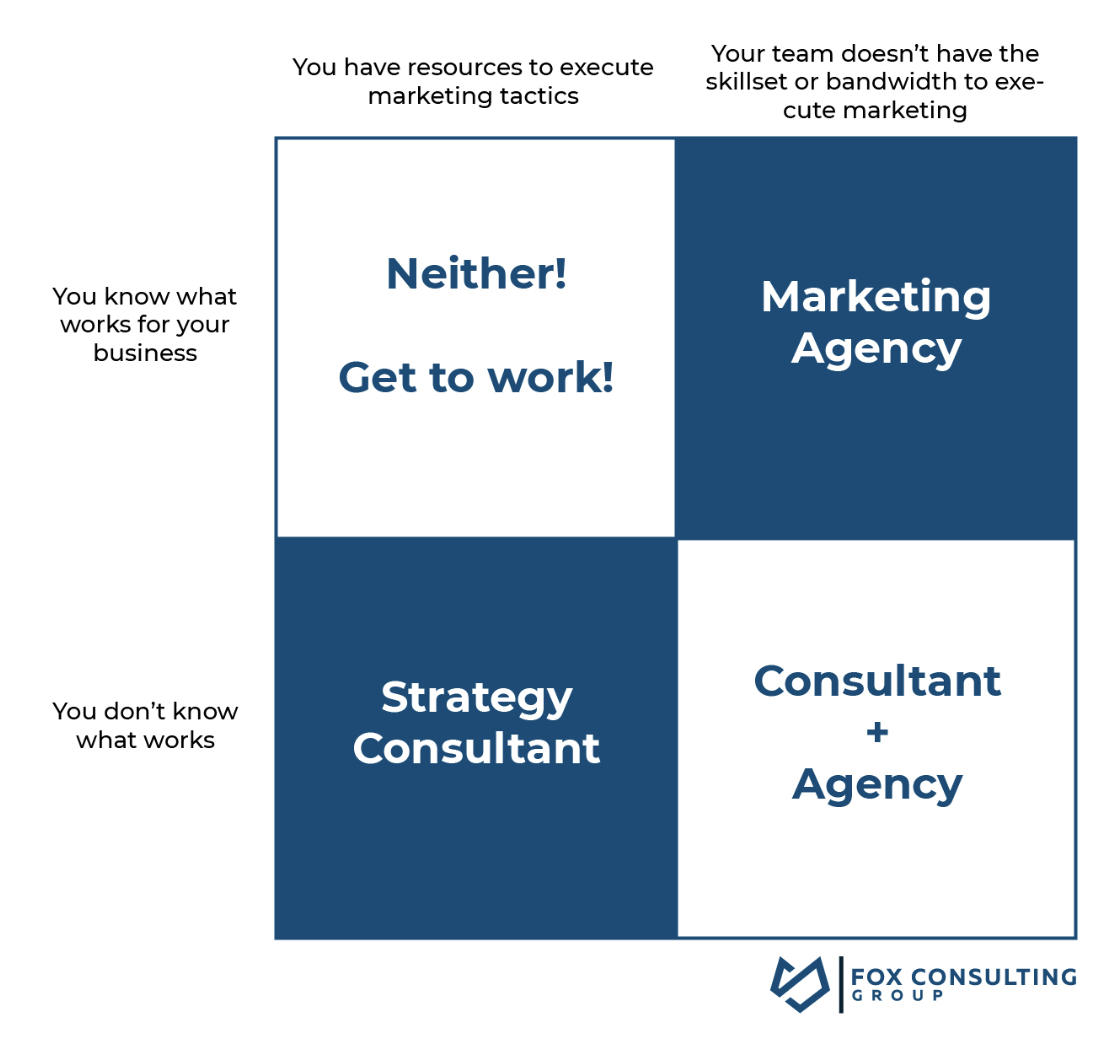
consulting

Unlocking Business Potential: The Power of Strategic Consulting Services

The Importance of Consulting Services in Today’s Business Landscape

Consulting services play a crucial role in helping businesses navigate the complexities of the modern marketplace. Whether it’s a small startup looking to scale up or a large corporation seeking operational efficiency, consulting firms provide valuable expertise and guidance to achieve their goals.

Strategic Planning and Decision-Making

One of the key benefits of consulting services is assisting businesses in strategic planning and decision-making. Consultants bring fresh perspectives and industry insights that can help organizations identify opportunities, mitigate risks, and make informed choices that align with their objectives.

Specialized Expertise

Consulting firms often have specialized expertise in various areas such as finance, marketing, human resources, technology, and more. This allows businesses to access a diverse range of skills and knowledge that may not be available internally, enabling them to address specific challenges effectively.

Efficiency and Cost-Effectiveness

By engaging consulting services, businesses can improve their operational efficiency and cost-effectiveness. Consultants can identify inefficiencies, streamline processes, implement best practices, and recommend innovative solutions that optimize performance and reduce expenses in the long run.

Change Management

In today’s dynamic business environment, change is constant. Consulting services help organizations manage change effectively by providing support in areas such as organizational restructuring, mergers and acquisitions, technology adoption, and cultural transformation. Consultants guide companies through transitions smoothly while minimizing disruptions.

Enhanced Competitive Advantage

Consulting services enable businesses to stay ahead of the competition by offering strategic insights and innovative solutions that differentiate them in the market. Consultants help companies capitalize on emerging trends, capitalize on new opportunities, and adapt to evolving customer demands to maintain a competitive edge.

Conclusion

In conclusion, consulting services are indispensable for businesses seeking growth, sustainability, and success in today’s fast-paced business landscape. By leveraging the expertise of consultants, organizations can overcome challenges, seize opportunities, drive innovation, and achieve their strategic objectives effectively.


Understanding Consulting: Common Questions Answered

  1. What is the role of a consultant?
  2. What does consulting company do?
  3. What do you mean by consulting?
  4. What exactly does consulting do?
  5. What does IT mean when someone is consulting?

What is the role of a consultant?

The role of a consultant is multifaceted and dynamic, encompassing a wide range of responsibilities aimed at providing expert guidance and solutions to clients. Consultants serve as trusted advisors, leveraging their specialized knowledge and experience to analyze complex business challenges, develop strategic recommendations, and implement tailored solutions that drive organizational success. They act as catalysts for change, helping businesses navigate uncertainties, optimize processes, enhance performance, and achieve their objectives effectively. Consultants also play a critical role in facilitating decision-making, fostering innovation, building capabilities, and fostering long-term partnerships with clients to ensure sustainable growth and competitive advantage in today’s competitive business environment.

What does consulting company do?

A consulting company provides expert advice and guidance to businesses across various industries. These firms offer specialized services in areas such as strategic planning, organizational development, process improvement, financial management, marketing strategies, and technology implementation. Consulting companies work closely with their clients to understand their unique challenges and goals, devising tailored solutions to address specific needs. By leveraging their industry knowledge, analytical skills, and experience, consulting companies help organizations optimize performance, drive growth, enhance efficiency, and achieve sustainable success in a competitive market environment.

What do you mean by consulting?

Consulting refers to the practice of providing expert advice, guidance, and solutions to individuals or organizations seeking assistance in specific areas of expertise. Consultants leverage their knowledge, skills, and experience to help clients address challenges, make informed decisions, and achieve their goals effectively. Consulting encompasses a wide range of services, including strategic planning, process improvement, problem-solving, and change management. Consultants work closely with clients to understand their unique needs and tailor solutions that drive success and growth.

What exactly does consulting do?

Consulting services encompass a wide range of activities aimed at providing expert advice and solutions to businesses across various industries. Consultants typically work closely with clients to analyze their current processes, identify areas for improvement, develop strategic plans, and implement effective solutions to enhance efficiency, profitability, and overall performance. Whether it’s advising on business strategy, operational optimization, technology implementation, or organizational change management, consulting plays a vital role in helping companies navigate challenges, seize opportunities, and achieve their goals successfully.

What does IT mean when someone is consulting?

When someone is consulting in the context of IT, it typically refers to the practice of seeking professional advice and guidance from experts in the field to address specific technology-related challenges or opportunities. IT consulting involves engaging with knowledgeable professionals who can offer strategic recommendations, technical expertise, and practical solutions tailored to meet the unique needs of an organization. Consultants may assist with various aspects of information technology, such as system design, implementation, cybersecurity, software development, network management, and more. By leveraging the insights and skills of IT consultants, businesses can enhance their IT capabilities, optimize processes, mitigate risks, and achieve their technology goals effectively.

Empowering Your Business with Expert Cybersecurity Consulting Services

The Importance of Cybersecurity Consulting for Businesses

The Importance of Cybersecurity Consulting for Businesses

In today’s digital age, cybersecurity is a critical concern for businesses of all sizes. With the increasing number of cyber threats and data breaches, it has become essential for companies to prioritize their cybersecurity measures. This is where cybersecurity consulting firms play a crucial role in helping businesses protect their sensitive information and maintain the integrity of their systems.

What is Cybersecurity Consulting?

Cybersecurity consulting involves working with experts who specialize in identifying vulnerabilities in a company’s IT infrastructure, developing security strategies, implementing protective measures, and providing ongoing support and monitoring. These consultants are trained to assess risks, detect potential threats, and recommend solutions to enhance the overall security posture of an organization.

The Benefits of Cybersecurity Consulting

Engaging with a cybersecurity consulting firm offers several benefits to businesses:

  • Risk Assessment: Consultants conduct thorough assessments to identify weaknesses and vulnerabilities in the company’s systems.
  • Customized Solutions: Consultants develop tailored security solutions that address the specific needs and challenges faced by the business.
  • 24/7 Monitoring: Many consulting firms provide continuous monitoring services to detect and respond to security incidents promptly.
  • Compliance Assistance: Consultants help businesses adhere to industry regulations and standards related to data protection.
  • Incident Response: In the event of a security breach, consultants assist in investigating the incident, mitigating damage, and implementing preventive measures for the future.

Choosing the Right Cybersecurity Consulting Firm

When selecting a cybersecurity consulting firm for your business, consider the following factors:

  • Experience: Look for firms with a proven track record of success in providing cybersecurity services.
  • Certifications: Ensure that consultants hold relevant certifications such as Certified Information Systems Security Professional (CISSP) or Certified Ethical Hacker (CEH).
  • Reputation: Check client reviews and testimonials to gauge the firm’s reputation and reliability.
  • Services Offered: Choose a firm that offers a comprehensive range of cybersecurity services tailored to your business needs.

In Conclusion

Cybersecurity consulting is an indispensable investment for businesses looking to safeguard their digital assets and maintain trust with their customers. By partnering with experienced consultants, companies can strengthen their defenses against cyber threats and ensure the resilience of their IT infrastructure in an increasingly interconnected world.


9 Benefits of a Cybersecurity Consulting Business: Protecting Your Data with Expertise and Efficiency

  1. Expertise in identifying and mitigating cybersecurity risks
  2. Customized security solutions tailored to the specific needs of each business
  3. Continuous monitoring to detect and respond to security incidents promptly
  4. Assistance in compliance with industry regulations and data protection standards
  5. Access to specialized tools and technologies for enhanced security measures
  6. Incident response support in the event of a security breach
  7. Training and awareness programs for employees to promote a culture of cybersecurity awareness
  8. Cost-effective compared to hiring full-time cybersecurity staff internally
  9. Peace of mind knowing that sensitive data is protected by professionals


Challenges of Engaging Cybersecurity Consulting Services: Cost, Trust, and Implementation

  1. Costly services may not be affordable for small businesses.
  2. Dependence on external consultants can lead to delays in response to security incidents.
  3. Potential conflicts of interest if the consulting firm is also affiliated with cybersecurity product vendors.
  4. Difficulty in finding a reputable and trustworthy consulting firm among the multitude of options available.
  5. Limited availability of specialized cybersecurity consultants with expertise in niche areas.
  6. Complexity of implementing recommended security measures and integrating them into existing IT systems.

Expertise in identifying and mitigating cybersecurity risks

Cybersecurity consulting firms offer invaluable expertise in identifying and mitigating cybersecurity risks, a crucial pro that can significantly enhance a business’s security posture. These experts possess the knowledge and tools to conduct thorough assessments of an organization’s IT infrastructure, pinpoint vulnerabilities, and develop effective strategies to address potential threats. By leveraging their specialized skills and experience, cybersecurity consultants can help businesses proactively protect their sensitive data, mitigate risks, and strengthen their overall cybersecurity defenses against evolving cyber threats.

Customized security solutions tailored to the specific needs of each business

Cybersecurity consulting firms offer a significant advantage by providing customized security solutions that are tailored to the unique needs of each business. This personalized approach ensures that companies receive targeted strategies and measures that address their specific vulnerabilities and challenges. By understanding the intricacies of a business’s IT infrastructure and operations, cybersecurity consultants can develop bespoke security plans that effectively mitigate risks and enhance overall protection. This tailored approach not only optimizes security measures but also reflects a proactive commitment to safeguarding the integrity of each client’s digital assets.

Continuous monitoring to detect and respond to security incidents promptly

Continuous monitoring provided by cybersecurity consulting firms is a valuable pro that enables businesses to swiftly detect and respond to security incidents. By implementing real-time monitoring tools and processes, consultants can identify potential threats as they occur, allowing for immediate action to mitigate risks and prevent further damage. This proactive approach not only enhances the overall security posture of the organization but also minimizes the impact of cybersecurity breaches, ultimately safeguarding sensitive data and preserving business continuity.

Assistance in compliance with industry regulations and data protection standards

Cybersecurity consulting firms provide valuable assistance to businesses by ensuring compliance with industry regulations and data protection standards. These experts have in-depth knowledge of the legal requirements and best practices related to cybersecurity, enabling them to guide companies in implementing the necessary measures to meet regulatory obligations. By partnering with cybersecurity consultants, businesses can mitigate the risk of non-compliance, protect sensitive information, and build trust with customers by demonstrating a commitment to safeguarding data privacy and security.

Access to specialized tools and technologies for enhanced security measures

Cybersecurity consulting firms offer businesses access to specialized tools and technologies that are specifically designed to enhance security measures. These advanced tools go beyond traditional security software and provide robust solutions for identifying vulnerabilities, detecting threats, and responding to cyber incidents effectively. By leveraging these cutting-edge technologies, businesses can strengthen their defenses against evolving cyber threats and safeguard their sensitive data with greater confidence and efficiency.

Incident response support in the event of a security breach

Incident response support is a crucial advantage of cybersecurity consulting services, especially in the event of a security breach. Cybersecurity consultants are equipped to swiftly and effectively respond to security incidents, minimizing the impact of the breach and mitigating further risks. Their expertise allows them to investigate the breach, identify the root cause, contain the damage, restore systems to normalcy, and implement preventive measures to prevent future breaches. This proactive approach not only helps businesses recover from security incidents efficiently but also strengthens their overall cybersecurity posture for enhanced protection against potential threats.

Training and awareness programs for employees to promote a culture of cybersecurity awareness

Training and awareness programs for employees are a valuable aspect of cybersecurity consulting services. By educating staff on best practices, potential risks, and how to identify and respond to security threats, businesses can cultivate a culture of cybersecurity awareness within their organization. These programs empower employees to play an active role in safeguarding sensitive data and systems, reducing the likelihood of human error leading to security breaches. With proper training and ongoing awareness initiatives, companies can enhance their overall security posture and create a more resilient defense against cyber threats.

Cost-effective compared to hiring full-time cybersecurity staff internally

One significant advantage of cybersecurity consulting services is their cost-effectiveness when compared to hiring full-time cybersecurity staff internally. By engaging a consulting firm, businesses can access a team of experienced professionals without the overhead costs associated with recruiting, training, and retaining in-house cybersecurity experts. Consulting firms offer flexible service options that allow companies to scale their security needs according to their requirements, ultimately saving on expenses while still receiving top-notch cybersecurity expertise and support.

Peace of mind knowing that sensitive data is protected by professionals

Entrusting your cybersecurity needs to a consulting firm provides a sense of peace of mind, knowing that your sensitive data is in the hands of experienced professionals. These experts are dedicated to safeguarding your information and implementing robust security measures to prevent unauthorized access and potential breaches. By relying on their expertise, businesses can focus on their core operations with confidence, knowing that their valuable data is being protected by knowledgeable professionals who prioritize the confidentiality and integrity of their digital assets.

Costly services may not be affordable for small businesses.

In the realm of cybersecurity consulting, a notable drawback is the potential high cost of services, which could pose a significant challenge for small businesses with limited budgets. The expenses associated with engaging cybersecurity consultants, implementing security measures, and maintaining ongoing support may exceed the financial capabilities of smaller enterprises. This affordability gap raises concerns about the accessibility of essential cybersecurity expertise and resources for businesses operating on a smaller scale, highlighting the need for cost-effective solutions tailored to accommodate the budget constraints of such organizations.

Dependence on external consultants can lead to delays in response to security incidents.

Dependence on external cybersecurity consulting firms can potentially result in delays in responding to security incidents within a business. Relying solely on external consultants may introduce communication barriers and procedural complexities that hinder swift incident response. In some cases, the need to engage with external parties for every security issue can lead to extended response times, leaving the organization vulnerable to prolonged exposure to cyber threats. It is crucial for businesses to strike a balance between leveraging external expertise and building internal capabilities to ensure timely and effective responses to security incidents.

Potential conflicts of interest if the consulting firm is also affiliated with cybersecurity product vendors.

Potential conflicts of interest may arise in the cybersecurity consulting business if the consulting firm is affiliated with cybersecurity product vendors. In such cases, there is a risk that the consulting firm may prioritize promoting and selling products from their affiliated vendors over providing unbiased advice tailored to the client’s specific needs. This conflict of interest could compromise the integrity of the consulting services and lead to recommendations that may not necessarily be in the best interest of the client’s cybersecurity posture. Businesses should be cautious when engaging with consulting firms that have close ties to cybersecurity product vendors to ensure that they receive impartial and objective guidance for their security needs.

Difficulty in finding a reputable and trustworthy consulting firm among the multitude of options available.

In the realm of cybersecurity consulting, a significant challenge that businesses face is the difficulty in identifying a reputable and trustworthy consulting firm from the vast array of options available in the market. With numerous firms claiming expertise in cybersecurity, distinguishing between genuine experts and those lacking credibility can be a daunting task. This con highlights the importance of thorough research, vetting processes, and seeking recommendations to ensure that businesses partner with a consulting firm that possesses the necessary skills, experience, and integrity to effectively safeguard their digital assets.

Limited availability of specialized cybersecurity consultants with expertise in niche areas.

The con of cybersecurity consulting business lies in the limited availability of specialized cybersecurity consultants with expertise in niche areas. As the field of cybersecurity continues to evolve and diversify, businesses may struggle to find consultants who possess in-depth knowledge and experience in specific, specialized areas of cybersecurity. This scarcity can hinder companies seeking tailored solutions to address unique security challenges, potentially leading to delays in implementing effective cybersecurity measures and leaving organizations vulnerable to sophisticated cyber threats that require niche expertise for mitigation.

The complexity of implementing recommended security measures and integrating them into existing IT systems poses a significant challenge for businesses engaging in cybersecurity consulting. The intricacies involved in aligning security protocols with the organization’s current infrastructure can lead to disruptions, compatibility issues, and potential downtime. It requires careful planning, coordination, and expertise to ensure a smooth transition while maintaining the integrity and functionality of the IT systems. Overcoming this con demands meticulous attention to detail, thorough testing, and ongoing monitoring to effectively fortify the company’s defenses against cyber threats without compromising operational efficiency.

software development and consulting

Empowering Businesses Through Expert Software Development and Consulting Services

Software Development and Consulting: A Comprehensive Guide

Software Development and Consulting: A Comprehensive Guide

In today’s digital age, software development and consulting play a crucial role in helping businesses navigate the complex world of technology. Whether you are looking to build a custom software solution or need expert advice on optimizing your IT infrastructure, software development and consulting services can provide you with the necessary expertise and support.

The Importance of Software Development

Software development is the process of designing, coding, testing, and maintaining software applications. It is essential for businesses looking to automate processes, enhance productivity, and stay ahead of the competition. Custom software solutions can be tailored to meet specific business needs, providing a competitive edge in today’s fast-paced market.

The Role of Consulting in Software Development

Consulting services complement software development by offering expert guidance on technology strategy, project management, and implementation best practices. Consultants work closely with clients to understand their goals and challenges, providing recommendations for optimizing existing systems or developing new solutions.

Benefits of Software Development and Consulting Services

  • Custom Solutions: Software development allows businesses to create tailored solutions that address their unique requirements.
  • Expert Guidance: Consulting services provide access to industry experts who can offer valuable insights and recommendations.
  • Increased Efficiency: Well-designed software solutions can streamline processes and improve overall efficiency within an organization.
  • Scalability: Custom software solutions can be easily scaled to accommodate business growth and changing needs.
  • Competitive Advantage: By leveraging cutting-edge technologies, businesses can gain a competitive edge in their industry.

Conclusion

In conclusion, software development and consulting services are essential for businesses looking to thrive in the digital landscape. By investing in custom software solutions and expert guidance, organizations can optimize their operations, drive innovation, and achieve long-term success. Whether you are a startup or an established enterprise, partnering with experienced professionals in software development and consulting can help you unlock your full potential in today’s technology-driven world.


Comparing Careers: Software Developer vs. Consultant – Roles, Transitions, and Salaries

  1. Which is better software developer or consultant?
  2. What does a software development consultant do?
  3. Can a software engineer get into consulting?
  4. What is the salary of consultant vs developer?

Which is better software developer or consultant?

When considering whether to pursue a career as a software developer or a consultant in the field of software development, it ultimately depends on individual preferences and career goals. As a software developer, one focuses on designing and building software applications, diving deep into coding and technical aspects. On the other hand, a consultant in software development provides strategic guidance, project management expertise, and solutions to clients’ technology challenges. Both roles have their unique advantages and require different skill sets. Software developers enjoy the creativity of coding and building tangible products, while consultants thrive on problem-solving, client interaction, and strategic planning. Ultimately, the choice between being a software developer or consultant boils down to personal interests, strengths, and career aspirations.

What does a software development consultant do?

A software development consultant plays a pivotal role in providing expert guidance and support to businesses seeking to enhance their software solutions. These professionals are adept at analyzing existing systems, identifying inefficiencies, and recommending tailored strategies to improve overall performance. From advising on technology stack selection and project planning to offering insights on best practices and industry trends, a software development consultant serves as a valuable partner in helping organizations achieve their software development goals efficiently and effectively. Their expertise lies in bridging the gap between business requirements and technical solutions, ensuring that each project is aligned with the client’s objectives and delivers optimal results.

Can a software engineer get into consulting?

Many software engineers often wonder if they can transition into consulting roles within the tech industry. The answer is yes! Software engineers possess valuable technical skills and problem-solving abilities that are highly sought after in consulting. By leveraging their expertise in software development, engineers can offer strategic guidance, project management support, and technical insights to clients seeking to optimize their IT infrastructure. Transitioning from a software engineering role to a consulting position can open up new opportunities for professional growth and allow individuals to apply their technical knowledge in a broader business context.

What is the salary of consultant vs developer?

When comparing the salaries of consultants versus developers in the field of software development and consulting, it is important to consider several factors. Consultants, who often possess specialized knowledge and expertise in various technologies and industries, tend to command higher salaries due to their strategic advisory role and ability to provide valuable insights to clients. On the other hand, developers, who focus on designing and coding software solutions, may have more standardized salary ranges based on their level of experience and technical skills. Ultimately, the salary difference between a consultant and a developer can vary depending on factors such as location, company size, project complexity, and individual qualifications.