
cfchris.com

Loading

23 nycrr 500

Navigating Compliance: Understanding the Impact of 23 NYCRR 500

Article: 23 NYCRR 500

Understanding 23 NYCRR 500: New York’s Cybersecurity Regulation

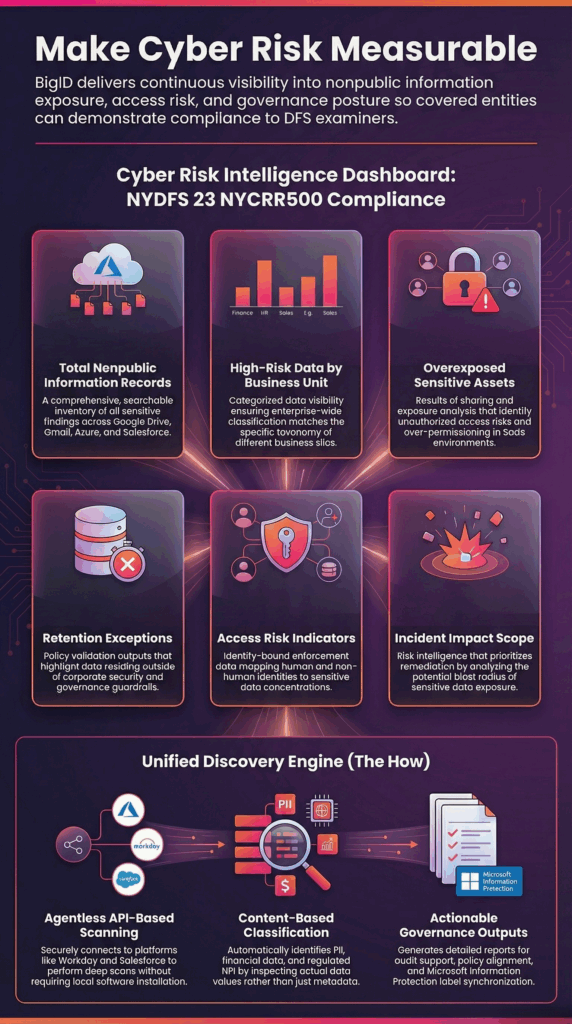
23 NYCRR 500 is a cybersecurity regulation issued by the New York State Department of Financial Services (DFS). This regulation aims to protect sensitive data and information held by financial institutions operating in New York.

Key Requirements of 23 NYCRR 500

The regulation mandates financial institutions to:

  • Establish a cybersecurity program designed to protect nonpublic information.
  • Conduct regular risk assessments and implement cybersecurity measures based on identified risks.
  • Implement multi-factor authentication for accessing internal systems and sensitive data.
  • Maintain an incident response plan to address and recover from cybersecurity events promptly.
  • Provide cybersecurity awareness training to employees to enhance overall security posture.
  • Engage third-party service providers who comply with the regulation’s requirements.

Implications for Financial Institutions

Compliance with 23 NYCRR 500 is crucial for financial institutions as non-compliance can lead to severe penalties, including fines and reputational damage. By adhering to the regulation, organizations can strengthen their cybersecurity defenses, reduce the risk of data breaches, and safeguard customer information.

Conclusion

23 NYCRR 500 sets a high standard for cybersecurity practices within the financial sector in New York. Financial institutions subject to this regulation must prioritize data protection, implement robust security measures, and continually assess and enhance their cybersecurity posture to mitigate risks effectively.

© 2022 CFChris. All rights reserved.


Strengthening Cybersecurity: 8 Key Benefits of 23 NYCRR 500 for New York Financial Institutions

  1. Enhances cybersecurity measures for financial institutions in New York
  2. Protects sensitive data and nonpublic information from cyber threats
  3. Mandates regular risk assessments to identify and address vulnerabilities
  4. Requires the implementation of multi-factor authentication for enhanced security
  5. Promotes cybersecurity awareness training among employees
  6. Establishes incident response plans to mitigate the impact of cyber incidents
  7. Encourages collaboration with compliant third-party service providers
  8. Helps organizations strengthen their overall security posture and reduce data breach risks


Challenges of 23 NYCRR 500: Compliance Costs, Complexity, and Third-Party Provider Burdens

  1. Compliance costs
  2. Complexity
  3. Burden on third-party providers

Enhances cybersecurity measures for financial institutions in New York

The implementation of 23 NYCRR 500 significantly enhances cybersecurity measures for financial institutions operating in New York. By mandating the establishment of robust cybersecurity programs, conducting regular risk assessments, and implementing multi-factor authentication, the regulation strengthens the overall security posture of these institutions. This proactive approach not only helps in safeguarding sensitive data but also aids in preventing cyber threats and potential breaches, ultimately fostering a more secure environment for both the institutions and their clients.

Protects sensitive data and nonpublic information from cyber threats

One significant advantage of 23 NYCRR 500 is its ability to safeguard sensitive data and nonpublic information from cyber threats. By requiring financial institutions to establish robust cybersecurity programs and implement protective measures, the regulation helps prevent unauthorized access, data breaches, and other cyber incidents that could compromise the security and confidentiality of valuable information. This proactive approach not only enhances data protection but also instills trust among stakeholders, demonstrating a commitment to maintaining the integrity and privacy of sensitive data in today’s digital landscape.

Mandates regular risk assessments to identify and address vulnerabilities

One significant advantage of 23 NYCRR 500 is that it mandates regular risk assessments to identify and address vulnerabilities. By requiring financial institutions to conduct these assessments, the regulation promotes proactive measures to enhance cybersecurity defenses. Identifying potential risks allows organizations to implement targeted security measures, prioritize resource allocation, and mitigate vulnerabilities before they can be exploited. This proactive approach not only strengthens the overall security posture of financial institutions but also helps in safeguarding sensitive data and information from potential cyber threats.

Requires the implementation of multi-factor authentication for enhanced security

One significant advantage of 23 NYCRR 500 is its requirement for the implementation of multi-factor authentication to enhance security measures. By mandating the use of multi-factor authentication, the regulation adds an extra layer of protection to sensitive data and internal systems within financial institutions. This additional security measure helps prevent unauthorized access and significantly reduces the risk of data breaches or cyber attacks. Overall, the emphasis on multi-factor authentication under 23 NYCRR 500 plays a crucial role in bolstering cybersecurity defenses and safeguarding confidential information effectively.

Promotes cybersecurity awareness training among employees

One significant advantage of 23 NYCRR 500 is that it promotes cybersecurity awareness training among employees. By requiring financial institutions to provide training on cybersecurity best practices, potential threats, and how to respond to security incidents, the regulation helps enhance the overall security posture of organizations. This proactive approach not only equips employees with the knowledge and skills needed to identify and mitigate cyber risks but also fosters a culture of cybersecurity consciousness within the workplace. Ultimately, promoting cybersecurity awareness training among employees can contribute to a stronger defense against cyber threats and safeguard sensitive information effectively.

Establishes incident response plans to mitigate the impact of cyber incidents

One significant advantage of 23 NYCRR 500 is that it requires financial institutions to establish incident response plans to mitigate the impact of cyber incidents. By mandating the development of structured procedures for responding to cybersecurity breaches, this regulation helps organizations effectively manage and contain threats, minimize potential damages, and swiftly recover from security incidents. Implementing robust incident response plans ensures that financial institutions can respond promptly and decisively in the event of a cyber attack, enhancing their overall resilience against evolving cyber threats.

Encourages collaboration with compliant third-party service providers

One significant benefit of 23 NYCRR 500 is that it encourages collaboration with compliant third-party service providers. By engaging with service providers who adhere to the regulation’s cybersecurity requirements, financial institutions can enhance the overall security of their operations. This collaboration ensures that sensitive data shared with third parties is adequately protected, reducing the risk of data breaches and strengthening the cybersecurity ecosystem within the financial sector. The emphasis on partnering with compliant providers fosters a culture of shared responsibility for cybersecurity and promotes a more secure environment for all stakeholders involved.

Helps organizations strengthen their overall security posture and reduce data breach risks

One of the key benefits of 23 NYCRR 500 is that it helps organizations strengthen their overall security posture and reduce the risks of data breaches. By mandating the establishment of robust cybersecurity programs, regular risk assessments, and the implementation of security measures tailored to identified risks, this regulation ensures that financial institutions operating in New York prioritize data protection and enhance their resilience against cyber threats. Compliance with 23 NYCRR 500 not only safeguards sensitive information but also contributes to a more secure and trustworthy financial ecosystem.

Compliance costs

Implementing and maintaining a cybersecurity program in accordance with 23 NYCRR 500 can pose a significant financial burden on financial institutions. The costs associated with meeting the regulation’s requirements, such as conducting regular risk assessments, implementing security measures, providing employee training, and engaging compliant third-party service providers, can add up quickly. These compliance costs may strain the resources of smaller institutions and require substantial investments in cybersecurity infrastructure and personnel to ensure ongoing adherence to the regulation.

Complexity

The complexity of the regulatory requirements outlined in 23 NYCRR 500 presents a significant challenge, particularly for smaller organizations with constrained resources. Interpreting and implementing the intricate guidelines can be daunting, leading to potential compliance issues and increased operational burdens. Smaller entities may struggle to navigate the nuanced provisions effectively, highlighting the need for additional support and guidance in meeting the stringent cybersecurity standards set forth by the regulation.

Burden on third-party providers

One significant con of 23 NYCRR 500 is the burden it places on third-party providers. Financial institutions are required to verify that their external service providers adhere to the regulation, introducing an additional layer of oversight and management. Ensuring compliance among third parties can be complex and time-consuming, as institutions must monitor and assess the cybersecurity practices of each vendor to maintain regulatory alignment. This added responsibility increases the administrative workload for financial organizations and may lead to challenges in coordinating and enforcing cybersecurity standards across multiple external entities.

for c

Enhancing Cybersecurity Measures for Businesses: A Vital Strategy in the Digital Age

The Importance of Cybersecurity for Businesses

The Importance of Cybersecurity for Businesses

In today’s digital age, cybersecurity has become a critical aspect for businesses of all sizes. With the increasing reliance on technology and the internet for day-to-day operations, protecting sensitive data and information has never been more important.

Cyberattacks are on the rise, with hackers constantly looking for vulnerabilities to exploit. A data breach can have devastating consequences for a business, including financial loss, damage to reputation, and legal implications. This is why implementing robust cybersecurity measures is essential.

Key Reasons Why Cybersecurity is Crucial for Businesses:

  • Data Protection: Safeguarding customer data, intellectual property, and other sensitive information from unauthorized access or theft.
  • Business Continuity: Preventing disruptions to operations caused by cyber incidents such as ransomware attacks or system breaches.
  • Compliance Requirements: Ensuring that businesses comply with data protection regulations and industry standards to avoid penalties and legal consequences.
  • Reputation Management: Building trust with customers by demonstrating a commitment to protecting their privacy and security.
  • Risk Mitigation: Identifying potential threats and vulnerabilities in advance to proactively mitigate risks before they turn into security breaches.

Investing in cybersecurity not only protects your business assets but also instills confidence in your stakeholders. By prioritizing cybersecurity, businesses can stay ahead of evolving threats and maintain a secure environment for their digital operations.


Understanding ‘For’ Loops in C: Common Questions and Examples

  1. What is the purpose of ‘for’ loop in C programming?
  2. How do you use ‘for’ loop to iterate over an array in C?
  3. Can you provide an example of a nested ‘for’ loop in C?
  4. What are the differences between ‘for’ and ‘while’ loops in C?
  5. How can I break out of a ‘for’ loop prematurely in C?

What is the purpose of ‘for’ loop in C programming?

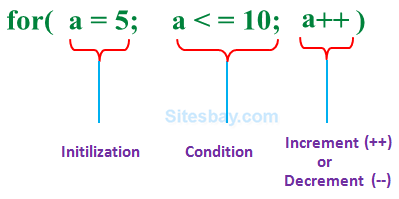
In C programming, the ‘for’ loop serves as a fundamental control structure that allows developers to execute a block of code repeatedly based on specified conditions. The primary purpose of the ‘for’ loop is to streamline repetitive tasks by defining initialization, condition, and iteration steps within a concise syntax. By using the ‘for’ loop effectively, programmers can efficiently iterate over data structures, perform calculations, and automate processes without the need for redundant code. This loop structure plays a crucial role in enhancing code readability, optimizing performance, and facilitating the implementation of iterative algorithms in C programs.

How do you use ‘for’ loop to iterate over an array in C?

In C programming, you can use a ‘for’ loop to iterate over an array by specifying the loop control variable to index through the elements of the array. The ‘for’ loop typically consists of three parts: initialization, condition, and increment/decrement. For iterating over an array, you would initialize the loop control variable to 0 (for the first element of the array), set the condition to check if the index is within the bounds of the array, and increment the index variable inside the loop to move to the next element in each iteration. By using a ‘for’ loop in this manner, you can access and process each element of the array sequentially.

Can you provide an example of a nested ‘for’ loop in C?

In C programming, a nested ‘for’ loop is a loop inside another loop. This allows for executing a set of statements multiple times in a structured manner. Here is an example of a nested ‘for’ loop in C:

“`c

#include

int main() {

int rows = 3;

int cols = 3;

for (int i = 0; i < rows; i++) {

for (int j = 0; j < cols; j++) {

printf(“(%d, %d) “, i, j);

}

printf(“\n”);

}

return 0;

}

“`

In this example, the outer ‘for’ loop iterates over the rows while the inner ‘for’ loop iterates over the columns within each row. This structure allows for efficiently handling two-dimensional arrays or performing operations on matrix-like data structures in C.

What are the differences between ‘for’ and ‘while’ loops in C?

In C programming, understanding the differences between ‘for’ and ‘while’ loops is essential for effective program flow control. The ‘for’ loop is typically used when the number of iterations is known beforehand, as it allows initializing a loop control variable, setting a condition for continuation, and updating the variable in a single line. On the other hand, the ‘while’ loop is more flexible and suitable for situations where the termination condition depends on runtime evaluation. It requires explicitly initializing the loop control variable before entering the loop and updating it within the loop body. Choosing between ‘for’ and ‘while’ loops in C depends on the specific requirements of the program and the nature of the iteration process.

How can I break out of a ‘for’ loop prematurely in C?

In C programming, you can break out of a ‘for’ loop prematurely using the ‘break’ statement. When a specific condition is met within the loop, you can use ‘break’ to immediately exit the loop and continue with the code execution following the loop. This allows for more flexibility and control over the flow of your program, especially when you need to terminate a loop before it reaches its natural end based on certain criteria.

cybersecurity

Enhancing Business Resilience Through Advanced Cybersecurity Solutions

The Importance of Cybersecurity in Today’s Digital World

The Importance of Cybersecurity in Today’s Digital World

In today’s interconnected world, where information is exchanged at lightning speed, cybersecurity has become more critical than ever before. With the rise of cyber threats and attacks, protecting sensitive data and systems has become a top priority for individuals, businesses, and governments alike.

Why is Cybersecurity Important?

Cybersecurity is essential for several reasons:

  • Data Protection: Cybersecurity helps safeguard sensitive information such as personal data, financial records, and intellectual property from unauthorized access or theft.
  • Prevention of Cyber Attacks: Implementing robust cybersecurity measures can help prevent cyber attacks such as malware infections, phishing scams, ransomware attacks, and more.
  • Business Continuity: By securing digital assets and systems, organizations can ensure continuity of operations even in the face of potential cyber threats.
  • Reputation Management: A data breach or security incident can severely damage an organization’s reputation. Strong cybersecurity practices help maintain trust with customers and stakeholders.
  • Compliance Requirements: Many industries have regulatory requirements for data protection. Adhering to cybersecurity best practices ensures compliance with relevant laws and standards.

Cybersecurity Best Practices

To enhance cybersecurity posture, organizations and individuals should follow these best practices:

  1. Use Strong Passwords: Create unique passwords for each account and use multi-factor authentication where possible.
  2. Keep Software Updated: Regularly update operating systems, applications, and security software to patch vulnerabilities.
  3. Educate Users: Train employees on cybersecurity awareness to recognize phishing attempts and other social engineering tactics.
  4. Secure Networks: Implement firewalls, encryption protocols, and secure Wi-Fi networks to protect data in transit.
  5. Data Backup: Regularly back up important data to ensure quick recovery in case of a cyber incident.

The Future of Cybersecurity

As technology continues to advance rapidly, the landscape of cybersecurity will evolve as well. Artificial intelligence (AI), machine learning, blockchain technology, and other innovations will play a crucial role in enhancing cybersecurity defenses against sophisticated threats.

In conclusion, investing in robust cybersecurity measures is not just an option but a necessity in today’s digital age. By staying vigilant and proactive in defending against cyber threats, individuals and organizations can protect their assets and maintain trust in an increasingly interconnected world.


6 Essential Cybersecurity Tips to Protect Your Digital Life

  1. Keep your software and systems updated regularly to patch security vulnerabilities.
  2. Use strong, unique passwords for each of your accounts and enable two-factor authentication when possible.
  3. Be cautious of phishing emails and messages that may try to trick you into revealing sensitive information.
  4. Avoid connecting to public Wi-Fi networks for sensitive activities unless you use a virtual private network (VPN).
  5. Regularly back up your important data to a secure location to prevent data loss from cyber attacks.
  6. Educate yourself about cybersecurity best practices and stay informed about current threats and trends.

Keep your software and systems updated regularly to patch security vulnerabilities.

Keeping your software and systems updated regularly is a crucial tip for enhancing cybersecurity. By applying the latest patches and updates, you can effectively address known security vulnerabilities and protect your digital assets from potential cyber threats. Proactively maintaining up-to-date software not only strengthens your defense against malicious attacks but also ensures the overall integrity and resilience of your systems in today’s constantly evolving threat landscape.

Use strong, unique passwords for each of your accounts and enable two-factor authentication when possible.

It is crucial to prioritize cybersecurity by using strong, unique passwords for every account you have and enabling two-factor authentication whenever possible. By creating complex and distinct passwords for each account, you add an extra layer of protection against unauthorized access. Two-factor authentication provides an additional security measure by requiring a second form of verification, such as a code sent to your phone, further safeguarding your accounts from potential breaches. Implementing these practices significantly enhances the security of your online presence and helps prevent cyber threats.

Be cautious of phishing emails and messages that may try to trick you into revealing sensitive information.

It is crucial to exercise caution when dealing with phishing emails and messages that attempt to deceive individuals into disclosing sensitive information. These fraudulent communications often impersonate trusted entities or use urgent language to prompt recipients to click on malicious links or provide personal data. By remaining vigilant and verifying the authenticity of such communications, individuals can protect themselves from falling victim to phishing scams and safeguard their sensitive information from unauthorized access.

Avoid connecting to public Wi-Fi networks for sensitive activities unless you use a virtual private network (VPN).

When it comes to cybersecurity, it is crucial to avoid connecting to public Wi-Fi networks for sensitive activities unless you use a virtual private network (VPN). Public Wi-Fi networks are often unsecured, making them vulnerable to cyber attacks and data breaches. By using a VPN, you can encrypt your internet connection and add an extra layer of security, ensuring that your sensitive information remains protected while using public Wi-Fi. It is a simple yet effective measure to safeguard your online activities and maintain your privacy in an increasingly digital world.

Regularly back up your important data to a secure location to prevent data loss from cyber attacks.

Regularly backing up your important data to a secure location is a crucial cybersecurity tip that can help prevent data loss in the event of a cyber attack. By maintaining up-to-date backups of your critical information, you create a safety net that allows you to recover quickly and effectively in case of ransomware, malware, or other cyber threats. This proactive measure not only safeguards your valuable data but also ensures business continuity and minimizes the impact of potential security incidents.

It is crucial to educate yourself about cybersecurity best practices and stay informed about current threats and trends to protect your digital assets effectively. By understanding how to secure your online presence and being aware of the latest cybersecurity risks, you can proactively defend against potential cyber attacks. Continuous learning and staying up-to-date with evolving threats empower you to make informed decisions to enhance your overall cybersecurity posture and safeguard your sensitive information in today’s constantly evolving digital landscape.