

cfchris.com

Loading

lead software engineer

The Essential Role of a Lead Software Engineer in Driving Innovation

Article: Lead Software Engineer

The Role of a Lead Software Engineer

A lead software engineer plays a crucial role in the development and implementation of software projects. This position requires a unique blend of technical expertise, leadership skills, and project management abilities.

Technical Expertise

Lead software engineers are highly skilled professionals with a deep understanding of programming languages, software development methodologies, and best practices. They are responsible for designing complex systems, writing efficient code, and ensuring the overall quality of the software product.

Leadership Skills

As leaders within their teams, lead software engineers provide guidance and direction to junior developers. They mentor team members, facilitate knowledge sharing, and promote a collaborative work environment. Effective communication and decision-making are essential qualities for success in this role.

Project Management Abilities

Lead software engineers are often tasked with overseeing the entire software development lifecycle. This includes planning project timelines, setting goals and milestones, coordinating resources, and managing risks. They work closely with stakeholders to ensure that projects are delivered on time and within budget.

Conclusion

In conclusion, the role of a lead software engineer is multifaceted and demanding. It requires a unique combination of technical expertise, leadership skills, and project management abilities. Lead software engineers play a critical role in driving innovation, delivering high-quality software solutions, and leading successful development teams.


9 Essential Tips for Excelling as a Lead Software Engineer

  1. 1. Develop strong technical and leadership skills.
  2. 2. Stay updated with the latest technologies and trends in software development.
  3. 3. Foster a collaborative team environment to encourage innovation and problem-solving.
  4. 4. Prioritize tasks effectively to meet project deadlines and goals.
  5. 5. Communicate clearly and effectively with team members, stakeholders, and clients.
  6. 6. Mentor junior engineers to help them grow in their careers.
  7. 7. Take ownership of projects and drive them to successful completion.
  8. 8. Continuously seek feedback for self-improvement and growth.
  9. 9. Stay organized by using project management tools and techniques.

1. Develop strong technical and leadership skills.

To excel as a lead software engineer, it is essential to focus on developing strong technical and leadership skills. Mastering programming languages, understanding software development methodologies, and staying updated on industry trends will enhance your technical expertise. Additionally, honing leadership abilities such as effective communication, mentorship, and decision-making will empower you to guide and inspire your team towards success. Striking a balance between technical proficiency and leadership acumen is key to thriving in the dynamic and challenging role of a lead software engineer.

It is essential for a lead software engineer to stay updated with the latest technologies and trends in software development. By staying informed about new tools, frameworks, and methodologies, a lead software engineer can ensure that their team is utilizing the most efficient and effective solutions for project development. Keeping abreast of industry advancements also allows them to make informed decisions, adapt to changing requirements, and maintain a competitive edge in the fast-paced world of software engineering.

3. Foster a collaborative team environment to encourage innovation and problem-solving.

Fostering a collaborative team environment is essential for a lead software engineer to encourage innovation and problem-solving. By promoting open communication, sharing ideas, and working together towards common goals, team members can leverage their diverse skills and perspectives to tackle complex challenges effectively. A collaborative atmosphere not only boosts creativity but also enhances productivity, leading to the development of innovative solutions that drive continuous improvement within the team and contribute to the overall success of software projects.

4. Prioritize tasks effectively to meet project deadlines and goals.

Effective task prioritization is essential for lead software engineers to successfully meet project deadlines and goals. By prioritizing tasks based on their importance and urgency, lead software engineers can ensure that critical aspects of the project are addressed first, maximizing productivity and minimizing delays. This approach helps in maintaining focus, allocating resources efficiently, and ultimately delivering high-quality software solutions within the specified timeframe.

5. Communicate clearly and effectively with team members, stakeholders, and clients.

To excel as a lead software engineer, it is essential to prioritize clear and effective communication with team members, stakeholders, and clients. Open and transparent communication fosters collaboration, ensures alignment on project goals, and helps in managing expectations. By articulating ideas, requirements, and progress in a concise manner, lead software engineers can build trust, resolve issues efficiently, and ultimately deliver successful software projects that meet the needs of all involved parties.

6. Mentor junior engineers to help them grow in their careers.

Mentoring junior engineers is a crucial aspect of being a lead software engineer. By guiding and supporting less experienced team members, lead software engineers not only contribute to the growth and development of junior engineers but also help build a strong and capable team. Providing mentorship creates a positive learning environment where junior engineers can enhance their skills, gain valuable insights, and progress in their careers. This collaborative approach fosters a culture of continuous learning and improvement within the team, ultimately leading to greater success in software development projects.

7. Take ownership of projects and drive them to successful completion.

Taking ownership of projects and driving them to successful completion is a key trait of a lead software engineer. By assuming responsibility for the entire project lifecycle, from planning to execution, a lead software engineer demonstrates leadership and commitment to achieving goals. This proactive approach not only ensures that projects are delivered on time and within scope but also fosters a sense of accountability within the development team. Embracing ownership empowers lead software engineers to make informed decisions, overcome challenges, and ultimately drive innovation in software development processes.

8. Continuously seek feedback for self-improvement and growth.

Continuously seeking feedback is a valuable tip for lead software engineers looking to enhance their skills and foster personal growth. By actively soliciting input from colleagues, team members, and supervisors, lead software engineers can gain valuable insights into their performance, identify areas for improvement, and refine their leadership approach. Embracing feedback as a tool for self-improvement not only helps lead software engineers enhance their technical abilities but also strengthens their communication skills and fosters a culture of continuous learning within their teams.

9. Stay organized by using project management tools and techniques.

Staying organized is essential for a lead software engineer to effectively manage projects and teams. Utilizing project management tools and techniques can streamline workflows, improve communication, and ensure that tasks are completed on time. By implementing tools such as task trackers, Gantt charts, and agile methodologies, lead software engineers can maintain clarity on project progress, identify potential bottlenecks, and allocate resources efficiently. Embracing these organizational strategies helps lead software engineers stay on top of deadlines and deliver high-quality software solutions effectively.

ibm software engineer

Exploring the Role of an IBM Software Engineer in Cutting-Edge Technology Projects

IBM Software Engineer

The Role of an IBM Software Engineer

IBM, a global technology company, offers exciting opportunities for software engineers to work on cutting-edge projects that drive innovation and impact millions of users worldwide.

Responsibilities of an IBM Software Engineer

As an IBM software engineer, you will be responsible for designing, developing, and testing software solutions that meet the needs of clients and contribute to IBM’s reputation as a leader in the tech industry. Your day-to-day tasks may include:

  • Collaborating with cross-functional teams to define project requirements
  • Writing clean, efficient code using programming languages such as Java, Python, or C++
  • Testing and debugging software applications to ensure they meet quality standards
  • Implementing new features and enhancements based on user feedback
  • Staying up-to-date with emerging technologies and best practices in software development

Skills Required

To excel as an IBM software engineer, you should possess a combination of technical skills, problem-solving abilities, and teamwork. Some key skills required for this role include:

  • Proficiency in programming languages and development tools
  • Strong analytical skills to troubleshoot complex issues
  • Excellent communication skills for effective collaboration with team members and clients
  • Adaptability to work in a fast-paced environment with evolving project requirements
  • A passion for learning and continuous improvement in software engineering practices

Career Growth at IBM

IBM values career development and provides opportunities for software engineers to enhance their skills through training programs, mentorship, and exposure to diverse projects. With a strong emphasis on innovation and creativity, IBM fosters a culture where employees can thrive and make meaningful contributions to the tech industry.

In Conclusion

Becoming an IBM software engineer opens doors to a dynamic career path filled with challenges and rewards. If you are passionate about technology and eager to make a difference through your work, consider exploring the opportunities available at IBM as a software engineer.


Top 9 Benefits of Being an IBM Software Engineer

  1. Opportunity to work on cutting-edge projects
  2. Access to advanced technology and tools
  3. Collaborative work environment with talented professionals
  4. Career development and growth opportunities
  5. Global reach and impact through IBM’s diverse client base
  6. Competitive salary and benefits package
  7. Prestigious reputation of working for a leading tech company
  8. Training programs to enhance technical skills and knowledge
  9. Innovation-driven culture that encourages creativity


7 Challenges Faced by IBM Software Engineers

  1. High pressure to meet project deadlines
  2. Limited work-life balance during peak periods
  3. Complex organizational structure can slow decision-making
  4. Limited opportunities for remote work
  5. Possibility of frequent travel for client engagements
  6. Competitive environment may lead to long working hours
  7. Technical challenges can be demanding and require continuous learning

Opportunity to work on cutting-edge projects

Working as an IBM software engineer provides the unique opportunity to engage with cutting-edge projects that are at the forefront of technological innovation. IBM is renowned for its commitment to pushing the boundaries of what’s possible, which means engineers often find themselves working on pioneering technologies such as artificial intelligence, quantum computing, and cloud solutions. This exposure not only enhances technical skills but also allows engineers to contribute to projects that have a significant impact on industries and society at large. Being part of such transformative work is both professionally rewarding and intellectually stimulating, offering engineers a chance to leave their mark on the future of technology.

Access to advanced technology and tools

IBM software engineers benefit from access to advanced technology and tools that empower them to create innovative solutions and stay at the forefront of the tech industry. With cutting-edge resources at their fingertips, such as state-of-the-art development platforms and specialized software, IBM engineers can tackle complex challenges with efficiency and precision. This access not only enhances their technical skills but also enables them to explore new possibilities, experiment with emerging technologies, and push the boundaries of what is achievable in software development.

Collaborative work environment with talented professionals

IBM software engineers benefit from a collaborative work environment that brings together talented professionals from diverse backgrounds. This setting fosters creativity, innovation, and knowledge sharing, allowing team members to leverage each other’s expertise to tackle complex challenges and deliver high-quality solutions. By working alongside skilled colleagues, IBM software engineers have the opportunity to learn from one another, grow professionally, and collectively achieve success in driving technological advancements within the company.

Career development and growth opportunities

IBM offers its software engineers exceptional career development and growth opportunities. With a strong emphasis on continuous learning and skill enhancement, IBM provides various training programs, mentorship opportunities, and exposure to diverse projects. This enables software engineers to expand their expertise, explore new technologies, and advance their careers within the company. The supportive environment at IBM encourages professional growth, allowing software engineers to thrive and reach their full potential in the ever-evolving tech industry.

Global reach and impact through IBM’s diverse client base

IBM software engineers enjoy a unique advantage of global reach and impact due to IBM’s diverse client base. By working on projects that cater to clients from various industries and regions around the world, IBM software engineers have the opportunity to make a significant difference on a global scale. This exposure not only broadens their technical expertise but also allows them to understand diverse business needs and cultural nuances, ultimately contributing to their professional growth and making their work at IBM both challenging and rewarding.

Competitive salary and benefits package

IBM offers its software engineers a competitive salary and benefits package that reflects the company’s commitment to attracting and retaining top talent in the tech industry. In addition to a competitive base salary, IBM provides comprehensive benefits such as healthcare coverage, retirement plans, paid time off, and professional development opportunities. This robust compensation package not only rewards employees for their hard work and dedication but also ensures their overall well-being and satisfaction within the organization.

Prestigious reputation of working for a leading tech company

Working as an IBM software engineer offers the prestigious advantage of being associated with a renowned tech company at the forefront of innovation. IBM’s legacy as a global leader in technology not only enhances one’s professional credibility but also provides opportunities to collaborate on groundbreaking projects and contribute to cutting-edge solutions that shape the future of the industry. Being part of such a prestigious organization opens doors to a network of industry experts, resources, and experiences that can propel one’s career to new heights.

Training programs to enhance technical skills and knowledge

IBM offers valuable training programs to empower its software engineers with the latest technical skills and knowledge. These programs are designed to enhance the expertise of engineers, keeping them abreast of emerging technologies and industry trends. By investing in continuous learning and development, IBM ensures that its software engineers are equipped to tackle complex challenges and deliver innovative solutions that drive the company’s success in the fast-paced tech landscape.

Innovation-driven culture that encourages creativity

IBM fosters an innovation-driven culture that actively encourages creativity among its software engineers. By promoting a mindset of exploration and experimentation, IBM empowers its employees to think outside the box, propose novel solutions, and push the boundaries of technology. This approach not only fuels continuous innovation within the company but also inspires software engineers to unleash their full creative potential, leading to groundbreaking advancements in the tech industry.

High pressure to meet project deadlines

One significant challenge faced by IBM software engineers is the high pressure to meet project deadlines. The fast-paced nature of the tech industry and the demand for timely delivery of software solutions can create a stressful work environment for engineers. Meeting strict project timelines often requires long hours, intense focus, and effective time management skills. The pressure to deliver on time can impact work-life balance and lead to burnout if not managed effectively. Despite the challenges, IBM software engineers learn to thrive under pressure, honing their problem-solving abilities and resilience in the face of tight deadlines.

Limited work-life balance during peak periods

During peak periods, IBM software engineers may experience a con of limited work-life balance. The demanding nature of projects and deadlines can lead to long hours and intense workloads, potentially impacting personal time and well-being. Balancing professional commitments with personal life during these busy periods can be challenging, requiring effective time management and prioritization to maintain a healthy work-life harmony. IBM may need to address this issue by implementing strategies to support employees in managing their workload more effectively and promoting a sustainable work environment for its software engineers.

Complex organizational structure can slow decision-making

The complex organizational structure at IBM can sometimes hinder the efficiency of decision-making processes for software engineers. With multiple layers of management and intricate communication channels, important decisions may take longer to be made, leading to potential delays in project timelines. Software engineers may find it challenging to navigate through the hierarchy to get approvals or feedback, which can impact their ability to respond quickly to changing requirements or address critical issues in a timely manner. Streamlining communication and decision-making processes within the organization could help mitigate this con and improve overall productivity for IBM software engineers.

Limited opportunities for remote work

One notable drawback for IBM software engineers is the limited opportunities for remote work. Due to the nature of some projects requiring close collaboration and on-site presence, remote work options may be restricted. This limitation can impact work-life balance and flexibility for individuals who prefer or require remote work arrangements. It may also hinder access to a broader talent pool and limit the ability to accommodate diverse working preferences among employees.

Possibility of frequent travel for client engagements

One potential downside of being an IBM software engineer is the possibility of frequent travel for client engagements. While travel can provide valuable opportunities to work closely with clients and gain firsthand insights into their needs, it may also lead to challenges such as time away from home, long hours on the road or in transit, and disruptions to work-life balance. Constantly being on the move can be physically and mentally demanding, requiring adaptability and resilience to navigate different locations and time zones while maintaining productivity and focus on project deliverables.

Competitive environment may lead to long working hours

In the realm of IBM software engineering, one notable drawback is the fiercely competitive environment that can often result in prolonged working hours. The pressure to meet project deadlines and surpass performance expectations may lead software engineers to dedicate extensive time and effort to their tasks, potentially sacrificing work-life balance. The demanding nature of the industry can create a culture where long working hours become the norm, impacting the well-being and overall satisfaction of individuals in this role. It is crucial for both employees and employers to prioritize sustainable work practices to mitigate the negative effects of extended work hours on productivity and mental health.

Technical challenges can be demanding and require continuous learning

One notable challenge faced by IBM software engineers is the demanding nature of technical tasks, which often require a high level of expertise and continuous learning. Keeping up with evolving technologies and industry trends can be a significant challenge, as software engineers must constantly adapt to new tools and methodologies to meet project requirements. This ongoing learning process can be time-consuming and mentally taxing, but it is essential for maintaining proficiency and delivering innovative solutions in a rapidly changing tech landscape.

java software development services

Enhance Your Projects with Expert Java Software Development Services

Java Software Development Services

The Power of Java Software Development Services

In today’s digital age, having robust and efficient software is essential for businesses to thrive. Java, a versatile and widely-used programming language, has been a cornerstone in software development for decades. Java’s flexibility, scalability, and security features make it a top choice for developing a wide range of applications.

Benefits of Java Software Development Services:

  • Cross-platform compatibility: Java applications can run on any platform that supports Java without the need for recompilation. This allows businesses to reach a wider audience.
  • Scalability: Java’s architecture allows for easy scalability as business needs grow. Whether you need a small application or a large enterprise system, Java can handle it all.
  • Security: Java is known for its robust security features that help protect sensitive data and prevent cyber threats. This makes it a trusted choice for applications handling critical information.
  • Performance: Java applications are known for their high performance and efficiency. The language’s optimization capabilities ensure smooth operation even with heavy workloads.

Why Choose Professional Java Software Development Services?

While Java offers many advantages, developing complex software solutions requires expertise and experience. Professional software development services specializing in Java can provide:

  • Customized Solutions: Experienced developers can tailor software solutions to meet your specific business requirements.
  • Quality Assurance: Professional services ensure that your software undergoes rigorous testing to guarantee reliability and functionality.
  • Maintenance and Support: Ongoing maintenance and support services help keep your software up-to-date and running smoothly.

If you’re looking to leverage the power of Java for your next software project, consider partnering with a reputable development service provider. With their expertise and guidance, you can unlock the full potential of Java to drive your business forward.


Top FAQs About Java Software Development Services

  1. Which company is best for Java Developer?
  2. Is Java development still in demand?
  3. What is Java Development Services?
  4. Which software is best for Java development?
  5. Can Java be used for software development?
  6. Can I use Java for software development?
  7. What are software development services?

Which company is best for Java Developer?

When seeking the best company for Java developers, it is essential to consider various factors such as the company’s reputation, expertise in Java development, project portfolio, team experience, and client testimonials. Look for a company that has a proven track record of delivering high-quality Java software solutions, offers a collaborative work environment for developers to thrive, and stays updated with the latest technologies in the Java ecosystem. Ultimately, the best company for Java developers is one that aligns with your project requirements, values innovation and excellence in software development, and fosters a supportive and growth-oriented culture for its team members.

Is Java development still in demand?

In the realm of software development services, the question of whether Java development remains in demand is a common one. Despite the ever-evolving landscape of programming languages, Java continues to hold a prominent position in the industry. Its versatility, scalability, and robustness make it a preferred choice for building a wide array of applications, from web and mobile to enterprise systems. With its strong foundation and ongoing updates, Java development skills remain sought after by businesses looking to create reliable and efficient software solutions. The enduring demand for Java developers underscores the language’s relevance and importance in the modern tech ecosystem.

What is Java Development Services?

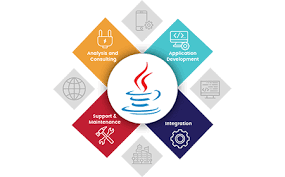
Java Development Services refer to the range of services provided by software development companies or professionals that specialize in using the Java programming language to create custom software solutions. These services encompass the entire software development lifecycle, from initial concept and design to implementation, testing, deployment, and maintenance. Java Development Services leverage the robust features of Java to build scalable, secure, and high-performance applications that cater to diverse business needs. By partnering with Java development experts, businesses can benefit from tailored solutions that harness the power of Java to drive innovation and efficiency in their software projects.

Which software is best for Java development?

When it comes to Java development, the choice of software tools can significantly impact the efficiency and quality of the development process. While there are several options available, many developers consider IntelliJ IDEA and Eclipse to be among the best software for Java development. IntelliJ IDEA is known for its intelligent code assistance, refactoring capabilities, and seamless integration with various technologies. On the other hand, Eclipse is favored for its extensibility, robust debugging features, and strong community support. Ultimately, the best software for Java development may vary depending on individual preferences and project requirements. It’s recommended to explore different tools and choose one that aligns best with your workflow and objectives.

Can Java be used for software development?

Yes, Java is a highly versatile and widely-used programming language that is well-suited for software development. With its robust features, cross-platform compatibility, scalability, and security capabilities, Java has been a popular choice for developing a wide range of applications, from small utilities to large-scale enterprise systems. Its flexibility allows developers to create complex and efficient software solutions that meet various business needs. Whether you are looking to build web applications, mobile apps, or backend systems, Java’s rich ecosystem and community support make it an excellent option for software development projects.

Can I use Java for software development?

Yes, Java is a highly versatile and widely-used programming language that is well-suited for software development. Whether you are looking to create web applications, mobile apps, enterprise systems, or other types of software, Java offers a robust and reliable platform to build upon. Its cross-platform compatibility, scalability, security features, and performance make it a popular choice among developers worldwide. With the right expertise and guidance, utilizing Java for software development can help you create efficient and high-quality solutions tailored to your specific needs.

What are software development services?

Software development services encompass a range of professional offerings aimed at creating, enhancing, and maintaining software applications to meet specific business needs. These services involve the entire software development lifecycle, from initial concept and design to coding, testing, deployment, and ongoing support. Software development services may include custom application development, web development, mobile app development, software integration, legacy system modernization, and more. By leveraging the expertise of software development service providers, businesses can access tailored solutions that optimize their operations and drive innovation in today’s digital landscape.