cfchris.com

Loading

hackerrank java

Unlock Your Potential with HackerRank Java: Mastering Java Programming Skills

The Power of HackerRank Java: Mastering Java Programming Skills

The Power of HackerRank Java: Mastering Java Programming Skills

HackerRank Java is a platform that offers a wide range of coding challenges and exercises specifically designed to help programmers enhance their Java skills. Whether you are a beginner looking to learn Java or an experienced developer aiming to sharpen your programming abilities, HackerRank Java provides the perfect environment for practice and improvement.

One of the key features of HackerRank Java is its extensive collection of coding challenges that cover various topics and difficulty levels. From basic syntax exercises to advanced algorithms and data structures problems, there is something for everyone on the platform. By solving these challenges, programmers can not only test their knowledge but also learn new concepts and techniques along the way.

Another benefit of using HackerRank Java is the opportunity to participate in coding competitions and hackathons. These events allow programmers to showcase their skills, compete with others, and earn recognition for their achievements. The competitive aspect adds an extra layer of excitement and motivation, pushing participants to continually improve their coding abilities.

Furthermore, HackerRank Java provides detailed explanations and discussions for each challenge solution. This feature is invaluable for learners who want to understand the reasoning behind different approaches and learn best practices in Java programming. By studying these explanations, programmers can gain insights into efficient coding techniques and improve their problem-solving skills.

In conclusion, HackerRank Java is a powerful tool for mastering Java programming skills. Whether you are looking to enhance your knowledge, practice coding regularly, or prepare for technical interviews, this platform offers a wealth of resources to support your learning journey. With dedication and consistent practice on HackerRank Java, you can become a proficient Java programmer capable of tackling any coding challenge with confidence.


9 Essential Tips for Mastering Java on HackerRank

  1. Practice Java fundamentals regularly.
  2. Solve problems in different categories to improve your skills.
  3. Read and understand the problem statement carefully before attempting to solve it.
  4. Use proper naming conventions for classes, variables, and methods.
  5. Write clean and well-structured code for better readability.
  6. Utilize built-in data structures and algorithms effectively.
  7. Debug your code thoroughly to fix any errors or bugs.
  8. Optimize your solutions for better time and space complexity.
  9. Participate in coding contests to challenge yourself and learn from others.

Practice Java fundamentals regularly.

To excel in Java programming on HackerRank, it is essential to practice Java fundamentals regularly. By reinforcing your understanding of core concepts such as syntax, data types, loops, and functions through consistent practice, you can build a strong foundation for solving more complex coding challenges effectively. Regular practice not only helps you maintain and improve your Java skills but also boosts your confidence in tackling various programming tasks with ease. Remember, mastering the fundamentals is key to becoming a proficient Java programmer on platforms like HackerRank.

Solve problems in different categories to improve your skills.

To enhance your Java programming skills on HackerRank, it is beneficial to solve problems across various categories. By tackling challenges in different areas such as algorithms, data structures, and problem-solving, you can broaden your knowledge and develop a versatile skill set. Diversifying the types of problems you solve not only exposes you to a wider range of concepts but also helps you become a well-rounded programmer capable of approaching different coding tasks with creativity and confidence. Embracing diversity in problem-solving categories on HackerRank Java is key to continuous learning and skill improvement in the world of programming.

Read and understand the problem statement carefully before attempting to solve it.

When using HackerRank Java, it is crucial to read and understand the problem statement carefully before attempting to solve it. By taking the time to grasp the requirements and constraints of the challenge, programmers can ensure that their solution addresses the core objectives effectively. This approach not only helps in avoiding misunderstandings or mistakes but also guides developers towards formulating a clear and strategic plan to tackle the problem efficiently. Ultimately, paying attention to the problem statement sets a strong foundation for success in solving coding challenges on HackerRank Java.

Use proper naming conventions for classes, variables, and methods.

Using proper naming conventions for classes, variables, and methods is essential in Java programming to enhance code readability and maintainability. By following consistent naming practices, such as using meaningful and descriptive names that reflect the purpose of each element, developers can easily understand the functionality of the code without extensive comments or documentation. Clear and concise naming conventions not only make the code more accessible to others but also improve collaboration among team members working on the same project. Adhering to these conventions in HackerRank Java challenges ensures that your code is well-structured and easy to follow, leading to more efficient problem-solving and better overall coding practices.

Write clean and well-structured code for better readability.

When using HackerRank Java, it is essential to prioritize writing clean and well-structured code to enhance readability. By organizing your code logically and following best practices, such as using meaningful variable names and proper indentation, you not only make your code easier to understand for others but also for yourself. Clear and concise code improves maintainability, reduces errors, and enhances collaboration with fellow programmers. Emphasizing clean coding practices on HackerRank Java can help you develop a disciplined approach to programming that will benefit you in all aspects of your software development journey.

Utilize built-in data structures and algorithms effectively.

To excel in HackerRank Java, it is crucial to harness the power of built-in data structures and algorithms effectively. By leveraging the array of pre-existing tools within Java, programmers can streamline their coding process, optimize performance, and solve complex problems with greater efficiency. Understanding when and how to use these built-in data structures and algorithms not only enhances code readability but also demonstrates a mastery of fundamental programming concepts. Embracing these resources empowers developers to tackle challenges on HackerRank Java with precision and finesse, elevating their skills to new heights.

Debug your code thoroughly to fix any errors or bugs.

When using HackerRank Java, it is essential to dedicate time to debug your code thoroughly in order to identify and fix any errors or bugs. Debugging plays a crucial role in the coding process as it helps ensure that your program functions correctly and produces the desired output. By carefully examining your code, testing different scenarios, and tracing the execution flow, you can pinpoint issues and implement effective solutions. Taking the time to debug your code not only improves the quality of your programming but also enhances your problem-solving skills and overall proficiency in Java development.

Optimize your solutions for better time and space complexity.

When using HackerRank Java, it is crucial to optimize your solutions for better time and space complexity. By focusing on efficiency in your code, you can enhance the performance of your solutions and tackle coding challenges more effectively. Paying attention to optimizing algorithms and data structures can lead to faster execution times and reduced memory usage, ultimately improving the overall quality of your programming solutions. Prioritizing optimization not only demonstrates your proficiency as a Java programmer but also equips you with the skills needed to excel in competitive coding environments.

Participate in coding contests to challenge yourself and learn from others.

Participating in coding contests on HackerRank Java is a valuable tip to challenge yourself and enhance your programming skills. These contests not only provide a competitive environment to test your abilities but also offer a great opportunity to learn from others. By engaging with fellow participants, observing different coding approaches, and analyzing solutions, you can gain valuable insights, expand your knowledge, and improve your problem-solving techniques. Embracing the challenge of coding contests on HackerRank Java can help you grow as a programmer and strengthen your confidence in tackling diverse coding problems effectively.
programming

Mastering the Art of Programming: A Path to Digital Success

The Power of Programming

The Power of Programming

Programming is the art of giving instructions to a computer to perform specific tasks. It is a creative and logical process that lies at the heart of all modern technology.

With programming, we can create software applications, websites, games, mobile apps, and much more. It allows us to automate repetitive tasks, analyze data, and solve complex problems efficiently.

Why Learn Programming?

Learning programming opens up a world of opportunities. It equips you with valuable skills that are in high demand in today’s digital age. Whether you are a student, a professional looking to advance your career, or someone interested in technology, learning to code can benefit you in many ways.

Key Benefits of Programming:

  • Creative Expression: Programming allows you to bring your ideas to life and create innovative solutions.
  • Critical Thinking: Coding challenges your problem-solving skills and enhances your logical thinking abilities.
  • Career Opportunities: Proficiency in programming opens doors to various career paths in software development, data science, cybersecurity, and more.
  • Empowerment: Knowing how to code gives you the power to build tools that can make a difference in the world.
  • Futuristic Skills: As technology continues to evolve rapidly, programming skills will be increasingly valuable across industries.

Popular Programming Languages

There are numerous programming languages available, each suited for different purposes. Some popular languages include:

  • JavaScript
  • Python
  • Java
  • C++
  • Ruby

No matter which language you choose to learn, the fundamentals of programming remain consistent across all languages. Start your coding journey today and unlock the endless possibilities that programming has to offer!


Top 5 Frequently Asked Questions About Programming for Beginners

  1. What is programming and why is it important?
  2. Which programming language should I learn first?
  3. How can I improve my coding skills?
  4. What are the key differences between front-end and back-end development?
  5. Is it necessary to have a computer science degree to become a programmer?

What is programming and why is it important?

Programming is the process of creating sets of instructions that enable a computer to perform specific tasks. It is a fundamental skill in today’s digital world, essential for developing software applications, websites, and other technological solutions. Programming allows individuals to automate tasks, analyze data, and solve complex problems efficiently. Understanding programming not only empowers individuals to bring their ideas to life but also opens up a wide range of career opportunities in fields such as software development, data science, cybersecurity, and more. In essence, programming is the language of technology that drives innovation and shapes the future of our interconnected world.

Which programming language should I learn first?

When faced with the question of which programming language to learn first, it’s important to consider your goals and interests. For beginners, languages like Python and JavaScript are often recommended due to their readability and versatility. Python is known for its simplicity and is widely used in various fields such as web development, data science, and automation. On the other hand, JavaScript is essential for front-end web development and offers a solid foundation for building interactive websites. Ultimately, the best language to start with is one that aligns with your learning objectives and future aspirations in the vast world of programming.

How can I improve my coding skills?

To improve your coding skills, consistent practice and continuous learning are key. Engage in coding challenges, work on personal projects, and collaborate with other programmers to enhance your problem-solving abilities and expand your knowledge. Additionally, seek feedback on your code, analyze and refactor your solutions, and stay updated on the latest trends and best practices in the programming world. Remember that improvement takes time and dedication, so stay motivated and embrace challenges as opportunities for growth in your coding journey.

What are the key differences between front-end and back-end development?

In the realm of programming, a commonly asked question revolves around the distinctions between front-end and back-end development. Front-end development focuses on the user interface and user experience aspects of a website or application, dealing with how content is presented and interacted with by users. On the other hand, back-end development involves the server-side logic and database management that power the functionality of the front end. While front-end developers work with technologies like HTML, CSS, and JavaScript to create visually appealing interfaces, back-end developers use languages such as Python, Java, or PHP to handle data processing and server operations. Understanding these key differences is essential for individuals looking to specialize in either front-end or back-end development roles within the field of programming.

Is it necessary to have a computer science degree to become a programmer?

Many aspiring programmers often wonder if having a computer science degree is necessary to pursue a career in programming. While a computer science degree can provide a strong foundation in programming concepts and theory, it is not always a strict requirement to become a successful programmer. Many self-taught programmers and individuals from diverse educational backgrounds have excelled in the field through hands-on experience, online resources, coding bootcamps, and continuous learning. Ultimately, what matters most is your passion for coding, dedication to learning, problem-solving skills, and ability to adapt to new technologies in the ever-evolving world of programming.

java for beginners

Java for Beginners: A Step-by-Step Guide to Learning Programming

Java for Beginners

Java for Beginners: A Comprehensive Guide

If you are new to programming and looking to learn a versatile and widely-used language, Java is an excellent choice. Java is known for its simplicity, readability, and vast community support, making it ideal for beginners to start their coding journey.

Why Learn Java?

Java is a high-level programming language that is platform-independent, meaning you can write code once and run it on any device that supports Java. This feature makes Java versatile and widely used in various applications, from web development to mobile apps.

Key Concepts in Java

As a beginner learning Java, you will come across essential concepts such as:

  • Variables: Used to store data values.
  • Control Structures: Including loops and conditional statements.
  • Classes and Objects: The building blocks of Java programs.
  • Inheritance and Polymorphism: Important concepts in object-oriented programming.
  • Exception Handling: Dealing with errors in your code.

Resources for Learning Java

If you are eager to start your journey into Java programming, there are plenty of resources available online. Websites like Codecademy, Coursera, and Oracle’s official Java tutorials offer step-by-step lessons tailored for beginners.

Your First Java Program

To get started with coding in Java, begin by writing a simple “Hello World” program. This classic program prints the text “Hello World” on the screen and serves as an excellent introduction to basic syntax in Java.


public class HelloWorld {

public static void main(String[] args) {

System.out.println("Hello World");

}

}

Coding Challenges

To enhance your skills and understanding of Java, consider participating in coding challenges on platforms like LeetCode or HackerRank. These challenges provide real-world problems that can help you practice your coding skills and improve your problem-solving abilities.

In Conclusion

Learning Java as a beginner can open up a world of opportunities in the programming field. With dedication, practice, and the right resources, you can master this powerful language and embark on a rewarding career as a software developer or programmer.


Top 8 Frequently Asked Questions About Learning Java for Beginners

  1. Can you learn Java as a beginner?
  2. Will Java be replaced by AI?
  3. What are the 4 pillars of Java?
  4. How can I start to learn Java?
  5. Can I teach myself Java?
  6. Which is harder, C++ or Java?
  7. What is Java basics for beginners?
  8. Is Java easy to learn for beginners?

Can you learn Java as a beginner?

For beginners looking to delve into the world of programming, learning Java is not only possible but highly recommended. Java’s user-friendly syntax, extensive documentation, and robust community support make it an excellent choice for those starting their coding journey. With dedication, practice, and access to various online resources tailored for beginners, mastering Java can be a rewarding experience that lays a solid foundation for further exploration in the field of software development.

Will Java be replaced by AI?

While artificial intelligence is advancing rapidly and influencing many aspects of technology, it is unlikely that AI will replace Java in the foreseeable future. Java is a robust and versatile programming language that has been widely adopted across various industries for its reliability, scalability, and platform independence. AI technologies often rely on programming languages like Java to build applications and frameworks. Instead of replacing Java, AI is more likely to complement it by enhancing development processes and creating more sophisticated tools that can streamline coding tasks. As a result, Java remains an essential skill for developers, especially as they integrate AI capabilities into their projects.

What are the 4 pillars of Java?

The four pillars of Java are key concepts that form the foundation of the language and are essential for beginners to understand. These pillars include: Object-Oriented Programming (OOP), which emphasizes the use of classes and objects for organizing code; Inheritance, allowing classes to inherit attributes and methods from other classes; Encapsulation, which involves bundling data and methods into a single unit; and Polymorphism, enabling objects to take on multiple forms based on their context. Mastery of these pillars is crucial for building robust and efficient Java programs.

How can I start to learn Java?

For beginners looking to start learning Java, a great way to begin is by familiarizing yourself with the basic syntax and concepts of the language. Online tutorials, courses, and books dedicated to Java programming can provide a structured approach to learning. Setting up a development environment on your computer and practicing writing simple programs can help reinforce your understanding of Java fundamentals. Additionally, engaging in coding challenges and projects can further enhance your skills and confidence in using Java. Remember that consistent practice, patience, and a willingness to explore and experiment are key to mastering Java as a beginner.

Can I teach myself Java?

Teaching yourself Java is absolutely possible for beginners. With the abundance of online resources, tutorials, and practice exercises available, you can learn Java at your own pace and convenience. Many successful programmers have started by teaching themselves Java through self-study and hands-on practice. By dedicating time and effort to understanding the key concepts of Java programming, you can build a solid foundation and gradually advance your skills in this versatile language. Remember, persistence and a passion for learning are key to mastering Java on your own.

Which is harder, C++ or Java?

When it comes to comparing the difficulty level between C++ and Java for beginners, opinions may vary. Both C++ and Java are powerful programming languages with their own complexities and learning curves. Some beginners find C++ more challenging due to its low-level features and strict syntax, while others may perceive Java as easier to grasp because of its simpler syntax and automatic memory management. Ultimately, the difficulty of learning C++ or Java depends on individual preferences, prior programming experience, and the specific goals of the learner. It is recommended for beginners to explore both languages and determine which one aligns better with their interests and objectives in the field of programming.

What is Java basics for beginners?

For beginners diving into Java programming, understanding the basics is crucial to building a strong foundation. Java basics encompass fundamental concepts such as variables, control structures, classes and objects, inheritance, polymorphism, and exception handling. These core principles form the building blocks of Java programs and are essential for beginners to grasp in order to write efficient and functional code. By mastering these Java basics, beginners can progress confidently in their learning journey and unlock the full potential of this versatile programming language.

Is Java easy to learn for beginners?

For beginners diving into the world of programming, the question of whether Java is easy to learn often arises. Java, known for its simplicity and readability, is considered beginner-friendly due to its straightforward syntax and vast community support. While mastering any programming language requires dedication and practice, Java’s clear structure and extensive resources tailored for beginners make it a popular choice for those starting their coding journey. With commitment and the right guidance, beginners can find Java to be an accessible and rewarding language to learn.

entry level software engineer

Exploring the Path to Becoming an Entry Level Software Engineer

Article: Entry Level Software Engineer

The Role of an Entry Level Software Engineer

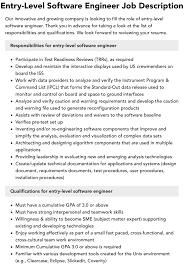
Software engineering is a dynamic and rapidly growing field that offers endless opportunities for individuals looking to kickstart their career in technology. As an entry level software engineer, you play a crucial role in developing, testing, and maintaining software applications that power our digital world.

Responsibilities of an Entry Level Software Engineer

As an entry level software engineer, your responsibilities may include:

  • Assisting in the design and development of software applications
  • Writing code following best practices and coding standards
  • Participating in code reviews and debugging sessions
  • Collaborating with senior developers and team members on projects
  • Testing and documenting software to ensure quality and reliability
  • Learning new technologies and tools to enhance your skills

Skills Required for Entry Level Software Engineers

To excel as an entry level software engineer, you should possess the following skills:

  • Proficiency in programming languages such as Java, Python, C++, or JavaScript
  • Understanding of software development principles and methodologies
  • Problem-solving abilities and attention to detail
  • Strong communication and teamwork skills
  • Ability to learn quickly and adapt to new technologies

Career Growth Opportunities for Entry Level Software Engineers

Starting as an entry level software engineer opens up a world of possibilities for career advancement. With dedication, continuous learning, and hands-on experience, you can progress to roles such as senior software engineer, technical lead, project manager, or even pursue specialization in areas like artificial intelligence, cybersecurity, or mobile app development.

If you are passionate about technology and eager to make a difference through innovative solutions, a career as an entry level software engineer could be the perfect starting point for your journey in the exciting world of software development.


7 Essential Tips for Aspiring Entry-Level Software Engineers

  1. Focus on building a strong foundation in programming languages like Java, Python, or C++.
  2. Practice problem-solving skills through coding challenges and projects.
  3. Seek internships or co-op opportunities to gain real-world experience.
  4. Stay updated with the latest industry trends and technologies.
  5. Build a portfolio showcasing your projects and contributions.
  6. Network with professionals in the field to expand your opportunities.
  7. Continuously learn and improve your skills to advance in your career.

Focus on building a strong foundation in programming languages like Java, Python, or C++.

To succeed as an entry level software engineer, it is essential to focus on building a solid foundation in programming languages such as Java, Python, or C++. These languages are widely used in the industry and mastering them will not only enhance your coding skills but also open up a myriad of opportunities for career growth. By dedicating time and effort to learning these fundamental languages, you can establish a strong technical base that will serve as a solid platform for your future success in the field of software engineering.

Practice problem-solving skills through coding challenges and projects.

To excel as an entry level software engineer, it is essential to hone your problem-solving skills through engaging in coding challenges and projects. By tackling real-world problems and implementing solutions through coding, you not only enhance your technical abilities but also develop a strategic mindset that is invaluable in the software development field. Practice not only sharpens your coding proficiency but also fosters creativity and critical thinking, preparing you for the diverse challenges you may encounter in your career as a software engineer.

Seek internships or co-op opportunities to gain real-world experience.

Seeking internships or co-op opportunities is a valuable tip for entry level software engineers looking to gain real-world experience. These hands-on experiences provide invaluable insights into the industry, allowing individuals to apply their knowledge in practical settings, collaborate with seasoned professionals, and build a strong foundation for their future careers. By participating in internships or co-op programs, entry level software engineers can enhance their skills, expand their networks, and increase their marketability in the competitive tech job market.

It is essential for entry level software engineers to stay updated with the latest industry trends and technologies. By keeping abreast of advancements in the field, such as new programming languages, development tools, and best practices, you can enhance your skills, remain competitive in the job market, and contribute effectively to innovative projects. Continuous learning and adaptation to emerging technologies are key factors in building a successful career as a software engineer.

Build a portfolio showcasing your projects and contributions.

Building a portfolio showcasing your projects and contributions is a valuable tip for entry level software engineers. A well-curated portfolio not only demonstrates your technical skills but also highlights your creativity, problem-solving abilities, and passion for software development. By showcasing real-world projects you have worked on, whether personal or during internships or academic projects, you provide potential employers with tangible evidence of your capabilities and dedication to the field. A strong portfolio can set you apart from other candidates and increase your chances of landing exciting opportunities in the competitive tech industry.

Network with professionals in the field to expand your opportunities.

Networking with professionals in the field is a valuable tip for entry level software engineers looking to expand their opportunities. Building connections with experienced individuals can provide insights, mentorship, and potential job leads that may not be advertised elsewhere. By engaging with professionals in the industry, entry level software engineers can gain valuable knowledge, stay updated on trends, and create a supportive network that can help propel their career forward.

Continuously learn and improve your skills to advance in your career.

To advance in your career as an entry level software engineer, it is crucial to continuously learn and improve your skills. Embracing a mindset of lifelong learning not only keeps you updated with the latest technologies and trends in the industry but also enhances your problem-solving abilities and adaptability. By seeking out opportunities for professional development, such as online courses, workshops, and mentorship programs, you can strengthen your expertise and position yourself for growth within the field of software engineering. Remember, investing in your skills today paves the way for a successful and fulfilling career tomorrow.