cfchris.com

Loading

system design in software engineering

Mastering System Design in Software Engineering: Building Robust Solutions

The Importance of System Design in Software Engineering

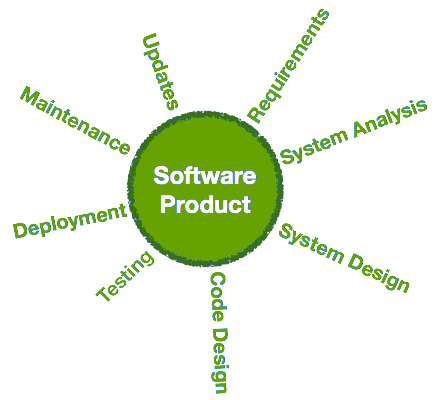
System design is a critical phase in the software engineering process that lays the foundation for creating a successful and efficient software system. It involves defining the architecture, components, modules, interfaces, and data for a system to satisfy specified requirements.

Key Aspects of System Design

During system design, software engineers focus on several key aspects:

  • Architecture: Determining the overall structure of the system and how components will interact with each other.
  • Data Management: Designing how data will be stored, accessed, and managed within the system.
  • Interfaces: Defining how different parts of the system will communicate with each other.
  • Modules: Breaking down the system into smaller modules to facilitate development and maintenance.

Benefits of Effective System Design

A well-designed system offers numerous benefits to both developers and end-users:

  • Scalability: A good design allows for easy scaling of the system as requirements change or grow.
  • Maintainability: Modular design simplifies maintenance and updates to the system without affecting other components.
  • Performance: Efficient design leads to optimized performance and faster response times.
  • Reliability: A robust design reduces the likelihood of errors and enhances system reliability.

Challenges in System Design

Despite its importance, system design can present challenges to software engineers. Some common challenges include:

  • Complexity: Balancing various requirements while keeping the design simple and manageable can be challenging.
  • Interoperability: Ensuring that different components work seamlessly together can be complex, especially in large systems.
  • Sustainability: Designing a system that can adapt to future changes without requiring a complete overhaul is crucial but challenging.

In Conclusion

In software engineering, effective system design is essential for creating reliable, scalable, and maintainable software systems. By carefully planning and designing the architecture, data management, interfaces, and modules of a system, developers can build solutions that meet user needs while being flexible enough to adapt to changing requirements over time.

An investment in thorough system design early in the development process can lead to significant long-term benefits in terms of performance, reliability, and overall success of a software project. It is a critical step that should not be overlooked in any software engineering endeavor.


5 Essential Tips for Effective System Design in Software Engineering

  1. Break down the system into smaller components for easier management and scalability.
  2. Consider the reliability, availability, and performance requirements of the system.
  3. Design with flexibility in mind to accommodate future changes and updates.
  4. Ensure clear communication and documentation to aid in understanding and maintenance.
  5. Regularly review and optimize the system design to improve efficiency and effectiveness.

Break down the system into smaller components for easier management and scalability.

Breaking down the system into smaller components is a crucial tip in software engineering system design. By dividing the system into manageable modules, developers can simplify the development process, enhance maintainability, and improve scalability. Smaller components allow for easier management, as each module can be developed, tested, and updated independently. This approach not only streamlines the development workflow but also enables the system to scale more effectively as requirements evolve. Ultimately, breaking down the system into smaller components promotes better organization, efficiency, and adaptability in software engineering projects.

Consider the reliability, availability, and performance requirements of the system.

When designing a software system, it is crucial to consider the reliability, availability, and performance requirements of the system. Reliability ensures that the system operates consistently and accurately under various conditions, while availability guarantees that the system is accessible when needed. Performance requirements dictate how efficiently the system should respond to user requests and handle workloads. By carefully evaluating and incorporating these factors into the system design process, software engineers can create a robust and efficient solution that meets user expectations and business needs effectively.

Design with flexibility in mind to accommodate future changes and updates.

When approaching system design in software engineering, it is crucial to prioritize flexibility to accommodate future changes and updates. By designing with adaptability in mind, developers can anticipate and prepare for evolving requirements, technologies, and user needs. A flexible system architecture allows for seamless integration of new features, enhancements, and modifications without disrupting the overall functionality of the software. Embracing flexibility in design not only ensures the longevity and sustainability of the system but also streamlines the process of incorporating updates in a cost-effective and efficient manner.

Ensure clear communication and documentation to aid in understanding and maintenance.

Ensuring clear communication and thorough documentation is crucial in system design for software engineering. Clear communication among team members helps in understanding the system architecture, components, and interactions, leading to a cohesive development process. Additionally, comprehensive documentation serves as a valuable resource for future maintenance and updates, allowing developers to quickly grasp the system’s intricacies and make informed decisions. By prioritizing clear communication and detailed documentation, software engineers can enhance collaboration, reduce errors, and streamline the maintenance of software systems effectively.

Regularly review and optimize the system design to improve efficiency and effectiveness.

Regularly reviewing and optimizing the system design is a crucial tip in software engineering to enhance efficiency and effectiveness. By periodically evaluating the architecture, components, and interfaces of the system, developers can identify potential bottlenecks, redundancies, or areas for improvement. This proactive approach not only helps streamline processes and enhance performance but also ensures that the system remains aligned with evolving requirements and technological advancements. Continuous optimization of the system design is key to maintaining a robust and adaptable software solution that can meet the changing needs of users and stakeholders effectively.


logistics software development

Enhancing Supply Chain Efficiency Through Logistics Software Development

Logistics Software Development

The Importance of Logistics Software Development in Modern Supply Chains

In today’s fast-paced and interconnected world, efficient logistics management is crucial for the success of businesses operating in various industries. The rise of e-commerce, globalization, and customer demands for speedy deliveries have put immense pressure on supply chain operations.

Logistics software development plays a vital role in optimizing and streamlining these complex operations. By leveraging technology solutions tailored to the specific needs of logistics companies, organizations can enhance their efficiency, reduce costs, improve customer satisfaction, and gain a competitive edge in the market.

Key Benefits of Logistics Software Development:

  • Real-time Tracking: Advanced tracking systems enable real-time monitoring of shipments, inventory levels, and fleet movements. This visibility allows companies to proactively address issues and provide accurate delivery updates to customers.
  • Route Optimization: Algorithms designed for route planning help minimize transportation costs, reduce fuel consumption, and optimize delivery schedules. By identifying the most efficient routes, companies can improve delivery times and overall operational efficiency.
  • Warehouse Management: Warehouse management software enhances inventory control, order processing, and storage optimization. Automated processes streamline warehouse operations, leading to faster order fulfillment and reduced errors.
  • Data Analytics: Logistics software provides valuable insights through data analytics tools. By analyzing key performance indicators (KPIs) such as delivery times, transportation costs, and inventory turnover rates, companies can make informed decisions to drive continuous improvement.
  • Cargo Security: Security features integrated into logistics software ensure the safety of goods during transit. From temperature monitoring for perishable items to GPS tracking for high-value shipments, these security measures enhance supply chain visibility and mitigate risks.

In conclusion, logistics software development is a strategic investment for businesses seeking to modernize their supply chain operations and stay ahead in today’s competitive marketplace. By harnessing the power of technology-driven solutions tailored to their unique requirements, organizations can achieve operational excellence, cost savings, and customer satisfaction.


6 Essential Tips for Developing Effective Logistics Software

  1. Understand the specific requirements and challenges of logistics operations
  2. Utilize real-time tracking and monitoring features for efficient supply chain management
  3. Implement automated processes to streamline warehouse operations
  4. Ensure seamless integration with existing systems such as ERPs and CRMs
  5. Prioritize data security and compliance with industry regulations
  6. Regularly update and maintain the software to adapt to evolving logistics needs

Understand the specific requirements and challenges of logistics operations

To succeed in logistics software development, it is essential to thoroughly understand the unique requirements and challenges faced by logistics operations. By gaining insight into the intricacies of supply chain management, transportation logistics, inventory control, and customer demands, developers can tailor software solutions that address these specific needs effectively. This deep understanding enables the creation of customized tools that streamline processes, optimize resource allocation, and enhance overall efficiency in the logistics industry.

Utilize real-time tracking and monitoring features for efficient supply chain management

To enhance supply chain management efficiency, it is essential to leverage real-time tracking and monitoring features offered by logistics software development. By utilizing these capabilities, companies can gain immediate visibility into their shipments, inventory status, and fleet movements. This real-time data enables proactive decision-making, timely interventions to address any issues that arise, and the ability to provide accurate updates to customers regarding the status of their deliveries. Ultimately, integrating real-time tracking and monitoring features into logistics operations can significantly improve overall supply chain performance and customer satisfaction levels.

Implement automated processes to streamline warehouse operations

Implementing automated processes to streamline warehouse operations is a key strategy in logistics software development. By automating tasks such as inventory management, order processing, and picking and packing, companies can significantly improve efficiency and accuracy in their warehouse operations. Automation reduces manual errors, speeds up processes, and allows for better utilization of resources. This not only leads to cost savings but also enhances overall productivity, ultimately contributing to a more streamlined and effective supply chain management system.

Ensure seamless integration with existing systems such as ERPs and CRMs

To optimize logistics operations effectively, it is essential to ensure seamless integration with existing systems like Enterprise Resource Planning (ERPs) and Customer Relationship Management (CRMs). By integrating logistics software with these core systems, businesses can achieve a unified data flow, streamline processes, and enhance overall efficiency. This integration enables real-time data exchange, improves visibility across departments, and facilitates better decision-making. Ultimately, seamless integration with ERPs and CRMs empowers organizations to leverage the full potential of their logistics software and maximize the benefits of a connected supply chain ecosystem.

Prioritize data security and compliance with industry regulations

In the realm of logistics software development, it is paramount to prioritize data security and compliance with industry regulations. Safeguarding sensitive information related to shipments, inventory, and customer data is essential to maintain trust and credibility within the supply chain ecosystem. By adhering to industry standards and regulations, such as GDPR or HIPAA, companies can ensure that their logistics software not only operates efficiently but also upholds the highest standards of data protection and legal compliance. This proactive approach not only mitigates risks associated with data breaches but also demonstrates a commitment to maintaining the integrity and confidentiality of critical information throughout the logistics process.

Regularly update and maintain the software to adapt to evolving logistics needs

Regularly updating and maintaining logistics software is essential to adapt to the ever-changing requirements of modern supply chains. By staying current with software updates, companies can ensure that their systems remain compatible with new technologies, address security vulnerabilities, and incorporate features that align with evolving logistics needs. This proactive approach not only enhances system performance and reliability but also enables businesses to effectively respond to dynamic market conditions and customer demands, ultimately improving overall operational efficiency and competitiveness in the industry.

drawing ai

Exploring the Boundless Creativity of Drawing AI

The Rise of Drawing AI: Transforming Creativity and Design

In recent years, artificial intelligence has made significant strides in various fields, from healthcare to finance. One of the most intriguing developments is the emergence of drawing AI, a technology that is reshaping how artists and designers approach their work.

What is Drawing AI?

Drawing AI refers to artificial intelligence systems specifically designed to create or assist in creating visual art. These systems utilize machine learning algorithms to understand artistic styles, patterns, and techniques. By analyzing vast datasets of existing artwork, drawing AI can generate new images or enhance human-created designs.

How Does It Work?

At the core of drawing AI are neural networks, particularly Generative Adversarial Networks (GANs) and Convolutional Neural Networks (CNNs). These networks learn from thousands of images to understand different artistic styles and elements. Once trained, they can generate original artwork or assist artists by suggesting improvements or variations.

Applications in Art and Design

  • Concept Art: Artists can use drawing AI to quickly generate concept sketches, allowing for rapid iteration and exploration of ideas.
  • Graphic Design: Designers leverage AI tools to create logos, layouts, and other design elements more efficiently.
  • Animation: In animation studios, AI helps streamline the creation process by automating repetitive tasks like in-betweening frames.

The Benefits of Drawing AI

The integration of drawing AI offers numerous advantages:

  • Enhanced Creativity: By providing new perspectives and ideas, drawing AI can inspire artists to explore uncharted territories in their work.
  • Efficiency: Automating routine tasks allows artists to focus on more complex aspects of their projects.
  • Diverse Styles: Drawing AIs can mimic various artistic styles or combine them uniquely, offering endless possibilities for creativity.

The Challenges Ahead

Despite its potential, drawing AI also presents challenges. Concerns about originality arise when machines replicate existing styles too closely. Additionally, there is an ongoing debate about the role of human intuition and emotion in art—elements that are difficult for machines to replicate fully.

The Future of Drawing AI

The future looks promising for drawing AI as it continues to evolve. As technology advances, we can expect even more sophisticated tools that will further blur the lines between human creativity and machine assistance. The key will be finding a balance where both artists and technology collaborate effectively to enhance the creative process.

In conclusion, while drawing AI is still a developing field, its impact on art and design is undeniable. By embracing this technology responsibly and creatively, artists can unlock new potentials in their work while preserving the essence that makes art uniquely human.


5 Essential Tips for Enhancing Your AI Drawing Skills

  1. Start with simple shapes and basic outlines
  2. Practice regularly to improve your skills
  3. Study anatomy and proportions for more realistic drawings
  4. Experiment with different techniques and styles to find what works best for you
  5. Don’t be afraid to make mistakes – they are part of the learning process

Start with simple shapes and basic outlines

When working with drawing AI, starting with simple shapes and basic outlines is a highly effective strategy. This approach helps to establish a clear foundation for more complex designs and allows the AI to better understand the intended structure of the artwork. By breaking down a subject into its fundamental components, artists can guide the AI in generating accurate proportions and maintaining consistency throughout the piece. Simple shapes also make it easier to experiment with different compositions and perspectives, enabling both beginners and experienced artists to refine their ideas before adding intricate details. This method not only streamlines the creative process but also enhances collaboration between human creativity and machine learning capabilities, resulting in more cohesive and visually appealing artwork.

Practice regularly to improve your skills

Practicing regularly is crucial for improving your skills when using drawing AI tools. Just like traditional art, becoming proficient with AI-assisted drawing requires consistent effort and experimentation. By dedicating time each day to explore different features and techniques within the software, you can gradually develop a deeper understanding of its capabilities and how best to integrate them into your creative process. Regular practice allows you to refine your style, discover new possibilities, and overcome any challenges you might face while using the technology. Over time, this commitment to practice not only enhances your technical abilities but also boosts your confidence in creating unique and compelling artwork with the help of AI.

Study anatomy and proportions for more realistic drawings

To improve the realism of your drawings using AI, it is essential to study anatomy and proportions. Understanding the structure of the human body and how its parts relate to each other will enable you to create more accurate and lifelike figures. By incorporating this knowledge into your AI-assisted drawing process, you can achieve a higher level of realism and detail in your artwork.

Experiment with different techniques and styles to find what works best for you

Experimenting with different techniques and styles when using drawing AI can significantly enhance your creative process and help you discover what resonates best with your artistic vision. By exploring a variety of approaches, you can uncover unique combinations that might not have been apparent initially. This experimentation allows you to push the boundaries of traditional art forms, blending human creativity with machine-generated suggestions. As you try out different styles, you’ll gain insights into which methods complement your personal aesthetic and workflow, ultimately leading to more innovative and personalized artworks. Embracing this exploratory mindset not only broadens your artistic repertoire but also fosters a deeper understanding of how AI tools can augment your creative journey.

Don’t be afraid to make mistakes – they are part of the learning process

Embracing mistakes as a natural part of the learning process is crucial when exploring the realm of drawing AI. By allowing room for errors, artists can experiment freely, discover new techniques, and refine their skills. Mistakes serve as valuable lessons that guide artists toward improvement and innovation, ultimately shaping their creative journey with drawing AI.

learn java programming

Master Java Programming: Learn the Language of Versatility and Opportunity

Learn Java Programming

The Benefits of Learning Java Programming

Java is a widely-used programming language known for its versatility and robustness. Learning Java can open up a world of opportunities for aspiring programmers and professionals looking to enhance their skills. Here are some key benefits of learning Java programming:

Versatility

Java is used in a variety of applications, from web development to mobile app development and enterprise software. By learning Java, you can work on a wide range of projects and industries, making you a versatile and in-demand developer.

Object-Oriented Programming

Java is an object-oriented programming language, which means that it focuses on creating reusable code components called objects. This approach promotes code organization, reusability, and scalability, making it easier to manage complex projects.

Platform Independence

One of the key features of Java is its platform independence. Java programs can run on any device that has a Java Virtual Machine (JVM) installed, regardless of the underlying operating system. This makes Java applications highly portable and accessible across different platforms.

Strong Community Support

Java has a large and active community of developers who contribute to open-source projects, provide support through forums and tutorials, and collaborate on improving the language. By learning Java, you can tap into this vast knowledge base and network with like-minded professionals.

Career Opportunities

Proficiency in Java programming opens up numerous career opportunities in the tech industry. Many companies look for Java developers to work on their projects, offering competitive salaries and benefits to skilled professionals. Whether you are interested in software development, web design, or data analysis, knowing Java can give your career a significant boost.

In conclusion,

Learning Java programming is a valuable investment in your future as a programmer. With its versatility, object-oriented approach, platform independence, community support, and career prospects, mastering Java can set you on the path to success in the ever-evolving world of technology.


6 Essential Tips for Mastering Java Programming

  1. Start with the basics
  2. Practice regularly
  3. Utilize online resources
  4. Work on projects
  5. Collaborate with others
  6. Stay updated

Start with the basics

When embarking on the journey to learn Java programming, it is essential to start with the basics. Building a strong foundation in fundamental concepts such as variables, data types, control structures, and object-oriented programming principles is crucial for mastering Java effectively. By understanding the core concepts from the beginning, learners can progress confidently and tackle more complex topics with ease as they advance in their Java programming skills.

Practice regularly

Regular practice is essential when learning Java programming. By consistently working on coding exercises, projects, and challenges, you can reinforce your understanding of Java concepts, improve your problem-solving skills, and build confidence in your programming abilities. Practice helps solidify your knowledge and allows you to apply what you’ve learned in a practical setting, ultimately leading to mastery of Java programming. Make practice a routine part of your learning process to see significant progress and growth in your Java skills.

Utilize online resources

Utilizing online resources is a valuable tip for learning Java programming. The internet is a treasure trove of tutorials, forums, coding challenges, and courses that can provide you with additional support and guidance as you navigate the intricacies of Java. Online resources offer the flexibility to learn at your own pace, access a diverse range of learning materials, and engage with a global community of fellow learners and experienced developers. By taking advantage of these resources, you can enhance your understanding of Java concepts, stay updated on industry trends, and practice your coding skills in a dynamic and interactive environment.

Work on projects

Working on projects is a crucial tip for learning Java programming effectively. By applying your knowledge to real-world projects, you can gain hands-on experience, troubleshoot issues, and solidify your understanding of Java concepts. Projects allow you to practice problem-solving skills, enhance your creativity, and build a portfolio that showcases your skills to potential employers. Whether it’s developing a simple application or working on a complex software project, the practical experience gained from project work is invaluable in mastering Java programming.

Collaborate with others

Collaborating with others while learning Java programming can greatly enhance your understanding and skills. By working with peers, mentors, or online communities, you can gain valuable insights, receive feedback on your code, and learn new techniques and best practices. Collaboration not only fosters a sense of teamwork but also exposes you to different perspectives and approaches to problem-solving, ultimately helping you become a more well-rounded Java programmer.

Stay updated

To excel in learning Java programming, it is essential to stay updated with the latest developments and updates in the language. Java is a dynamic programming language that continuously evolves with new features, enhancements, and best practices. By staying informed about the latest trends, updates, and tools in Java programming, you can enhance your skills, adapt to industry changes, and ensure that your knowledge remains relevant and up-to-date. Embracing a mindset of continuous learning and staying updated will help you become a proficient Java programmer equipped to tackle new challenges and opportunities in the field.

human ai

Exploring the Synergy Between Human Intelligence and Artificial Intelligence (AI)

The Intersection of Human Intelligence and Artificial Intelligence

The Intersection of Human Intelligence and Artificial Intelligence

In the rapidly evolving landscape of technology, the collaboration between human intelligence and artificial intelligence (AI) is becoming increasingly significant. This partnership holds the potential to revolutionize various sectors, from healthcare to finance, by enhancing efficiency and enabling new possibilities.

Understanding Human and Artificial Intelligence

Human intelligence refers to the cognitive abilities that allow humans to learn from experience, adapt to new situations, understand complex concepts, and solve problems. It encompasses emotional intelligence, creativity, critical thinking, and empathy.

Artificial intelligence, on the other hand, involves machines designed to mimic human cognitive functions. AI systems can process vast amounts of data quickly and perform tasks such as recognizing patterns, making decisions based on algorithms, and learning from data inputs.

The Synergy Between Humans and AI

The combination of human intelligence with AI creates a powerful synergy. While AI excels at processing information at high speeds and identifying patterns within large datasets, humans bring creativity, emotional understanding, and ethical reasoning to the table.

  • Enhanced Decision-Making: In industries like healthcare, AI can analyze medical data rapidly to assist doctors in diagnosing diseases more accurately. However, human doctors provide the essential context for understanding patient histories and making empathetic decisions.
  • Creative Collaboration: In fields such as art and music, AI tools can generate new ideas or compositions based on existing works. Artists can then refine these creations using their unique perspective and intuition.
  • Ethical Considerations: As AI systems become more prevalent in decision-making processes that impact society—such as criminal justice or hiring practices—human oversight is crucial in ensuring ethical standards are maintained.

The Future of Human-AI Collaboration

The future promises even deeper integration between humans and AI. As technologies advance, there will be greater opportunities for collaboration that leverage both machine efficiency and human insight. This partnership could lead to breakthroughs in personalized medicine, environmental conservation efforts through smart technologies, or even entirely new industries driven by innovation at this intersection.

Challenges Ahead

Despite its potential benefits, integrating AI with human processes poses challenges such as data privacy concerns or biases inherent in algorithmic decision-making systems. Addressing these issues requires ongoing dialogue among technologists policymakers businesses—and most importantly—the public—to ensure responsible development of these technologies.

A Collaborative Path Forward

The key lies not in viewing artificial intelligence as a replacement for human capabilities but rather an augmentation tool that enhances what people already do well while opening up new frontiers previously unimaginable without technological assistance.

This collaborative path forward will require continuous learning adaptation—and perhaps most importantly—a commitment towards harnessing technology ethically responsibly—and sustainably—for generations yet unborn who will inherit this brave new world shaped by our choices today at this fascinating intersection where humanity meets machine ingenuity head-on!


Top 6 Frequently Asked Questions About Human AI: Understanding, Purchasing, and Utilizing Human-Like Artificial Intelligence

  1. Where can I buy human AI?
  2. What is human AI?
  3. What is the most human AI?
  4. How to use human AI?
  5. What is a human AI?
  6. How to humanize ChatGPT text?

Where can I buy human AI?

The concept of “buying” human AI can be a bit misleading, as human AI typically refers to artificial intelligence systems designed to simulate or augment human cognitive functions. These systems are not standalone products that can be purchased off the shelf but rather software solutions that need to be integrated into existing technologies or platforms. Companies interested in utilizing AI capabilities often work with technology providers, developers, or consultants who specialize in creating custom AI solutions tailored to specific business needs. Popular cloud service providers like Amazon Web Services (AWS), Microsoft Azure, and Google Cloud offer various AI and machine learning services that businesses can leverage. Additionally, there are numerous startups and tech firms specializing in AI development that offer bespoke solutions for different industries. It’s important for organizations to assess their specific requirements and consult with experts to implement the most effective AI strategies.

What is human AI?

Human AI, often referred to as human-centered artificial intelligence, is an approach to AI development and deployment that emphasizes collaboration between humans and machines. It focuses on designing AI systems that enhance human capabilities rather than replace them, ensuring that technology serves to augment human decision-making, creativity, and problem-solving skills. This concept involves creating AI tools that are intuitive and align with human values and needs, fostering a partnership where machines handle data-driven tasks efficiently while humans provide context, ethical considerations, and emotional intelligence. By prioritizing the human experience in AI design, human AI aims to create more effective, ethical, and user-friendly technological solutions across various sectors.

What is the most human AI?

When discussing the concept of “the most human AI,” it typically refers to artificial intelligence systems that exhibit behaviors or characteristics closely resembling human thought processes, emotions, or interactions. These AI systems are designed to understand and respond to human language in a natural way, recognize and interpret emotions, and engage in conversations that feel intuitive and lifelike. Technologies like advanced natural language processing (NLP) models, such as those used in sophisticated chatbots or virtual assistants, are often highlighted for their ability to simulate human-like dialogue. Additionally, AI systems that can learn from context and adapt their responses based on previous interactions are considered more “human” because they mimic the way humans learn and adjust their communication styles over time. However, while these technologies can convincingly emulate certain aspects of human interaction, they still lack genuine consciousness, emotions, and the nuanced understanding inherent to human beings.

How to use human AI?

Using human AI effectively involves integrating artificial intelligence tools and systems into workflows to complement human skills and enhance productivity. To start, it’s important to identify specific tasks or processes where AI can add value, such as data analysis, customer service automation, or predictive maintenance. Training is essential to ensure that team members understand how to interact with AI tools and interpret their outputs. Collaboration between humans and AI should be designed so that AI handles repetitive or data-intensive tasks, freeing up humans to focus on strategic decision-making and creative problem-solving. Regular feedback loops are crucial for refining AI systems and ensuring they align with organizational goals. By fostering an environment of continuous learning and adaptation, businesses can harness the full potential of human-AI collaboration to drive innovation and efficiency.

What is a human AI?

A “human AI” typically refers to artificial intelligence systems designed to emulate human-like behaviors, understanding, and decision-making processes. These systems aim to mimic aspects of human cognition, such as learning, reasoning, and problem-solving. Human AI can interpret complex data inputs in a way that resembles human thought patterns, allowing it to perform tasks traditionally requiring human intelligence. This includes understanding natural language, recognizing emotions through facial expressions or speech tones, and making decisions based on ethical considerations. The goal of human AI is not to replace humans but to augment their capabilities by providing tools that can enhance productivity and innovation across various fields.

How to humanize ChatGPT text?

To humanize ChatGPT text, consider incorporating conversational elements that mimic natural human interactions. This can include using colloquial language, expressing emotions or opinions, adding personal anecdotes or humor, and engaging in two-way dialogue by asking questions or seeking feedback. By infusing ChatGPT responses with these human-like qualities, the text becomes more relatable, engaging, and empathetic to users, enhancing the overall conversational experience.

custom made software

Unlocking Business Potential with Custom-Made Software Solutions

The Power of Custom-Made Software Solutions

The Power of Custom-Made Software Solutions

In today’s fast-paced digital world, off-the-shelf software solutions may not always meet the unique needs of businesses. This is where custom-made software comes into play, offering tailored solutions that address specific requirements and challenges.

Custom-made software is designed and developed to fit the exact specifications of a business or organization. Unlike pre-packaged software, custom solutions are built from the ground up, considering the specific workflows, processes, and goals of the client.

Benefits of Custom-Made Software:

  • Enhanced Efficiency: Custom software streamlines processes and eliminates unnecessary steps, leading to increased productivity and efficiency.
  • Scalability: Custom solutions can easily adapt to the evolving needs of a business, allowing for seamless scalability as the organization grows.
  • Improved Integration: Custom software can be seamlessly integrated with existing systems and applications, ensuring smooth data flow and communication across different platforms.
  • Greater Security: Tailored security features can be implemented to protect sensitive data and prevent cyber threats, enhancing overall data security.
  • Cost-Effectiveness: While custom software development may involve an initial investment, it often proves to be cost-effective in the long run by eliminating the need for multiple off-the-shelf solutions and reducing inefficiencies.

Whether it’s a customer relationship management (CRM) system, inventory management software, or a bespoke mobile application, custom-made software offers businesses a competitive edge by providing tailored solutions that align with their unique requirements.

In conclusion, custom-made software plays a crucial role in helping businesses optimize their operations, improve efficiency, and achieve their strategic objectives. By investing in custom solutions that are designed specifically for their needs, organizations can unlock new opportunities for growth and success in today’s digital landscape.


9 Essential Tips for Successful Custom Software Development

  1. Clearly define your requirements before starting the custom software development process.
  2. Choose an experienced and reputable software development company or team.
  3. Regularly communicate with the developers to ensure alignment with your vision.
  4. Prioritize security measures to protect your data and users.
  5. Plan for scalability to accommodate future growth and changes in your business.
  6. Allocate sufficient time and budget for thorough testing and quality assurance.
  7. Provide training for end-users to ensure successful adoption of the custom software.
  8. Establish a maintenance plan to address any issues or updates post-launch.
  9. Continuously gather feedback from users to make improvements and updates as needed.

Clearly define your requirements before starting the custom software development process.

It is essential to clearly define your requirements before embarking on the custom software development process. By outlining your specific needs, objectives, and expectations upfront, you provide a solid foundation for the development team to create a solution that precisely aligns with your business goals. Clear requirements help streamline the development process, reduce misunderstandings, and ensure that the final product meets your exact specifications. Investing time in defining your requirements at the outset can lead to a more efficient and successful custom software development journey.

Choose an experienced and reputable software development company or team.

When opting for custom-made software solutions, it is crucial to select an experienced and reputable software development company or team. Working with professionals who have a proven track record in custom software development ensures that your project is in capable hands. An experienced team will not only possess the technical expertise needed to bring your vision to life but also offer valuable insights and guidance throughout the development process. By choosing a reputable software development partner, you can have confidence in the quality of the final product and ensure that your custom software meets your unique requirements effectively.

Regularly communicate with the developers to ensure alignment with your vision.

Regular communication with the developers throughout the custom software development process is crucial to ensure that the end product aligns with your vision and requirements. By maintaining an open line of communication, you can provide feedback, clarify expectations, and address any concerns promptly. This collaborative approach helps to foster a strong partnership between you and the developers, ultimately leading to a custom software solution that meets your specific needs and delivers optimal results.

Prioritize security measures to protect your data and users.

When developing custom-made software, it is crucial to prioritize security measures to safeguard your data and users. Implementing robust security features helps prevent unauthorized access, data breaches, and other cyber threats that could compromise sensitive information. By prioritizing security in the development process, you can ensure the integrity and confidentiality of your data, build trust with users, and mitigate potential risks associated with cyber attacks.

Plan for scalability to accommodate future growth and changes in your business.

When developing custom-made software, it is essential to plan for scalability to accommodate future growth and changes in your business. By designing the software with scalability in mind, you can ensure that the system can easily expand and adapt to meet the evolving needs of your organization. This proactive approach not only saves time and resources in the long run but also enables your software to support your business’s growth trajectory effectively.

Allocate sufficient time and budget for thorough testing and quality assurance.

When developing custom-made software, it is essential to allocate sufficient time and budget for thorough testing and quality assurance. Testing plays a crucial role in identifying and resolving any issues or bugs in the software before it is deployed. By investing in comprehensive testing processes, businesses can ensure that their custom software meets high standards of functionality, performance, and security. This proactive approach not only helps prevent potential problems but also contributes to the overall success and reliability of the software solution.

Provide training for end-users to ensure successful adoption of the custom software.

To ensure the successful adoption of custom-made software, it is essential to provide training for end-users. By offering comprehensive training sessions, users can familiarize themselves with the new software’s features and functionalities, ultimately increasing their proficiency and confidence in utilizing the system effectively. Training not only enhances user experience but also promotes a smoother transition to the custom software, maximizing its benefits and ensuring that it aligns with the organization’s goals and requirements.

Establish a maintenance plan to address any issues or updates post-launch.

Establishing a maintenance plan is crucial when it comes to custom-made software. This plan ensures that any issues or updates that arise post-launch are promptly addressed, maintaining the software’s functionality and performance over time. By proactively managing maintenance tasks, businesses can prevent potential disruptions, enhance user experience, and ensure that the software continues to meet their evolving needs effectively. A well-defined maintenance plan is essential for maximizing the longevity and value of custom software solutions.

Continuously gather feedback from users to make improvements and updates as needed.

To ensure the success and relevance of custom-made software, it is essential to continuously gather feedback from users. By actively seeking input and insights from those who interact with the software on a regular basis, developers can identify areas for improvement and make necessary updates to enhance user experience. This iterative process of feedback collection and implementation helps in refining the software, addressing user needs effectively, and ensuring that the solution evolves to meet changing requirements over time.

java development outsourcing

Maximizing Efficiency: Strategic Java Development Outsourcing

Java Development Outsourcing: A Strategic Approach to Software Development

Java Development Outsourcing: A Strategic Approach to Software Development

In today’s fast-paced digital landscape, businesses are constantly seeking ways to stay ahead of the competition. Java development outsourcing has emerged as a strategic approach for companies looking to efficiently build robust software applications while focusing on their core business activities.

The Benefits of Java Development Outsourcing

Outsourcing Java development offers several advantages, including:

  • Cost-Effectiveness: By outsourcing Java development, companies can reduce operational costs associated with hiring and training in-house developers.
  • Access to Expertise: Outsourcing firms often have a team of experienced Java developers who possess the skills and knowledge needed to deliver high-quality software solutions.
  • Faster Time-to-Market: Outsourcing Java development allows companies to accelerate the software development process and bring products to market more quickly.
  • Scalability: Outsourcing firms can easily scale resources up or down based on project requirements, providing flexibility and agility in software development.

Challenges of Java Development Outsourcing

While there are many benefits to outsourcing Java development, there are also challenges that companies may face, such as:

  • Communication Barriers: Working with remote teams can sometimes lead to communication challenges that may impact project delivery.
  • Cultural Differences: Cultural nuances between outsourcing partners and clients can affect collaboration and project outcomes.
  • Data Security Concerns: Ensuring the security of sensitive data when working with external partners is crucial for protecting intellectual property.

Best Practices for Successful Java Development Outsourcing

To maximize the benefits of outsourcing Java development and overcome potential challenges, companies should consider implementing the following best practices:

  1. Selecting the Right Partner: Choose an outsourcing firm with a proven track record in Java development and a reputation for delivering quality solutions.
  2. Clear Communication Channels: Establish clear communication channels and set expectations from the outset to ensure alignment between all stakeholders.
  3. Data Security Protocols: Implement robust data security protocols and agreements to protect sensitive information throughout the development process.
  4. A Collaborative Approach: Foster a collaborative working relationship with your outsourcing partner by encouraging open dialogue and feedback exchange.

In conclusion, Java development outsourcing can be a strategic approach for businesses looking to leverage external expertise, reduce costs, and accelerate software development. By understanding the benefits, challenges, and best practices associated with outsourcing, companies can make informed decisions that drive success in their software projects.


9 Essential Tips for Successful Java Development Outsourcing

  1. Define clear project requirements and objectives from the start.
  2. Choose an outsourcing partner with a proven track record in Java development.
  3. Set up effective communication channels to ensure regular updates and feedback.
  4. Consider time zone differences when scheduling meetings and deadlines.
  5. Evaluate the technical expertise of the outsourced team through interviews or test projects.
  6. Ensure proper documentation is maintained throughout the project lifecycle.
  7. Establish a detailed contract that outlines deliverables, timelines, and payment terms.
  8. Use version control systems like Git to manage code collaboration efficiently.
  9. Plan for post-launch support and maintenance as part of your outsourcing agreement.

Define clear project requirements and objectives from the start.

To ensure the success of Java development outsourcing, it is crucial to define clear project requirements and objectives from the start. By clearly outlining the scope of work, expected deliverables, and project timelines, both the outsourcing firm and the client can align their efforts towards a common goal. Clear project requirements help mitigate misunderstandings, reduce rework, and ensure that the final software product meets the client’s expectations. Setting precise objectives also provides a roadmap for progress tracking and allows for effective communication throughout the development process.

Choose an outsourcing partner with a proven track record in Java development.

When considering Java development outsourcing, it is crucial to choose an outsourcing partner with a proven track record in Java development. Selecting a partner with extensive experience and expertise in Java programming ensures that your project will be handled by professionals who are well-versed in the language’s intricacies and best practices. By opting for a reputable outsourcing firm with a strong history of successful Java projects, you can have confidence in the quality and efficiency of the software solutions they deliver.

Set up effective communication channels to ensure regular updates and feedback.

Setting up effective communication channels is crucial when outsourcing Java development to ensure regular updates and feedback. By establishing clear lines of communication between the client and the outsourcing partner, stakeholders can stay informed about project progress, address any issues promptly, and provide feedback in a timely manner. This proactive approach fosters collaboration, transparency, and alignment between all parties involved, ultimately leading to a more successful and efficient Java development process.

Consider time zone differences when scheduling meetings and deadlines.

When engaging in Java development outsourcing, it is crucial to consider time zone differences when scheduling meetings and setting deadlines. Being mindful of the time variations between your team and the outsourced developers can help ensure effective communication and timely project delivery. By accommodating different time zones in your planning, you can facilitate smoother collaboration, avoid delays, and maintain productivity throughout the development process.

Evaluate the technical expertise of the outsourced team through interviews or test projects.

When considering outsourcing Java development, it is crucial to evaluate the technical expertise of the outsourced team. One effective way to assess their capabilities is through interviews or test projects. By engaging in interviews, you can gain insights into the team’s knowledge, experience, and problem-solving skills. Test projects allow you to evaluate their practical application of Java development concepts and their ability to deliver quality results. Ensuring that the outsourced team possesses the necessary technical expertise will help guarantee a successful collaboration and the development of high-quality software solutions.

Ensure proper documentation is maintained throughout the project lifecycle.

To ensure the success of a Java development outsourcing project, it is crucial to maintain proper documentation throughout the project lifecycle. Clear and comprehensive documentation serves as a roadmap for all stakeholders involved, helping to streamline communication, track progress, and ensure consistency in development processes. By documenting requirements, design decisions, code changes, and testing results, teams can enhance transparency, mitigate risks, and facilitate seamless collaboration between the client and the outsourcing partner. Effective documentation not only aids in project management but also acts as a valuable resource for future maintenance and scalability efforts.

Establish a detailed contract that outlines deliverables, timelines, and payment terms.

When engaging in Java development outsourcing, it is crucial to establish a detailed contract that clearly outlines the deliverables, timelines, and payment terms. A comprehensive contract helps ensure that both parties have a shared understanding of project expectations and responsibilities. By defining specific deliverables and setting clear timelines for completion, potential delays and misunderstandings can be minimized. Additionally, outlining payment terms in the contract helps maintain transparency and accountability throughout the outsourcing partnership. Overall, a well-defined contract serves as a foundational document that sets the framework for a successful collaboration in Java development outsourcing.

Use version control systems like Git to manage code collaboration efficiently.

To enhance efficiency and streamline code collaboration in Java development outsourcing projects, it is highly recommended to utilize version control systems like Git. By implementing Git, teams can effectively manage code changes, track revisions, and facilitate seamless collaboration among developers working on the same project. This approach not only ensures code integrity but also promotes better coordination and transparency throughout the development process, ultimately leading to improved productivity and code quality.

Plan for post-launch support and maintenance as part of your outsourcing agreement.

When considering Java development outsourcing, it is crucial to include post-launch support and maintenance in your outsourcing agreement. Planning for ongoing support ensures that any issues or updates that arise after the software launch can be addressed promptly and effectively. By including this aspect in the agreement, you can establish clear expectations for post-launch responsibilities and ensure a smooth transition from development to maintenance phase, ultimately enhancing the long-term success of your software project.

freelance software

Unlocking the Potential of Freelance Software Development

The World of Freelance Software Development

The World of Freelance Software Development

In today’s digital age, freelance software development has become a popular choice for both developers and businesses. Freelancers offer flexibility, specialized skills, and cost-effectiveness that traditional employment models may not provide.

Freelance software developers are independent professionals who work on a project basis for various clients. They have the freedom to choose their projects, set their rates, and work remotely from anywhere in the world.

Benefits of Hiring Freelance Software Developers:

  • Flexibility: Businesses can hire freelancers for short-term projects or ongoing support without the commitment of a full-time employee.
  • Specialized Skills: Freelancers often have expertise in niche areas of software development, allowing businesses to access specialized knowledge they may not have in-house.
  • Cost-Effectiveness: Hiring freelancers can be more cost-effective than maintaining a full-time team, as businesses only pay for the work completed on a project-by-project basis.
  • Global Talent Pool: Businesses can tap into a global talent pool by hiring freelance developers from different countries with diverse backgrounds and experiences.
  • Rapid Scaling: Freelancers can help businesses scale their development resources up or down quickly based on project requirements.

Challenges of Freelance Software Development:

While freelance software development offers many benefits, there are also challenges to consider:

  • Communication: Remote communication can sometimes be challenging, leading to misunderstandings or delays in project delivery.
  • Quality Control: Ensuring consistent quality across multiple freelancers working on different aspects of a project can be a concern for some businesses.
  • Project Management: Coordinating tasks and timelines among multiple freelancers requires effective project management skills to ensure smooth collaboration.
  • Data Security: Protecting sensitive data when working with external freelancers requires robust security measures and confidentiality agreements.

In conclusion, freelance software development offers a wealth of opportunities for both developers seeking independence and businesses looking for flexible solutions. By understanding the benefits and challenges associated with freelance work, stakeholders can make informed decisions that lead to successful collaborations in the dynamic world of software development.


7 Benefits of Freelance Software Work: Flexibility, Independence, and Enhanced Earnings

  1. Flexibility in choosing projects and working hours
  2. Ability to set your own rates and negotiate with clients
  3. Opportunity to work with diverse clients from around the world
  4. Independence and autonomy in managing your workload
  5. Potential for higher earnings compared to traditional employment
  6. Enhanced skill development through exposure to varied projects
  7. Work-life balance by creating a schedule that suits your lifestyle


Overcoming Freelance Software Hurdles: Communication, Quality Control, and Project Management Challenges

  1. Communication challenges due to remote work
  2. Quality control issues with multiple freelancers working on different aspects of a project
  3. Difficulty in project management and coordination among freelancers

Flexibility in choosing projects and working hours

One of the key advantages of freelance software development is the unparalleled flexibility it offers in selecting projects and determining working hours. Freelancers have the autonomy to choose projects that align with their interests, expertise, and schedule preferences. This freedom empowers them to create a work-life balance that suits their individual needs, leading to increased job satisfaction and productivity. Additionally, clients benefit from this flexibility as they can engage with freelancers who are fully committed and motivated to deliver high-quality results on their own terms.

Ability to set your own rates and negotiate with clients

The ability to set your own rates and negotiate with clients is a significant advantage of freelance software development. Freelancers have the flexibility to determine their worth based on their skills, experience, and the complexity of the project. This autonomy empowers freelancers to establish fair pricing that reflects the value they bring to clients, leading to more transparent and mutually beneficial negotiations. By setting competitive rates and engaging in constructive discussions with clients, freelancers can build strong professional relationships while ensuring they are appropriately compensated for their expertise and services.

Opportunity to work with diverse clients from around the world

One significant advantage of freelance software development is the opportunity it provides to work with diverse clients from around the world. Freelancers have the chance to collaborate with individuals and businesses across different cultures, industries, and geographical locations. This exposure not only broadens their professional network but also allows them to gain valuable insights, perspectives, and experiences that can enhance their skills and creativity. Working with diverse clients fosters a dynamic and enriching work environment, promoting continuous learning and growth in the ever-evolving field of software development.

Independence and autonomy in managing your workload

Independence and autonomy in managing your workload are significant advantages of freelance software development. As a freelance developer, you have the freedom to choose the projects that align with your interests and expertise, set your own schedule, and determine how you allocate your time and resources. This level of control allows you to maintain a healthy work-life balance, take on projects that inspire you, and tailor your workload to suit your personal preferences and professional goals. Ultimately, the independence and autonomy inherent in freelance software work empower you to create a fulfilling and sustainable career path that aligns with your unique strengths and aspirations.

Potential for higher earnings compared to traditional employment

Freelance software developers have the potential for higher earnings compared to traditional employment due to their ability to set their own rates, take on multiple projects simultaneously, and cater to a global client base. By leveraging their specialized skills and expertise, freelancers can command competitive rates for their services, leading to increased income opportunities. Additionally, freelancers have the flexibility to negotiate project fees based on the complexity and scope of work, allowing them to maximize their earning potential in a way that may not be possible in a traditional employment setting.

Enhanced skill development through exposure to varied projects

Freelance software developers benefit from enhanced skill development through exposure to varied projects. Working on diverse assignments for different clients allows freelancers to expand their expertise, adapt to new technologies, and solve unique challenges. This exposure not only broadens their skill set but also fosters creativity and innovation as they navigate a range of project requirements. By engaging in a variety of projects, freelance developers continuously refine their abilities, stay current with industry trends, and cultivate a versatile skill set that sets them apart in the competitive software development landscape.

Work-life balance by creating a schedule that suits your lifestyle

Freelance software development allows professionals to achieve better work-life balance by creating a schedule that aligns with their lifestyle. Unlike traditional office jobs with fixed hours, freelancers have the flexibility to choose when and where they work. This freedom enables them to prioritize personal commitments, hobbies, and downtime while still meeting project deadlines. By tailoring their work schedule to suit their individual needs, freelance software developers can strike a harmonious balance between work responsibilities and personal well-being, leading to increased productivity and job satisfaction.

Communication challenges due to remote work

Communication challenges due to remote work can be a significant drawback of freelance software development. Without the benefit of face-to-face interaction, misunderstandings can arise more easily, leading to delays in project progress and potential misalignment of expectations between freelancers and clients. Clear and effective communication becomes crucial in overcoming this con, requiring both parties to utilize various digital tools and establish structured communication channels to ensure smooth collaboration and project success.

Quality control issues with multiple freelancers working on different aspects of a project

Quality control can be a significant challenge in freelance software development when multiple freelancers are working on different aspects of a project. Ensuring consistency in coding standards, design elements, and overall project quality becomes complex when each freelancer brings their unique style and approach to the table. Coordinating efforts to maintain a cohesive end product requires meticulous oversight and clear communication among team members to address any discrepancies and uphold the desired quality standards throughout the project lifecycle.

Difficulty in project management and coordination among freelancers

One significant challenge of freelance software development is the difficulty in project management and coordination among freelancers. When multiple freelancers are involved in a project, ensuring seamless collaboration, aligning tasks and timelines, and maintaining consistent communication can be complex. Coordinating the efforts of freelancers who work remotely and have varying schedules and priorities requires strong project management skills and effective communication strategies to overcome potential obstacles and ensure the successful delivery of projects within deadlines.

Enhancing Data Protection: The Role of Cloud Web Security in Safeguarding Information

Cloud Web Security

The Importance of Cloud Web Security

In today’s digital age, the use of cloud services has become ubiquitous in both personal and business environments. Cloud computing offers numerous benefits, such as scalability, cost-efficiency, and flexibility. However, with the increasing reliance on cloud-based solutions, ensuring the security of data and applications stored in the cloud has become a top priority.

Challenges in Cloud Web Security

One of the main challenges in cloud web security is the protection of sensitive information from unauthorized access and cyber threats. As data is transferred between users and cloud servers over the internet, there is a risk of interception by malicious actors. Additionally, vulnerabilities in cloud infrastructure or misconfigurations can expose data to potential breaches.

Best Practices for Cloud Web Security

To mitigate these risks and enhance cloud web security, organizations should implement best practices such as:

  • Encryption: Encrypting data both at rest and in transit helps prevent unauthorized access.
  • Access Control: Implementing strict access control measures ensures that only authorized users can interact with sensitive data.
  • Regular Audits: Conducting regular security audits and assessments helps identify vulnerabilities and ensure compliance with security standards.
  • Multi-Factor Authentication (MFA): Enforcing MFA adds an extra layer of security by requiring multiple forms of verification for user authentication.
  • Security Monitoring: Continuous monitoring of cloud environments for suspicious activities or anomalies can help detect and respond to security incidents promptly.

The Future of Cloud Web Security

As technology continues to evolve, so do cyber threats. The future of cloud web security lies in adopting advanced technologies such as artificial intelligence (AI) and machine learning to proactively detect and mitigate security risks. Additionally, regulatory compliance requirements will drive organizations to prioritize data protection and privacy in their cloud strategies.

In conclusion, ensuring robust cloud web security is essential for safeguarding sensitive information and maintaining trust with users. By implementing best practices and staying informed about emerging threats, organizations can confidently embrace the benefits of cloud computing while mitigating potential risks.


Understanding Cloud Web Security: Key Differences, Pillars, and Examples

  1. What is the difference between cybersecurity and cloud security?
  2. What are the 4 pillars of cloud security?
  3. What is the difference between network security and cloud security?
  4. What are the four types of cloud security?
  5. What is cloud cyber security?
  6. What is web security cloud?
  7. What is an example of cloud security?

What is the difference between cybersecurity and cloud security?

When discussing cybersecurity and cloud security, it is important to understand the distinction between the two concepts. Cybersecurity encompasses the protection of all digital assets, including networks, systems, and data, from cyber threats such as malware, phishing attacks, and unauthorized access. On the other hand, cloud security specifically focuses on safeguarding data and applications stored in cloud environments from potential risks associated with cloud computing, such as data breaches, misconfigurations, and insider threats. While cybersecurity is a broader term that addresses overall digital security measures, cloud security hones in on securing specifically cloud-based resources and services to ensure confidentiality, integrity, and availability of data in the cloud.

What are the 4 pillars of cloud security?

The 4 pillars of cloud security encompass key principles that organizations should prioritize to ensure robust protection of their cloud environments. These pillars include data security, compliance, identity and access management, and security governance. Data security focuses on encrypting data, implementing access controls, and monitoring for unauthorized access. Compliance involves adhering to industry regulations and standards to protect sensitive information. Identity and access management emphasize controlling user privileges and authentication mechanisms. Security governance entails establishing policies, procedures, and controls to manage risks effectively in the cloud environment. By addressing these four pillars comprehensively, organizations can enhance their cloud security posture and mitigate potential threats effectively.

What is the difference between network security and cloud security?

When comparing network security and cloud security, it is important to understand that while both focus on protecting data and systems, they operate in different contexts. Network security primarily deals with securing the network infrastructure itself, including devices, servers, and connections within an organization’s on-premises network. On the other hand, cloud security is specifically tailored to safeguarding data and applications stored in cloud environments managed by third-party providers. Cloud security addresses unique challenges such as data encryption, access control in shared environments, and compliance with cloud-specific regulations. While network security focuses on internal threats and perimeter defenses, cloud security expands its scope to address risks associated with remote access, multi-tenancy, and data migration across cloud platforms. Ultimately, understanding the distinctions between network security and cloud security is crucial for organizations to implement comprehensive cybersecurity measures that cover both their traditional network infrastructure and their cloud-based resources effectively.

What are the four types of cloud security?

When discussing cloud web security, it is essential to understand the four main types of cloud security measures that organizations can implement to protect their data and applications. These include network security, data security, identity management, and compliance. Network security focuses on securing the network infrastructure to prevent unauthorized access and cyber attacks. Data security involves encrypting data at rest and in transit to safeguard sensitive information from breaches. Identity management ensures that only authorized users can access resources within the cloud environment. Compliance measures address regulatory requirements and industry standards to maintain data privacy and integrity in the cloud. By implementing these four types of cloud security measures effectively, organizations can enhance their overall cybersecurity posture and mitigate potential risks.

What is cloud cyber security?

Cloud cybersecurity refers to the practices and technologies implemented to protect cloud-based systems, data, and infrastructure from cyber threats. It encompasses a range of security measures designed to safeguard sensitive information stored in the cloud from unauthorized access, data breaches, and other malicious activities. Cloud cybersecurity involves encryption, access controls, threat detection, incident response protocols, and compliance with industry regulations to ensure the confidentiality, integrity, and availability of data in cloud environments. By employing robust cybersecurity measures in the cloud, organizations can enhance their overall security posture and mitigate risks associated with storing and processing data in remote servers.

What is web security cloud?

Web security cloud, also known as cloud web security, refers to the practice of protecting websites and web applications hosted in the cloud from cyber threats and unauthorized access. It involves implementing security measures such as encryption, access control, and monitoring to ensure the confidentiality, integrity, and availability of data stored in the cloud. Web security cloud solutions help organizations defend against various threats, including malware, phishing attacks, and data breaches, by leveraging advanced technologies and best practices to secure their online assets effectively. By prioritizing web security in the cloud environment, businesses can safeguard their digital presence and maintain trust with users while harnessing the benefits of cloud computing.

What is an example of cloud security?

An example of cloud security is the use of encryption to protect data stored in cloud environments. Encryption involves encoding data in a way that only authorized parties with the decryption key can access it. By encrypting sensitive information before uploading it to the cloud, organizations can ensure that even if the data is intercepted, it remains unreadable and secure. This practice enhances the overall security of cloud storage and mitigates the risk of unauthorized access to confidential data.

Enhancing Cyber Security in Cloud Computing: Best Practices and Challenges

The Importance of Cyber Security in Cloud Computing

The Importance of Cyber Security in Cloud Computing

Cloud computing has revolutionized the way businesses operate, offering flexibility, scalability, and cost-efficiency. However, with the benefits of cloud computing also come security risks that must be addressed to protect sensitive data and maintain business continuity.

Security Challenges in Cloud Computing

When data is stored and processed in the cloud, it is essential to implement robust cyber security measures to safeguard against potential threats. Some common security challenges in cloud computing include:

  • Data Breaches: Unauthorized access to sensitive information can lead to data breaches, resulting in financial losses and damage to reputation.
  • Malware Attacks: Malicious software can infect cloud systems and compromise data integrity.
  • Insider Threats: Employees or third-party vendors with access to cloud resources may intentionally or unintentionally cause security breaches.
  • Compliance Issues: Meeting regulatory requirements for data protection and privacy is crucial in cloud environments.

Best Practices for Cyber Security in Cloud Computing

To enhance cyber security in cloud computing, organizations should implement the following best practices:

  1. Data Encryption: Encrypting data both at rest and in transit helps protect information from unauthorized access.
  2. Access Control: Implementing strict access controls ensures that only authorized users can interact with sensitive data.
  3. Regular Audits: Conducting regular security audits helps identify vulnerabilities and ensure compliance with security standards.
  4. Multi-Factor Authentication: Using multi-factor authentication adds an extra layer of security by requiring multiple forms of verification for user access.

The Future of Cyber Security in Cloud Computing

As technology evolves, so do cyber threats. It is crucial for organizations to stay vigilant and proactive in mitigating risks associated with cloud computing. By investing in cyber security measures and staying informed about emerging threats, businesses can confidently harness the power of the cloud while safeguarding their valuable assets.


Top 8 Frequently Asked Questions About Cyber Security in Cloud Computing

  1. What is cloud computing and how does it relate to cyber security?
  2. What are the main security risks associated with cloud computing?
  3. How can data be protected in the cloud?
  4. What is encryption and why is it important for cloud security?
  5. How can organizations ensure compliance with regulations when using cloud services?
  6. What measures can be taken to prevent unauthorized access to cloud data?
  7. How do businesses handle security incidents in the cloud environment?
  8. What are the best practices for securing applications and services in the cloud?

What is cloud computing and how does it relate to cyber security?

Cloud computing refers to the delivery of computing services, including storage, processing power, and applications, over the internet. It allows users to access and use resources on a pay-as-you-go basis, eliminating the need for physical infrastructure and enabling greater flexibility and scalability. When it comes to cyber security, cloud computing introduces a unique set of challenges and considerations. As data is stored and processed off-site in cloud servers maintained by third-party providers, ensuring the security and privacy of sensitive information becomes paramount. Organizations must implement robust security measures to protect data from unauthorized access, data breaches, malware attacks, and other cyber threats in the cloud environment. Proper encryption, access controls, regular audits, and compliance with security standards are essential to mitigate risks and maintain a secure cloud computing environment.

What are the main security risks associated with cloud computing?

One of the most frequently asked questions regarding cyber security in cloud computing is about the main security risks associated with this technology. The primary security risks in cloud computing include data breaches, malware attacks, insider threats, and compliance issues. Data breaches can occur when unauthorized parties gain access to sensitive information stored in the cloud. Malware attacks pose a threat to data integrity by infecting cloud systems with malicious software. Insider threats, whether intentional or unintentional, can compromise security from within the organization or through third-party vendors. Compliance issues arise when businesses fail to meet regulatory requirements for data protection and privacy in cloud environments. Addressing these key security risks is essential for organizations to ensure the safety and confidentiality of their data in the cloud.

How can data be protected in the cloud?

Ensuring data protection in the cloud is a top priority for organizations seeking to leverage cloud computing services securely. To safeguard data in the cloud, robust security measures must be implemented. Encryption plays a crucial role in protecting data both at rest and in transit, ensuring that even if unauthorized access occurs, the information remains secure. Access control mechanisms are essential for limiting who can interact with sensitive data, while regular security audits help identify vulnerabilities and ensure compliance with industry standards. By employing multi-factor authentication and staying informed about best practices in cloud security, organizations can effectively protect their data in the cloud environment.

What is encryption and why is it important for cloud security?

Encryption plays a crucial role in cloud security by providing a method to encode data in such a way that only authorized parties can access and decipher it. In the context of cloud computing, encryption involves converting sensitive information into an unreadable format using algorithms, making it unintelligible to unauthorized users or cyber attackers. By implementing encryption mechanisms, organizations can enhance the confidentiality and integrity of their data stored in the cloud, mitigating the risks of unauthorized access, data breaches, and other security threats. Encryption is essential for ensuring that sensitive data remains secure during storage, transmission, and processing within cloud environments, thereby safeguarding valuable assets and maintaining trust with customers and stakeholders.

How can organizations ensure compliance with regulations when using cloud services?

Organizations can ensure compliance with regulations when using cloud services by implementing a comprehensive approach to data governance and security. This includes conducting thorough assessments of cloud service providers’ compliance certifications and security measures to ensure they meet regulatory requirements. Additionally, organizations should establish clear policies and procedures for data handling, access control, and encryption in the cloud environment. Regular audits and monitoring of cloud services are essential to verify compliance with regulations and identify any potential gaps in security measures. By taking a proactive stance on data protection and aligning their cloud usage with regulatory standards, organizations can mitigate risks and demonstrate a commitment to maintaining compliance in the cloud computing landscape.

What measures can be taken to prevent unauthorized access to cloud data?

To prevent unauthorized access to cloud data, several measures can be implemented. Firstly, utilizing strong authentication methods such as multi-factor authentication adds an extra layer of security by requiring multiple forms of verification for user access. Secondly, implementing robust access control mechanisms ensures that only authorized users can interact with sensitive data stored in the cloud. Additionally, encrypting data both at rest and in transit helps protect information from unauthorized interception. Regularly monitoring and auditing access to cloud data can also help detect and mitigate any unauthorized activities promptly. By combining these measures and staying proactive in addressing security vulnerabilities, organizations can significantly reduce the risk of unauthorized access to their valuable cloud data.

How do businesses handle security incidents in the cloud environment?

Businesses handle security incidents in the cloud environment by implementing a well-defined incident response plan tailored to address cloud-specific threats. When a security incident occurs, businesses must promptly identify and contain the breach to prevent further damage. This involves leveraging cloud monitoring tools to detect anomalies, isolating affected systems or data, and conducting forensic analysis to determine the root cause. Communication is key during incident response, as businesses need to notify relevant stakeholders, including cloud service providers and regulatory authorities, while also collaborating with internal IT teams and external security experts to remediate the issue effectively. By proactively preparing for security incidents and having a robust response strategy in place, businesses can minimize the impact of breaches in the cloud environment and safeguard their sensitive data.

What are the best practices for securing applications and services in the cloud?

Securing applications and services in the cloud requires adherence to best practices to ensure data protection and mitigate potential risks. Some key strategies include implementing strong authentication mechanisms, such as multi-factor authentication, to verify user identities and prevent unauthorized access. Encryption of data both at rest and in transit is essential to safeguard sensitive information from interception or theft. Regular monitoring and auditing of cloud environments help detect anomalies and ensure compliance with security policies. Additionally, utilizing secure coding practices and regularly updating software patches can fortify applications against vulnerabilities and potential exploits. By following these best practices diligently, organizations can enhance the security posture of their cloud-based applications and services.