
cfchris.com

Loading

What Does a C++ Engineer Do? Skills, Responsibilities, and Career Paths

What Does a C++ Engineer Do?

A C++ engineer designs, builds, tests, and maintains software using C++, a versatile programming language known for its performance and control. C++ is used in systems where speed, reliability, and efficient use of resources matter—from operating systems and game engines to embedded devices, financial platforms, and scientific applications.

Core Responsibilities

The day-to-day work of a C++ engineer varies by industry and project. Common responsibilities include:

  • Designing and implementing software features in modern C++
  • Debugging issues and improving application performance
  • Writing tests and reviewing code for quality and reliability
  • Working with existing codebases, libraries, and development tools
  • Collaborating with engineers, product managers, and other teams
  • Documenting technical decisions and maintaining software over time

Skills That Matter

Strong C++ engineers understand the language beyond its basic syntax. They are familiar with concepts such as object-oriented and generic programming, memory management, pointers and references, templates, and the Standard Template Library. Knowledge of modern C++ features can help engineers write clearer and safer code.

Other valuable skills include data structures and algorithms, operating systems, concurrency, networking, and software design. Depending on the role, engineers may also work with tools such as Git, build systems, debuggers, profilers, and automated testing frameworks.

Where C++ Engineers Work

C++ remains important across many fields. In game development, it helps power engines and performance-critical gameplay systems. In embedded software, it can run on devices with limited memory or processing power. C++ is also used in robotics, telecommunications, browsers, databases, simulation software, and high-performance computing.

The specific technologies and expectations differ from one role to another. A job focused on embedded systems may emphasize hardware interfaces and real-time constraints, while a game-engine role may prioritize graphics, physics, and optimization.

How to Become a C++ Engineer

A degree in computer science, software engineering, or a related field can provide a useful foundation, but practical experience is essential. Aspiring engineers can build that experience by creating projects, contributing to open-source software, solving programming problems, and learning how to test and debug their work.

It also helps to study the fundamentals behind the code: how programs use memory, how operating systems manage processes, and how algorithms affect performance. A portfolio that explains the challenges behind a project can show employers more than a list of programming languages alone.

Why Choose a Career in C++?

C++ offers the opportunity to work close to a computer’s hardware while building complex, high-performance software. The language has a long history, a broad ecosystem, and continued use in applications where efficiency is important. For engineers who enjoy problem-solving and understanding how software works beneath the surface, it can be a rewarding career path.

Conclusion

A C++ engineer combines programming knowledge with careful problem-solving to create software that is fast, reliable, and maintainable. By developing strong language fundamentals, practicing with real projects, and learning the tools used in their chosen field, engineers can prepare for a wide range of opportunities in modern software development.


Exploring the Role of a C++ Engineer: Skills, Career Path, and Opportunities

  1. What does a C++ engineer do?
  2. What skills does a C++ engineer need?
  3. How do you become a C++ engineer?
  4. What programming languages and tools should a C++ engineer know?
  5. How much does a C++ engineer make?
  6. Where do C++ engineers work?
  7. Is C++ engineering a good career?

What does a C++ engineer do?

A C++ engineer designs, develops, tests, and maintains software using the C++ programming language. Depending on the role, they may build applications for areas such as video games, embedded devices, operating systems, robotics, or financial systems. Their work often includes writing efficient code, fixing bugs, improving performance, reviewing code, and collaborating with other engineers to deliver reliable software.

What skills does a C++ engineer need?

A C++ engineer needs a strong grasp of modern C++ fundamentals, including object-oriented and generic programming, memory management, templates, and the Standard Template Library. Skills in data structures, algorithms, debugging, testing, and performance optimization are also essential. Depending on the role, knowledge of operating systems, concurrency, networking, embedded systems, or graphics may be valuable. Clear communication, teamwork, and the ability to understand and maintain complex codebases help engineers succeed as well.

How do you become a C++ engineer?

To become a C++ engineer, build a strong foundation in programming, computer science, and modern C++ concepts such as memory management, data structures, algorithms, and object-oriented design. Practice by creating projects, contributing to open-source software, and learning tools like Git, debuggers, and build systems. A degree in computer science or a related field can help, but practical experience and a portfolio demonstrating your problem-solving skills are valuable too. As you gain experience, focus on an area such as game development, embedded systems, or high-performance computing.

What programming languages and tools should a C++ engineer know?

A C++ engineer should know modern C++ and its standard library, along with foundational languages such as C and, depending on the role, Python or scripting languages used for automation and testing. Useful tools include Git for version control, build systems such as CMake, compilers such as GCC, Clang, or MSVC, and debuggers and profilers for finding bugs and performance issues. Familiarity with testing frameworks, code review workflows, and development environments is also valuable; the specific tools vary by field, such as game development, embedded systems, or high-performance computing.

How much does a C++ engineer make?

In the U.S., a C++ engineer’s salary varies by experience, location, industry, and the demands of the role. Many earn roughly $100,000 to $160,000 a year, while entry-level positions may pay less and senior or specialized roles—such as those in finance, game development, or embedded systems—can pay more, especially when bonuses or equity are included. For the most accurate estimate, compare current job listings in your area and consider the full compensation package, not just base salary.

Where do C++ engineers work?

C++ engineers work in a wide range of industries where performance, reliability, or direct hardware control is important. They may build game engines and graphics software, develop embedded systems for cars and consumer devices, or work on operating systems, browsers, databases, robotics, telecommunications, financial platforms, and scientific applications. Their workplaces can include technology companies, game studios, automotive and aerospace firms, research organizations, and startups.

Is C++ engineering a good career?

Yes, C++ engineering can be a rewarding career for people who enjoy solving complex problems and building high-performance software. C++ is used in fields such as game development, embedded systems, robotics, finance, and scientific computing, creating opportunities across a range of industries. Demand and salaries vary by location, experience, and specialty, and some roles require a strong understanding of memory management, algorithms, and computer systems. With ongoing learning and hands-on experience, C++ engineers can build a versatile career working on critical, performance-focused technology.
software engineer machine learning

Software Engineer in Machine Learning: Roles, Skills, and Career Path

What Does a Machine Learning Software Engineer Do?

A machine learning software engineer builds the systems that allow computers to learn from data and make predictions or decisions. The role combines software engineering with machine learning, turning models and experiments into reliable features that can be used by real people and businesses.

Machine learning is used in many familiar products, including recommendation systems, fraud detection, voice assistants, image recognition, and search. Behind these features are engineers who develop the software, data pipelines, and infrastructure needed to make machine learning work at scale.

What Is a Machine Learning Software Engineer?

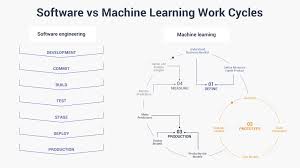
A machine learning software engineer applies engineering principles to the full lifecycle of machine learning products. This may include preparing data, building and integrating models, deploying services, and monitoring performance after release.

The job title can mean different things from one company to another. Some roles focus heavily on model development, while others emphasize production software, infrastructure, or data systems. In general, the role sits between traditional software engineering and applied machine learning.

Typical Responsibilities

Responsibilities vary by team and product, but may include:

  • Designing, building, and maintaining software that uses machine learning models
  • Preparing data for training, testing, and inference
  • Integrating models into applications, APIs, or backend services
  • Developing tools and pipelines for training and deploying models
  • Testing model behavior, software quality, and system reliability
  • Monitoring production systems for errors, latency, and changes in model performance
  • Working with data scientists, product managers, designers, and other engineers
  • Documenting technical decisions and communicating tradeoffs

In many cases, the work does not end when a model is trained. The model must also be served efficiently, updated when data changes, and evaluated to ensure it continues to meet product requirements.

Skills and Technologies

Programming and Software Engineering

Python is widely used in machine learning, but engineers may also work with languages such as Java, C++, Go, or JavaScript. Strong software engineering skills matter regardless of language. These include writing readable code, designing maintainable systems, testing changes, using version control, and troubleshooting production issues.

Machine Learning Fundamentals

Machine learning software engineers benefit from understanding common model types, training and evaluation methods, and the strengths and limits of different approaches. Useful concepts include supervised and unsupervised learning, classification, regression, feature engineering, overfitting, and model evaluation.

A role focused on production systems may not require inventing new algorithms. However, engineers still need enough machine learning knowledge to implement models correctly, understand their limitations, and identify when their behavior may be unreliable.

Data and Infrastructure

Machine learning systems depend on data that is accurate, accessible, and appropriately managed. Engineers may work with databases, data processing frameworks, cloud platforms, containers, and distributed systems. They may also use tools for model tracking, workflow orchestration, deployment, and monitoring.

The specific technology stack depends on the organization. More important than knowing every tool is understanding how data and models move through a system, how to handle failures, and how to build processes that can be repeated and maintained.

Communication and Collaboration

Machine learning projects often involve people with different areas of expertise. An engineer may need to explain why a model is too slow for a particular product, clarify what data is available, or help a team choose between accuracy, cost, and response time. Clear communication helps teams make practical decisions and set realistic expectations.

How Machine Learning Software Engineering Differs from Data Science

Data scientists often focus on exploring data, testing hypotheses, and developing models or analyses. Machine learning software engineers generally focus on making software systems that can use those models reliably in production.

The responsibilities can overlap. At smaller organizations, one person may handle data analysis, model development, and deployment. At larger companies, these tasks may be divided among several specialized teams. The exact boundaries depend on the product and organization.

How to Become a Machine Learning Software Engineer

There is no single path into the field, but a strong foundation in software engineering is a practical starting point. A typical learning path may include:

  1. Learn programming fundamentals. Build confidence with a language commonly used for software or machine learning, such as Python.
  2. Develop core engineering skills. Practice data structures, algorithms, testing, APIs, databases, and version control.
  3. Study the math and concepts behind machine learning. Focus on statistics, probability, linear algebra, and foundational model concepts.
  4. Build complete projects. Go beyond training a model by creating an application or service that uses it.
  5. Learn deployment and monitoring. Explore how to package, serve, evaluate, and update models in a production-like environment.
  6. Share your work clearly. Document projects, describe design decisions, and explain how you measured results.

A degree in computer science, engineering, mathematics, or a related field can be helpful, but practical experience also matters. Personal projects, internships, research, and contributions to open-source software can demonstrate relevant skills.

Challenges in the Role

Machine learning systems introduce challenges beyond those found in many conventional applications. Data may be incomplete or change over time. A model that performed well in testing may behave differently in production. Predictions can also be difficult to explain, and small changes in a pipeline may affect results in unexpected ways.

Engineers must consider more than model accuracy. A successful system also needs appropriate safeguards, acceptable response times, reliable infrastructure, and responsible data practices. Depending on the application, privacy, fairness, security, and regulatory requirements may be essential parts of the work.

Career Outlook

Organizations across many industries are exploring ways to use machine learning, creating opportunities for engineers who can connect models with dependable software. Demand and job requirements vary by location and industry, and not every position uses the same tools or level of machine learning expertise.

For people interested in both building software and working with data-driven technology, machine learning software engineering can be a rewarding career. The strongest candidates combine sound engineering judgment with a practical understanding of machine learning—and keep learning as tools and techniques evolve.


6 Essential Tips for Software Engineers to Master Machine Learning

  1. Learn Python, SQL, and core machine learning concepts.
  2. Build projects with real-world datasets.
  3. Track experiments and version your data and models.
  4. Evaluate models with metrics that match the task.
  5. Deploy models with monitoring and clear rollback plans.
  6. Keep learning about new tools and techniques.

Learn Python, SQL, and core machine learning concepts.

Start by building a strong foundation in Python, SQL, and core machine learning concepts. Python is widely used to develop models and machine learning applications, while SQL helps you query, organize, and understand the data those systems depend on. Learn key ideas such as supervised and unsupervised learning, model training, evaluation, and overfitting. Together, these skills will help you contribute to machine learning projects and prepare you to build reliable, data-driven software.

Build projects with real-world datasets.

Build projects with real-world datasets to learn how machine learning works beyond clean, classroom examples. Real data often contains missing values, inconsistent formats, noise, or unexpected patterns, giving you practice with the preparation and troubleshooting required in real projects. Choose a dataset connected to a problem you care about, document your decisions, and evaluate your model with appropriate metrics. Then, if possible, turn your work into a small application or service to show how the model could be used in practice.

Track experiments and version your data and models.

Track every machine learning experiment, and version your data and models so you can reproduce results and understand what changed. Record key details such as the code version, dataset, model settings, evaluation metrics, and environment. When an outcome improves—or a model behaves unexpectedly—this history makes it easier to compare approaches, debug issues, and reliably roll back to a previous version.

Evaluate models with metrics that match the task.

Evaluate machine learning models with metrics that reflect the task and the cost of different mistakes. For example, accuracy can be misleading when one class is much more common than another; precision and recall may better show how well a model handles important positive cases. For regression, metrics such as mean absolute error or root mean squared error can reveal how far predictions are from actual values. Choose metrics based on how the model will be used, and review them alongside real-world constraints like latency, reliability, and the impact of incorrect predictions.

Deploy models with monitoring and clear rollback plans.

When deploying a machine learning model, set up monitoring to track performance, errors, latency, and changes in incoming data. Clear alerts can help the team catch problems before they affect many users. Create and test a rollback plan in advance so you can quickly restore a previous model or system version if the new deployment behaves unexpectedly. Together, monitoring and a reliable rollback process make releases safer and easier to manage.

Keep learning about new tools and techniques.

Machine learning tools and techniques evolve quickly, so make continuous learning part of your routine. Follow trusted industry publications, take courses, attend meetups, and experiment with new libraries or approaches through small projects. Focus not only on what a tool can do, but also on when it is useful and what tradeoffs it brings. Staying curious helps you make better technical decisions and build machine learning systems that are effective, reliable, and up to date.

mckinsey software engineer

Exploring the Role of a McKinsey Software Engineer: Driving Innovation and Impact

McKinsey Software Engineer: A Career Path in Innovation and Impact

McKinsey Software Engineer: A Career Path in Innovation and Impact

When most people think of McKinsey & Company, they envision a global consulting firm known for its strategic advice and management solutions. However, McKinsey is also a leader in technology innovation, offering exciting career opportunities for software engineers who are passionate about solving complex problems.

The Role of a Software Engineer at McKinsey

As a software engineer at McKinsey, professionals are tasked with developing cutting-edge solutions that drive business transformation for clients across various industries. This role involves collaborating with cross-functional teams to create scalable software products that enhance operational efficiency and deliver tangible results.

Key Responsibilities

  • Design and Development: Crafting robust software architectures and writing clean, efficient code to build innovative applications.
  • Problem Solving: Analyzing complex client issues to develop custom software solutions that address specific business needs.
  • Collaboration: Working alongside consultants, data scientists, and other engineers to integrate technology seamlessly into client strategies.
  • Innovation: Staying abreast of the latest technological trends and incorporating them into the development process to maintain a competitive edge.

The Skills Required

A successful software engineer at McKinsey possesses a blend of technical expertise and soft skills. Key competencies include:

  • Proficiency in Programming Languages: Expertise in languages such as Python, Java, C++, or JavaScript is essential for developing versatile applications.
  • Analytical Thinking: The ability to dissect complex problems and devise innovative solutions is crucial.
  • Communication Skills: Effectively communicating technical concepts to non-technical stakeholders is an important aspect of the role.
  • Teamwork: Collaborating effectively within diverse teams ensures successful project outcomes.

The Impact of Technology at McKinsey

Mckinsey’s commitment to technology-driven solutions underscores its dedication to delivering impactful results for clients. By leveraging advanced technologies such as artificial intelligence, machine learning, and cloud computing, McKinsey’s software engineers play a pivotal role in shaping the future of businesses worldwide.

A Culture of Learning and Growth

Mckinsey fosters an environment where continuous learning is encouraged. Software engineers have access to numerous professional development opportunities through workshops, training programs, and mentorship initiatives. This commitment to growth ensures that team members remain at the forefront of technological advancements throughout their careers.

A Rewarding Career Path

Pursuing a career as a software engineer at McKinsey offers not only the chance to work on transformative projects but also provides competitive compensation packages and comprehensive benefits. More importantly, it offers the opportunity to be part of an organization that values innovation, collaboration, and excellence in all its endeavors.

If you are passionate about leveraging technology to make a meaningful impact on businesses worldwide, consider exploring the dynamic opportunities available as a software engineer at McKinsey & Company.


Exploring the Role and Opportunities for Software Engineers at McKinsey: Key Responsibilities, Skills, and Career Growth

  1. What does a software engineer do at McKinsey?
  2. What are the key responsibilities of a software engineer at McKinsey?
  3. What skills are required to become a successful software engineer at McKinsey?
  4. How does technology impact the work of software engineers at McKinsey?
  5. What professional development opportunities are available for software engineers at McKinsey?
  6. What is the culture like for software engineers at McKinsey?
  7. How does McKinsey support the growth and learning of its software engineers?
  8. Why consider a career as a software engineer at McKinsey?

What does a software engineer do at McKinsey?

A software engineer at McKinsey plays a crucial role in developing innovative solutions that drive business transformation for clients across diverse industries. Their responsibilities include designing and developing robust software architectures, writing efficient code to build cutting-edge applications, analyzing complex client issues to create custom software solutions, and collaborating with cross-functional teams to seamlessly integrate technology into client strategies. By staying abreast of the latest technological trends and incorporating them into their work, McKinsey’s software engineers contribute to the organization’s commitment to delivering impactful results and shaping the future of businesses worldwide.

What are the key responsibilities of a software engineer at McKinsey?

The key responsibilities of a software engineer at McKinsey encompass a range of crucial tasks aimed at driving technological innovation and delivering value to clients. These professionals are tasked with designing and developing robust software solutions, from crafting intricate architectures to writing efficient code for cutting-edge applications. They play a pivotal role in problem-solving by analyzing complex client challenges and creating customized software solutions to address specific business needs effectively. Collaboration is also a significant aspect of their role, as they work closely with cross-functional teams to seamlessly integrate technology into client strategies. Furthermore, staying abreast of the latest technological trends and incorporating innovative practices into the development process are essential responsibilities that ensure McKinsey’s software engineers maintain a competitive edge in delivering impactful results.

What skills are required to become a successful software engineer at McKinsey?

To become a successful software engineer at McKinsey, a combination of technical expertise and soft skills is essential. Proficiency in programming languages like Python, Java, C++, or JavaScript is a fundamental requirement for developing innovative and scalable solutions. Analytical thinking plays a crucial role in dissecting complex problems and devising effective software solutions. Strong communication skills are necessary for articulating technical concepts to diverse stakeholders, while teamwork and collaboration ensure seamless integration of technology into client strategies. Embracing continuous learning and staying abreast of technological advancements are also key attributes that contribute to success in the dynamic and impactful role of a software engineer at McKinsey.

How does technology impact the work of software engineers at McKinsey?

Technology plays a pivotal role in shaping the work of software engineers at McKinsey by enabling them to develop innovative solutions that drive business transformation for clients. From leveraging advanced programming languages and tools to incorporating cutting-edge technologies like artificial intelligence and machine learning, software engineers at McKinsey harness the power of technology to create scalable software products that enhance operational efficiency and deliver tangible results. The integration of technology not only streamlines the development process but also empowers software engineers to stay ahead of industry trends, ensuring that their solutions are at the forefront of innovation and impact.

What professional development opportunities are available for software engineers at McKinsey?

Software engineers at McKinsey have access to a wide range of professional development opportunities aimed at enhancing their skills and expertise. From workshops and training programs to mentorship initiatives, McKinsey is committed to fostering a culture of continuous learning and growth. Engineers have the chance to stay abreast of the latest technological advancements, collaborate with industry experts, and expand their knowledge through hands-on experience. These opportunities not only empower software engineers to excel in their roles but also enable them to contribute meaningfully to transformative projects that drive innovation and impact within the organization and for clients globally.

What is the culture like for software engineers at McKinsey?

The culture for software engineers at McKinsey is dynamic and collaborative, fostering an environment where innovation thrives. Software engineers at McKinsey are encouraged to think creatively, challenge the status quo, and push boundaries to deliver exceptional solutions for clients. The culture emphasizes teamwork, continuous learning, and a strong sense of community among colleagues. With a focus on diversity and inclusion, software engineers at McKinsey have the opportunity to work with talented individuals from diverse backgrounds, contributing to a rich tapestry of ideas and perspectives. Overall, the culture at McKinsey empowers software engineers to grow professionally, make a tangible impact through their work, and be part of a supportive and forward-thinking community.

How does McKinsey support the growth and learning of its software engineers?

McKinsey demonstrates a strong commitment to supporting the growth and learning of its software engineers through various initiatives. The company provides access to a wide range of professional development opportunities, including workshops, training programs, and mentorship initiatives. By fostering a culture of continuous learning, McKinsey ensures that software engineers have the resources and support needed to stay abreast of the latest technological advancements. This emphasis on growth not only enhances individual skill sets but also contributes to the overall success of projects and the organization as a whole.

Why consider a career as a software engineer at McKinsey?

Considering a career as a software engineer at McKinsey offers a unique opportunity to combine technical expertise with strategic problem-solving in a dynamic and innovative environment. At McKinsey, software engineers play a crucial role in developing cutting-edge solutions that drive business transformation and create tangible impact for clients across various industries. The collaborative nature of the work, the exposure to diverse projects, and the emphasis on continuous learning make McKinsey an attractive destination for those looking to make a difference through technology. Joining McKinsey as a software engineer opens doors to exciting challenges, professional growth, and the chance to be part of a global team dedicated to pushing the boundaries of innovation.