
cfchris.com

Loading

computer software engineer

Unlocking Innovation: The Role of a Computer Software Engineer in Today’s Tech Landscape

Computer Software Engineer

The Role of a Computer Software Engineer

A computer software engineer plays a crucial role in the development, design, and maintenance of software applications. These professionals are responsible for creating innovative solutions to meet the needs of businesses and individuals in today’s digital age.

Responsibilities of a Software Engineer

Software engineers are involved in every stage of the software development process. They analyze user requirements, design software solutions, write code, test applications for bugs and errors, and maintain existing software systems. These professionals work closely with other team members, such as project managers, designers, and quality assurance testers, to ensure that the final product meets all requirements.

Skills Required

To excel as a computer software engineer, one must possess strong technical skills in programming languages such as Java, C++, Python, or JavaScript. Problem-solving abilities, attention to detail, and creativity are also essential qualities for this role. Additionally, effective communication skills are vital for collaborating with team members and stakeholders throughout the development process.

Educational Background

Most computer software engineers hold a bachelor’s degree in computer science or a related field. Some professionals may pursue advanced degrees or certifications to further enhance their skills and knowledge in specific areas of software engineering.

Career Outlook

The demand for computer software engineers is expected to continue growing as technology becomes more integrated into various industries. With the rise of mobile applications, cloud computing, and artificial intelligence, there are abundant opportunities for skilled software engineers to make a significant impact in the tech industry.

Conclusion

In conclusion, computer software engineers play a vital role in shaping the future of technology through their expertise in developing innovative software solutions. Their contributions drive progress and innovation across industries worldwide.


5 Essential Tips for Excelling as a Computer Software Engineer

  1. Stay updated with the latest programming languages and technologies.
  2. Practice coding regularly to improve your skills and problem-solving abilities.
  3. Collaborate with other software engineers to learn from each other and work on projects together.
  4. Document your code properly for easier maintenance and future reference.
  5. Stay curious and never stop learning about new developments in the field of software engineering.

Stay updated with the latest programming languages and technologies.

It is crucial for computer software engineers to stay updated with the latest programming languages and technologies. By continuously learning and adapting to new advancements in the field, software engineers can enhance their skills, remain competitive in the job market, and create more efficient and innovative solutions for various projects. Keeping abreast of emerging trends ensures that software engineers can tackle complex challenges with confidence and contribute effectively to the ever-evolving tech industry.

Practice coding regularly to improve your skills and problem-solving abilities.

To enhance your proficiency as a computer software engineer, it is crucial to engage in regular coding practice. By consistently working on coding exercises and projects, you can sharpen your skills and enhance your problem-solving abilities. This practice not only helps you become more proficient in programming languages but also allows you to tackle complex challenges with confidence and creativity. Embracing regular coding practice as a routine can significantly contribute to your growth and success in the field of software engineering.

Collaborate with other software engineers to learn from each other and work on projects together.

Collaborating with other software engineers is a valuable tip for professionals in the field. By working together on projects and sharing knowledge, software engineers can learn from each other’s experiences, expand their skill sets, and tackle complex challenges more effectively. This collaborative approach not only fosters a sense of teamwork and camaraderie but also leads to the development of innovative solutions that benefit both the individual engineers and the projects they are working on. Embracing collaboration allows software engineers to leverage diverse perspectives and expertise, ultimately enhancing their growth and success in the dynamic world of technology.

Document your code properly for easier maintenance and future reference.

Properly documenting your code is essential for computer software engineers to facilitate easier maintenance and reference in the future. Clear and concise documentation helps developers understand the purpose and functionality of the code, making it simpler to troubleshoot issues, make updates, and collaborate with team members. By documenting code effectively, software engineers can ensure that their work remains accessible and comprehensible over time, ultimately contributing to more efficient and successful software development projects.

Stay curious and never stop learning about new developments in the field of software engineering.

It is crucial for computer software engineers to stay curious and continuously seek out new developments in the field of software engineering. By maintaining a mindset of curiosity and a commitment to lifelong learning, software engineers can stay at the forefront of technological advancements, enhance their skills, and adapt to evolving industry trends. Embracing a culture of continuous learning not only expands one’s knowledge base but also fosters innovation and ensures relevance in an ever-changing technological landscape.


Exploring the Transformative Power of AI and ML in Today’s World

The Impact of AI and ML on Modern Technology

The Impact of AI and ML on Modern Technology

Artificial Intelligence (AI) and Machine Learning (ML) are two of the most transformative technologies in today’s digital landscape. They are driving innovation across various sectors, from healthcare to finance, and are reshaping how businesses operate and make decisions.

Understanding AI and ML

Artificial Intelligence refers to the simulation of human intelligence processes by machines, particularly computer systems. These processes include learning, reasoning, problem-solving, perception, and language understanding.

Machine Learning, a subset of AI, involves the use of algorithms that enable computers to learn from data and improve their performance over time without being explicitly programmed. ML is about making predictions or decisions based on data inputs.

Applications in Various Industries

The applications of AI and ML are vast and varied:

  • Healthcare: AI is being used to analyze complex medical data for diagnostics, personalize treatment plans, and even predict patient outcomes.
  • Finance: Financial institutions use ML algorithms for fraud detection, risk management, algorithmic trading, and personalized banking services.
  • Retail: Retailers leverage AI for inventory management, customer service through chatbots, personalized marketing strategies, and demand forecasting.
  • Automotive: Autonomous vehicles rely heavily on AI for navigation systems that can interpret sensor data to make driving decisions.

The Benefits of AI and ML

The integration of AI and ML into business operations offers several benefits:

  • Efficiency: Automation of routine tasks reduces human error and frees up resources for more strategic activities.
  • Insights: Advanced analytics provide deeper insights into customer behavior, market trends, and operational efficiencies.
  • Innovation: Companies can develop new products or services faster by leveraging predictive analytics to understand market needs better.

The Challenges Ahead

Despite their advantages, implementing AI and ML comes with challenges. These include concerns about data privacy, the need for large datasets to train models effectively, potential biases in algorithms leading to unfair outcomes, and the ethical implications of autonomous decision-making systems.

The Future Outlook

The future looks promising as advancements in computing power continue to drive innovation in AI and ML. As these technologies evolve further, they will become even more integral to our daily lives—enhancing productivity while opening up new possibilities across different fields.

A continued focus on ethical practices will be essential as society navigates this technological evolution. By addressing these concerns proactively while fostering innovation responsibly—AI’s potential can be harnessed fully for global benefit.


Exploring AI and ML: Key Differences, Applications, Ethics, Bias Mitigation, and Business Challenges

  1. What is the difference between Artificial Intelligence (AI) and Machine Learning (ML)?
  2. How are Artificial Intelligence and Machine Learning being used in healthcare?
  3. What are the ethical implications of using AI and ML in decision-making processes?
  4. Can AI algorithms be biased, and how can bias be mitigated in Machine Learning models?
  5. What are some common challenges faced when implementing AI and ML solutions in businesses?

What is the difference between Artificial Intelligence (AI) and Machine Learning (ML)?

Artificial Intelligence (AI) and Machine Learning (ML) are often used interchangeably, but they represent distinct concepts within the realm of computer science. AI is a broad field that encompasses the development of systems capable of performing tasks that typically require human intelligence, such as reasoning, problem-solving, and understanding language. It aims to create machines that can mimic cognitive functions like learning and adaptation. On the other hand, Machine Learning is a subset of AI focused on the idea that machines can learn from data. ML involves algorithms that allow computers to identify patterns and make decisions with minimal human intervention. Essentially, while all machine learning is AI, not all AI involves machine learning. ML is one approach to achieving AI by enabling systems to improve their performance over time through experience and data analysis.

How are Artificial Intelligence and Machine Learning being used in healthcare?

Artificial Intelligence (AI) and Machine Learning (ML) are revolutionizing healthcare by enhancing diagnostic accuracy, personalizing treatment, and improving patient outcomes. AI systems can analyze complex medical data, such as imaging scans and electronic health records, to assist doctors in diagnosing diseases more accurately and swiftly. Machine learning algorithms are being used to develop predictive models that identify patients at risk of certain conditions, enabling early intervention. Additionally, AI-driven tools help in drug discovery by analyzing vast datasets to identify potential new treatments. In personalized medicine, ML algorithms tailor treatment plans based on an individual’s genetic makeup and lifestyle factors, ensuring more effective care. These technologies are also streamlining administrative tasks within healthcare facilities, allowing professionals to focus more on patient care.

What are the ethical implications of using AI and ML in decision-making processes?

The ethical implications of using AI and ML in decision-making processes are significant and multifaceted. As these technologies become more integrated into various sectors, they raise concerns about bias, transparency, and accountability. AI systems can inadvertently perpetuate or even amplify existing biases present in the data they are trained on, leading to unfair or discriminatory outcomes. Transparency is another critical issue, as the decision-making processes of complex algorithms can be opaque, making it difficult for users to understand how decisions are reached. This lack of clarity can undermine trust and accountability, especially in high-stakes areas like criminal justice or hiring. Additionally, there are concerns about privacy and the extent to which personal data is used responsibly. Ensuring ethical use of AI and ML requires ongoing efforts to develop fair algorithms, implement robust oversight mechanisms, and engage in open dialogue about their societal impacts.

Can AI algorithms be biased, and how can bias be mitigated in Machine Learning models?

AI algorithms can indeed be biased, primarily because they learn from data that may contain existing biases. These biases can stem from unrepresentative datasets, historical prejudices, or flawed data collection methods. When AI models are trained on such data, they can inadvertently perpetuate or even amplify these biases in their predictions and decisions. To mitigate bias in Machine Learning models, it’s crucial to use diverse and representative datasets during the training phase. Additionally, implementing fairness-aware algorithms and regularly auditing models for biased outcomes are essential steps. Transparency in the development process and involving interdisciplinary teams to evaluate model outputs can further help identify and address potential biases, ensuring that AI systems operate more equitably across different user groups.

What are some common challenges faced when implementing AI and ML solutions in businesses?

Implementing AI and ML solutions in businesses often presents several challenges. One of the primary hurdles is data quality and availability; AI and ML models require large volumes of high-quality data to function effectively, yet many organizations struggle with data silos or incomplete datasets. Additionally, integrating these technologies into existing systems can be complex and resource-intensive, requiring significant investment in infrastructure and skilled personnel. There is also the challenge of algorithmic bias, where models may inadvertently perpetuate existing biases present in the training data, leading to unfair outcomes. Furthermore, ensuring data privacy and security is crucial, as AI systems often handle sensitive information. Lastly, businesses must navigate the cultural shift within the organization as employees adapt to new workflows and processes driven by AI technologies.

for c

Enhancing Cybersecurity Measures for Businesses: A Vital Strategy in the Digital Age

The Importance of Cybersecurity for Businesses

The Importance of Cybersecurity for Businesses

In today’s digital age, cybersecurity has become a critical aspect for businesses of all sizes. With the increasing reliance on technology and the internet for day-to-day operations, protecting sensitive data and information has never been more important.

Cyberattacks are on the rise, with hackers constantly looking for vulnerabilities to exploit. A data breach can have devastating consequences for a business, including financial loss, damage to reputation, and legal implications. This is why implementing robust cybersecurity measures is essential.

Key Reasons Why Cybersecurity is Crucial for Businesses:

  • Data Protection: Safeguarding customer data, intellectual property, and other sensitive information from unauthorized access or theft.
  • Business Continuity: Preventing disruptions to operations caused by cyber incidents such as ransomware attacks or system breaches.
  • Compliance Requirements: Ensuring that businesses comply with data protection regulations and industry standards to avoid penalties and legal consequences.
  • Reputation Management: Building trust with customers by demonstrating a commitment to protecting their privacy and security.
  • Risk Mitigation: Identifying potential threats and vulnerabilities in advance to proactively mitigate risks before they turn into security breaches.

Investing in cybersecurity not only protects your business assets but also instills confidence in your stakeholders. By prioritizing cybersecurity, businesses can stay ahead of evolving threats and maintain a secure environment for their digital operations.


Understanding ‘For’ Loops in C: Common Questions and Examples

  1. What is the purpose of ‘for’ loop in C programming?
  2. How do you use ‘for’ loop to iterate over an array in C?
  3. Can you provide an example of a nested ‘for’ loop in C?
  4. What are the differences between ‘for’ and ‘while’ loops in C?
  5. How can I break out of a ‘for’ loop prematurely in C?

What is the purpose of ‘for’ loop in C programming?

In C programming, the ‘for’ loop serves as a fundamental control structure that allows developers to execute a block of code repeatedly based on specified conditions. The primary purpose of the ‘for’ loop is to streamline repetitive tasks by defining initialization, condition, and iteration steps within a concise syntax. By using the ‘for’ loop effectively, programmers can efficiently iterate over data structures, perform calculations, and automate processes without the need for redundant code. This loop structure plays a crucial role in enhancing code readability, optimizing performance, and facilitating the implementation of iterative algorithms in C programs.

How do you use ‘for’ loop to iterate over an array in C?

In C programming, you can use a ‘for’ loop to iterate over an array by specifying the loop control variable to index through the elements of the array. The ‘for’ loop typically consists of three parts: initialization, condition, and increment/decrement. For iterating over an array, you would initialize the loop control variable to 0 (for the first element of the array), set the condition to check if the index is within the bounds of the array, and increment the index variable inside the loop to move to the next element in each iteration. By using a ‘for’ loop in this manner, you can access and process each element of the array sequentially.

Can you provide an example of a nested ‘for’ loop in C?

In C programming, a nested ‘for’ loop is a loop inside another loop. This allows for executing a set of statements multiple times in a structured manner. Here is an example of a nested ‘for’ loop in C:

“`c

#include

int main() {

int rows = 3;

int cols = 3;

for (int i = 0; i < rows; i++) {

for (int j = 0; j < cols; j++) {

printf(“(%d, %d) “, i, j);

}

printf(“\n”);

}

return 0;

}

“`

In this example, the outer ‘for’ loop iterates over the rows while the inner ‘for’ loop iterates over the columns within each row. This structure allows for efficiently handling two-dimensional arrays or performing operations on matrix-like data structures in C.

What are the differences between ‘for’ and ‘while’ loops in C?

In C programming, understanding the differences between ‘for’ and ‘while’ loops is essential for effective program flow control. The ‘for’ loop is typically used when the number of iterations is known beforehand, as it allows initializing a loop control variable, setting a condition for continuation, and updating the variable in a single line. On the other hand, the ‘while’ loop is more flexible and suitable for situations where the termination condition depends on runtime evaluation. It requires explicitly initializing the loop control variable before entering the loop and updating it within the loop body. Choosing between ‘for’ and ‘while’ loops in C depends on the specific requirements of the program and the nature of the iteration process.

How can I break out of a ‘for’ loop prematurely in C?

In C programming, you can break out of a ‘for’ loop prematurely using the ‘break’ statement. When a specific condition is met within the loop, you can use ‘break’ to immediately exit the loop and continue with the code execution following the loop. This allows for more flexibility and control over the flow of your program, especially when you need to terminate a loop before it reaches its natural end based on certain criteria.

custom built software

Unlocking Success with Custom-Built Software Solutions

The Power of Custom-Built Software

The Power of Custom-Built Software

In today’s fast-paced digital world, businesses are constantly seeking ways to stay ahead of the competition. One effective strategy that many successful companies are adopting is investing in custom-built software solutions tailored to their specific needs.

Custom-built software refers to applications or systems that are uniquely developed to address a company’s unique requirements and challenges. Unlike off-the-shelf software, custom solutions are designed from the ground up with the organization’s goals, processes, and workflows in mind.

Benefits of Custom-Built Software:

  • Enhanced Efficiency: Custom software is built to streamline processes and automate tasks, leading to increased productivity and efficiency within the organization.
  • Scalability: As businesses grow and evolve, custom software can easily be scaled to accommodate changing needs and requirements without major disruptions.
  • Competitive Edge: By having software that is tailored specifically for their operations, companies can gain a competitive edge by offering unique features and capabilities that set them apart from competitors.
  • Improved Security: Custom-built software can be designed with robust security measures to protect sensitive data and mitigate cybersecurity risks.
  • Cost-Effectiveness: While the initial investment in custom software development may be higher than off-the-shelf solutions, in the long run, it can result in cost savings by eliminating the need for multiple third-party applications and reducing manual workarounds.

Choosing a Reliable Software Development Partner

When embarking on a custom software development project, it is crucial to partner with a reputable software development company that has a proven track record of delivering high-quality solutions. A reliable partner will work closely with your team to understand your business objectives and develop a tailored solution that meets your specific requirements.

In conclusion, custom-built software offers businesses a powerful tool for driving innovation, increasing efficiency, and gaining a competitive advantage in today’s digital landscape. By investing in bespoke solutions that align with their unique needs, organizations can position themselves for long-term success and growth.


8 Essential Tips for Successful Custom Software Development

  1. Clearly define your requirements before starting the development process.
  2. Communicate effectively with the development team to ensure alignment on project goals.
  3. Consider scalability and flexibility in the design to accommodate future growth.
  4. Regularly test the software for bugs and performance issues throughout the development cycle.
  5. Prioritize security measures to protect sensitive data and prevent cyber threats.
  6. Document all aspects of the custom software for easier maintenance and troubleshooting.
  7. Provide training for end-users to maximize adoption and utilization of the new software.
  8. Gather feedback from users to continuously improve and enhance the custom-built software.

Clearly define your requirements before starting the development process.

It is essential to clearly define your requirements before initiating the development process for custom-built software. By outlining your objectives, functionalities, and expectations upfront, you provide a roadmap for the development team to follow. This step helps ensure that the final product aligns closely with your needs and minimizes the risk of misunderstandings or costly changes later in the project. Clear requirements also facilitate effective communication between stakeholders and developers, leading to a smoother development process and a successful outcome that meets your business goals.

Communicate effectively with the development team to ensure alignment on project goals.

Effective communication with the development team is essential to ensure alignment on project goals when creating custom-built software. By maintaining clear and open lines of communication, stakeholders can convey their requirements, expectations, and feedback to the development team. This collaborative approach helps in fostering a shared understanding of the project objectives, leading to the successful delivery of a tailored software solution that meets the organization’s specific needs and vision.

Consider scalability and flexibility in the design to accommodate future growth.

When developing custom-built software, it is essential to consider scalability and flexibility in the design to accommodate future growth. By planning for scalability, organizations can ensure that the software can easily expand and adapt to meet increasing demands as the business evolves. Additionally, incorporating flexibility into the design allows for modifications and enhancements to be made efficiently, enabling the software to remain relevant and effective in the face of changing requirements. Prioritizing scalability and flexibility during the development process can help future-proof the software and support long-term success for the organization.

Regularly test the software for bugs and performance issues throughout the development cycle.

To ensure the success of custom-built software, it is essential to incorporate regular testing for bugs and performance issues at every stage of the development cycle. By conducting thorough testing throughout the process, developers can identify and address any issues early on, preventing potential setbacks and ensuring the final product meets quality standards. This proactive approach not only helps in delivering a reliable and high-performing software solution but also enhances user experience and overall satisfaction with the end product.

Prioritize security measures to protect sensitive data and prevent cyber threats.

It is crucial for businesses investing in custom-built software to prioritize security measures to safeguard sensitive data and prevent cyber threats. By implementing robust security protocols and encryption techniques, organizations can ensure the confidentiality and integrity of their information, mitigating the risk of data breaches and unauthorized access. Proactive measures such as regular security audits, vulnerability assessments, and employee training on cybersecurity best practices are essential components of a comprehensive security strategy that can help protect valuable data assets from potential threats.

Document all aspects of the custom software for easier maintenance and troubleshooting.

Documenting all aspects of custom-built software is crucial for ensuring easier maintenance and troubleshooting in the long run. Comprehensive documentation that outlines the software’s architecture, functionalities, dependencies, and any customizations made during development provides valuable insights for developers and IT teams. By maintaining detailed documentation, organizations can streamline future updates, identify issues more efficiently, and facilitate knowledge transfer among team members. This proactive approach to documentation not only enhances the software’s maintainability but also contributes to overall system reliability and performance.

Provide training for end-users to maximize adoption and utilization of the new software.

Providing training for end-users is a crucial step in maximizing the adoption and utilization of custom-built software within an organization. By offering comprehensive training sessions, employees can gain the necessary skills and knowledge to effectively use the new software, leading to increased efficiency and productivity. Training also helps to minimize resistance to change and ensures that users feel confident and empowered when working with the customized solution. Ultimately, investing in training for end-users not only enhances the overall success of the software implementation but also fosters a culture of continuous learning and improvement within the organization.

Gather feedback from users to continuously improve and enhance the custom-built software.

To ensure the success and effectiveness of custom-built software, it is essential to gather feedback from users on a regular basis. By soliciting input from those who interact with the software daily, developers can gain valuable insights into how the system is being used, what features are most beneficial, and where improvements can be made. This feedback loop allows for continuous enhancement and refinement of the custom software, ensuring that it remains aligned with user needs and evolves to meet changing requirements over time.

cyber security consulting firms

Enhancing Cyber Security: The Role of Consulting Firms

Cyber Security Consulting Firms

The Role of Cyber Security Consulting Firms in Safeguarding Businesses

In today’s digital age, the threat of cyber attacks looms large over businesses of all sizes and industries. Cyber security consulting firms play a crucial role in helping organizations protect their sensitive data and maintain the integrity of their IT systems.

These firms specialize in providing expert advice, assessment, and solutions to enhance an organization’s cyber security posture. They work closely with businesses to identify vulnerabilities, develop robust security strategies, and implement effective measures to prevent and mitigate cyber threats.

Services Offered by Cyber Security Consulting Firms

Cyber security consulting firms offer a wide range of services tailored to meet the unique needs of each client. Some common services include:

  • Security risk assessments
  • Penetration testing
  • Security audits and compliance assessments
  • Incident response planning
  • Security awareness training
  • Security architecture design and implementation
  • Managed security services

The Benefits of Hiring a Cyber Security Consulting Firm

By engaging the services of a cyber security consulting firm, businesses can:

  • Gain access to specialized expertise and knowledge in cyber security.
  • Identify and address vulnerabilities before they are exploited by malicious actors.
  • Ensure compliance with industry regulations and standards.
  • Enhance their overall security posture and reduce the risk of data breaches.
  • Receive timely guidance and support during security incidents.

Choosing the Right Cyber Security Consulting Firm

When selecting a cyber security consulting firm, businesses should consider factors such as:

  • The firm’s reputation and track record in the industry.
  • The expertise and qualifications of its consultants.

    li><

    li>The range of services offered to meet the organization’s specific needs.

    <

    li>The firm’s approach to collaboration and communication with clients.

    <

    li>The cost-effectiveness of the services provided.

    <

    / ul >

    <

    p > By partnering with a reputable cyber security consulting firm, businesses can proactively safeguard their assets, reputation, and customer trust against evolving cyber threats. Investing in robust cyber security measures is essential in today’s interconnected digital landscape to ensure long-term success and resilience. <

    / p >

    <

    footer >

    <

    p > © 2023 Cyber Security Consulting Firms. All rights reserved. <

    / p >

    <

    /body >

    <

    /html >


    7 Essential Tips for Choosing the Right Cyber Security Consulting Firm

    1. Ensure the consulting firm has a strong track record in cyber security.
    2. Verify the credentials and expertise of the consultants working for the firm.
    3. Assess the range of services offered by the firm to meet your specific needs.
    4. Inquire about the firm’s experience with businesses similar to yours in size and industry.
    5. Review client testimonials and case studies to gauge the firm’s effectiveness.
    6. Clarify pricing structures and ensure they align with your budget and expectations.
    7. Establish clear communication channels and expectations to maintain a productive partnership.

    Ensure the consulting firm has a strong track record in cyber security.

    When seeking a cyber security consulting firm, it is crucial to ensure that the firm has a strong track record in cyber security. A proven history of successful projects and satisfied clients demonstrates the firm’s expertise and reliability in safeguarding businesses against cyber threats. By choosing a consulting firm with a solid track record, organizations can have confidence in the effectiveness of the services provided and trust that their sensitive data and IT systems are in capable hands.

    Verify the credentials and expertise of the consultants working for the firm.

    It is crucial for businesses seeking cyber security consulting services to verify the credentials and expertise of the consultants employed by the firm. By ensuring that the consultants have relevant certifications, experience, and a strong track record in the field, organizations can have confidence in the quality of service they will receive. Expertise in areas such as risk assessment, incident response, and compliance is essential for effective cyber security consulting, making thorough vetting of consultants a key step in selecting a reliable partner for safeguarding digital assets.

    Assess the range of services offered by the firm to meet your specific needs.

    When considering a cyber security consulting firm, it is essential to assess the range of services they offer to ensure they align with your specific needs. By evaluating the firm’s service offerings, you can determine if they provide the expertise and solutions required to address your organization’s unique cyber security challenges effectively. Choosing a firm that offers a comprehensive suite of services tailored to meet your specific requirements can significantly enhance your overall security posture and help mitigate potential cyber threats more effectively.

    Inquire about the firm’s experience with businesses similar to yours in size and industry.

    When considering a cyber security consulting firm, it is advisable to inquire about the firm’s experience working with businesses similar to yours in size and industry. Understanding the firm’s track record with organizations that share similarities with your own can provide valuable insights into their capabilities and expertise in addressing specific cyber security challenges relevant to your business. By choosing a consulting firm with relevant experience, you can ensure that they have a deep understanding of the unique risks and requirements associated with your industry, enabling them to tailor effective security solutions to meet your specific needs.

    Review client testimonials and case studies to gauge the firm’s effectiveness.

    To assess the effectiveness of a cyber security consulting firm, it is advisable to review client testimonials and case studies. These resources provide valuable insights into the firm’s track record, expertise, and ability to deliver results. By examining feedback from previous clients and real-world examples of successful projects, businesses can gain a better understanding of the firm’s capabilities and determine if they are well-suited to meet their specific cyber security needs.

    Clarify pricing structures and ensure they align with your budget and expectations.

    When considering cyber security consulting firms, it is essential to clarify their pricing structures to ensure they align with your budget and expectations. Understanding the costs involved in the services provided by the firm can help you make informed decisions and avoid unexpected expenses down the line. By discussing pricing details upfront and evaluating how they fit within your financial constraints and anticipated outcomes, you can establish a transparent partnership that benefits both parties.

    Establish clear communication channels and expectations to maintain a productive partnership.

    Establishing clear communication channels and expectations is vital when working with cyber security consulting firms to maintain a productive partnership. By clearly defining roles, responsibilities, and goals from the outset, both parties can ensure alignment and understanding throughout the engagement. Regular communication allows for timely updates, feedback exchange, and problem-solving collaboration, enhancing the effectiveness of the cyber security measures implemented. Clarity in communication fosters trust and transparency, key elements in building a successful and enduring partnership with a cyber security consulting firm.

custom software development companies

Empowering Businesses: The Role of Custom Software Development Companies in Today’s Digital Landscape

Custom Software Development Companies

The Role of Custom Software Development Companies in Today’s Business Landscape

In the fast-paced and competitive world of business, having the right tools and technologies can make all the difference. This is where custom software development companies come into play. These companies specialize in creating tailored software solutions that meet the unique needs and requirements of businesses across various industries.

Benefits of Custom Software Development

Off-the-shelf software may offer some general functionalities, but it often falls short when it comes to addressing specific business processes or challenges. Custom software development companies bridge this gap by developing software that is designed from the ground up to align with a company’s workflows, objectives, and goals.

Some key benefits of opting for custom software development include:

  • Scalability: Custom software can grow and evolve with your business, ensuring that it remains relevant and effective as your needs change.
  • Increased Efficiency: Tailored solutions streamline processes, automate tasks, and eliminate manual workarounds, boosting overall efficiency.
  • Enhanced Security: Custom software can be built with robust security features to protect sensitive data and mitigate cybersecurity risks.
  • Bespoke Functionality: Businesses can have features and functionalities developed specifically to address their unique requirements, giving them a competitive edge.

Choosing the Right Custom Software Development Company

When selecting a custom software development company to partner with, businesses should consider several factors:

  • Experience and Expertise: Look for a company with a proven track record of delivering successful custom software projects in your industry.
  • Collaborative Approach: Opt for a company that values collaboration and communication throughout the development process to ensure alignment with your vision.
  • Technology Stack: Ensure that the company has expertise in relevant technologies and tools needed for your project requirements.
  • Client Reviews and Testimonials: Check client testimonials and reviews to gauge the company’s reputation and customer satisfaction levels.

The Future of Custom Software Development

In an increasingly digital world, custom software development companies play a crucial role in helping businesses leverage technology to drive innovation, efficiency, and growth. As businesses continue to seek tailored solutions that meet their evolving needs, custom software development will remain a key strategic investment for staying ahead in today’s competitive landscape.


9 Essential FAQs About Custom Software Development Companies

  1. What is custom software development?
  2. Why should a business consider custom software development?
  3. How does custom software development differ from off-the-shelf solutions?
  4. What are the key benefits of investing in custom software development?
  5. How long does it typically take to develop custom software?
  6. What factors influence the cost of custom software development?
  7. How can businesses ensure the security of their custom software?
  8. What technologies do custom software development companies commonly use?
  9. How can businesses collaborate effectively with a custom software development company?

What is custom software development?

Custom software development refers to the process of creating unique, tailor-made software solutions that are specifically designed to meet the individual needs and requirements of a business or organization. Unlike off-the-shelf software, custom software is built from scratch, allowing for a high degree of customization and flexibility. This approach ensures that the software aligns perfectly with the client’s workflows, objectives, and goals, ultimately leading to increased efficiency, improved productivity, and a competitive edge in the market. Custom software development companies specialize in translating a client’s vision into a functional and scalable software solution that addresses their specific challenges and enhances their overall operations.

Why should a business consider custom software development?

When considering custom software development, businesses should understand the unique advantages it offers compared to off-the-shelf solutions. Custom software development allows businesses to tailor applications specifically to their needs, enabling enhanced efficiency, scalability, and security. By investing in custom software, businesses can streamline processes, automate tasks, and gain a competitive edge with bespoke functionalities that align closely with their operations and objectives. Ultimately, custom software development empowers businesses to optimize their workflows, adapt to changing requirements, and drive innovation in a rapidly evolving digital landscape.

How does custom software development differ from off-the-shelf solutions?

Custom software development differs from off-the-shelf solutions in its tailored approach to meeting specific business needs. While off-the-shelf software offers pre-built functionalities that cater to a broad audience, custom software is designed from scratch to align closely with a company’s unique workflows, requirements, and goals. Custom software allows for greater flexibility, scalability, and customization options, ensuring that businesses have full control over the features and functionalities they need. In contrast, off-the-shelf solutions may require workarounds or compromises to fit a company’s processes, potentially leading to inefficiencies or limitations in functionality. Ultimately, custom software development provides businesses with a personalized solution that can adapt and grow along with their evolving needs and challenges.

What are the key benefits of investing in custom software development?

Investing in custom software development offers a range of key benefits that can significantly impact a business’s operations and success. Custom software solutions are tailored to meet specific business needs, allowing for enhanced efficiency, scalability, and security. By investing in custom software development, businesses can streamline processes, automate tasks, and gain a competitive edge with bespoke functionalities that align closely with their unique requirements. Additionally, custom software can adapt and grow alongside the business, ensuring long-term relevance and value. Overall, the key benefits of investing in custom software development include improved productivity, optimized workflows, enhanced data security, and the ability to stay ahead of the curve in an ever-evolving technological landscape.

How long does it typically take to develop custom software?

The timeline for developing custom software can vary significantly depending on the complexity of the project, specific requirements, and scope of work involved. In general, custom software development projects can take anywhere from a few weeks to several months or even longer to complete. Factors such as the size of the development team, availability of resources, level of customization needed, and any unforeseen challenges that may arise during the process can all influence the overall timeline. It is essential for businesses looking to embark on a custom software development project to work closely with a reputable and experienced development company to establish realistic timelines and milestones based on their unique needs and objectives.

What factors influence the cost of custom software development?

The cost of custom software development is influenced by several key factors that businesses need to consider. Factors such as the complexity of the project, the desired features and functionalities, the technology stack required, the level of customization needed, and the timeline for development all play a significant role in determining the overall cost. Additionally, factors like scalability requirements, integration with existing systems, ongoing maintenance and support needs, as well as the expertise and location of the development team can also impact the cost of custom software development. By carefully evaluating these factors and working closely with a reputable custom software development company, businesses can ensure that they receive a tailored solution that meets their specific needs within their budget constraints.

How can businesses ensure the security of their custom software?

Ensuring the security of custom software is a top priority for businesses in today’s digital landscape. To safeguard their custom software, businesses can implement a multi-layered approach that includes thorough security assessments, regular vulnerability scans, and robust encryption protocols. Additionally, businesses should prioritize secure coding practices during the development phase, conduct regular security audits, and stay informed about emerging cybersecurity threats. Collaborating with experienced custom software development companies that have a strong focus on cybersecurity can also help businesses proactively address security concerns and protect their valuable data and assets from potential breaches.

What technologies do custom software development companies commonly use?

Custom software development companies commonly use a wide range of technologies to create tailored solutions for their clients. Some of the most commonly employed technologies include programming languages like Java, C#, Python, and JavaScript, as well as frameworks such as .NET, Angular, React, and Node.js. Database management systems like MySQL, PostgreSQL, and MongoDB are also frequently utilized to store and manage data efficiently. Additionally, custom software development companies often leverage cloud platforms such as Amazon Web Services (AWS) or Microsoft Azure to host and scale applications. By staying abreast of the latest technologies and tools, these companies ensure that they can deliver innovative and effective custom software solutions that meet the unique needs of each client.

How can businesses collaborate effectively with a custom software development company?

To collaborate effectively with a custom software development company, businesses should prioritize clear communication and establish a strong partnership from the outset. It is essential for businesses to articulate their requirements, objectives, and expectations clearly to the development team. Regular feedback sessions, milestone reviews, and progress updates help ensure that the project stays on track and aligns with the business’s vision. Building mutual trust, maintaining open lines of communication, and fostering a collaborative environment where both parties can exchange ideas and insights are key to a successful partnership with a custom software development company. By working closely together and valuing transparency throughout the development process, businesses can maximize the benefits of custom software solutions tailored to their specific needs.

programming company

Innovative Solutions from a Leading Programming Company

The Role of a Programming Company in Today’s Digital World

The Role of a Programming Company in Today’s Digital World

In today’s fast-paced digital landscape, the role of a programming company has become more crucial than ever. These companies play a significant role in developing software solutions that power businesses, drive innovation, and enhance user experiences.

Custom Software Development

One of the primary functions of a programming company is custom software development. Businesses often require tailored solutions to meet their specific needs and challenges. A programming company works closely with clients to understand their requirements and develop software that addresses these needs efficiently.

Web Development

With the internet being a vital platform for businesses to reach their target audience, web development is another key service offered by programming companies. These companies create responsive and user-friendly websites that help businesses establish their online presence and attract customers.

Mobile App Development

In the era of smartphones, mobile app development has gained immense importance. Programming companies specialize in creating mobile applications for various platforms such as iOS and Android. These apps enable businesses to engage with their customers on-the-go and offer seamless experiences.

Software Maintenance and Support

Programming companies also provide ongoing maintenance and support services for the software they develop. This ensures that the software remains up-to-date, secure, and efficient over time. Clients can rely on these companies to troubleshoot issues, implement updates, and provide technical assistance when needed.

Conclusion

In conclusion, programming companies play a vital role in shaping the digital landscape of today’s world. From custom software development to web and mobile app development, these companies are instrumental in helping businesses thrive in an increasingly technology-driven environment. Their expertise and services contribute significantly to innovation, efficiency, and success in the digital age.


8 Key Advantages of Partnering with a Leading Programming Company

  1. Expertise in various programming languages
  2. Customized software solutions tailored to specific needs
  3. Innovative web development services
  4. Specialization in mobile app development for iOS and Android platforms
  5. Ongoing software maintenance and support
  6. Enhanced user experiences through user-friendly interfaces
  7. Efficient problem-solving and troubleshooting capabilities
  8. Contribution to business growth and digital transformation


Challenges Faced by Programming Companies: Costs, Delays, Communication, and Quality Assurance

  1. High costs associated with custom software development can be a barrier for some businesses.
  2. Delays in project timelines may occur due to unforeseen technical challenges or resource constraints.
  3. Maintaining communication and alignment between the programming company and the client’s expectations can sometimes be challenging.
  4. Quality assurance issues or bugs in the software developed by the programming company may require additional time and resources to resolve.

Expertise in various programming languages

A key advantage of partnering with a programming company lies in their expertise in various programming languages. This diverse skill set allows the company to adapt to different project requirements and choose the most suitable language for each task. Whether it’s developing a web application using JavaScript, creating a mobile app with Swift, or building a backend system with Python, their proficiency in multiple languages ensures that they can deliver high-quality solutions tailored to the specific needs of their clients.

Customized software solutions tailored to specific needs

Programming companies offer a valuable service by providing customized software solutions that are tailored to meet specific needs. This pro allows businesses to have software applications that align precisely with their unique requirements and challenges. By working closely with clients to understand their goals and processes, programming companies can develop bespoke solutions that enhance efficiency, productivity, and overall performance. Customized software solutions enable businesses to optimize their operations and achieve greater success in today’s competitive market.

Innovative web development services

Innovative web development services offered by programming companies encompass cutting-edge technologies and creative solutions to design and build engaging websites. These services focus on delivering user-centric experiences, responsive designs, and seamless functionalities that cater to the evolving needs of businesses in the digital age. By leveraging innovative approaches in web development, programming companies help clients stay ahead of the competition, enhance their online presence, and connect with their target audience effectively.

Specialization in mobile app development for iOS and Android platforms

A programming company specializing in mobile app development for iOS and Android platforms offers valuable expertise in creating cutting-edge applications tailored for these two dominant operating systems. By focusing on the unique requirements and features of iOS and Android, such a company ensures that clients receive high-quality, user-friendly apps that cater to a wide range of mobile users. This specialization allows the programming company to leverage the latest technologies and design principles specific to each platform, resulting in innovative and seamless mobile experiences for businesses and their customers alike.

Ongoing software maintenance and support

Ongoing software maintenance and support are essential services provided by programming companies to ensure that clients’ software remains reliable, secure, and up-to-date. By offering regular updates, troubleshooting assistance, and technical support, programming companies help businesses minimize downtime, address potential issues promptly, and optimize the performance of their software solutions. This proactive approach to maintenance not only enhances the longevity of the software but also ensures that it continues to meet the evolving needs of the client’s business in a rapidly changing technological landscape.
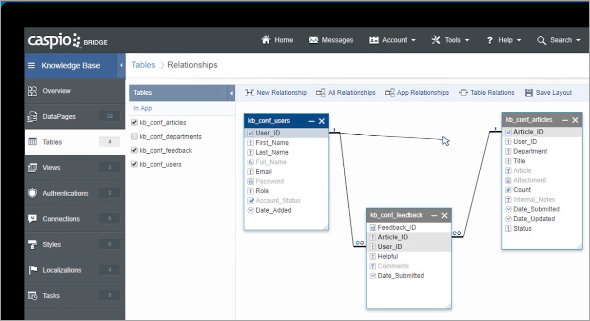
Enhanced user experiences through user-friendly interfaces

Programming companies excel in enhancing user experiences through the creation of user-friendly interfaces. By prioritizing intuitive design and seamless navigation, these companies ensure that users can easily interact with software applications, websites, and mobile apps. A well-crafted user interface not only improves usability but also increases user satisfaction and engagement. Through their expertise in creating visually appealing and functional interfaces, programming companies contribute to a positive user experience that fosters customer loyalty and drives business success.

Efficient problem-solving and troubleshooting capabilities

Programming companies excel in efficient problem-solving and troubleshooting capabilities, which are essential for ensuring the smooth functioning of software systems. Their expertise allows them to quickly identify and resolve issues that may arise during the development or implementation process. By leveraging their deep understanding of programming languages and technologies, these companies can tackle complex problems with precision and speed, minimizing downtime and ensuring optimal performance for their clients’ software solutions.

Contribution to business growth and digital transformation

Programming companies play a crucial role in contributing to business growth and digital transformation. By developing custom software solutions, websites, and mobile applications, these companies help businesses streamline their operations, improve efficiency, and enhance customer experiences. Through innovative technology solutions, programming companies empower businesses to adapt to the rapidly evolving digital landscape, stay competitive in the market, and drive sustainable growth. Their expertise not only accelerates digital transformation initiatives but also paves the way for organizations to embrace new opportunities and reach their full potential in the digital age.

High costs associated with custom software development can be a barrier for some businesses.

The high costs associated with custom software development can pose a significant barrier for some businesses looking to leverage technology solutions to enhance their operations. The investment required for tailored software development, which includes initial development costs, ongoing maintenance, and support expenses, can strain the budget of smaller companies or startups. This financial challenge may limit access to advanced technological solutions and hinder the ability of businesses to stay competitive in today’s digital market. Finding a balance between cost and quality in custom software development remains a critical consideration for businesses navigating the complexities of IT investment.

Delays in project timelines may occur due to unforeseen technical challenges or resource constraints.

Delays in project timelines within a programming company can be a significant con that arises due to unforeseen technical challenges or resource constraints. Despite meticulous planning, unexpected issues such as complex coding requirements, integration difficulties, or hardware limitations can arise during the development process, causing setbacks in project delivery. Additionally, resource constraints, such as limited availability of skilled developers or insufficient hardware/software resources, can further contribute to delays. These challenges highlight the importance of proactive risk management and effective resource allocation strategies within programming companies to mitigate the impact of potential delays on project timelines.

Maintaining communication and alignment between the programming company and the client’s expectations can sometimes be challenging.

Maintaining effective communication and alignment between a programming company and the client’s expectations can present a significant challenge. Misunderstandings or discrepancies in project requirements, timelines, or deliverables can arise if there is a lack of clear and consistent communication. It is crucial for both parties to actively engage in transparent discussions, set realistic goals, and establish a mutual understanding of project objectives to ensure that the final product meets the client’s expectations. Proactive communication strategies and regular updates are essential to overcome this con and foster a productive working relationship between the programming company and the client.

Quality assurance issues or bugs in the software developed by the programming company may require additional time and resources to resolve.

Quality assurance issues or bugs in the software developed by a programming company can pose significant challenges, as they may necessitate additional time and resources to resolve. These issues can impact the overall functionality and performance of the software, leading to delays in deployment and potentially affecting user experience. Addressing quality assurance issues effectively requires thorough testing, debugging, and refinement processes, which can extend project timelines and increase costs. It is essential for programming companies to prioritize rigorous quality assurance practices to minimize the occurrence of bugs and ensure the delivery of reliable and high-performing software solutions to their clients.

businesses

Empowering Businesses for a Sustainable Future

The Role of Businesses in Today’s Society

The Role of Businesses in Today’s Society

In today’s interconnected world, businesses play a crucial role in shaping our society and economy. From small local enterprises to multinational corporations, businesses impact various aspects of our daily lives.

Creating Job Opportunities

One of the primary functions of businesses is to create job opportunities for individuals. By employing people from diverse backgrounds and skill sets, businesses contribute to reducing unemployment rates and improving the overall economic well-being of communities.

Driving Innovation and Progress

Businesses are at the forefront of driving innovation and progress. Through research and development efforts, companies introduce new products, services, and technologies that enhance our quality of life and address societal challenges.

Contributing to Economic Growth

Businesses are key drivers of economic growth. By investing in infrastructure, expanding operations, and engaging in trade activities, businesses stimulate economic activity that leads to increased prosperity for individuals and nations.

Supporting Local Communities

Many businesses actively support local communities through philanthropic initiatives, sponsorships, and volunteer programs. By giving back to society, businesses demonstrate their commitment to social responsibility and help address pressing social issues.

Adapting to Changing Needs

In a rapidly evolving world, businesses must adapt to changing consumer preferences, technological advancements, and regulatory requirements. By remaining agile and responsive, businesses can stay competitive and relevant in an ever-changing marketplace.

Fostering Collaboration and Partnerships

Businesses often collaborate with other organizations, governments, academic institutions, and non-profit entities to achieve common goals. These partnerships foster knowledge sharing, resource pooling, and collective action towards solving complex societal challenges.

In conclusion, businesses are integral components of today’s society that drive economic growth, innovation, job creation, community development,

sustainability efforts. By recognizing the multifaceted roles that businesses play,

we can appreciate their contributions

towards building a more prosperous

future for all.


Top 5 FAQs About Starting and Running a Successful Business

  1. How do I start a business?
  2. What are the different types of business structures?
  3. How can businesses improve their online presence?
  4. What are the key factors for business success?
  5. How do businesses handle financial management?

How do I start a business?

Starting a business is an exciting endeavor that requires careful planning and strategic decision-making. To begin, aspiring entrepreneurs should conduct thorough market research to identify a viable business idea and target audience. Developing a solid business plan outlining goals, objectives, financial projections, and marketing strategies is essential for success. Additionally, obtaining necessary licenses and permits, securing funding or investment, and establishing a strong support network of mentors and advisors can help navigate the complexities of starting a business. Embracing innovation, perseverance, and a willingness to learn from both successes and failures are key qualities that can propel entrepreneurs on the path to building a successful business.

What are the different types of business structures?

There are several types of business structures commonly used by organizations to define their legal and operational frameworks. The main types include sole proprietorship, partnership, limited liability company (LLC), corporation, and cooperative. Each structure has its own advantages and disadvantages in terms of liability protection, taxation, management flexibility, and ownership rights. Business owners must carefully consider the nature of their operations, long-term goals, and desired level of control when choosing the most suitable structure for their venture. Understanding the differences between these business structures is essential for making informed decisions that align with the organization’s objectives and regulatory requirements.

How can businesses improve their online presence?

To enhance their online presence, businesses can implement various strategies. Firstly, optimizing their website for search engines through relevant keywords and quality content can improve visibility. Utilizing social media platforms to engage with customers, share updates, and promote products or services can also boost online presence. Additionally, investing in online advertising campaigns such as pay-per-click (PPC) or social media ads can increase brand awareness. Regularly updating and maintaining an active blog or providing valuable content through email marketing can help businesses stay connected with their audience and drive traffic to their website. Lastly, monitoring analytics data to track performance and make informed decisions for continuous improvement is essential in strengthening their online presence.

What are the key factors for business success?

Achieving success in business requires a combination of key factors that contribute to sustainable growth and competitiveness. Some crucial elements for business success include having a clear vision and mission statement, effective leadership, strategic planning, understanding market dynamics, delivering quality products or services, fostering innovation and adaptability, building strong customer relationships, maintaining financial stability, investing in employee development and engagement, and staying abreast of industry trends. By carefully considering and integrating these key factors into their operations, businesses can position themselves for long-term success in today’s dynamic marketplace.

How do businesses handle financial management?

Businesses handle financial management through a series of strategic practices aimed at ensuring financial stability and growth. This includes budgeting, forecasting, monitoring cash flow, managing expenses, and optimizing revenue streams. Additionally, businesses often rely on financial statements and reports to assess their financial health and make informed decisions. By implementing sound financial management practices, businesses can effectively allocate resources, minimize risks, and achieve long-term sustainability in a competitive market environment.

app building software

Mastering the Art of App Building Software: A Guide to Creating Your Own Mobile Apps

The Power of App Building Software

The Power of App Building Software

In today’s digital age, the demand for mobile applications is higher than ever. Businesses, entrepreneurs, and individuals are constantly looking for ways to reach their audience through mobile devices. This is where app building software plays a crucial role.

App building software provides users with the tools and resources needed to create customized mobile applications without the need for extensive coding knowledge. These platforms offer a user-friendly interface that allows individuals to design, develop, and deploy apps quickly and efficiently.

Benefits of Using App Building Software:

  • Cost-Effective: App building software eliminates the need to hire expensive developers, making app development more affordable for businesses of all sizes.
  • Rapid Development: With pre-built templates and drag-and-drop features, users can create apps in a fraction of the time it would take with traditional development methods.
  • No Coding Required: Even individuals with no coding experience can create functional and visually appealing apps using app building software.
  • Customization: Users have the flexibility to customize every aspect of their app, from design elements to functionality, to suit their specific needs.
  • Cross-Platform Compatibility: Many app building platforms support cross-platform development, allowing users to create apps that work seamlessly on both iOS and Android devices.

Whether you’re a small business looking to expand your online presence or an entrepreneur with a groundbreaking app idea, app building software can help you bring your vision to life. By leveraging the power of these tools, you can create innovative mobile applications that engage users and drive business growth.


Top 7 FAQs About Choosing and Using App Building Software

  1. Which software is best for making apps?
  2. How can I create my own app?
  3. Which software is best for app design?
  4. Can I build my own app for free?
  5. How do I build an app?
  6. What is the best program to build an app?
  7. Can you build an app for free?

Which software is best for making apps?

When it comes to choosing the best software for making apps, the answer largely depends on individual needs and preferences. There are various app building platforms available in the market, each offering unique features and capabilities. Some popular options include Appy Pie, BuildFire, Thunkable, and Adobe PhoneGap. It’s essential to consider factors such as ease of use, customization options, pricing, and compatibility with your desired platforms before selecting the software that best suits your app development requirements. Conducting thorough research and possibly trying out demo versions can help you determine which software aligns most closely with your specific app-building goals.

How can I create my own app?

Creating your own app has never been easier with the availability of user-friendly app building software. To create your own app, you can start by choosing a suitable app building platform that aligns with your requirements and skill level. These platforms often provide intuitive interfaces, drag-and-drop functionality, and pre-built templates that simplify the app development process. By following step-by-step guides and tutorials offered by the software, even individuals with no coding experience can design, customize, and deploy their own apps across various platforms. With a clear idea of your app’s purpose and target audience, along with the right app building tools at your disposal, you can bring your app idea to life efficiently and effectively.

Which software is best for app design?

When it comes to app design, choosing the best software depends on your specific needs and skill level. There are several popular tools available for app design, each with its own strengths and features. Some commonly recommended software for app design includes Adobe XD, Sketch, Figma, and InVision Studio. These tools offer intuitive interfaces, robust design capabilities, and collaboration features that cater to both beginners and experienced designers. Ultimately, the best software for app design is the one that aligns with your workflow, project requirements, and personal preferences to help you create visually stunning and user-friendly mobile applications.

Can I build my own app for free?

Many individuals often wonder, “Can I build my own app for free?” The answer is yes, with the availability of various app building software tools that offer free plans or trials. These platforms provide users with the resources to create basic mobile applications without incurring any costs. While free app building software may have limitations in terms of features and customization options compared to paid versions, they still enable individuals to explore app development and bring their ideas to life without a significant financial investment.

How do I build an app?

Building an app can seem like a daunting task, but with the right tools and resources, it can be a straightforward process. One popular approach is to use app building software, which provides a user-friendly platform for creating customized mobile applications without the need for extensive coding knowledge. By following simple steps such as selecting a template, customizing design elements, adding desired features, and testing the app before deployment, individuals can bring their app ideas to life efficiently. With the accessibility and flexibility offered by app building software, anyone can build an app tailored to their specific needs and goals.

What is the best program to build an app?

When it comes to the frequently asked question, “What is the best program to build an app?” the answer can vary depending on individual needs and preferences. There are several popular app building software options available in the market, each offering unique features and capabilities. Some of the top programs for building apps include platforms like Appy Pie, BuildFire, Xamarin, and Adobe PhoneGap. It’s essential to consider factors such as ease of use, customization options, pricing, support for various platforms, and integration capabilities when choosing the best program to build an app that aligns with your specific requirements and goals.

Can you build an app for free?

When it comes to the frequently asked question, “Can you build an app for free?” the answer lies in the availability of various app building software options that offer free plans or trials. While some app building platforms provide basic features for free, users may encounter limitations in terms of functionality, branding, or customization. However, these free options can still be a great starting point for individuals or businesses looking to explore app development without a significant financial investment. It’s important to assess your specific needs and goals to determine whether a free app building solution aligns with your requirements or if investing in a paid plan would better suit your long-term objectives.

custom made software

Unlocking Business Potential with Custom-Made Software Solutions

The Power of Custom-Made Software Solutions

The Power of Custom-Made Software Solutions

In today’s fast-paced digital world, off-the-shelf software solutions may not always meet the unique needs of businesses. This is where custom-made software comes into play, offering tailored solutions that address specific requirements and challenges.

Custom-made software is designed and developed to fit the exact specifications of a business or organization. Unlike pre-packaged software, custom solutions are built from the ground up, considering the specific workflows, processes, and goals of the client.

Benefits of Custom-Made Software:

  • Enhanced Efficiency: Custom software streamlines processes and eliminates unnecessary steps, leading to increased productivity and efficiency.
  • Scalability: Custom solutions can easily adapt to the evolving needs of a business, allowing for seamless scalability as the organization grows.
  • Improved Integration: Custom software can be seamlessly integrated with existing systems and applications, ensuring smooth data flow and communication across different platforms.
  • Greater Security: Tailored security features can be implemented to protect sensitive data and prevent cyber threats, enhancing overall data security.
  • Cost-Effectiveness: While custom software development may involve an initial investment, it often proves to be cost-effective in the long run by eliminating the need for multiple off-the-shelf solutions and reducing inefficiencies.

Whether it’s a customer relationship management (CRM) system, inventory management software, or a bespoke mobile application, custom-made software offers businesses a competitive edge by providing tailored solutions that align with their unique requirements.

In conclusion, custom-made software plays a crucial role in helping businesses optimize their operations, improve efficiency, and achieve their strategic objectives. By investing in custom solutions that are designed specifically for their needs, organizations can unlock new opportunities for growth and success in today’s digital landscape.


9 Essential Tips for Successful Custom Software Development

  1. Clearly define your requirements before starting the custom software development process.
  2. Choose an experienced and reputable software development company or team.
  3. Regularly communicate with the developers to ensure alignment with your vision.
  4. Prioritize security measures to protect your data and users.
  5. Plan for scalability to accommodate future growth and changes in your business.
  6. Allocate sufficient time and budget for thorough testing and quality assurance.
  7. Provide training for end-users to ensure successful adoption of the custom software.
  8. Establish a maintenance plan to address any issues or updates post-launch.
  9. Continuously gather feedback from users to make improvements and updates as needed.

Clearly define your requirements before starting the custom software development process.

It is essential to clearly define your requirements before embarking on the custom software development process. By outlining your specific needs, objectives, and expectations upfront, you provide a solid foundation for the development team to create a solution that precisely aligns with your business goals. Clear requirements help streamline the development process, reduce misunderstandings, and ensure that the final product meets your exact specifications. Investing time in defining your requirements at the outset can lead to a more efficient and successful custom software development journey.

Choose an experienced and reputable software development company or team.

When opting for custom-made software solutions, it is crucial to select an experienced and reputable software development company or team. Working with professionals who have a proven track record in custom software development ensures that your project is in capable hands. An experienced team will not only possess the technical expertise needed to bring your vision to life but also offer valuable insights and guidance throughout the development process. By choosing a reputable software development partner, you can have confidence in the quality of the final product and ensure that your custom software meets your unique requirements effectively.

Regularly communicate with the developers to ensure alignment with your vision.

Regular communication with the developers throughout the custom software development process is crucial to ensure that the end product aligns with your vision and requirements. By maintaining an open line of communication, you can provide feedback, clarify expectations, and address any concerns promptly. This collaborative approach helps to foster a strong partnership between you and the developers, ultimately leading to a custom software solution that meets your specific needs and delivers optimal results.

Prioritize security measures to protect your data and users.

When developing custom-made software, it is crucial to prioritize security measures to safeguard your data and users. Implementing robust security features helps prevent unauthorized access, data breaches, and other cyber threats that could compromise sensitive information. By prioritizing security in the development process, you can ensure the integrity and confidentiality of your data, build trust with users, and mitigate potential risks associated with cyber attacks.

Plan for scalability to accommodate future growth and changes in your business.

When developing custom-made software, it is essential to plan for scalability to accommodate future growth and changes in your business. By designing the software with scalability in mind, you can ensure that the system can easily expand and adapt to meet the evolving needs of your organization. This proactive approach not only saves time and resources in the long run but also enables your software to support your business’s growth trajectory effectively.

Allocate sufficient time and budget for thorough testing and quality assurance.

When developing custom-made software, it is essential to allocate sufficient time and budget for thorough testing and quality assurance. Testing plays a crucial role in identifying and resolving any issues or bugs in the software before it is deployed. By investing in comprehensive testing processes, businesses can ensure that their custom software meets high standards of functionality, performance, and security. This proactive approach not only helps prevent potential problems but also contributes to the overall success and reliability of the software solution.

Provide training for end-users to ensure successful adoption of the custom software.

To ensure the successful adoption of custom-made software, it is essential to provide training for end-users. By offering comprehensive training sessions, users can familiarize themselves with the new software’s features and functionalities, ultimately increasing their proficiency and confidence in utilizing the system effectively. Training not only enhances user experience but also promotes a smoother transition to the custom software, maximizing its benefits and ensuring that it aligns with the organization’s goals and requirements.

Establish a maintenance plan to address any issues or updates post-launch.

Establishing a maintenance plan is crucial when it comes to custom-made software. This plan ensures that any issues or updates that arise post-launch are promptly addressed, maintaining the software’s functionality and performance over time. By proactively managing maintenance tasks, businesses can prevent potential disruptions, enhance user experience, and ensure that the software continues to meet their evolving needs effectively. A well-defined maintenance plan is essential for maximizing the longevity and value of custom software solutions.

Continuously gather feedback from users to make improvements and updates as needed.

To ensure the success and relevance of custom-made software, it is essential to continuously gather feedback from users. By actively seeking input and insights from those who interact with the software on a regular basis, developers can identify areas for improvement and make necessary updates to enhance user experience. This iterative process of feedback collection and implementation helps in refining the software, addressing user needs effectively, and ensuring that the solution evolves to meet changing requirements over time.