
cfchris.com

Loading

cyber security infrastructure

Enhancing Your Organization’s Cyber Security Infrastructure: A Comprehensive Guide

The Importance of Cyber Security Infrastructure in Today’s Digital World

In today’s interconnected world, where businesses and individuals rely heavily on digital technologies, the need for robust cyber security infrastructure has never been more critical. Cyber threats continue to evolve and become more sophisticated, posing significant risks to sensitive data, financial assets, and even national security. Establishing a strong cyber security infrastructure is essential to safeguarding against these threats and ensuring the integrity and confidentiality of information.

Key Components of Cyber Security Infrastructure

A comprehensive cyber security infrastructure encompasses various components that work together to protect systems, networks, and data from cyber attacks. Some key components include:

  • Firewalls: Firewalls act as a barrier between internal networks and external threats, monitoring and filtering incoming and outgoing network traffic based on predefined security rules.
  • Intrusion Detection Systems (IDS) and Intrusion Prevention Systems (IPS): IDS and IPS are designed to detect and prevent unauthorized access or malicious activities within a network by analyzing network traffic patterns.
  • Antivirus Software: Antivirus software helps detect and remove malware, viruses, and other malicious software that can compromise system security.
  • Data Encryption: Encrypting sensitive data ensures that even if it is intercepted by unauthorized parties, they cannot decipher its contents without the decryption key.
  • Security Information and Event Management (SIEM): SIEM solutions collect and analyze log data from various sources to identify potential security incidents in real-time.

The Role of Cyber Security Infrastructure in Business Operations

For businesses, a robust cyber security infrastructure is not just about protecting data—it is also about safeguarding their reputation, maintaining customer trust, and ensuring uninterrupted operations. A successful cyber attack can have devastating consequences for a company, leading to financial losses, legal liabilities, and long-term damage to its brand image.

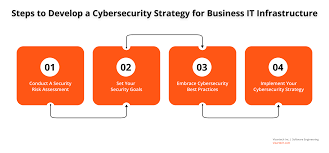
By investing in cyber security infrastructure, businesses can mitigate these risks by proactively identifying vulnerabilities, implementing effective security measures, conducting regular risk assessments, and providing employee training on cybersecurity best practices. This proactive approach helps organizations stay ahead of potential threats and respond swiftly in the event of a breach.

The Future of Cyber Security Infrastructure

As cyber threats continue to evolve in complexity and scale, the need for advanced cyber security infrastructure will only grow. Technologies such as artificial intelligence (AI), machine learning, blockchain, and quantum cryptography are being leveraged to enhance cybersecurity capabilities and stay one step ahead of cybercriminals.

Furthermore, with the rise of remote workforces and cloud-based services, organizations must adapt their cyber security infrastructure to address new challenges related to securing distributed environments and protecting sensitive data across multiple platforms.

In Conclusion

Cyber security infrastructure plays a crucial role in safeguarding our digital assets against ever-evolving threats. By prioritizing cybersecurity measures, staying informed about emerging risks, investing in advanced technologies, and fostering a culture of vigilance within organizations, we can collectively build a more secure digital ecosystem for the future.


Top 5 Essential Tips for Strengthening Your Cybersecurity Infrastructure

  1. Regularly update software and security patches to protect against known vulnerabilities.
  2. Implement strong password policies and consider multi-factor authentication for added security.
  3. Encrypt sensitive data both in transit and at rest to prevent unauthorized access.
  4. Conduct regular security audits and risk assessments to identify potential weaknesses in the infrastructure.
  5. Train employees on cybersecurity best practices to build a culture of security awareness within the organization.

Regularly update software and security patches to protect against known vulnerabilities.

Regularly updating software and security patches is a fundamental practice in maintaining a robust cyber security infrastructure. By staying current with the latest updates, organizations can effectively protect their systems and networks against known vulnerabilities that cybercriminals may exploit. These updates often contain critical security patches that address weaknesses identified by software developers or security researchers. Failing to apply these updates in a timely manner can leave systems exposed to potential attacks, making it essential for businesses to prioritize regular software maintenance as part of their overall cybersecurity strategy.

Implement strong password policies and consider multi-factor authentication for added security.

To enhance cyber security infrastructure, it is crucial to implement strong password policies and consider multi-factor authentication for added security. Strong passwords that are complex and unique help prevent unauthorized access to sensitive data and systems. By requiring users to follow password guidelines such as using a combination of letters, numbers, and special characters, organizations can significantly reduce the risk of password-related breaches. Additionally, implementing multi-factor authentication adds an extra layer of protection by requiring users to provide multiple forms of verification before accessing accounts or systems, making it harder for cyber attackers to compromise security. By incorporating these measures into their cyber security strategy, organizations can bolster their defenses against potential threats and better safeguard their digital assets.

Encrypt sensitive data both in transit and at rest to prevent unauthorized access.

To enhance the security of sensitive data, it is crucial to encrypt it both in transit and at rest. Encrypting data in transit ensures that information remains secure while being transferred between systems or over networks, protecting it from interception by unauthorized parties. Similarly, encrypting data at rest involves securing stored data on devices or servers, making it unreadable to anyone without the appropriate decryption key. By implementing robust encryption measures, organizations can significantly reduce the risk of unauthorized access and safeguard the confidentiality and integrity of their valuable information.

Conduct regular security audits and risk assessments to identify potential weaknesses in the infrastructure.

Conducting regular security audits and risk assessments is a fundamental practice in maintaining a strong cyber security infrastructure. By systematically evaluating the effectiveness of existing security measures and identifying potential vulnerabilities, organizations can proactively address weaknesses before they are exploited by malicious actors. These assessments provide valuable insights into the overall security posture of the infrastructure, enabling informed decisions on implementing additional safeguards and mitigating risks effectively. Regular audits and risk assessments are essential components of a comprehensive cyber security strategy, helping to ensure the resilience and integrity of digital assets in an ever-evolving threat landscape.

Train employees on cybersecurity best practices to build a culture of security awareness within the organization.

Training employees on cybersecurity best practices is a fundamental step in establishing a culture of security awareness within an organization. By educating staff members on how to identify and respond to potential cyber threats, companies can empower their workforce to become active participants in safeguarding sensitive data and protecting against malicious activities. Through ongoing training sessions, employees can learn about the latest cybersecurity trends, understand the importance of following security protocols, and contribute to creating a secure environment where everyone plays a role in maintaining the integrity of the organization’s cyber security infrastructure.

new tech solution

Unlocking Potential: Embracing the Power of a New Tech Solution

New Tech Solution Revolutionizing Industries

New Tech Solution Revolutionizing Industries

In today’s fast-paced digital world, technology is constantly evolving to meet the needs of businesses and consumers. One such innovation that is making waves across various industries is the introduction of a cutting-edge tech solution that is revolutionizing how companies operate.

The Rise of Innovative Technology

This new tech solution leverages artificial intelligence and machine learning to streamline processes, enhance efficiency, and drive growth. By harnessing the power of data analytics and automation, businesses can now make informed decisions in real-time, optimize workflows, and deliver personalized experiences to their customers.

Transforming Business Operations

From manufacturing and healthcare to finance and retail, this new tech solution is transforming business operations in unprecedented ways. Companies are experiencing increased productivity, reduced costs, and improved scalability as they integrate this innovative technology into their daily operations.

Benefits for Industries

Across industries, the benefits of this new tech solution are evident. In healthcare, it is revolutionizing patient care through predictive analytics and personalized treatment plans. In finance, it is enhancing security measures and fraud detection capabilities. In retail, it is optimizing inventory management and customer engagement strategies.

The Future of Technology

As we look ahead, the future of technology holds endless possibilities with continued advancements in this new tech solution. Businesses that embrace innovation and adapt to changing landscapes will thrive in a competitive market environment where staying ahead of the curve is essential for success.

With the rapid evolution of technology, companies must stay agile and open to integrating new solutions that drive progress and innovation. The transformative impact of this cutting-edge tech solution serves as a testament to the limitless potential of technology in shaping the future of industries worldwide.


5 Essential Tips for Successfully Implementing New Tech Solutions

  1. Stay updated on the latest tech trends and advancements.
  2. Test new tech solutions in a controlled environment before full implementation.
  3. Train employees on how to effectively use the new tech solution.
  4. Regularly monitor and evaluate the performance of the new tech solution.
  5. Seek feedback from users to continuously improve and optimize the tech solution.

To stay ahead in today’s rapidly evolving tech landscape, it is crucial to stay updated on the latest tech trends and advancements. By keeping abreast of emerging technologies, businesses can harness new opportunities, optimize operations, and deliver innovative solutions to meet the ever-changing needs of their customers. Embracing a proactive approach to learning about cutting-edge tech solutions ensures that organizations remain competitive and agile in a dynamic market environment.

Test new tech solutions in a controlled environment before full implementation.

To maximize the potential benefits of new tech solutions, it is crucial to test them in a controlled environment before full implementation. By conducting thorough testing, businesses can assess the functionality, compatibility, and performance of the technology without risking disruptions to their existing operations. This approach allows for identifying any potential issues or limitations early on and enables organizations to make informed decisions about the viability of integrating the new tech solution into their workflows. Testing in a controlled environment helps mitigate risks, optimize deployment strategies, and ensure a smooth transition to leveraging innovative technologies effectively.

Train employees on how to effectively use the new tech solution.

To maximize the benefits of the new tech solution, it is crucial to train employees on how to effectively utilize its features and functionalities. By providing comprehensive training sessions, employees can enhance their skills, boost productivity, and ensure a smooth transition to the new technology. Empowering staff with the knowledge and expertise needed to leverage the tech solution not only increases efficiency within the organization but also fosters a culture of continuous learning and innovation.

Regularly monitor and evaluate the performance of the new tech solution.

Regularly monitoring and evaluating the performance of a new tech solution is crucial to ensure its effectiveness and identify areas for improvement. By tracking key metrics, analyzing data, and gathering feedback from users, businesses can gain valuable insights into how well the technology is meeting their objectives. This proactive approach allows organizations to make informed decisions, optimize processes, and maximize the benefits of the new tech solution, ultimately driving success and innovation within their operations.

Seek feedback from users to continuously improve and optimize the tech solution.

Seeking feedback from users is crucial for the continuous improvement and optimization of any new tech solution. By actively listening to user experiences, suggestions, and pain points, developers can gain valuable insights that drive enhancements and refinements to the technology. This iterative process not only ensures that the tech solution remains relevant and effective but also fosters a user-centric approach that ultimately leads to higher satisfaction and adoption rates.

Enhancing Business Operations Through Strategic IT Consulting

Business and IT Consulting

The Role of Business and IT Consulting in Today’s Digital Landscape

In today’s fast-paced and ever-evolving business environment, the integration of technology has become crucial for organizations to stay competitive and innovative. This is where the role of business and IT consulting comes into play.

Business and IT consulting firms offer specialized services to help businesses effectively utilize technology to achieve their strategic goals. These consultants bring a wealth of knowledge and expertise in both business operations and information technology, making them valuable partners for companies looking to optimize their processes.

Key Benefits of Business and IT Consulting:

  • Strategic Planning: Consultants work closely with businesses to develop comprehensive IT strategies aligned with their overall business objectives.
  • Process Optimization: They identify inefficiencies in current processes and recommend solutions that leverage technology to streamline operations.
  • Technology Implementation: Consultants assist in selecting and implementing the right technology solutions that best fit the organization’s needs.
  • Cybersecurity: They help businesses enhance their cybersecurity measures to protect sensitive data from cyber threats.
  • Data Analytics: Consultants use data analytics tools to derive valuable insights that drive informed decision-making within the organization.

The Evolving Role of Business and IT Consultants:

As technology continues to advance rapidly, the role of business and IT consultants is evolving as well. Consultants now focus not only on implementing technology solutions but also on driving digital transformation within organizations. They help businesses adapt to changing market trends, embrace innovation, and stay ahead of the competition.

In conclusion, business and IT consulting play a vital role in helping businesses navigate the complexities of today’s digital landscape. By partnering with experienced consultants, organizations can harness the power of technology to drive growth, improve efficiency, and achieve long-term success.


Understanding Business and IT Consulting: Answers to 7 Common Questions

  1. What is business and consulting?
  2. What are the Big 4 IT consulting firms?
  3. What does an IT consulting business do?
  4. Are IT consultants well paid?
  5. What does a technology business consultant do?
  6. What does an IT consultant do for a small business?
  7. What does consultant do in a IT company?

What is business and consulting?

Business and IT consulting is a specialized service that combines expertise in business operations and information technology to help organizations optimize their processes and achieve their strategic goals. Consultants in this field work closely with businesses to develop tailored IT strategies, identify inefficiencies in current processes, recommend technology solutions, enhance cybersecurity measures, and leverage data analytics for informed decision-making. By partnering with business and IT consultants, companies can adapt to technological advancements, drive digital transformation, and stay competitive in today’s rapidly evolving business landscape.

What are the Big 4 IT consulting firms?

The Big 4 IT consulting firms refer to the leading global professional services firms that offer a wide range of IT consulting services to businesses worldwide. These firms, namely Deloitte, PricewaterhouseCoopers (PwC), Ernst & Young (EY), and KPMG, are renowned for their expertise in providing strategic IT solutions, digital transformation services, cybersecurity consulting, and more. With their vast resources, industry knowledge, and innovative approaches, the Big 4 IT consulting firms have established themselves as trusted partners for organizations seeking top-tier consulting services to navigate the complexities of the modern digital landscape.

What does an IT consulting business do?

An IT consulting business specializes in providing expert advice and services related to information technology to help organizations optimize their IT infrastructure and operations. These businesses offer a wide range of services, including IT strategy development, software implementation, network design, cybersecurity assessments, and technology training. IT consulting firms work closely with clients to understand their unique needs and challenges, offering tailored solutions to enhance efficiency, security, and overall performance within the organization. By leveraging their expertise in technology and business operations, IT consulting businesses play a crucial role in helping companies navigate the complexities of the digital landscape and achieve their strategic goals.

Are IT consultants well paid?

The compensation for IT consultants can vary based on factors such as experience, expertise, industry demand, and geographic location. Generally, IT consultants are well paid due to their specialized skills and the critical role they play in helping businesses leverage technology effectively. Experienced IT consultants with in-demand skills often command higher salaries or hourly rates. Additionally, consultants who offer niche services or work with high-profile clients may earn above-average compensation. Overall, the potential for lucrative pay in the field of IT consulting is significant for those who bring value and expertise to their clients.

What does a technology business consultant do?

A technology business consultant plays a crucial role in helping organizations leverage technology to achieve their business objectives. These consultants provide expert guidance on how to strategically integrate and optimize technology solutions within the company’s operations. They assess the organization’s current IT infrastructure, identify areas for improvement, and recommend tailored strategies to enhance efficiency, productivity, and profitability. Additionally, technology business consultants stay abreast of the latest industry trends and advancements to ensure that their clients remain competitive in the ever-evolving digital landscape.

What does an IT consultant do for a small business?

An IT consultant plays a crucial role in assisting small businesses with their technology needs. They provide tailored solutions and expert guidance to help optimize the use of technology within the organization. An IT consultant for a small business may assess the current IT infrastructure, identify areas for improvement, recommend and implement cost-effective solutions, provide cybersecurity measures to protect data, offer technical support and training to staff, and ensure that the technology aligns with the business goals. Ultimately, an IT consultant helps small businesses leverage technology effectively to enhance productivity, streamline operations, and stay competitive in today’s digital landscape.

What does consultant do in a IT company?

In an IT company, consultants play a crucial role in providing expert guidance and support to optimize the company’s technology infrastructure and operations. Consultants work closely with the company’s IT team to assess current systems, identify areas for improvement, and recommend strategic solutions to enhance efficiency and productivity. They may be involved in various tasks such as system analysis, software development, network management, cybersecurity assessment, and technology implementation. Consultants bring specialized knowledge and experience to address complex IT challenges and help the company leverage technology effectively to achieve its business objectives.