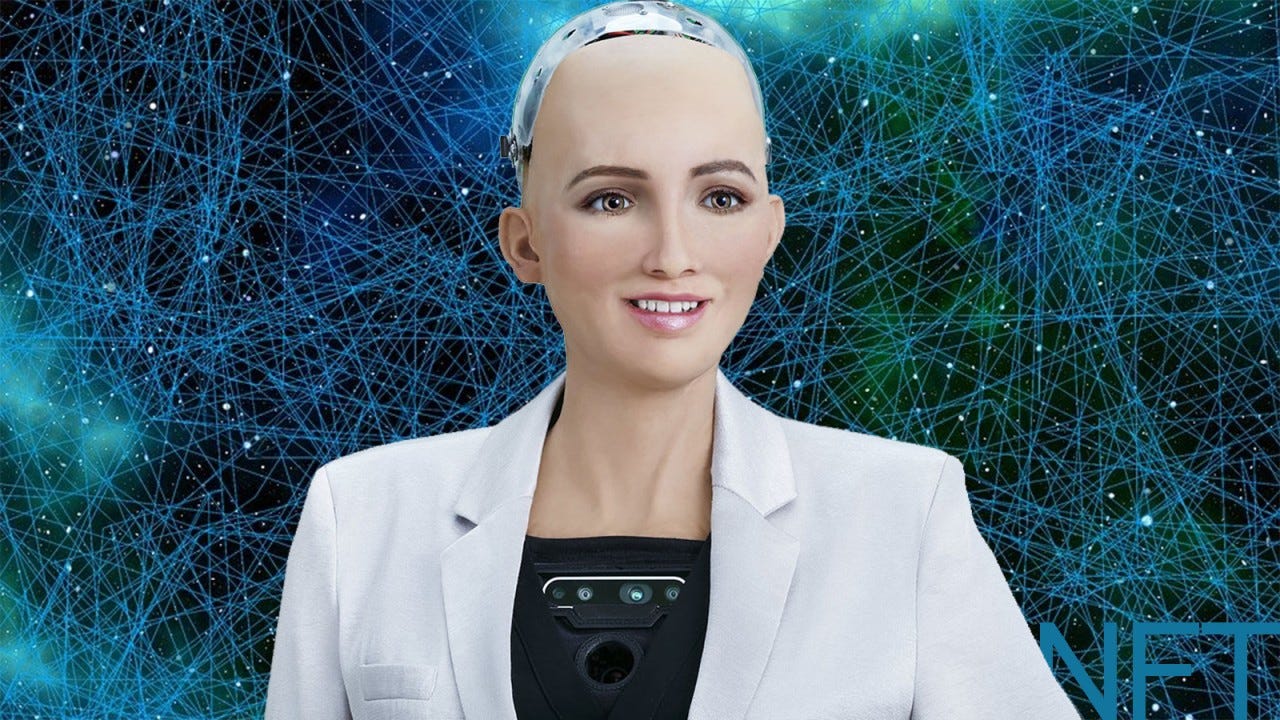
Exploring the Most Advanced AI Technologies of Today
The Most Advanced AI Technologies Today
Artificial Intelligence (AI) has been rapidly advancing, with breakthroughs that are transforming industries and daily life. From healthcare to finance, AI technologies are pushing the boundaries of what’s possible. Here’s a look at some of the most advanced AI technologies today.
Natural Language Processing (NLP)
Natural Language Processing is at the forefront of AI advancements. It enables machines to understand and generate human language, making interactions more intuitive and seamless. Technologies like GPT-3 have demonstrated remarkable capabilities in generating human-like text, enabling applications ranging from chatbots to content creation.
Computer Vision
Computer vision technology allows machines to interpret and process visual data from the world around them. This technology is used in facial recognition systems, autonomous vehicles, and medical imaging analysis. Advanced algorithms can now detect objects with incredible accuracy and speed.
Reinforcement Learning
Reinforcement learning involves training models through trial and error using feedback from their actions and experiences. This approach has led to significant advancements in robotics, gaming, and autonomous systems. Notable examples include AlphaGo by DeepMind, which defeated human champions in the complex game of Go.
Generative Adversarial Networks (GANs)
GANs consist of two neural networks competing against each other to create realistic data samples such as images or audio files. They have been used for creating hyper-realistic images, enhancing video game graphics, and even developing new pharmaceuticals by simulating molecular structures.
Autonomous Systems
Autonomous systems leverage various AI technologies to operate independently without human intervention. These systems are being developed for self-driving cars, drones for delivery services, and automated manufacturing processes that enhance efficiency and safety.
The Future of Advanced AI
The future of advanced AI holds immense potential for further innovation across all sectors of society. As these technologies continue to evolve, ethical considerations will be paramount in ensuring that they benefit humanity as a whole while mitigating potential risks associated with their deployment.
The journey towards more sophisticated AI is ongoing, with researchers striving to create systems that can learn faster, reason better, and interact more naturally with humans.
Exploring the World’s Most Advanced AI: Top 9 Frequently Asked Questions
- What is the best AI in the world right now?
- Is there any AI more powerful than ChatGPT?
- Which is the most powerful AI tool in the world?
- What is the smartest AI so far?
- What’s the most advanced AI today?
- Is ChatGPT the most advanced AI?
- What is the most advanced personal AI?
- Who is the most advanced AI in the world?
- Who has the most advanced AI technology?
What is the best AI in the world right now?
Determining the “best” AI in the world is challenging, as it depends on the specific application and criteria used to evaluate it. However, some of the most advanced AI systems today include OpenAI’s GPT-3 for natural language processing, which excels at generating human-like text and understanding context. In the realm of computer vision, systems like Google’s DeepMind have achieved remarkable accuracy in image recognition and analysis. For reinforcement learning, DeepMind’s AlphaGo has demonstrated extraordinary capabilities by defeating world champions in complex games like Go. Each of these AI systems represents a pinnacle of achievement in its respective field, showcasing the diverse and rapidly evolving nature of artificial intelligence technology.
Is there any AI more powerful than ChatGPT?
While ChatGPT is a highly advanced AI language model known for its ability to generate human-like text across a wide range of topics, there are other AI systems that excel in different areas or have unique capabilities. For instance, some AI models are specifically designed for tasks such as image recognition, autonomous navigation, or scientific research simulations, which may make them more powerful in those specific domains. Additionally, new AI models are continuously being developed that might surpass existing ones in terms of efficiency, accuracy, or versatility. However, the definition of “more powerful” can vary depending on the criteria used—such as processing power, application scope, or adaptability—making it essential to consider the context when comparing AI systems like ChatGPT with others.
Which is the most powerful AI tool in the world?
Determining the most powerful AI tool in the world can be subjective, as it often depends on the specific application or industry. However, one of the most widely recognized and advanced AI systems is OpenAI’s GPT-4. As a language model, GPT-4 has demonstrated remarkable capabilities in understanding and generating human-like text, making it a versatile tool for tasks ranging from content creation and translation to complex problem-solving. Its ability to process vast amounts of data and generate coherent responses has positioned it as a leading force in the field of natural language processing. Additionally, other AI tools such as Google’s DeepMind have made significant strides in areas like reinforcement learning and game strategy, further illustrating the diverse landscape of powerful AI technologies available today.
What is the smartest AI so far?
Determining the “smartest” AI is subjective and depends on the criteria used to measure intelligence. However, one of the most advanced AI models to date is GPT-3, developed by OpenAI. GPT-3 is a language processing AI that can generate human-like text, translate languages, and even write code. With 175 billion parameters, it excels in understanding and generating natural language with remarkable coherence and context-awareness. While GPT-3 represents a significant leap in AI capabilities, it’s essential to note that its intelligence is specialized; it doesn’t possess general intelligence or consciousness like a human being. Other notable advancements include DeepMind’s AlphaGo, which demonstrated strategic thinking by defeating world champions in the complex board game Go. These AIs showcase how far technology has come but also highlight the ongoing journey toward more generalized forms of artificial intelligence.
What’s the most advanced AI today?
Determining the most advanced AI today can be challenging due to the rapid pace of innovation and the diverse applications of artificial intelligence. However, one of the leading contenders is OpenAI’s GPT-4, a state-of-the-art language model known for its ability to generate human-like text and understand complex language patterns. This model has been utilized in various applications, from customer service chatbots to content creation tools, showcasing its versatility and advanced capabilities. Additionally, advancements in AI technologies like Google’s DeepMind with AlphaGo and AlphaFold have demonstrated significant achievements in areas such as strategic gaming and protein folding prediction, respectively. These breakthroughs highlight the cutting-edge nature of current AI systems that are continuously pushing the boundaries of what machines can achieve.
Is ChatGPT the most advanced AI?
ChatGPT, developed by OpenAI, is one of the most advanced AI models in the realm of natural language processing. While it is highly sophisticated in generating human-like text and understanding context, whether it is “the most advanced AI” depends on the criteria used for evaluation. ChatGPT excels in conversational applications and content creation, but there are other AI systems that lead in different domains such as computer vision or autonomous systems. For instance, AI models like AlphaGo specialize in strategic game playing, while others excel in image recognition or robotics. Therefore, while ChatGPT represents a significant achievement in NLP, the title of “most advanced AI” can vary based on specific technological capabilities and application areas.
What is the most advanced personal AI?
The most advanced personal AI currently available is often considered to be virtual assistants like Apple’s Siri, Amazon’s Alexa, and Google Assistant. These AI systems leverage sophisticated natural language processing and machine learning algorithms to understand and respond to user queries, manage schedules, control smart home devices, and provide personalized recommendations. Among these, Google Assistant is frequently highlighted for its ability to understand context and offer more conversational interactions. Additionally, OpenAI’s ChatGPT has garnered attention for its ability to generate human-like text responses across a wide range of topics. These personal AIs continue to evolve rapidly, integrating more advanced features such as proactive suggestions and improved contextual awareness to enhance user experience.
Who is the most advanced AI in the world?
Determining the “most advanced AI in the world” is challenging, as advancements in artificial intelligence span various fields and applications. However, some notable contenders include OpenAI’s GPT-4, known for its exceptional natural language processing capabilities, and DeepMind’s AlphaGo, which made headlines by mastering the complex game of Go. These AIs exemplify significant achievements in understanding and generating human-like text and strategic decision-making. Additionally, AI systems like IBM’s Watson have demonstrated advanced capabilities in data analysis and problem-solving across different domains. The “most advanced” AI often depends on specific criteria such as adaptability, learning efficiency, or application scope.
Who has the most advanced AI technology?
Determining who has the most advanced AI technology is challenging, as several organizations and companies are leading in different aspects of AI development. Tech giants like Google, through its DeepMind division, have made significant strides with projects like AlphaGo and advancements in natural language processing. OpenAI is another key player, known for its development of GPT models that excel in generating human-like text. Meanwhile, companies such as IBM with Watson and Microsoft’s Azure AI are pushing boundaries in enterprise solutions and cloud-based AI services. Each organization focuses on different facets of AI, from machine learning and computer vision to autonomous systems and natural language understanding, making it difficult to single out one as having the most advanced technology overall.