
cfchris.com

Loading

cyber security infrastructure

Enhancing Your Organization’s Cyber Security Infrastructure: A Comprehensive Guide

The Importance of Cyber Security Infrastructure in Today’s Digital World

In today’s interconnected world, where businesses and individuals rely heavily on digital technologies, the need for robust cyber security infrastructure has never been more critical. Cyber threats continue to evolve and become more sophisticated, posing significant risks to sensitive data, financial assets, and even national security. Establishing a strong cyber security infrastructure is essential to safeguarding against these threats and ensuring the integrity and confidentiality of information.

Key Components of Cyber Security Infrastructure

A comprehensive cyber security infrastructure encompasses various components that work together to protect systems, networks, and data from cyber attacks. Some key components include:

  • Firewalls: Firewalls act as a barrier between internal networks and external threats, monitoring and filtering incoming and outgoing network traffic based on predefined security rules.
  • Intrusion Detection Systems (IDS) and Intrusion Prevention Systems (IPS): IDS and IPS are designed to detect and prevent unauthorized access or malicious activities within a network by analyzing network traffic patterns.
  • Antivirus Software: Antivirus software helps detect and remove malware, viruses, and other malicious software that can compromise system security.
  • Data Encryption: Encrypting sensitive data ensures that even if it is intercepted by unauthorized parties, they cannot decipher its contents without the decryption key.
  • Security Information and Event Management (SIEM): SIEM solutions collect and analyze log data from various sources to identify potential security incidents in real-time.

The Role of Cyber Security Infrastructure in Business Operations

For businesses, a robust cyber security infrastructure is not just about protecting data—it is also about safeguarding their reputation, maintaining customer trust, and ensuring uninterrupted operations. A successful cyber attack can have devastating consequences for a company, leading to financial losses, legal liabilities, and long-term damage to its brand image.

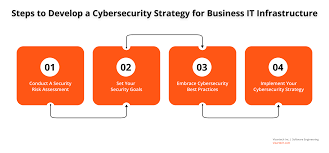
By investing in cyber security infrastructure, businesses can mitigate these risks by proactively identifying vulnerabilities, implementing effective security measures, conducting regular risk assessments, and providing employee training on cybersecurity best practices. This proactive approach helps organizations stay ahead of potential threats and respond swiftly in the event of a breach.

The Future of Cyber Security Infrastructure

As cyber threats continue to evolve in complexity and scale, the need for advanced cyber security infrastructure will only grow. Technologies such as artificial intelligence (AI), machine learning, blockchain, and quantum cryptography are being leveraged to enhance cybersecurity capabilities and stay one step ahead of cybercriminals.

Furthermore, with the rise of remote workforces and cloud-based services, organizations must adapt their cyber security infrastructure to address new challenges related to securing distributed environments and protecting sensitive data across multiple platforms.

In Conclusion

Cyber security infrastructure plays a crucial role in safeguarding our digital assets against ever-evolving threats. By prioritizing cybersecurity measures, staying informed about emerging risks, investing in advanced technologies, and fostering a culture of vigilance within organizations, we can collectively build a more secure digital ecosystem for the future.


Top 5 Essential Tips for Strengthening Your Cybersecurity Infrastructure

  1. Regularly update software and security patches to protect against known vulnerabilities.
  2. Implement strong password policies and consider multi-factor authentication for added security.
  3. Encrypt sensitive data both in transit and at rest to prevent unauthorized access.
  4. Conduct regular security audits and risk assessments to identify potential weaknesses in the infrastructure.
  5. Train employees on cybersecurity best practices to build a culture of security awareness within the organization.

Regularly update software and security patches to protect against known vulnerabilities.

Regularly updating software and security patches is a fundamental practice in maintaining a robust cyber security infrastructure. By staying current with the latest updates, organizations can effectively protect their systems and networks against known vulnerabilities that cybercriminals may exploit. These updates often contain critical security patches that address weaknesses identified by software developers or security researchers. Failing to apply these updates in a timely manner can leave systems exposed to potential attacks, making it essential for businesses to prioritize regular software maintenance as part of their overall cybersecurity strategy.

Implement strong password policies and consider multi-factor authentication for added security.

To enhance cyber security infrastructure, it is crucial to implement strong password policies and consider multi-factor authentication for added security. Strong passwords that are complex and unique help prevent unauthorized access to sensitive data and systems. By requiring users to follow password guidelines such as using a combination of letters, numbers, and special characters, organizations can significantly reduce the risk of password-related breaches. Additionally, implementing multi-factor authentication adds an extra layer of protection by requiring users to provide multiple forms of verification before accessing accounts or systems, making it harder for cyber attackers to compromise security. By incorporating these measures into their cyber security strategy, organizations can bolster their defenses against potential threats and better safeguard their digital assets.

Encrypt sensitive data both in transit and at rest to prevent unauthorized access.

To enhance the security of sensitive data, it is crucial to encrypt it both in transit and at rest. Encrypting data in transit ensures that information remains secure while being transferred between systems or over networks, protecting it from interception by unauthorized parties. Similarly, encrypting data at rest involves securing stored data on devices or servers, making it unreadable to anyone without the appropriate decryption key. By implementing robust encryption measures, organizations can significantly reduce the risk of unauthorized access and safeguard the confidentiality and integrity of their valuable information.

Conduct regular security audits and risk assessments to identify potential weaknesses in the infrastructure.

Conducting regular security audits and risk assessments is a fundamental practice in maintaining a strong cyber security infrastructure. By systematically evaluating the effectiveness of existing security measures and identifying potential vulnerabilities, organizations can proactively address weaknesses before they are exploited by malicious actors. These assessments provide valuable insights into the overall security posture of the infrastructure, enabling informed decisions on implementing additional safeguards and mitigating risks effectively. Regular audits and risk assessments are essential components of a comprehensive cyber security strategy, helping to ensure the resilience and integrity of digital assets in an ever-evolving threat landscape.

Train employees on cybersecurity best practices to build a culture of security awareness within the organization.

Training employees on cybersecurity best practices is a fundamental step in establishing a culture of security awareness within an organization. By educating staff members on how to identify and respond to potential cyber threats, companies can empower their workforce to become active participants in safeguarding sensitive data and protecting against malicious activities. Through ongoing training sessions, employees can learn about the latest cybersecurity trends, understand the importance of following security protocols, and contribute to creating a secure environment where everyone plays a role in maintaining the integrity of the organization’s cyber security infrastructure.
cybersecurity security solutions

Enhancing Data Protection: Cybersecurity Security Solutions for Today’s Threat Landscape

The Importance of Cybersecurity Security Solutions

The Importance of Cybersecurity Security Solutions

In today’s digital age, cybersecurity has become a critical concern for individuals and businesses alike. With the increasing frequency and sophistication of cyber threats, it is essential to implement robust security solutions to protect sensitive data and prevent unauthorized access.

Cybersecurity security solutions encompass a range of technologies, practices, and policies designed to safeguard networks, devices, and data from cyber attacks. These solutions help identify potential vulnerabilities, detect malicious activities, and respond effectively to security incidents.

Key Components of Cybersecurity Security Solutions

Effective cybersecurity security solutions typically include the following key components:

  • Firewalls: Firewalls act as a barrier between internal networks and external threats, monitoring and controlling incoming and outgoing network traffic.
  • Antivirus Software: Antivirus software helps detect and remove malware, viruses, and other malicious programs that can compromise system security.
  • Encryption: Encryption technologies protect data by converting it into a secure format that can only be accessed with the appropriate decryption key.
  • Intrusion Detection Systems (IDS) and Intrusion Prevention Systems (IPS): IDS and IPS monitor network traffic for suspicious activities and take action to prevent potential threats from compromising network security.
  • Security Awareness Training: Educating employees about cybersecurity best practices is crucial in preventing social engineering attacks and human errors that could lead to data breaches.

The Benefits of Implementing Cybersecurity Security Solutions

By investing in cybersecurity security solutions, organizations can enjoy several benefits, including:

  • Data Protection: Safeguarding sensitive information from unauthorized access or theft.
  • Risk Mitigation: Reducing the likelihood of costly data breaches or cyber attacks that could harm reputation and financial stability.
  • Compliance: Ensuring compliance with industry regulations and standards related to data privacy and security.
  • Business Continuity: Minimizing downtime due to cyber incidents by proactively identifying and addressing security vulnerabilities.

Conclusion

In conclusion, cybersecurity security solutions play a vital role in protecting organizations against evolving cyber threats. By implementing comprehensive security measures that address potential risks proactively, businesses can enhance their resilience in the face of cyber attacks and maintain trust with customers. Prioritizing cybersecurity is not just a necessity but a strategic investment in long-term success in today’s interconnected digital landscape.


8 Essential Tips for Strengthening Your Cybersecurity Defenses

  1. Keep your software and operating systems updated regularly.
  2. Use strong, unique passwords for each account and enable two-factor authentication when possible.
  3. Be cautious of suspicious emails or messages that may contain phishing attempts.
  4. Regularly back up your data to a secure location to prevent data loss in case of a cyber attack.
  5. Use reputable antivirus software and keep it updated to protect against malware.
  6. Secure your home network with a strong password and encryption.
  7. Limit the amount of personal information you share online to reduce the risk of identity theft.
  8. Educate yourself on common cybersecurity threats and best practices for staying safe online.

Keep your software and operating systems updated regularly.

Keeping your software and operating systems updated regularly is a crucial tip for maintaining strong cybersecurity security solutions. Software updates often include patches that address known vulnerabilities, reducing the risk of exploitation by cyber attackers. By staying current with updates, you ensure that your systems have the latest security features and enhancements, enhancing their resilience against potential threats. Regular updates also help to improve system performance and reliability, ensuring a smoother and more secure computing experience overall.

Use strong, unique passwords for each account and enable two-factor authentication when possible.

It is crucial to enhance your cybersecurity posture by following best practices such as using strong, unique passwords for each account and enabling two-factor authentication whenever possible. By creating complex passwords that are unique to each account, you can significantly reduce the risk of unauthorized access to your sensitive data. Additionally, implementing two-factor authentication adds an extra layer of security by requiring a secondary verification method, such as a code sent to your mobile device, further fortifying your accounts against potential cyber threats. Prioritizing these measures helps bolster your online security and safeguard your digital assets effectively.

Be cautious of suspicious emails or messages that may contain phishing attempts.

One crucial tip for enhancing cybersecurity security solutions is to remain vigilant and cautious of suspicious emails or messages that may contain phishing attempts. Cybercriminals often use deceptive tactics to trick individuals into divulging sensitive information or clicking on malicious links. By staying alert and verifying the authenticity of unexpected communications, individuals can significantly reduce the risk of falling victim to phishing attacks and protect their personal and organizational data from unauthorized access.

Regularly back up your data to a secure location to prevent data loss in case of a cyber attack.

Regularly backing up your data to a secure location is a crucial tip in cybersecurity security solutions. By creating consistent backups of your important files and storing them in a safe and separate location, you can mitigate the risk of data loss in the event of a cyber attack or system failure. This proactive measure ensures that even if your primary data is compromised, you can restore from backups and resume normal operations quickly, minimizing downtime and potential damage to your business or personal information.

Use reputable antivirus software and keep it updated to protect against malware.

To enhance your cybersecurity defenses, it is crucial to utilize trusted antivirus software and ensure it remains up to date. By employing reputable antivirus solutions and regularly updating them, you can effectively shield your systems from malware threats. These software programs play a pivotal role in detecting and removing malicious programs that could compromise the security of your devices and data. Stay vigilant by maintaining the latest virus definitions and security patches to fortify your digital environment against potential cyber attacks.

Secure your home network with a strong password and encryption.

Securing your home network with a strong password and encryption is a fundamental step in enhancing cybersecurity protection for your personal data and devices. By setting up a robust password that combines alphanumeric characters, symbols, and is not easily guessable, you can significantly reduce the risk of unauthorized access to your network. Additionally, enabling encryption protocols such as WPA2 or WPA3 ensures that the data transmitted over your network is encrypted, making it harder for cybercriminals to intercept and exploit sensitive information. Taking these proactive measures strengthens the overall security posture of your home network and helps safeguard against potential cyber threats.

Limit the amount of personal information you share online to reduce the risk of identity theft.

Limiting the amount of personal information you share online is a crucial tip in cybersecurity security solutions to mitigate the risk of identity theft. By being cautious about the details you disclose on the internet, such as your full name, address, birthdate, and financial information, you can minimize the chances of cybercriminals gaining access to sensitive data that could be used for fraudulent activities. Protecting your privacy online is an essential step in safeguarding your identity and maintaining control over your personal information in today’s digital age.

Educate yourself on common cybersecurity threats and best practices for staying safe online.

It is crucial to educate yourself on common cybersecurity threats and best practices for staying safe online. By understanding the potential risks and adopting proactive measures, you can enhance your digital security posture and protect your sensitive information from cyber threats. Stay informed about phishing scams, malware attacks, and other common tactics used by cybercriminals to target individuals and organizations. Implementing strong password practices, keeping software up to date, and being cautious with email attachments and links are essential steps in safeguarding your online presence. Remember, knowledge is power when it comes to cybersecurity, so invest time in learning how to navigate the digital landscape securely.

computer security service

Enhancing Cyber Defense: The Vital Role of Computer Security Services

Article: Computer Security Service

The Importance of Computer Security Service

In today’s digital age, where almost every aspect of our lives is connected to the internet, ensuring the security of our computers and networks has become more critical than ever. Cyber threats continue to evolve, becoming more sophisticated and widespread, making it essential for individuals and businesses to invest in reliable computer security services.

Protecting Against Cyber Threats

Computer security services encompass a range of measures designed to protect systems, networks, and data from unauthorized access, cyber attacks, and other potential risks. These services employ advanced technologies and strategies to safeguard sensitive information and prevent security breaches that could result in data loss, financial damage, or reputational harm.

The Role of Computer Security Service Providers

Professional computer security service providers play a crucial role in helping individuals and organizations defend against cyber threats. These experts have the knowledge and experience to assess vulnerabilities, implement security protocols, monitor for suspicious activities, and respond swiftly to any security incidents that may occur.

Key Components of Computer Security Services

Effective computer security services typically include:

  • Firewall Protection: Setting up firewalls to monitor and control incoming and outgoing network traffic.
  • Antivirus Software: Installing antivirus programs to detect and remove malware infections.
  • Intrusion Detection Systems (IDS): Deploying IDS to identify potential intrusions or attacks on the network.
  • Data Encryption: Encrypting sensitive data to prevent unauthorized access in case of a breach.
  • Regular Security Updates: Ensuring that systems are up-to-date with the latest security patches and updates.

Conclusion

Investing in professional computer security services is not just a proactive measure but a necessary step in safeguarding your digital assets against cyber threats. By partnering with experienced providers who understand the complexities of cybersecurity, individuals and businesses can mitigate risks, protect their information assets, and maintain a secure online environment for themselves and their customers.


Top 8 FAQs About Computer Security Services: Costs, Options, and More

  1. What are computer security services?
  2. What is computer security service?
  3. How much should you pay for computer security?
  4. What is the best computer security service?
  5. What are the 5 security services?
  6. What is a computer security service?
  7. How much should I pay for computer security?
  8. Does CISA still exist?

What are computer security services?

Computer security services encompass a comprehensive range of measures and solutions aimed at safeguarding computer systems, networks, and data from potential cyber threats and unauthorized access. These services include implementing security protocols, monitoring for suspicious activities, conducting risk assessments, deploying firewalls and antivirus software, managing encryption mechanisms, and ensuring system updates are current. By engaging with computer security services, individuals and businesses can enhance their cybersecurity posture, mitigate risks of data breaches or cyber attacks, and maintain a secure digital environment for their operations.

What is computer security service?

Computer security service refers to a comprehensive set of measures and protocols designed to protect computers, networks, and data from unauthorized access, cyber attacks, and other potential threats. This essential service involves the implementation of advanced technologies, such as firewalls, antivirus software, intrusion detection systems, and data encryption, to ensure the confidentiality, integrity, and availability of digital assets. By employing computer security services, individuals and organizations can proactively defend against evolving cyber threats and safeguard their sensitive information from malicious actors seeking to exploit vulnerabilities in their systems.

How much should you pay for computer security?

When considering the cost of computer security services, it is essential to understand that pricing can vary depending on several factors, including the level of protection needed, the size of the network or system being secured, and the specific services included in the package. Some computer security services may offer basic protection at a lower cost, while more comprehensive solutions with advanced features and round-the-clock monitoring may come at a higher price point. It is crucial to assess your security requirements carefully and work with reputable providers to determine a budget that aligns with your needs and provides adequate protection against potential cyber threats. Remember that investing in robust computer security is an investment in safeguarding your valuable data and maintaining a secure digital environment.

What is the best computer security service?

When it comes to the best computer security service, the answer may vary depending on individual needs and preferences. The ideal computer security service should offer a comprehensive suite of features, including robust antivirus protection, firewall defense, intrusion detection systems, data encryption, and regular security updates. Additionally, the best service provider should have a proven track record of reliability, expertise in cybersecurity practices, responsive customer support, and a commitment to staying ahead of emerging threats. Ultimately, choosing the best computer security service involves evaluating specific requirements and selecting a provider that aligns with your security goals and budget constraints.

What are the 5 security services?

When it comes to computer security services, there are five essential components that form the foundation of a robust security strategy. These key security services include firewall protection, antivirus software, intrusion detection systems (IDS), data encryption, and regular security updates. Each of these services plays a crucial role in safeguarding systems, networks, and data from cyber threats and unauthorized access. By implementing these security measures effectively, individuals and organizations can enhance their overall security posture and mitigate the risks associated with potential security breaches.

What is a computer security service?

A computer security service refers to a comprehensive set of measures and protocols designed to protect computer systems, networks, and data from unauthorized access, cyber attacks, and potential security breaches. These services encompass a range of technologies and strategies aimed at safeguarding sensitive information, preventing data loss, and mitigating risks associated with evolving cyber threats. Computer security services typically include the deployment of firewalls, antivirus software, intrusion detection systems, data encryption, and regular security updates to ensure the integrity and confidentiality of digital assets. By engaging with professional computer security service providers, individuals and organizations can enhance their cyber defenses and maintain a secure online environment in the face of increasing cybersecurity challenges.

How much should I pay for computer security?

When considering the cost of computer security services, it is essential to understand that pricing can vary depending on the level of protection required, the size of the network or system being secured, and the specific services included in the package. Factors such as ongoing monitoring, threat detection, incident response, and compliance requirements can also influence pricing. It is advisable to consult with reputable computer security service providers to assess your needs and receive customized quotes that align with your budget and security objectives. Remember that investing in robust computer security is a proactive measure to safeguard against potential cyber threats and protect your valuable data and assets in the long run.

Does CISA still exist?

The Cybersecurity and Infrastructure Security Agency (CISA) continues to exist as a key federal agency responsible for enhancing the security and resilience of the nation’s critical infrastructure. Established in 2018, CISA plays a vital role in safeguarding against cyber threats and coordinating cybersecurity efforts across government and private sectors. With its focus on protecting critical infrastructure, promoting cybersecurity awareness, and responding to incidents, CISA remains an essential entity in the ongoing efforts to strengthen national cybersecurity defenses.