
cfchris.com

Loading

it consulting software development

Maximizing Business Potential: The Synergy of IT Consulting and Software Development

Article: IT Consulting and Software Development

The Synergy of IT Consulting and Software Development

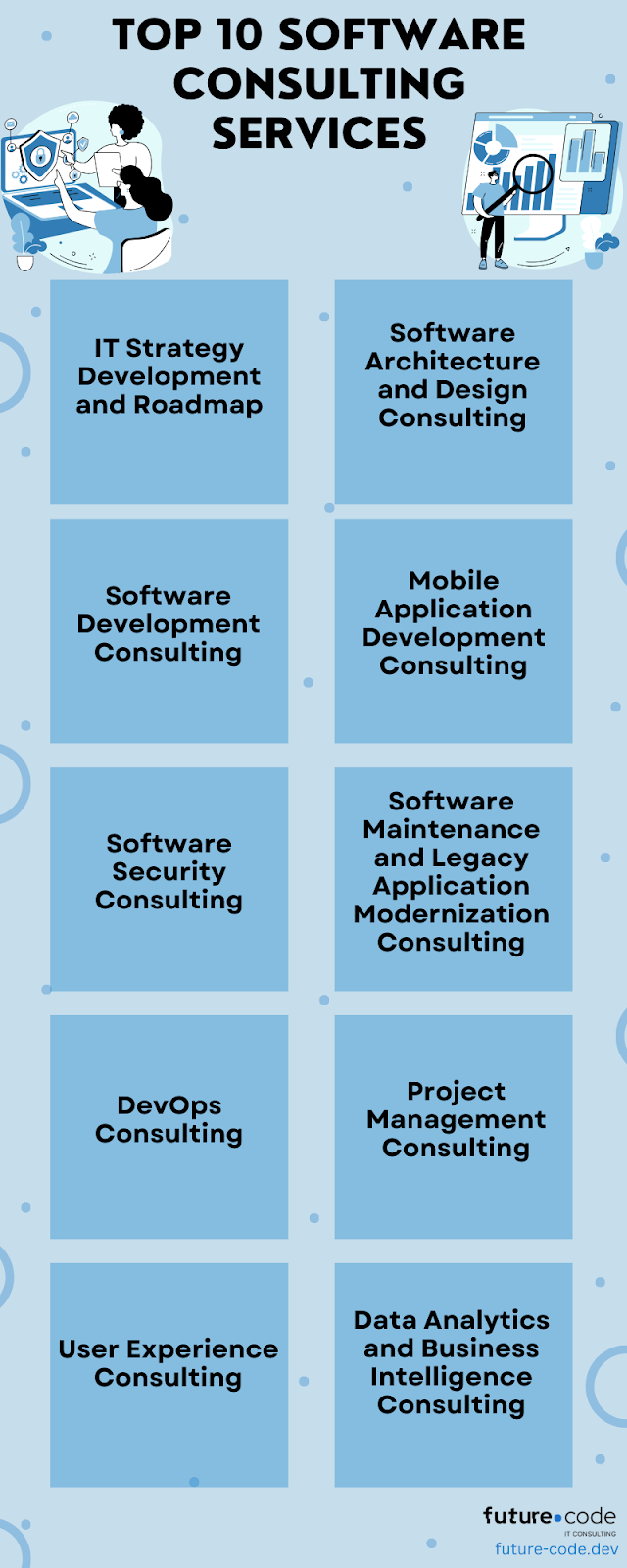
Information Technology (IT) consulting and software development are two closely intertwined fields that play a crucial role in the success of modern businesses. While IT consulting focuses on advising organizations on how to best utilize technology to meet their objectives, software development involves creating customized solutions to address specific business needs.

Benefits of IT Consulting

IT consulting services help businesses navigate the complex world of technology by providing expert guidance on strategy, implementation, and optimization. Consultants analyze existing systems, identify areas for improvement, and recommend solutions that align with the organization’s goals. By leveraging the expertise of IT consultants, businesses can enhance efficiency, reduce costs, and stay competitive in a rapidly evolving digital landscape.

The Role of Software Development

Software development is essential for creating tailored solutions that meet the unique requirements of a business. Whether developing custom applications, designing databases, or integrating systems, software developers work closely with clients to deliver high-quality products that streamline processes and drive innovation. Through agile methodologies and continuous feedback loops, software development teams ensure that the final product meets or exceeds expectations.

The Intersection of IT Consulting and Software Development

When IT consulting and software development collaborate effectively, businesses can achieve optimal results. Consultants provide strategic insights into how technology can support organizational objectives, while software developers bring these concepts to life through coding and programming expertise. This synergy ensures that technology solutions are not only aligned with business goals but also technically robust and user-friendly.

Conclusion

In today’s digital age, the partnership between IT consulting and software development is more important than ever. By harnessing the collective strengths of these two disciplines, businesses can unlock new opportunities for growth, efficiency, and innovation. Whether seeking advice on technology strategy or building custom software applications, organizations can benefit greatly from leveraging the expertise of both IT consultants and software developers.


8 Essential Tips for Successful IT Consulting in Software Development

  1. Understand the client’s business needs and goals thoroughly.
  2. Communicate clearly and regularly with the client to ensure alignment.
  3. Follow best practices for software development to ensure quality and efficiency.
  4. Stay updated on the latest technologies and trends in IT consulting.
  5. Collaborate closely with the client’s team to foster a productive working relationship.
  6. Provide regular updates and progress reports to keep the client informed.
  7. Test software thoroughly to identify and fix any issues before deployment.
  8. Offer training and support to help the client make the most of the software solution.

Understand the client’s business needs and goals thoroughly.

To ensure the success of IT consulting and software development projects, it is essential to thoroughly understand the client’s business needs and goals. By taking the time to delve into the intricacies of the client’s operations, challenges, and objectives, consultants and developers can tailor their solutions to meet specific requirements effectively. This deep understanding not only fosters a more collaborative and productive working relationship but also ensures that the final technology solutions align seamlessly with the client’s overarching business strategy.

Communicate clearly and regularly with the client to ensure alignment.

Effective communication is paramount in the realm of IT consulting and software development. By maintaining clear and regular communication with the client throughout the project lifecycle, alignment between all parties can be ensured. This proactive approach allows for a better understanding of client requirements, expectations, and feedback, ultimately leading to the successful delivery of tailored solutions that meet the client’s needs. Clear and consistent communication fosters transparency, builds trust, and paves the way for a collaborative partnership that drives project success.

Follow best practices for software development to ensure quality and efficiency.

Following best practices for software development is essential to ensure the quality and efficiency of IT consulting projects. By adhering to established standards and methodologies, such as code reviews, automated testing, and version control, developers can produce reliable and maintainable software solutions. Embracing best practices not only enhances the overall quality of the end product but also streamlines the development process, leading to increased productivity and successful project outcomes.

Staying updated on the latest technologies and trends in IT consulting is essential for professionals in the field to remain competitive and provide valuable insights to their clients. By continuously learning about emerging technologies, best practices, and industry developments, IT consultants can offer innovative solutions that address the evolving needs of businesses. Keeping abreast of trends also allows consultants to adapt their strategies, stay ahead of the curve, and deliver cutting-edge software development services that drive success for their clients.

Collaborate closely with the client’s team to foster a productive working relationship.

To maximize the effectiveness of IT consulting and software development projects, it is crucial to collaborate closely with the client’s team. By fostering a productive working relationship, consultants and developers can gain a deeper understanding of the client’s goals, requirements, and challenges. This collaboration allows for better communication, alignment of expectations, and ensures that the final technology solutions meet the specific needs of the business. Working hand in hand with the client’s team promotes transparency, trust, and ultimately leads to successful project outcomes.

Provide regular updates and progress reports to keep the client informed.

To ensure a successful collaboration between IT consulting and software development, it is crucial to provide regular updates and progress reports to keep the client informed. By maintaining open communication channels and sharing timely information on project milestones, challenges, and achievements, clients can stay engaged and have visibility into the development process. This transparency not only builds trust but also allows for adjustments to be made promptly, ensuring that the final product meets the client’s expectations and business requirements.

Test software thoroughly to identify and fix any issues before deployment.

To ensure the success of IT consulting software development projects, it is crucial to thoroughly test the software before deployment. Testing allows for the identification and resolution of any issues or bugs that could potentially impact the functionality or security of the software. By conducting comprehensive testing procedures, including unit testing, integration testing, and user acceptance testing, developers can ensure that the final product meets quality standards and performs as intended. This proactive approach not only enhances the overall reliability of the software but also minimizes risks associated with post-deployment issues, ultimately leading to a smoother implementation process and improved user satisfaction.

Offer training and support to help the client make the most of the software solution.

By offering comprehensive training and ongoing support, IT consulting firms can empower their clients to maximize the benefits of the software solution. Training sessions provide users with the necessary knowledge and skills to effectively utilize the software, increasing efficiency and productivity within the organization. Additionally, continuous support ensures that clients have access to assistance whenever they encounter challenges or require further guidance, fostering a strong partnership between the consulting firm and the client for long-term success.
sdlc waterfall

The Evolution of Software Development: Navigating the SDLC Waterfall Model

Understanding the SDLC Waterfall Model

Understanding the SDLC Waterfall Model

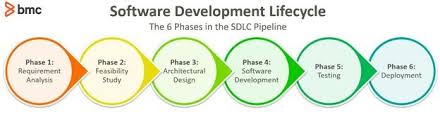
The Software Development Life Cycle (SDLC) is a process used by software development teams to design, develop, and test high-quality software products. One of the traditional models of SDLC is the Waterfall model.

What is the Waterfall Model?

In the Waterfall model, the software development process is divided into sequential phases that flow downwards like a waterfall. Each phase must be completed before moving on to the next one, and there is no turning back once a phase is finished.

Phases of the Waterfall Model:

  1. Requirements Gathering: In this phase, project requirements are collected from stakeholders.
  2. System Design: The system architecture and design are planned based on gathered requirements.
  3. Implementation: The actual coding and programming of the software take place in this phase.
  4. Testing: The developed software is tested for bugs and errors.
  5. Maintenance: Once testing is successful, the software is deployed, maintained, and updated as needed.

Advantages of the Waterfall Model:

  • Simplicity: The sequential nature of the model makes it easy to understand and manage.
  • Certainty: Each phase has specific deliverables and criteria for completion, providing clarity on project progress.
  • Ease of Documentation: Documentation can be created at each stage, ensuring traceability and accountability.

Disadvantages of the Waterfall Model:

  • Rigidity: Lack of flexibility can lead to difficulties in accommodating changes late in the development process.
  • No Early Prototyping: Stakeholders may not see a working product until late in the cycle, risking misalignment with expectations.
  • Risk Management: Identifying risks early may be challenging due to limited feedback until later stages.

In conclusion, while the Waterfall model offers structure and clarity in software development projects, its rigidity can pose challenges when requirements change or evolve. It remains a valuable approach for projects with well-defined and stable requirements where predictability is crucial.


5 Essential Tips for Effectively Implementing the Waterfall SDLC Model

  1. Clearly define and document requirements at the beginning of the project.
  2. Follow a sequential approach with distinct phases such as planning, design, implementation, testing, and maintenance.
  3. Ensure thorough testing at each stage to catch defects early in the process.
  4. Obtain customer feedback at key milestones to validate progress and requirements.
  5. Document all aspects of the project thoroughly for future reference and maintenance.

Clearly define and document requirements at the beginning of the project.

Clear and thorough definition and documentation of project requirements at the outset of a software development project is crucial in the Waterfall model of the Software Development Life Cycle (SDLC). By clearly outlining the scope, functionalities, and objectives of the project from the start, stakeholders can ensure alignment and understanding among all team members. This practice helps minimize misunderstandings, reduce rework, and establish a solid foundation for subsequent phases of development. Additionally, well-defined requirements serve as a reference point throughout the project, guiding decision-making and ensuring that the final product meets expectations effectively.

Follow a sequential approach with distinct phases such as planning, design, implementation, testing, and maintenance.

To effectively implement the Waterfall model in the Software Development Life Cycle (SDLC), it is essential to adhere to a sequential approach comprising distinct phases. Beginning with meticulous planning, followed by detailed design, precise implementation, thorough testing, and ongoing maintenance, each phase plays a crucial role in ensuring the success of the project. By following this structured sequence of activities, teams can maintain clarity, accountability, and progress tracking throughout the development process, ultimately leading to the delivery of high-quality software products.

Ensure thorough testing at each stage to catch defects early in the process.

To optimize the Software Development Life Cycle (SDLC) Waterfall model, it is crucial to emphasize thorough testing at every stage of the process. By conducting comprehensive testing throughout each phase, teams can identify and rectify defects early on, preventing them from escalating into more significant issues later in the development cycle. This proactive approach not only ensures a higher quality end product but also contributes to smoother project progression and timely delivery.

Obtain customer feedback at key milestones to validate progress and requirements.

Obtaining customer feedback at key milestones in the SDLC Waterfall model is crucial to validate progress and ensure that the project aligns with customer requirements. By involving customers throughout the development process, teams can address any discrepancies early on, leading to a product that meets or exceeds expectations. This feedback loop not only validates the work done so far but also provides valuable insights for making necessary adjustments and improvements, ultimately enhancing the overall quality of the final product.

Document all aspects of the project thoroughly for future reference and maintenance.

It is essential to document all aspects of the project thoroughly during the Software Development Life Cycle (SDLC) Waterfall model to ensure future reference and maintenance. Comprehensive documentation helps in understanding the project’s requirements, design, implementation details, and testing procedures. It serves as a valuable resource for developers, testers, and maintenance teams when addressing issues, making updates, or adding new features to the software. Proper documentation enhances project transparency, facilitates knowledge transfer among team members, and contributes to the overall success and efficiency of the software development process.

it strategy consulting

Maximizing Business Success Through IT Strategy Consulting Services

Article: IT Strategy Consulting

The Importance of IT Strategy Consulting in Today’s Business Environment

In the fast-paced and ever-evolving world of technology, businesses need to stay ahead of the curve to remain competitive. This is where IT strategy consulting plays a crucial role. IT strategy consulting involves working with experts to develop a comprehensive plan that aligns technology with business goals and objectives.

Benefits of IT Strategy Consulting

Alignment with Business Objectives: IT strategy consulting ensures that technology initiatives are in line with the overall business strategy. This alignment helps maximize efficiency and productivity.

Risk Management: By identifying potential risks and vulnerabilities in the IT infrastructure, consultants can help businesses mitigate these risks and enhance security measures.

Cost Optimization: Consultants analyze existing systems and processes to identify areas where cost savings can be achieved through optimization or consolidation of resources.

Key Components of IT Strategy Consulting

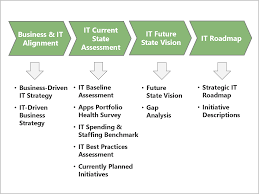
Assessment: Consultants conduct a thorough assessment of the current IT infrastructure, processes, and systems to identify strengths, weaknesses, opportunities, and threats.

Planning: Based on the assessment, consultants develop a strategic plan that outlines goals, objectives, timelines, and resource requirements for implementing new technologies or improving existing ones.

Implementation: Consultants work closely with businesses to implement the strategic plan, ensuring a smooth transition and minimal disruption to operations.

The Future of IT Strategy Consulting

In an increasingly digital world, the demand for IT strategy consulting services is only expected to grow. Businesses that invest in developing robust IT strategies will have a competitive edge and be better positioned to adapt to changing market dynamics.

Contact us today to learn more about how our IT strategy consulting services can help your business thrive in the digital age.


9 Essential Tips for Effective IT Strategy Consulting

  1. Understand the client’s business goals and objectives thoroughly before proposing any IT strategy.
  2. Stay updated with the latest trends and technologies in the IT industry to provide innovative solutions.
  3. Collaborate closely with key stakeholders to ensure alignment between IT strategy and overall business strategy.
  4. Consider scalability and flexibility when designing IT strategies to accommodate future growth and changes.
  5. Evaluate risks associated with implementing new IT strategies and develop mitigation plans accordingly.
  6. Communicate complex technical concepts in a clear and concise manner to non-technical stakeholders.
  7. Regularly review and adjust IT strategies based on feedback, performance metrics, and market dynamics.
  8. Ensure that proposed IT strategies are cost-effective and provide measurable value to the client’s business.
  9. Encourage a culture of continuous learning within the organization to adapt to evolving technology landscapes.

Understand the client’s business goals and objectives thoroughly before proposing any IT strategy.

It is essential in IT strategy consulting to thoroughly understand the client’s business goals and objectives before proposing any IT strategy. By gaining a deep understanding of the client’s specific needs and desired outcomes, consultants can tailor their recommendations to align technology solutions with the overarching business objectives. This approach ensures that the proposed IT strategy is not only technically sound but also directly contributes to the client’s success and long-term growth.

To excel in IT strategy consulting, it is essential to stay updated with the latest trends and technologies in the industry. By keeping abreast of emerging innovations, consultants can offer cutting-edge solutions that address clients’ evolving needs and challenges. Embracing new technologies allows for the development of innovative strategies that drive business growth and competitive advantage.

Collaborate closely with key stakeholders to ensure alignment between IT strategy and overall business strategy.

Collaborating closely with key stakeholders is a crucial tip in IT strategy consulting to ensure alignment between IT strategy and overall business strategy. By engaging with stakeholders from various departments and levels of the organization, IT consultants can gain valuable insights into the business’s goals, challenges, and priorities. This collaboration helps in developing an IT strategy that not only meets the technological needs of the organization but also directly contributes to achieving its broader business objectives. Effective communication and collaboration with key stakeholders foster a unified vision and ensure that technology initiatives are strategically aligned with the company’s long-term success.

Consider scalability and flexibility when designing IT strategies to accommodate future growth and changes.

When engaging in IT strategy consulting, it is essential to consider scalability and flexibility in the design of strategies to accommodate future growth and changes. By incorporating scalability, businesses can ensure that their IT infrastructure can expand seamlessly as the organization grows. Flexibility allows for adjustments and adaptations to meet evolving technology trends and business requirements. This proactive approach not only prepares businesses for future challenges but also enables them to leverage opportunities for innovation and efficiency.

Evaluate risks associated with implementing new IT strategies and develop mitigation plans accordingly.

When embarking on new IT strategies, it is crucial to evaluate the potential risks that come with implementation. By identifying and understanding these risks, businesses can proactively develop mitigation plans to address them effectively. This proactive approach not only helps in minimizing potential disruptions but also ensures a smoother transition to the new IT strategies, ultimately leading to successful outcomes and improved business performance.

Communicate complex technical concepts in a clear and concise manner to non-technical stakeholders.

When engaging in IT strategy consulting, it is essential to effectively communicate complex technical concepts to non-technical stakeholders in a clear and concise manner. By translating intricate IT jargon into easily understandable language, consultants can ensure that all stakeholders, regardless of their technical expertise, grasp the significance and implications of proposed strategies. This streamlined communication approach fosters better collaboration, alignment of goals, and informed decision-making within the organization.

Regularly review and adjust IT strategies based on feedback, performance metrics, and market dynamics.

Regularly reviewing and adjusting IT strategies based on feedback, performance metrics, and market dynamics is essential for ensuring the continued relevance and effectiveness of the technology initiatives within a business. By staying attuned to feedback from stakeholders, monitoring key performance metrics, and staying informed about market trends, organizations can proactively adapt their IT strategies to meet evolving needs and seize new opportunities. This iterative approach not only fosters agility and innovation but also helps align technology investments with overall business objectives for sustained success in today’s dynamic business environment.

Ensure that proposed IT strategies are cost-effective and provide measurable value to the client’s business.

It is essential in IT strategy consulting to ensure that any proposed IT strategies are not only cost-effective but also deliver measurable value to the client’s business. By focusing on cost-effectiveness, businesses can optimize their resources and investments, maximizing the return on their IT initiatives. Additionally, emphasizing measurable value ensures that the impact of the proposed strategies can be quantified and aligned with the client’s business objectives, ultimately leading to tangible benefits and a more successful IT implementation.

Encourage a culture of continuous learning within the organization to adapt to evolving technology landscapes.

To thrive in today’s rapidly changing technology landscape, it is essential for organizations to foster a culture of continuous learning. By encouraging employees to stay updated on the latest technological advancements and trends, businesses can adapt more effectively to the evolving IT environment. This proactive approach not only enhances the organization’s competitiveness but also empowers individuals to contribute meaningfully to innovation and growth.