

cfchris.com

Loading

cyber security operations

Cyber Security Operations: A Practical Guide to Protecting Your Organization

Cybersecurity Operations: A Practical Guide to Protecting Your Organization

Cybersecurity operations are the people, processes, and technologies an organization uses to monitor its systems, detect threats, and respond to security incidents. They help turn cybersecurity from a collection of tools into an ongoing practice: identifying risks, protecting important assets, and limiting damage when something goes wrong.

As businesses rely on cloud services, connected devices, remote work, and digital data, their potential attack surface continues to grow. Effective cybersecurity operations help organizations keep pace by providing visibility into their environments and a coordinated way to handle threats.

What Are Cybersecurity Operations?

Cybersecurity operations cover the day-to-day work of defending an organization’s networks, devices, applications, and information. This work may be performed by an internal security team, a managed security provider, or a combination of both.

A central part of many operations programs is a security operations center, or SOC. A SOC is a team or function responsible for monitoring security activity, investigating alerts, and coordinating responses. Not every organization needs a dedicated, 24-hour SOC, but every organization benefits from clear ownership of security monitoring and incident response.

Core Functions of a Security Operations Program

Continuous Monitoring

Teams collect and review security data from sources such as endpoints, servers, cloud platforms, identity systems, and network devices. Monitoring can reveal unusual behavior, suspicious logins, malware activity, or changes that may indicate an attack.

Threat Detection and Investigation

Security tools generate alerts when activity matches known indicators or appears unusual. Analysts assess those alerts, determine whether they represent a real threat, and gather context before deciding what to do. Good detection depends not only on technology but also on well-tuned rules and an understanding of normal business activity.

Incident Response

When a security incident is confirmed, the response team works to contain it, remove the threat, and restore affected systems. A documented incident response plan clarifies roles, decision-making authority, communication steps, and recovery priorities before an emergency occurs.

Vulnerability and Patch Management

Cybersecurity operations also include finding weaknesses in software, devices, and configurations. Teams prioritize vulnerabilities based on factors such as severity, exposure, and business impact, then coordinate testing and remediation. Timely updates can reduce the opportunities attackers have to exploit known flaws.

Threat Intelligence

Threat intelligence provides information about current attacker techniques, malicious infrastructure, and emerging risks. Used thoughtfully, it can help teams improve detection and focus their attention. Intelligence is most useful when it is relevant to the organization’s systems and connected to practical defensive actions.

People, Processes, and Technology

Strong cybersecurity operations require more than purchasing security software. The three essential elements are:

  • People: Skilled staff who can interpret alerts, make sound decisions, and communicate with technical teams and business leaders.
  • Processes: Clear procedures for monitoring, escalation, incident response, recovery, and continuous improvement.
  • Technology: Tools that provide visibility, help identify threats, and support investigation and response.

When one of these elements is missing, the entire program can suffer. For example, a security platform may generate more alerts than a small team can investigate. Well-designed processes help prioritize those alerts, while training and automation can help staff act efficiently.

Common Challenges

Organizations often face a high volume of security alerts, limited staffing, and complex technology environments. Data may be spread across on-premises systems, multiple cloud services, and employee devices. Inconsistent logging or unclear ownership can make investigations slower and less reliable.

Alert fatigue is another common concern. When teams receive too many low-priority or false-positive alerts, important warnings can be overlooked. Regularly reviewing detection rules, improving asset visibility, and prioritizing alerts by risk can help reduce this problem.

How to Improve Cybersecurity Operations

  1. Understand your environment. Maintain an inventory of important systems, devices, accounts, and data. You cannot reliably protect assets you do not know exist.
  2. Prioritize business risks. Identify the systems and information whose loss or disruption would have the greatest impact, then align monitoring and response plans with those priorities.
  3. Establish clear procedures. Document how incidents are reported, investigated, escalated, contained, and communicated.
  4. Improve visibility. Collect useful security logs from critical systems and protect those logs from unauthorized changes.
  5. Practice response. Tabletop exercises and technical drills help teams find gaps in their plans before a real incident occurs.
  6. Measure and refine. Review response times, recurring incident types, alert quality, and remediation progress. Use the results to improve the program.

The Role of Automation and AI

Automation can handle repetitive tasks, such as enriching an alert with related information or isolating a device under approved conditions. These capabilities can help teams respond faster, but they should be tested and governed carefully. High-impact actions should have appropriate safeguards, oversight, and a way to reverse mistakes.

Artificial intelligence can help analyze large volumes of activity and surface patterns for investigation. It does not replace security professionals or eliminate the need for sound processes. Organizations should evaluate how automated systems use data, validate their results, and ensure that people remain accountable for important security decisions.

Building a Resilient Security Program

Cybersecurity operations are an ongoing cycle of preparation, monitoring, detection, response, and improvement. No organization can prevent every attack, but a well-organized program can make threats easier to identify and incidents less disruptive.

By combining capable people, tested procedures, and appropriately selected technology, organizations can strengthen their defenses and recover more effectively when security events occur. The best starting point is a clear understanding of critical assets, realistic risks, and the actions the organization will take when those risks become real.


Top 5 Essential Cybersecurity Tips for Protecting Your Operations

  1. Enable multi-factor authentication on all accounts.
  2. Patch systems promptly to close known vulnerabilities.
  3. Monitor logs for unusual activity and failed logins.
  4. Back up critical data and test recovery regularly.
  5. Train staff to spot phishing and report incidents.

Enable multi-factor authentication on all accounts.

Enable multi-factor authentication (MFA) on every account that supports it, especially email, banking, administrator, and cloud service accounts. MFA requires an additional verification step—such as an authenticator app, security key, or passkey—along with a password, making it harder for attackers to gain access with stolen or reused credentials. For stronger protection, choose phishing-resistant options like passkeys or hardware security keys when available, and keep recovery methods secure and up to date.

Patch systems promptly to close known vulnerabilities.

Patch systems promptly to close known vulnerabilities before attackers can exploit them. Apply security updates to operating systems, applications, devices, and cloud services as soon as practical, prioritizing internet-facing and business-critical systems. Test patches where needed, schedule updates to limit disruption, and verify that installations succeed. For systems that cannot be patched right away, use temporary safeguards—such as restricting access or disabling affected features—and track the issue until it is resolved.

Monitor logs for unusual activity and failed logins.

Monitor system, application, and network logs for unusual activity, including repeated failed login attempts, logins from unfamiliar locations, and access at unexpected times. These patterns can signal a brute-force attack, compromised account, or other security issue. Centralize logs where possible, set alerts for suspicious behavior, and investigate promptly. Keep logs protected and retain them long enough to support incident investigations.

Back up critical data and test recovery regularly.

Back up critical data regularly and keep copies separate from the systems they protect, so an attack, hardware failure, or accidental deletion won’t destroy every version. Just as important, test your recovery process on a regular schedule: verify that backups are complete, can be restored, and meet your organization’s recovery needs. A backup is only useful if you can access it and restore operations when it matters.

Train staff to spot phishing and report incidents.

Train staff to recognize phishing emails, texts, and calls by watching for suspicious links, unexpected attachments, urgent demands, and requests for sensitive information. Encourage employees to report anything suspicious promptly through a clear, easy-to-use process—even if they are unsure or have already clicked a link. Regular training and realistic practice help people respond confidently, giving security teams a better chance to contain threats before they spread.
cyber security monitoring

Cyber Security Monitoring: A Practical Guide to Detecting and Responding to Threats

Cybersecurity Monitoring: A Practical Guide for Organizations

Cybersecurity threats can emerge at any time, and even well-protected systems may have vulnerabilities. Cybersecurity monitoring helps organizations spot suspicious activity, investigate potential incidents, and respond before a problem causes serious damage. It is an ongoing process—not a one-time security check.

What Is Cybersecurity Monitoring?

Cybersecurity monitoring is the continuous review of activity across an organization’s computers, networks, applications, cloud services, and user accounts. Security teams look for signs of unauthorized access, malware, data theft, unusual behavior, and other possible threats.

Monitoring may rely on automated tools, human analysis, or a combination of both. For example, software might flag a login from an unfamiliar location, while an analyst determines whether it is a legitimate employee or a compromised account.

Why Is Monitoring Important?

Many attacks do not cause immediate, obvious disruption. An intruder may quietly explore a network, steal credentials, or access sensitive information over time. Continuous monitoring can help reduce the time between the start of an attack and its detection.

Effective monitoring can help organizations:

  • Identify suspicious activity earlier
  • Limit the impact of security incidents
  • Protect sensitive and customer data
  • Investigate events with useful system records
  • Meet security, privacy, or regulatory obligations
  • Understand recurring weaknesses and improve defenses

What Should Organizations Monitor?

A useful monitoring program considers the systems and information most important to the organization. Common sources of security data include:

  • Network traffic: Connections between devices, unusual data transfers, and attempts to reach suspicious destinations.
  • User accounts: Login patterns, failed sign-in attempts, changes to permissions, and activity involving privileged accounts.
  • Endpoints: Activity on laptops, desktops, servers, and mobile devices, including unexpected software or processes.
  • Applications and cloud services: Access to files, configuration changes, administrative actions, and unusual use of cloud resources.
  • Security tools: Alerts from firewalls, endpoint protection, email security, and identity systems.

How Cybersecurity Monitoring Works

Monitoring typically involves several connected activities:

  1. Collect data: Gather relevant logs and alerts from devices, services, and security tools.
  2. Analyze activity: Compare events with known threat indicators, established rules, and normal patterns of use.
  3. Prioritize alerts: Assess the likelihood and potential impact of each event to help teams focus on the most urgent risks.
  4. Investigate: Review related events and available evidence to determine whether an alert is a real incident.
  5. Respond: Take appropriate steps, such as disabling a compromised account, isolating a device, or blocking malicious traffic.
  6. Improve: Use lessons from incidents and near misses to refine security controls and response procedures.

Tools and Services

Organizations use a range of technologies to support monitoring. Security information and event management (SIEM) platforms collect and correlate data from multiple sources. Endpoint detection and response (EDR) tools help identify and investigate activity on individual devices. Network monitoring tools examine traffic, while identity and access management systems record account activity.

Some organizations operate an internal security operations center (SOC). Others use a managed security service provider to monitor systems and help investigate alerts. The right approach depends on an organization’s size, risk, budget, and available expertise. Tools can help process large volumes of data, but they still need thoughtful configuration and qualified people to interpret results.

Best Practices for an Effective Program

  • Start with important assets. Identify critical systems, sensitive data, and accounts that would cause significant harm if compromised.
  • Set clear priorities. Define which events require immediate attention and who is responsible for responding.
  • Protect and retain logs. Limit access to security records and keep them for a period that supports investigations and applicable requirements.
  • Reduce alert fatigue. Tune rules to minimize irrelevant alerts without overlooking meaningful warning signs.
  • Use multiple signals. A single unusual event may have an innocent explanation; related events can provide better context.
  • Prepare response procedures. Document how to report, investigate, contain, and recover from common incident types.
  • Test and review. Practice incident response and periodically check whether monitoring covers new systems, services, and risks.
  • Respect privacy. Establish appropriate policies for collecting and reviewing employee and customer data, and follow applicable laws.

Measuring Success

Counting alerts alone does not show whether a monitoring program is effective. Organizations can also assess how quickly they detect and respond to incidents, whether high-priority systems are covered, how often alerts are false positives, and whether investigations lead to practical improvements. These measures should support better decisions rather than encourage teams to chase a single target.

Conclusion

Cybersecurity monitoring gives organizations a clearer view of activity across their digital environments. When paired with sound security controls, trained responders, and a tested incident response plan, it can help detect threats sooner and reduce their impact. The strongest programs are continually reviewed and adapted as technology, business needs, and risks change.


6 Essential Tips for Effective Cybersecurity Monitoring

  1. Monitor network traffic for unusual patterns.
  2. Enable alerts for suspicious login attempts.
  3. Review security logs regularly.
  4. Use endpoint detection on all devices.
  5. Investigate alerts promptly.
  6. Test monitoring tools and response plans.

Monitor network traffic for unusual patterns.

Monitor network traffic for unusual patterns, such as unexpected data transfers, connections to unfamiliar destinations, or spikes in activity outside normal business hours. These changes may signal compromised accounts, malware, or unauthorized access. Set a baseline for typical network behavior, use monitoring tools to flag anomalies, and investigate alerts promptly to determine whether they’re legitimate or require a response.

Enable alerts for suspicious login attempts.

Enable alerts for suspicious login attempts so your team can quickly investigate potential account compromise. Configure notifications for patterns such as repeated failed sign-ins, logins from unusual locations or devices, and attempts to access privileged accounts. Pair alerts with a clear response process, such as verifying the activity with the user, requiring a password reset, or temporarily locking the account when appropriate. Tune alert settings regularly to reduce false alarms while ensuring genuinely risky activity receives prompt attention.

Review security logs regularly.

Review security logs regularly to spot unusual activity before it becomes a bigger problem. Check records from systems such as user accounts, servers, applications, and firewalls for unexpected logins, repeated failed sign-in attempts, unfamiliar devices, or unusual data transfers. Set a consistent review schedule, prioritize alerts involving sensitive systems, and investigate anything that doesn’t match normal activity. Regular reviews can help your team detect threats sooner and respond with better information.

Use endpoint detection on all devices.

Use endpoint detection and response (EDR) on every device that accesses your organization’s data, including laptops, desktops, and servers. EDR tools monitor device activity for signs of malware or other suspicious behavior and can help security teams investigate and contain threats quickly. Keep the software enabled and up to date, and make sure alerts are reviewed and acted on promptly.

Investigate alerts promptly.

Investigate security alerts promptly to determine whether they indicate a real threat and limit potential damage. Prioritize alerts based on their severity and the systems involved, then review relevant logs and activity for context. If an alert appears credible, follow your incident response plan—such as securing an account or isolating a device—and document what happened and how it was handled.

Test monitoring tools and response plans.

Regularly test your cybersecurity monitoring tools and response plans to make sure they work when an incident occurs. Run practice scenarios, such as a compromised account or suspicious data transfer, to confirm that alerts reach the right people and responders understand what to do. Use the results to fix gaps, update procedures, and ensure your tools are configured to detect the threats most relevant to your organization.

siem cyber

SIEM Cybersecurity: A Guide to Security Information and Event Management

SIEM in Cybersecurity: How Security Information and Event Management Works

Cyberattacks can leave clues across an organization’s computers, applications, networks, and cloud services. The challenge is finding those clues quickly and understanding whether they point to a real threat. Security information and event management (SIEM) helps by bringing security data together, analyzing it, and alerting teams to suspicious activity.

What Is SIEM?

SIEM, pronounced “sim,” is a cybersecurity technology that collects and analyzes security-related data from across an organization’s IT environment. It can gather logs and events from sources such as servers, endpoints, firewalls, identity systems, applications, and cloud platforms.

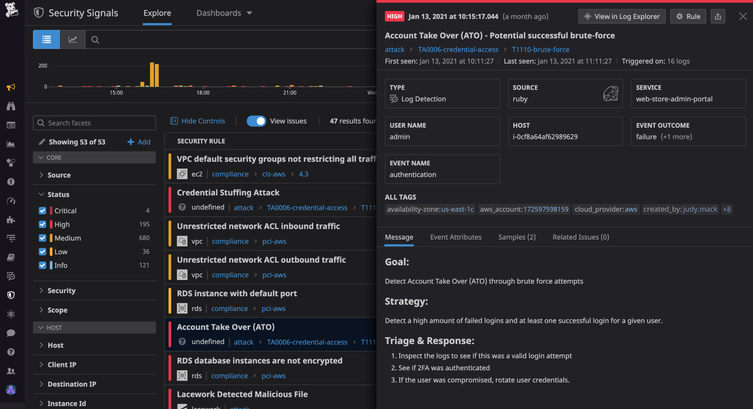
By reviewing this information in one place, security teams can spot patterns that might be difficult to see in separate systems. For example, an unusual login may look harmless on its own. When correlated with repeated failed attempts and unexpected access to sensitive files, it may signal a compromised account.

How Does SIEM Work?

Most SIEM solutions support several core activities:

  1. Data collection: The system receives logs and security events from connected sources.
  2. Normalization: It organizes data from different tools into a consistent format so events can be compared.
  3. Correlation and analysis: Rules, analytics, and sometimes machine learning identify relationships or unusual behavior across events.
  4. Alerting: When activity matches a detection rule or risk pattern, the SIEM creates an alert for investigation.
  5. Investigation and reporting: Analysts use search tools, dashboards, and timelines to examine activity and document findings.

SIEM systems can also retain event data for a set period, helping teams investigate incidents and meet applicable audit or compliance requirements. Retention capabilities and requirements vary by product and organization.

Why SIEM Matters for Cybersecurity

A SIEM can help security teams gain a broader view of activity across their environment. Its value often includes:

  • Centralized visibility: Security events from multiple systems can be reviewed in one place.
  • Threat detection: Correlation can reveal suspicious combinations of events that individual tools may not identify together.
  • Faster investigations: Searchable logs and event timelines can help analysts understand what happened and when.
  • Incident response support: Alerts and investigative context can help teams decide what actions to take.
  • Audit and compliance support: Reports and retained logs may help organizations demonstrate how security events are monitored and reviewed.

A SIEM is not a substitute for a complete security program. It works best alongside sound security practices, capable staff, clear response procedures, and effective controls such as multifactor authentication and endpoint protection.

Common SIEM Use Cases

Organizations use SIEM tools to monitor for a range of security concerns, including:

  • Repeated or unusual login attempts
  • Unexpected access to sensitive information
  • Suspicious changes to user accounts or permissions
  • Malware alerts and unusual endpoint behavior
  • Potential data exfiltration or unusual network traffic
  • Activity involving accounts, devices, or locations that differ from normal patterns

These detections depend on which data sources are connected and how the system is configured. A SIEM cannot reliably identify activity it cannot observe, and alerts require appropriate review.

SIEM Challenges to Consider

SIEM can strengthen security monitoring, but it also requires thoughtful implementation and ongoing maintenance. Common challenges include:

  • Alert fatigue: Too many low-value alerts can make it harder to prioritize genuine risks.
  • Incomplete data: Missing or poorly configured data sources can create gaps in visibility.
  • Complex setup: Detection rules and integrations often need to be tailored to an organization’s systems and risks.
  • Storage and cost: Collecting and retaining large volumes of logs can affect licensing, infrastructure, and operational costs.
  • Staffing and expertise: Analysts need time and training to investigate alerts and improve detection quality.

Organizations can address these challenges by prioritizing important data sources, tuning detection rules, setting clear alert-handling procedures, and regularly reviewing whether the SIEM is producing useful results.

SIEM and Related Security Technologies

SIEM is often used alongside other security tools. A security orchestration, automation, and response (SOAR) platform can help coordinate or automate parts of incident response. Extended detection and response (XDR) tools focus on detecting and responding to threats across connected security products. Some modern security platforms combine capabilities from several categories, but features and terminology differ among vendors.

How to Get Started with SIEM

Before choosing or deploying a SIEM, an organization should define what it needs to monitor and why. A practical starting point includes:

  1. Identify critical systems, sensitive data, and key security risks.
  2. Select the log sources that provide meaningful visibility into those risks.
  3. Establish detection priorities and define who will review alerts.
  4. Set retention, access, and privacy requirements for collected data.
  5. Test alerts and response procedures, then adjust rules based on real results.
  6. Measure performance using relevant indicators, such as investigation time and the proportion of actionable alerts.

The Role of SIEM in a Strong Security Program

SIEM helps organizations turn activity from many systems into information that security teams can investigate. Its effectiveness depends on the quality of the data it receives, the relevance of its detections, and the organization’s ability to respond.

With clear goals, reliable integrations, and ongoing tuning, SIEM can become an important part of cybersecurity monitoring. It gives teams a more connected view of potential threats—and a stronger foundation for investigating suspicious activity.


Understanding SIEM in Cybersecurity: Key FAQs Answered

  1. What is SIEM in cybersecurity?
  2. How does a SIEM system work?
  3. What are the main benefits of using SIEM?
  4. What types of security events can SIEM detect?
  5. What is the difference between SIEM, SOAR, and XDR?
  6. How much does SIEM cost, and what affects the price?

What is SIEM in cybersecurity?

SIEM, or security information and event management, is a cybersecurity technology that collects and analyzes log and event data from systems such as networks, servers, applications, and cloud services. By bringing this information together, SIEM helps security teams identify suspicious patterns, investigate potential threats, and respond to incidents. Its effectiveness depends on having useful data sources, well-tuned alerts, and a team or process to review and act on findings.

How does a SIEM system work?

A SIEM system works by collecting security logs and events from sources such as computers, applications, firewalls, and cloud services, then organizing and analyzing that data in one place. It looks for suspicious patterns by comparing events against detection rules and expected behavior. When it identifies activity that may indicate a threat, it generates an alert so security teams can investigate, respond, and review related events.

What are the main benefits of using SIEM?

The main benefits of using SIEM (security information and event management) include centralized visibility into security activity, faster detection of suspicious behavior, and more efficient incident investigations. By collecting and correlating data from systems such as networks, servers, endpoints, and cloud services, SIEM can help security teams identify patterns they might otherwise miss. It can also support incident response, provide searchable records for audits, and help organizations meet certain compliance requirements. Its effectiveness depends on collecting the right data, tuning alerts, and having people and processes in place to respond.

What types of security events can SIEM detect?

A SIEM can detect a wide range of security events by analyzing logs and activity from systems such as networks, endpoints, applications, identity platforms, and cloud services. Depending on the data sources and detection rules in place, it may flag repeated failed logins, unusual access to accounts or sensitive files, unexpected changes to permissions, malware alerts, suspicious network traffic, and signs of possible data exfiltration. SIEM can also connect events across different systems—for example, linking an unusual login to later access to critical data—to help security teams investigate potential threats. Detection coverage depends on how the SIEM is configured and the quality of the data it receives.

What is the difference between SIEM, SOAR, and XDR?

SIEM, SOAR, and XDR support cybersecurity in different ways. A SIEM collects and analyzes security data from across an organization to identify suspicious activity and generate alerts. SOAR helps teams coordinate and automate parts of their response, such as assigning incidents or running approved investigation steps. XDR detects and responds to threats across connected security layers, such as endpoints, email, and cloud services, often bringing related activity together for investigation. These tools can complement one another, but their capabilities vary by product.

How much does SIEM cost, and what affects the price?

SIEM costs vary widely, from a few hundred dollars per month for a small or managed service to much higher amounts for large, complex deployments. Pricing may be based on daily data volume, the number of monitored devices or users, data retention, and included features. Costs can also include setup, integrations, cloud storage, staff training, ongoing tuning, and analyst support. To compare options, estimate the log data you need to collect, identify essential capabilities, and ask vendors to clarify any usage limits or add-on fees.