cfchris.com

Loading

real estate software development

Revolutionizing Real Estate: The Power of Software Development in the Industry

Real Estate Software Development

The Impact of Real Estate Software Development in the Industry

Real estate software development has revolutionized the way professionals in the industry manage their operations. From property management to customer relationship management, software solutions have streamlined processes and enhanced efficiency.

Benefits of Real Estate Software Development

**Improved Efficiency**: Real estate software automates repetitive tasks such as listing management, document processing, and client communication, allowing agents to focus on more strategic activities.

**Enhanced Customer Experience**: With CRM software, real estate professionals can track interactions with clients, personalize communications, and provide better service throughout the buying or selling process.

**Data Analysis**: Real estate software provides valuable insights through data analytics, helping agents make informed decisions based on market trends, pricing strategies, and customer preferences.

Key Features of Real Estate Software

**Property Listing Management**: Software solutions enable agents to create detailed property listings with images, descriptions, and pricing information for easy access by potential buyers.

**Transaction Management**: From offer submission to closing deals, real estate software helps streamline transaction processes by organizing documents, deadlines, and communication between parties.

**Marketing Tools**: Real estate software often includes marketing features such as email campaigns, social media integration, and lead generation tools to attract potential buyers or sellers.

The Future of Real Estate Software Development

As technology continues to evolve, real estate software development will play an even more significant role in shaping the industry. Integration of artificial intelligence for predictive analytics, virtual reality for property tours, and blockchain for secure transactions are just a few examples of innovations that will drive the future of real estate technology.


6 Essential Tips for Developing Effective Real Estate Software

  1. Understand the needs of real estate professionals before designing the software.
  2. Ensure the software is user-friendly and easy to navigate for agents and clients.
  3. Implement features for property listings, virtual tours, and online booking.
  4. Include a secure payment gateway for transactions within the software.
  5. Integrate analytics tools to track performance and user engagement.
  6. Regularly update the software to incorporate new technologies and stay competitive.

Understand the needs of real estate professionals before designing the software.

Understanding the needs of real estate professionals is crucial before embarking on the design of real estate software. By conducting thorough research and engaging with industry experts, developers can tailor software solutions to address specific challenges faced by real estate agents, brokers, and property managers. This approach ensures that the software not only meets but exceeds the expectations of users, resulting in a more efficient and effective tool for managing properties, transactions, and client relationships in the real estate industry.

Ensure the software is user-friendly and easy to navigate for agents and clients.

When developing real estate software, it is crucial to prioritize user-friendliness and ease of navigation for both agents and clients. Intuitive design and seamless functionality enhance the overall user experience, making it easier for agents to manage properties efficiently and for clients to search for their dream homes effortlessly. By ensuring that the software is user-friendly, real estate professionals can maximize productivity and provide a positive experience for their clients, ultimately leading to improved satisfaction and success in the industry.

Implement features for property listings, virtual tours, and online booking.

In real estate software development, it is crucial to implement features that enhance the user experience and streamline processes. By incorporating functionalities for property listings, virtual tours, and online booking, agents can provide potential buyers with comprehensive information about properties, offer immersive virtual experiences for remote viewing, and facilitate convenient booking arrangements. These features not only attract more interest from clients but also improve efficiency in managing property transactions, ultimately leading to a more seamless and satisfying real estate experience for all parties involved.

Include a secure payment gateway for transactions within the software.

Integrating a secure payment gateway within real estate software development is crucial for ensuring safe and efficient transactions. By incorporating a reliable payment processing system, users can confidently make payments for property purchases or rentals directly through the software platform. This feature not only enhances convenience for clients but also instills trust in the system, protecting sensitive financial information and reducing the risk of fraud. A secure payment gateway adds a layer of security and professionalism to the real estate software, making it a valuable asset for both agents and customers alike.

Integrate analytics tools to track performance and user engagement.

Integrating analytics tools into real estate software development is crucial for monitoring performance and user engagement. By leveraging analytics, professionals in the industry can gain valuable insights into how users interact with their platforms, track key metrics such as website traffic and conversion rates, and make data-driven decisions to optimize their services. This proactive approach not only improves the overall user experience but also helps real estate businesses stay competitive in a rapidly evolving market.

Regularly update the software to incorporate new technologies and stay competitive.

To stay competitive in the real estate industry, it is crucial to regularly update your software to incorporate new technologies. By embracing the latest advancements in software development, real estate professionals can enhance their efficiency, improve customer experience, and adapt to changing market demands. Updating the software ensures that you are equipped with cutting-edge tools and features that give you a competitive edge in a dynamic and fast-paced industry.

software development center

Unlocking Innovation: The Power of a Software Development Center

Article: Software Development Center

The Importance of a Software Development Center

A software development center plays a crucial role in the creation, maintenance, and enhancement of software applications. It serves as a hub where talented developers, designers, testers, and project managers collaborate to deliver high-quality software solutions.

Key Functions of a Software Development Center

Software Development: The primary function of a software development center is to design and develop custom software applications tailored to meet specific business requirements.

Quality Assurance: Quality assurance teams within the center ensure that the software meets industry standards and functions flawlessly before deployment.

Project Management: Project managers oversee the development process, ensuring timely delivery and effective communication among team members.

Benefits of Establishing a Software Development Center

Efficiency: Having all development resources in one centralized location promotes efficient collaboration and streamlined processes.

Innovation: A dedicated software development center fosters innovation through brainstorming sessions, knowledge sharing, and continuous learning.

Cost-Effectiveness: By leveraging in-house talent and resources, organizations can reduce outsourcing costs and maintain control over project timelines.

The Future of Software Development Centers

In an increasingly digital world, the demand for custom software solutions continues to rise. Establishing a software development center enables organizations to stay competitive by delivering cutting-edge applications that meet evolving user needs.

In conclusion, a well-equipped software development center is essential for organizations looking to drive innovation, enhance operational efficiency, and deliver superior software products to their customers.


Understanding Software Development Centers: Key Functions, Benefits, and Best Practices

  1. What is a software development center?
  2. What are the key functions of a software development center?
  3. How does a software development center contribute to the software development process?
  4. What are the benefits of establishing a software development center?
  5. How can a software development center improve efficiency in project delivery?
  6. What roles and responsibilities are typically found in a software development center?
  7. How can organizations ensure effective collaboration within their software development center?
  8. What technologies and tools are commonly used in a software development center?

What is a software development center?

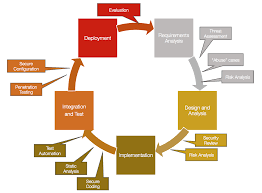
A software development center is a specialized facility where teams of skilled professionals collaborate to design, develop, test, and deploy software applications. It serves as a centralized hub for all stages of the software development lifecycle, from conceptualization to implementation. In a software development center, experts in various domains such as programming, design, quality assurance, and project management work together to create tailored solutions that meet specific business needs. This dedicated environment fosters innovation, efficiency, and collaboration among team members to deliver high-quality software products effectively.

What are the key functions of a software development center?

A software development center serves as a vital hub for various functions essential in the software development process. The key functions of a software development center include software development, where talented teams design and create custom software solutions to meet specific business needs. Quality assurance is another critical function, ensuring that the developed software meets high standards and functions seamlessly. Project management within the center coordinates tasks, schedules, and resources to ensure timely delivery of projects and effective communication among team members. These functions collectively contribute to the successful creation, maintenance, and enhancement of software applications within a dedicated software development center.

How does a software development center contribute to the software development process?

A software development center plays a pivotal role in the software development process by providing a dedicated environment where skilled professionals collaborate to create, enhance, and maintain software applications. It serves as a hub for innovation, fostering teamwork and knowledge sharing among developers, designers, testers, and project managers. By centralizing resources and expertise, a software development center ensures efficient communication, streamlined processes, and effective project management. This collaborative setting enables the team to deliver high-quality software solutions that meet specific business requirements while promoting creativity and continuous learning within the organization.

What are the benefits of establishing a software development center?

Establishing a software development center offers numerous benefits to organizations. One key advantage is the ability to centralize development resources, fostering efficient collaboration and streamlined processes. Additionally, having a dedicated center promotes innovation through knowledge sharing and continuous learning among team members. Cost-effectiveness is another significant benefit, as organizations can leverage in-house talent and resources to reduce outsourcing costs and maintain control over project timelines. Overall, a software development center enables businesses to drive innovation, enhance operational efficiency, and deliver high-quality software solutions that meet the evolving needs of their customers.

How can a software development center improve efficiency in project delivery?

A software development center can significantly enhance efficiency in project delivery through various means. By centralizing all development resources and expertise in one location, communication and collaboration among team members are streamlined, leading to quicker decision-making and problem-solving. Additionally, the presence of dedicated project managers ensures that timelines are adhered to, resources are allocated effectively, and potential roadblocks are addressed promptly. Furthermore, the center’s focus on continuous improvement and innovation fosters a culture of efficiency, where best practices are shared, and lessons learned from previous projects are applied to optimize future deliveries. Overall, a well-established software development center can create a conducive environment for efficient project execution and timely delivery of high-quality software solutions.

What roles and responsibilities are typically found in a software development center?

In a software development center, various roles and responsibilities are essential for the successful creation and delivery of software solutions. Common roles include software developers who write code and build applications, quality assurance testers who ensure the software meets high standards, project managers who oversee timelines and resources, designers who create user-friendly interfaces, and system administrators who maintain the infrastructure. Additionally, business analysts gather requirements from stakeholders, while technical support teams provide assistance to users post-deployment. Each role plays a crucial part in the software development lifecycle within a center, contributing to the overall success of projects and meeting client expectations.

How can organizations ensure effective collaboration within their software development center?

Effective collaboration within a software development center is crucial for the success of any organization’s projects. To ensure seamless collaboration, organizations can implement several strategies. Firstly, establishing clear communication channels and project management tools can help team members stay connected and informed about project progress. Encouraging a culture of transparency and open dialogue fosters trust among team members and promotes idea sharing. Additionally, organizing regular team meetings, brainstorming sessions, and code reviews can enhance collaboration by allowing team members to provide feedback, share insights, and address any challenges collectively. By promoting a collaborative environment built on communication, transparency, and teamwork, organizations can maximize the potential of their software development center and achieve successful project outcomes.

What technologies and tools are commonly used in a software development center?

In a software development center, a variety of technologies and tools are commonly utilized to facilitate the development process and ensure the delivery of high-quality software solutions. Some of the most frequently used technologies include programming languages such as Java, Python, C#, and JavaScript, as well as frameworks like React, Angular, and Node.js. Version control systems like Git are essential for managing code changes efficiently, while integrated development environments (IDEs) such as Visual Studio Code and IntelliJ IDEA provide developers with powerful tools for coding and debugging. Additionally, project management tools like Jira and Trello help teams organize tasks and track progress effectively. By leveraging these technologies and tools, software development centers can streamline their workflows, collaborate more efficiently, and deliver innovative solutions to meet client needs.

accounting for software development costs pwc

Navigating Software Development Costs: Insights from PwC on Effective Accounting

Accounting for software development costs is a crucial aspect for companies in the tech industry. Properly managing and reporting these costs can have a significant impact on a company’s financial statements and overall performance. PwC, a renowned professional services firm, provides valuable insights and guidance on how to account for software development costs effectively.

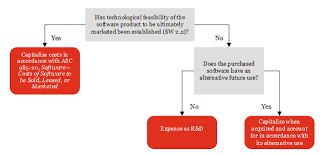
Software development costs can be classified into two main categories: research and development (R&D) costs and production or capitalization costs. R&D costs are typically expensed as incurred since they are related to activities aimed at creating new software products or improving existing ones. On the other hand, production costs that meet specific criteria, such as technological feasibility, can be capitalized and amortized over the useful life of the software.

PwC emphasizes the importance of determining the stage at which software development costs should be capitalized. Understanding the criteria for capitalization, such as the presence of a detailed project plan, technical feasibility, and future economic benefits, is essential in making informed accounting decisions.

Moreover, PwC advises companies to regularly assess and review their accounting policies for software development costs to ensure compliance with relevant accounting standards, such as ASC 350-40 (intangibles – internal-use software) and ASC 985-20 (software – cost of sales).

By following PwC’s guidance on accounting for software development costs, companies can enhance transparency in financial reporting, mitigate risks of misstatement or non-compliance with regulations, and make informed business decisions based on accurate financial information.

In conclusion, accounting for software development costs is a complex yet critical aspect of financial management for tech companies. Leveraging PwC’s expertise and best practices in this area can help organizations navigate the complexities of software development cost accounting effectively and optimize their financial performance.


7 Essential Tips for Accounting Software Development Costs

  1. 1. Capitalize costs directly related to developing or obtaining software for internal use.
  2. 2. Expense costs related to preliminary project stages and post-implementation activities.
  3. 3. Allocate costs between capitalized and expensed based on the development stage.
  4. 4. Consider costs such as employee compensation, third-party services, and software tools.
  5. 5. Review and update capitalization criteria regularly to ensure compliance with accounting standards.
  6. 6. Document the rationale behind capitalization decisions for audit trail purposes.
  7. 7. Consult with accounting professionals or refer to PwC guidance for complex scenarios.

When following PwC’s tip to capitalize costs directly related to developing or obtaining software for internal use, companies can enhance their financial reporting accuracy and efficiency. By recognizing and capitalizing costs that meet specific criteria, such as those directly tied to software development activities with future economic benefits, organizations can better align their accounting practices with industry standards. This approach not only ensures proper allocation of expenses but also enables companies to reflect the true value of their software assets on their balance sheets, ultimately improving transparency and decision-making processes.

2. Expense costs related to preliminary project stages and post-implementation activities.

When following PwC’s tip on accounting for software development costs, it is essential to expense costs related to preliminary project stages and post-implementation activities. By recognizing and expensing these costs as they occur, companies can accurately reflect the true financial impact of software development projects in their financial statements. This approach ensures transparency and compliance with accounting standards while providing a clear picture of the overall expenses associated with software development initiatives.

3. Allocate costs between capitalized and expensed based on the development stage.

When it comes to accounting for software development costs, PwC’s tip to allocate costs between capitalized and expensed based on the development stage is crucial. By determining the specific stage of development, companies can make informed decisions on whether to capitalize or expense costs effectively. This approach ensures that expenses related to research and development activities are recognized appropriately while also identifying costs that meet the criteria for capitalization. Proper allocation based on the development stage enhances financial reporting accuracy and transparency, enabling companies to comply with accounting standards and optimize their financial performance in the software development process.

4. Consider costs such as employee compensation, third-party services, and software tools.

When accounting for software development costs, it is essential to consider various expenses, including employee compensation, third-party services, and software tools. These costs play a significant role in the overall budget of a software development project and should be carefully tracked and allocated accordingly. Employee compensation covers salaries, benefits, and other related expenses for the team members involved in the development process. Third-party services may include outsourcing certain tasks or hiring external consultants to support the project. Additionally, investments in software tools and technologies are crucial for enhancing productivity and efficiency during development. By carefully considering these costs, companies can ensure accurate financial reporting and better decision-making regarding their software development initiatives.

5. Review and update capitalization criteria regularly to ensure compliance with accounting standards.

It is essential for companies to review and update their capitalization criteria regularly to ensure compliance with accounting standards, as advised by PwC. By periodically reassessing the criteria for capitalizing software development costs, organizations can stay aligned with relevant accounting standards, such as ASC 350-40 and ASC 985-20. This proactive approach not only helps companies maintain accurate financial reporting but also reduces the risk of non-compliance and potential errors in accounting for software development costs. Keeping capitalization criteria up-to-date allows companies to make informed decisions regarding the treatment of software development expenses, ultimately contributing to transparent and reliable financial statements.

6. Document the rationale behind capitalization decisions for audit trail purposes.

To ensure transparency and accountability in accounting for software development costs, PwC recommends documenting the rationale behind capitalization decisions. By clearly outlining the reasons for choosing to capitalize certain costs, companies create a robust audit trail that can be reviewed and verified by internal and external auditors. This documentation not only enhances the credibility of financial statements but also provides valuable insights into the thought process behind capitalization choices, helping stakeholders understand the financial impact of software development activities.

7. Consult with accounting professionals or refer to PwC guidance for complex scenarios.

When facing complex scenarios related to accounting for software development costs, it is advisable to seek guidance from accounting professionals or refer to PwC’s expert advice. Consulting with experienced professionals can provide valuable insights and ensure that companies navigate intricate accounting issues effectively. By leveraging PwC’s guidance, organizations can make informed decisions, adhere to accounting standards, and optimize their financial reporting processes in the context of software development costs.

app coding software

Mastering App Coding Software: A Developer’s Guide to Efficient Development

The Power of App Coding Software

The Power of App Coding Software

In today’s digital age, the demand for mobile applications is ever-growing. Whether it’s for business, entertainment, education, or communication, apps have become an integral part of our daily lives. Behind every successful app lies a robust codebase created using specialized tools known as app coding software.

What is App Coding Software?

App coding software, also known as Integrated Development Environments (IDEs), are powerful tools that streamline the app development process. These software packages provide developers with a comprehensive set of features to write, test, and debug code efficiently.

Key Features of App Coding Software

Some key features of app coding software include:

  • Code Editor: A feature-rich text editor that provides syntax highlighting, auto-completion, and code navigation functionalities.
  • Debugger: Allows developers to identify and fix bugs in their code by stepping through it line by line.
  • Version Control: Integration with version control systems like Git for managing code changes and collaboration among team members.
  • Build Automation: Tools for automating the build process to compile code into executable applications.
  • Testing Frameworks: Support for testing frameworks to ensure the reliability and functionality of the developed apps.

The Benefits of Using App Coding Software

Utilizing app coding software offers several benefits to developers and organizations, including:

  • Increased Productivity: IDEs streamline the development process, allowing developers to write code faster and more efficiently.
  • Better Code Quality: Features like syntax checking and debugging tools help identify errors early in the development cycle, leading to higher-quality code.
  • Cross-Platform Development: Many IDEs support multiple platforms, enabling developers to create apps for various operating systems using a single tool.
  • Community Support: Most app coding software have active communities where developers can seek help, share knowledge, and collaborate on projects.

In Conclusion

The use of app coding software is essential for modern app development. By leveraging these powerful tools, developers can create feature-rich applications efficiently while maintaining high standards of quality and performance. Whether you’re a seasoned developer or just starting in the field, investing in a reliable IDE can significantly enhance your app development journey.


Top FAQs About Choosing the Best App Coding Software and Development Tools

  1. Which platform is best for app development?
  2. What is the best application software?
  3. What is the best tool for app development?
  4. How can I make app by coding?
  5. How do I code an app?
  6. Can I create my own app?

Which platform is best for app development?

When it comes to app development, the question of which platform is best often arises. The choice of platform depends on various factors such as the target audience, budget, features required, and development timeline. For native app development, platforms like iOS and Android offer unique advantages in terms of performance and user experience. Cross-platform frameworks like React Native and Flutter are popular choices for building apps that work on multiple platforms with a single codebase. Ultimately, the best platform for app development varies from project to project, and it’s essential to consider all factors carefully before making a decision.

What is the best application software?

When it comes to determining the best application software, the answer can vary depending on individual needs and preferences. The term “best” is subjective and can be influenced by factors such as functionality, user-friendliness, performance, cost-effectiveness, and compatibility with specific platforms. It’s essential for users to evaluate their requirements carefully and consider factors like intended use, features needed, scalability, and support options before selecting the most suitable application software for their needs. Conducting thorough research, reading reviews, and seeking recommendations from trusted sources can help in making an informed decision when choosing the best application software for a particular purpose.

What is the best tool for app development?

When it comes to app development, the question of the best tool is a common one among developers. The choice of the best tool for app development often depends on various factors such as the specific requirements of the project, the developer’s familiarity with the tool, and the target platform for the app. Some popular tools for app development include Android Studio for Android apps, Xcode for iOS apps, Visual Studio for cross-platform development, and React Native for building native-like apps using JavaScript. Ultimately, the best tool for app development is subjective and varies based on individual preferences and project needs. It’s essential to explore different tools, consider their features and capabilities, and choose one that aligns best with your development goals.

How can I make app by coding?

To create an app through coding, you can start by learning a programming language commonly used for app development, such as Java, Swift, or JavaScript. Once you have a good grasp of the language, you can use an Integrated Development Environment (IDE) to write and test your code. Begin by outlining the features and functionality you want your app to have, then start coding each component accordingly. It’s essential to follow best practices in coding and regularly test your app to ensure it functions as intended. Don’t hesitate to seek help from online resources, tutorials, and communities to guide you through the app development process. With dedication and practice, you can bring your app idea to life through coding.

How do I code an app?

When it comes to coding an app, the process typically involves several key steps. First, you need to have a clear understanding of the app’s purpose and target audience. Next, you will need to choose the appropriate app coding software or Integrated Development Environment (IDE) that best suits your needs. Once you have set up your development environment, you can start writing code using programming languages like Java, Swift, or JavaScript, depending on the platform you are targeting. It is essential to follow best practices in coding, such as organizing your code into manageable modules and conducting thorough testing to ensure the app functions as intended. Continuous learning and staying updated with the latest trends in app development are also crucial for creating successful and innovative apps.

Can I create my own app?

The frequently asked question, “Can I create my own app?” is a common query among individuals interested in app development. The answer is a resounding yes! With the availability of user-friendly app coding software and resources, anyone with a passion for creating apps can embark on their journey to develop their own applications. Whether you have a unique idea for a mobile app or simply want to learn the ropes of app development, there are ample opportunities and tools available to help you bring your vision to life. By leveraging these resources and dedicating time to learning and practicing app coding, you can certainly create your own app and explore the exciting world of mobile application development.

coding software for mac
mac

Top Coding Software for Mac Users: Enhance Your Development Experience

Coding Software for Mac

The Best Coding Software for Mac Users

Mac computers are popular among developers for their sleek design, powerful performance, and user-friendly interface. If you’re a coder looking to enhance your productivity on a Mac, choosing the right coding software is crucial. Here are some of the top coding tools specifically tailored for Mac users:

Xcode

Xcode is Apple’s official integrated development environment (IDE) for macOS. It provides a comprehensive set of tools for developing software for macOS, iOS, watchOS, and tvOS. With features like Interface Builder, Swift compiler, and debugging tools, Xcode is a versatile IDE loved by many Mac developers.

Visual Studio Code

Visual Studio Code is a lightweight yet powerful code editor developed by Microsoft. It offers support for various programming languages and extensions that enhance its functionality. With features like IntelliSense, debugging support, and Git integration, Visual Studio Code is a popular choice among Mac developers.

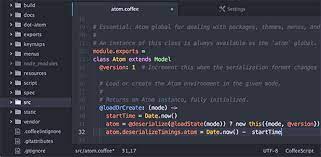
Atom

Atom is an open-source text editor developed by GitHub. It comes with built-in package management, smart autocompletion, and multiple panes for efficient coding. Atom’s customizable interface and extensive library of plugins make it a favorite among developers who prefer flexibility in their coding environment.

Sublime Text

Sublime Text is a sophisticated text editor known for its speed and ease of use. It offers powerful editing features like multiple selections, split editing, and instant project switch. With a highly customizable interface and support for various programming languages, Sublime Text is a reliable choice for Mac developers.

IntelliJ IDEA

IntelliJ IDEA is a robust IDE specifically designed for Java development but also supports other languages through plugins. It offers advanced coding assistance, intelligent code completion, and built-in tools for testing and profiling applications. IntelliJ IDEA’s seamless integration with version control systems makes it an excellent choice for Java developers on Mac.

Whether you’re a beginner or an experienced coder on a Mac, choosing the right coding software can significantly impact your workflow and productivity. Explore these top coding tools to find the one that best suits your development needs on macOS.


Top 5 FAQs About Choosing Coding Software for Mac Users

  1. What is the best coding software for Mac?
  2. Is Xcode the only option for coding on a Mac?
  3. Can I use Visual Studio Code on a Mac?
  4. Which coding software for Mac supports multiple programming languages?
  5. Are there any free coding tools available for Mac users?

What is the best coding software for Mac?

When it comes to the best coding software for Mac, the answer can vary depending on individual preferences and specific coding needs. Some popular choices among Mac users include Xcode, Visual Studio Code, Atom, Sublime Text, and IntelliJ IDEA. Xcode stands out as Apple’s official IDE with robust features for macOS and iOS development, while Visual Studio Code offers versatility and a wide range of extensions. Atom and Sublime Text are favored for their customization options and speed, catering to different coding styles. IntelliJ IDEA excels in Java development but also supports other languages with its advanced coding assistance. Ultimately, the best coding software for Mac is one that aligns with your coding workflow and helps you achieve your development goals efficiently.

Is Xcode the only option for coding on a Mac?

When it comes to coding on a Mac, Xcode is not the only option available. While Xcode is Apple’s official integrated development environment (IDE) and is widely used for developing software for macOS and iOS, there are other coding software options tailored for Mac users. Developers can choose from a variety of code editors and IDEs such as Visual Studio Code, Atom, Sublime Text, and IntelliJ IDEA, each offering unique features and functionalities to cater to different programming preferences and requirements. So, while Xcode remains a popular choice among Mac developers, there are alternative tools that provide flexibility and versatility in coding on a Mac platform.

Can I use Visual Studio Code on a Mac?

Yes, Visual Studio Code is fully compatible with Mac operating systems. Mac users can easily download and install Visual Studio Code to enjoy its powerful features and functionalities for coding. Whether you are a beginner or an experienced developer, Visual Studio Code provides a user-friendly interface, robust code editing capabilities, and seamless integration with various programming languages on your Mac. With its extensive library of extensions and plugins, Visual Studio Code is a popular choice among Mac users looking for a versatile and efficient coding tool.

Which coding software for Mac supports multiple programming languages?

When it comes to coding software for Mac that supports multiple programming languages, developers have several options to choose from. IDEs like Visual Studio Code, Atom, and Sublime Text are popular choices known for their versatility in accommodating various programming languages. These coding tools offer features such as syntax highlighting, code completion, and debugging support for a wide range of languages, making them ideal for developers who work with multiple programming languages on their Mac computers. By utilizing these versatile coding software options, developers can streamline their workflow and efficiently work on projects that involve different programming languages.

Are there any free coding tools available for Mac users?

For Mac users looking for free coding tools, there are several options available that can help enhance your coding experience without breaking the bank. Popular free coding tools for Mac include Visual Studio Code, Atom, and Sublime Text. These tools offer a range of features such as code editing, debugging support, and plugin extensions at no cost, making them accessible to developers of all levels. Whether you’re a student, hobbyist, or professional coder, these free tools can provide a solid foundation for your coding projects on macOS.

blockchain software development company

Empowering Innovation: The Role of a Blockchain Software Development Company

Article: Blockchain Software Development Company

The Rise of Blockchain Software Development Companies

Blockchain technology has revolutionized the way we perceive data security and transparency in various industries. As a result, the demand for blockchain software development companies has been on the rise.

These companies specialize in creating decentralized applications (dApps) and smart contracts that run on blockchain networks such as Ethereum, Hyperledger, and more. By leveraging the power of distributed ledger technology, they enable secure and tamper-proof transactions.

Services Offered by Blockchain Software Development Companies

Blockchain software development companies offer a wide range of services to cater to different needs:

  • Smart Contract Development: Writing and deploying self-executing contracts that automatically enforce agreed-upon terms.
  • dApp Development: Building decentralized applications that operate on blockchain networks, providing enhanced security and transparency.
  • Blockchain Consulting: Advising businesses on how to integrate blockchain technology into their existing systems for improved efficiency.
  • Tokenization: Creating digital tokens for various use cases such as crowdfunding, loyalty programs, or asset representation.
  • Blockchain Integration: Integrating blockchain solutions with existing enterprise systems to streamline operations.

The Benefits of Working with a Blockchain Software Development Company

Collaborating with a reputable blockchain software development company offers several advantages:

  • Data Security: Blockchain technology provides enhanced security through encryption and decentralization, reducing the risk of data breaches.
  • Transparency: Transactions recorded on a blockchain are transparent and immutable, fostering trust among stakeholders.
  • Efficiency: Smart contracts automate processes, reducing manual intervention and minimizing errors.
  • Cutting-Edge Solutions: Blockchain software development companies stay updated with the latest trends and technologies in the industry, offering innovative solutions to clients.

In Conclusion

The emergence of blockchain technology has paved the way for new possibilities in software development. Blockchain software development companies play a crucial role in harnessing this potential and empowering businesses across various sectors. By embracing decentralized solutions, organizations can enhance security, transparency, and efficiency in their operations.


Top 7 FAQs About Blockchain Software Development Companies

  1. Who is the best blockchain development company for hire?
  2. Who is the leading blockchain development company?
  3. What is a blockchain software developer?
  4. Which is the best blockchain development company?
  5. How much do blockchain software developers make?
  6. What is a blockchain development company?
  7. What is blockchain software development?

Who is the best blockchain development company for hire?

When searching for the best blockchain development company to hire, it is essential to consider various factors such as expertise, experience, reputation, and project requirements. The ideal choice will depend on the specific needs of your project, whether it involves smart contract development, dApp creation, or blockchain integration. It is recommended to research and compare different companies based on their track record, client testimonials, and portfolio to find a reliable partner that aligns with your goals and vision for leveraging blockchain technology effectively.

Who is the leading blockchain development company?

When seeking the leading blockchain development company, it is essential to consider various factors such as expertise, track record, and client satisfaction. Several reputable companies have established themselves as industry leaders in blockchain software development, each offering unique strengths and capabilities. Conducting thorough research, reviewing case studies, and seeking recommendations from trusted sources can help identify the best fit for specific project requirements. Ultimately, the leading blockchain development company is one that aligns closely with the client’s vision and delivers innovative solutions tailored to their needs.

What is a blockchain software developer?

A blockchain software developer is a skilled professional who specializes in creating applications and solutions that leverage blockchain technology. These developers have expertise in programming languages such as Solidity, C++, and JavaScript, which are commonly used for building decentralized applications (dApps) and smart contracts on blockchain platforms like Ethereum and Hyperledger. They understand the principles of distributed ledger technology and cryptography to design secure, transparent, and tamper-proof systems. A blockchain software developer plays a crucial role in implementing innovative solutions that utilize the unique features of blockchain to revolutionize various industries.

Which is the best blockchain development company?

When seeking the best blockchain development company, it is essential to consider various factors such as expertise, experience, client reviews, and project portfolio. The ideal blockchain development company should have a proven track record of delivering high-quality solutions tailored to meet the unique needs of their clients. Additionally, assessing their proficiency in developing smart contracts, dApps, and integrating blockchain technology into existing systems can help determine the best fit for your specific requirements. Conducting thorough research and requesting consultations with multiple companies can aid in identifying the best blockchain development partner that aligns with your goals and vision.

How much do blockchain software developers make?

The salary range for blockchain software developers can vary based on factors such as experience, location, and the specific skills required for the job. On average, blockchain software developers can earn competitive salaries that often exceed those of traditional software developers. Entry-level positions may start around $60,000 to $80,000 per year, while experienced professionals with specialized blockchain expertise can command salaries well into six figures. The demand for skilled blockchain developers continues to grow as more industries adopt blockchain technology, making it a lucrative career path for those with the right skill set and experience.

What is a blockchain development company?

A blockchain development company is a specialized firm that focuses on creating decentralized applications (dApps), smart contracts, and other solutions that leverage blockchain technology. These companies have expertise in developing software that operates on blockchain networks, such as Ethereum and Hyperledger, to enable secure and transparent transactions. By utilizing distributed ledger technology, blockchain development companies help businesses integrate innovative solutions that enhance data security, immutability, and efficiency in various industries.

What is blockchain software development?

Blockchain software development involves creating applications and solutions that leverage blockchain technology to enable secure, transparent, and decentralized transactions. It entails designing and implementing smart contracts, decentralized applications (dApps), and other blockchain-based solutions that run on distributed ledger networks. Blockchain software developers use programming languages like Solidity, Java, or C++ to build these innovative solutions that offer enhanced data security, immutability, and trust in various industries. By harnessing the power of blockchain technology, companies can streamline their operations, reduce costs, and revolutionize traditional business processes for a more efficient and secure future.

blockchain software development

Exploring the World of Blockchain Software Development

Blockchain Software Development

The Rise of Blockchain Software Development

Blockchain technology has been making waves in various industries, offering a decentralized and secure way of handling transactions and data. As a result, blockchain software development has gained significant attention and importance in recent years.

Developers working on blockchain projects are tasked with creating applications that leverage the unique properties of blockchain technology. These properties include transparency, immutability, security, and decentralization.

Key Aspects of Blockchain Software Development:

  • Smart Contracts: Smart contracts are self-executing contracts with the terms of the agreement written into code. Developers need to ensure the accuracy and security of smart contracts in blockchain applications.
  • Cryptocurrency Integration: Many blockchain applications involve cryptocurrencies as a means of value exchange. Developers must implement secure cryptocurrency transactions within their software.
  • Consensus Mechanisms: Consensus mechanisms like Proof of Work (PoW) or Proof of Stake (PoS) are essential components of blockchain networks. Developers need to understand these mechanisms to build efficient and secure systems.
  • Data Encryption: Data stored on a blockchain is encrypted for security purposes. Developers must implement robust encryption techniques to protect sensitive information.

The Future of Blockchain Software Development

As the adoption of blockchain technology continues to grow, the demand for skilled blockchain developers is expected to rise. Companies across industries are exploring ways to integrate blockchain into their operations, creating numerous opportunities for developers specializing in this field.

In conclusion, blockchain software development plays a crucial role in shaping the future of digital transactions and data management. With its potential to revolutionize various sectors, developers working on blockchain projects have a unique opportunity to drive innovation and create impactful solutions for businesses and consumers alike.


9 Essential Tips for Successful Blockchain Software Development

  1. Understand the basics of blockchain technology before starting development.
  2. Choose the right blockchain platform based on your project requirements.
  3. Focus on security measures to protect against vulnerabilities and attacks.
  4. Implement smart contracts efficiently for automation and transparency.
  5. Regularly test and audit your code to ensure its reliability and functionality.
  6. Collaborate with other developers in the blockchain community for insights and best practices.
  7. Stay updated with the latest trends and advancements in blockchain technology.
  8. Document your code thoroughly for easier maintenance and future development.
  9. Consider scalability options from the beginning to accommodate future growth.

Understand the basics of blockchain technology before starting development.

Before embarking on blockchain software development, it is essential to grasp the fundamentals of blockchain technology. Understanding the core principles and mechanisms behind blockchain is crucial for developers to create efficient and secure applications. By gaining a solid foundation in blockchain basics, developers can make informed decisions throughout the development process, ensuring that their solutions leverage the full potential of this innovative technology.

Choose the right blockchain platform based on your project requirements.

When embarking on blockchain software development, it is crucial to select the appropriate blockchain platform that aligns with your project’s specific requirements. Different blockchain platforms offer varying features, scalability options, consensus mechanisms, and smart contract capabilities. By carefully evaluating your project needs and understanding the strengths of each platform, you can make an informed decision that sets the foundation for a successful and efficient development process. Choosing the right blockchain platform ensures optimal performance, security, and compatibility with your project goals.

Focus on security measures to protect against vulnerabilities and attacks.

When delving into blockchain software development, it is paramount to prioritize security measures to safeguard against vulnerabilities and potential attacks. By implementing robust security protocols and staying vigilant against emerging threats, developers can ensure the integrity and confidentiality of data stored on the blockchain network. Proactive measures such as encryption, authentication mechanisms, and regular security audits are essential to fortifying the system against malicious activities, ultimately enhancing trust and reliability in blockchain applications.

Implement smart contracts efficiently for automation and transparency.

When delving into blockchain software development, it is essential to prioritize the efficient implementation of smart contracts. By focusing on creating smart contracts that are well-designed and secure, developers can enable automation and transparency within blockchain applications. Smart contracts serve as self-executing agreements that automatically enforce the terms written into their code, streamlining processes and reducing the need for intermediaries. This not only enhances operational efficiency but also fosters transparency by providing a clear record of transactions on the blockchain network. Therefore, mastering the art of implementing smart contracts efficiently is key to unlocking the full potential of blockchain technology.

Regularly test and audit your code to ensure its reliability and functionality.

Regularly testing and auditing your code is crucial in blockchain software development to uphold its reliability and functionality. By conducting thorough tests and audits, developers can identify and rectify any potential vulnerabilities or errors in the code, ensuring that the blockchain application operates securely and efficiently. This proactive approach not only enhances the overall quality of the software but also instills trust among users and stakeholders in the integrity of the blockchain system.

Collaborate with other developers in the blockchain community for insights and best practices.

Collaborating with other developers in the blockchain community is a valuable tip for those involved in blockchain software development. By engaging with peers in the field, developers can gain insights, share knowledge, and exchange best practices. This collaborative approach not only fosters a sense of community but also allows developers to stay updated on the latest trends and advancements in blockchain technology. Working together with others in the blockchain community can lead to innovative solutions, enhanced learning experiences, and ultimately contribute to the growth and success of blockchain projects.

Staying updated with the latest trends and advancements in blockchain technology is crucial for developers in the field of blockchain software development. The rapid evolution of blockchain technology introduces new concepts, tools, and best practices that can significantly impact the development process. By staying informed about the latest trends, developers can adapt their skills and strategies to leverage emerging technologies effectively, ensuring that their blockchain applications remain innovative, secure, and competitive in the ever-changing landscape of blockchain development.

Document your code thoroughly for easier maintenance and future development.

Documenting your code thoroughly is essential in blockchain software development to facilitate easier maintenance and future development. By providing clear explanations of the code’s functionality, structure, and purpose, developers can easily understand and modify the codebase as needed. Proper documentation also helps new team members onboard quickly and ensures continuity in the project. Additionally, well-documented code enhances collaboration among developers and promotes best practices in coding standards, ultimately leading to more efficient and sustainable blockchain applications.

Consider scalability options from the beginning to accommodate future growth.

When embarking on blockchain software development, it is crucial to consider scalability options from the outset to accommodate future growth. By designing a scalable architecture from the beginning, developers can ensure that the blockchain application can handle increased transaction volumes and user interactions as the platform expands. This proactive approach not only enhances the performance and efficiency of the system but also positions the project for long-term success in meeting evolving demands and scaling requirements.

online android app development

Mastering Online Android App Development: Tools, Tips, and Trends

Online Android App Development

Online Android App Development: A Comprehensive Guide

In today’s digital age, mobile applications have become an essential part of our daily lives. With millions of apps available on the Google Play Store, Android app development has emerged as a lucrative field for developers. This article delves into the world of online Android app development, exploring tools, resources, and best practices to help you create successful apps.

The Rise of Android App Development

Android holds a significant share of the global smartphone market, making it a prime platform for app developers. The open-source nature of the Android operating system allows developers to customize and innovate freely. This flexibility has led to a vibrant ecosystem where creativity thrives.

Getting Started with Online Tools

The advent of online development tools has made it easier than ever to start building Android apps. Here are some popular platforms:

  • Android Studio: The official integrated development environment (IDE) for Android app development. It offers robust features such as code editing, debugging, and performance tooling.
  • Kodular: A web-based platform that allows users to create apps without extensive coding knowledge through a drag-and-drop interface.
  • Appy Pie: An intuitive app builder that enables users to design and build apps quickly using pre-made templates and modules.

Programming Languages for Android Development

The primary programming languages used in Android app development are Java and Kotlin. While Java has been the traditional choice for many years, Kotlin is gaining popularity due to its concise syntax and modern features.

Kotlin vs. Java

  • Kotlin: Known for its simplicity and interoperability with Java, Kotlin reduces boilerplate code and enhances productivity.
  • Java: A mature language with extensive libraries and community support, making it reliable for complex applications.

Best Practices for Developing Successful Apps

To ensure your app stands out in the crowded marketplace, consider these best practices:

  1. User-Centric Design: Focus on creating an intuitive user interface (UI) that enhances user experience (UX).
  2. Performance Optimization: Optimize your app’s performance by minimizing load times and reducing memory usage.
  3. Regular Updates: Keep your app updated with new features and security patches to maintain user engagement.
  4. User Feedback: Incorporate feedback from users to improve your app continuously.

The Future of Online Android App Development

The future looks promising for online Android app development as technology continues to evolve. Emerging trends such as artificial intelligence (AI), augmented reality (AR), and machine learning are opening new avenues for innovation in mobile applications.

The demand for skilled developers will continue to grow as businesses seek to leverage mobile technology to reach their audiences effectively. By staying informed about the latest tools and trends in online Android app development, you can position yourself at the forefront of this dynamic industry.

Conclusion

The world of online Android app development is vast and full of opportunities. Whether you’re a seasoned developer or just starting out, there are numerous resources available to help you succeed. By mastering essential tools like Android Studio or exploring user-friendly platforms like Kodular or Appy Pie, you can bring your creative ideas to life in the form of innovative mobile applications.

Your journey into online Android app development promises not only personal growth but also the potential to make a significant impact on how people interact with technology every day.


6 Essential Tips for Successful Online Android App Development

  1. Understand the Android platform and guidelines for app development.
  2. Use Android Studio as the primary Integrated Development Environment (IDE).
  3. Follow best practices for user interface design to ensure a good user experience.
  4. Optimize your app for performance and battery efficiency.
  5. Test your app thoroughly on different devices and screen sizes.
  6. Stay updated with the latest trends and technologies in Android development.

Understand the Android platform and guidelines for app development.

To succeed in online Android app development, it is crucial to thoroughly understand the Android platform and adhere to its guidelines for app development. By familiarizing yourself with the intricacies of the platform, including its design principles, user interface requirements, and performance considerations, you can ensure that your app meets the standards set by Google. Following these guidelines not only enhances the user experience but also increases the chances of your app being approved and well-received on the Google Play Store.

Use Android Studio as the primary Integrated Development Environment (IDE).

When embarking on online Android app development, it is highly recommended to utilize Android Studio as the primary Integrated Development Environment (IDE). Android Studio, being the official IDE for Android app development, offers a comprehensive suite of tools and features that streamline the development process. From code editing to debugging and performance analysis, Android Studio provides developers with a robust platform to create high-quality apps efficiently. By harnessing the power of Android Studio, developers can leverage its capabilities to build innovative and user-friendly applications for the ever-evolving Android ecosystem.

Follow best practices for user interface design to ensure a good user experience.

Following best practices for user interface design is crucial in online Android app development to guarantee a positive user experience. A well-designed user interface enhances usability, navigation, and overall aesthetics of the app, ultimately leading to higher user satisfaction and engagement. By focusing on intuitive layouts, clear navigation paths, consistent design elements, and responsive interactions, developers can create an app that not only looks visually appealing but also functions seamlessly, making it easier for users to accomplish their tasks efficiently. Prioritizing user interface design best practices is key to creating a successful Android app that resonates with users and keeps them coming back for more.

Optimize your app for performance and battery efficiency.

Optimizing your app for performance and battery efficiency is crucial in ensuring a seamless user experience. By streamlining code, minimizing resource-intensive operations, and implementing efficient algorithms, you can enhance your app’s responsiveness and reduce its impact on device battery life. Prioritizing performance optimization not only improves user satisfaction but also contributes to the longevity of your app’s success in the competitive Android app market.

Test your app thoroughly on different devices and screen sizes.

To ensure the optimal performance and user experience of your Android app, it is crucial to test it thoroughly on a variety of devices and screen sizes. By conducting comprehensive testing across different platforms, you can identify and address any compatibility issues, layout inconsistencies, or functionality errors that may arise. This proactive approach not only helps in delivering a seamless experience to users but also enhances the overall quality and reliability of your app across the diverse landscape of Android devices.

To excel in online Android app development, it is crucial to stay updated with the latest trends and technologies in the field. The Android ecosystem is constantly evolving, with new features, tools, and best practices emerging regularly. By staying informed about the latest advancements, developers can leverage cutting-edge technologies to create innovative and competitive apps. Continuous learning and adaptation to industry trends not only enhance the quality of app development but also ensure relevance in a dynamic and fast-paced market.

Empowering Innovation: The Role of a Mobile Software Engineer in Shaping the Future of Apps

Mobile Software Engineer: Shaping the Future of Mobile Apps

Mobile Software Engineer: Shaping the Future of Mobile Apps

In today’s digital age, mobile apps have become an integral part of our daily lives. From social networking to productivity tools, mobile applications serve various purposes and cater to diverse needs. Behind the seamless functionality and user-friendly interfaces of these apps are skilled professionals known as mobile software engineers.

Who is a Mobile Software Engineer?

A mobile software engineer is a specialized developer who focuses on creating applications for mobile devices such as smartphones and tablets. These professionals possess a unique skill set that combines expertise in programming languages, mobile platforms, user experience design, and software development methodologies.

Roles and Responsibilities

Mobile software engineers play a crucial role in the development lifecycle of mobile apps. Their responsibilities include:

  • Designing and developing mobile applications that meet user requirements
  • Optimizing app performance for various devices and operating systems
  • Collaborating with designers and product managers to create intuitive user interfaces
  • Testing and debugging applications to ensure functionality and security
  • Keeping up-to-date with emerging technologies and industry trends

The Future of Mobile Apps

As technology continues to evolve, the demand for innovative mobile apps is on the rise. Mobile software engineers are at the forefront of this revolution, driving advancements in app development and pushing the boundaries of what is possible on mobile devices.

With the increasing adoption of artificial intelligence, augmented reality, and Internet of Things (IoT) technologies in mobile apps, the role of mobile software engineers is more important than ever. These professionals are instrumental in shaping the future of mobile technology and creating engaging experiences for users worldwide.

Career Opportunities

Mobile software engineers have a wide range of career opportunities in various industries, including tech companies, startups, e-commerce firms, healthcare organizations, and more. With their expertise in mobile app development, these professionals are highly sought after for their ability to create innovative solutions that drive business growth and enhance user engagement.

Conclusion

In conclusion, mobile software engineers play a vital role in shaping the future of mobile apps. Their technical skills, creativity, and passion for innovation drive them to create cutting-edge solutions that transform how we interact with technology on our smartphones and tablets. As the demand for mobile apps continues to grow, so does the need for talented mobile software engineers who can turn ideas into reality.


5 Essential Tips for Excelling as a Mobile Software Engineer

  1. Stay updated with the latest mobile development trends and technologies.
  2. Practice coding regularly to improve your skills and problem-solving abilities.
  3. Collaborate with other team members to learn from their experiences and perspectives.
  4. Test your code thoroughly to ensure the reliability and performance of mobile applications.
  5. Seek feedback on your work to continuously grow and enhance your expertise in mobile software engineering.

To excel as a mobile software engineer, it is crucial to stay updated with the latest mobile development trends and technologies. By keeping abreast of industry advancements, such as new programming languages, frameworks, and design principles, you can enhance your skills and ensure that your mobile apps remain competitive and innovative. Continuous learning and adaptation to emerging trends not only demonstrate your commitment to professional growth but also enable you to deliver high-quality solutions that meet the evolving needs of users in the dynamic world of mobile technology.

Practice coding regularly to improve your skills and problem-solving abilities.

To excel as a mobile software engineer, it is essential to practice coding regularly. By dedicating time to coding exercises and projects, you can enhance your technical skills and problem-solving abilities. Consistent practice not only helps you become more proficient in programming languages and mobile development frameworks but also sharpens your analytical thinking and creativity when tackling complex challenges in app development. Embracing regular coding practice is a key strategy for continuous improvement and staying competitive in the dynamic field of mobile software engineering.

Collaborate with other team members to learn from their experiences and perspectives.

Collaborating with other team members as a mobile software engineer is a valuable opportunity to broaden your knowledge and gain insights from diverse experiences and perspectives. By working together with designers, product managers, and fellow developers, you can learn new approaches, techniques, and best practices that can enhance your skills and contribute to the success of the project. Embracing collaboration not only fosters a culture of continuous learning but also promotes innovation and creativity in mobile app development.

Test your code thoroughly to ensure the reliability and performance of mobile applications.

To ensure the reliability and performance of mobile applications, it is crucial for mobile software engineers to test their code thoroughly. Testing plays a vital role in identifying and fixing potential issues before they impact the end-user experience. By conducting comprehensive testing procedures, including functional testing, performance testing, and user acceptance testing, engineers can ensure that their code meets quality standards and operates seamlessly on various mobile devices and platforms. Investing time and effort in rigorous testing practices not only enhances the overall reliability of mobile applications but also contributes to a positive user experience.

Seek feedback on your work to continuously grow and enhance your expertise in mobile software engineering.

Seeking feedback on your work is essential for continuous growth and improvement in the field of mobile software engineering. By actively soliciting input from peers, mentors, and users, you can gain valuable insights that help you refine your skills, identify areas for development, and stay abreast of industry best practices. Embracing feedback as a learning opportunity not only enhances your expertise but also fosters a culture of collaboration and innovation within the mobile software engineering community.

medical software development

Advancing Healthcare Through Innovative Medical Software Development

Article: Medical Software Development

The Importance of Medical Software Development in Healthcare

Medical software development plays a crucial role in modern healthcare systems, revolutionizing the way medical professionals manage patient data, streamline processes, and improve overall patient care. With advancements in technology, the development of specialized software tailored to the healthcare industry has become essential for efficient and effective healthcare delivery.

Enhancing Patient Care

Medical software applications enable healthcare providers to access and analyze patient information quickly and accurately. Electronic Health Records (EHR) systems, for example, centralize patient data, making it easily accessible to authorized personnel across different departments and locations. This streamlined access to patient information enhances collaboration among healthcare teams, leading to better-coordinated care and improved patient outcomes.

Improving Efficiency and Accuracy

By automating routine tasks such as appointment scheduling, billing processes, and prescription management, medical software helps reduce administrative burdens on healthcare staff. This automation not only improves efficiency but also minimizes the risk of errors that can occur with manual data entry. Additionally, decision support tools integrated into medical software assist clinicians in making informed treatment decisions based on evidence-based guidelines and real-time data.

Ensuring Data Security and Compliance

Medical software developers prioritize data security and compliance with regulations such as HIPAA (Health Insurance Portability and Accountability Act) to safeguard sensitive patient information. Encryption protocols, user authentication mechanisms, and regular security audits are implemented to protect against unauthorized access or data breaches. Compliance with regulatory requirements ensures that patient confidentiality is maintained at all times.

Facilitating Telemedicine and Remote Care

In recent years, the development of telemedicine platforms has expanded access to healthcare services beyond traditional clinical settings. Through secure video conferencing tools and remote monitoring capabilities integrated into medical software applications, patients can consult with healthcare providers remotely for diagnosis, treatment recommendations, and ongoing care management. This advancement in telehealth technology has proven particularly valuable during public health crises when in-person visits may not be feasible.

The Future of Medical Software Development

As technology continues to evolve rapidly, the future of medical software development holds immense potential for further innovation in healthcare delivery. Artificial intelligence (AI), machine learning algorithms, Internet of Things (IoT) devices, and blockchain technology are among the emerging technologies expected to shape the next generation of medical software solutions. These advancements aim to enhance personalized medicine approaches, optimize clinical workflows, and empower patients to take a more active role in managing their health.

In conclusion, medical software development is driving positive transformation within the healthcare industry by improving patient care quality, operational efficiency, data security measures…


Frequently Asked Questions About Medical Software Development: A Comprehensive Guide

  1. What software is used in healthcare industry?
  2. What does a healthcare software developer do?
  3. What type of software is used in healthcare?
  4. How to develop medical software?
  5. What are the examples of medical software?
  6. What does a medical software developer do?
  7. How to create a medical software?
  8. How to become a medical software engineer?

What software is used in healthcare industry?

In the healthcare industry, a variety of software applications are utilized to streamline operations, enhance patient care, and improve overall efficiency. Common types of software used in healthcare include Electronic Health Records (EHR) systems for managing patient data, Practice Management Software for scheduling appointments and billing, Picture Archiving and Communication Systems (PACS) for storing and sharing medical images, Telemedicine platforms for remote consultations, and Clinical Decision Support Systems to aid healthcare providers in making informed treatment decisions. These software solutions play a vital role in modern healthcare delivery by facilitating communication among healthcare professionals, ensuring accurate record-keeping, and supporting evidence-based clinical practices.

What does a healthcare software developer do?

A healthcare software developer specializes in designing, creating, and maintaining software applications tailored to the unique needs of the healthcare industry. These professionals collaborate with healthcare providers, IT experts, and other stakeholders to develop innovative solutions that streamline processes, enhance patient care, and improve overall efficiency within healthcare settings. Healthcare software developers are responsible for coding, testing, and implementing software systems such as Electronic Health Records (EHR), telemedicine platforms, medical imaging software, and clinical decision support tools. They ensure that these applications comply with industry regulations, prioritize data security, and integrate seamlessly into existing healthcare workflows to meet the evolving demands of modern healthcare delivery.

What type of software is used in healthcare?

In healthcare, a variety of software applications are utilized to support different aspects of medical practice and patient care. Electronic Health Records (EHR) systems are commonly used to store and manage patient information, treatment plans, and medical histories in a digital format accessible to healthcare providers. Practice Management Software helps streamline administrative tasks such as appointment scheduling, billing, and insurance claims processing. Clinical Decision Support Systems (CDSS) provide clinicians with evidence-based guidelines and real-time data analysis to assist in making informed treatment decisions. Telemedicine platforms enable remote consultations and monitoring of patients through secure video conferencing tools. Overall, the software used in healthcare encompasses a wide range of functionalities designed to enhance efficiency, accuracy, and quality of care delivery.

How to develop medical software?

Developing medical software requires a strategic approach that prioritizes regulatory compliance, data security, and user experience tailored to the healthcare industry’s unique needs. The process typically involves thorough research to understand the specific requirements of healthcare professionals and patients, followed by designing a user-friendly interface and robust functionality that supports clinical workflows. Collaboration with medical experts, adherence to industry standards such as HL7 and DICOM, rigorous testing for accuracy and reliability, and ongoing maintenance to ensure compliance with evolving regulations are essential steps in the development of effective medical software solutions.

What are the examples of medical software?

Medical software encompasses a wide range of applications designed to support various aspects of healthcare delivery. Examples of medical software include Electronic Health Records (EHR) systems, which centralize patient data for easy access and management by healthcare providers. Picture Archiving and Communication Systems (PACS) facilitate the storage and retrieval of medical images such as X-rays and MRIs. Practice Management Software helps healthcare facilities streamline administrative tasks like billing and scheduling. Telemedicine platforms enable remote consultations between patients and healthcare professionals. Clinical Decision Support Systems (CDSS) provide evidence-based recommendations to aid clinicians in treatment decisions. These examples highlight the diverse functionalities of medical software in enhancing patient care, operational efficiency, and overall healthcare outcomes.

What does a medical software developer do?

A medical software developer is responsible for designing, creating, and maintaining software applications specifically tailored to the healthcare industry. These professionals collaborate with healthcare providers, IT specialists, and other stakeholders to understand the unique requirements of medical settings and develop solutions that address those needs. Medical software developers utilize their expertise in programming languages, database management, and healthcare regulations to build user-friendly applications that streamline processes, improve patient care delivery, ensure data security and compliance, and facilitate innovations such as telemedicine and electronic health records systems. Their role is pivotal in advancing the use of technology to enhance healthcare services and optimize clinical workflows for better patient outcomes.

How to create a medical software?

Creating medical software involves a systematic approach that begins with identifying the specific needs and requirements of healthcare professionals and patients. The first step is to conduct thorough research to understand the workflow processes, data management protocols, and regulatory standards relevant to the healthcare domain. Collaborating with medical experts and IT professionals is essential in designing a user-friendly interface, implementing robust security measures, and integrating features such as electronic health records (EHR), telemedicine capabilities, and decision support tools. Developing a scalable architecture, rigorous testing procedures, and continuous updates are critical to ensuring the software’s reliability, performance, and compliance with industry regulations. Effective communication, feedback loops, and user training programs are key elements in successfully deploying and maintaining a medical software solution that meets the evolving needs of healthcare providers and enhances patient care outcomes.

How to become a medical software engineer?

To become a medical software engineer, individuals typically pursue a relevant educational background in computer science, software engineering, or a related field. Acquiring knowledge of programming languages commonly used in healthcare technology, such as Python, Java, or C++, is essential. Gaining experience through internships or projects in the healthcare industry can provide valuable insights into the specific requirements and challenges of medical software development. Continuous learning and staying updated on industry trends, regulations, and best practices are crucial for aspiring medical software engineers to excel in this specialized field. Strong problem-solving skills, attention to detail, and a passion for leveraging technology to improve patient care are key attributes for success in this rewarding career path.