cfchris.com

Loading

software development consulting

Maximizing Success Through Expert Software Development Consulting

Software Development Consulting

The Importance of Software Development Consulting

Software development consulting plays a crucial role in helping businesses navigate the complex world of technology. Whether you are a startup looking to build a new application or an established company seeking to modernize your existing software systems, consulting services can provide invaluable expertise and guidance.

Benefits of Software Development Consulting

**Expertise**: Software development consultants are experts in their field with extensive knowledge of programming languages, development methodologies, and industry best practices. They can offer insights and recommendations that help you make informed decisions about your software projects.

**Efficiency**: By leveraging the experience of software development consultants, you can streamline your development process and avoid common pitfalls that may lead to delays or cost overruns. Consultants can help you set realistic goals, establish timelines, and optimize workflows for maximum efficiency.

**Innovation**: Consultants bring fresh perspectives and innovative ideas to the table. They can introduce you to new technologies, tools, and approaches that may enhance the functionality and performance of your software solutions.

How Software Development Consulting Works

When you engage a software development consultant, the process typically involves:

  • Initial assessment: Consultants will assess your current software infrastructure, understand your business goals, and identify areas for improvement.
  • Planning: Together with your team, consultants will create a customized development plan that outlines project scope, deliverables, timelines, and resources required.
  • Implementation: Consultants will work closely with your developers to execute the plan, provide guidance on coding standards, architecture design, testing procedures, and more.
  • Evaluation: After implementation, consultants will evaluate the success of the project based on predefined metrics and make recommendations for further enhancements or optimizations.

Choosing the Right Software Development Consultant

When selecting a software development consultant for your project, consider the following factors:

  • Experience: Look for consultants with a proven track record of successful projects in your industry.
  • Communication: Ensure that consultants have excellent communication skills and can effectively collaborate with your internal teams.
  • Cultural fit: Choose consultants who align with your company culture and values to foster a productive working relationship.

In Conclusion

Software development consulting is an investment in the future success of your business. By partnering with experienced consultants, you can unlock new opportunities for growth, innovation, and efficiency in your software projects. Take advantage of their expertise to stay ahead in today’s competitive digital landscape.


6 Essential Tips for Successful Software Development Consulting

  1. Understand the client’s needs and requirements clearly.
  2. Communicate effectively with the client throughout the project.
  3. Provide regular updates on the progress of the development.
  4. Ensure that the software meets quality standards and is well-tested.
  5. Offer training and support to the client for using the software.
  6. Maintain a good relationship with the client for future collaborations.

Understand the client’s needs and requirements clearly.

Understanding the client’s needs and requirements clearly is a fundamental tip in software development consulting. By taking the time to thoroughly grasp what the client wants to achieve with their software project, consultants can tailor their solutions to meet those specific goals. Clear communication and active listening are key in this process, ensuring that all parties are on the same page and working towards a common objective. This approach not only helps in delivering a successful software solution but also fosters trust and collaboration between the consultant and the client.

Communicate effectively with the client throughout the project.

Effective communication with the client throughout a software development consulting project is essential for success. By maintaining open and transparent communication channels, consultants can ensure that the client’s requirements are clearly understood, expectations are managed, and any issues or changes are addressed promptly. Regular updates, progress reports, and feedback sessions help build trust and collaboration between the consulting team and the client, leading to a smoother project delivery and ultimately a more satisfied client.

Provide regular updates on the progress of the development.

It is essential to provide regular updates on the progress of software development projects during consulting engagements. Keeping stakeholders informed about the status of the development helps maintain transparency, manage expectations, and identify any potential issues early on. Regular updates also foster collaboration and ensure that all parties involved are aligned with the project goals and timelines. By communicating consistently throughout the development process, software development consultants can build trust with their clients and demonstrate their commitment to delivering successful outcomes.

Ensure that the software meets quality standards and is well-tested.

To ensure the success of your software development consulting project, it is crucial to prioritize quality standards and thorough testing. By ensuring that the software meets established quality benchmarks and undergoes rigorous testing processes, you can identify and address potential issues early on, leading to a more reliable and efficient final product. Quality assurance measures not only enhance the user experience but also instill confidence in the software’s performance and functionality, ultimately contributing to the overall success of the project.

Offer training and support to the client for using the software.

One essential tip in software development consulting is to provide training and ongoing support to the client for effectively using the software. By offering comprehensive training sessions and accessible support resources, clients can better understand the functionalities of the software, maximize its potential, and address any issues that may arise. This proactive approach not only enhances user experience but also builds trust and long-term relationships with clients, ensuring their continued satisfaction with the software solution.

Maintain a good relationship with the client for future collaborations.

Maintaining a good relationship with the client is a crucial tip in software development consulting as it paves the way for future collaborations and long-term success. By fostering open communication, understanding the client’s needs, and delivering high-quality solutions, consultants can build trust and credibility. A strong client relationship not only enhances the current project but also opens doors for potential future engagements, referrals, and partnerships. Investing in building a positive rapport with clients can lead to mutually beneficial outcomes and sustained business growth in the dynamic field of software development consulting.

software development companies near me

Exploring Local Software Development Companies Near Me: Finding the Right Partner for Your Project

Software Development Companies Near Me

Software Development Companies Near Me

Living in the digital age, the demand for software development services continues to rise. If you’re looking for software development companies near you, you’re in luck. Having access to local companies can offer many advantages, such as better communication, understanding of local market needs, and easier collaboration.

Benefits of Choosing Local Software Development Companies:

  • Personalized Service: Local companies can provide a more personalized service tailored to your specific needs.
  • Face-to-Face Meetings: Being in close proximity allows for face-to-face meetings, fostering better communication and understanding.
  • Cultural Understanding: Local companies have a better grasp of the local culture and market trends, which can be beneficial for your project.
  • Social Responsibility: Supporting local businesses contributes to the growth of your community and economy.

Finding the Right Software Development Company Near You:

When searching for software development companies near you, consider the following factors:

  1. Experience and Expertise: Look for companies with a proven track record and expertise in the type of software development you require.
  2. Client Reviews and Testimonials: Check online reviews and testimonials to gauge the company’s reputation and client satisfaction levels.
  3. Portfolio: Review their portfolio to see examples of their previous work and determine if they align with your vision.
  4. Pricing and Services: Compare pricing structures and services offered by different companies to find one that fits your budget and requirements.

Your Local Software Development Partner Awaits!

Whether you’re a startup looking to build a custom application or an established business seeking software solutions, choosing a local software development company can be advantageous. Take the time to research and connect with reputable companies near you to kickstart your next project successfully.

Contacting local software development companies opens up opportunities for collaboration, innovation, and growth. Embrace the benefits of working with experts who understand your local market dynamics while delivering top-notch software solutions tailored to your needs.


5 Essential Tips for Choosing the Right Local Software Development Company

  1. Research and compare different software development companies in your area to find the best fit for your project.
  2. Read reviews and testimonials from past clients to gauge the quality of work and customer satisfaction.
  3. Check the company’s portfolio to see examples of their previous projects and ensure they have experience in your industry or niche.
  4. Inquire about the team’s expertise, qualifications, and communication process to ensure a smooth collaboration.
  5. Discuss pricing, timelines, and project scope in detail before making a decision to avoid any misunderstandings later on.

Research and compare different software development companies in your area to find the best fit for your project.

Researching and comparing different software development companies in your area is crucial to finding the best fit for your project. By conducting thorough research, you can assess each company’s experience, expertise, pricing, and services offered. This process allows you to make an informed decision based on your project requirements and budget constraints. Comparing multiple options ensures that you select a software development company that aligns with your goals and can deliver the results you desire.

Read reviews and testimonials from past clients to gauge the quality of work and customer satisfaction.

When considering software development companies near you, it is essential to read reviews and testimonials from past clients. By doing so, you can gain valuable insights into the quality of work and customer satisfaction that the company provides. Reviews and testimonials offer firsthand accounts of the experiences of others who have worked with the company, helping you make an informed decision about which company aligns best with your needs and expectations.

Check the company’s portfolio to see examples of their previous projects and ensure they have experience in your industry or niche.

When searching for software development companies near you, it is essential to check the company’s portfolio to view examples of their previous projects. By reviewing their portfolio, you can assess their expertise and capabilities in software development. It is crucial to ensure that the company has experience in your industry or niche to guarantee they understand your specific requirements and can deliver tailored solutions that align with your business goals. Conducting a thorough evaluation of their past work will give you insight into their skills and help you make an informed decision when selecting a software development partner.

Inquire about the team’s expertise, qualifications, and communication process to ensure a smooth collaboration.

When considering software development companies near you, it is crucial to inquire about the team’s expertise, qualifications, and communication process. Understanding the skill set and experience of the team members can give you confidence in their ability to deliver high-quality results. Additionally, clarifying the communication process ensures that there are clear channels for feedback, updates, and addressing any concerns promptly. By prioritizing these aspects, you can establish a strong foundation for a smooth and productive collaboration with the software development company.

Discuss pricing, timelines, and project scope in detail before making a decision to avoid any misunderstandings later on.

When considering software development companies near you, it is crucial to have detailed discussions about pricing, timelines, and project scope before finalizing your decision. Clear communication and understanding of these aspects can help prevent misunderstandings and ensure that both parties are on the same page regarding expectations and deliverables. By thoroughly discussing these key factors upfront, you can establish a solid foundation for a successful collaboration and project completion within the agreed-upon parameters.

web software development

Exploring the Dynamic World of Web Software Development

Article: Web Software Development

The World of Web Software Development

Web software development is a dynamic and exciting field that plays a crucial role in the digital age. With the increasing reliance on web-based applications for various tasks, the demand for skilled web developers continues to grow.

What is Web Software Development?

Web software development involves the creation of applications that run on web browsers. These applications can range from simple websites to complex web-based systems that power businesses and organizations.

The Technologies Behind Web Development

Web developers use a variety of technologies to build and maintain web applications. This includes programming languages such as HTML, CSS, and JavaScript for front-end development, as well as server-side languages like PHP, Python, and Ruby for back-end development. Additionally, frameworks like React, Angular, and Node.js are commonly used to streamline the development process.

The Importance of Web Development

In today’s digital world, having a strong online presence is essential for businesses to reach their target audience and stay competitive. Web software development enables organizations to create user-friendly interfaces, streamline processes, and provide valuable services to their customers.

The Future of Web Development

As technology continues to advance rapidly, the field of web software development is expected to evolve as well. Trends such as progressive web apps (PWAs), artificial intelligence (AI) integration, and responsive design are shaping the future of web development. Developers need to stay current with these trends to deliver innovative solutions that meet the needs of modern users.

Conclusion

Web software development is a vital component of the digital landscape, driving innovation and enhancing user experiences on the web. By staying informed about emerging technologies and best practices in web development, developers can create cutting-edge solutions that make a positive impact in today’s interconnected world.


Top 6 Frequently Asked Questions About Web Software Development

  1. What is web development development?
  2. What is web and software development?
  3. Is web development just coding?
  4. What software do web developers use?
  5. What are 3 types of web development?
  6. Is software development better than web development?

What is web development development?

Web development, also known as website development, refers to the process of creating and maintaining websites on the internet. It involves a combination of tasks such as web design, web content development, client-side/server-side scripting, and network security configuration. Web developers use various programming languages and tools to build functional and visually appealing websites that cater to the needs of businesses and individuals. In essence, web development is the foundation of the online world, enabling users to access information, services, and products with just a few clicks.

What is web and software development?

Web and software development refer to the processes involved in creating applications that run on web browsers or computer systems, respectively. Web development focuses on building websites and web-based applications using technologies like HTML, CSS, and JavaScript. On the other hand, software development encompasses the design, coding, testing, and maintenance of computer programs that can perform specific tasks on various devices. Both fields require expertise in programming languages, frameworks, and tools to bring ideas to life and provide valuable solutions for users in the digital realm.

Is web development just coding?

In the realm of web software development, the question often arises: Is web development just coding? While coding is a significant aspect of web development, it is not the sole focus of the discipline. Web development encompasses a wide array of tasks beyond coding, including design, testing, debugging, and optimization. Successful web development requires a holistic approach that considers user experience, functionality, and performance in addition to writing code. Collaboration with designers, project managers, and stakeholders is also key in creating effective and user-friendly web applications. Ultimately, web development involves a blend of technical skills and creative problem-solving to deliver engaging and functional online experiences.

What software do web developers use?

Web developers use a variety of software tools to create and maintain web applications. Some commonly used software includes text editors like Visual Studio Code, Sublime Text, or Atom for writing code. They also utilize web browsers such as Google Chrome, Mozilla Firefox, or Safari for testing and debugging their applications. Version control systems like Git help developers manage code changes efficiently. Additionally, frameworks and libraries like React, Angular, and Bootstrap are essential for building responsive and interactive web interfaces. Overall, the software tools used by web developers play a crucial role in facilitating the development process and ensuring the quality of the final product.

What are 3 types of web development?

In the realm of web software development, there are three primary types that encompass different aspects of creating web applications: front-end development, back-end development, and full-stack development. Front-end developers focus on the visual and interactive elements that users see and interact with on a website. Back-end developers work on the server-side logic, databases, and application functionality that power the front-end experience. Full-stack developers have expertise in both front-end and back-end technologies, allowing them to handle all aspects of web development from user interface design to server-side programming. Each type plays a crucial role in building robust and functional web applications that cater to diverse user needs.

Is software development better than web development?

The question of whether software development is better than web development is a common one in the tech industry. While both fields share similarities in terms of coding and problem-solving skills, they cater to different aspects of technology. Software development typically refers to creating standalone applications that run on various platforms, while web development focuses on building applications that operate within web browsers. The choice between software and web development often depends on individual preferences, career goals, and the type of projects one enjoys working on. Ultimately, both disciplines offer unique challenges and opportunities for growth in the ever-evolving world of technology.

computer software development

Exploring the Evolution of Computer Software Development

Computer Software Development

The World of Computer Software Development

Computer software development is a dynamic and ever-evolving field that plays a crucial role in shaping the digital landscape of today’s world. It involves the creation, design, testing, and maintenance of software applications that run on various devices, from computers to smartphones and beyond.

The Process of Software Development

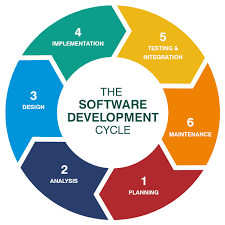
Software development typically follows a structured process that includes several key stages:

  1. Planning: This stage involves defining the project scope, requirements, and objectives.
  2. Design: Developers create a blueprint for the software based on the requirements gathered during the planning phase.
  3. Implementation: The actual coding of the software takes place during this phase, where developers bring the design to life.
  4. Testing: Rigorous testing is conducted to ensure that the software functions as intended and is free of bugs or errors.
  5. Deployment: The software is released to users after successful testing and approval.
  6. Maintenance: Ongoing updates, bug fixes, and improvements are made to ensure that the software remains functional and up-to-date.

The Role of Developers

Software developers are at the heart of the software development process. They possess expertise in programming languages such as Java, C++, Python, and more, allowing them to write code that powers applications across various platforms.

In addition to technical skills, developers must also have problem-solving abilities, creativity, and attention to detail to create efficient and user-friendly software solutions.

The Future of Software Development

As technology continues to advance at a rapid pace, the field of computer software development shows no signs of slowing down. Emerging trends such as artificial intelligence, machine learning, cloud computing, and Internet of Things (IoT) are reshaping how software is created and utilized.

In this fast-paced industry, staying current with new technologies and best practices is essential for developers to remain competitive and deliver cutting-edge solutions that meet the evolving needs of businesses and consumers alike.

© 2023 Computer Software Development Insights. All rights reserved.


8 Essential Tips for Effective Computer Software Development

  1. Write clean and readable code for better maintainability.
  2. Use version control systems like Git to track changes in your codebase.
  3. Document your code to make it easier for others to understand and use.
  4. Test your code thoroughly to catch bugs early in the development process.
  5. Follow coding standards and best practices to ensure consistency across the project.
  6. Regularly update dependencies and libraries to keep your software secure and up-to-date.
  7. Optimize performance by profiling and refactoring inefficient code sections.
  8. Collaborate with team members through effective communication and regular code reviews.

Write clean and readable code for better maintainability.

Writing clean and readable code is a fundamental tip in computer software development that significantly enhances the maintainability of a project. By adhering to coding best practices and conventions, developers can create code that is easy to understand, modify, and debug. Clean code reduces the likelihood of introducing errors during maintenance tasks and allows for smoother collaboration among team members. Prioritizing readability not only improves the efficiency of future development efforts but also contributes to overall code quality and long-term project success.

Use version control systems like Git to track changes in your codebase.

Utilizing version control systems like Git is crucial in computer software development to efficiently track changes in your codebase. By using Git, developers can easily manage different versions of their code, collaborate with team members seamlessly, and revert to previous versions if needed. This practice not only enhances code organization and collaboration but also ensures the integrity and stability of the software development process.

Document your code to make it easier for others to understand and use.

Documenting your code is a crucial tip in computer software development as it significantly enhances the readability and usability of the codebase for others. By providing clear and concise comments and explanations within the code, developers can effectively communicate the purpose, functionality, and logic behind each component. This practice not only facilitates collaboration among team members but also ensures that future developers can easily grasp the code structure, make necessary modifications, and troubleshoot issues efficiently. Ultimately, thorough documentation serves as a valuable resource that contributes to the overall quality and maintainability of software projects.

Test your code thoroughly to catch bugs early in the development process.

Testing your code thoroughly is a crucial tip in computer software development to catch bugs early in the development process. By conducting rigorous testing, developers can identify and address potential issues before they escalate, ensuring that the software functions as intended and delivers a seamless user experience. Early bug detection not only saves time and resources but also enhances the overall quality and reliability of the final product, ultimately leading to greater customer satisfaction.

Follow coding standards and best practices to ensure consistency across the project.

Following coding standards and best practices is essential in computer software development to maintain consistency and quality throughout the project. By adhering to established guidelines, developers can write code that is more readable, maintainable, and scalable. Consistent coding practices also facilitate collaboration among team members, improve code review processes, and ultimately lead to a more efficient development workflow. Embracing coding standards helps create a solid foundation for the project and promotes a higher level of professionalism in software development endeavors.

Regularly update dependencies and libraries to keep your software secure and up-to-date.

Ensuring the security and efficiency of your software is paramount in computer software development. One crucial tip is to regularly update dependencies and libraries to keep your software secure and up-to-date. By staying current with the latest versions of libraries and dependencies, developers can address vulnerabilities, improve performance, and leverage new features that enhance the overall functionality of the software. This proactive approach not only helps mitigate security risks but also ensures that your software remains competitive in an ever-evolving technological landscape.

Optimize performance by profiling and refactoring inefficient code sections.

To optimize performance in computer software development, it is essential to identify and improve inefficient code sections through profiling and refactoring. Profiling helps developers pinpoint areas of the code that are causing bottlenecks or consuming excessive resources, allowing them to prioritize optimization efforts effectively. Refactoring involves restructuring the code to make it more efficient, readable, and maintainable without changing its external behavior. By regularly profiling and refactoring inefficient code sections, developers can enhance the overall performance and scalability of their software applications.

Collaborate with team members through effective communication and regular code reviews.

Effective collaboration among team members is essential in computer software development. By fostering open communication channels and conducting regular code reviews, developers can ensure that everyone is on the same page and working towards a common goal. Code reviews not only help identify errors and optimize code quality but also provide valuable learning opportunities for team members. Through collaboration and constructive feedback, teams can enhance their productivity, creativity, and overall success in delivering high-quality software solutions.

embedded software development

Mastering the Art of Embedded Software Development: Building the Future of Technology

Article: Embedded Software Development

The World of Embedded Software Development

Embedded software development is a specialized field that plays a crucial role in powering a wide range of devices we use every day. From smartphones and smart appliances to automotive systems and medical devices, embedded software is at the heart of modern technology.

What is Embedded Software?

Embedded software refers to the computer programs that are written to control embedded systems. These systems are designed to perform specific functions within a larger device or machine. Unlike general-purpose computers, embedded systems have dedicated tasks and are often optimized for performance, power consumption, and real-time operation.

The Challenges of Embedded Software Development

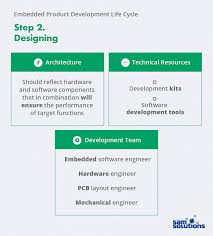
Developing embedded software presents unique challenges compared to traditional software development. Engineers working in this field must consider factors such as limited hardware resources, real-time constraints, power efficiency, and reliability. Debugging and testing embedded software can also be more complex due to the inability to easily access the hardware.

Tools and Technologies

To build reliable and efficient embedded software, developers rely on a variety of tools and technologies. Integrated development environments (IDEs), cross-compilers, debuggers, and simulation tools are commonly used in the development process. Programming languages like C, C++, and assembly language are popular choices for writing code for embedded systems.

The Future of Embedded Software Development

As technology continues to advance, the demand for embedded software developers is expected to grow. The Internet of Things (IoT) is driving the proliferation of connected devices that rely on embedded systems. Innovations in fields such as artificial intelligence, machine learning, and autonomous vehicles are also shaping the future of embedded software development.

Conclusion

Embedded software development is a dynamic and challenging field that requires specialized knowledge and skills. As our reliance on technology grows, so does the importance of skilled professionals who can design robust and efficient embedded systems. By staying abreast of emerging trends and technologies, developers in this field can continue to drive innovation across various industries.


Top 5 Frequently Asked Questions About Embedded Software Development

  1. What is embedded software development?
  2. What are the challenges of developing embedded software?
  3. What tools and technologies are commonly used in embedded software development?
  4. How does embedded software differ from traditional software development?
  5. What are the future trends in embedded software development?

What is embedded software development?

Embedded software development is the process of creating computer programs specifically designed to control embedded systems. Embedded systems are specialized computing devices that have dedicated functions within larger machines or devices. Embedded software is tailored to meet the unique requirements of these systems, such as real-time operation, limited hardware resources, and power efficiency. Engineers working in embedded software development use a variety of tools and programming languages to write code that enables embedded systems to perform their intended tasks effectively and reliably.

What are the challenges of developing embedded software?

Developing embedded software poses a myriad of challenges that require careful consideration and expertise. One significant challenge is the optimization of code to operate efficiently within the constraints of limited hardware resources. Real-time requirements add another layer of complexity, demanding precise timing and responsiveness. Ensuring the reliability and security of embedded systems is paramount, as any software failures can have serious consequences. Debugging and testing embedded software can be challenging due to the intricacies of interfacing with hardware components. Overcoming these obstacles requires a deep understanding of both software and hardware interactions, as well as proficiency in specialized tools and techniques specific to embedded systems development.

What tools and technologies are commonly used in embedded software development?

In embedded software development, a variety of tools and technologies are commonly used to facilitate the creation of efficient and reliable systems. Integrated development environments (IDEs) such as Eclipse, Visual Studio, and Keil provide developers with comprehensive platforms for writing, compiling, and debugging code. Cross-compilers are essential for translating source code into machine code that can run on the target hardware. Debugging tools like JTAG debuggers help identify and resolve issues in real-time. Additionally, simulation tools enable developers to test their software without the need for physical hardware. Programming languages like C, C++, and assembly language are prevalent in embedded development due to their efficiency and low-level control capabilities. These tools and technologies play a critical role in the success of embedded software projects by streamlining the development process and ensuring optimal performance of the final product.

How does embedded software differ from traditional software development?

Embedded software development differs from traditional software development in several key ways. Unlike traditional software that runs on general-purpose computers, embedded software is specifically designed to control embedded systems with dedicated functions. Embedded software operates within the constraints of limited hardware resources, real-time requirements, and often requires high reliability. Developers working on embedded systems must consider factors such as power efficiency, performance optimization, and the ability to interact directly with hardware components. Debugging and testing embedded software can be more challenging due to the specialized nature of the systems and the difficulty in accessing hardware for troubleshooting. Overall, embedded software development requires a unique skill set and understanding of the intricacies of designing software for specialized devices and applications.

One frequently asked question in the realm of embedded software development is, “What are the future trends in embedded software development?” As technology continues to evolve at a rapid pace, several key trends are shaping the future of embedded software development. These trends include the increasing integration of artificial intelligence and machine learning algorithms into embedded systems, the rise of edge computing for faster data processing and reduced latency, the growing adoption of open-source tools and platforms for greater flexibility and collaboration, and the emphasis on security measures to protect embedded devices from cyber threats. By staying informed about these emerging trends and adapting to new technologies, developers in the field of embedded software can effectively navigate the evolving landscape and drive innovation in various industries.