cfchris.com

Loading

Category development engineer

embedded software engineer

Exploring the World of an Embedded Software Engineer: Key Responsibilities and Skills

Article: Embedded Software Engineer

The Role of an Embedded Software Engineer

Embedded software engineers play a crucial role in the development of various electronic devices that we use in our daily lives. These professionals are responsible for designing, implementing, and testing software that is embedded within hardware components.

Key Responsibilities

Embedded software engineers work closely with hardware engineers to ensure that the software functions seamlessly with the hardware components. They are involved in all stages of the development process, from initial design to final testing and deployment.

Some of the key responsibilities of an embedded software engineer include:

  • Writing and debugging code for embedded systems
  • Optimizing software performance for resource-constrained environments
  • Collaborating with cross-functional teams to integrate software and hardware components
  • Testing and troubleshooting embedded systems to ensure functionality and reliability
  • Maintaining and updating existing embedded software systems

Skills Required

To excel as an embedded software engineer, individuals need a combination of technical skills and problem-solving abilities. Some essential skills for this role include:

  • Proficiency in programming languages such as C/C++ and assembly language
  • Understanding of microcontrollers and microprocessors
  • Knowledge of real-time operating systems (RTOS) and embedded system design principles
  • Strong analytical skills to identify and resolve complex issues in embedded systems
  • Ability to work effectively in a team environment and communicate technical concepts clearly

Career Outlook

The demand for embedded software engineers continues to grow as more industries rely on technology-driven solutions. From automotive systems to consumer electronics, there is a wide range of opportunities for professionals in this field.

As technology advances, the role of embedded software engineers becomes increasingly critical in shaping the future of connected devices and smart systems.


Top 5 Essential Tips for Excelling as an Embedded Software Engineer

  1. Understand hardware constraints and limitations.
  2. Write efficient and optimized code for resource-constrained devices.
  3. Follow coding standards and best practices for embedded systems development.
  4. Thoroughly test your code on target hardware to ensure proper functionality.
  5. Stay updated with the latest technologies and trends in embedded software development.

Understand hardware constraints and limitations.

Understanding hardware constraints and limitations is essential for embedded software engineers to develop efficient and reliable systems. By having a deep comprehension of the hardware components they are working with, engineers can optimize their software designs to operate within the constraints of the system, such as limited memory, processing power, and energy resources. This knowledge allows them to make informed decisions during the development process, ensuring that the software performs effectively and meets the specific requirements of the hardware environment.

Write efficient and optimized code for resource-constrained devices.

When working as an embedded software engineer, it is essential to focus on writing efficient and optimized code, especially for resource-constrained devices. By prioritizing efficiency in coding practices, engineers can ensure that the software utilizes the available resources effectively, maximizing performance and minimizing memory usage. This approach not only enhances the functionality of embedded systems but also contributes to improved overall system reliability and longevity.

Follow coding standards and best practices for embedded systems development.

It is essential for embedded software engineers to follow coding standards and best practices in their development process. Adhering to established guidelines ensures consistency, readability, and maintainability of the codebase. By following these standards, engineers can improve the quality of their software, reduce errors, and enhance overall system performance. Consistent coding practices also facilitate collaboration among team members and make it easier to troubleshoot issues during the development lifecycle. In the dynamic field of embedded systems, following coding standards is a fundamental aspect of producing reliable and efficient software solutions.

Thoroughly test your code on target hardware to ensure proper functionality.

Thoroughly testing your code on target hardware is a crucial step for embedded software engineers to guarantee proper functionality. By conducting rigorous testing, engineers can identify and address any potential issues or bugs that may arise when the software is deployed on the actual hardware. This process helps ensure that the embedded system performs as intended and meets the required specifications, leading to a more reliable and efficient final product.

It is essential for embedded software engineers to stay updated with the latest technologies and trends in embedded software development. By keeping abreast of advancements in the field, professionals can enhance their skills, expand their knowledge, and adapt to evolving industry standards. Continuous learning and exploration of new tools and techniques enable embedded software engineers to remain competitive, innovative, and well-equipped to tackle complex challenges in designing efficient and reliable embedded systems.

junior software engineer

Exploring the Journey of a Junior Software Engineer: Path to Success

Article: Junior Software Engineer

The Role of a Junior Software Engineer

A junior software engineer plays a crucial role in the development and maintenance of software applications. This entry-level position is perfect for individuals who have recently graduated from college or have limited professional experience in the field of software development.

Responsibilities

Junior software engineers work under the guidance of senior developers and team leads to learn and contribute to various aspects of the software development lifecycle. Their responsibilities may include:

  • Writing code based on design specifications
  • Testing and debugging software applications
  • Collaborating with team members on projects
  • Participating in code reviews and providing feedback
  • Learning new technologies and tools to enhance skills

Skills Required

To excel as a junior software engineer, individuals need to have a solid foundation in programming languages such as Java, C++, Python, or JavaScript. Additionally, they should possess strong problem-solving skills, attention to detail, and a willingness to learn and adapt to new challenges.

Career Growth

With dedication and continuous learning, junior software engineers can advance their careers by taking on more complex projects and eventually transitioning into roles with greater responsibilities. By gaining hands-on experience and expanding their technical skills, they can progress to become senior developers, architects, or project managers in the future.

Conclusion

In conclusion, a career as a junior software engineer offers an exciting opportunity for individuals passionate about technology and programming. It serves as a stepping stone towards a successful career in the dynamic field of software development, where innovation and creativity are key drivers of success.


6 Benefits of Being a Junior Software Engineer: Learning, Growth, and Real-World Impact

  1. Opportunity to learn and gain hands-on experience in software development.
  2. Exposure to a variety of programming languages, tools, and technologies.
  3. Collaboration with experienced senior developers for mentorship and guidance.
  4. Potential for career growth and advancement within the tech industry.
  5. Contribution to real-world projects that have an impact on users and businesses.
  6. Chance to be part of a dynamic and innovative team environment.


Challenges Faced by Junior Software Engineers: Navigating Experience, Guidance, and Growth

  1. Limited experience may lead to slower productivity compared to senior developers.
  2. May require more supervision and guidance from senior team members.
  3. Challenges in handling complex technical issues due to lack of expertise.
  4. Potential for making more errors or bugs in code during the learning phase.
  5. Salary may be lower than that of experienced software engineers.
  6. Limited opportunities for decision-making and autonomy in project management.

Opportunity to learn and gain hands-on experience in software development.

The role of a junior software engineer offers a valuable opportunity for individuals to immerse themselves in the world of software development, providing a platform to learn and gain hands-on experience. By working closely with experienced developers and participating in real-world projects, junior software engineers can enhance their skills, expand their knowledge, and build a solid foundation for a successful career in the ever-evolving tech industry. This firsthand experience not only accelerates their professional growth but also equips them with the practical expertise needed to tackle complex challenges and contribute meaningfully to innovative software solutions.

Exposure to a variety of programming languages, tools, and technologies.

Junior software engineers benefit greatly from exposure to a variety of programming languages, tools, and technologies. This diverse experience not only broadens their skill set but also enhances their problem-solving abilities and adaptability. By working with different technologies, they gain valuable insights into various development practices and industry trends, which ultimately contribute to their growth as well-rounded professionals in the field of software engineering.

Collaboration with experienced senior developers for mentorship and guidance.

Collaboration with experienced senior developers provides junior software engineers with invaluable mentorship and guidance as they navigate the complexities of software development. By working closely with seasoned professionals, junior engineers have the opportunity to learn best practices, receive feedback on their work, and gain insights into industry standards. This mentorship not only accelerates their learning curve but also fosters a supportive environment where they can ask questions, seek advice, and grow both technically and professionally. The knowledge and expertise passed down from senior developers empower junior software engineers to develop their skills, build confidence in their abilities, and ultimately contribute effectively to the success of the team.

Potential for career growth and advancement within the tech industry.

Junior software engineers have the exciting pro of vast potential for career growth and advancement within the tech industry. Starting at this entry-level position opens doors to a world of opportunities where individuals can progress to more challenging roles, such as senior developers, technical architects, or project managers. By continuously honing their skills, gaining experience, and staying abreast of emerging technologies, junior software engineers can carve out a rewarding career path in the dynamic and ever-evolving tech sector.

Contribution to real-world projects that have an impact on users and businesses.

Junior software engineers have the valuable opportunity to contribute to real-world projects that directly impact users and businesses. By actively participating in the development of software applications, they play a crucial role in creating solutions that improve user experiences, streamline business operations, and drive innovation. This hands-on experience not only enhances their technical skills but also allows them to see the tangible results of their work, making their contributions meaningful and rewarding.

Chance to be part of a dynamic and innovative team environment.

Being a junior software engineer provides the exciting opportunity to be part of a dynamic and innovative team environment. Collaborating with experienced developers and professionals in the field allows junior engineers to contribute fresh ideas, learn from seasoned experts, and actively participate in cutting-edge projects. This collaborative atmosphere fosters creativity, encourages continuous learning, and promotes a culture of innovation that propels both personal growth and the success of the team as a whole.

Limited experience may lead to slower productivity compared to senior developers.

One disadvantage of being a junior software engineer is that their limited experience in the field may result in slower productivity when compared to senior developers. Due to their lack of exposure to complex projects and advanced coding techniques, junior engineers may take more time to complete tasks and troubleshoot issues. This learning curve can lead to delays in project timelines and potentially impact team efficiency. However, with proper guidance, mentorship, and continuous learning opportunities, junior software engineers can overcome this challenge and gradually improve their productivity over time.

May require more supervision and guidance from senior team members.

One significant drawback of being a junior software engineer is the potential need for increased supervision and guidance from senior team members. While this support is essential for learning and professional growth, it can sometimes lead to a sense of dependency and limited autonomy in decision-making. Junior engineers may find themselves relying heavily on senior colleagues for direction, which can impact their confidence and ability to work independently on projects. Balancing the need for mentorship with the desire to develop self-reliance is a challenge that junior software engineers often face as they navigate their early career stages.

Challenges in handling complex technical issues due to lack of expertise.

Junior software engineers often face challenges in handling complex technical issues due to their limited expertise and experience in the field. When confronted with intricate problems that require advanced knowledge and skills, junior engineers may struggle to find effective solutions or may take longer to resolve the issues. This can lead to delays in project timelines and potential setbacks in the development process. To overcome this con, junior software engineers can seek guidance from more experienced team members, engage in continuous learning opportunities, and actively participate in training programs to enhance their technical proficiency and problem-solving capabilities.

Potential for making more errors or bugs in code during the learning phase.

During the learning phase, junior software engineers may face the con of a higher potential for making errors or introducing bugs in their code. As they are still developing their skills and gaining experience, they may overlook certain details or make mistakes that could impact the functionality of the software. This can lead to additional time spent on debugging and fixing issues, potentially delaying project timelines. However, with proper guidance, mentorship, and a focus on continuous learning and improvement, junior software engineers can gradually reduce the occurrence of errors and enhance their coding proficiency over time.

Salary may be lower than that of experienced software engineers.

One significant drawback for junior software engineers is that their salary may be lower compared to experienced software engineers in the industry. This wage gap reflects the level of experience and expertise, with junior positions typically offering entry-level compensation. While this can be a challenging aspect for those starting their careers, gaining valuable experience and skills in the field can lead to salary advancements and career growth over time. It is essential for junior software engineers to focus on building their capabilities and proving their worth to eventually progress to higher-paying roles within the software development field.

Limited opportunities for decision-making and autonomy in project management.

One significant drawback for junior software engineers is the limited opportunities for decision-making and autonomy in project management. Due to their entry-level position, junior engineers often have less control over project direction and decision-making processes. This lack of autonomy can hinder their ability to showcase their problem-solving skills and creativity, as they may be required to follow the lead of senior team members. As a result, junior software engineers may feel constrained in their professional growth and development, impacting their overall job satisfaction and sense of ownership in project outcomes.

sr software engineer

Exploring the Role of a Senior Software Engineer in Modern Tech Teams

Senior Software Engineer: The Role and Responsibilities

Senior Software Engineer: The Role and Responsibilities

A senior software engineer plays a crucial role in the development and maintenance of software applications. With years of experience and expertise in programming, system design, and project management, senior software engineers are key members of any tech team.

Responsibilities of a Senior Software Engineer

Senior software engineers are responsible for:

  • Leading the design and implementation of complex software solutions
  • Collaborating with cross-functional teams to define project requirements
  • Providing technical guidance and mentorship to junior developers
  • Performing code reviews to ensure quality and adherence to best practices
  • Identifying and resolving technical issues in a timely manner
  • Participating in the full software development lifecycle from planning to deployment
  • Staying updated on industry trends and emerging technologies

Skills Required for Senior Software Engineers

To excel in this role, senior software engineers need a combination of technical skills, soft skills, and domain knowledge. Some key skills include:

  • Proficiency in programming languages such as Java, Python, C++, or others
  • Experience with software development methodologies like Agile or Scrum
  • Strong problem-solving abilities and analytical thinking
  • Excellent communication skills for effective collaboration with team members and stakeholders
  • Ability to lead projects from inception to completion while meeting deadlines
  • Familiarity with version control systems like Git or SVN
  • Familiarity with version control systems like Git or SVN


5 Essential Tips for Success as a Senior Software Engineer

  1. Stay updated with the latest technologies and trends in software development.
  2. Practice problem-solving and critical thinking skills regularly.
  3. Collaborate effectively with team members and communicate clearly.
  4. Take ownership of your work and strive for high quality in all aspects of development.
  5. Continuously seek opportunities for learning and professional growth.

Staying updated with the latest technologies and trends in software development is essential for senior software engineers to remain competitive and effective in their roles. By continuously learning about new tools, languages, and methodologies, senior software engineers can enhance their problem-solving abilities, stay relevant in a rapidly evolving industry, and contribute innovative solutions to their projects. Embracing lifelong learning ensures that senior software engineers can adapt to changing requirements and deliver high-quality software products that meet the needs of today’s dynamic market.

Practice problem-solving and critical thinking skills regularly.

To excel as a senior software engineer, it is essential to practice problem-solving and critical thinking skills regularly. These skills are fundamental in tackling complex technical challenges, identifying efficient solutions, and making informed decisions throughout the software development process. By honing problem-solving abilities through consistent practice, senior software engineers can enhance their analytical thinking, creativity, and overall effectiveness in delivering high-quality software solutions.

Collaborate effectively with team members and communicate clearly.

Collaborating effectively with team members and communicating clearly are essential skills for a senior software engineer. By fostering open communication and working closely with colleagues, a senior software engineer can ensure that project requirements are clearly understood, ideas are shared efficiently, and potential issues are addressed proactively. Clear communication helps in aligning team members towards common goals, enhances productivity, and promotes a positive work environment where everyone feels valued and supported. It also enables effective problem-solving and decision-making, leading to successful project outcomes.

Take ownership of your work and strive for high quality in all aspects of development.

Taking ownership of your work and striving for high quality in all aspects of development are essential traits for a senior software engineer. By assuming responsibility for the projects they undertake and maintaining a commitment to excellence, senior software engineers not only ensure the success of their endeavors but also inspire confidence in their team members and stakeholders. This dedication to quality results in robust, reliable software solutions that meet or exceed expectations, making the senior software engineer a valuable asset to any organization.

Continuously seek opportunities for learning and professional growth.

Continuously seeking opportunities for learning and professional growth is a crucial tip for senior software engineers. In the rapidly evolving field of technology, staying updated with the latest trends, tools, and techniques is essential to maintain a competitive edge. By pursuing ongoing learning initiatives such as attending workshops, taking online courses, or participating in industry conferences, senior software engineers can enhance their skills, expand their knowledge base, and adapt to the ever-changing demands of the software development landscape. Embracing a mindset of lifelong learning not only benefits the individual engineer but also contributes to the overall success and innovation of the tech team and organization as a whole.

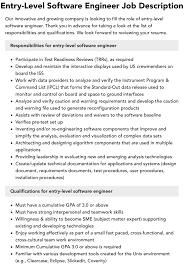
entry level software engineer

Exploring the Path to Becoming an Entry Level Software Engineer

Article: Entry Level Software Engineer

The Role of an Entry Level Software Engineer

Software engineering is a dynamic and rapidly growing field that offers endless opportunities for individuals looking to kickstart their career in technology. As an entry level software engineer, you play a crucial role in developing, testing, and maintaining software applications that power our digital world.

Responsibilities of an Entry Level Software Engineer

As an entry level software engineer, your responsibilities may include:

  • Assisting in the design and development of software applications
  • Writing code following best practices and coding standards
  • Participating in code reviews and debugging sessions
  • Collaborating with senior developers and team members on projects
  • Testing and documenting software to ensure quality and reliability
  • Learning new technologies and tools to enhance your skills

Skills Required for Entry Level Software Engineers

To excel as an entry level software engineer, you should possess the following skills:

  • Proficiency in programming languages such as Java, Python, C++, or JavaScript
  • Understanding of software development principles and methodologies
  • Problem-solving abilities and attention to detail
  • Strong communication and teamwork skills
  • Ability to learn quickly and adapt to new technologies

Career Growth Opportunities for Entry Level Software Engineers

Starting as an entry level software engineer opens up a world of possibilities for career advancement. With dedication, continuous learning, and hands-on experience, you can progress to roles such as senior software engineer, technical lead, project manager, or even pursue specialization in areas like artificial intelligence, cybersecurity, or mobile app development.

If you are passionate about technology and eager to make a difference through innovative solutions, a career as an entry level software engineer could be the perfect starting point for your journey in the exciting world of software development.


7 Essential Tips for Aspiring Entry-Level Software Engineers

  1. Focus on building a strong foundation in programming languages like Java, Python, or C++.
  2. Practice problem-solving skills through coding challenges and projects.
  3. Seek internships or co-op opportunities to gain real-world experience.
  4. Stay updated with the latest industry trends and technologies.
  5. Build a portfolio showcasing your projects and contributions.
  6. Network with professionals in the field to expand your opportunities.
  7. Continuously learn and improve your skills to advance in your career.

Focus on building a strong foundation in programming languages like Java, Python, or C++.

To succeed as an entry level software engineer, it is essential to focus on building a solid foundation in programming languages such as Java, Python, or C++. These languages are widely used in the industry and mastering them will not only enhance your coding skills but also open up a myriad of opportunities for career growth. By dedicating time and effort to learning these fundamental languages, you can establish a strong technical base that will serve as a solid platform for your future success in the field of software engineering.

Practice problem-solving skills through coding challenges and projects.

To excel as an entry level software engineer, it is essential to hone your problem-solving skills through engaging in coding challenges and projects. By tackling real-world problems and implementing solutions through coding, you not only enhance your technical abilities but also develop a strategic mindset that is invaluable in the software development field. Practice not only sharpens your coding proficiency but also fosters creativity and critical thinking, preparing you for the diverse challenges you may encounter in your career as a software engineer.

Seek internships or co-op opportunities to gain real-world experience.

Seeking internships or co-op opportunities is a valuable tip for entry level software engineers looking to gain real-world experience. These hands-on experiences provide invaluable insights into the industry, allowing individuals to apply their knowledge in practical settings, collaborate with seasoned professionals, and build a strong foundation for their future careers. By participating in internships or co-op programs, entry level software engineers can enhance their skills, expand their networks, and increase their marketability in the competitive tech job market.

It is essential for entry level software engineers to stay updated with the latest industry trends and technologies. By keeping abreast of advancements in the field, such as new programming languages, development tools, and best practices, you can enhance your skills, remain competitive in the job market, and contribute effectively to innovative projects. Continuous learning and adaptation to emerging technologies are key factors in building a successful career as a software engineer.

Build a portfolio showcasing your projects and contributions.

Building a portfolio showcasing your projects and contributions is a valuable tip for entry level software engineers. A well-curated portfolio not only demonstrates your technical skills but also highlights your creativity, problem-solving abilities, and passion for software development. By showcasing real-world projects you have worked on, whether personal or during internships or academic projects, you provide potential employers with tangible evidence of your capabilities and dedication to the field. A strong portfolio can set you apart from other candidates and increase your chances of landing exciting opportunities in the competitive tech industry.

Network with professionals in the field to expand your opportunities.

Networking with professionals in the field is a valuable tip for entry level software engineers looking to expand their opportunities. Building connections with experienced individuals can provide insights, mentorship, and potential job leads that may not be advertised elsewhere. By engaging with professionals in the industry, entry level software engineers can gain valuable knowledge, stay updated on trends, and create a supportive network that can help propel their career forward.

Continuously learn and improve your skills to advance in your career.

To advance in your career as an entry level software engineer, it is crucial to continuously learn and improve your skills. Embracing a mindset of lifelong learning not only keeps you updated with the latest technologies and trends in the industry but also enhances your problem-solving abilities and adaptability. By seeking out opportunities for professional development, such as online courses, workshops, and mentorship programs, you can strengthen your expertise and position yourself for growth within the field of software engineering. Remember, investing in your skills today paves the way for a successful and fulfilling career tomorrow.

full stack software engineer

The Versatile Role of a Full Stack Software Engineer in Modern Development

Article: Full Stack Software Engineer

The Role of a Full Stack Software Engineer

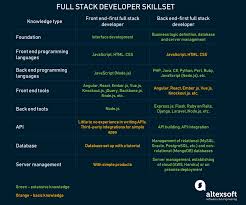
In the dynamic field of software development, the role of a full stack software engineer has gained significant importance. A full stack software engineer is a versatile professional who possesses expertise in both front-end and back-end technologies, allowing them to work on all aspects of web application development.

Front-End Development

On the front-end side, a full stack software engineer is responsible for creating user-friendly interfaces that enhance user experience. They utilize technologies such as HTML, CSS, and JavaScript to design and implement interactive web pages that are visually appealing and responsive.

Back-End Development

When it comes to back-end development, a full stack software engineer works with server-side languages like Java, Python, or Node.js to build robust and scalable web applications. They are involved in designing databases, writing APIs, and ensuring the smooth functioning of the application’s server-side logic.

Integration and Deployment

One of the key responsibilities of a full stack software engineer is to integrate front-end and back-end components seamlessly. They are proficient in version control systems like Git and have experience deploying applications on cloud platforms such as AWS or Azure.

Problem-Solving Skills

A successful full stack software engineer possesses strong problem-solving skills and can troubleshoot issues across the entire application stack. They are adept at identifying bugs, optimizing performance, and implementing efficient solutions to complex technical challenges.

Continuous Learning

Given the rapid evolution of technology in the software industry, a full stack software engineer must be committed to continuous learning. Staying updated with new frameworks, tools, and best practices is essential for excelling in this role.

Conclusion

In conclusion, a full stack software engineer plays a crucial role in developing modern web applications by bridging the gap between front-end and back-end technologies. Their versatility, problem-solving abilities, and commitment to learning make them valuable assets in today’s tech-driven world.


7 Frequently Asked Questions About Full Stack Software Engineers: Skills, Roles, and Career Insights

  1. What is a full stack software engineer?
  2. What are the key skills required to become a full stack software engineer?
  3. What are the differences between front-end and back-end development for a full stack software engineer?
  4. How does a full stack software engineer contribute to web application development?
  5. What tools and technologies are commonly used by full stack software engineers?
  6. How can someone transition into a career as a full stack software engineer?
  7. What are the common challenges faced by full stack software engineers in their day-to-day work?

What is a full stack software engineer?

A full stack software engineer is a versatile professional who possesses expertise in both front-end and back-end technologies, enabling them to work on all aspects of web application development. In essence, a full stack software engineer is proficient in designing user-friendly interfaces using technologies like HTML, CSS, and JavaScript for the front-end, while also being skilled in server-side languages such as Java, Python, or Node.js for the back-end. This comprehensive skill set allows them to integrate and deploy web applications seamlessly, troubleshoot technical issues across the entire application stack, and adapt to the ever-evolving landscape of software development.

What are the key skills required to become a full stack software engineer?

To become a successful full stack software engineer, several key skills are essential. Proficiency in front-end technologies such as HTML, CSS, and JavaScript is crucial for creating visually appealing and interactive user interfaces. Additionally, a solid understanding of back-end languages like Java, Python, or Node.js is necessary to develop robust server-side logic and databases. Problem-solving skills, the ability to integrate front-end and back-end components seamlessly, and familiarity with version control systems and deployment platforms are also vital for excelling in this versatile role. Continuous learning and staying updated with the latest frameworks and technologies are equally important for aspiring full stack software engineers to adapt to the ever-changing landscape of software development.

What are the differences between front-end and back-end development for a full stack software engineer?

When discussing the differences between front-end and back-end development for a full stack software engineer, it’s important to understand their distinct roles. Front-end development focuses on creating the user interface and experience of a website or application using technologies like HTML, CSS, and JavaScript. This involves designing visually appealing layouts and ensuring responsiveness across various devices. On the other hand, back-end development involves working with server-side technologies to manage databases, handle user authentication, and implement business logic. Full stack software engineers must be proficient in both areas to seamlessly integrate front-end and back-end components, ensuring the overall functionality and performance of the application.

How does a full stack software engineer contribute to web application development?

A full stack software engineer plays a pivotal role in web application development by leveraging their expertise in both front-end and back-end technologies. They contribute to the creation of user-friendly interfaces by designing visually appealing and responsive web pages using HTML, CSS, and JavaScript on the front-end side. On the back-end, they are responsible for building robust and scalable web applications by working with server-side languages like Java, Python, or Node.js to design databases, write APIs, and ensure the smooth functioning of server-side logic. By seamlessly integrating front-end and back-end components, troubleshooting issues across the entire application stack, and staying updated with the latest technologies, a full stack software engineer enhances the overall development process and delivers high-quality web applications that meet user needs effectively.

What tools and technologies are commonly used by full stack software engineers?

Full stack software engineers commonly utilize a variety of tools and technologies to effectively manage both front-end and back-end development tasks. On the front-end side, they often work with technologies like HTML, CSS, and JavaScript frameworks such as React, Angular, or Vue.js to create engaging user interfaces. For back-end development, full stack engineers may use server-side languages like Java, Python, or Node.js along with databases such as MySQL or MongoDB. Additionally, version control systems like Git, cloud platforms like AWS or Azure for deployment, and IDEs such as Visual Studio Code or IntelliJ IDEA are frequently employed by full stack software engineers to streamline their workflow and ensure efficient application development.

How can someone transition into a career as a full stack software engineer?

Transitioning into a career as a full stack software engineer requires a strategic approach and dedication to learning. One common path is to start by gaining proficiency in both front-end and back-end technologies through online courses, bootcamps, or self-study. Building a strong foundation in programming languages such as HTML, CSS, JavaScript, and popular back-end languages like Java or Python is essential. Additionally, gaining hands-on experience by working on personal projects or contributing to open-source repositories can help demonstrate skills to potential employers. Networking with professionals in the field and seeking mentorship can also provide valuable insights and guidance for a successful transition into a career as a full stack software engineer.

What are the common challenges faced by full stack software engineers in their day-to-day work?

Full stack software engineers often encounter various challenges in their day-to-day work. One common challenge is the need to juggle multiple technologies and frameworks across both front-end and back-end development. This requires them to stay updated with the latest trends and tools in a rapidly evolving tech landscape. Additionally, balancing the priorities of different project stakeholders and managing time effectively between various tasks can be demanding. Another significant challenge is troubleshooting issues that may arise at any point in the application stack, requiring strong problem-solving skills and attention to detail. Despite these challenges, full stack software engineers thrive on the opportunity to work on diverse projects and contribute to all aspects of the software development lifecycle.

Mastering Secure Software Engineering Practices for Robust Applications

Secure Software Engineering

The Importance of Secure Software Engineering

Secure software engineering plays a crucial role in today’s digital landscape where cyber threats are becoming increasingly sophisticated. It is essential for organizations to prioritize security throughout the software development lifecycle to protect sensitive data and maintain trust with their users.

Key Principles of Secure Software Engineering

Threat Modeling: Identifying potential security threats and vulnerabilities early in the development process allows for proactive mitigation strategies to be implemented.

Secure Coding Practices: Adhering to secure coding standards and best practices helps prevent common vulnerabilities such as injection attacks, cross-site scripting, and insecure direct object references.

Regular Security Testing: Conducting thorough security testing, including penetration testing and code reviews, helps identify and remediate security flaws before they can be exploited by malicious actors.

The Benefits of Secure Software Engineering

By incorporating secure software engineering practices into the development process, organizations can benefit in the following ways:

  • Enhanced Data Protection: Secure software reduces the risk of data breaches and unauthorized access to sensitive information.
  • Improved Reputation: Demonstrating a commitment to security builds trust with customers and stakeholders, enhancing the organization’s reputation.
  • Cost Savings: Addressing security issues early in the development lifecycle is more cost-effective than fixing them after deployment.
  • Compliance with Regulations: Adhering to secure software practices helps organizations comply with industry regulations and data protection laws.

In Conclusion

In an era where cybersecurity threats are prevalent, secure software engineering is no longer an option but a necessity. By integrating security into every phase of the software development process, organizations can mitigate risks, protect their assets, and build resilient systems that withstand evolving threats.


7 Essential Tips for Secure Software Engineering

  1. Implement proper input validation to prevent injection attacks.
  2. Use parameterized queries to avoid SQL injection vulnerabilities.
  3. Regularly update software libraries and dependencies to patch security vulnerabilities.
  4. Follow the principle of least privilege to restrict access based on user roles and permissions.
  5. Encrypt sensitive data at rest and in transit to protect it from unauthorized access.
  6. Implement secure authentication mechanisms like multi-factor authentication for enhanced security.
  7. Conduct regular security audits and penetration testing to identify and address potential vulnerabilities.

Implement proper input validation to prevent injection attacks.

Proper input validation is a critical aspect of secure software engineering to prevent injection attacks. By validating and sanitizing user inputs, developers can ensure that malicious code cannot be injected into the system to exploit vulnerabilities. Implementing robust input validation mechanisms helps safeguard the application against SQL injection, cross-site scripting, and other injection-based attacks, enhancing overall security and protecting sensitive data from unauthorized access.

Use parameterized queries to avoid SQL injection vulnerabilities.

Using parameterized queries is a fundamental practice in secure software engineering to prevent SQL injection vulnerabilities. By parameterizing queries, developers can separate SQL code from user input, reducing the risk of malicious SQL injection attacks. This approach ensures that input values are treated as data rather than executable code, enhancing the security of database interactions and safeguarding sensitive information from unauthorized access or manipulation. Implementing parameterized queries is a proactive measure that strengthens the overall security posture of software applications and helps maintain the integrity of data stored in databases.

Regularly update software libraries and dependencies to patch security vulnerabilities.

Regularly updating software libraries and dependencies is a crucial practice in secure software engineering. By staying current with the latest patches and fixes, developers can address known security vulnerabilities and protect their applications from potential exploits. Neglecting to update libraries can leave systems exposed to cyber threats, making it essential for organizations to prioritize this maintenance task to ensure the overall security of their software.

Follow the principle of least privilege to restrict access based on user roles and permissions.

Following the principle of least privilege is a fundamental aspect of secure software engineering. By restricting access based on user roles and permissions, organizations can minimize the potential impact of security breaches. This principle ensures that users only have access to the resources and functionalities necessary for their specific roles, reducing the risk of unauthorized actions and data exposure. Implementing least privilege not only enhances security but also helps maintain system integrity and confidentiality, making it a critical practice in safeguarding sensitive information within software applications.

Encrypt sensitive data at rest and in transit to protect it from unauthorized access.

To enhance the security of your software system, it is crucial to encrypt sensitive data both at rest and in transit. Encrypting data at rest ensures that information stored on servers or databases remains protected from unauthorized access, even if the physical storage medium is compromised. Similarly, encrypting data in transit safeguards it as it travels between different systems or devices, preventing interception by malicious actors. By implementing robust encryption mechanisms, you can significantly reduce the risk of data breaches and unauthorized disclosure of sensitive information, bolstering the overall security posture of your software solution.

Implement secure authentication mechanisms like multi-factor authentication for enhanced security.

Implementing secure authentication mechanisms such as multi-factor authentication is a critical step in enhancing security for software systems. By requiring users to provide multiple forms of verification before granting access, multi-factor authentication adds an extra layer of protection against unauthorized access and potential security breaches. This approach significantly reduces the risk of compromised credentials and strengthens overall system security, making it a valuable practice in secure software engineering.

Conduct regular security audits and penetration testing to identify and address potential vulnerabilities.

To ensure the robust security of software systems, it is essential to conduct regular security audits and penetration testing. By systematically assessing the system for vulnerabilities, organizations can proactively identify and address potential weaknesses before they are exploited by malicious actors. These proactive measures not only help in strengthening the overall security posture but also demonstrate a commitment to safeguarding sensitive data and maintaining trust with users.

junior software

Exploring the Journey of Junior Software Developers in the Tech Industry

The Role of Junior Software Developers in the Tech Industry

The Role of Junior Software Developers in the Tech Industry

In the fast-paced world of technology, junior software developers play a crucial role in shaping the future of software development. These entry-level professionals bring fresh perspectives, enthusiasm, and a willingness to learn to their teams.

Learning and Growth

Junior software developers are often recent graduates or individuals transitioning into a new career. They have a strong foundation in programming languages and concepts but lack practical experience. Working alongside senior developers, they have the opportunity to learn new skills, best practices, and industry standards.

Collaboration and Innovation

Junior software developers collaborate with team members to design, develop, and test software applications. Their input is valuable in brainstorming sessions and problem-solving activities. By contributing ideas and exploring creative solutions, junior developers help drive innovation within their teams.

Mentorship and Support

Senior developers act as mentors to junior team members, providing guidance, feedback, and support. Through mentorship programs and on-the-job training, junior software developers receive personalized attention that accelerates their professional growth.

Adaptability and Resilience

Junior software developers must be adaptable and resilient in the face of challenges. They learn to navigate complex projects, meet deadlines, and troubleshoot issues effectively. By embracing change and staying proactive, junior developers demonstrate their readiness to tackle any task that comes their way.

Career Advancement

As junior software developers gain experience and expand their skill set, they become eligible for more advanced roles within the tech industry. With dedication, hard work, and continuous learning, junior professionals can progress to positions such as senior developer, technical lead, or project manager.

In Conclusion

Junior software developers are integral members of tech teams who contribute fresh ideas, energy, and a passion for learning. Their role is essential in driving innovation, fostering collaboration, and ensuring the success of software projects. As they grow in experience and expertise, junior developers pave the way for a bright future in the ever-evolving world of technology.


Understanding the Role and Demand for Junior Software Engineers: FAQs Answered

  1. Are junior software engineers in demand?
  2. Is junior better than senior?
  3. What is the role of a junior software developer?
  4. Is junior above entry-level?
  5. What is junior software?
  6. What is a junior in software development?
  7. What level is junior software engineer?
  8. What is a junior software?

Are junior software engineers in demand?

In today’s tech-driven world, the demand for junior software engineers is on the rise. As companies continue to invest in digital transformation and software development projects, there is a growing need for entry-level professionals to support these initiatives. Junior software engineers bring fresh perspectives, enthusiasm, and a willingness to learn to their teams, making them valuable assets in the ever-evolving tech industry. With a strong foundation in programming languages and concepts, junior developers have opportunities for growth and advancement as they gain practical experience and expand their skill set. Overall, the demand for junior software engineers reflects the industry’s recognition of their importance in driving innovation and success in software development projects.

Is junior better than senior?

In the realm of software development, the comparison between junior and senior roles is not about one being inherently better than the other, but rather about different levels of experience and expertise. Junior developers bring fresh perspectives, enthusiasm, and a willingness to learn, while senior developers possess years of experience, in-depth knowledge, and leadership skills. Both junior and senior developers play vital roles in a team, with juniors contributing innovative ideas and eagerness to grow, and seniors providing mentorship, guidance, and expertise. Each level has its unique strengths and value, making them equally important in creating successful software projects.

What is the role of a junior software developer?

The role of a junior software developer is to support the development team in designing, coding, testing, and maintaining software applications. Junior developers work under the guidance of senior team members to learn best practices, enhance their technical skills, and contribute to projects. They collaborate with colleagues to solve problems, implement solutions, and ensure the quality and functionality of the software. Junior software developers play a vital role in the software development lifecycle by bringing fresh perspectives, enthusiasm, and a willingness to learn to their teams while gaining valuable experience that prepares them for more advanced roles in the tech industry.

Is junior above entry-level?

In the realm of software development, the distinction between “junior” and “entry-level” roles can vary depending on the company and industry standards. Generally, a junior software developer is considered to be slightly above entry-level in terms of experience and skill level. While entry-level positions typically target candidates with minimal to no professional experience in the field, junior roles often require some foundational knowledge or practical exposure to software development concepts. Junior developers are expected to have a basic understanding of programming languages and tools, making them more prepared to take on tasks that may require a bit more expertise than what is typically expected from entry-level positions.

What is junior software?

Junior software refers to entry-level professionals in the field of software development who are typically recent graduates or individuals new to the industry. These junior developers possess foundational knowledge of programming languages and concepts but lack extensive practical experience. They play a vital role within tech teams by contributing fresh perspectives, enthusiasm, and a willingness to learn. Junior software developers work closely with senior team members to enhance their skills, collaborate on projects, and gain valuable hands-on experience that propels their growth in the industry.

What is a junior in software development?

In the realm of software development, a junior refers to an entry-level professional who is in the early stages of their career within the field. Junior software developers typically possess foundational knowledge of programming languages and concepts but have limited practical experience in real-world projects. They often work under the guidance of more experienced developers, learning from their expertise and gaining hands-on experience in coding, testing, and debugging software applications. Juniors play a vital role in tech teams by contributing fresh perspectives, enthusiasm, and a willingness to learn as they grow and develop their skills in the dynamic landscape of software development.

What level is junior software engineer?

In the tech industry, the level of a junior software engineer is typically considered to be an entry-level position. Junior software engineers are recent graduates or individuals with limited professional experience in software development. They work under the guidance of senior developers and team leads, gaining hands-on experience, learning best practices, and contributing to projects while honing their skills. Junior software engineers are essential members of development teams, playing a crucial role in building their expertise and advancing their careers within the tech industry.

What is a junior software?

A junior software developer is an entry-level professional in the field of software development who typically has a foundational understanding of programming languages and concepts but lacks extensive practical experience. Junior software developers often work under the guidance of more experienced team members, such as senior developers, to learn new skills, best practices, and industry standards. They play a vital role in contributing fresh perspectives, enthusiasm, and a willingness to learn to their teams, ultimately helping drive innovation and growth in the tech industry.

full stack software

Unleashing the Potential of Full Stack Software Development

The Power of Full Stack Software Development

The Power of Full Stack Software Development

In the ever-evolving world of technology, full stack software development has emerged as a powerful and versatile approach to building applications. A full stack developer is proficient in both front-end and back-end technologies, allowing them to handle all aspects of software development.

What is Full Stack Software Development?

Full stack software development involves working on both the client-side (front end) and server-side (back end) of an application. A full stack developer is skilled in a wide range of technologies and can take a project from conception to completion.

Benefits of Full Stack Software Development

Versatility: Full stack developers have a broad skill set that enables them to work on all parts of an application. This versatility allows for greater efficiency and flexibility in project development.

Faster Development: With expertise in both front-end and back-end technologies, full stack developers can streamline the development process and quickly troubleshoot issues that may arise.

Cost-Effective: Hiring a full stack developer who can handle multiple aspects of a project can be more cost-effective than hiring separate specialists for each role.

Skills Required for Full Stack Software Development

To excel in full stack software development, a developer should have proficiency in:

  • HTML, CSS, JavaScript for front-end development
  • Server-side languages like Node.js, Python, or Ruby for back-end development
  • Databases such as MySQL or MongoDB
  • Version control systems like Git
  • Frameworks like React, Angular, or Vue.js

In Conclusion

Full stack software development offers numerous advantages in terms of efficiency, flexibility, and cost-effectiveness. By mastering both front-end and back-end technologies, full stack developers play a crucial role in creating robust and dynamic applications that meet the demands of today’s digital landscape.


9 Essential Tips for Excelling in Full Stack Software Development

  1. Understand both front-end and back-end technologies
  2. Practice building projects that integrate both sides of the stack
  3. Stay updated with the latest trends and technologies in full stack development
  4. Learn to work with databases and server-side languages for back-end development
  5. Improve your problem-solving skills to tackle complex issues in full stack development
  6. Collaborate with other developers to gain different perspectives and insights
  7. Master version control systems like Git for efficient collaboration and code management
  8. Focus on creating responsive and user-friendly interfaces for front-end development
  9. Strive for continuous learning and improvement to stay competitive in the field

Understand both front-end and back-end technologies

Understanding both front-end and back-end technologies is essential for full stack software developers. By having proficiency in areas such as HTML, CSS, JavaScript for front-end development, and server-side languages like Node.js or Python for back-end development, developers can create cohesive and efficient applications. This comprehensive knowledge allows them to bridge the gap between the user interface and the server-side logic, resulting in well-rounded solutions that meet both user experience and functionality requirements.

Practice building projects that integrate both sides of the stack

To enhance your skills in full stack software development, it is highly beneficial to practice building projects that seamlessly integrate both the front-end and back-end components of the stack. By working on projects that involve the complete software development cycle, you can gain a deeper understanding of how different technologies interact and collaborate to create functional applications. This hands-on experience not only sharpens your technical proficiency but also hones your problem-solving abilities in real-world scenarios, making you a more versatile and competent full stack developer.

Staying updated with the latest trends and technologies in full stack development is crucial for any aspiring or seasoned full stack developer. By keeping abreast of new tools, frameworks, and best practices, developers can enhance their skills, stay competitive in the job market, and deliver innovative solutions to clients. Continuous learning and adaptation to emerging technologies ensure that full stack developers remain versatile and well-equipped to tackle the ever-changing landscape of software development effectively.

Learn to work with databases and server-side languages for back-end development

Understanding how to work with databases and server-side languages is a crucial aspect of mastering full stack software development. Proficiency in these areas enables developers to create dynamic and interactive applications that can store and retrieve data efficiently. By gaining expertise in back-end technologies, such as databases like MySQL or server-side languages like Node.js, developers can build robust systems that power the functionality of their applications seamlessly.

Improve your problem-solving skills to tackle complex issues in full stack development

Improving your problem-solving skills is essential for tackling complex issues in full stack development. As a full stack developer, you will encounter various challenges that require creative and efficient solutions. By honing your problem-solving abilities, you can approach issues systematically, analyze them effectively, and come up with innovative ways to address them. Strong problem-solving skills not only enhance your technical proficiency but also enable you to navigate the complexities of full stack development with confidence and expertise.

Collaborate with other developers to gain different perspectives and insights

Collaborating with other developers is a valuable tip in full stack software development. By working with peers who bring diverse perspectives and insights to the table, you can enhance your problem-solving abilities, learn new techniques, and discover innovative approaches to building applications. This collaborative environment fosters creativity and encourages continuous learning, ultimately leading to the development of more robust and efficient software solutions.

Master version control systems like Git for efficient collaboration and code management

To excel in full stack software development, mastering version control systems like Git is essential for efficient collaboration and code management. Git allows developers to track changes, collaborate seamlessly with team members, and manage code versions effectively. By understanding Git’s functionalities and best practices, full stack developers can ensure smooth workflow, easy project integration, and streamlined development processes.

Focus on creating responsive and user-friendly interfaces for front-end development

When working on full stack software development, it is crucial to prioritize the creation of responsive and user-friendly interfaces for front-end development. By focusing on designing interfaces that adapt seamlessly to different devices and screen sizes, developers can enhance the user experience and ensure accessibility across various platforms. A user-friendly interface not only improves usability but also contributes to higher user engagement and satisfaction, ultimately leading to the success of the application or website.

Strive for continuous learning and improvement to stay competitive in the field

To stay competitive in the field of full stack software development, it is crucial to strive for continuous learning and improvement. Technology is constantly evolving, and by staying updated with the latest trends, tools, and techniques, developers can enhance their skills and adapt to changing industry demands. Embracing a mindset of lifelong learning not only keeps developers relevant but also empowers them to deliver innovative solutions that meet the ever-growing needs of the digital landscape.

senior software engineer

Unlocking Success: The Journey of a Senior Software Engineer

Article: Senior Software Engineer

The Role of a Senior Software Engineer in Today’s Tech Industry

In the fast-paced world of technology, senior software engineers play a crucial role in driving innovation and development. These experienced professionals are responsible for designing, developing, and maintaining complex software systems that power our digital world.

Key Responsibilities

A senior software engineer is typically involved in:

  • Architecting and implementing software solutions
  • Leading and mentoring junior team members
  • Collaborating with cross-functional teams
  • Ensuring code quality and performance
  • Staying updated on industry trends and best practices

Skills and Qualifications

To excel in this role, senior software engineers need a combination of technical expertise and soft skills. Some key qualifications include:

  • Proficiency in programming languages such as Java, Python, or C++
  • Experience with software development methodologies like Agile or Scrum
  • Strong problem-solving abilities and attention to detail
  • Excellent communication and teamwork skills
  • A continuous learning mindset to adapt to evolving technologies

Career Growth Opportunities

Senior software engineers often have the opportunity to advance into leadership roles such as tech lead, engineering manager, or chief technology officer. With experience and expertise, they can shape the direction of projects, mentor others, and contribute to strategic decision-making within organizations.

Conclusion

In conclusion, senior software engineers are vital assets in the tech industry, driving innovation and pushing boundaries to create cutting-edge solutions. Their technical prowess combined with leadership skills makes them invaluable contributors to the success of any software development team.

© 2023 All rights reserved | YourTechCompany.com


9 Essential Tips for Excelling as a Senior Software Engineer

  1. Stay updated with the latest technologies and trends in the industry.
  2. Focus on continuous learning and skill development to stay competitive.
  3. Practice good coding habits and adhere to best practices for software development.
  4. Communicate effectively with team members, stakeholders, and clients.
  5. Take ownership of projects and deliver high-quality work within deadlines.
  6. Collaborate with others to solve complex problems and share knowledge with colleagues.
  7. Stay organized by using project management tools and staying on top of tasks.
  8. Seek feedback from peers and mentors to improve your skills and grow professionally.
  9. Maintain a healthy work-life balance to prevent burnout and sustain long-term productivity.

It is essential for senior software engineers to stay updated with the latest technologies and trends in the industry. By keeping abreast of advancements, tools, and best practices, they can enhance their skills, remain competitive in the job market, and contribute effectively to innovative projects. Continuous learning and adaptation to new technologies not only benefit the individual engineer but also play a significant role in driving progress and success within the ever-evolving landscape of software development.

Focus on continuous learning and skill development to stay competitive.

To thrive as a senior software engineer in today’s rapidly evolving tech landscape, it is crucial to prioritize continuous learning and skill development. By staying abreast of the latest technologies, trends, and best practices, senior software engineers can enhance their expertise and remain competitive in the industry. Embracing a mindset of lifelong learning not only broadens one’s knowledge but also fosters adaptability and innovation, enabling professionals to tackle complex challenges with confidence and excel in their roles.

Practice good coding habits and adhere to best practices for software development.

To excel as a senior software engineer, it is essential to practice good coding habits and adhere to best practices for software development. By following established coding standards, maintaining clean and well-documented code, and regularly reviewing and optimizing codebase, senior software engineers can ensure the reliability, scalability, and maintainability of their software systems. Embracing best practices not only enhances the quality of the code but also fosters collaboration within the development team and contributes to efficient project delivery.

Communicate effectively with team members, stakeholders, and clients.

Effective communication is a cornerstone of success for senior software engineers. By fostering clear and open communication channels with team members, stakeholders, and clients, senior software engineers can ensure that everyone is aligned on project goals, timelines, and expectations. This not only helps in building strong relationships within the team but also enhances collaboration and productivity. Additionally, transparent communication allows for timely feedback, problem-solving, and the ability to address any concerns proactively, ultimately leading to successful project outcomes.

Take ownership of projects and deliver high-quality work within deadlines.

To excel as a senior software engineer, it is crucial to take ownership of projects and consistently deliver high-quality work within set deadlines. By assuming responsibility for the tasks at hand and ensuring that the work meets or exceeds expectations, senior software engineers not only showcase their expertise but also demonstrate their commitment to driving successful project outcomes. This proactive approach not only instills confidence in team members and stakeholders but also contributes to a culture of excellence and accountability within the software development process.

Collaborate with others to solve complex problems and share knowledge with colleagues.

Collaboration is a cornerstone of success for senior software engineers. By working together with colleagues to tackle intricate challenges and sharing their expertise and insights, these professionals not only enhance the quality of solutions but also foster a culture of continuous learning within their teams. Through effective collaboration, senior software engineers leverage collective intelligence to overcome complexity, drive innovation, and achieve shared goals, ultimately contributing to the overall success of the projects they are involved in.

Stay organized by using project management tools and staying on top of tasks.

To excel as a senior software engineer, it is crucial to stay organized by utilizing project management tools and diligently staying on top of tasks. By effectively managing projects through tools like Jira, Trello, or Asana, senior software engineers can streamline workflows, track progress, and ensure timely delivery of high-quality software solutions. This proactive approach not only enhances productivity but also fosters collaboration within the team and helps in meeting project milestones efficiently.

Seek feedback from peers and mentors to improve your skills and grow professionally.

Seeking feedback from peers and mentors is a valuable practice for senior software engineers looking to enhance their skills and advance professionally. Constructive feedback provides insights into areas of improvement, helps identify blind spots, and offers guidance on how to further develop expertise. By actively seeking feedback, senior software engineers can foster a culture of continuous learning, adaptability, and growth, ultimately positioning themselves for greater success in the dynamic tech industry.

Maintain a healthy work-life balance to prevent burnout and sustain long-term productivity.

Maintaining a healthy work-life balance is essential for senior software engineers to prevent burnout and sustain long-term productivity. In the fast-paced and demanding tech industry, it’s easy to get consumed by work, leading to increased stress levels and decreased job satisfaction. By setting boundaries, taking regular breaks, and prioritizing self-care, senior software engineers can recharge both physically and mentally, enabling them to perform at their best while avoiding burnout. A balanced approach not only benefits the individual’s well-being but also contributes to sustained productivity and creativity in the long run.

component based software engineering

Exploring the Power of Component-Based Software Engineering

Component-Based Software Engineering

Component-Based Software Engineering

Component-based software engineering (CBSE) is a software development approach that emphasizes the construction of systems from pre-built software components. These components are independent, reusable modules that can be assembled together to create complex applications.

Key Concepts of CBSE

In CBSE, software systems are decomposed into manageable and reusable components. These components encapsulate certain functionalities and can interact with each other through well-defined interfaces. Some key concepts of CBSE include:

  • Reusability: Components are designed to be reusable across multiple projects, saving time and effort in development.
  • Interoperability: Components can communicate with each other using standard interfaces, enabling seamless integration within a system.
  • Composability: Components can be easily combined or composed to create larger systems without affecting their individual functionalities.
  • Maintainability: Changes or updates to a component do not impact other parts of the system, making maintenance easier and more efficient.

Benefits of CBSE

The adoption of CBSE offers several benefits to software development teams and organizations, including:

  • Increased Productivity: Reusing existing components reduces development time and costs, leading to faster delivery of software products.
  • Better Quality: Components are tested and validated independently, improving overall system reliability and reducing the risk of errors.
  • Scalability: Systems built using components can easily scale by adding or replacing components as needed without redesigning the entire system.
  • Faster Time-to-Market: By leveraging pre-built components, developers can focus on integrating functionalities rather than building everything from scratch, accelerating product deployment.

Challenges in CBSE

While CBSE offers numerous advantages, it also presents some challenges that developers need to address, such as:

  • Component Selection: Choosing the right components that meet project requirements and quality standards can be a complex task.
  • Compatibility Issues: Ensuring that different components work together seamlessly without conflicts or dependencies requires careful planning and testing.
  • Maintenance Complexity: Managing a large number of components over their lifecycle may introduce complexities in version control and updates.


Understanding Component-Based Software Engineering: Key Concepts, Benefits, and Challenges

  1. What is component-based software engineering (CBSE)?
  2. What are the key concepts of CBSE?
  3. How does reusability play a role in CBSE?
  4. What are the benefits of adopting CBSE in software development?
  5. What challenges are associated with implementing CBSE?
  6. How does interoperability contribute to the success of CBSE?
  7. Can you provide examples of successful applications built using CBSE principles?

What is component-based software engineering (CBSE)?

Component-Based Software Engineering (CBSE) is an approach to software development that involves building systems from reusable and independent software components. These components encapsulate specific functionalities and can be easily integrated to create complex applications. By promoting reusability, interoperability, and maintainability, CBSE aims to streamline the development process, enhance system reliability, and facilitate the creation of scalable software solutions. In essence, CBSE allows developers to leverage pre-built components to expedite project delivery, improve software quality, and adapt to changing requirements more efficiently.

What are the key concepts of CBSE?

One of the frequently asked questions about Component-Based Software Engineering (CBSE) revolves around its key concepts. In CBSE, the fundamental concepts include reusability, interoperability, composability, and maintainability. These concepts highlight the core principles of building software systems using independent and reusable components that can seamlessly interact with each other through well-defined interfaces. By understanding and implementing these key concepts effectively, developers can create robust and scalable software solutions while streamlining the development process and improving overall system quality.

How does reusability play a role in CBSE?

Reusability plays a crucial role in Component-Based Software Engineering (CBSE) by promoting efficiency and productivity in software development. In CBSE, components are designed to be reusable across multiple projects, allowing developers to leverage existing solutions rather than reinventing the wheel for each new application. This reusability not only saves time and effort but also enhances the quality of software products by incorporating tested and validated components. By fostering a culture of reusability, CBSE enables developers to build systems more rapidly, reduce development costs, and maintain consistency and reliability across different projects.

What are the benefits of adopting CBSE in software development?

Adopting Component-Based Software Engineering (CBSE) in software development offers a multitude of benefits to organizations and development teams. One key advantage is the increased productivity gained from reusing existing components, which significantly reduces development time and costs, leading to faster delivery of software products. Additionally, the use of pre-built components enhances the overall quality of the system as each component is tested and validated independently, resulting in improved reliability and a decreased risk of errors. CBSE also enables scalability by allowing systems to easily expand or adapt by adding or replacing components without requiring a complete redesign. Furthermore, leveraging CBSE accelerates time-to-market as developers can focus on integrating functionalities rather than building everything from scratch, ultimately speeding up product deployment and enhancing competitiveness in the market.

What challenges are associated with implementing CBSE?

Implementing Component-Based Software Engineering (CBSE) comes with various challenges that software development teams need to address. One significant challenge is selecting the right components that align with project requirements and quality standards. Ensuring compatibility among different components to work seamlessly without conflicts or dependencies is another crucial aspect that requires meticulous planning and thorough testing. Additionally, managing a large number of components throughout their lifecycle can introduce complexities in version control and updates, making maintenance a critical consideration in CBSE implementation. Overcoming these challenges through careful assessment, strategic planning, and effective communication among team members can lead to successful CBSE adoption and the realization of its benefits in software development projects.

How does interoperability contribute to the success of CBSE?

Interoperability plays a crucial role in the success of Component-Based Software Engineering (CBSE) by enabling seamless communication and interaction between individual components within a software system. When components are designed to be interoperable, they can effectively exchange data and services through standardized interfaces, allowing for easy integration and collaboration. This interoperability ensures that components from different sources can work together harmoniously, promoting reusability and flexibility in system development. By facilitating smooth interactions between components, interoperability enhances the scalability, maintainability, and overall quality of CBSE applications, ultimately contributing to the efficiency and success of software projects built using a component-based approach.

Can you provide examples of successful applications built using CBSE principles?

Certainly! Many successful applications have been built using Component-Based Software Engineering (CBSE) principles. One notable example is the Microsoft Office suite, which comprises components like Word, Excel, and PowerPoint that can be integrated seamlessly to provide a comprehensive office productivity solution. Another example is the Apache Struts framework, a web application framework that allows developers to build scalable and maintainable web applications by leveraging reusable components. These applications demonstrate the effectiveness of CBSE in creating robust, modular software systems that meet diverse user needs efficiently.